


Search results
Search for "precursor" in Full Text gives 617 result(s) in Beilstein Journal of Nanotechnology. Showing first 200.
Photothermal ablation of murine melanomas by Fe3O4 nanoparticle clusters
Beilstein J. Nanotechnol. 2022, 13, 255–264, doi:10.3762/bjnano.13.20
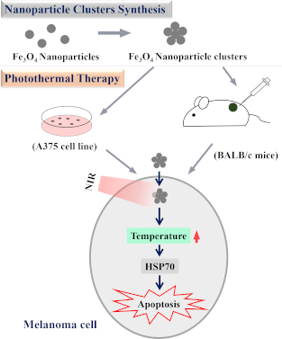
- Fe3O4 nanoparticles were synthesized via the thermal decomposition of precursor method as previously reported [22]. Specifically, under nitrogen atmosphere, a solution containing 0.01 mol 1,2-hexadecanediol and 20 mL dibenzyl ether was magnetically stirred within a three-necked flask (100 mL). Then


Surfactant-free syntheses and pair distribution function analysis of osmium nanoparticles
Beilstein J. Nanotechnol. 2022, 13, 230–235, doi:10.3762/bjnano.13.17
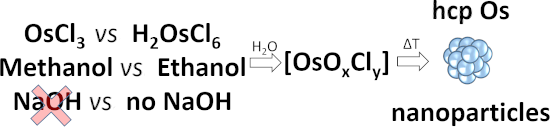
- effect of the precursor (OsCl3 or H2OsCl6), precursor concentration (up to 100 mM), solvent (methanol or ethanol), presence or absence of a base (NaOH), and addition of water (0 to 100 vol %) on the resulting nanomaterials is discussed. It is found that no base is required to obtain Os nanoparticles as
- opposed to the case of Pt or Ir NPs. The robustness of the synthesis for a precursor concentration up to 100 mM allows for the performance of X-ray total scattering with pair distribution function (PDF) analysis, which shows that 1–2 nm hexagonal close packed (hcp) NPs are formed from chain-like [OsOxCly
- [22]. It only requires a monoalcohol as solvent and reducing agent [25], a base, and a metal precursor to obtain size-controlled NPs [26][27]. This approach leads to catalysts that are more active than those prepared, for example, in polyols [28][29]. Here we investigate whether this simple synthetic


Impact of device design on the electronic and optoelectronic properties of integrated Ru-terpyridine complexes
Beilstein J. Nanotechnol. 2022, 13, 219–229, doi:10.3762/bjnano.13.16
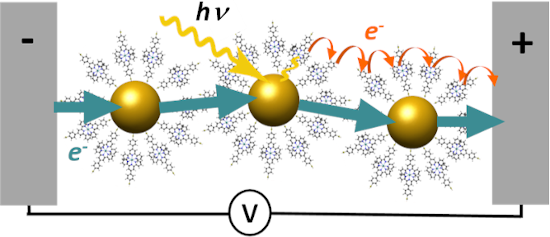
- makes them superior candidates for charge transport studies and functional nanodevices [16][17][18]. Using TP-based ligands and a reactive Ru precursor, we recently succeeded to establish a room-temperature method to grow Ru-TP supramolecular wires by sequential reaction [19]. The stepwise wire growth
- precursor [Ru(acetone)6](PF6)3 (Ru-PF6) were prepared according to procedures previously described [15][19][25][26][27]. The analysis of the prepared substances, including 1H NMR, UV–vis spectroscopy and mass spectrosmetry, display a high purity [15]. The molecular formulas of the chemical compounds are
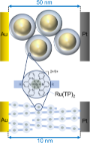
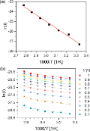
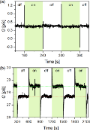
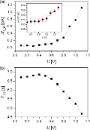
- hope that our results inspire further developments in this field. Stepwise Ru(TP)2-complex wire growth by alternate addition of the Ru-PF6 precursor in ethanol and BTP solution, (i)–(iv) see text above; L = ligand (acetone or ethoxide anion). Schematic illustration of Ru(MPTP)2–AuNP (upper part) and Ru


Low-energy electron interaction and focused electron beam-induced deposition of molybdenum hexacarbonyl (Mo(CO)6)
Beilstein J. Nanotechnol. 2022, 13, 182–191, doi:10.3762/bjnano.13.13
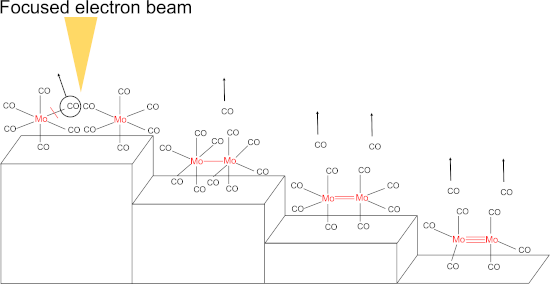
- (CO)6 in comparison to focused electron beam-induced deposition (FEBID) of this precursor. The DEA and DI experiments are compared to previous work, differences are addressed, and the nature of the underlying resonances leading to the observed DEA processes are discussed in relation to an earlier
- applications of such types a good and target-oriented fabrication control of molybdenum nanostructures is important. Potentially, this may be achievable by focused electron beam-induced deposition (FEBID). In FEBID of metallic structures, organometallic precursor molecules are generally used as the metal
- source [3][4][5]. The organometallic precursors are continuously supplied to a substrate surface in proximity to the impact side of a tightly focused, high-energy electron beam in a high-vacuum instrument. Ideally, the organometallic precursor is completely dissociated through the interaction with the


Sputtering onto liquids: a critical review
Beilstein J. Nanotechnol. 2022, 13, 10–53, doi:10.3762/bjnano.13.2
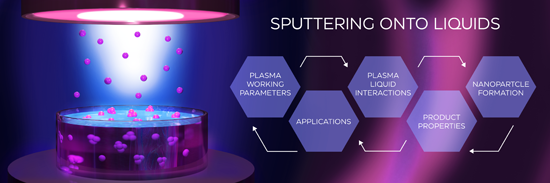
- approaches for the synthesis of colloidal NPs. In this case, molecular and/or atomic species are transformed into NPs. A typical procedure involves the growth of NPs in a liquid medium containing various reagents, particularly precursor species, reducing agents, and stabilizing agents to prevent the
- aggregation of NPs in the reaction mixture. Generally, the chemical methods are low-cost and allow one to produce large quantities of NPs; however, a couple of drawbacks can be highlighted and include contamination from precursor chemicals, use of solvents, and generation of sometimes hazardous by-products
- metal precursor, usually a salt such as HAuCl4, is chemically reduced by a (ii) reagent (e.g., sodium citrate, sodium borohydrate, ascorbic acid, glucose, hydrazine, or various amines) in the presence of a (iii) stabilizing agent (e.g., organic thiols, amines, acids, or various surfactants, i.e






Morphology-driven gas sensing by fabricated fractals: A review
Beilstein J. Nanotechnol. 2021, 12, 1187–1208, doi:10.3762/bjnano.12.88
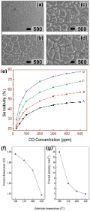
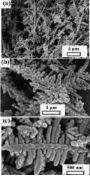
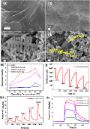
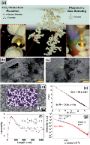
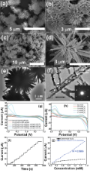
- -Fe2O3 fractal crystals by a cost-effective and eco-friendly microwave method [74]. Figure 13 shows SEM images of different hematite crystals obtained by varying precursor concentrations and additives. A dendritic particle structure with a middle stem of 3.5 µm and secondary branches of ca. 1 µm to 250
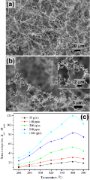
- al. who annealed a zinc precursor [75]. Figure 14a–f shows SEM images of ZnO structures obtained at different temperatures. The fabricated structures had large surface area and affluent pores and were tested for sensing ethanol vapors. The authors reported good sensing response (34.5), rapid response










The effect of cobalt on morphology, structure, and ORR activity of electrospun carbon fibre mats in aqueous alkaline environments
Beilstein J. Nanotechnol. 2021, 12, 1173–1186, doi:10.3762/bjnano.12.87
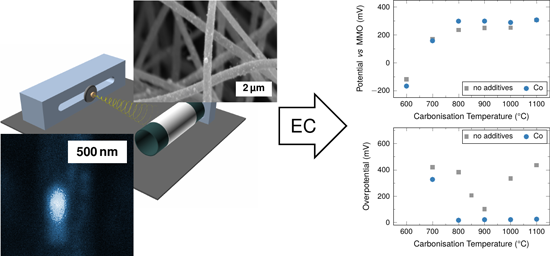
- in presence of cobalt One of the main reasons why polyacrylonitrile is employed as the precursor material is the fact that it contains nitrogen in significant amounts. The nitrogen is retained in the structure to a certain degree depending on the carbonisation temperature [11][12]. In the previous


Irradiation-driven molecular dynamics simulation of the FEBID process for Pt(PF3)4
Beilstein J. Nanotechnol. 2021, 12, 1151–1172, doi:10.3762/bjnano.12.86
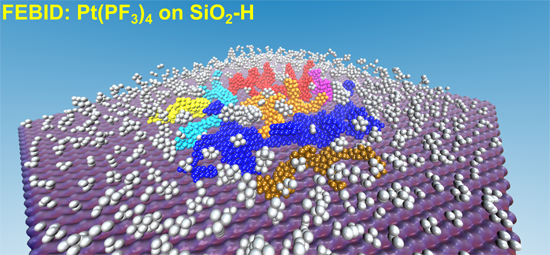
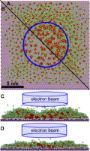
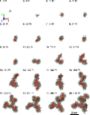
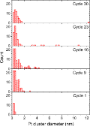
- simulations of irradiation-driven transformations of complex molecular systems by means of the advanced software packages MBN Explorer and MBN Studio. Atomistic simulations performed following the formulated protocol provide valuable insights into the fundamental mechanisms of electron-induced precursor
- fragmentation and the related mechanism of nanostructure formation and growth using FEBID, which are essential for the further advancement of FEBID-based nanofabrication. The developed computational methodology is general and applicable to different precursor molecules, substrate types, and irradiation regimes
- . The methodology can also be adjusted to simulate the nanostructure formation by other nanofabrication techniques using electron beams, such as direct electron beam lithography. In the present study, the methodology is applied to the IDMD simulation of the FEBID of Pt(PF3)4, a widely studied precursor








Revealing the formation mechanism and band gap tuning of Sb2S3 nanoparticles
Beilstein J. Nanotechnol. 2021, 12, 1021–1033, doi:10.3762/bjnano.12.76
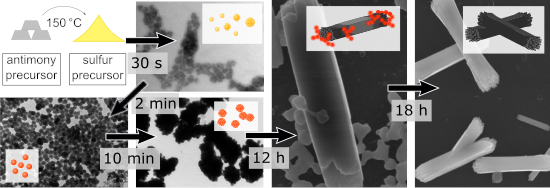
- . Based on morphological and structural analyses, it is suggested that seed particles (type 0) formed immediately after injecting the antimony precursor into the sulfur precursor. These seeds fused to form amorphous nanoparticles (type I) that contained a lower percentage of sulfur than that corresponding
- temperature leads to larger particles. Furthermore, they have concluded that a chlorine-containing antimony precursor affects the morphology and crystallinity of the particles. Nevertheless, the study of Abulikemu et al. focused on using bis(trimethylsilyl) sulfide (TMS) as sulfur precursor since with this
- of 180–210 °C to facilitate the synthesis process following the hot-injection method with a sulfur–oleylamine (S-OlAm) precursor. They have found that the temperature influences the crystallinity, shape, and size of the particles [21]. These studies revealed growth processes comprising a primary


The role of deep eutectic solvents and carrageenan in synthesizing biocompatible anisotropic metal nanoparticles
Beilstein J. Nanotechnol. 2021, 12, 924–938, doi:10.3762/bjnano.12.69
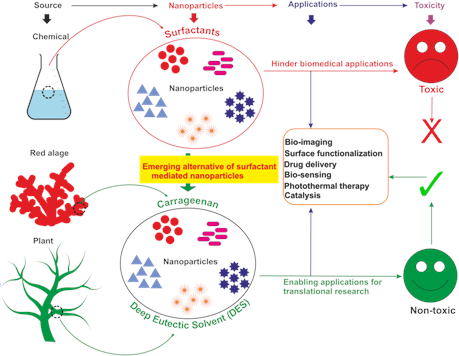
- creating a nontoxic platform for synthesizing nanomaterials with the potential for biological applications. Wet chemical reduction method using surfactants: pros and cons The widely used wet chemical approach for synthesizing nanomaterials is a facile reduction method involving a precursor metal salt and a
- preferential facet binding in the solution phase. The seed-mediated approach is a multistep controlled redox reaction utilizing metal seed nanocrystals of 1.5–4.0 nm. The seed particles are synthesized by reducing precursor gold salt using an excess amount of a strong reducing agent, such as sodium borohydride
- melting points, which interact via hydrogen bond to form a fluid at room temperature with a freezing temperature much below that of the individual precursor components. These strong hydrogen bonds restrict the recrystallization of the parent compounds [72]. There are numerous reports on DESs from various


Comprehensive review on ultrasound-responsive theranostic nanomaterials: mechanisms, structures and medical applications
Beilstein J. Nanotechnol. 2021, 12, 808–862, doi:10.3762/bjnano.12.64
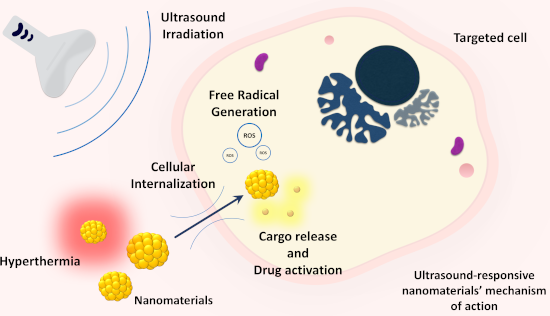
- US wave propagation shears the liquid medium causing MB formation. The manufacturing process can be carried out by two methods. Firstly, a batch sonication is performed in which the precursor material of the MB shell is sonicated in the presence of the inner gas to be encapsulated. Secondly, a
- continuous sonication is applied in which a continuous flow of both the inner gas and the shell precursor material are simultaneously sonicated in a uniform tank [156]. Microfluidic systems have recently been used as a method for MB production based on an interface between a liquid flow and a gas flow. T


9.1% efficient zinc oxide/silicon solar cells on a 50 μm thick Si absorber
Beilstein J. Nanotechnol. 2021, 12, 766–774, doi:10.3762/bjnano.12.60
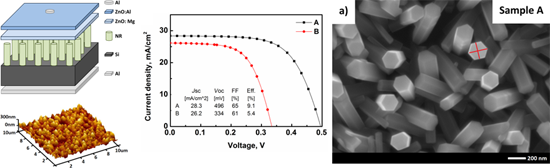
- deposited on top of samples A and B at the same temperature. Bis(methylcyclopentadienyl)magnesium (CAS Number 40672-08-0) was used as the magnesium precursor. The positive impact of Mg on the operation of the ZnO/Si photovoltaic cells was published elsewhere [16]. The authors of this reference revealed
- improved electron collection by band offset engineering. On top of the solar structure, AZO was deposited as a transparent contact [17][18]. Trimethylaluminium (TMA, CAS Number 75-24-1) was used as the Al precursor. In the ALD processes, high-purity nitrogen (purity 99.999%) was used as the carrier gas


A review of defect engineering, ion implantation, and nanofabrication using the helium ion microscope
Beilstein J. Nanotechnol. 2021, 12, 633–664, doi:10.3762/bjnano.12.52
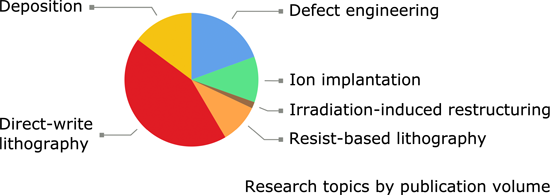
- chemically ordered non-ferromagnetic Fe60Al40 precursor film. Ferroelectric properties Similar to the magnetic anisotropy experiments described above, helium ion irradiation using the HIM has also been used to locally modify ferroelectric properties. For example, pinning of ferroelectric domains in
- the beam energy and current, the growth of single-crystal nanowires was also shown. This is reminiscent of nanowire growth by the vapor–solid–liquid mechanism, except here the process was performed at room temperature and without the flow of a gaseous precursor. In the HIM case it was proposed that


High-yield synthesis of silver nanowires for transparent conducting PET films
Beilstein J. Nanotechnol. 2021, 12, 624–632, doi:10.3762/bjnano.12.51
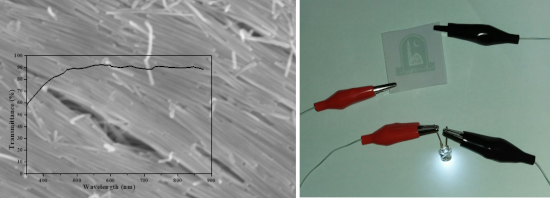
- nanowires. CuCl2 was used as a salt precursor providing chloride ions. Chloride ions play a vital role in regulating the growth of AgNWs. To prepare self-arranged silver nanowires, first, 150 mL of EG was stirred and heated at 160 °C for 1 h in order to remove any residual water from EG. The temperature was


Impact of GaAs(100) surface preparation on EQE of AZO/Al2O3/p-GaAs photovoltaic structures
Beilstein J. Nanotechnol. 2021, 12, 578–592, doi:10.3762/bjnano.12.48
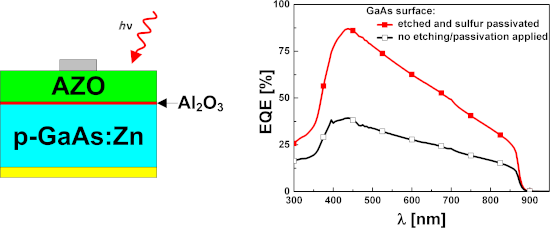
- passivation layer in the first few ALD cycles. By applying ALD, we were able to create both Al2O3 and AZO layers in a single ALD process conducted at 160 °C. Aluminum oxide was deposited within five cycles of (trimethylaluminum/Al(CH3)3, TMA, CAS:75-24-1) and H2O precursor supply while AZO required 10 multi


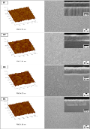


Properties of graphene deposited on GaN nanowires: influence of nanowire roughness, self-induced nanogating and defects
Beilstein J. Nanotechnol. 2021, 12, 566–577, doi:10.3762/bjnano.12.47
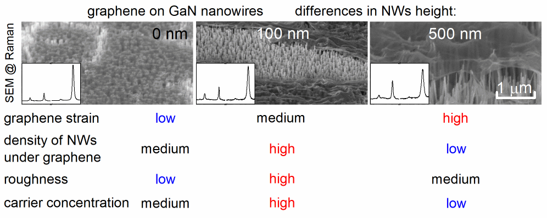
- copper foil with methane gas as the precursor [31]. Next, graphene was transferred onto GaN NWs substrates. Due to low adhesive forces between graphene and corrugated substrates, the most common method to transfer graphene with the use of poly(methyl methacrylate) (PMMA) polymer could not be applied for




On the stability of microwave-fabricated SERS substrates – chemical and morphological considerations
Beilstein J. Nanotechnol. 2021, 12, 541–551, doi:10.3762/bjnano.12.44
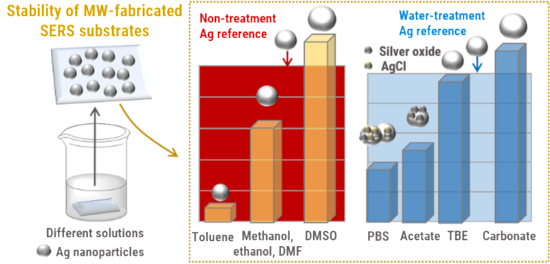
- salt to metallic silver by microwave irradiation in the presence of ethanol utilized as reducing agent (Figure 1a). In practice, the functionalization of the substrates requires only the placement of the cleaned glass supports into a microwave vial containing an aqueous silver acetate precursor co
- -mixed with ethanol. Subsequently, the closed microwave vials are subjected to microwave irradiation for two minutes. In the first phase of the microwave irradiation the temperature of the precursor mixture rapidly increases (see Supporting Information File 1, Figure S1 for the temperature diagram of a
- (methanol, ethanol, DMF, toluene, and DMSO) were used without further purification. 4-ATP was also utilized as purchased. Preparation of surface-enhanced Raman spectroscopy substrates A silver acetate precursor solution was used as a metal salt and ethanol was utilized as a reducing agent. Commercially


Boosting of photocatalytic hydrogen evolution via chlorine doping of polymeric carbon nitride
Beilstein J. Nanotechnol. 2021, 12, 473–484, doi:10.3762/bjnano.12.38
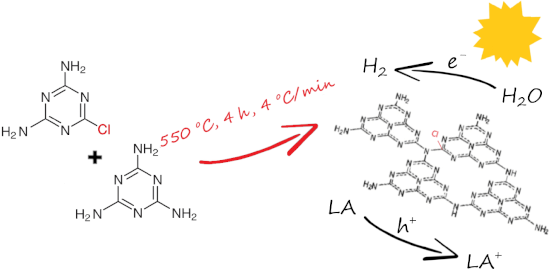
- collected and milled into powder in an agate mortar. Synthesis of Cl-doped polymeric carbon nitride As a precursor of chlorine, CDATA was used. Firstly, 4 g of melamine was mixed with 200 mg of CDATA in 20 mL of deionized water, upon stirring, for 1 h at room temperature. The solutions were then dried at 80


Solution combustion synthesis of a nanometer-scale Co3O4 anode material for Li-ion batteries
Beilstein J. Nanotechnol. 2021, 12, 424–431, doi:10.3762/bjnano.12.34
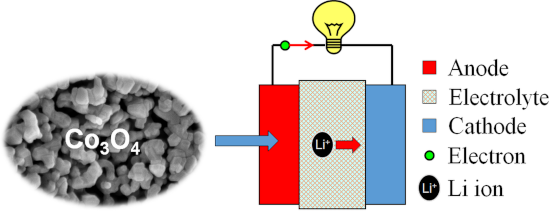
- ]. During the typical SCS process, the initial phase is carried out at low temperatures and is associated with the evaporation of water or solvent. This allows for the formation of a gel, which acts as the precursor in the main part of the self-propagation reaction. This step is carried out at elevated
- , the resulting gel precursor was heated in an alumina crucible from 300 to 700 °C for 5 h in air. The flowchart of the synthesis is presented in Figure 4. Characterization of the Co3O4 material: The structural properties of the Co3O4 material were determined using powder X-ray diffraction (XRD) and


Structural and optical characteristics determined by the sputtering deposition conditions of oxide thin films
Beilstein J. Nanotechnol. 2021, 12, 354–365, doi:10.3762/bjnano.12.29
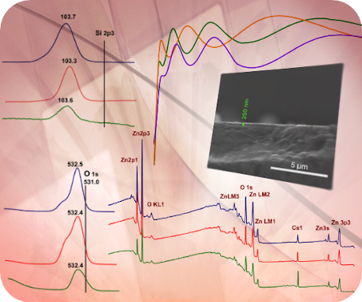
- dielectric properties (e.g., SiO2 and ZnO) exhibit a dependence of the electrical resistance with temperature [22][23]. SiO2 and ZnO films are obtained by various deposition techniques, such as matrix-assisted pulsed laser evaporation (MAPLE) [24][25], spin coating of sol–gel precursor solutions [26], radio


Nickel nanoparticle-decorated reduced graphene oxide/WO3 nanocomposite – a promising candidate for gas sensing
Beilstein J. Nanotechnol. 2021, 12, 343–353, doi:10.3762/bjnano.12.28
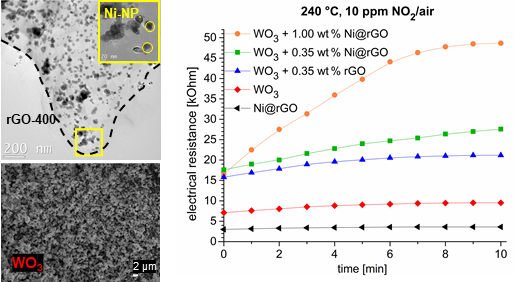
- can be easily synthesized from the precursor material bis(1,5-cyclooctadiene)nickel(0) (Ni(COD)2) in different ionic liquids without any additional stabilizing or reducing agents [46]. Ionic liquids have the ability to exfoliate graphene oxide into single sheets. Thus, a higher surface area can be
- supported on reduced graphene oxide paves the way for their application as dopant in other metal oxide gas sensors. Experimental Due to the sensitivity of the precursor substances towards moisture and oxidation, all experiments were carried out in a purified argon (grade 99.998 vol %) or nitrogen (grade


Exploring the fabrication and transfer mechanism of metallic nanostructures on carbon nanomembranes via focused electron beam induced processing
Beilstein J. Nanotechnol. 2021, 12, 319–329, doi:10.3762/bjnano.12.26
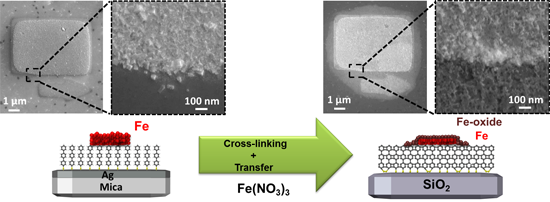
- ” approach for the fabrication of arbitrarily shaped nanostructures [1][2][3][4][5]. The most prominent method within the FEBIP family is electron beam-induced deposition (EBID). In EBID, a focused electron beam is used to locally dissociate adsorbed precursor molecules. Thus, a localized deposit of the non
- satisfying results [4][9]. However, for certain precursors, EBID yields clean deposits when carried out under ultrahigh vacuum (UHV) conditions. It was shown that in UHV, for some precursors, an autocatalytic growth (AG) process occurs already at room temperature, which leads, upon further precursor dosage
- , to the dissociation of the precursor molecules on top of the initial EBID deposit. In the case of Fe(CO)5 this AG process results in the formation of deposits consisting of pure iron [10]. A second method from the FEBIP family, namely electron beam-induced surface activation (EBISA), also largely


The patterning toolbox FIB-o-mat: Exploiting the full potential of focused helium ions for nanofabrication
Beilstein J. Nanotechnol. 2021, 12, 304–318, doi:10.3762/bjnano.12.25
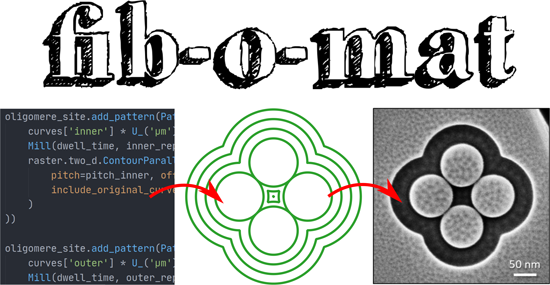
- combination with a thermal stability up to 2600 K [50], renders graphene an exciting candidate for room-temperature bolometry [51]. Single-layer graphene was grown by chemical vapor deposition onto a multicrystalline copper foil using methane as precursor gas at 1035 °C. For the transfer process, the graphene


Gold(I) N-heterocyclic carbene precursors for focused electron beam-induced deposition
Beilstein J. Nanotechnol. 2021, 12, 257–269, doi:10.3762/bjnano.12.21
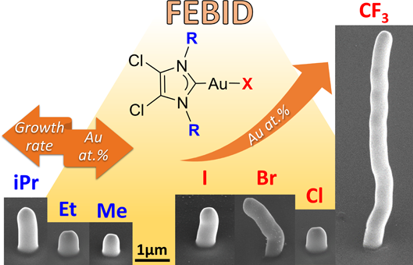
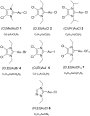
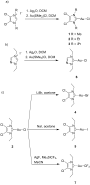
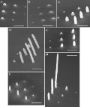
- substitutions on deposit composition and growth rate indicates that the most suitable organic ligand for the gold precursor is triazole-based, with the best deposit composition of 15 atom % gold, while the most suitable anionic ligand is the trifluoromethyl group, leading to a growth rate of 1 × 10⁻² nm3/e
- the deposit. A major challenge is therefore to achieve control over the composition of the deposited material through a proper design of the precursor molecule [17][18]. Gold deposition has been one of the earliest interests in FEBID [19], as gold 3D-nanostructures can find a wide range of
- gold(I) complexes has been explored, such as Au(PF3)Cl [27][28][29][30] and Au(CO)Cl [31], which gave high-purity deposits. Unfortunately, the high instability of these precursor molecules has severely hindered their use as FEBID precursors. For the compounds [AuMe2Cl]2 and Au(PMe3)Me [32], it was





Scanning transmission helium ion microscopy on carbon nanomembranes
Beilstein J. Nanotechnol. 2021, 12, 222–231, doi:10.3762/bjnano.12.18
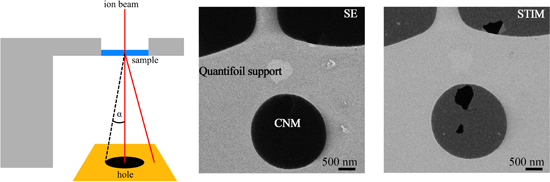
- ) [35]. Thin CNMs were prepared from terphenylthiol precursor molecules, thick CNMs were obtained from CNM Technologies GmbH (Bielefeld, Germany). The CNMs used for this experiment offer a low conductivity to give a negligible SE contribution. Monte Carlo simulations of the ion trajectories were run





