Search results
Search for "silica" in Full Text gives 406 result(s) in Beilstein Journal of Nanotechnology. Showing first 200.
Nitrogen-vacancy centers in diamond for nanoscale magnetic resonance imaging applications
Beilstein J. Nanotechnol. 2019, 10, 2128–2151, doi:10.3762/bjnano.10.207
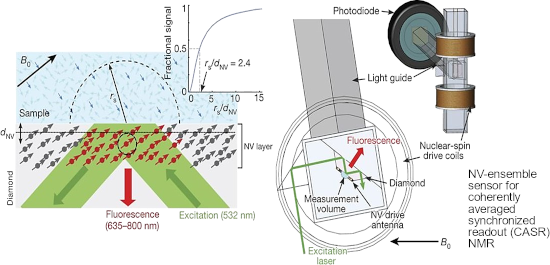
- modulated with a magnetic field giving increased sensitivity. As bioimaging probes, they are versatile, cost-effective and easily functionalized, in addition to being easy to coat with silica for biomedical applications. Background-free imaging, both in vivo and in vitro, is achieved by applying an


Ion mobility and material transport on KBr in air as a function of the relative humidity
Beilstein J. Nanotechnol. 2019, 10, 2084–2093, doi:10.3762/bjnano.10.203
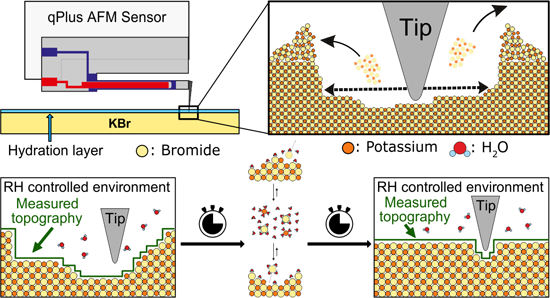
- drying effect of silica gel. With this setup, RH values below 2% can be obtained. The desired humidity can be reached within a time scale ranging from some minutes up to a few hours. Without active influence the air humidity remains quite constant with a maximum rate of change of less than one percent


Synthesis of highly active ETS-10-based titanosilicate for heterogeneously catalyzed transesterification of triglycerides
Beilstein J. Nanotechnol. 2019, 10, 2039–2061, doi:10.3762/bjnano.10.200
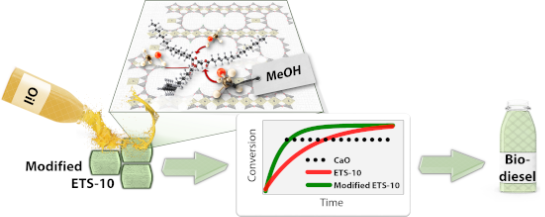
- removal [13]. Amongst the prospective solid catalysts designed for transesterification reactions, such as calcium [14] and other metal oxides [15], metal–organic frameworks (MOFs) [10], silica-supported catalysts [16], biochar [17] and other biomass-derived catalysts [18], zeolites and molecular sieves
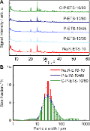
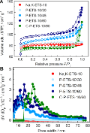
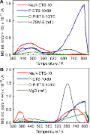
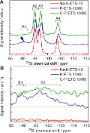
- zero-field splitting (ZFS) parameter (D >> 10 GHz) and a ratio between rhombic and axial ZFS of 1/3. Such Fe(III) centers have been commonly observed in zeolite and silica materials and were assigned to iron sites with a distorted tetrahedral coordination geometry [56][57]. In addition, P-ETS-10/60
- 5 t. Afterwards, the pellets were ground and sieved in order to obtain fractions between 1.0 and 1.5 μm. Preparation of ETS-10-based catalysts ETS-10 molecular sieves were prepared by hydrothermal synthesis following a reported procedure [32]. Initially, a visually transparent silica-containing








Review of advanced sensor devices employing nanoarchitectonics concepts
Beilstein J. Nanotechnol. 2019, 10, 2014–2030, doi:10.3762/bjnano.10.198
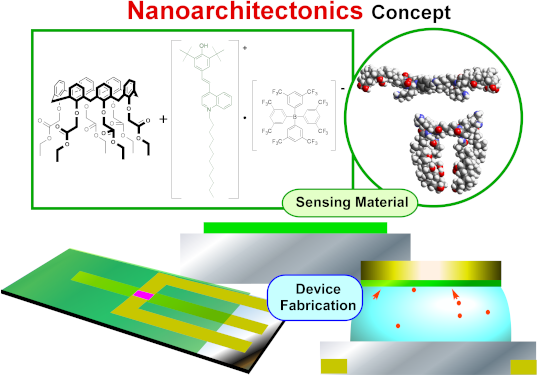
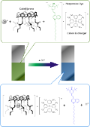
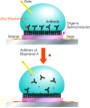
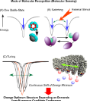
- surface stress sensor as a novel nanomechanical device and a highly networked capsular nanoarchitecture of silica–porphyrin hybrid as the sensing material. Not limited to this particular case, innovations from both the device side and the materials side for improved sensors has been continuously pursued





Gold-coated plant virus as computed tomography imaging contrast agent
Beilstein J. Nanotechnol. 2019, 10, 1983–1993, doi:10.3762/bjnano.10.195
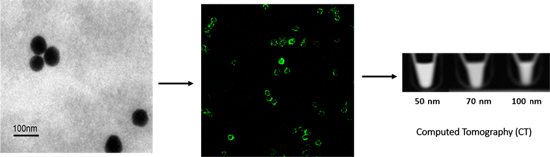
- AuNPs by generating 66 nm AuNPs coated with an 11 nm layer of silica and showed that for mice injected with these particles a contrast signal was observed [13]. Popovtzer et al. reported successful CT imaging of squamous cell carcinoma using gold nanorods coated with anti-antigen A9 [24]. The low




Porous silver-coated pNIPAM-co-AAc hydrogel nanocapsules
Beilstein J. Nanotechnol. 2019, 10, 1973–1982, doi:10.3762/bjnano.10.194
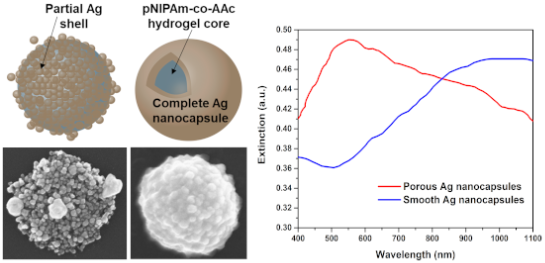
- enhanced extinction compared to molecular chromophores [44][45]. This type of particle generally consists of a single metal or an alloy shell with or without a dielectric silica core [46][47][48]. Fortunately, for biological applications, the optical properties of the nanoshells can be tuned by varying the


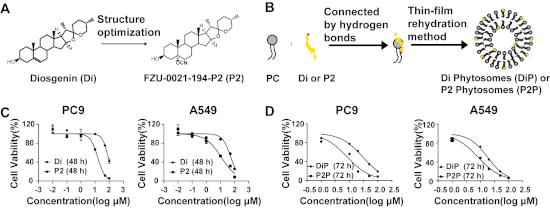
Synthesis and potent cytotoxic activity of a novel diosgenin derivative and its phytosomes against lung cancer cells
Beilstein J. Nanotechnol. 2019, 10, 1933–1942, doi:10.3762/bjnano.10.189
- used without further purification. Preparative column chromatography was performed using silica gel 60 with particle size 0.063–0.200 mm (70–230 mesh, Flash). Analytical thin-layer chromatography (TLC) was carried out employing silica gel 60 F254 plates (Merck, Darmstadt). Nuclear magnetic resonance
- mL) and extracted with H2O (20 mL). The combined organic layers were washed with saturated brine, dried over anhydrous Na2SO4, filtered, which was purified by silica gel chromatography (PE/EtOAc 4:1) to give the desired product (348 mg, 38%) as a white solid. TLC: Rf = 0.54 (PE/EtOAc 2:1). 1H NMR



Engineered superparamagnetic iron oxide nanoparticles (SPIONs) for dual-modality imaging of intracranial glioblastoma via EGFRvIII targeting
Beilstein J. Nanotechnol. 2019, 10, 1860–1872, doi:10.3762/bjnano.10.181
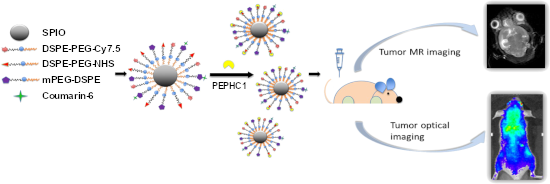
- -functionalized iron oxide nanoparticles after convection-enhanced delivery (CED) [35]. Lee and co-workers also showed that combining MRI with fluorescent imaging by using fluorescent silica-coated iron oxide nanoparticles has potential application in GBM treatment for improved intraoperative staging and enhanced
- for molecular imaging. A nanoprobe for the multimodal imaging of EGFRvIII overexpression in glioblastoma was constructed in the study. Compared with the EGFRvIII-antibody-functionalized iron oxide nanoparticles after convection-enhanced delivery (CED) to target EGFRvIII [35] and fluorescent-silica




Nanoarchitectonics meets cell surface engineering: shape recognition of human cells by halloysite-doped silica cell imprints
Beilstein J. Nanotechnol. 2019, 10, 1818–1825, doi:10.3762/bjnano.10.176
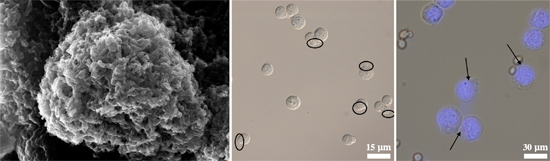
- practical manifestation of nanoarchitectonics, is a powerful tool to modify and enhance properties of live cells. In turn, cells may serve as sacrificial templates to fabricate cell-mimicking materials. Herein we report a facile method to produce cell-recognising silica imprints capable of the selective
- detection of human cells. We used HeLa cells to template silica inorganic shells doped with halloysite clay nanotubes. The shells were destroyed by sonication resulting in the formation of polydisperse hybrid imprints that were used to recognise HeLa cells in liquid media supplemented with yeast. We believe
- cells templates offer other fascinating opportunities due to their cell-mimicking geometries, for example, a novel class of bioinspired colloid particles was fabricated recently. Colloid antibodies were produced via the formation of solid silica shells doped with gold nanoparticles on bacterial cells


Layered double hydroxide/sepiolite hybrid nanoarchitectures for the controlled release of herbicides
Beilstein J. Nanotechnol. 2019, 10, 1679–1690, doi:10.3762/bjnano.10.163
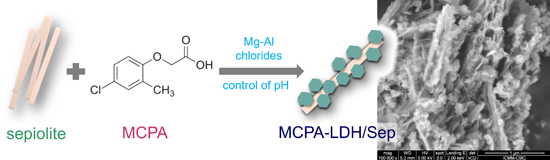
- double oxides” in the presence of diverse species, e.g., silica nanoparticles [32]. Nanoarchitectonic materials involving the growth of LDH nanoparticles in the presence of fibrous clay silicates were patented several years ago [33]. Direct co-assembly of already formed particles of each component does


Nanoporous smartPearls for dermal application – Identification of optimal silica types and a scalable production process as prerequisites for marketed products
Beilstein J. Nanotechnol. 2019, 10, 1666–1678, doi:10.3762/bjnano.10.162
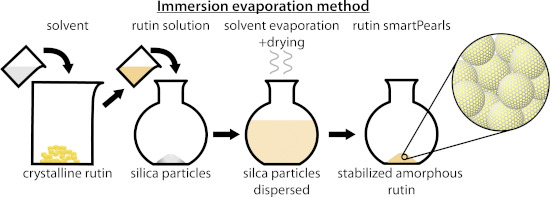
- Berlin, Germany Institute of Functional Interfaces, Karlsruher Institute of Technology, Hermann-von-Helmholtz-Platz 1, 76344 Eggenstein-Leopoldshafen, Germany 10.3762/bjnano.10.162 Abstract smartPearls are a dermal delivery system for poorly soluble active agents, consisting of nanoporous silica
- particles loaded with a long-term stable, amorphous active agent in its mesopores (2–50 nm). The amorphous state of the active agent is known to increase dermal bioavailability. For use in marketed products, optimal silica types were identified from commercially available, regulatory accepted silica. In
- addition, a scalable production process was demonstrated. The loading of the particles was performed by applying the immersion–evaporation method. The antioxidant rutin was used as a model active agent and ethanol was applied as the solvent. Various silica particles (Syloid®, Davisil®) differing in




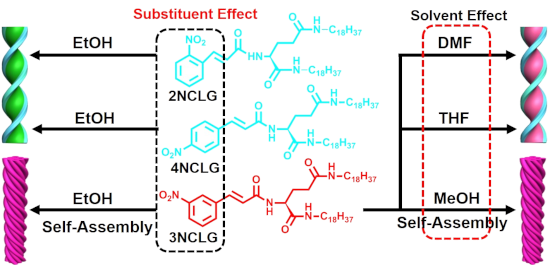
Chiral nanostructures self-assembled from nitrocinnamic amide amphiphiles: substituent and solvent effects
Beilstein J. Nanotechnol. 2019, 10, 1608–1617, doi:10.3762/bjnano.10.156
- characterized on a Bruker AVANCE III HD 500 machine. The gel and precipitate were cast onto single-crystal silica plates and then coated with a thin layer of Pt after drying to increase the contrast. After that, the morphology was observed with a Hitachi S-4800 FE-SEM operating at an accelerating voltage of 10




Development of a new hybrid approach combining AFM and SEM for the nanoparticle dimensional metrology
Beilstein J. Nanotechnol. 2019, 10, 1523–1536, doi:10.3762/bjnano.10.150
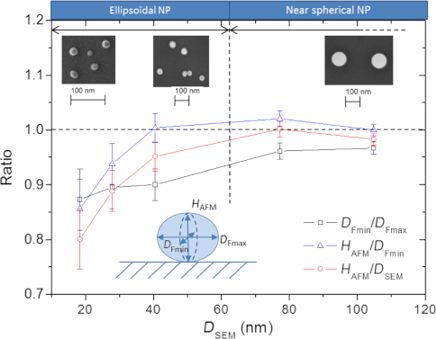
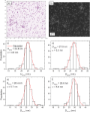
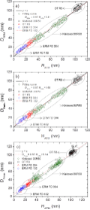
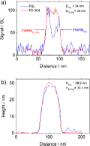
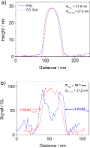
- exactly on the same set of NPs. In order to establish the proof-of-concept of this approach and assess the performance of both instruments, measurements were carried out on several samples of spherical silica NP populations ranging from 5 to 110 nm. The spherical nature of silica NPs imposes naturally the
- data processing from AFM and SEM measurements on nanoparticles. The comparison between both techniques had been carried out on a single silica NP population with few NPs measured. In this new paper, we propose to extend this strategy by combining AFM and SEM measurements for several silica NP
- population of spherical NPs is performed. We used silica (SiO2) nanoparticles that are supposed to have a spherical shape [13][14]. Indeed, the sphericity requires that the NP height is equal to the diameter measured in XY-plane (lateral diameters). In this manner, height measurements performed by AFM can be




BiOCl/TiO2/diatomite composites with enhanced visible-light photocatalytic activity for the degradation of rhodamine B
Beilstein J. Nanotechnol. 2019, 10, 1412–1422, doi:10.3762/bjnano.10.139
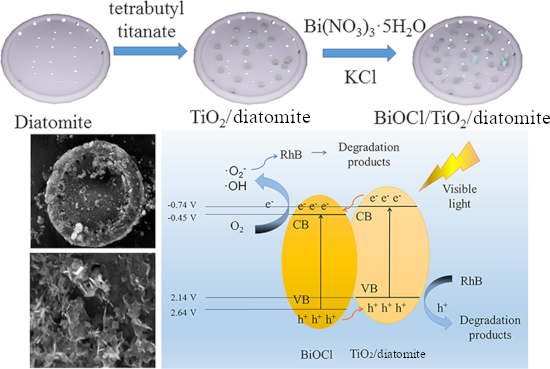
- current works, this problem can be solved by fixing the TiO2 onto the surface of the carrier to form a uniform layer. Till now, various materials have been studied and successfully applied as the photocatalytic carrier such as kaolinite [16], diatomite [17], zeolite [18], silica nanofiber [19], etc., and


Highly ordered mesoporous silica film nanocomposites containing gold nanoparticles for the catalytic reduction of 4-nitrophenol
Beilstein J. Nanotechnol. 2019, 10, 1368–1379, doi:10.3762/bjnano.10.135
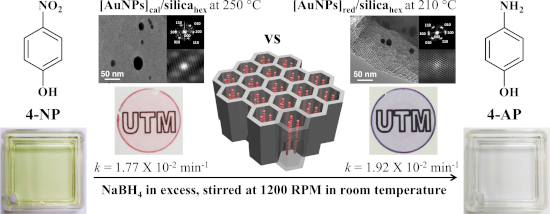
- Institute for Scientific and Industrial Research, Universiti Teknologi Malaysia, 81310 UTM Johor Bahru, Johor, Malaysia 10.3762/bjnano.10.135 Abstract We report that transparent mesostructured silica/gold nanocomposite materials with an interpore distance of 4.1 nm, as-synthesized from a templated sol–gel
- synthesis method using discotic trinuclear gold(I) pyrazolate complex, were successfully utilized for the fabrication of thin film mesoporous silica nanocomposites containing gold nanoparticles. The material exhibited a highly ordered hexagonal structure when subjected to a thermal hydrogen reduction
- -nitrophenol at room temperature, the highly ordered structure of the as-fabricated silica/gold nanoparticle thin film composite after thermal hydrogen reduction at 210 °C resulted in an improved catalytic activity for the reduction of 4-nitrophenol to 4-aminophenol compared to the material calcined at 250 °C


Janus-micromotor-based on–off luminescence sensor for active TNT detection
Beilstein J. Nanotechnol. 2019, 10, 1324–1331, doi:10.3762/bjnano.10.131
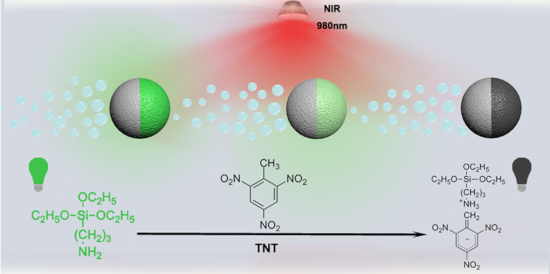
- hydrochloride) (PAH) and poly(styrene sulfonate) (PSS) were alternately deposited onto the surface of 5 μm silica particles by layer-by-layer (LbL) assembly [38][39][40][41]. The as-prepared particles were subsequently modified with amine-functionalized UCNPs through electrostatic interactions and then were
- dispersed on a glass slide to form a monolayer. After sputtering of a 20 nm thin film of Pt, the Janus UCNP-functionalized capsule motors were obtained by removing the silica cores with hydrofluoric acid. To prepare the Janus UCNP capsule motors, NaYF4:Yb3+/Er3+ UCNPs were firstly synthesized following a
- uniformly dispersed on the surface of the microcapsule. After Pt sputtering and removal of the silica core, the Janus UCNP capsule motors were obtained. As shown in Figure 1g, the as-prepared APTES-UCNPs were partially covered with a Pt cap, displaying a Janus structure. The scanning electron microscopy


Multicomponent bionanocomposites based on clay nanoarchitectures for electrochemical devices
Beilstein J. Nanotechnol. 2019, 10, 1303–1315, doi:10.3762/bjnano.10.129
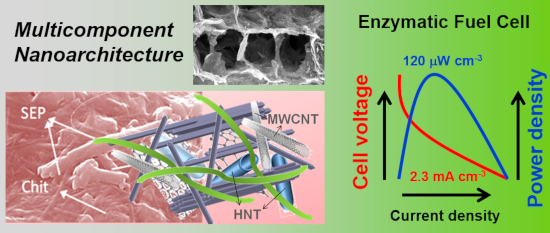
- values measured for other chitosan/clay foams (1.4 MPa) [51] and significantly higher than those of self-assembled graphene hydrogels (0.03–0.3 MPa) [52]. Notably, the specific modulus of the bionanocomposite foams was 50 kNm·kg−1, which is considerably higher than values reported for silica aerogels (5



Photoactive nanoarchitectures based on clays incorporating TiO2 and ZnO nanoparticles
Beilstein J. Nanotechnol. 2019, 10, 1140–1156, doi:10.3762/bjnano.10.114
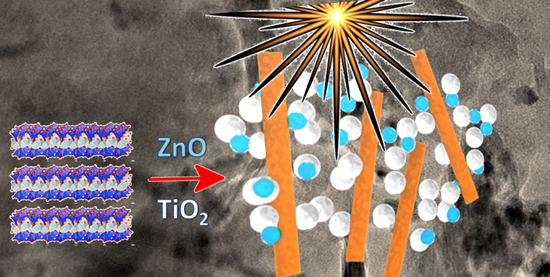
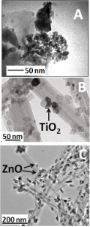
- situ formation in the available nanoscale spaces of the solid substrates, resulting in controlled size and shape of the supported TiO2 and ZnO NPs. The involved inorganic matrices can be of very diverse nature such as silica and silicates (mesoporous silicas, zeolites, clays, and clay minerals
- inorganic crystalline hosts [60][61][62][63][64][65][66]. Nanoarchitectures composed of zeolites and mesoporous silica and TiO2 or ZnO NPs have been reported as efficient photocatalysts as well as photoluminescent materials [67][68][69]. The formation of TiO2 and ZnO NPs on the external surface, in addition
- to the NPs confined in the nanopores, is still an important challenge. Recently, the size-controlled synthesis of TiO2 NPs within mesoporous silica (SBA-15) has been reported, where, according to Vibulyaseak and co-workers [70], the NPs formation occurred exclusively in the mesopores. The aim of this



Tailoring the stability/aggregation of one-dimensional TiO2(B)/titanate nanowires using surfactants
Beilstein J. Nanotechnol. 2019, 10, 1024–1037, doi:10.3762/bjnano.10.103
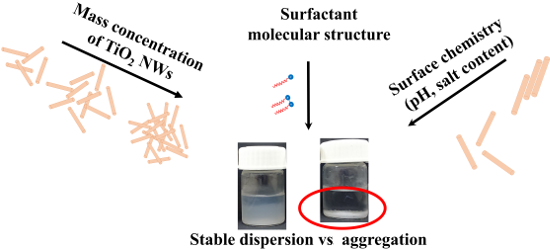
- different solution and interfacial behavior compared to corresponding conventional monomeric surfactants [32][33][34]. The interaction of gemini surfactants with solid (nano)surfaces such as clay [35], calcium phosphate [36], silica [37][38][39][40], TiO2 [41], ZnO [42] and carbon NTs [43] have been


Effects of gold and PCL- or PLLA-coated silica nanoparticles on brain endothelial cells and the blood–brain barrier
Beilstein J. Nanotechnol. 2019, 10, 941–954, doi:10.3762/bjnano.10.95
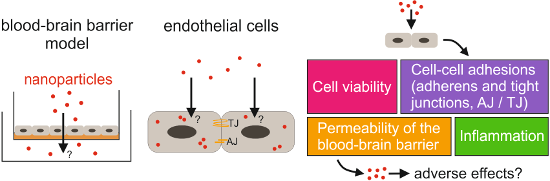
- are foreign objects, careful evaluation of their toxicological and functional aspects prior to medical application is imperative. In this study, we aimed to determine the effects of gold and polymer-coated silica nanoparticles used in laser tissue soldering on brain endothelial cells and the blood
- and specialized structures such as the blood–brain barrier (BBB). To be able to safely employ LTS in nanomedicine, such unwanted effects need to be studied. Previously, we investigated effects of silica (Si-), namely silica-ICG/poly(ε-caprolactone) (PCL) and silica-ICG/poly(ε-caprolactone-poly(L
- , UK) at 37 °C and 5% CO2. Nanoparticles Silica-ICG/poly(ε-caprolactone) (PCL) and silica-ICG/poly(ε-caprolactone-poly(L-lactide) (PLLA) NPs were constructed and provided by Prof. Dr. Uwe Pieles, Department of Chemistry and Bioanalytics, Academy of Life Science, Switzerland. Both types of NPs consisted



Novel reversibly switchable wettability of superhydrophobic–superhydrophilic surfaces induced by charge injection and heating
Beilstein J. Nanotechnol. 2019, 10, 840–847, doi:10.3762/bjnano.10.84
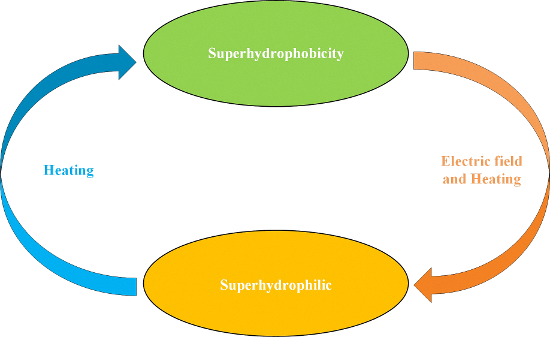
- Materials and instrumentation Alcohol (99.7%, AR) and hydrophobic silica (16–25 nm diameter) was provided by Evonik Degussa Co. Ltd. (Germany). The varnish (Voep-1) was from Shijiazhuang Paint Company. All reagents were used as received without further purification. A high-voltage power supply (Tianjin
- Dongwen) was used for wettability modification of the silica surfaces. An S3000 scanning electron microscope (SEM, Japan Hitachi Group) and a Kelvin probe force microscope (Bruker Dimension Icon, Brook) with a SCM-PIT probe (Pt/Ir coated tips, 2.8 N/m, 75 kHz, Pt/Ir reflective coating) were used for


Polydopamine-coated Au nanorods for targeted fluorescent cell imaging and photothermal therapy
Beilstein J. Nanotechnol. 2019, 10, 794–803, doi:10.3762/bjnano.10.79
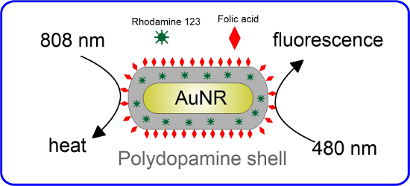
- tunable shell thickness. The most popular coatings such as mesoporous silica, PEG and polyelectrolyte shells do not meet the above quality criteria. In 2007 Messersmith et al. reported the mussel-inspired adhesive polydopamine (PDA) multifunctional coating for various materials including nanoparticles [25
- obtain a loading efficiency of 103 R123 molecules per one composite AuNRs-PDA-R123-folate particle. This number is comparable with the typical estimations of the loading capacity for AuNRs coated with a mesoporous silica shell [45] (several thousands of dye molecules per particle). In our case, a smaller
- silica shells. However, PDA coating makes the functionalization with any amine-containing ligand very simple and robust. It is sufficient to incubate PDA-coated nanorods with a desired functionalization component (for example, with folate and R123). Furthermore, the biocompatibility of the PDA biopolymer


Towards rare-earth-free white light-emitting diode devices based on the combination of dicyanomethylene and pyranine as organic dyes supported on zinc single-layered hydroxide
Beilstein J. Nanotechnol. 2019, 10, 760–770, doi:10.3762/bjnano.10.75
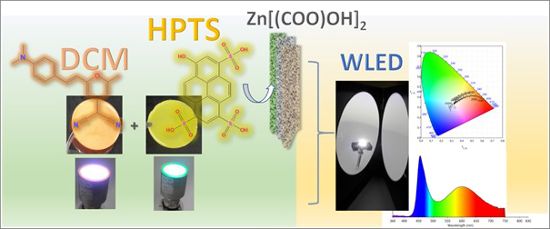
- are dispersed in an inorganic matrix such as silica [7]. Studies have been carried out on materials obtained by mixing a dye and a double-layered hydroxide solid compound [8][9][10][11]. Unfortunately, the optical properties of these materials, particularly their performance, are not yet satisfactory


An iridescent film of porous anodic aluminum oxide with alternatingly electrodeposited Cu and SiO2 nanoparticles
Beilstein J. Nanotechnol. 2019, 10, 735–745, doi:10.3762/bjnano.10.73
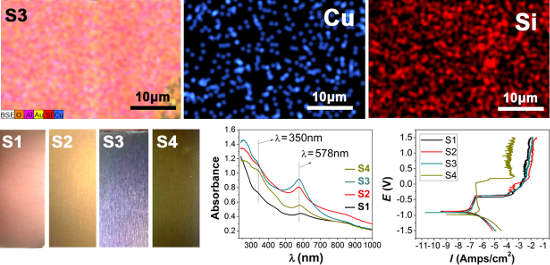
- angles led to a variation of the structural color from red to blue-purple, and the SiO2 particle size was also found to have an influence on the film color [14]. Furthermore, an AAO template was firstly prepared in an electrolyte with an alkaline silica gel and phosphate, onto which a layer of an Au film


Mechanical and thermodynamic properties of Aβ42, Aβ40, and α-synuclein fibrils: a coarse-grained method to complement experimental studies
Beilstein J. Nanotechnol. 2019, 10, 500–513, doi:10.3762/bjnano.10.51
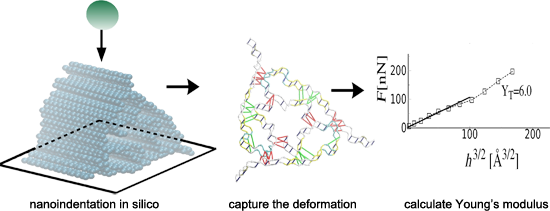
- , such as highly oriented pyrolytic graphite (HOPG), silica, and other “clean” surfaces, which are, however, very far away from biological systems. Moreover, by considering the indenter as a sphere, the anisotropies in the deformed material can be screened, since the measured deformation depends on the