


Search results
Search for "absorbance" in Full Text gives 406 result(s) in Beilstein Journal of Nanotechnology. Showing first 200.
Soybean-derived blue photoluminescent carbon dots
Beilstein J. Nanotechnol. 2020, 11, 606–619, doi:10.3762/bjnano.11.48
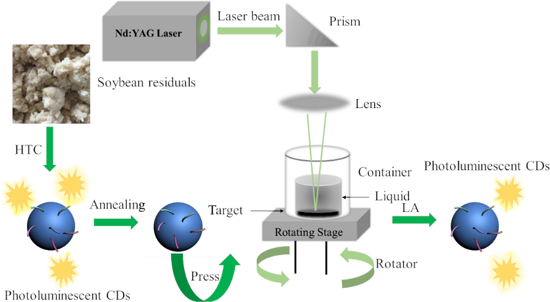
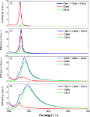
- , annealed-CDs and LA-CDs-10% are depicted in Figure 3d. There are three peaks at 208, 253 and 293 nm for the HTC-CDs. The peak at 208 nm is from the π–π* transition of the conjugated C=C bond on the backbone of carbon [36], and the broad absorbance peaks at 253 and 293 nm are from the n–π* transition of the
- carbonyl and other oxygen or nitrogen-containing groups [37]. There is no visible peak for the annealed-CDs, which exhibited continuous, weak absorbance in the wavelength range of 200 to 600 nm. Such a result suggests that the annealed-CDs are conductive and the corresponding bandgap is zero [38]. For the
- ) HTC-CDs, (b) annealed-CDs (annealing temperature: 850 °C), and (c) LA-CDs-10%; the size distribution of soybean-derived nanoparticles: (d) HTC-CDs, (e) annealed-CDs, and (f) LA-CDs-10%. Photoluminescence spectra of: (a) HTC-CDs, (b) annealed-CDs, and (c) LA-CDs-10%; (d) UV–vis absorbance spectra of


Adsorptive removal of bulky dye molecules from water with mesoporous polyaniline-derived carbon
Beilstein J. Nanotechnol. 2020, 11, 597–605, doi:10.3762/bjnano.11.47
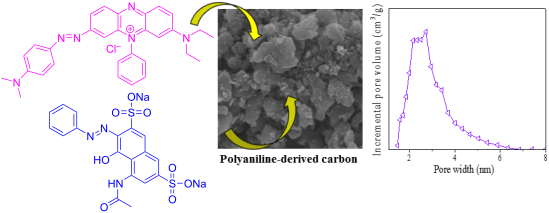
- demand (COD) levels. Additionally, dyes decrease sunlight penetration through water, decreasing the natural restoration activity of rivers. Moreover, dyes in waste water are also considered problematic in the aesthetic sense, since the absorbance of dyes is usually very high (therefore, even small


Luminescent gold nanoclusters for bioimaging applications
Beilstein J. Nanotechnol. 2020, 11, 533–546, doi:10.3762/bjnano.11.42
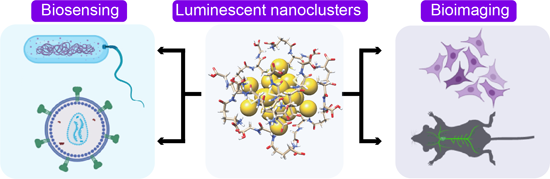
- : glutathione; NAC: N-acetylcysteine; MTU: 5-methyl-2-thiouracil). D) Structures of biomolecular ligands (HSA: human serum albumin, PDB ID IE78; BSA: bovine serum albumin, PDB ID 3VO3, and Lys: lysozyme, PDB ID 3WUN). E) Schematic representation showing Au-BSA NC synthesis. F) Absorbance and fluorescence


Evolution of Ag nanostructures created from thin films: UV–vis absorption and its theoretical predictions
Beilstein J. Nanotechnol. 2020, 11, 494–507, doi:10.3762/bjnano.11.40
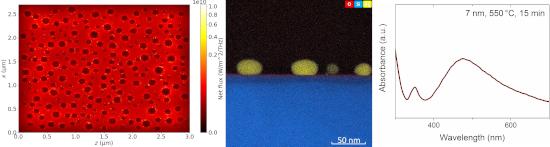
- appears around 350 nm, which probably corresponds to the quadrupole resonance. For calculations leading to a better illustration of absorption, scattering and overall absorption of light in Ag nanoparticles, the Mie theory is employed. Absorbance and the distribution of the electromagnetic field around
- corroborated by FDTD calculations showing the distribution of the electromagnetic field around the Ag nanoparticles, as well as the calculated absorbance. Analytical solutions of the electromagnetic field distribution in plasmonic platforms are known for very simple nanoparticles with spherical or cylindrical
- pulse was set to rectangular. The pulse duration was set to 20 fs and the overall simulation time to 100 fs. This was enough to observe plasmonic decay. The field was calculated in a plane located 10 nm above the substrate. For calculations of the absorbance, the pulse shape was set to sinusoidal. The




Preparation and in vivo evaluation of glyco-gold nanoparticles carrying synthetic mycobacterial hexaarabinofuranoside
Beilstein J. Nanotechnol. 2020, 11, 480–493, doi:10.3762/bjnano.11.39
- contents. The solution was allowed to cool by incubation at room temperature for 15 min. Absorbance was measured in 1 cm quartz cuvettes on a Specord 250 spectrophotometer (Analytik, Jena, Germany) at 490 nm using solutions of the parent glycoside 1 for calibration. The calculation also took into
- reaction was stopped with 100 μL of 1 N H2SO4. The absorbance at 492 nm was read on a Multiskan Ascent analyzer (Thermo). Absorbance values at 492 nm for the wells without bacterial cells were using as the control. Data were processed with Microsoft Excel 2003 software (Microsoft Corp.); 95% confidence


Interfacial charge transfer processes in 2D and 3D semiconducting hybrid perovskites: azobenzene as photoswitchable ligand
Beilstein J. Nanotechnol. 2020, 11, 466–479, doi:10.3762/bjnano.11.38
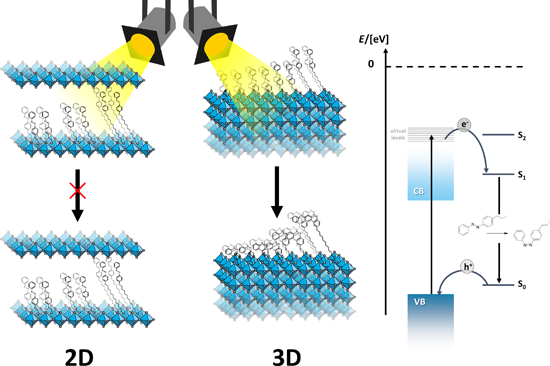
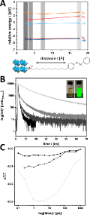
- only discuss the results for AzoC2, all other ligands behave very similarly and the data can be found in Supporting Information File 1, Figures S10–S12. A solution of AzoC2 in purified H2O (c = 10−5 M) was irradiated at 313 nm and the absorbance was measured at certain time intervals. The absorption




Electrochemically derived functionalized graphene for bulk production of hydrogen peroxide
Beilstein J. Nanotechnol. 2020, 11, 432–442, doi:10.3762/bjnano.11.34
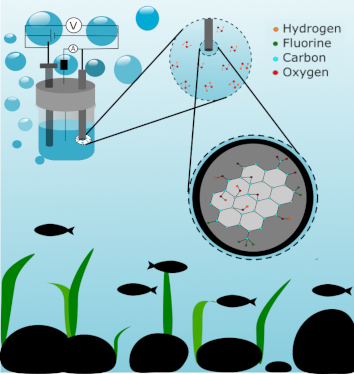
- H2O2. The H2O2 produced through ORR is also quantified using a Ce(SO4)2 solution assisted UV–visible absorbance based analysis, where the details and calibration are given in Supporting Information File 1. Figure 7a shows chronoamperograms of ORR on EEG-coated graphite papers at 0.358 V vs RHE in 0.1 M


Nanoparticles based on the zwitterionic pillar[5]arene and Ag+: synthesis, self-assembly and cytotoxicity in the human lung cancer cell line A549
Beilstein J. Nanotechnol. 2020, 11, 421–431, doi:10.3762/bjnano.11.33
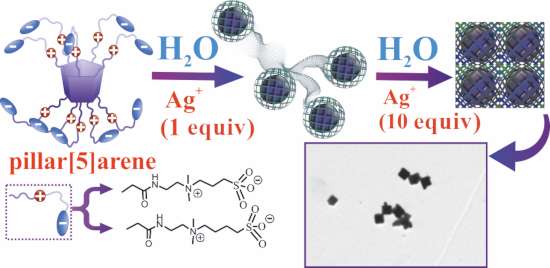
- ) was added to the wells. The plates were incubated at 37 °C for 4 h. Then the medium was aspirated from the wells and 100 μL of DMSO (to dissolve the crystals) was added to each well. The probes were incubated at 37 °C for 5 min. The absorbance was measured at 570 nm using a xMark spectrophotometer




Synthesis and enhanced photocatalytic performance of 0D/2D CuO/tourmaline composite photocatalysts
Beilstein J. Nanotechnol. 2020, 11, 407–416, doi:10.3762/bjnano.11.31
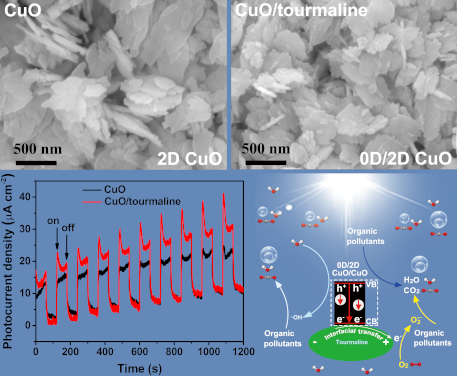
- clarified by centrifugation for the measurement of absorbance, which can be used to monitor the progress of the photocatalytic degradation reactions. For the durability test, the used photocatalyst was firstly rinsed with ethanol and deionized water by centrifugation, then it was collected by using aqueous


Brome mosaic virus-like particles as siRNA nanocarriers for biomedical purposes
Beilstein J. Nanotechnol. 2020, 11, 372–382, doi:10.3762/bjnano.11.28
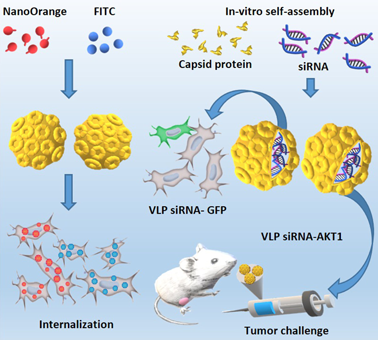
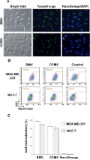
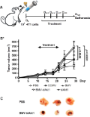
- calculated by measuring the UV absorbance using a Nanodrop 2000c spectrophotometer (ThermoFisher Scientific). All the procedures were performed at 4 °C. Finally, the purified viruses were stored at −80 °C in 1.5 mL microcentrifuge tubes. Cell cultures The breast tumor cell lines MDA-MB-231 and MCF-7 were
- virions per cell), PEGylated or non-functionalized capsids, or as positive control lipopolysaccharides (2.5 or 75 ng/mL). Then, 50 µL of supernatant was transferred into a new 96-well plate and 150 µL of Quantity Blue (InvivoGen) reagent was added and incubated at 37 °C for 1 h. The absorbance at 655 nm


Poly(1-vinylimidazole) polyplexes as novel therapeutic gene carriers for lung cancer therapy
Beilstein J. Nanotechnol. 2020, 11, 354–369, doi:10.3762/bjnano.11.26
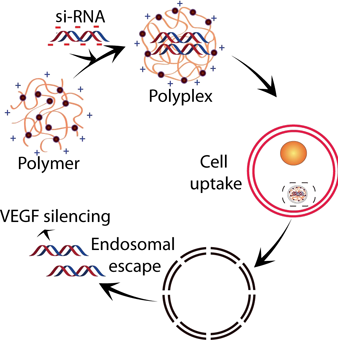
- incubation for specified periods of time (24 h or 48 h). MTS reagent (20 µL) along with 200 µL of serum-free media was added to each sample well and incubated at 37 °C for 2 h. The reaction was terminated with 10% sodium dodecyl sulfate (SDS) solution. The absorbance was read at 490 nm using a multimode


Using gold nanoparticles to detect single-nucleotide polymorphisms: toward liquid biopsy
Beilstein J. Nanotechnol. 2020, 11, 263–284, doi:10.3762/bjnano.11.20
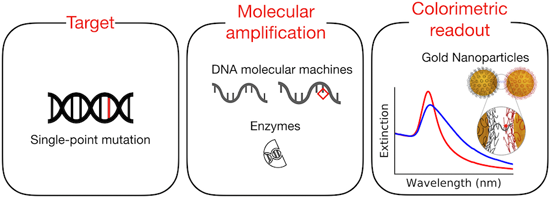
- gold nanoparticles are their optical properties, which yield an exceptional light absorbance in the visible spectral range. This is explained by the fact that in the metallic core, the conductive electrons experience coherent oscillations in the presence of incoming electromagnetic radiation, thereby
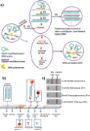
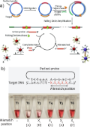
- nanoparticle amplification. b) Optical characterization of the assay solution spiked with different amounts of c.2573 T>G mutant EGFR gene in the presence of a background wild-type EGFR sequence, showing a specificity down to 1%. c) The relation of increased absorbance with increasing the relative




Recent progress in perovskite solar cells: the perovskite layer
Beilstein J. Nanotechnol. 2020, 11, 51–60, doi:10.3762/bjnano.11.5

- -step process owing to their improved crystal quality, crystal size, absorbance and stability. Furthermore, the perovskite films fabricated by the mesh-assisted grid technique are of controllable transparency and have shown the potential to be scalable. These attributes provide a promising route for the


The different ways to chitosan/hyaluronic acid nanoparticles: templated vs direct complexation. Influence of particle preparation on morphology, cell uptake and silencing efficiency
Beilstein J. Nanotechnol. 2019, 10, 2594–2608, doi:10.3762/bjnano.10.250
- , cells were washed with PBS and incubated for 1 h at 37 °C in medium containing 5% (v/v) of MTS solution. Cell viability was measured by reading the absorbance values at 490 nm (Synergy2 Biotek plate reader using Gen5 software) and normalized against the total protein content in each well (BCA assay
- ). Please note that any influence of phenol-red was ruled out by using medium as blank and subtracting its absorbance to all wells before calculating metabolic activity. Quantification of cell uptake. HCT-116 (20,000 cells/cm2) and RAW 264.7 (30,000 cells/cm2) were seeded in 12-well plates and left to



Fully amino acid-based hydrogel as potential scaffold for cell culturing and drug delivery
Beilstein J. Nanotechnol. 2019, 10, 2579–2593, doi:10.3762/bjnano.10.249
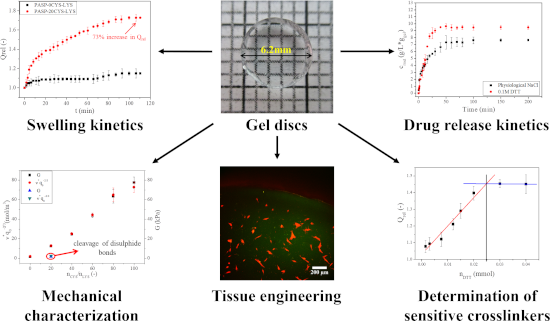
- proliferation reagent WST-1. The reagent was diluted (1:20) with αMEM containing no phenol red (Gibco, USA). Then, 200 μL solution was applied in each well. After incubation for 2 h at 37 °C, 150 μL of the supernatant solution was transferred from each well into an empty 96-well plate. The absorbance was


pH-Controlled fluorescence switching in water-dispersed polymer brushes grafted to modified boron nitride nanotubes for cellular imaging
Beilstein J. Nanotechnol. 2019, 10, 2428–2439, doi:10.3762/bjnano.10.233
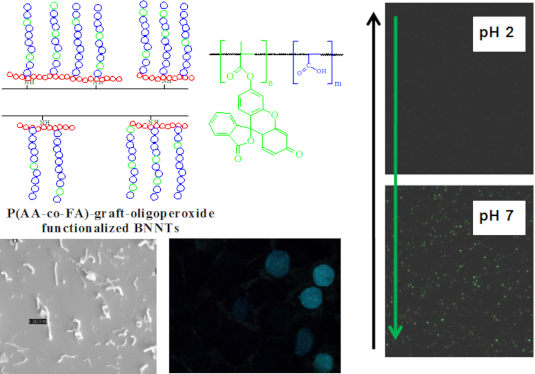
- the maximum fluorescein absorption is at 437 nm but in alkaline solution it is at about 490 nm, and the absorption intensity is significantly higher than that of the acidic solution. As seen in the figure, the highest intensity of the absorbance is at 490 nm for pH 10 (Figure 7, green line) and
- slightly less at pH 7–8 (Figure 7, blue and red lines). In contrast, at pH 6 (Figure 7, yellow line) a strongly shifted, small, intense absorbance peak is observed. At pH 4 (Figure 7, green line) the absorbance is very poor, and we can state here that it has no absorbance. Only at pH 2 (Figure 7, brown


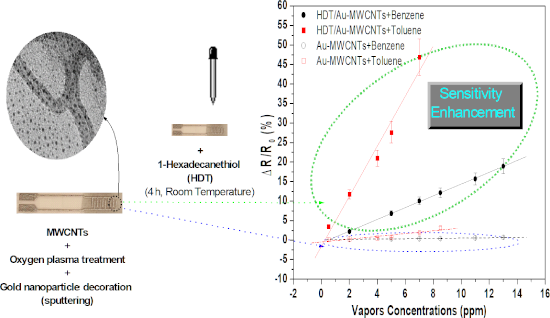
Multiwalled carbon nanotube based aromatic volatile organic compound sensor: sensitivity enhancement through 1-hexadecanethiol functionalisation
Beilstein J. Nanotechnol. 2019, 10, 2364–2373, doi:10.3762/bjnano.10.227
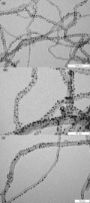
- 1011), operating at 100 kV. An Alpha FTIR spectrometer (Bruker, France) equipped with an ATR platinum crystal diamond module was used, in absorbance mode, to obtain the infrared spectra of the gold-decorated MWCNTs before and after the deposition of the SAM monolayer. This technique provides useful
- performance [25][26]. FTIR characterisation In order to ensure that the HDT monolayers are formed and well immobilized on the Au-MWCNT layers, we used FTIR spectroscopy. Figure 3 shows the infrared spectra, in absorbance mode, of both Au-MWCNT and HDT/Au-MWCNT layers. When analysing and comparing the infrared




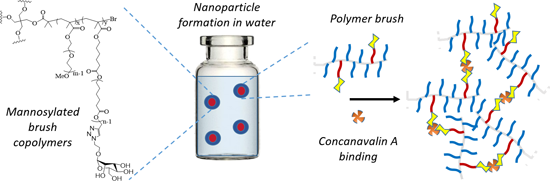
Mannosylated brush copolymers based on poly(ethylene glycol) and poly(ε-caprolactone) as multivalent lectin-binding nanomaterials
Beilstein J. Nanotechnol. 2019, 10, 2192–2206, doi:10.3762/bjnano.10.212
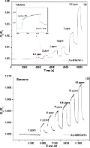
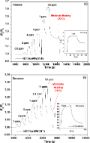
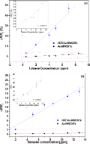
- . In the case of the divalent compound PEG8-PCL2-Man2, the absorbance quickly reached a plateau and then remained almost constant, although a stepwise variation of the OD indicated a partial precipitation of the aggregates, as shown in Figure 6B. The same happened for the octavalent glycopolymer A4



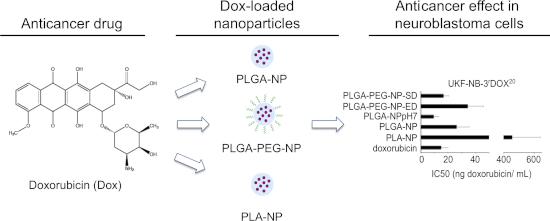
Incorporation of doxorubicin in different polymer nanoparticles and their anticancer activity
Beilstein J. Nanotechnol. 2019, 10, 2062–2072, doi:10.3762/bjnano.10.201
- ) sodium dodecylsulfate and 50% (v/v) N,N-dimethylformamide (pH 4.7) at 37 °C for 4 h. Absorbance was determined at 570 nm for each well using a 96-well multiscanner. After subtracting of the background absorption, the results are expressed as percentage viability relative to untreated control cultures





Optimization and performance of nitrogen-doped carbon dots as a color conversion layer for white-LED applications
Beilstein J. Nanotechnol. 2019, 10, 2004–2013, doi:10.3762/bjnano.10.197
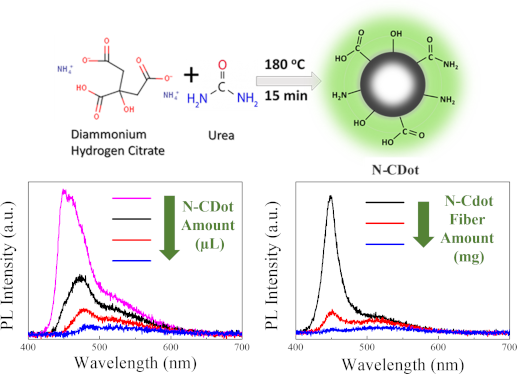
- -Alpha XPS spectrometer. Fourier-transform infrared spectroscopy (FTIR; Spectrum 100, PerkinElmer, Shelton, CT, USA) was used to characterize the kinetic behavior of the chemical bonds. Photoluminescence (PL) and absorbance were measured using an integrating sphere (ISP-50-80-R, Ocean Optics Inc


Nanostructured and oriented metal–organic framework films enabling extreme surface wetting properties
Beilstein J. Nanotechnol. 2019, 10, 1994–2003, doi:10.3762/bjnano.10.196
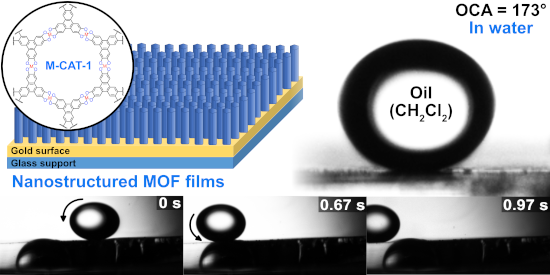
- of experiments establishes the pillar-like nanostructured Ni-CAT-1 films as highly efficient, antifog coatings featuring additional desired properties such as light absorbance. Furthermore, it underlines the power of VAC in enabling controlled bottom-up fabrication of MOF films with well-defined


Gold-coated plant virus as computed tomography imaging contrast agent
Beilstein J. Nanotechnol. 2019, 10, 1983–1993, doi:10.3762/bjnano.10.195
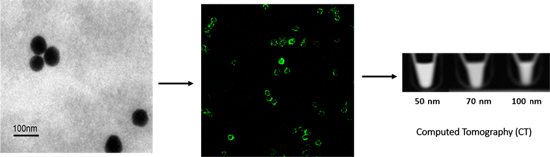
- increase in the absorbance shift is expected as the SPR of the AuNPs is sensitive to their interparticle distance and surface state [41]. Furthermore, the LSPR band of Au-CPMV is dependent on the size of the particles. The peak absorbance wavelength increases with the increase of the particle diameter as
- together and incubated at 60 °C for 10 min. The samples were left to cool for 30 min and then centrifuged at 14000g for 40 min (Thermo Scientific CL10 Centrifuge) to pellet the particles. The supernatant BCA dye absorbance was measured at λ = 565 nm using a microplate reader. The change in absorbance is a




Preservation of rutin nanosuspensions without the use of preservatives
Beilstein J. Nanotechnol. 2019, 10, 1902–1913, doi:10.3762/bjnano.10.185
- time in the dark, the absorbance was measured by a UV–vis plate reader (Multiskan GO, Thermo scientific, Germany) at 517 nm. The inhibition activity (inhibition [%]) was calculated as where Asample is the absorbance of the sample and A0 is the absorbance of the control (DPPH solution). The resulting


Engineered superparamagnetic iron oxide nanoparticles (SPIONs) for dual-modality imaging of intracranial glioblastoma via EGFRvIII targeting
Beilstein J. Nanotechnol. 2019, 10, 1860–1872, doi:10.3762/bjnano.10.181
- ) solution was added to each well. Finally, the absorbance of each well was measured with a microplate reader (Bio-TEK, USA) at a wavelength of 490 nm. To evaluate the in vivo systematic toxicity of PNPs, the histological sections of major organs (e.g., heart, liver, spleen, lung and kidney) were collected




Microfluidic manufacturing of different niosomes nanoparticles for curcumin encapsulation: Physical characteristics, encapsulation efficacy, and drug release
Beilstein J. Nanotechnol. 2019, 10, 1826–1832, doi:10.3762/bjnano.10.177
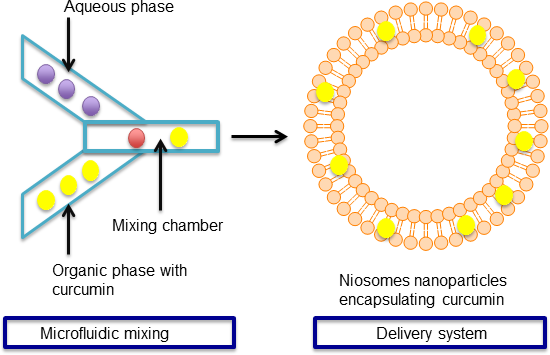
- encapsulation efficiency Following removal of the non-encapsulated curcumin by dialysis, 100 µL of each niosome formulation (removed from the dialysis tubing) was lysed with methanol in order to release the encapsulated curcumin, which was then quantified at UV absorbance at 421 nm. The encapsulation efficiency
- preheated at 37 °C. At each time point, the absorbance was measured at 421 nm and the concentration of the released curcumin was determined against a calibration curve. The experiments were performed in triplicate and the mean ± SD is reported. Statistical analysis Statistical significance was assessed by





