


Search results
Search for "catalysts" in Full Text gives 315 result(s) in Beilstein Journal of Nanotechnology. Showing first 200.
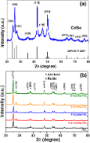
Cryochemical synthesis of ultrasmall, highly crystalline, nanostructured metal oxides and salts
Beilstein J. Nanotechnol. 2018, 9, 1755–1763, doi:10.3762/bjnano.9.166
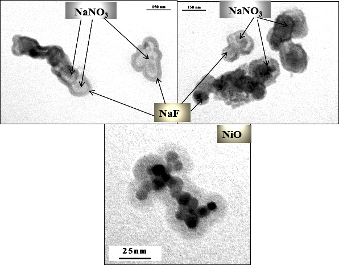
- important for creating fine-grained ceramics with specified structure and properties. Fine-grained ceramics need a homogenous structure to provide its unique properties of plasticity, high strength, wear-resistance, etc. [12]. We previously reported on the synthesis of nanostructured catalysts consisting of


Controllable one-pot synthesis of uniform colloidal TiO2 particles in a mixed solvent solution for photocatalysis
Beilstein J. Nanotechnol. 2018, 9, 1715–1727, doi:10.3762/bjnano.9.163
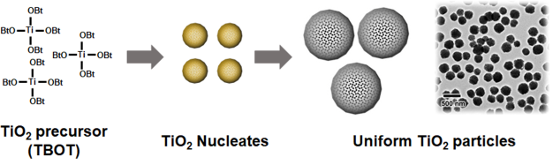
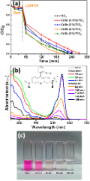
- Uniform colloidal TiO2 particles can be synthesized by a modified sol–gel synthesis followed by calcination under atmospheric conditions. The synthesis is conducted in the ethanol–acetonitrile mixed solvent phase in the presence of a surfactant and base catalysts for the hydrolysis and condensation of the
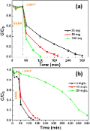
- . Before UV-light irradiation, the reaction mixture containing the catalyst and RhB was stirred for 30 min to ensure saturation of the RhB adsorption on the surface of the TiO2 particles. All of the TiO2 catalysts showed a similar adsorption capacity in the range of ≈9% of C/C0. In the blank experiment
- (i.e., no catalyst), the C/C0 of RhB was decreased by only ≈2% after UV–vis irradiation for 60 min, while the degradation of RhB significantly improved when the TiO2 catalysts were used. The TiO2 sample calcined at 350 °C (TiO2-350) exhibited the lowest catalytic activity among all of the catalysts




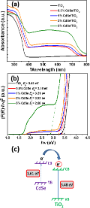
Cr(VI) remediation from aqueous environment through modified-TiO2-mediated photocatalytic reduction
Beilstein J. Nanotechnol. 2018, 9, 1448–1470, doi:10.3762/bjnano.9.137
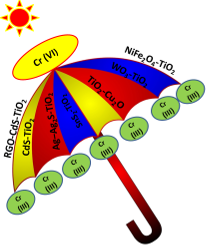
- chemical synthesis Photocatalytic, selective, organic transformations are currently preferred over the conventional processes for synthesis of fine chemicals basically due to two reasons. The first one is to restrict the use of environmentally detrimental chemical reagents such as heavy metal catalysts
- as co-catalysts because of their intriguing properties such as small size, high dispersion, abundant surface functional groups, unique photoluminescence and good electron transfer ability [141][142]. Carbon dot–TiO2 (CD–TiO2) nanosheet composites synthesized by a hydrothermal route were studied for


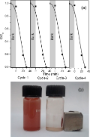
Ag2WO4 nanorods decorated with AgI nanoparticles: Novel and efficient visible-light-driven photocatalysts for the degradation of water pollutants
Beilstein J. Nanotechnol. 2018, 9, 1308–1316, doi:10.3762/bjnano.9.123
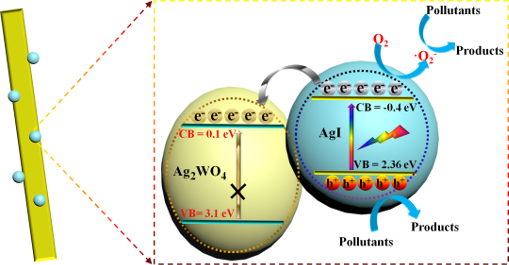
- ]. However, achieving high efficiency for photocatalytic conversion under natural sunlight irradiation is still a great challenge because many catalysts only respond to ultraviolet (UV) light [5][12]. Exploring photocatalysts that can be driven by visible light, which comprises 43% of solar energy, is
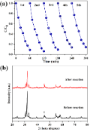
- possible photocatalytic mechanism over AgI/Ag2WO4 was also elucidated in this work. Results and Discussion Preparation and characterization of catalysts Ag2WO4 nanorods decorated with AgI nanoparticles were prepared via an in situ anion-exchange method. Ag2WO4 nanorods were first synthesized by mixing
- AgNO3 and Na2WO4 aqueous solutions at room temperature [37]. Subsequently, AgI nanoparticles were readily anchored onto Ag2WO4 nanorods via an in situ anion-exchange between I− in the solution and the lattice W2O42− in Ag2WO4. The resulting catalysts were denoted as 0.1AgI/Ag2WO4, 0.2AgI/Ag2WO4, 0.3AgI




Understanding the performance and mechanism of Mg-containing oxides as support catalysts in the thermal dry reforming of methane
Beilstein J. Nanotechnol. 2018, 9, 1162–1183, doi:10.3762/bjnano.9.108
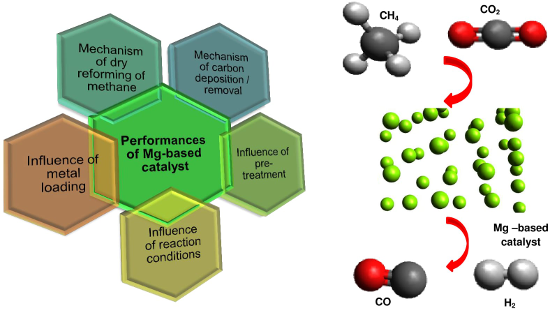
- developments on the use of Mg as a support or promoter for DRM catalysts. Its high basicity and high thermal stability make Mg suitable for introduction into the highly endothermic reaction of DRM. The introduction of Mg as a support or promoter for Ni-based catalysts allows for good metal dispersion on the
- conditions, influence the dry reforming reactions and product yields. In this review, different strategies for enhancing catalytic activity and the effect of metal dispersion on Mg-containing oxide catalysts are highlighted. Keywords: carbon formation; catalyst development; dry reforming of methane
- support and active metal particles [16][17][18]. The loss of catalytic activity or selectivity over time of production affects the cost of catalyst replacement, process shutdown, and product quality and quantity. Numerous researchers have reported that noble metal-based catalysts, such as Pt, Rh, Pd, Ru






Review on nanoparticles and nanostructured materials: history, sources, toxicity and regulations
Beilstein J. Nanotechnol. 2018, 9, 1050–1074, doi:10.3762/bjnano.9.98

- living organism inside host cells. Generally, they are considered to be harmful as they cause disease in bacteria [121], plants [122], animals [123] and humans [124]. Advances in molecular biology have increased the possibility to genetically tailor viruses for use as catalysts and bio-scaffolds


Facile chemical routes to mesoporous silver substrates for SERS analysis
Beilstein J. Nanotechnol. 2018, 9, 880–889, doi:10.3762/bjnano.9.82
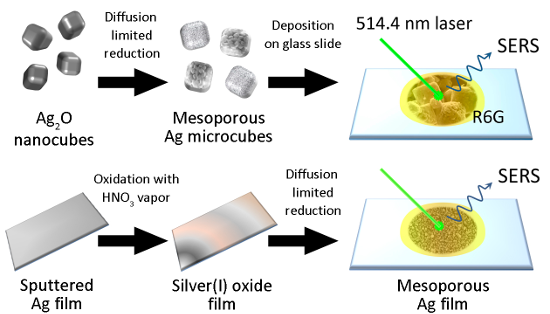
- long time in air. Mesoporous noble metals are mostly used as catalysts for high surface energy, gas sensor components, cell imaging mediators, etc. [5]. The most popular methods for mesoporous metal processing include acidic etching of bimetallic molts [6], electrochemical dealloying [7
- enhancement factor of 105. It was also evident that the mesoporous silver particles are of great functionality and could likely be promising not only as SERS substrates for liquid analysis, but also for gas phase SERS analysis and as catalysts in combustion and mild selective oxidation processes. This same


Facile synthesis of a ZnO–BiOI p–n nano-heterojunction with excellent visible-light photocatalytic activity
Beilstein J. Nanotechnol. 2018, 9, 789–800, doi:10.3762/bjnano.9.72
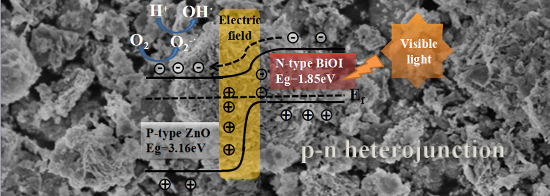
- significant improvement in the degradation of rhodamine B under visible light (λ ≥ 420 nm) irradiation as compared to ZnO and BiOI. The obtained catalysts with a Zn/Bi ratio of 3:1 exhibited the highest photocatalytic activity. The band gap structure and charge transfer properties are investigated by XPS in


A review of carbon-based and non-carbon-based catalyst supports for the selective catalytic reduction of nitric oxide
Beilstein J. Nanotechnol. 2018, 9, 740–761, doi:10.3762/bjnano.9.68
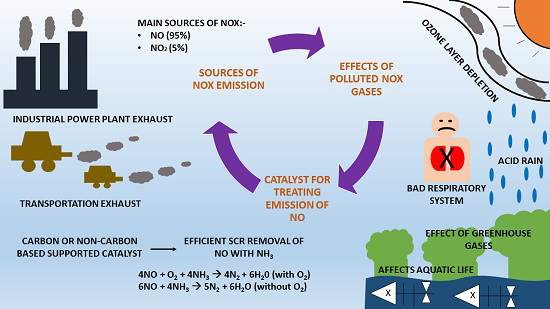
- (ZSM-5), TiO2, and Al2O3 supported materials, were identified as the most up-to-date and recently used catalysts for the removal of NO gas. The main focus of this review is the study of catalyst preparation methods, as this is highly correlated to the behaviour of NO removal. The general mechanisms
- can cause the deactivation of the catalyst. In addition, the catalyst also has a limited temperature window (300–400 °C) and poor thermal stability [7][8]. Hence, there is an urgent need to find other catalysts that can overcome these drawbacks and also have high resistance to water (H2O) and
- temperature window of 150–500 °C in a diesel engine as well as the low energy consumption and economy of NH3-SCR [9]. In the literature, abundant catalysts at low temperature have been explored such as transitional metals (Mn, Cu, Ce, Fe, Co, Mo) [10][11][12][13], novel metals (Pt, Pd) [14], and metal ion
Perovskite-structured CaTiO3 coupled with g-C3N4 as a heterojunction photocatalyst for organic pollutant degradation
Beilstein J. Nanotechnol. 2018, 9, 671–685, doi:10.3762/bjnano.9.62
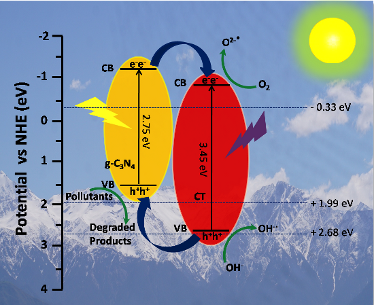
- heterojunction, a DRS study has been performed with all prepared catalysts. The DRS plots for g-C3N4, CT and CTCN heterojunction are depicted in Figure 6a. The band gap values of g-C3N4, CT and CTCN heterojunction are calculated from the transformed Kubelka–Munk plots (Figure 6b–d). Bare g-C3N4 nanosheets unveil
- , visible and sunlight). To demonstrate the photocatalytic performance of the as-prepared catalysts more precisely, the kinetics of the photodegradation of RhB aqueous solutions was studied by fitting the obtained degradation results to a pseudo-first-order reaction model [54][55] and modified Freundlich
- constant. The kinetic plots corresponding to a pseudo-first-order reaction model are presented in Figure S6, Supporting Information File 1. Figure S6a–c represents the C/C0 vs time plots for the catalysts under UV, visible and sunlight irradiation, respectively. The corresponding logarithmic plots are


Facile phase transfer of gold nanorods and nanospheres stabilized with block copolymers
Beilstein J. Nanotechnol. 2018, 9, 616–627, doi:10.3762/bjnano.9.58
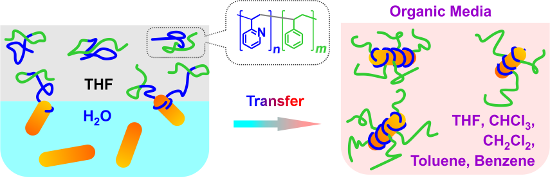
- in non-polar media. In some cases, for instance, when an organic solvent is poorly miscible with water, more complex schemes involving phase transfer catalysts [20], electrostatics [21][22] or sonication [23] are implemented. Large (>10 nm) nanoparticles are prone to aggregation in organic solvents


Facile synthesis of ZnFe2O4 photocatalysts for decolourization of organic dyes under solar irradiation
Beilstein J. Nanotechnol. 2018, 9, 436–446, doi:10.3762/bjnano.9.42
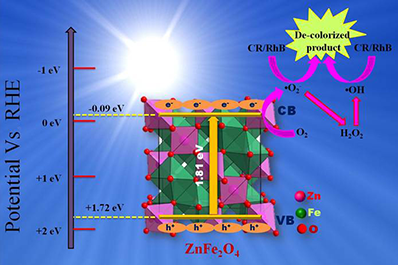
- microstructure of the prepared catalysts were investigated by a TEM-JEOL-2010 200 kV instrument. The electrochemical analysis was carried out using an Ivium potentiostat. Photoelectrochemical (PEC) measurements were performed in a Pyrex electrochemical set up, which includes ZFO samples (deposited on FTO) as
- –540 cm−1 is due to stretching vibrations of M–O bonds (Zn-O and Fe-O). Electrochemical studies Linear-sweep voltammetry In order to know the photocurrent response of the prepared catalysts, linear-sweep voltammetry was carried out in the range of 0–1.1 V in 0.1 M Na2SO4 at a scan rate of 10 mV·s−1


Engineering of oriented carbon nanotubes in composite materials
Beilstein J. Nanotechnol. 2018, 9, 415–435, doi:10.3762/bjnano.9.41
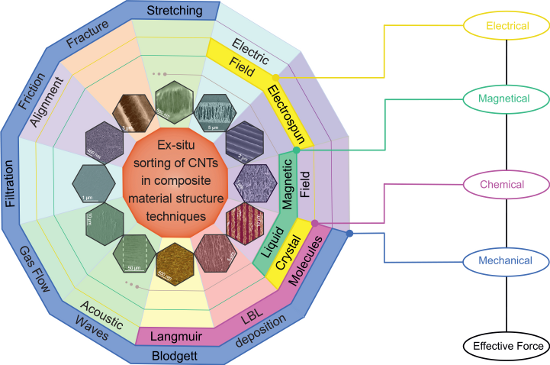
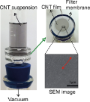
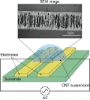
- may reduce the required magnetic field [108][109][110]. Aleman et al. have recently reported the ferromagnetism of residual catalysts in CVD growth of CNTs. This work shows that adjustment of the size and shape of the catalyst nanoparticle can control the CNT ferromagnetism behavior. This phenomenon








Blister formation during graphite surface oxidation by Hummers’ method
Beilstein J. Nanotechnol. 2018, 9, 407–414, doi:10.3762/bjnano.9.40
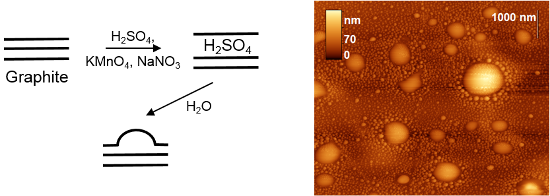
- , lithium-ion batteries, catalysts, systems for water pollution treatment, nonlinear optical devices and sensors [1][2][3][4]. One of the most important applications of graphene oxide is the synthesis of reduced graphene oxide, which exhibits properties similar to graphene [4][5]. The formation of GO


BN/Ag hybrid nanomaterials with petal-like surfaces as catalysts and antibacterial agents
Beilstein J. Nanotechnol. 2018, 9, 250–261, doi:10.3762/bjnano.9.27
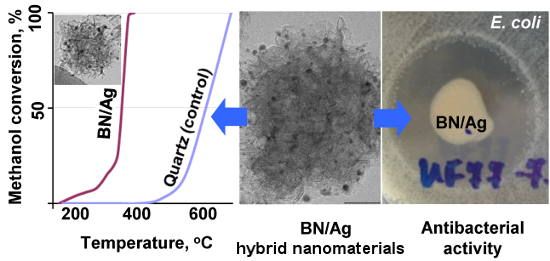
- 10.3762/bjnano.9.27 Abstract BN/Ag hybrid nanomaterials (HNMs) and their possible applications as novel active catalysts and antibacterial agents are investigated. BN/Ag nanoparticle (NP) hybrids were fabricated using two methods: (i) chemical vapour deposition (CVD) of BN NPs in the presence of Ag
- . Keywords: antibacterial agents; BN/Ag hybrid nanomaterials; catalysts; chemical vapour deposition; nanomaterials; Introduction New hybrid nanomaterials are the key components of the next generation advanced catalysts and biomaterials. Novel and unique properties can be obtained while employing synergetic
- utilized toward the development of cutting-edge hybrid nanostructures. For example, BN/noble metal (Pt, Au, Ag) hybrid nanomaterials are envisaged to be the promising components of highly active catalysts, drug delivery systems, molecular probe sensors, surface enhanced Raman spectroscopy techniques, and

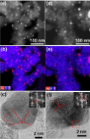


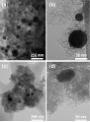


Bombyx mori silk/titania/gold hybrid materials for photocatalytic water splitting: combining renewable raw materials with clean fuels
Beilstein J. Nanotechnol. 2018, 9, 187–204, doi:10.3762/bjnano.9.21
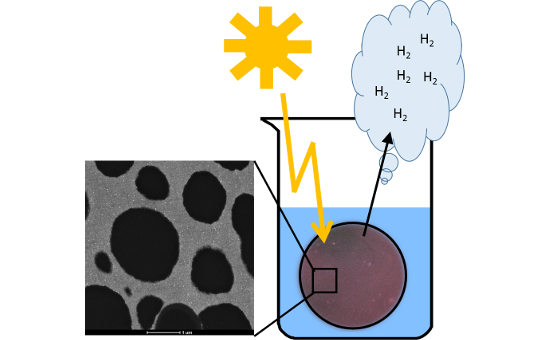
- materials are effective water splitting catalysts and produce up to 30 mmol of hydrogen per 24 h. Overall the article demonstrates that the combination of a renewable and robust scaffold such as B. mori silk with a photoactive material provides a promising approach to new monolithic photocatalysts that can
- not exceed ca. 3 eV to most efficiently use the visible spectral range of the sunlight [6]. As a result, numerous water-splitting catalysts with various efficiencies have been reported [6][7][8][11][12][13]. Because of its bandgap of 3.0–3.2 eV (depending on the crystal structure and particle size [14
- ][15]) TiO2-based water splitting catalysts are among the most popular materials for visible light water splitting [16][17][18][19][20]. Among these, TiO2/Au nanocomposites have attracted special interest because of their synergistic mode of action between the Au nanoparticle (AuNP) plasmons and the




Dopant-stimulated growth of GaN nanotube-like nanostructures on Si(111) by molecular beam epitaxy
Beilstein J. Nanotechnol. 2018, 9, 146–154, doi:10.3762/bjnano.9.17
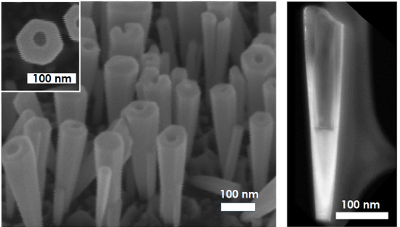
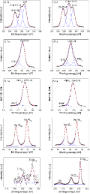
- offer a new degree of freedom due to possible confinement effects. It has been previously demonstrated that GaN NTs may be synthesized using the following methods: 1) chemical vapor deposition of nitrogen precursor with gallium precursor in the presence of catalysts such as Ni, In or Au [11][12][13]; 2


Electron-driven and thermal chemistry during water-assisted purification of platinum nanomaterials generated by electron beam induced deposition
Beilstein J. Nanotechnol. 2018, 9, 77–90, doi:10.3762/bjnano.9.10
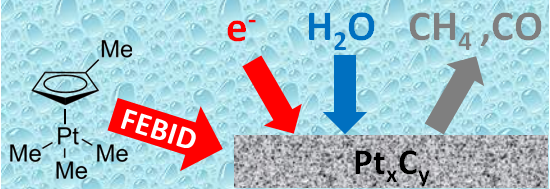
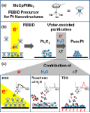
- paves the avenues to oxidation of the ligands which is obvious here through formation of CO and even CO2. Such a scenario is supported by the fact that Pt complexes in aqueous solution are catalysts for oxidation of alkanes and other organic compounds [30]. Electron-induced reactions involving OH



Review on optofluidic microreactors for artificial photosynthesis
Beilstein J. Nanotechnol. 2018, 9, 30–41, doi:10.3762/bjnano.9.5
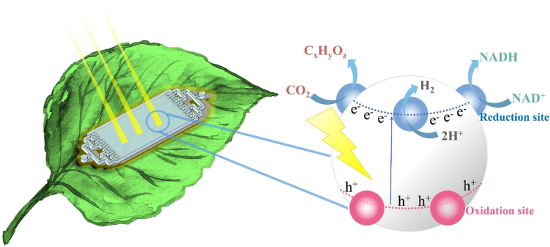
- technology by use of the microreactors. Water splitting In the early studies on optofluidic-based water splitting, the optofluidic device often employed sol–gel catalysts on planar channels. For example, Erickson et al. demonstrated a planar setup with TiO2–Pt to process the water splitting reaction [73
- for loading catalysts; (2) perturbation to the liquid flow for rapid mixing; (3) shortened transfer length and enhanced mass transfer; and (4) increased active surface area. With these advantages, the reaction rate could be increased by 56% as compared to the conventional planar microreactors. However
- , a new problem emerges: the direct coating methods are unable to load catalysts firmly and uniformly on the PDMS substrate. Zhang et al. proposed a new casting transfer method for loading catalysts on the PDMS substrate [36], as shown in Figure 5. This method exhibited critically higher durability


Facile synthesis of silver/silver thiocyanate (Ag@AgSCN) plasmonic nanostructures with enhanced photocatalytic performance
Beilstein J. Nanotechnol. 2017, 8, 2781–2789, doi:10.3762/bjnano.8.277
- photocatalysts, Ag/AgX (X = Cl, Br, I), suffer from instability during the recycling application, mainly due to the decomposition of AgX (X = Cl, Br, I) under irradiation [19][20][21][22]. Therefore, the development of visible-light catalysts with both high catalytic activity and long-term stability is of great
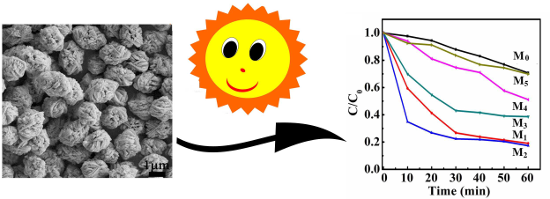
- catalysts are shown in Figure 5a. The degradation rates were 29%, 81%, 84%, 61%, 49%, and 30%, respectively, in 60 min according to the absorption intensity at 364 nm. When M2 was used as a photocatalyst, the maximum degradation rate was obtained. The time-dependent UV–vis spectrum of the oxytetracycline
- showed that the photodegradation process of oxytetracycline nearly complied with the first-order kinetics, and the corresponding reaction rate constants (Ka) with M0, M1, M2, M3, M4 and M5 as catalysts were 0.0058, 0.0269, 0.02832, 0.01531, 0.01115, 0.006 min−1, respectively. The value of Ka for M2 was


CdSe nanorod/TiO2 nanoparticle heterojunctions with enhanced solar- and visible-light photocatalytic activity
Beilstein J. Nanotechnol. 2017, 8, 2741–2752, doi:10.3762/bjnano.8.273
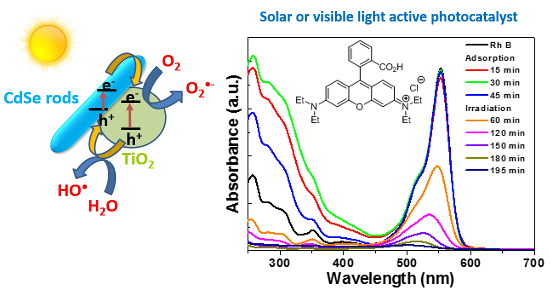
- catalysts show high potential for real water decontamination. Keywords: CdSe nanorods; heterojunction; photocatalysis; TiO2; Introduction The development of efficient photocatalysts to address environmental and energy needs, such as degradation of harmful organic compounds in water and in the air or the
- photodegradation. Finally, although the operating conditions and the structure of the pollutant were different from those used in this study, the CdSe NR/TiO2 nanoparticle photocatalyst favorably compares with catalysts engineered from CdSe quantum dots and TiO2 nanoparticles or nanotubes [9][11][12][22][26][31






Dry adhesives from carbon nanofibers grown in an open ethanol flame
Beilstein J. Nanotechnol. 2017, 8, 2719–2728, doi:10.3762/bjnano.8.271
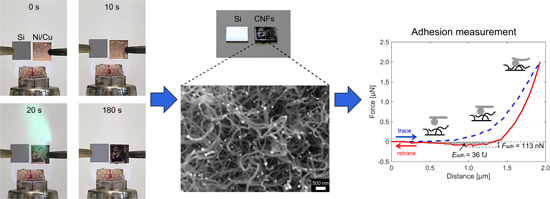
- its pure state before growth [35]. Based on our observations, we conclude that the 60 nm copper layer on the Si substrate plays an important role for the reduction of the nickel catalysts because experiments with nickel on pure Si or SiO2 substrates without copper show no or diminishing CNF growth
- . Kumar et al. [36] reported that copper–nickel catalysts are very efficient to produce hydrogen in an ethanol flame. This means that nickel is reduced to a pure state by hydrogen created in the ethanol flame. Our vertical setup results in a fairly stable ethanol flame in the sample area due to a constant
- -containing salt. The left sample is a clean silicon substrate without catalyst. After 20 s, the ethanol flame went green suggesting that NiCl2·6H2O is transformed to Ni-containing catalysts. Shortly after that, the area initially covered with Ni-containing salt, became black indicating the growth of carbon


One-step chemical vapor deposition synthesis and supercapacitor performance of nitrogen-doped porous carbon–carbon nanotube hybrids
Beilstein J. Nanotechnol. 2017, 8, 2669–2679, doi:10.3762/bjnano.8.267
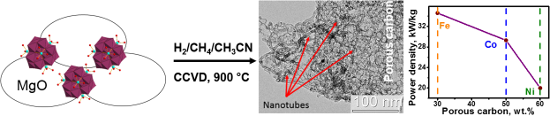
- over magnesium-oxide-supported metal catalysts. CNx nanotubes were grown on Co/Mo, Ni/Mo, or Fe/Mo alloy nanoparticles, and MgO grains served as a template for the porous carbon. The simultaneous formation of morphologically different carbon structures was due to the slow activation of catalysts for
- clusters produces metal molybdates which, when heated in hydrogen atmosphere, are reduced to bimetallic alloys catalyzing the CCVD growth of few-walled CNTs [22]. Here, the catalysts were activated by slow heating in a carbon-containing environment from room temperature to 900 °C. The structure and
- composition of the obtained CNx hybrids were correlated with the data of cyclic voltammetry (CV) and electrochemical impedance spectroscopy (EIS) measurements in 1 M H2SO4 electrolyte. Experimental Synthesis Catalysts were prepared using polyoxomolybdate clusters of the ε-Keggin-type structure Mo12O28(μ2-OH


Localized growth of carbon nanotubes via lithographic fabrication of metallic deposits
Beilstein J. Nanotechnol. 2017, 8, 2592–2605, doi:10.3762/bjnano.8.260
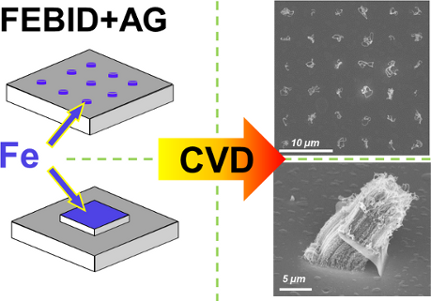
- an Al2O3 layer on a silicon sample. A peculiar lift-up of the Fe seed structures as “flakes” was observed and the mechanism was discussed. Finally, a proof-of-principle was presented showing that EBID deposits from the precursor Co(CO)3NO are also very effective catalysts for the CNT growth. Even
- storage [1][2][3][4]. The most common synthesis method for CNTs is chemical vapor deposition (CVD) [5][6][7][8], in which statistically distributed, metal-containing particles act as catalysts for CNT growth. Thereby, not only does the random position of the catalyst particles determine the position of
- the CNT, but also the catalyst size, chemical composition and the surface structure has an influence on the growth of the CNTs [9][10][11][12]. Therefore, it is important to fabricate catalysts of controlled size and chemical composition at the desired spatial position in order to fabricate CNTs in

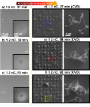
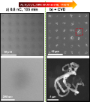


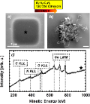

Synthesis of metal-fluoride nanoparticles supported on thermally reduced graphite oxide
Beilstein J. Nanotechnol. 2017, 8, 2474–2483, doi:10.3762/bjnano.8.247
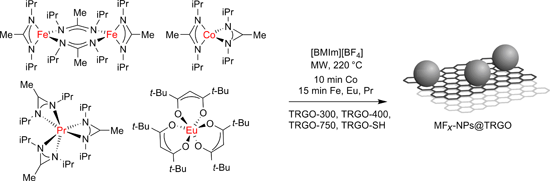
- metals are readily immobilized on graphene oxide by means of cation exchange with carboxylic acid groups, followed by thermal reduction to produce metal nanoparticles supported on functionalized graphene. Such palladium nanoparticles supported on graphene were used as highly active catalysts for the





