Search results
Search for "environment" in Full Text gives 1023 result(s) in Beilstein Journal of Nanotechnology. Showing first 200.
Bolometric IR photoresponse based on a 3D micro-nano integrated CNT architecture
Beilstein J. Nanotechnol. 2024, 15, 1030–1040, doi:10.3762/bjnano.15.84
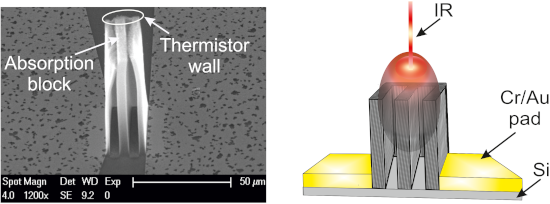
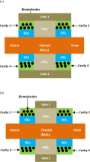
- % responsivity. Based on this equation, efficient bolometers require high optical absorption, a high TCR, good thermal isolation from the environment (characterized by a small value of G), and a small time constant. The research presented in this paper provides a 3D CNT design with micro-nano integrated lateral
- height, resulting in a larger resistance change and responsivity increase. CNT architectures with initially low thermal coupling at atmospheric pressure can reduce the thermal coupling to the environment in vacuum, leading to a significant improvement in bolometric photoresponse [24]. The first design of


Atomistic insights into the morphological dynamics of gold and platinum nanoparticles: MD simulations in vacuum and aqueous media
Beilstein J. Nanotechnol. 2024, 15, 995–1009, doi:10.3762/bjnano.15.81
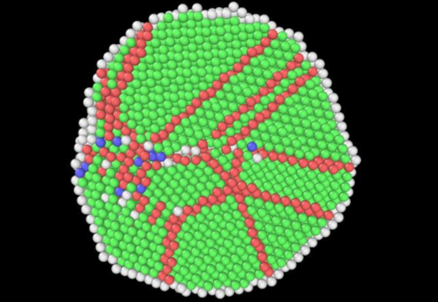
- , from medicine and engineering to the environment and energy. Because of their small size, nanoparticles (NPs) have only been discovered relatively recently, although they have been present in the environment throughout earth’s and human history, emerging from various sources including biological


Recent progress on field-effect transistor-based biosensors: device perspective
Beilstein J. Nanotechnol. 2024, 15, 977–994, doi:10.3762/bjnano.15.80
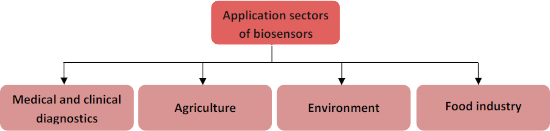
- water bodies. Therefore, the detection of harmful pollutants in the environment is a critical issue. Numerous works have reported on the application of biosensors for environmental monitoring, especially those based on optical or electrochemical transduction platforms [10][11][12][13]. Moreover
- heterogeneous environment. Additionally, the amplifier increases the signal that is produced by the transducer element [50]. In this sense, the transducer is responsible for converting the interaction that occurs between the biorecognition component and the analyte into a signal. Also, an immobilized biological
- array through the gate electrode [101][102]. It has also been demonstrated that the UII MOS-based biosensor offers a higher and better sensitivity value (≈107) even in a humid environment, as compared with the classical underlap FET-biosensor for biomolecule species detection [104]. 2.2.7 Inverter and




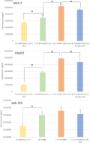
Therapeutic effect of F127-folate@PLGA/CHL/IR780 nanoparticles on folate receptor-expressing cancer cells
Beilstein J. Nanotechnol. 2024, 15, 954–964, doi:10.3762/bjnano.15.78
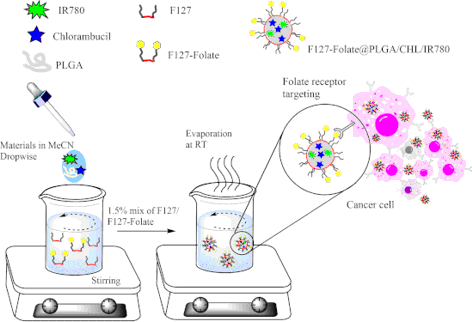
- -carbonyldiimidazole (CDI) (0.44 mmol) in 6 mL of dry dimethyl sulfoxide (DMSO) in a dark environment for 24 h. The mixture was agitated for another 24 h at room temperature after the addition of F127 (0.1 mmol). The reaction was then diluted with 50% distilled water and dialyzed (MWCO 3500 Dal) against deionized
- of F127 associates with or anchors to hydrophobic PLGA, while the hydrophilic block PEO exposed to the aqueous environment associates with or anchors to hydrophilic PLGA [9][10]. The PEO block yields a stealthy surface that inhibits protein adsorption and aggregation. In addition, the conjugation of
- attachment to the surface of the nanoparticles and the loosening of PLGA in the outer shell of the nanoparticles [3]. Notably, PLGA breaks down faster in an acidic environment; therefore, the medication is released more rapidly in the endosome of the cell than at a neutral pH [46]. There was a burst release



Facile synthesis of Fe-based metal–organic frameworks from Fe2O3 nanoparticles and their application for CO2/N2 separation
Beilstein J. Nanotechnol. 2024, 15, 897–908, doi:10.3762/bjnano.15.74
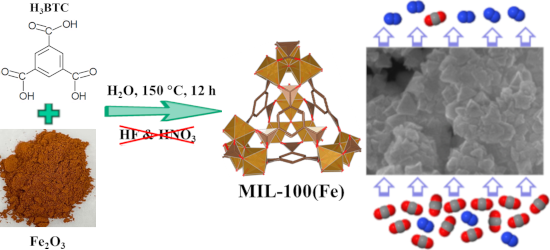
- removed from the termini of iron octahedra in the secondary building units (SBUs) through an activated-thermal process in a vacuum-controlled environment [9][10]. Notably, density and oxidation states of the formed unsaturated Fe sites (Fe(II) and Fe(III)) are temperature-dependent, influencing the
- using metallic iron and iron salts, along with HF and HNO3, in a conventional hydrothermal reactor operated at high temperatures [9][10]. While HF and HNO3 improve yield and quality of MIL-100(Fe), they are harmful to the environment because of their toxicity and corrosiveness. As a result, scientists
- environment. In contrast to metallic iron and iron salts, iron oxides are acknowledged for their easy storage and abundant availability in raw materials derived from natural iron oxidation processes and steelmaking industry waste [29][30]. These characteristics play a crucial role in the selection of





Water-assisted purification during electron beam-induced deposition of platinum and gold
Beilstein J. Nanotechnol. 2024, 15, 884–896, doi:10.3762/bjnano.15.73
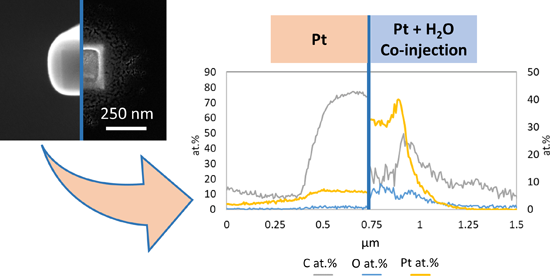
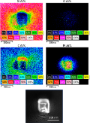
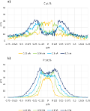
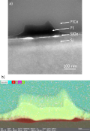
- process in a low-pressure (80 Pa) water environment. Interestingly, deformation caused by electron beam-induced post-deposition purification can intentionally be used to bend the three-dimensional structure of FEBID deposits [39]. Purification during deposition avoids some of the disadvantages of post





The effect of age on the attachment ability of stick insects (Phasmatodea)
Beilstein J. Nanotechnol. 2024, 15, 867–883, doi:10.3762/bjnano.15.72

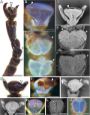
- to fly, they adapted strongly to their local environment [11][19][22][23]. Phasmids have evolved considerably depending on plants since pre-angiosperm times [24]. As plants display a huge range of different surface characteristics [25][26][27][28], the diversity of microstructures on phasmatodean
- SCD500 (Leica Camera AG, Wetzlar, Germany) coater. A Hitachi TM3000 (Hitachi Ltd. Corporation, Tokyo, Japan) scanning electron microscope was used to document the tarsal morphology at 15 kV acceleration voltage. 9 Data analysis Data analysis was performed in the R environment [51] using R Studio [52


A review on the structural characterization of nanomaterials for nano-QSAR models
Beilstein J. Nanotechnol. 2024, 15, 854–866, doi:10.3762/bjnano.15.71

- statistical nature such as quantitative structure–activity relationships (QSARs) can help to understand the intrinsic features of nanomaterials (NMs) and quantitatively assess their potential risks for human health and the environment [1]. QSARs consist in the construction of mathematical models relating the


Investigation on drag reduction on rotating blade surfaces with microtextures
Beilstein J. Nanotechnol. 2024, 15, 833–853, doi:10.3762/bjnano.15.70
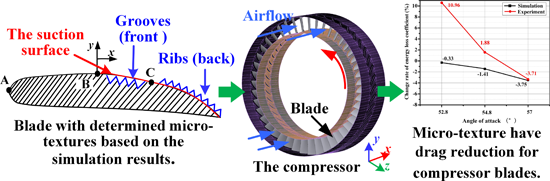
- ; Introduction In order to survive, organisms in nature have undergone billions of years of evolution; their body structures have been adapted to the current environment and exhibit special functions on biological surfaces [1]. For the purpose of drag reduction, valuable inspiration can be derived from rapidly
- conditions (temperature and pressure) at inlet and outlet. The impeller considered in this paper has 45 blades and is designed to operate at a rotational speed of 2880 rpm. The operating environment for the impeller is at standard temperature (25 °C) and pressure (101325 Pa). Modeling of microtextures on


Intermixing of MoS2 and WS2 photocatalysts toward methylene blue photodegradation
Beilstein J. Nanotechnol. 2024, 15, 817–829, doi:10.3762/bjnano.15.68
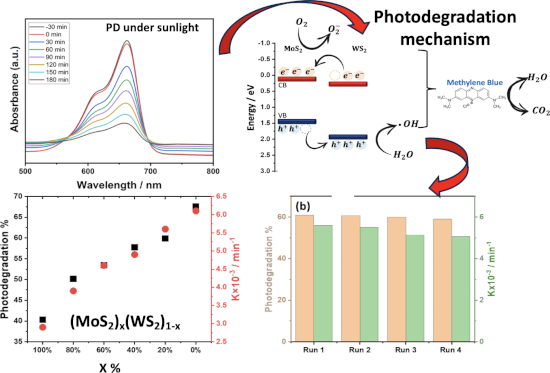
- binding energies). This means there is no chemical shift in the compounds, implying that the intermixing of Mo and W did not disturb the chemical environment, and the elements retained a stable chemical bond. Microstructure analysis Figure 4 shows scanning electron microscopy (SEM) images of all


Synthesis of silver–palladium Janus nanoparticles using co-sputtering of independent sources: experimental and theorical study
Beilstein J. Nanotechnol. 2024, 15, 808–816, doi:10.3762/bjnano.15.67
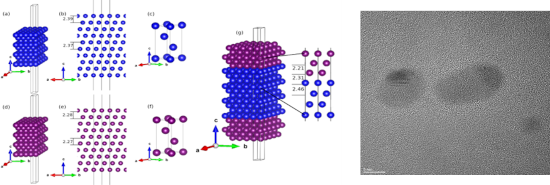
- that present two faces or regions with different chemical or physical properties in a single particle. Their compositional asymmetry can lead to interesting interactions with their environment or other materials, which give them properties and potential applications that homogeneous nanoparticles do
- addition, Pd–Ag alloys form during the Pd nucleation in an environment with Ag atoms. Therefore, other Janus nanoparticles can be composed of Ag/AgPd or Ag/AgPd/Pd, where the AgPd alloy could be on one side of the particle (labeled as Ag/AgPd) or between Ag and Pd (labeled as Ag/AgPd/Pd). Considering such




Electrospun polysuccinimide scaffolds containing different salts as potential wound dressing material
Beilstein J. Nanotechnol. 2024, 15, 781–796, doi:10.3762/bjnano.15.65
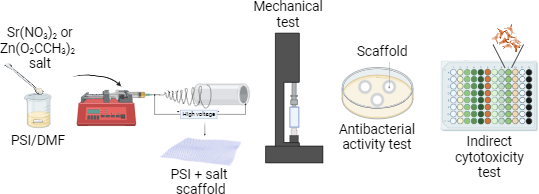
- fulfill multiple needs: shielding the wound against bacterial infection, facilitating proper gas exchange, providing an environment that promotes healing, and controlling biofluid production [8][9]. Furthermore, it should be nontoxic and hypoallergenic [10]. By using electrospinning, nanofibers can be
- investigated using FTIR spectroscopy. However, for a wound dressing, the salts must leach out of the scaffolds to promote their local antibacterial effect on the desired environment. In distilled water, salt-containing scaffolds were soaked, and the conductivity of the solution was measured (Supporting



Green synthesis of biomass-derived carbon quantum dots for photocatalytic degradation of methylene blue
Beilstein J. Nanotechnol. 2024, 15, 755–766, doi:10.3762/bjnano.15.63
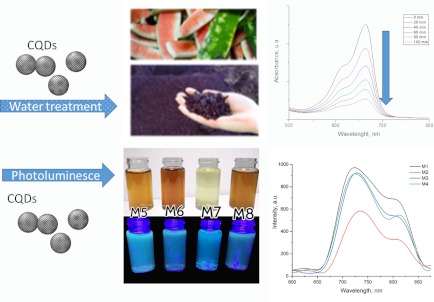
- a dark environment to ensure proper dispersion of the CQDs in aqueous media and the adsorption of the dye on the CQD surface. After the stirring period of 20 min, the solution absorbance was measured using a spectrophotometer in the wavelength range of 250–800 nm. This measurement marked the start


Gold nanomakura: nanoarchitectonics and their photothermal response in association with carrageenan hydrogels
Beilstein J. Nanotechnol. 2024, 15, 678–693, doi:10.3762/bjnano.15.56

- Nabojit Das Vikas Akash Kumar Sanjeev Soni Raja Gopal Rayavarapu Nanomaterial Toxicology Laboratory, Drug and Chemical Toxicology Group, Food, Drug & Chemical, Environment and Systems Toxicology (FEST) Division, CSIR-Indian Institute of Toxicology Research (CSIR-IITR), Vishvigyan Bhawan, 31






Functional fibrillar interfaces: Biological hair as inspiration across scales
Beilstein J. Nanotechnol. 2024, 15, 664–677, doi:10.3762/bjnano.15.55
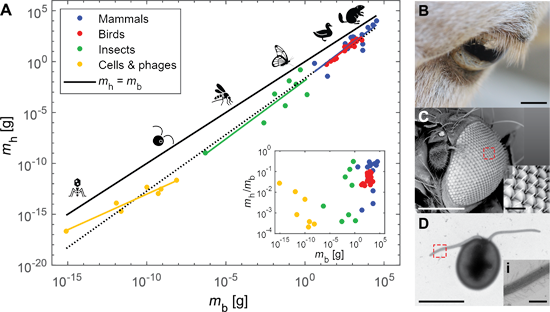
- bodies of mammals, over trichomes of plants, to the mastigonemes on the flagella of single-celled organisms. While these long and slender protuberances are passive, they are multifunctional and help to mediate interactions with the environment. They provide thermal insulation, sensory information
- not lessen their importance. They play a crucial role in mediating an organism’s interactions with the environment, serving various functions depending on their deformations, which are driven purely by their surroundings. Altogether, following the definition above, the structures covered in this
- , ranging from the smallest known parasitoid wasp (Dicopomorpha echmepterygis, 2.5 × 10⁻⁸ kg) to the great bustard (Otis tarda, 21 kg). The fluid regimes experienced by these organisms vary greatly with scale, from a highly viscous, laminar environment at the smallest sizes to an inertial, turbulent


Comparative analysis of the ultrastructure and adhesive secretion pathways of different smooth attachment pads of the stick insect Medauroidea extradentata (Phasmatodea)
Beilstein J. Nanotechnol. 2024, 15, 612–630, doi:10.3762/bjnano.15.52
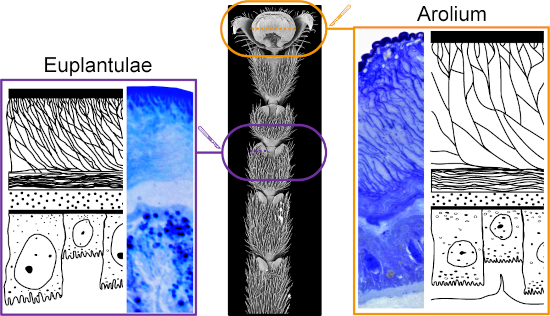
- ; Introduction Throughout their evolutionary timeline, insects evolved various surfaces interacting with the environment. These include friction-based adhesive organs, which are essential for locomotion by generating frictional and adhesive forces [1][2][3][4]. Two morphologically different friction-based
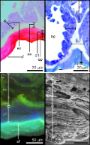
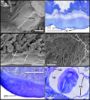
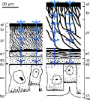
- comprised of relatively thick cuticle fibres that branch into finer ones within the branching rod layer, terminating in the superficial layer (sf) (Figure 3D). The superficial layer is the outermost layer in the arolium and is in direct contact with the environment. When examined with a light microscope




Cholesterol nanoarchaeosomes for alendronate targeted delivery as an anti-endothelial dysfunction agent
Beilstein J. Nanotechnol. 2024, 15, 517–534, doi:10.3762/bjnano.15.46
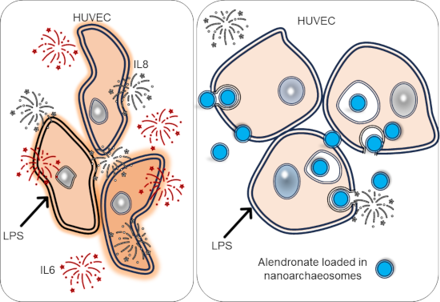
- embryogenesis [53]. EndMT is observed under inflammatory conditions similar to the environment generated during sepsis or pathological processes such as renal, cardiac and pulmonary fibrosis, and cancer [54][55][56][57]. In the mild inflation model, LPS induced in HUVECs morphological changes compatible with
- require additional biochemical studies. The long-term effect of the presence of archaeolipids (lipids from distant phylogenetic origin) on the membrane of viable cells is another topic deserving further deeper exploration. Conclusion This is the first report showing that in an environment of intense





Electron-induced deposition using Fe(CO)4MA and Fe(CO)5 – effect of MA ligand and process conditions
Beilstein J. Nanotechnol. 2024, 15, 500–516, doi:10.3762/bjnano.15.45
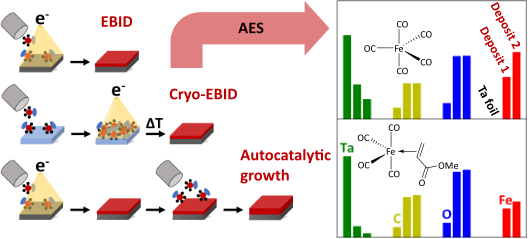
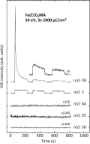
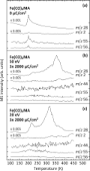
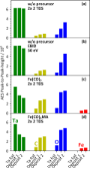
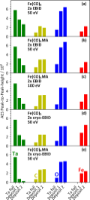
- [5]. Notably, when the FEBID process is performed under ultrahigh vacuum (UHV) conditions instead of the usual high vacuum conditions prevalent in SEMs, deposits with purities up to 95 atom % Fe can be obtained from Fe(CO)5 [21]. Also, the well-controlled environment of such UHV studies revealed that


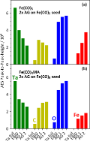

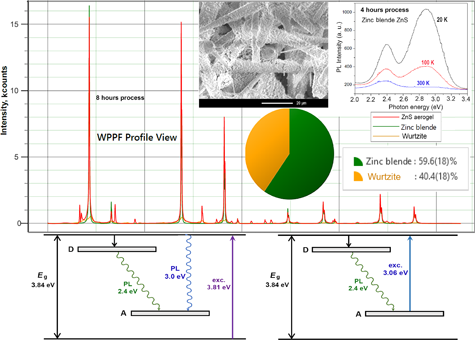
Aero-ZnS prepared by physical vapor transport on three-dimensional networks of sacrificial ZnO microtetrapods
Beilstein J. Nanotechnol. 2024, 15, 490–499, doi:10.3762/bjnano.15.44
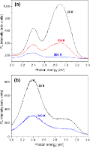
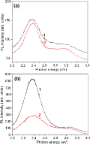
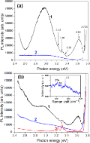
- the bandgap of the wurtzite ZnS phase is larger than that of the zinc blende phase. The behavior of these PL bands is also different in the two samples when changing the environment, as deduced from Figure 5. The intensity of the PL bands in the sample prepared in the 4 h procedure is not
- significantly different when measured at room temperature in air and in vacuum (Figure 5a), while the intensity of the 2.4 eV band decreases significantly with changing the environment from air to vacuum in the sample prepared in the 8 h procedure (Figure 5b). A PL band at 3.62 eV is observed in the spectra
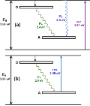
- , some suppositions are possible. The fact that the intensity of the low-energy PL band around 2.4 eV decreases significantly with changing the environment from air to vacuum in the sample prepared in the 8 h technological procedure may indicate the participation of surface states in the recombination



Fabrication of nanocrystal forms of ᴅ-cycloserine and their application for transdermal and enteric drug delivery systems
Beilstein J. Nanotechnol. 2024, 15, 465–474, doi:10.3762/bjnano.15.42
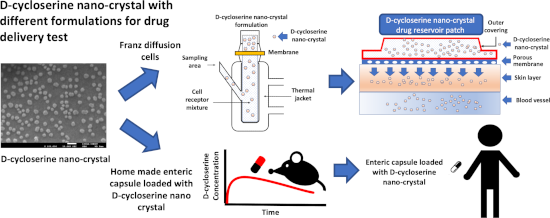
- formulation. The pH stability test of DCS We prepared two solutions for pH stability test to simulate the gastrointestinal environment: 0.1 M of an HCl solution (pH 1.2 at the stomach) (Sigma-Aldrich) and 0.1 M of phosphate buffer (pH 7.4 at the terminal ileum) (Sigma-Aldrich) [26]. Approximately 5 mg of DCS
- brown within approximately 10 min. As shown in Figure 3, the amount of DCS was remarkably reduced by 40% compared to the initial amount in an acidic environment simulating the stomach (pH 1.2). This finding is consistent with a previous study showing that DCS is sensitive to acidic conditions and can be
- labile and prone to decomposition in an acidic environment (Figure 3). Therefore, we developed enteric formulations of both DCS nanocrystals and commercial DCS powder to reduce the acid lability. Our PK results indicated that, compared to the commercial DCS powder, DCS nanocrystals had better


Superconducting spin valve effect in Co/Pb/Co heterostructures with insulating interlayers
Beilstein J. Nanotechnol. 2024, 15, 457–464, doi:10.3762/bjnano.15.41
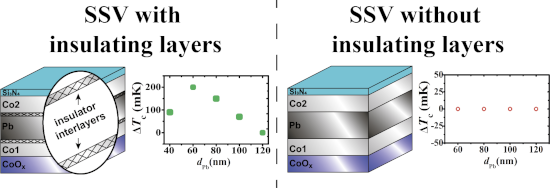
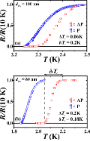
- for 60 s. It was shown in [43] that significant partial oxidation of a few nanometers thin metallic Co layer can be achieved by exposing it to the ambient atmospheric environment, implying that lowering the atmospheric pressure by five orders of magnitude enables one to oxidize only the surface



![[Graphic 6]](/bjnano/content/inline/2190-4286-15-41-i6.svg?max-width=637&scale=1.18182)
Potential of a deep eutectic solvent in silver nanoparticle fabrication for antibiotic residue detection
Beilstein J. Nanotechnol. 2024, 15, 426–434, doi:10.3762/bjnano.15.38
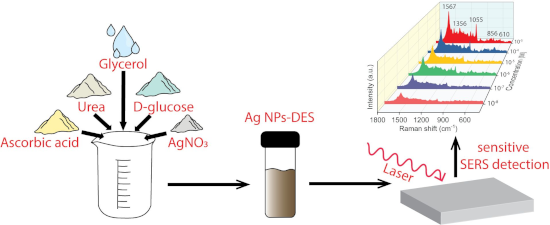
- by different kinds of surfactants such as cetyltrimethylammonium bromide [20][21], polyvinylpyrrolidone [18], and sodium dodecyl sulfate [21][22]. However, these chemicals have many negative effects on the environment including microbial, plant, soil, and marine ecosystems as reported by Rebello and


Unveiling the nature of atomic defects in graphene on a metal surface
Beilstein J. Nanotechnol. 2024, 15, 416–425, doi:10.3762/bjnano.15.37
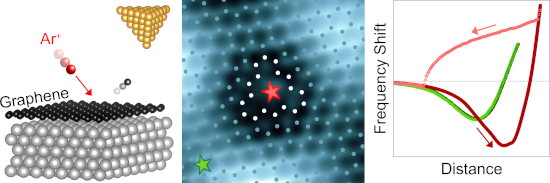
- defect is of kind 1. It resides at a valley of the moiré lattice (data for a type-1 defect at the other valley site are presented in Supporting Information File 1, Figure S2). Its brighter contrast compared to the intact graphene environment in the AFM topograph indicates that the attraction of type-1


Classification and application of metal-based nanoantioxidants in medicine and healthcare
Beilstein J. Nanotechnol. 2024, 15, 396–415, doi:10.3762/bjnano.15.36
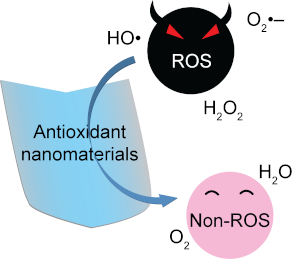
- microenvironments have different pH values and temperatures depending on the part and physiological status of the body. Thus, natural CAT usually suffers from low stability and is sensitively influenced by the environment. Several reports investigated the effect of pH and temperature on CAT activity as well the
- the inflammatory sites. The acidic environment at the inflammatory sites induced MOF disaggregation, resulting in the release of carbon dot-SOD nanozymes and CD98 CRISPR/Cas9 plasmids. The released nanozymes and plasmids contributed to ROS scavenging and reduced the CD98 gene expression, respectively


Insect attachment on waxy plant surfaces: the effect of pad contamination by different waxes
Beilstein J. Nanotechnol. 2024, 15, 385–395, doi:10.3762/bjnano.15.35
- branches. Data on the dimension and aspect ratio given here for this plant species are related only to the branches, which are usually exposed to the environment, but not to the whole tubules. Attachment organs of the Chrysolina fastuosa male beetle General morphology The tarsus of C. fastuosa possesses