


Search results
Search for "nano" in Full Text gives 857 result(s) in Beilstein Journal of Nanotechnology. Showing first 200.
Dry under water: air retaining properties of large-scale elastomer foils covered with mushroom-shaped surface microstructures
Beilstein J. Nanotechnol. 2022, 13, 1370–1379, doi:10.3762/bjnano.13.113
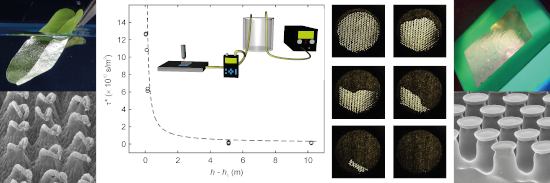
- Matthias Mail Stefan Walheim Thomas Schimmel Wilhelm Barthlott Stanislav N. Gorb Lars Heepe Nees Institute for Biodiversity of Plants, University of Bonn, Venusbergweg 22, D-53115 Bonn, Germany Institute of Nanotechnology (INT) and Karlsruhe Nano Micro Facility (KNMF), Karlsruhe Institute of
- . Acknowledgements The authors thank Karlsruhe Nano Micro Facility (KNMF, http://www.kit.edu/knmf), a Helmholtz Research Infrastructure at Karlsruhe Institute of Technology (KIT) for providing technical facilities for our work. Further, the authors thank Sebastian Onasch, Peter Baumann, Thomas Pfeffer, Birte


Supramolecular assembly of pentamidine and polymeric cyclodextrin bimetallic core–shell nanoarchitectures
Beilstein J. Nanotechnol. 2022, 13, 1361–1369, doi:10.3762/bjnano.13.112
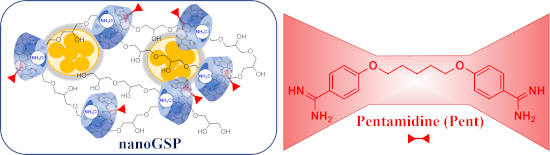
- Alexandru-Milentie Hada Nina Burduja Marco Abbate Claudio Stagno Guy Caljon Louis Maes Nicola Micale Massimiliano Cordaro Angela Scala Antonino Mazzaglia Anna Piperno Nanobiophotonics and Laser Microspectroscopy Center, Interdisciplinary Research Institute in Bio-Nano-Sciences, Babes-Bolyai
- (nanoG) and 0.2 cm path length quartz cells (nanoGS and nanoGSP) at room temperature (≈25 °C). The zeta potential, average hydrodynamic diameter, and width of distribution (polydispersity index, PDI) measurements were carried out by a Zetasizer Nano ZS (Malvern Instrument, Malvern, U.K.) at 25 °C in


Near-infrared photoactive Ag-Zn-Ga-S-Se quantum dots for high-performance quantum dot-sensitized solar cells
Beilstein J. Nanotechnol. 2022, 13, 1337–1344, doi:10.3762/bjnano.13.110
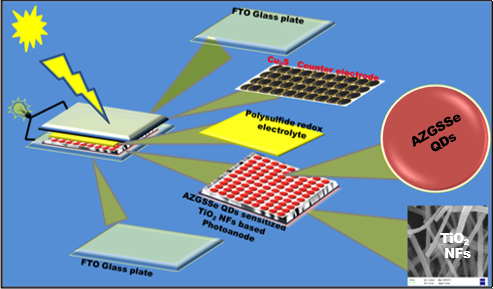
- JSM-7600F. The electronic states of the elements and their atomic ratio in the prepared samples was analyzed by using XPS (Kratos AXIS Ultra DLD) and EDX (Bruker Nano XFlash detector attached to the HRTEM). Optical properties were examined by using a UV–vis–NIR spectrophotometer (Perkin Elmer L-650 UV


Bending and punching characteristics of aluminum sheets using the quasi-continuum method
Beilstein J. Nanotechnol. 2022, 13, 1303–1315, doi:10.3762/bjnano.13.108
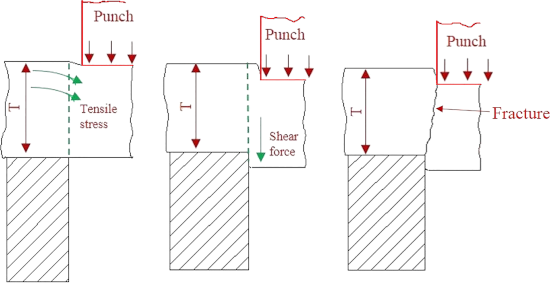
- Man-Ping Chang Shang-Jui Lin Te-Hua Fang Department of Mechanical Engineering, National Kaohsiung University of Science and Technology, Kaohsiung 80778, Taiwan 10.3762/bjnano.13.108 Abstract The nano-punching characteristics of single-crystalline aluminum are investigated using the quasi
- -continuum (QC) method. Four variables (i.e., crystal orientation, workpiece thickness, clearance between the punch and the substrate, and the taper angle of punch) are used to explore their effect during the nano-punching process. The shear stress distribution is used to express the punching effect on the
- punch and on both sides of the substrates. Besides, fracture strength, residual flash, and the atomic displacement vector are observed and discussed regarding the behaviors of the nano-punching process under various conditions. Based on the results, the Al workpiece with the X[111]Y[−110] orientation





Studies of probe tip materials by atomic force microscopy: a review
Beilstein J. Nanotechnol. 2022, 13, 1256–1267, doi:10.3762/bjnano.13.104
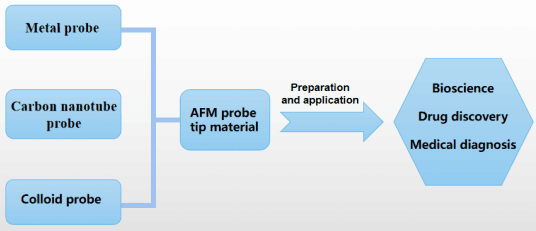
- attractive platform, offering more possibilities for sharpening tips in a controlled manner. These metal clusters can be easily generated with various metals (e.g., Ir, Au, Ni, Co, Pb, or Sn), allowing the generation of nano-tips with different functionalities. The good point is that these clusters were
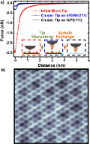
- ][24]. Jiménez-Sánchez et al. [25] studied the extraction of Ir clusters from graphene (by indentation) on the surface of Rh(111) to fabricate AFM sharp nano-tips, i.e., with weak van der Waals interactions. Experiments were performed under ultrahigh pressure and low temperature (5 K) conditions using
- affects the long-range force of tip detection. Cluster extraction caused a significant increase in effective tip radius (RT) and nano-tip height (z0). They are suggesting that clusters remain attached to the tip after extraction. These findings raise the question of whether the iterations of the
Role of titanium and organic precursors in molecular layer deposition of “titanicone” hybrid materials
Beilstein J. Nanotechnol. 2022, 13, 1240–1255, doi:10.3762/bjnano.13.103
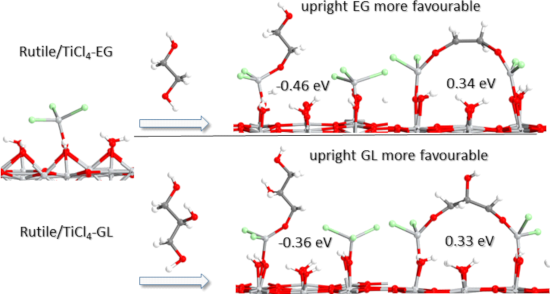
- inorganic films used extensively in photovoltaics, (nano)electronics, energy storage and catalysis [5][6][7][8]. Similarly to ALD, MLD is based on sequential self-limiting reactions of readily vaporized inorganic precursors but the second reactant is a highly volatile organic species. Thus, in contrast to
- Li ion batteries or pseudocapacitance supercapacitors [31]. These films were also employed as coatings of nano Si electrodes and successfully improved their performance [48]. As described above, different titanicone and Ti–organic MLD processes have been developed and although first principles


Roll-to-roll fabrication of superhydrophobic pads covered with nanofur for the efficient clean-up of oil spills
Beilstein J. Nanotechnol. 2022, 13, 1228–1239, doi:10.3762/bjnano.13.102
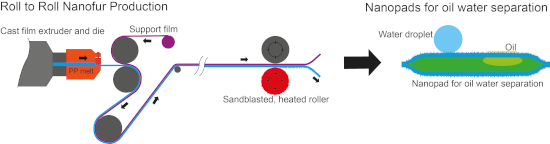
- Patrick Weiser Robin Kietz Marc Schneider Matthias Worgull Hendrik Holscher Institute of Microstructure Technology (IMT), Karlsruhe Institute of Technology (KIT), P.O. box 36 40, 76021 Karlsruhe, Germany Karlsruhe Nano Micro Facility for information-driven Material Structuring and Characterization
- unwanted dirt [5][6]. The lotus effect is commonly achieved by hierarchical nano- and micro-structuring of surfaces made from materials with low surface energy leading to very high contact angles (above 150°). This strategy is inspired by the lotus leaf [1] but can be found on many other surfaces in nature
- continuous support and help in the lab. Funding This work was supported in part by the Karlsruhe Nano Micro Facility (KNMF) and the MWK through the research program “Ideenwettbewerb Biotechnologie – Von der Natur lernen”.




A super-oscillatory step-zoom metalens for visible light
Beilstein J. Nanotechnol. 2022, 13, 1220–1227, doi:10.3762/bjnano.13.101
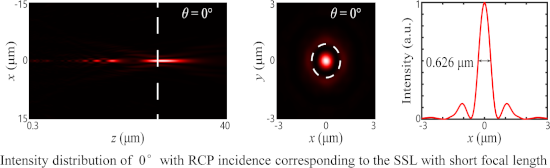
- , Sichuan 610209, China The Key Laboratory for Micro/Nano Optoelectronic Devices of Ministry of Education & Hunan Provincial Key Laboratory of Low-Dimensional Structural Physics and Devices, School of Physics and Electronics, Hunan University, Changsha 410082, China 10.3762/bjnano.13.101 Abstract In recent


Application of nanoarchitectonics in moist-electric generation
Beilstein J. Nanotechnol. 2022, 13, 1185–1200, doi:10.3762/bjnano.13.99
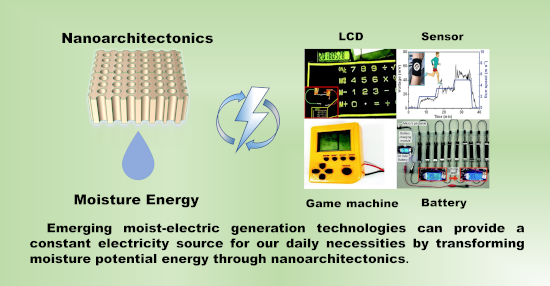
- electrode materials to collect the electric energy, wearable MEG textiles still need require further investigation. MEGs also have potential in other research fields. In micro/nano-driven devices [92], a hygro-responsive layer can use ambient humidity to provide a continuous power supply for the device
- 4.0. (b, c) Cross-sectional SEM images of a Ni–Al LDH film. Figure 4b and 4c were adapted from [52]. This article was published in Nano Energy, vol. 70, by J. Tian; Y. Zang; J. Sun; J. Qu; F. Gao; G. Liang, “Surface charge density-dependent performance of Ni–Al layered double hydroxide-based flexible
- under the phase gradient of MoS2. Figure 4d and 4e were reprinted from [50]. This article was published in Nano Energy, vol. 81, by D. He; Y. Yang; Y. Zhou; J. Wan; H. Wang; X. Fan; Q. Li; H. Huang, “Electricity generation from phase-engineered flexible MoS2 nanosheets under moisture“, article no


Effects of focused electron beam irradiation parameters on direct nanostructure formation on Ag surfaces
Beilstein J. Nanotechnol. 2022, 13, 1004–1010, doi:10.3762/bjnano.13.87
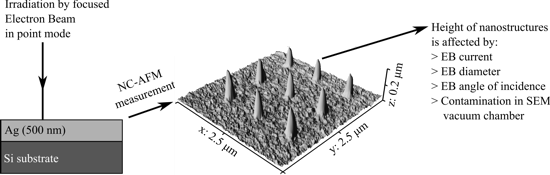
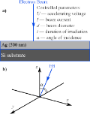
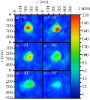
- surfaces undergoing irradiation by a focused electron beam. Keywords: atomic force microscopy; electron beam; lithography; nanostructure; silver; sputtering; surface; Introduction Metallic nanostructures have various uses, including in nano-electro-mechanical systems [1], plasmonic biosensors [2], and




Influence of water contamination on the sputtering of silicon with low-energy argon ions investigated by molecular dynamics simulations
Beilstein J. Nanotechnol. 2022, 13, 986–1003, doi:10.3762/bjnano.13.86
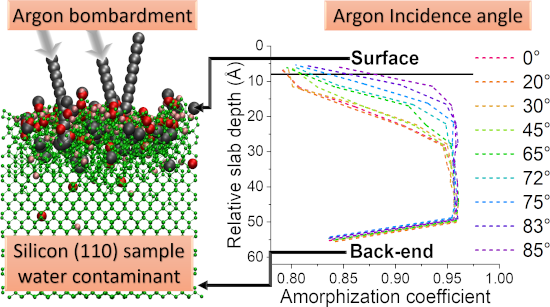
- Gregoire R. N. Defoort-Levkov Alan Bahm Patrick Philipp Advanced Instrumentation for Nano-Analytics (AINA), Materials Research and Technology Department (MRT), Luxembourg Institute of Science and Technology (LIST), 4422 Belvaux, Luxembourg University of Luxembourg, 4365 Esch-sur-Alzette




Design of a biomimetic, small-scale artificial leaf surface for the study of environmental interactions
Beilstein J. Nanotechnol. 2022, 13, 944–957, doi:10.3762/bjnano.13.83
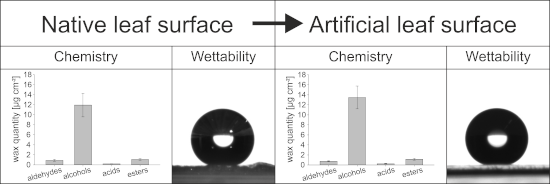
- the plant cuticle and, thus, the first contact site of the plant with its biotic and abiotic environment. They form a thin crystalline wax film (less than 1 µm) and often various three-dimensional emerging wax crystals in the nano- and micrometer range (0.5–100 µm) [14][15][16]. Recrystallization of
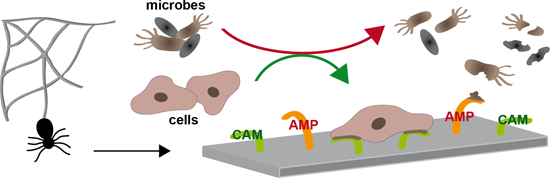
Bioselectivity of silk protein-based materials and their bio-inspired applications
Beilstein J. Nanotechnol. 2022, 13, 902–921, doi:10.3762/bjnano.13.81


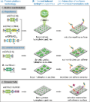
Optimizing PMMA solutions to suppress contamination in the transfer of CVD graphene for batch production
Beilstein J. Nanotechnol. 2022, 13, 796–806, doi:10.3762/bjnano.13.70
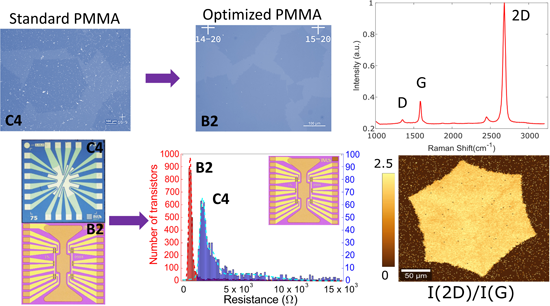
- a low-pressure CVD system (CVD First Nano, EasyTube 3000). A 25 µm thick annealed Cu foil (Alfa Aesar, purity 99.8%), serving as a metal catalyst, was placed in a graphite enclosed cavity during the whole process. The temperature for annealing and growth was kept stable at 1040 °C by PID thermal




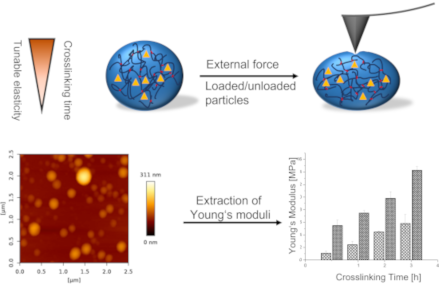
Gelatin nanoparticles with tunable mechanical properties: effect of crosslinking time and loading
Beilstein J. Nanotechnol. 2022, 13, 778–787, doi:10.3762/bjnano.13.68
- GmbH (Wetzlar, Germany). MLCT Cantilevers were purchased from Bruker France Nano Surfaces (Wissembourg, France). The human cell line A549 ACC107 [20] (DSMZ, Braunschweig, Germany) was cultivated in RPMI 1640 (Roswell Park Memorial Institute 1640, gibco™, Fisher Scientific, USA) supplemented with 10
- same day. AFM measurements were carried out with a JPK NanoWizard® 3 AFM (JPK Instruments, Berlin, Germany) using the MLCT cantilever tip D (Bruker France Nano Surfaces, Wissembourg, France) with a nominal resonance frequency of 15 kHz and a spring constant of 0.03 N/m. Before each measurement, the
- gelatin nanoparticles crosslinked for 0.5 h. Images were taken at 37 °C in Milli-Q® water running the JPK Nano Wizard 3 AFM executing the QI™-Mode. Young’s moduli of gelatin nanoparticles and crosslinking time. (A) Highlighting the linear dependency of crosslinking time and the resulting mechanical


Antibacterial activity of a berberine nanoformulation
Beilstein J. Nanotechnol. 2022, 13, 641–652, doi:10.3762/bjnano.13.56
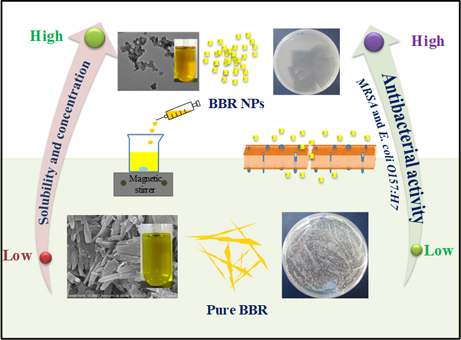
- Hue Thi Nguyen Tuyet Nhung Pham Anh-Tuan Le Nguyen Thanh Thuy Tran Quang Huy Thuy Thi Thu Nguyen Phenikaa University Nano Institute (PHENA), Phenikaa University, Hanoi 12116, Vietnam National Institute of Hygiene and Epidemiology, Hanoi, Vietnam 10.3762/bjnano.13.56 Abstract This study describes
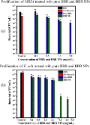
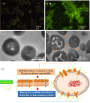
- transmission electron microscopy (TEM, JEM1010, JEOL). The dynamic average size distribution and the stability of the prepared BBR NPs in aqueous solution were evaluated by dynamic light scattering (DLS) using a Zetasizer Nano ZS, Malvern Instruments. Antibacterial activity of BBR NPs The antibacterial



Fabrication and testing of polymer microneedles for transdermal drug delivery
Beilstein J. Nanotechnol. 2022, 13, 629–640, doi:10.3762/bjnano.13.55
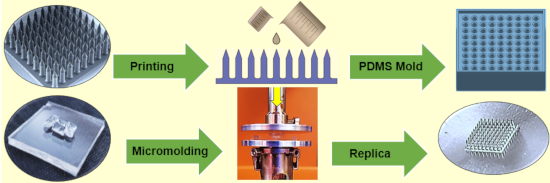
- . Acknowledgements This work was performed in part at the Queensland node of the Australian National Fabrication Facility, a company established under the National Collaborative Research Infrastructure Strategy to provide nano and microfabrication facilities for Australia’s researchers. This research was undertaken



Revealing local structural properties of an atomically thin MoSe2 surface using optical microscopy
Beilstein J. Nanotechnol. 2022, 13, 572–581, doi:10.3762/bjnano.13.49
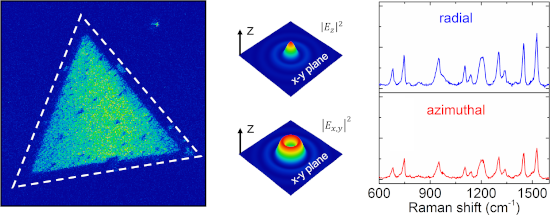
- measurements are performed using a custom-built confocal microscope assisted with a parabolic mirror, as shown in Supporting Information File 1, Figure S4. In this microscope, either a 636 nm diode laser (PDL 800-D, Picoquant) or a 532 nm laser (NANO 250-532 max, QIOPTIQ) in continuous wave mode are coupled to


Detection and imaging of Hg(II) in vivo using glutathione-functionalized gold nanoparticles
Beilstein J. Nanotechnol. 2022, 13, 549–559, doi:10.3762/bjnano.13.46
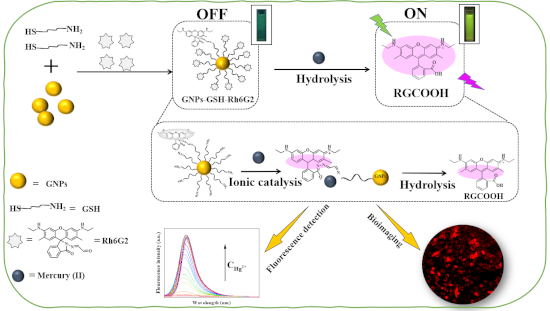
- Fluorescence spectrophotometer (Hitachi, Japan). Mean particle size and the zeta potential were recorded using a Zetasizer Nano ZS90 (Malvern, UK). A Nicolet iS10 infrared spectrometer (Nicolet, USA) was used to gather FTIR spectra in a scanning range of 400–4000 cm−1. Fluorescence images of cells were


Stimuli-responsive polypeptide nanogels for trypsin inhibition
Beilstein J. Nanotechnol. 2022, 13, 538–548, doi:10.3762/bjnano.13.45
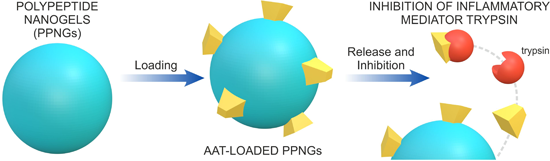
- mg/mL) at 25 and 37 °C using a Zetasizer Nano ZS (Malvern Instruments Ltd., Worcestershire, UK) at 633 nm and 173° detection angle. Size and size distribution were obtained from the correlation function using CONTIN analysis available in the Malvern software. The hydrodynamic diameters (DH) were


Ethosomal (−)-epigallocatechin-3-gallate as a novel approach to enhance antioxidant, anti-collagenase and anti-elastase effects
Beilstein J. Nanotechnol. 2022, 13, 491–502, doi:10.3762/bjnano.13.41
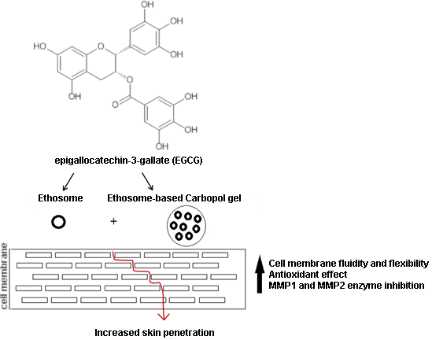
- of 1:1 (v/v). Characterization of formulations In the characterization studies, PS, ZP, and PDI of the developed ETHs were measured using a Zetasizer Nano ZS-Malvern. The ETHs were visualized using SEM. The content of EGCG entrapped in ETHs (EE%) was estimated after removal of the uncaptured drug



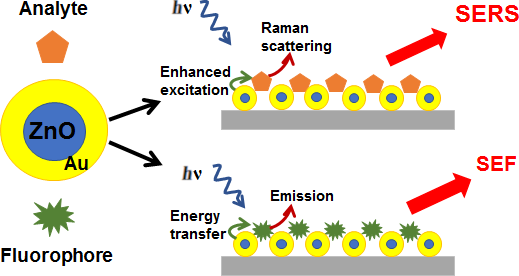
Zinc oxide nanostructures for fluorescence and Raman signal enhancement: a review
Beilstein J. Nanotechnol. 2022, 13, 472–490, doi:10.3762/bjnano.13.40




Effect of sample treatment on the elastic modulus of locust cuticle obtained by nanoindentation
Beilstein J. Nanotechnol. 2022, 13, 404–410, doi:10.3762/bjnano.13.33
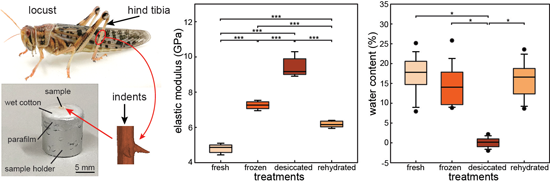
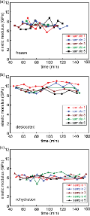
- ). The specimens were indented using a SA2 Nanoindenter (MTS Nano Instruments, Oak Ridge, TN, USA) equipped with a Berkovich diamond tip. The elastic modulus of the specimens was measured using the continuous stiffness measurement (CSM) technique. CSM is a well-established technique for obtaining the
- be used as a template for future studies that aim to measure cuticle properties using nanoindentation or other nano- or micromechanical testing methods. Data Accessibility All supporting data are made available in the article. Authors’ Contributions Conceptualization: SNG and HR; formal analysis: CL


Micro- and nanotechnology in biomedical engineering for cartilage tissue regeneration in osteoarthritis
Beilstein J. Nanotechnol. 2022, 13, 363–389, doi:10.3762/bjnano.13.31
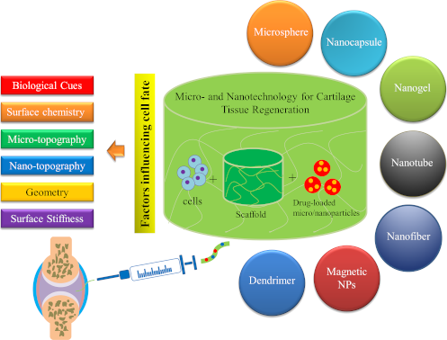
- different characteristics and kinds of behavior of compounds on submicrometer and nanometer scales and resulted in the development of new methods such as electrospinning, self-assembly, phase separation, nano-imprinting, and photolithography for the generation of new biomaterials with improved properties


Systematic studies into uniform synthetic protein nanoparticles
Beilstein J. Nanotechnol. 2022, 13, 274–283, doi:10.3762/bjnano.13.22
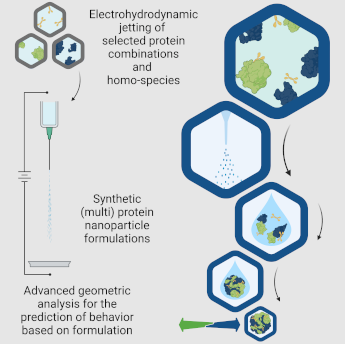
- thorough shape analysis into the assessment of emerging platforms from the very onset of their expansion into the general nano-bio research. The solution-based corollary to dry-state imaging that can provide the above parameters is dynamic light scattering (DLS). DLS uses the deconvolution of a correlation
- process. Dynamic light scattering DLS measurements were performed on particles in their hydrated state using a Zetasizer Nano ZS (Malvern Panalytical). The solution in which the particles were suspended was DPBS. DLS was employed to measure the particle size distribution after particle collection and





