Search results
Search for "therapy" in Full Text gives 253 result(s) in Beilstein Journal of Nanotechnology. Showing first 200.
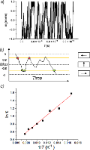
On the relaxation time of interacting superparamagnetic nanoparticles and implications for magnetic fluid hyperthermia
Beilstein J. Nanotechnol. 2019, 10, 1280–1289, doi:10.3762/bjnano.10.127
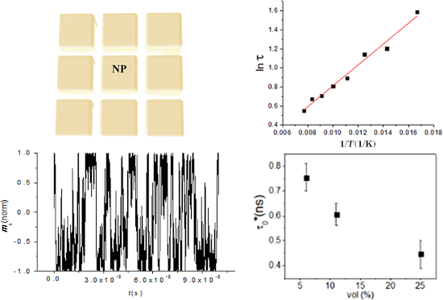
- superparamagnetic regime in the presence of interparticle dipolar interactions is considered. The direct implications of such interactions for magnetic fluid hyperthermia therapy through susceptibility loss mechanisms give rise to an indirect method for their study via specific absorption rate measurements
- nanoparticulate contrasting agents on proton relaxivity [7][8][9]) and cancer therapy (through magnetic fluid hyperthermia therapy [10][11]). The efficiency of the magnetic nanoparticles (MNPs) in a colloidal system to convert the energy of AC magnetic fields into temperature increments is of high importance for
- magnetic hyperthermia therapy. Usually the system consists of MNPs dispersed in an aqueous medium, known also as a ferrofluid. The heat transfer from the specifically configured AC field (with biologically compatible amplitude and frequency) to the tissue loaded with suitably functionalized MNPs can be



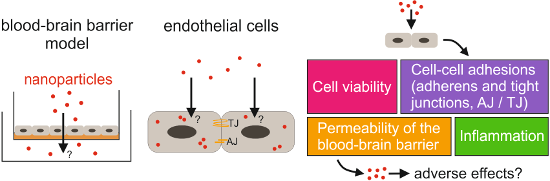
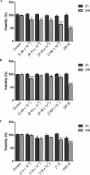
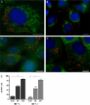
Effects of gold and PCL- or PLLA-coated silica nanoparticles on brain endothelial cells and the blood–brain barrier
Beilstein J. Nanotechnol. 2019, 10, 941–954, doi:10.3762/bjnano.10.95
- , and has gained further importance over the past few decades [1]. This technology also offers promising possibilities for medical applications such as tumor diagnostics and therapy, as drug carriers or in biodegradable implants, e.g., in laser tissue soldering (LTS) [2]. LTS provides a promising



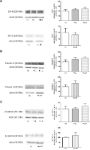
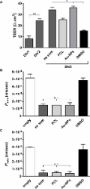
The systemic effect of PEG-nGO-induced oxidative stress in vivo in a rodent model
Beilstein J. Nanotechnol. 2019, 10, 901–911, doi:10.3762/bjnano.10.91
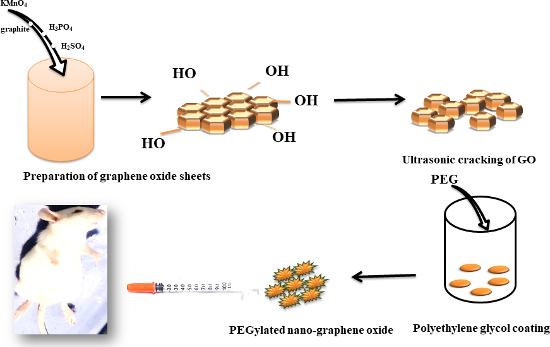
- ) [5], poly(ε-caprolactone) (PCL) [6], hydroxypropyl-β-cyclodextrin (HPCD) [7], and poly(L-lactic acid) (PLLA) [8]. Biocompatible GO has many prospective uses in tissue engineering [9], drug delivery [10], cancer therapy [11][12], and treatment of bacterial infections [13][14]. Dinescu et al. designed
- dual-functionalized GO for the photothermal enhancement of gene delivery [23]. Xiong et al. studied the synergistic effects of PEG-functionalized GO for chemo-photothermal therapy [24]. Tian et al. revealed that PEG-GO enhanced the uptake of chlorin e6 by cancer cells [25]. Shen et al. exploited the
- nGO in organs including lung, liver, and spleen and promoted its clearance from these organs [28]. Zhang et al. treated a tumour with a chemo-photothermal therapy based on PEG-GO [29]. The safety and tumour accumulation of PEG-GO has been reported by Miao and co-workers [30]. Functionalized PEG-nGO


Tungsten disulfide-based nanocomposites for photothermal therapy
Beilstein J. Nanotechnol. 2019, 10, 811–822, doi:10.3762/bjnano.10.81
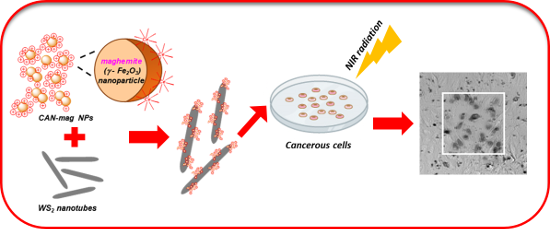
- the most extensively studied members in this group, and are used for, e.g., polymer reinforcement, lubrication and electronic devices. Their biocompatibility and low toxicity make them suitable for medical and biological applications. One potential application is photothermal therapy (PTT), a method
- -step functionality. This ability is demonstrated here with two polymers grafted onto the nanocomposite surface, and other functionalities could be additional cancer therapy agents for achieving increased therapeutic activity. Keywords: cerium complex; magnetic nanoparticles; photothermal therapy
- engineering, and their incorporation in dental devices [25][26][27][28][29][30][31][32]. Another important medical application for nanostructures in general, and for TMDC nanostructures in particular, is targeted cancer treatment through photothermal therapy (PTT). In this method, light-responsive materials






Polydopamine-coated Au nanorods for targeted fluorescent cell imaging and photothermal therapy
Beilstein J. Nanotechnol. 2019, 10, 794–803, doi:10.3762/bjnano.10.79
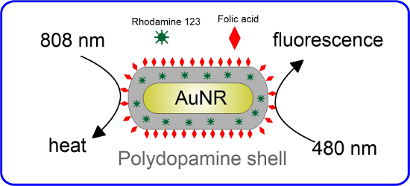
- fluorescent imaging and plasmonic phothothermal abilities have not been reported previously. The multifunctional nanoparticles were stable in cell buffer, nontoxic and suitable for targeted fluorescent imaging and photothermal therapy of cancer cells. We demonstrate the enhanced accumulation of folate
- theranostics in the future. Keywords: Au nanorods; cancer theranostics; fluorescent bioimaging; folate; polydopamine; targeted phototherapy; Introduction Multifunctional imaging and combined multimodal therapy strategies are very promising in cancer theranostics [1][2]. Possible way for such purpose is to
- designed parameters [3][4]. The AuNRs themselves can serve as contrast agents for two-photon [5][6], photoacoustic [7][8][9] and SERS [10][11] imaging, and for plasmonic photothermal therapy (PPT) [12][13]. However, the as-prepared AuNRs demonstrate high toxicity [14][15] and low stability in biological


Biocompatible organic–inorganic hybrid materials based on nucleobases and titanium developed by molecular layer deposition
Beilstein J. Nanotechnol. 2019, 10, 399–411, doi:10.3762/bjnano.10.39
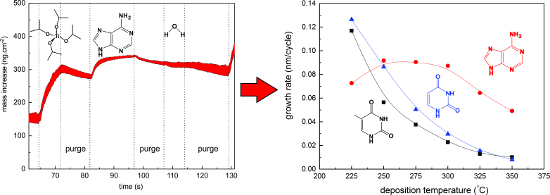
- and therapy, and probes for biosensing [1]. Nucleobases are constituents of DNA and RNA and can interact with different metals to form several molecular assemblies [2][3]. In the 1960s, a powerful antitumor agent named cisplatin (cis-[Pt(NH3)2Cl2]) was discovered by Rosenberg [4]. Later it was




Targeting strategies for improving the efficacy of nanomedicine in oncology
Beilstein J. Nanotechnol. 2019, 10, 168–181, doi:10.3762/bjnano.10.16
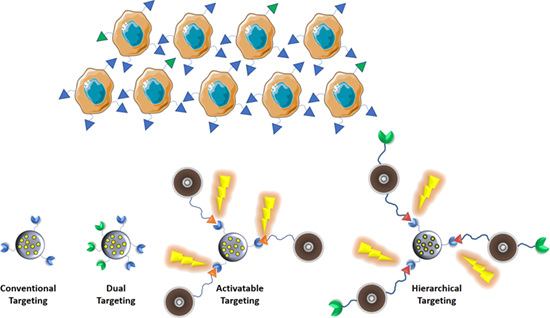
- targeting strategies. In this review, recent advances in the development of targeted nanoparticles will be described with the aim to present the current state of the art of this technology and its huge potential in the oncological field. Keywords: antitumoral therapy; nanomedicine; smart nanocarriers
- organelles, or tissues and cells, as well as the employ of hierarchical targeting will also be described to provide an insight about the great potency of targeted nanomedicines in antitumoral therapy. Review Passive targeting based on the EPR effect As mentioned above, the use of nanoparticles in oncology
- therapy due to the high amount of drug that is possible to deliver into the diseased cells, and by the reduction of side effects. Despite the encouraging results there is much work left to be done until these targeted nanocarriers fulfill the high expectations. Many of these systems have been tested


Surface plasmon resonance enhancement of photoluminescence intensity and bioimaging application of gold nanorod@CdSe/ZnS quantum dots
Beilstein J. Nanotechnol. 2019, 10, 22–31, doi:10.3762/bjnano.10.3
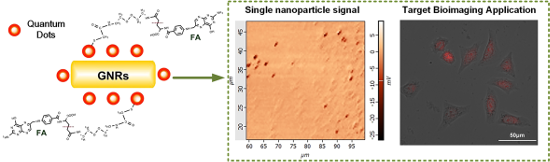
- stability and biocompatibility of GNRs has been reported by several researchers, and they are being investigated as a probe for photothermal therapy in nanomedicine. The presence of longitudinal surface plasmon resonance (LSPR) provides GNRs with richer optical properties, which lead to local field, Raman
- biological application and therapy of human diseases [26][27]. In this work, we demonstrated a novel GNR@CdSe/ZnS multimodal nanostructure in aqueous phase. We chose CdSe/ZnS QDs as a PL contributor due to its high degree of brightness, excellent photostability, and good spectral overlap with GNRs. We then
- GNR@CdSe/ZnS@FA is better than CdSe/ZnS@FA, the in vitro imaging results confirm that these nanoparticles are suitable to be used for near-infrared imaging and cancer therapy. Conclusion We have developed a multifunctional nanomaterial GNR@CdSe/ZnS and enhanced the PL intensity using the surface


The nanoscaled metal-organic framework ICR-2 as a carrier of porphyrins for photodynamic therapy
Beilstein J. Nanotechnol. 2018, 9, 2960–2967, doi:10.3762/bjnano.9.275
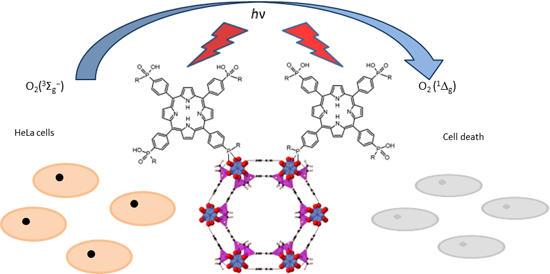
- substituent at the porphyrin phosphinate groups. Thus, phosphinatophenylporphyrin with phenyl substituents has the strongest photodynamic efficacy due to the most efficient cellular uptake. Keywords: metal-organic framework; phosphinic acid based MOF; photodynamic therapy; porphyrin; singlet oxygen
- ]. Singlet oxygen is a short-lived, highly oxidative species with bactericidal and virucidal properties [6]. The cytotoxic effect can be intentionally employed in anticancer treatment in the form of photodynamic therapy (PDT) [7][8]. The most commonly utilised photosensitizers in PDT are porphyrins or
- identical conditions (e.g., irradiation wavelength, time, dose). We can compare the activity of nanoICR-2/TPPPi(Ph) with the activity of previously studied PCN-222 nanoparticles where both systems display comparable activity [22]. Conclusion In the context of photodynamic therapy, we present composite


Hybrid Au@alendronate nanoparticles as dual chemo-photothermal agent for combined cancer treatment
Beilstein J. Nanotechnol. 2018, 9, 2947–2952, doi:10.3762/bjnano.9.273
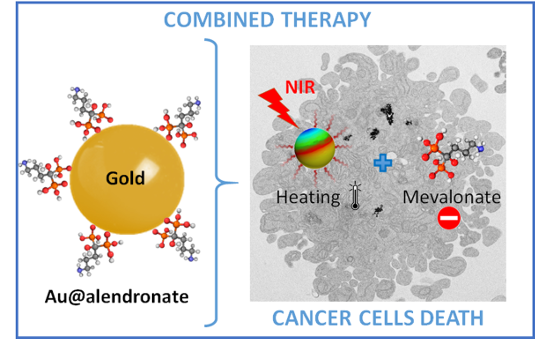
- under irradiation within the first biological window (650–900 nm). The Au@alendronate nanoplatform thus provided a combined antitumor activity through drug delivery and photothermal therapy. Au@alendronate NPs inhibited in vitro the proliferation of prostate cancer cells (PC3) in a dose-dependent manner
- resonance leading to strong enhancement of the absorption and scattering when exposed to electromagnetic radiation [21]. Due to this plasmonic absorption, light is converted to heat [22][23][24][25][26]. Photothermal therapy (PTT) is a powerful cancer-treatment technique. Gold NPs have to be activated
- , in the form of PTT, we first evaluated the specific photothermal properties of Au@alendronate NPs. In cancer therapy, it is desirable to use NPs that are active in the near-infrared (NIR) region to minimize light absorption of the laser radiation by surrounding tissues [27][34]. The plasmonic


Cytotoxicity of doxorubicin-conjugated poly[N-(2-hydroxypropyl)methacrylamide]-modified γ-Fe2O3 nanoparticles towards human tumor cells
Beilstein J. Nanotechnol. 2018, 9, 2533–2545, doi:10.3762/bjnano.9.236
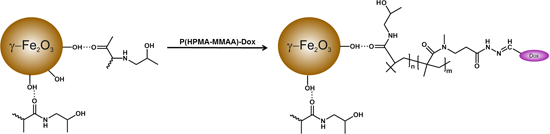
- ][9]. These include the presence of specific conjugated antibodies on the surface to bind selectively to related receptors and inhibit tumor growth and/or release loaded drugs for targeted therapy. This will result in increased drug concentration and accumulation at the pathological site, improved
- from MRI contrast agents to drug-delivery systems, local heat sources in magnetic hyperthermia therapy of tumors, magnetically assisted transfection of cells, and magnetic field-assisted separation techniques. Let us to note that MRI is already widely used in human medicine and several iron-oxide-based


Non-agglomerated silicon–organic nanoparticles and their nanocomplexes with oligonucleotides: synthesis and properties
Beilstein J. Nanotechnol. 2018, 9, 2516–2525, doi:10.3762/bjnano.9.234
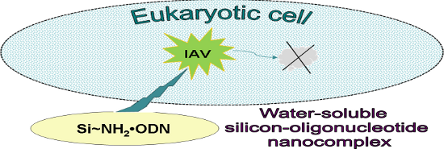
- known to degrade to orthosilicic acid, Si(OH)4, which is found in almost all human tissues and effectively excreted through the urine [9]. Organically modified silica nanoparticles are known for their low toxicity and biocompatibility and can be used for targeted imaging and therapy [10][11]. The
- series of works describes the synthesis of amino-containing silicon nanoparticles, so-called ORMOSIL, and their use for diagnostics and therapy [15][18]. Most often, these methods lead to the formation of nanoparticles with a diameter of 20–100 nm. Silica is particularly attractive as a functional


Enhanced antineoplastic/therapeutic efficacy using 5-fluorouracil-loaded calcium phosphate nanoparticles
Beilstein J. Nanotechnol. 2018, 9, 2499–2515, doi:10.3762/bjnano.9.233
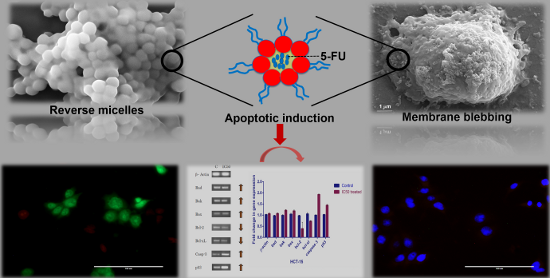
- /bjnano.9.233 Abstract In the past few decades, the successful theranostic application of nanomaterials in drug delivery systems has significantly improved the antineoplastic potency of conventional anticancer therapy. Several mechanistic advantages of nanomaterials, such as enhanced permeability
- short biological half-life (8–20 min). In addition, it has shown nonspecific toxicity in healthy cells. Also, rapid renal clearance, quick liver-mediated metabolism by dihydro-pyrimidine dehydrogenase (DPD) enzyme, and increased digestive distress restricts the use of 5-FU in cancer therapy. It was
- estimated that about 80% of administered 5-FU metabolizes in the liver and kidney and is detoxified and excreted as F-β-alanine through urine [17]. The 5-FU-loaded nanoparticles employed in anticancer therapy have been gaining research interest. Recently, selenium nanoparticles were surface-functionalized


Effect of electrospinning process variables on the size of polymer fibers and bead-on-string structures established with a 23 factorial design
Beilstein J. Nanotechnol. 2018, 9, 2466–2478, doi:10.3762/bjnano.9.231
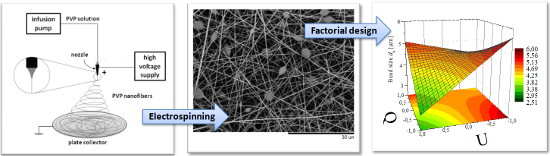
- technologies, as well as in new fields of scientific and industrial interest. They are considered to be potentially useful in areas such as nanoelectronics, medicine (e.g., wound healing, tumor therapy, inhalation therapy), filtration processes, textile manufacture, nanocatalysis production, etc. [5][6


Droplet-based synthesis of homogeneous magnetic iron oxide nanoparticles
Beilstein J. Nanotechnol. 2018, 9, 2413–2420, doi:10.3762/bjnano.9.226
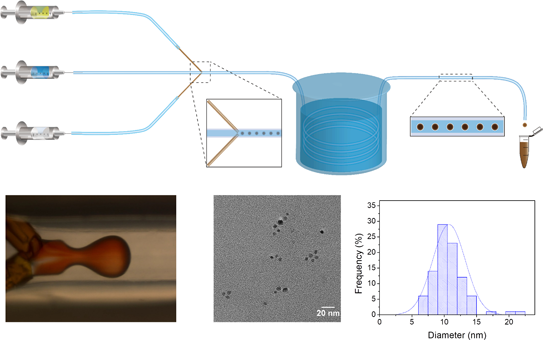
- healthcare significantly [5]. For example, a composite nanomaterial has been developed as a photosensitizer in photothermal therapy (PTT), while also acting as a contrast agent for magnetic resonance imaging (MRI) [6]. Magnetic materials are of particular interest here, as they can be used for targeting [7


Nanoconjugates of a calixresorcinarene derivative with methoxy poly(ethylene glycol) fragments for drug encapsulation
Beilstein J. Nanotechnol. 2018, 9, 2057–2070, doi:10.3762/bjnano.9.195
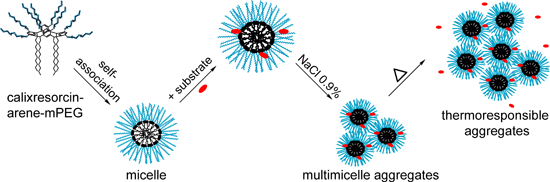
- use as a supramolecular drug-delivery system. Keywords: calixresorcinarene; drug encapsulation; hemotoxicity; methoxy poly(ethylene glycol); temperature-controlled release; Introduction One of the acute problems of modern medicinal therapy is the development of novel drug-delivery systems with low


Atomic-level characterization and cilostazol affinity of poly(lactic acid) nanoparticles conjugated with differentially charged hydrophilic molecules
Beilstein J. Nanotechnol. 2018, 9, 1328–1338, doi:10.3762/bjnano.9.126
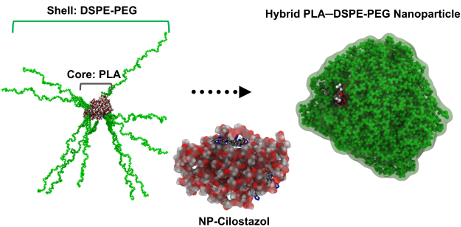
- ; reactive force field; Introduction In recent years, the use of drug delivery systems based on polymeric nanoparticles (NPs) has generated innovative therapeutic strategies for infection and immune diseases, as well as cancer therapy [1][2][3]. Polymeric NPs have shown significant advantages compared with


Review on nanoparticles and nanostructured materials: history, sources, toxicity and regulations
Beilstein J. Nanotechnol. 2018, 9, 1050–1074, doi:10.3762/bjnano.9.98

- ]. Generally, biocompatible magnetite (Fe3O4), iron oxide, iron sulfides and maghemite (Fe2O3) are synthesized using magnetotactic bacteria [156][157] that helps in targeted cancer treatment via magnetic hyperthermia, magnetic resonance imaging (MRI), DNA analysis and gene therapy [158]. Moreover, surface


Single-crystalline FeCo nanoparticle-filled carbon nanotubes: synthesis, structural characterization and magnetic properties
Beilstein J. Nanotechnol. 2018, 9, 1024–1034, doi:10.3762/bjnano.9.95
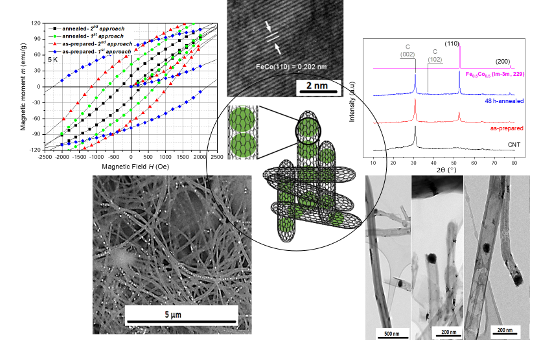
- magnetic storage [6][7], fuel cells [8], electromagnetic wave absorption [9], sensors for magnetic force microscopy [10] and human tumor therapy [11][12][13]. Fe–Co binary alloys are of particular interest due to their high saturation magnetization, large permeability and high magnetophoretic mobility [14


Enzymatically promoted release of organic molecules linked to magnetic nanoparticles
Beilstein J. Nanotechnol. 2018, 9, 986–999, doi:10.3762/bjnano.9.92
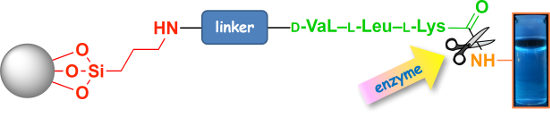
- drug is typically released to the disease area through an unspecific mechanism. Another promising drug delivery approach in cancer therapy is directed enzyme prodrug therapy (DEPT) [4][5], where a prodrug is enzymatically converted into the active form by an enzyme which is localized close to the




Green synthesis of fluorescent carbon dots from spices for in vitro imaging and tumour cell growth inhibition
Beilstein J. Nanotechnol. 2018, 9, 530–544, doi:10.3762/bjnano.9.51
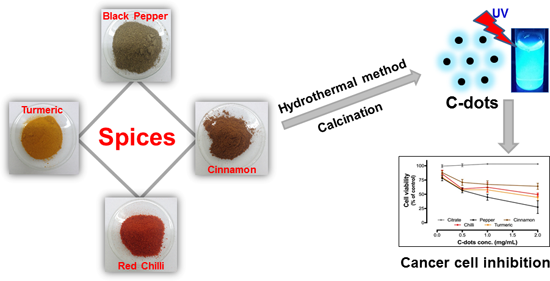
- concerning C-dots. This information would allow for a better comprehension of how the C-dots interact with cancerous and non-cancerous cells with a selective cytotoxic effect, and more applications, including photodynamic therapy, could be devised. Finally, results from the experiments allow us to


Nanoparticle delivery to metastatic breast cancer cells by nanoengineered mesenchymal stem cells
Beilstein J. Nanotechnol. 2018, 9, 321–332, doi:10.3762/bjnano.9.32
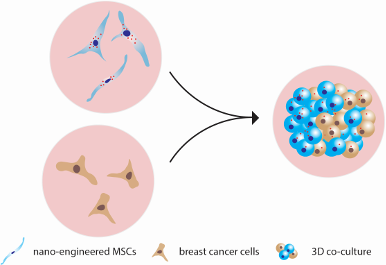
- ; mesenchymal stem cells; quantum dots; spheroids; 3D cell culture; Introduction The recent progress in the development of nanoscale agents opens up new perspectives for targeted drug delivery in cancer diagnostics, imaging and therapy. However, once administered into the body, nanoparticles (NPs) are rapidly



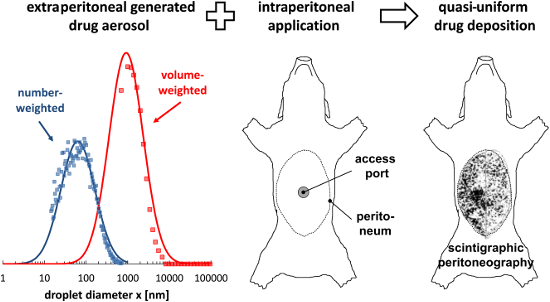
Hyperthermic intracavitary nanoaerosol therapy (HINAT) as an improved approach for pressurised intraperitoneal aerosol chemotherapy (PIPAC): Technical description, experimental validation and first proof of concept
Beilstein J. Nanotechnol. 2017, 8, 2729–2740, doi:10.3762/bjnano.8.272
- Hospital Herne, Ruhr University Bochum, Hölkeskampring 40, D-44625 Herne, Germany Department of Digestive and Oncologic Surgery, Colorectal Surgery Unit, Trousseau Hospital, Avenue de la République, F-33170 Chambray-lès Tours, France Department of General Surgery & Therapy Center for Peritoneal
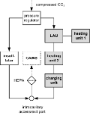
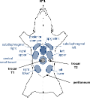
- chemotherapy for the treatment of peritoneal carcinomatosis. However, recent reports reveal limitations of the currently available technology. Material and Methods: A novel approach for pressurised intraperitoneal aerosol chemotherapy (PIPAC), called hyperthermic intracavitary nanoaerosol therapy (HINAT
- nm) unipolar-charged hyperthermic (41 °C) drug aerosol for quasi uniform drug deposition over the whole peritoneum with significantly deeper drug penetration than that offered by conventional PIPAC. Keywords: HINAT; intracavitary; intraperitoneal; nanoaerosol; PIPAC; pressurized; therapy




Synthesis and characterization of noble metal–titania core–shell nanostructures with tunable shell thickness
Beilstein J. Nanotechnol. 2017, 8, 2083–2093, doi:10.3762/bjnano.8.208
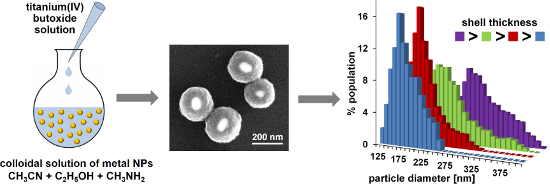
- tunable optical properties depending on the ratio of core radius and shell thickness are an excellent example of such structures [3][4]. The CSNs, with either a silica core or shell, have found many applications due to their useful properties, including surface enhanced spectroscopy or cancer therapy [4


Self-assembly of chiral fluorescent nanoparticles based on water-soluble L-tryptophan derivatives of p-tert-butylthiacalix[4]arene
Beilstein J. Nanotechnol. 2017, 8, 1825–1835, doi:10.3762/bjnano.8.184
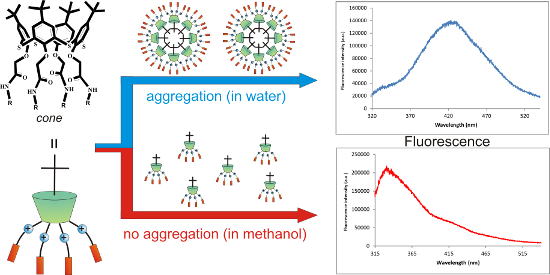
- properties [3][4]. Water-soluble stable fluorescent nanoparticles open up new opportunities for the design of particles that can be traced throughout the body, for example, for the delivery of therapeutic agents [5], synthetic vectors for gene therapy [6] and contrast agents for magnetic resonance imaging [7