


Search results
Search for "TEM" in Full Text gives 861 result(s) in Beilstein Journal of Nanotechnology. Showing first 200.
A Au/CuNiCoS4/p-Si photodiode: electrical and morphological characterization
Beilstein J. Nanotechnol. 2021, 12, 984–994, doi:10.3762/bjnano.12.74
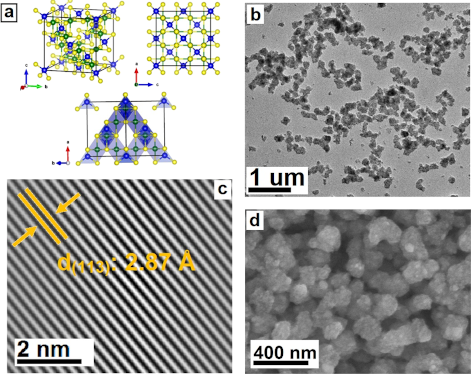
- transmission electron microscopy (HR-TEM), and energy-dispersive X-ray spectroscopy (EDS). The XRD, EDS, and HR-TEM analyses confirmed the successful synthesis of CuNiCoS4. The obtained CuNiCoS4 thiospinel nanocrystals were tested for photodiode and capacitance applications as interfacial layer between Au and
- characteristics of the photodiode after inserting CuNiCoS4 nanocrystals as interlayer between Au metal and p-Si were investigated. The aim is to obtain more powerful photodiodes by using a new type of interlayer material. XRD, HR-TEM, and SEM analyses were carried out to characterize the thiospinel CuNiCoS4
- -Si. The interfacial layer might increase the barrier height between the Au and p-Si. Characterization XRD patterns of the thiospinel CuNiCoS4 nanocrystals were recorded with a Bruker D8 diffractometer, Cu Kα radiation (λ = 0.15418 nm). A FEI TALOS F200S tunneling electron microscope (TEM) was used to



Is the Ne operation of the helium ion microscope suitable for electron backscatter diffraction sample preparation?
Beilstein J. Nanotechnol. 2021, 12, 965–983, doi:10.3762/bjnano.12.73
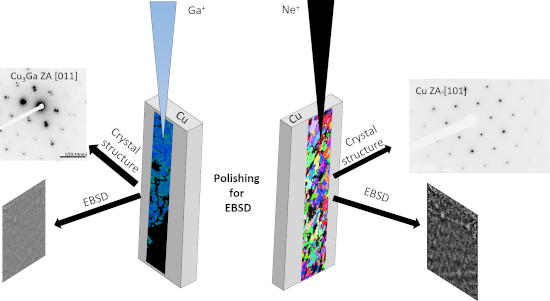
- , defects such as interstitials or vacancies can be created [23]. This can induce a significant amount of crystal structure alterations in a sample and thus artefacts. While these artefacts are well recognized for transmission electron microscopy (TEM) lamella preparation, in which the lamella preparation
- steps are designed to reduce the thickness of the amorphous layer on each side of the TEM lamella and to minimize artefacts [24], procedures and induced artefacts for other techniques such as electron backscatter diffraction (EBSD) polishing are not well documented in the literature. The work presented
- species than Ga for EBSD sample preparation. Cu has been previously reported to phase transform under Ga FIB polishing and conventional Cu TEM grids are, therefore, used here as a test material and are polished using Ga and Ne ions of different energies, incident angles, and ion doses. Both normal and




The role of deep eutectic solvents and carrageenan in synthesizing biocompatible anisotropic metal nanoparticles
Beilstein J. Nanotechnol. 2021, 12, 924–938, doi:10.3762/bjnano.12.69
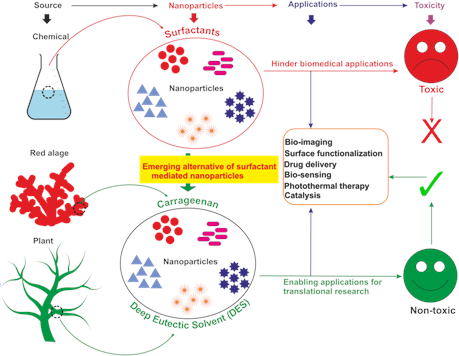
- toxic and considered biologically inert [44][57][58]. Numerous in vitro studies carried out using high-throughput techniques such as microscopic techniques, TEM, and ICP-MS revealed the fate of nanoparticles and their interaction at the interface between the metal surface and cell membrane. Electron
- distribution of nanoparticles. (B), (C) and (D) show TEM micrographs of the nanoparticles at different magnifications. (E) and (F) show the antitumor activity against MDA-MB-231 and HCT-116. Adapted from [32], © 2018 X. Chen et al., distributed under the terms of the Creative Commons Attribution 4.0


Modification of a SERS-active Ag surface to promote adsorption of charged analytes: effect of Cu2+ ions
Beilstein J. Nanotechnol. 2021, 12, 902–912, doi:10.3762/bjnano.12.67
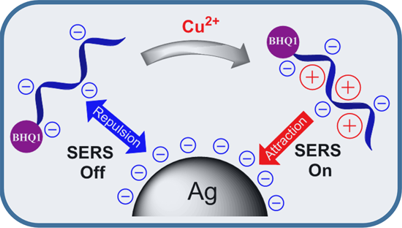
- were analyzed from SEM and TEM images. To achieve a better resolution during SEM, we utilized a conductive silicon support and excluded the metal coating of the sample; Ag NPs were placed on the silicon surface by adsorptive immobilization to avoid aggregation during solvent evaporation. Figure 1 shows
- an SEM image of the NPs as well as the corresponding size distribution histogram. A similar TEM image (Figure S1, Supporting Information File 1) shows fewer nanoparticles and is therefore less reliable. Both methods give NP diameters in the interval of 30–35 nm. According to the SEM image, the NPs
- are mostly spherical with an average diameter of 33 nm. SEM and TEM images demonstrate a similar size distribution. Hence, we conclude that no NP size selection occurs during their adsorptive immobilization. The absorption spectrum of the Ag NPs (Figure S2, Supporting Information File 1) is in good


Silver nanoparticles nucleated in NaOH-treated halloysite: a potential antimicrobial material
Beilstein J. Nanotechnol. 2021, 12, 798–807, doi:10.3762/bjnano.12.63
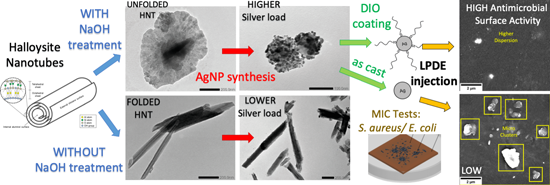
- . Transmission electron microscopy (TEM) was performed in a Jeol JEM-1400 plus (480 keV), energy-dispersive X-ray spectroscopy (EDS) and scanning electron microscopy (SEM) in a Zeiss EVO MA15, and thermogravimetric analysis (TGA) and differential scanning calorimetry (DSC) in a simultaneous thermal analyzer
- , and HNT-8 were recorded with TEM, while sample HNT-8 was also measured with XRD. (XRD was also performed for HNT-0 and HNT-4 but omitted from this report because it did not show any significant difference from HNT-8). Silver nanoparticle synthesis To synthesize silver nanoparticles, 10 g of HNT (from
- metallic silver. They were then labelled Ag/HNT-0, Ag/HNT-4, and Ag/HNT-8 (according to the NaOH treatment), and characterized by TEM and EDS. Sample Ag/HNT-8 was also characterized by XRD. Ag-NPs nucleation analysis In order to study the nucleation of silver nanoparticles, 1 g of Ag/HNT-8 was used for TGA




Fate and transformation of silver nanoparticles in different biological conditions
Beilstein J. Nanotechnol. 2021, 12, 665–679, doi:10.3762/bjnano.12.53
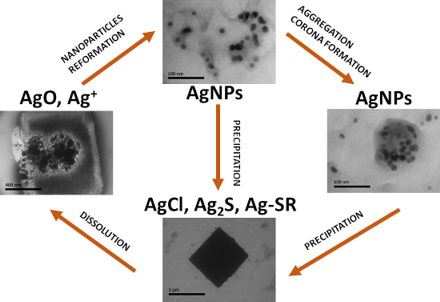
- absorption spectroscopy (GF-AAS), nuclear magnetic resonance (NMR) spectroscopy, and transmission electron microscopy (TEM) experiments. Physicochemical characteristics of freshly prepared AgNPs Freshly prepared AgNPs coated with PVP, sodium bis(2-ethylhexyl)sulfosuccinate (AOT), and poly(ʟ-lysine) (PLL
- ) were dispersed in ultrapure water (UPW) and examined by TEM to confirm their original morphology. These coating agents were selected according to their relevance in biomedicine, as they are the most frequently used stabilization agents for AgNPs according to the Web of Science database [41]. Moreover
- regarded as an extension of our previous work [40]. In addition, liver tissues of control (untreated) and treated animals were prepared for TEM analysis, which revealed quite surprising observations. While TEM images obtained for control animals conformed to classical histological features of liver tissue




A review of defect engineering, ion implantation, and nanofabrication using the helium ion microscope
Beilstein J. Nanotechnol. 2021, 12, 633–664, doi:10.3762/bjnano.12.52
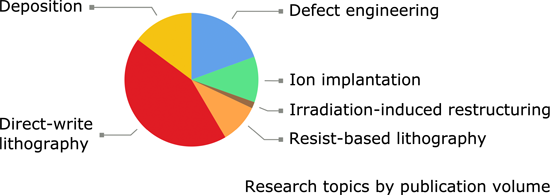
- beam milling that were inspected by transmission electron microscopy (TEM). In this way, the microstructural effect of increasing the helium ion-induced defect density was probed, and threshold doses for a series of structural changes, such as amorphization and subsurface swelling, were established
- function [30]. In several of these works, high-resolution scanning TEM (STEM) imaging has been performed to enable the analysis of the defects created on the atomic scale [26][29][30] (see, e.g., Figure 2c). Apart from 2D materials, thin-film samples have also been the subject of electronic property tuning
- modify the mechanical, electronic, and magnetic properties of these materials [73]. In this work, the focus was on characterizing the accumulation of defects and structural changes for increasing dose, using correlative Raman spectroscopy and TEM. The effect of sample thinning due to sputtering on the


Stability and activity of platinum nanoparticles in the oxygen electroreduction reaction: is size or uniformity of primary importance?
Beilstein J. Nanotechnol. 2021, 12, 593–606, doi:10.3762/bjnano.12.49
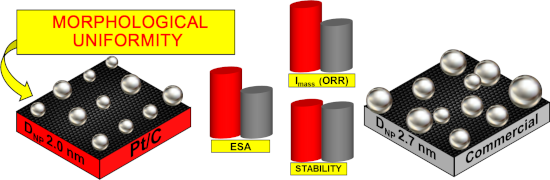
- distributions were also studied by transmission electron microscopy (TEM). The TEM images were obtained using a JEOL JEM F200 microscope (voltage 200 kV, current 12–15 μA, CFEG). To prepare a sample for measurements, 0.5 mg of the catalyst was placed into 1 mL of isopropanol and dispersed by ultrasound for 10
- were plotted to determine the size of at least 400 randomly selected particles in the TEM images in different regions of the sample. Electrochemical investigation Electrochemical measurements were performed in a three-electrode cell on a VersaSTAT3 potentiostat using a rotating disk electrode (RDE
- 2.6 nm (G30–G40). The difference in the sizes of nanoparticles (crystallites) determined from the results of X-ray diffractometry and TEM is typical for nanostructured Pt/C materials. It is due to several factors: some nanoparticles can consist of several crystallites, so they have a larger size [19


The preparation temperature influences the physicochemical nature and activity of nanoceria
Beilstein J. Nanotechnol. 2021, 12, 525–540, doi:10.3762/bjnano.12.43
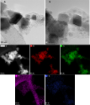
- characterizations. Transmission electron microscopy (TEM) and high-angle annular dark-field scanning transmission electron microscopy (HAADF-STEM) were conducted of NM-212 dispersed in DI water, sonicated for 10 min in a bath, and captured on 300 mesh lacey carbon copper grids dipped into the dispersion for
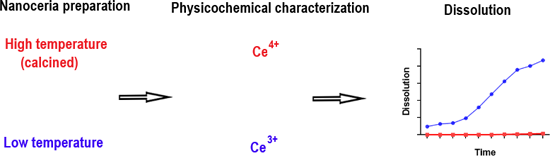
- synthesized nanoceria was determined using the ferric reduction ability of serum assay (FRAS) as described in [46]. The materials were tested in triplicate, at a concentration of 1 m2 ENM/mL serum. Results Physicochemical characterization of NM-212 TEM, conducted at a higher resolution than previously
- 10 of [35]). EDS showed co-localization of not only cerium and oxygen for both NM-212 (Figure 1) and the solvothermally synthesized nanoceria (Figure 2 of [35]), but also carbon, as previously reported [7], and sodium (Figure 1) were found. Calcined nanoceria physicochemical characterization TEM




Surface-enhanced Raman scattering of water in aqueous dispersions of silver nanoparticles
Beilstein J. Nanotechnol. 2021, 12, 497–506, doi:10.3762/bjnano.12.40
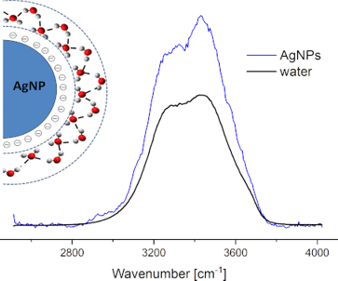
- -resolution transmission electron microscopy (TEM) analysis was performed to estimate the size and identify the shape of the nanoparticles (see Figure 1). The nanoparticles in the AgNPs blue sample had a triangular prism shape with an estimated average size of 34 ± 14 nm, while in the AgNPs yellow sample, the
- molecules interacting directly with the surface of AgNPs was estimated based on the size and shape of AgNPs in the AgNPs blue sample, which was determined by TEM (Figure 1), and on the Ag concentration in the dispersion (17.96 µg/mL), which was determined by flame atomic absorption spectrometry (FAAS). It
- as the reference sample. The TEM images were obtained by using a Jeol ARM 200F high-resolution transmission electron microscope. The silver concentration in the AgNP dispersion was determined by FAAS using the GBC 932 plus instrument. The calibration was made using the silver standard solution


Boosting of photocatalytic hydrogen evolution via chlorine doping of polymeric carbon nitride
Beilstein J. Nanotechnol. 2021, 12, 473–484, doi:10.3762/bjnano.12.38
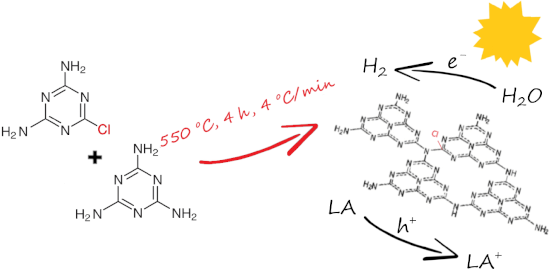
- the morphology of the prepared materials, presented in Figure 1, was performed by transmission electron microscopy (TEM). The images of pristine PCN demonstrate the layered structure with a tendency to fold and aggregate. They also show several stacking layers, indicating the planar graphitic-like
- using TEM (Tecnai F30) with an accelerating voltage of 200 kV. The FTIR spectra were recorded on a Nicolet 6700 FT-IR spectrometer. The chemical composition and relative atomic percentages on the surface of the samples were studied by XPS. The measurements were conducted using Mg Kα (hν = 1253.6 eV
- Ar as a carrier). Each catalyst was tested for 3 h. Every hour, 100 µL of gas was withdrawn from the reactor and injected into the gas chromatograph to measure the amount of H2 evolved. TEM images of PCN (a, b) and Cl-PCN (c, d). Scanning transmission electron microscopy image of Cl-PCN (e) and


Rapid controlled synthesis of gold–platinum nanorods with excellent photothermal properties under 808 nm excitation
Beilstein J. Nanotechnol. 2021, 12, 462–472, doi:10.3762/bjnano.12.37
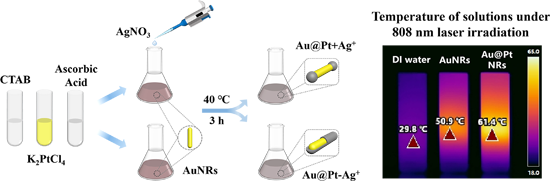
- Synthesis and characterization of the AuNRs The synthesis of AuNRs was carried out by a seedless-growth method with some modifications of reagent volume in the reaction solution. Figure 1a shows the morphology and size of as-prepared AuNRs characterized by TEM. According to the statistical data obtained
- from TEM images, the average length of the prepared particles is 26.8 ± 3.2 nm, the average width is 6.8 ± 1.1 nm, and the aspect ratio is close to 3.9 (all dimensions in this paper were calculated by counting 100 nanoparticles from TEM images). AuNRs with this aspect ratio showed a longitudinal LSPR
- Au@Pt-1, Au@Pt-2, Au@Pt-3, and Au@Pt-4) were redshifted to 796, 836, 868, and 870 nm, respectively, as shown in Figure 2a. The obvious change of absorption spectra reveals non-negligible differences in the morphology of the different Au@Pt NRs. This hypothesis was further confirmed by TEM


A review on nanostructured silver as a basic ingredient in medicine: physicochemical parameters and characterization
Beilstein J. Nanotechnol. 2021, 12, 440–461, doi:10.3762/bjnano.12.36
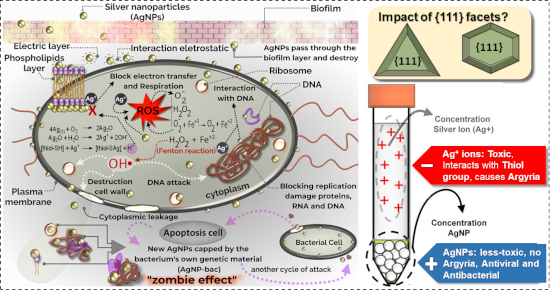
- experimentally analyzed by UV–vis extinction spectra and transmission electron microscopy (TEM). The rate of photo-oxidation in spherical AgNPs was homogeneous and surprisingly inhomogeneous in the case of cubic AgNPs, which was attributed to the difference in morphology. The noticeable formation of small NPs
- (AgxO) around the spherical AgNPs after light exposure, observed in the TEM micrograph shown in Figure 4a, confirmed the quicker photo-oxidation process [52][58]. After 40 h of light irradiation, the level of oxidation in cubic AgNPs was about 30%, while it took only 9 h of light irradiation for the
- complete oxidation of spherical AgNPs, confirming that the oxidation process was much slower in the case of cubic AgNPs, as observed from the representative TEM micrographs depicted in Figure 4b. For a correct assessment, including all studies involving AgNPs at the chemical, pharmacological, biological


Solution combustion synthesis of a nanometer-scale Co3O4 anode material for Li-ion batteries
Beilstein J. Nanotechnol. 2021, 12, 424–431, doi:10.3762/bjnano.12.34
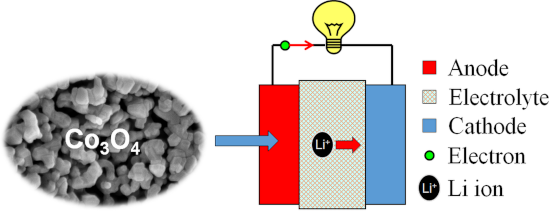
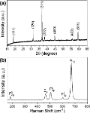
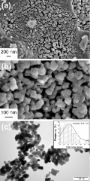
- is also important to mention that no impurities have been detected using XRD and RS. This confirms the successful formation of the Co3O4 material which, in addition, is highly pure and well crystalline. The morphology of the investigated cobalt oxide has been determined with SEM and TEM (Figure 2
- specific surface area of around 3 m2·g−1. Wen et al. [52] produced, through the SCS process, the porous Co3O4 nanoscale flakes with a specific surface area of 2.3 m2·g−1 and a pore volume of 0.02 cm3·g−1. Moreover, the TEM measurements indicate that the Co3O4 particles investigated in this work exhibit a
- , and a spot size of about 1 µm. Surface morphology and particle size of the synthesized cobalt oxide powder were observed using a Carl Zeiss CrossBeam Auriga scanning electron microscope (SEM) operated at 5 kV and a JEOL – JEM 1011 transmission electron microscope (TEM) operated at 80 kV. The specific


Spontaneous shape transition of MnxGe1−x islands to long nanowires
Beilstein J. Nanotechnol. 2021, 12, 366–374, doi:10.3762/bjnano.12.30
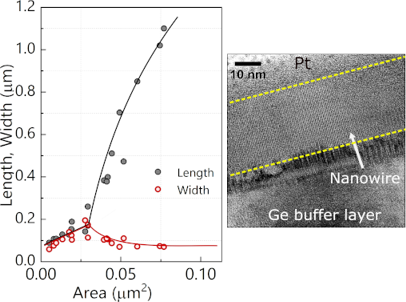
- , and Ge + Mn in the NW and in the buffer layer. In all panels the dashed lines highlight the NW region. Cross-section image of the NW along its length. (a) TEM image of a 1.15 μm long NW capped with a Pt layer. (b) HRTEM image along [110] zone axis. The dashed lines highlight the height of the NW of


Nickel nanoparticle-decorated reduced graphene oxide/WO3 nanocomposite – a promising candidate for gas sensing
Beilstein J. Nanotechnol. 2021, 12, 343–353, doi:10.3762/bjnano.12.28
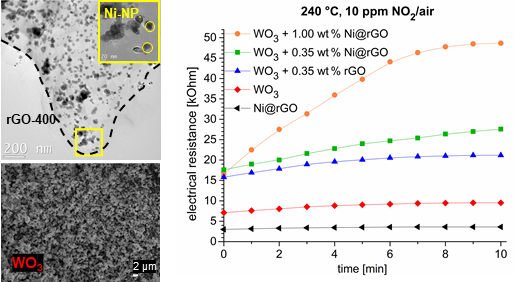
- diffraction (P-XRD). The P-XRD pattern shows the reflexes for hexagonal nickel (Figure 1). TEM images show spherical nickel nanoparticles, which are supported on top of rGO (Figure 2). The particles have a size of 25 ± 5 nm. All nanoparticles are supported on rGO. The particle size of Ni@rGO increased in
- diluted 1:100. Transmission electron microscopy, TEM was performed with a FEI Tecnai G2 F20 electron microscope [68] operated at 200 kV accelerating voltage or FEI Titan 80-300 TEM operated at 300 kV accelerating voltage [69]. Conventional TEM images were recorded with a Gatan UltraScan 1000P detector
- . TEM samples were prepared by drop casting the with acetonitrile diluted material on 200 µm carbon-coated copper grids, followed by washing the grid several times with acetonitrile to remove the excess ionic liquid. The size distribution was determined manually or with the aid of the Gatan Digital


Exploring the fabrication and transfer mechanism of metallic nanostructures on carbon nanomembranes via focused electron beam induced processing
Beilstein J. Nanotechnol. 2021, 12, 319–329, doi:10.3762/bjnano.12.26
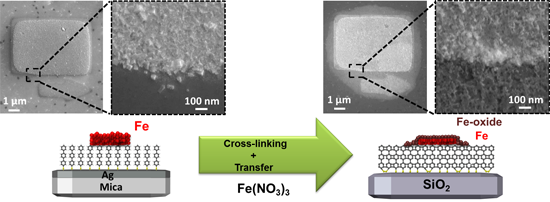
- hybrid structure can be lifted off from the substrate and transferred onto bulk substrates, such as SiO2, or onto TEM grids in order to obtain a free-standing CNM with a metallic nanostructure on top. It was shown that the membrane is mechanically stable enough during the whole process and that the


The patterning toolbox FIB-o-mat: Exploiting the full potential of focused helium ions for nanofabrication
Beilstein J. Nanotechnol. 2021, 12, 304–318, doi:10.3762/bjnano.12.25
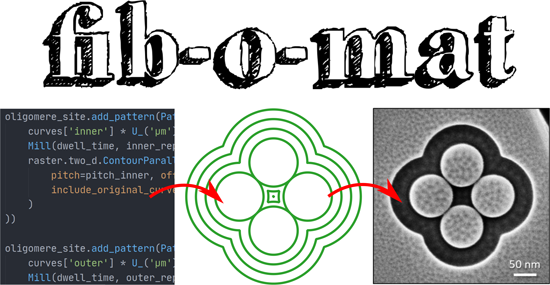
- ubiquitous in ion beam machining with well-established applications in material characterization, for example, TEM lamella fabrication, cross sections or tomographies [19][20], or in the fabrication of prototype nanostructures, such as plasmonic antennas [2]. In contrast, appropriate fields of application


Doxorubicin-loaded gold nanorods: a multifunctional chemo-photothermal nanoplatform for cancer management
Beilstein J. Nanotechnol. 2021, 12, 295–303, doi:10.3762/bjnano.12.24
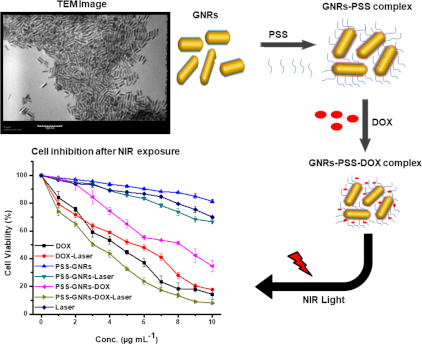
- -dispersion. A CTAB bilayer remained non-covalently bound onto the GNRs surface to maintain the stability of the final product. The longitudinal localized plasmon resonance (LSPR) and the transverse plasmon resonance (TSPR) of the prepared GNRs were found to be 780 and 526 nm, respectively. TEM images display
- . After that, cells were illuminated with a 808 nm NIR laser (power density = 1.5 W/cm2 for 2 min) with a beam spot of 6 mm in diameter and incubated at 37 °C for 24 h. The MTT assay was performed to measure cell inhibition. (a) TEM image of monodispersed GNRs. (b) Histogram showing the aspect ratio of


Characterization, bio-uptake and toxicity of polymer-coated silver nanoparticles and their interaction with human peripheral blood mononuclear cells
Beilstein J. Nanotechnol. 2021, 12, 282–294, doi:10.3762/bjnano.12.23
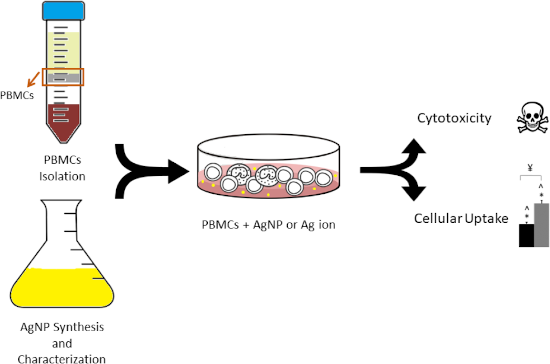
- pristine AgNPs, including dynamic light scattering (DLS), UV–vis spectroscopy (UV–vis), transmission electron microscopy (TEM), and inductively coupled plasma mass spectrometry (ICP-MS). DLS gave a Z-average hydrodynamic size of 33.7 ± 0.7 nm (mean ± standard deviation) and a PDI (polydispersity index) of
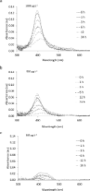
- -AgNPs). UV–vis spectra exhibited a characteristic absorption peak at 390 nm for Ag (Supporting Information File 1, Figure S1b). TEM imaging of the AgNP stock indicated a mean core size of 16.9 ± 0.3 nm and confirmed a spherical shape of NPs (Supporting Information File 1, Figure S1c and Figure S1d
- hydration shell around NPs and should be the same as, or larger than, the core size of NPs measured by TEM. Characterization values for pristine PVP-AgNPs can be found in Table 1. Scanning transmission electron microscopy (STEM) images of 1000 µg·L−1 PVP-AgNPs in RPMI medium at the beginning of the



Scanning transmission helium ion microscopy on carbon nanomembranes
Beilstein J. Nanotechnol. 2021, 12, 222–231, doi:10.3762/bjnano.12.18
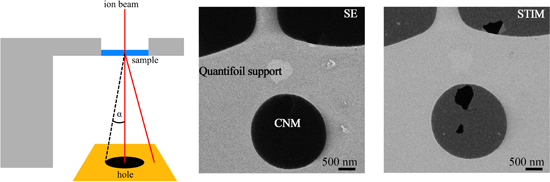
- samples. These membranes are made from aromatic molecules, typically from self-assembled monolayers. Upon electron irradiation, cross-linking of the molecules is induced. A mechanically stable membrane is formed, which can be transferred onto any other substrate, such as TEM grids [22][23]. Since CNMs
- contribution that is overlaying the STIM signal in later experiments, a CNM with a thickness of about 2 nm was imaged (Figure 2). This amorphous and insulating membrane is placed on a conductive Quantifoil TEM support grid. The sample was first imaged in a configuration that excludes all transmitted ions from
- thickness decreased with increasing measurement time. In an extreme test scenario, the same area on the thick CNM was irradiated in TEM for 60 min while the thickness was monitored by EFTEM imaging (Figure 7a). The thickness decreases by 35% over 60 min. It should be noted, however, that one hour is very


Imaging of SARS-CoV-2 infected Vero E6 cells by helium ion microscopy
Beilstein J. Nanotechnol. 2021, 12, 172–179, doi:10.3762/bjnano.12.13
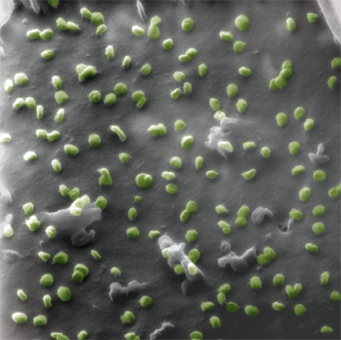
- , while many more cell lines have been reported to be refractory to SARS-CoV-2 infection [15]. Both scanning electron microscopy (SEM) and transmission electron microscopy (TEM) have been used to image SARS-CoV-2 [16][17][18][19][20]. While TEM achieves unsurpassed resolution and can visualize
- ), these junctions can also be observed (arrowheads). We assume that this resembles the tubulating cell membrane, which is stabilized by BST-2 to prevent viral scission. This alternative BST-2 interaction was already described for HIV-infected cells via immuno-TEM [42] but has not yet been observed for
- are bound to the cell membrane or/and have a coalesced appearance. It is known that the spike glycoproteins can be visualized by TEM. As the HIM images depicted the virus particles without conductive coating, it is an interesting question, whether or not the spike glycoproteins could, in principle, be


Mapping the local dielectric constant of a biological nanostructured system
Beilstein J. Nanotechnol. 2021, 12, 139–150, doi:10.3762/bjnano.12.11
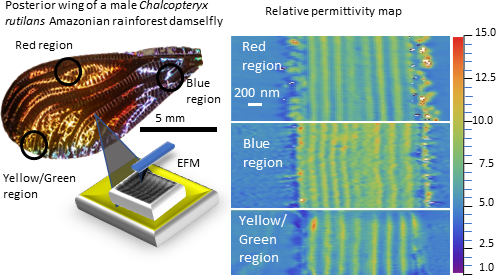
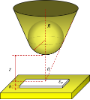
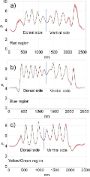
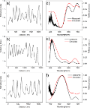
- Stavenga [7] and Stavenga et al. [8], except that in those works the spatial profile of the refractive index was taken to be proportional to the gray scale in TEM images. That is, it was assumed that the optical density is directly proportional to the electronic density. We consider our method to be more




A review on the green and sustainable synthesis of silver nanoparticles and one-dimensional silver nanostructures
Beilstein J. Nanotechnol. 2021, 12, 102–136, doi:10.3762/bjnano.12.9


The role of gold atom concentration in the formation of Cu–Au nanoparticles from the gas phase
Beilstein J. Nanotechnol. 2021, 12, 72–81, doi:10.3762/bjnano.12.6
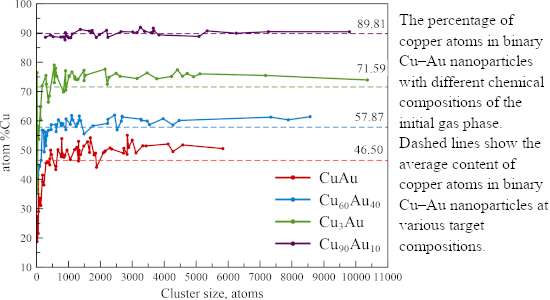
- spectroscopy (TEM-EDS). Based on the analysis of the spectra, the average of Cu content was 20 ± 1 atom % in the sample with the target composition of Au3Cu and 73 ± 3 atom % in the sample with the target composition of Cu3Au. Also, a MD modeling based on bond-order potential simulated the synthesis of SiC2





