Search results
Search for "characterization" in Full Text gives 1432 result(s) in Beilstein Journal of Nanotechnology. Showing first 200.
Radiofrequency enhances drug release from responsive nanoflowers for hepatocellular carcinoma therapy
Beilstein J. Nanotechnol. 2024, 15, 569–579, doi:10.3762/bjnano.15.49
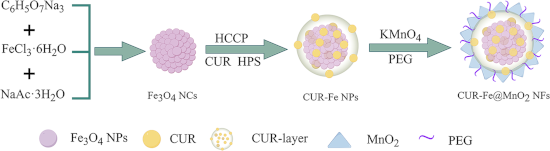
- when combined with RF hyperthermia. Using these CUR-Fe@MnO2 NFs combined with RF, hyperthermia is a candidate method for the targeted treatment of HCC via combined chemotherapy/hyperthermia. Results and Discussion Characterization The Fe3O4 NCs were prepared by a microwave hydrothermal synthesis method
- CUR-Fe@MnO2 NFs were collected by magnetic separation and washed 3 times with deionized water. Characterization of the synthesized nanomaterials The morphology and size of Fe3O4 NCs, CUR-Fe NPs, and CUR-Fe@MnO2 NFs were determined via transmission electron microscopy (Tecnai F20, FEI, USA). The TEM
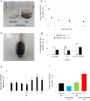
- to CC BY 4.0. Characterization of the nanomaterials. a–c) TEM images of the Fe3O4 NCs, CUR-Fe NPs, and CUR-Fe@MnO2 NFs (scale bar: 200 nm). d,e) Zeta potentials and hydrodynamic diameters of the Fe3O4 NCs, CUR-Fe NPs, and CUR-Fe@MnO2 NFs (the polydispersity index values were 0.184, 0.260, 0.269


Cholesterol nanoarchaeosomes for alendronate targeted delivery as an anti-endothelial dysfunction agent
Beilstein J. Nanotechnol. 2024, 15, 517–534, doi:10.3762/bjnano.15.46
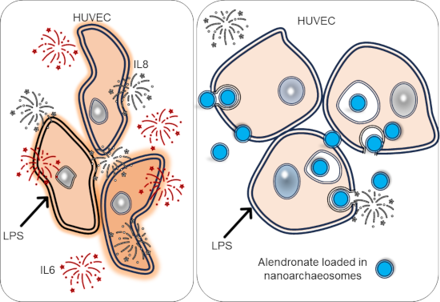
- increasingly pursued “quality by design” criteria [24]. The development of structurally simple formulations that facilitate their scaling and further characterization is, therefore, a critical task [25]. Also, targeting nanomedicines to circulating cells and vascular walls is difficult since it should occur
- simplicity and resistance to mechanical stress. Recently, we have reported the structural characterization and effect on J774A.1 murine macrophages of ALN loaded in nanoarchaeosomes, that is, nanoARC(ALN) and nanoARC-Chol(ALN). Remarkably, these formulations do not seek to modify the solubility of ALN, but
- IL-6 and IL-8 by HUVECs even in the presence of TNF-α. Results Characterization of ALN-loaded nanovesicles The structural features of ALN-loaded nanovesicles are shown in Table 1. As reported previously, nanoarchaeosome bilayers contain archaeolipids displaying methyl groups perpendicular to their





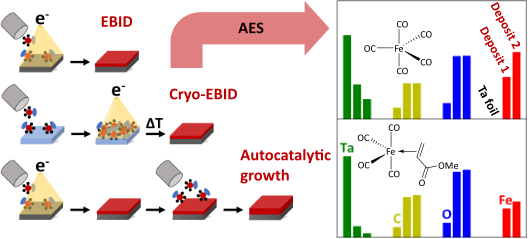
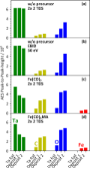
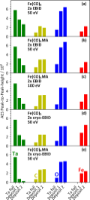
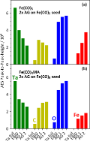
Electron-induced deposition using Fe(CO)4MA and Fe(CO)5 – effect of MA ligand and process conditions
Beilstein J. Nanotechnol. 2024, 15, 500–516, doi:10.3762/bjnano.15.45



Aero-ZnS prepared by physical vapor transport on three-dimensional networks of sacrificial ZnO microtetrapods
Beilstein J. Nanotechnol. 2024, 15, 490–499, doi:10.3762/bjnano.15.44
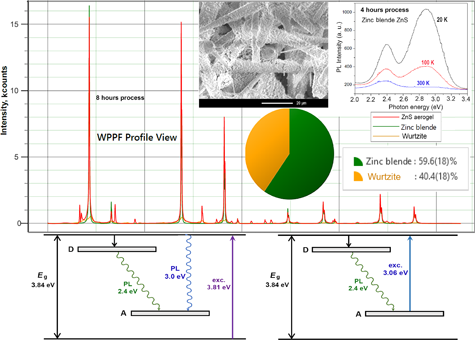
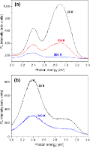
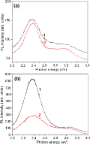
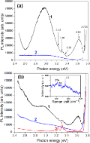
- ]. Nevertheless, both PL characterization and phonon mode analysis are indicative of a mixed-phase zinc blende/wurtzite composition of the prepared aero-ZnS material in concordance with the XRD analysis. Apart from these major emission bands, a series of weaker features are observed in the range from 3.36 to 3.23



Fabrication of nanocrystal forms of ᴅ-cycloserine and their application for transdermal and enteric drug delivery systems
Beilstein J. Nanotechnol. 2024, 15, 465–474, doi:10.3762/bjnano.15.42
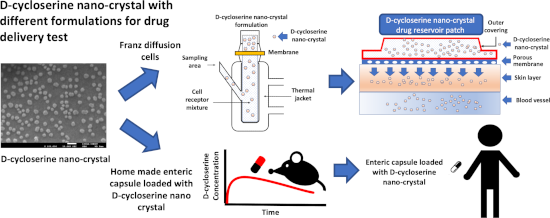
- ., Ltd.) for 10 min. The collection was vacuum-dried to obtain DCS nanocrystals. Characterization of DCS nanocrystals The DCS nanocrystals were analyzed via scanning electronic microscopy (SEM, JEOL Ltd.) and X-ray powder diffraction (XRPD, Bruker AXS GmbH). For SEM, commercial DCS was spreaded onto a
- release study and in the PK study for enteric capsules was performed in triplicates for statistical analysis. The data were presented as mean ± standard deviation (SD) in the tables. The p-value was calculated through Student’s t-test to determine the statistical significance. Results Characterization of


Heat-induced morphological changes in silver nanowires deposited on a patterned silicon substrate
Beilstein J. Nanotechnol. 2024, 15, 435–446, doi:10.3762/bjnano.15.39
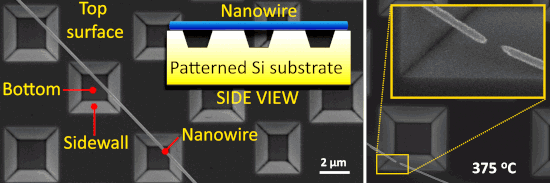
- , and characterization of such materials [9][10]. Silver NWs are among the most extensively studied materials for NW-based transparent electrodes. High-quality Ag NWs can be synthesized relatively easily in large quantities, with precise control over their length and diameter [11][12]. Compared to
- NWs simultaneously crossed several holes. Such configuration is highly beneficial as it enables to study the effect of the substrate on the same NW by comparing the behavior of suspended as opposed to adhered parts (Figure 1). Heat treatment and characterization Heat-treatment experiments were carried
- -2017-TeamingPhase2 under grant agreement No. 739508, project CAMART2. Characterization facilities at the University of Tartu were supported by the Center of nanomaterials technologies and research (NAMUR+) for core facility funded by project TT13. S.P. was supported by the Estonian Research Council’s


Potential of a deep eutectic solvent in silver nanoparticle fabrication for antibiotic residue detection
Beilstein J. Nanotechnol. 2024, 15, 426–434, doi:10.3762/bjnano.15.38
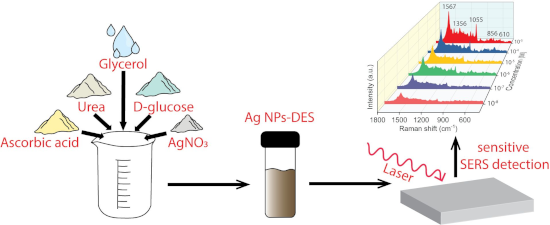
- characterization and apparatus The absorbance properties of the sample were recorded using a V-730 UV–vis–NIR spectrophotometer supplied by JASCO, Japan. The crystallinity of the Ag NPs-DES thin film was determined using a D8 Advance diffractometer, Bruker, UK, with a Ni-filtered Cu Kα X-ray source. To evaluate


Insect attachment on waxy plant surfaces: the effect of pad contamination by different waxes
Beilstein J. Nanotechnol. 2024, 15, 385–395, doi:10.3762/bjnano.15.35
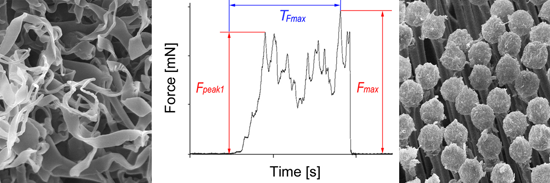
- microscope (Hitachi High-Technologies Corporation, Tokyo, Japan) at an acceleration voltage of 2–20 kV (plants) or 20 kV (insects). In the characterization of the waxy plant surfaces, we used the classification of plant epicuticular waxes according to [45]. Force measurements Force experiments were carried




Investigating ripple pattern formation and damage profiles in Si and Ge induced by 100 keV Ar+ ion beam: a comparative study
Beilstein J. Nanotechnol. 2024, 15, 367–375, doi:10.3762/bjnano.15.33
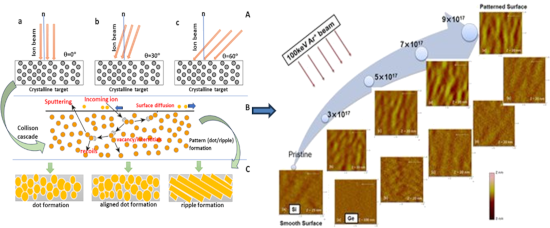
- The RBS-c is an effective characterization technique for the estimation of amorphous depth and defect concentration in implanted single crystals. The RBS-c analysis for point defects shows a linear behaviour in defect density with ion fluence. The formation of highly dense dislocation loops beyond the


Modulated critical currents of spin-transfer torque-induced resistance changes in NiCu/Cu multilayered nanowires
Beilstein J. Nanotechnol. 2024, 15, 360–366, doi:10.3762/bjnano.15.32
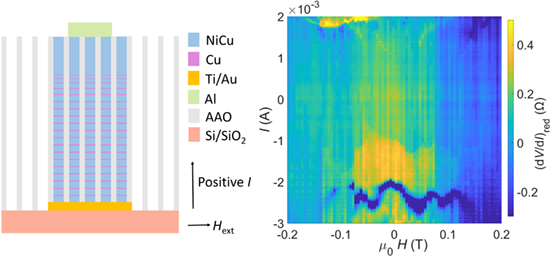
- characterization, the thickness of the bottom NiCu layers is estimated to be around 22 nm and is reduced to below 10 nm towards the upper end of the nanowire. Only NiCu is deposited in the pores near the surface of the AAO template forming a long segment of NiCu on the very top of the nanowires. This varying


Nanomedicines against Chagas disease: a critical review
Beilstein J. Nanotechnol. 2024, 15, 333–349, doi:10.3762/bjnano.15.30
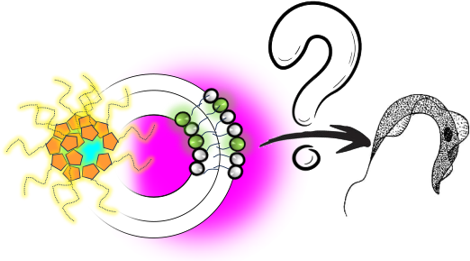
- the reasons can be summarized as follows: Difficult scale-up, structural characterization, and conservation: The structure of nanomedicines is much more complex than that of drugs with low molecular weight. Because of that, nanomedicines are considered as non-biological complex drugs (NBCDs). NBCDs

Determining by Raman spectroscopy the average thickness and N-layer-specific surface coverages of MoS2 thin films with domains much smaller than the laser spot size
Beilstein J. Nanotechnol. 2024, 15, 279–296, doi:10.3762/bjnano.15.26
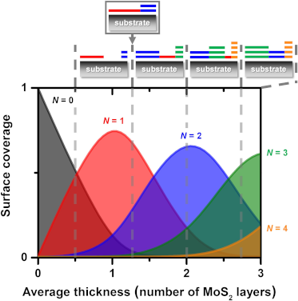
- of MoS2 flakes produced by different methods. Among these techniques, Raman spectroscopy is widely used thanks to its convenience, non-destructiveness, and sensitivity to materials change, including strain, temperature, doping, and defects [26]. Concerning the characterization of MoS2 flakes
- generally, this point is critical for the characterization of samples synthesized using new methods or new precursors that can lead to the co-deposition of several by-products (such as carbon, oxides, and metals), which can significantly change the measured Raman intensities. Based on the results presented


Ultrasensitive and ultrastretchable metal crack strain sensor based on helical polydimethylsiloxane
Beilstein J. Nanotechnol. 2024, 15, 270–278, doi:10.3762/bjnano.15.25
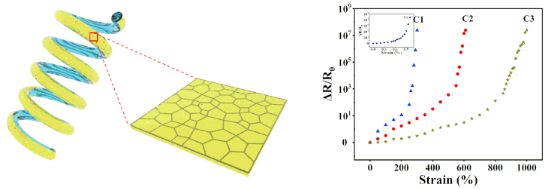
- with PDMS. Parts of the experimental procedure are shown in Figure S6 (Supporting Information File 1). Characterization The surface morphology of the samples prepared in this study was examined through the utilization of scanning electron microscopy (SEM) (TESCAN MIRA3, Czech Republic) and an optical


Vinorelbine-loaded multifunctional magnetic nanoparticles as anticancer drug delivery systems: synthesis, characterization, and in vitro release study
Beilstein J. Nanotechnol. 2024, 15, 256–269, doi:10.3762/bjnano.15.24
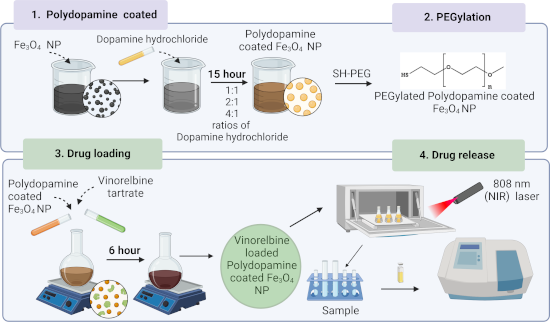
- , 2:1, and 4:1) and the cumulative drug release were determined by calculating according to Equations 2–4 utilizing the absorbance values obtained from UV–vis spectrophotometer and calibration curves. Characterization The morphology of the synthesized nanoparticles was determined with a high
- Institute of Health, Bethesda, MD, USA). OriginPro 8.5 (OriginLab, MA, USA) was used for statistical analysis. A p-value less than 0.05 (p < 0.05, n = 4) was considered statistically significant. Results and Discussion Characterization of Fe3O4 nanoparticles The synthesis of Fe3O4 NPs was carried out using
- obtained for saturation magnetization (Ms), coercivity (Hc), and residual magnetization (Mr) were determined as 67.72 emu/g, 63.37 Oe, and 4.39 emu/g, respectively. Characterization of polydopamine coating, PEGylation, and drug loading modifications of Fe3O4 nanoparticles The Fe3O4 NPs were synthesized


Design, fabrication, and characterization of kinetic-inductive force sensors for scanning probe applications
Beilstein J. Nanotechnol. 2024, 15, 242–255, doi:10.3762/bjnano.15.23
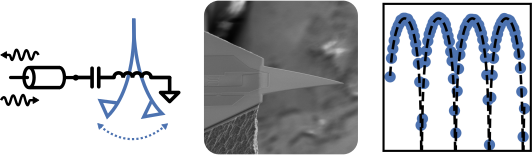
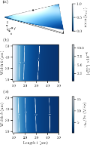
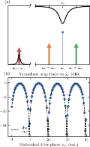
- ][7]. We recently introduced such a sensor based on the electromechanical coupling between surface strain and kinetic inductance of a superconducting nanowire [8]. In this paper, we describe in detail the fabrication and characterization methods of these kinetic inductive mechano-electric coupling
- , making it easy to load them into a commercial AFM for mechanical characterization of the cantilever. For the design with nominal cantilever width 40 μm, length 50 μm, and thickness 600 nm, the optical lever detector in our AFM had sufficient bandwidth to detect the fundamental bending mode. We measured



Quantitative wear evaluation of tips based on sharp structures
Beilstein J. Nanotechnol. 2024, 15, 230–241, doi:10.3762/bjnano.15.22
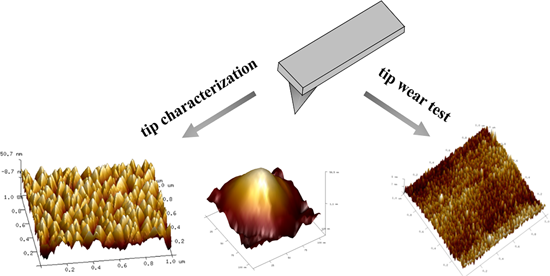
- manufacturing challenges. Additionally, uncertainties inherent in simulating the tip characterizer can be transferred to the tip during the characterization process, ultimately affecting the determination of the tip topography. At the same time, some researchers have studied the impact of scanning parameters on
- the differences in the above research results. In this paper, a sample with randomly distributed sharp structures is used to characterize the tip morphology. This avoids the influence of uncertainties in the manufacturing process of specific shape characterization samples on tip characterization
- . Additionally, the use of sharp structures allows for in-situ characterization of the tip, overcoming the disadvantage of needing to disassemble the tip for examination with a scanning electron microscope. Furthermore, this study investigates how scanning parameters, such as free amplitude, scanning frequency




Modification of graphene oxide and its effect on properties of natural rubber/graphene oxide nanocomposites
Beilstein J. Nanotechnol. 2024, 15, 168–179, doi:10.3762/bjnano.15.16
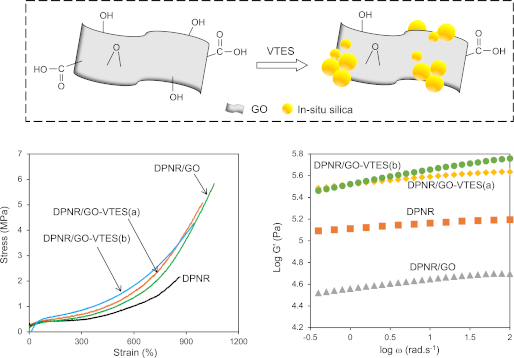
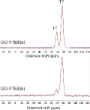
- the attachment of the sample to the measuring system. The frequency-dependent measurement was performed at an initial strain of 1% and at an angular frequency of 0.1–100 rad/s at 30 °C. The number of data points collected was 31. Results and Discussion Characterization of GO-VTES XRD Figure 3 shows






Enhanced feedback performance in off-resonance AFM modes through pulse train sampling
Beilstein J. Nanotechnol. 2024, 15, 134–143, doi:10.3762/bjnano.15.13
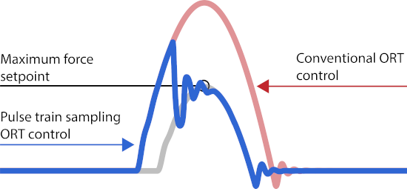
- methods on a Bruker Multimode AFM head, J-type tube scanner, to verify the improvements of the proposed method. Figure 3A is the schematic of the setup where we placed an additional piezo actuator on top of the tube scanner (for characterization purposes only). The Z piezo of the J-scanner was used to


In situ optical sub-wavelength thickness control of porous anodic aluminum oxide
Beilstein J. Nanotechnol. 2024, 15, 126–133, doi:10.3762/bjnano.15.12
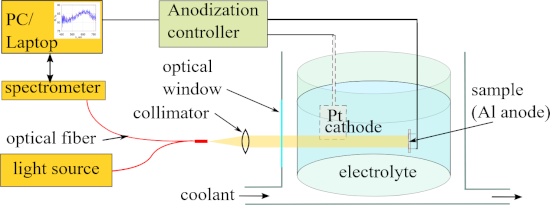
- achieve precise optical characterization, one could employ spectroscopic ellipsometry (SE) with more refined division into sub-layers [26] and consider additional material properties, such as the anisotropy of PAAO [27] and the optical dispersion of the refractive index (RI) of Al2O3 [28]. However, for


Assessing phytotoxicity and tolerance levels of ZnO nanoparticles on Raphanus sativus: implications for widespread adoptions
Beilstein J. Nanotechnol. 2024, 15, 115–125, doi:10.3762/bjnano.15.11
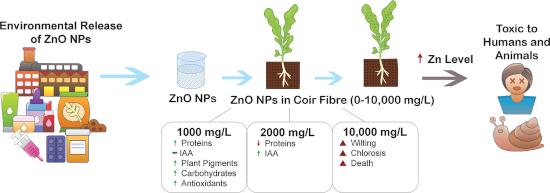
- levels, thereby being identified as a Zn-tolerant species, ultimately releasing an excess amount of Zn into the environment. Results ZnO NPs characterization Wet chemical synthesis yielded 7.012 g of ZnO NPs, disregarding the sample loss during the synthesis. The XRD pattern corresponds to the hexagonal
- ZnO NPs characterization The PXRD technique provides important insights into the chemical composition, physical characteristics of the material and crystallographic structure, and crystalline particle size based on the scattered X-ray beam intensity [20][21]. The PXRD pattern (Figure 1a) of
- . The concentration ratio between zinc chloride and sodium hydroxide was assessed utilizing the chemical equation formula provided below: Upon drying, the transformation of Zn(OH)2 into ZnO was elucidated by the following equation. Characterization of ZnO NPs Then ZnO NPs were characterized using PXRD


Development and characterization of potential larvicidal nanoemulsions against Aedes aegypti
Beilstein J. Nanotechnol. 2024, 15, 104–114, doi:10.3762/bjnano.15.10
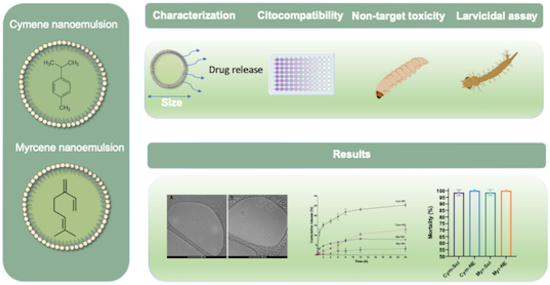
- against Aedes aegypti mosquito larvae. Results and Discussion Preparation and characterization of the nanoemulsions The determination of the required HLB (rHLB) is an important step in the development of NEs containing volatile oils [19][25]. From the determination of the rHLB, it is possible to determine
- surfactants and active ingredient concentration (5%) [26][27][28]. However, there is only a limited number of studies that focus specifically on the production and characterization of nanoemulsions incorporating cymene or myrcene. Nevertheless, it has been demonstrated that a high-energy method can yield a
- characteristics, between 20 and 30 mV, have been described in other studies about nanoemulsions containing terpenes suitable for larvicidal applications [30][33][34]. Regarding the physical characterization, the bluish reflex is characteristic of this type of colloidal system, and it is attributed to the Tyndall


New application of bimetallic Ag/Pt nanoplates in a colorimetric biosensor for specific detection of E. coli in water
Beilstein J. Nanotechnol. 2024, 15, 95–103, doi:10.3762/bjnano.15.9
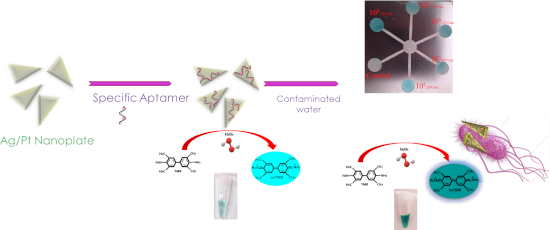
- E. coli was successfully detected using the developed colorimetric sensor. The sensor offers a straightforward, sensitive, and dependable method for detecting pathogens and ensuring water safety. Results and Discussion Characterization of Ag/Pt NPL and apt-NPL Field-emission scanning electron


Berberine-loaded polylactic acid nanofiber scaffold as a drug delivery system: The relationship between chemical characteristics, drug-release behavior, and antibacterial efficiency
Beilstein J. Nanotechnol. 2024, 15, 71–82, doi:10.3762/bjnano.15.7
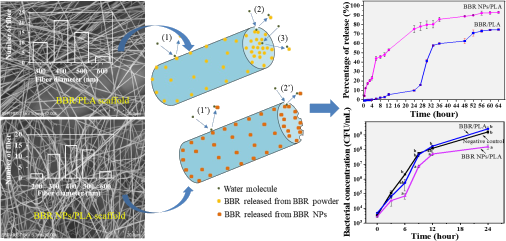
- conducted for 6 h to obtain the PLA, BBR/PLA, and BBR NPs/PLA nanofiber scaffolds. Characterization of prepared scaffolds The morphology of PLA and BBR-loaded PLA nanofiber scaffolds was observed by a scanning electron microscope (JSM-6510LV). Fiber diameters were measured from the SEM images by using the


TEM sample preparation of lithographically patterned permalloy nanostructures on silicon nitride membranes
Beilstein J. Nanotechnol. 2024, 15, 1–12, doi:10.3762/bjnano.15.1
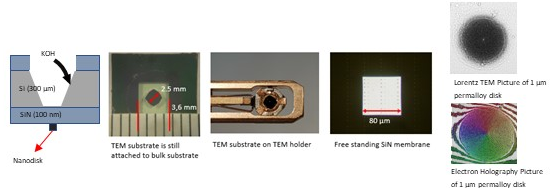
- Lorentz microscopy and electron holography, along with simultaneous structural and chemical characterization techniques such as electron diffraction, 4D STEM, and energy-dispersive X-ray (EDX) and electron energy loss spectroscopy (EELS), enable a correlative characterization to investigate magnetic
- all measurements have been completed, KOH etching can be conducted, and as a result, the sample is placed on a free-standing SiN membrane and can be studied under TEM. This is useful for future high-frequency correlative characterization of multilayer spintronic devices. Another possible further
- Horizon 2020 Research and Innovation Programme (Grant No. 856538, project “3D MAGiC”) and the Joint Laboratory on Model and Data Driven Material Characterization of the Helmholtz Association.


Fluorescent bioinspired albumin/polydopamine nanoparticles and their interactions with Escherichia coli cells
Beilstein J. Nanotechnol. 2023, 14, 1208–1224, doi:10.3762/bjnano.14.100
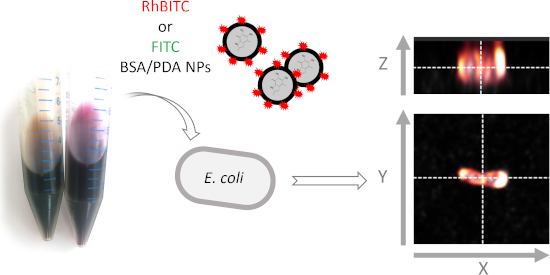
- dialysate. The same procedure was used to prepare RhBITC-BSA/PDA NPs, except that FITC was replaced by RhBITC. The concentrated solution of RhBITC (8.25 mM) was prepared by dissolving 4.4 mg in 1 mL of DMSO. Characterization of the BSA/polydopamine nanoparticles Size measurement The diameter of the NPs was
- polydispersity index are provided in Supporting Information File 1, Table S1. In this study, results given in number will be used. Characterization of the fluorescence properties Fluorescence spectra were recorded with a spectrophotometer-fluorimeter SAFAS Xenius XM 529 (SAFAS Monaco, Monaco, Monaco). Light
- of free FITC and RhBITC were prepared in water from the FITC (3.2 mg/mL) and RhBITC (4.4 mg/mL) solutions in DMSO to provide concentrations of 164 and 373 µM, respectively. For the characterization of Ox-PDA/BSA-NPs, 5 µL of 120 µM RhBITC solution was added to 95 µL of 3 mg/mL Ox-PDA/BSA-NPs solution