Search results
Search for "filter" in Full Text gives 438 result(s) in Beilstein Journal of Nanotechnology. Showing first 200.
Green fabrication of lanthanide-doped hydroxide-based phosphors: Y(OH)3:Eu3+ nanoparticles for white light generation
Beilstein J. Nanotechnol. 2019, 10, 1200–1210, doi:10.3762/bjnano.10.119
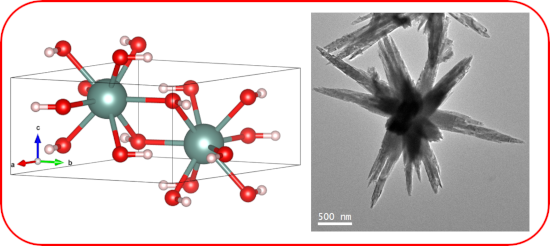
- microscope with a 0.19 nm point-to-point resolution at 200 keV equipped with an embedded Quantum Gatan Image Filter (Quantum GIF) for electron energy loss spectroscopy (EELS) analysis. The images were analyzed via Gatan Digital Micrograph software. Optical characterization was carried out using an Ocean



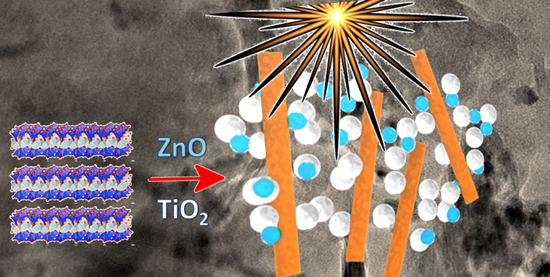
Photoactive nanoarchitectures based on clays incorporating TiO2 and ZnO nanoparticles
Beilstein J. Nanotechnol. 2019, 10, 1140–1156, doi:10.3762/bjnano.10.114
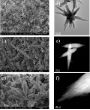
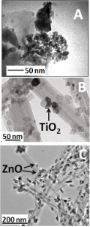
- right shows the silicate component (red), the magnetite NPs (green) and the ZnO NPs (blue) analyzed with an EDAX detector and a Gatan Tridiem energy filter; reprinted with permission from [133], copyright 2017 Elsevier. (A) TEM image of the Pt–TiO2@sepiolite clay nanoarchitectures prepared by a



Scavenging of reactive oxygen species by phenolic compound-modified maghemite nanoparticles
Beilstein J. Nanotechnol. 2019, 10, 1073–1088, doi:10.3762/bjnano.10.108
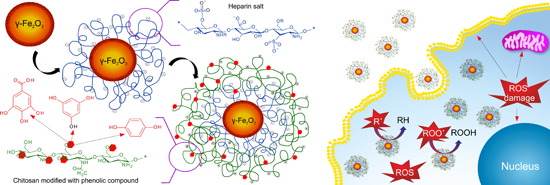
- with a molecular weight cut-off of 14 kDa (Roth; Karlsruhe, Germany). The resulting polymer was filtered through a 0.22 μm diameter syringe filter and freeze-dried. Depending on the phenolic compound that was used, the polymers were denoted as CS-H (hydroquinone-modified chitosan), CS-G (gallic acid





Enhanced inhibition of influenza virus infection by peptide–noble-metal nanoparticle conjugates
Beilstein J. Nanotechnol. 2019, 10, 1038–1047, doi:10.3762/bjnano.10.104
- sequence was unknown. Since the molcular weight of FluPep ligand (2967 Da) is greater than that required for group separation on Sephadex G25 (1000 Da), additional purification by means of washes on a 10 kDa cut-off Nanosep filter were included to ensure removal of any free FluPep ligand. When up to 5
- with 1× (100 mM NaNO3, 20 mM HEPES). In the case of FluPep-functionalised nanoparticles, the separation of free FluPep ligand (Mw = 2967 Da) required six washes, each wash involving a 10-fold dilution of the nanoparticles on a 10 kDa cut-off Nanosep filter and centrifugation. The nanoparticles were
- (GE Healthcare Bio-Sciences AB, Sweden). The gel slurry was packed into a white pipette tip (200 µL) using half the filter as a frit and equilibrated in PBS. Capped nanoparticles were concentrated and exchanged into the appropriate buffer using a 10 kDa cut-off Nanosep centrifugal filter. The




Serum type and concentration both affect the protein-corona composition of PLGA nanoparticles
Beilstein J. Nanotechnol. 2019, 10, 1002–1015, doi:10.3762/bjnano.10.101
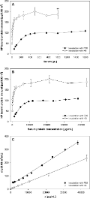
- of 3 µL diluted PLGA NP suspension (0.2 mg/mL) was applied on a 0.1 µm membrane filter (IsoporeTM membrane filter, Merck Millipore, Darmstadt, Germany) and dried overnight in a desiccator. Afterwards, the membrane filter was sputtered with gold (Sputter SCD 040, BALTEC, Liechtenstein) under argon
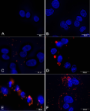
- , the cells were covered with Vectashield® Mounting medium with DAPI (Vector Laboratories Inc., Burlingname, USA) for nuclear staining. All images were taken using a IX81 fluorescence microscope (Olympus, Hamburg, Germany) with filter systems including excitation at 360–370 nm, dichroic mirror at 400 nm
- deconvolution (Wiener filter) using cellSens Dimensions Software 1.8.1. Statistical methods All experiments were performed at least three times. The results are shown as average value with standard deviation. Significance tests were conducted with Sigma Plot 12.5 (Systat Software GmbH, Erkrath, Germany), using



Experimental study of an evanescent-field biosensor based on 1D photonic bandgap structures
Beilstein J. Nanotechnol. 2019, 10, 967–974, doi:10.3762/bjnano.10.97
- centrifugal filter unit. For the immobilization of the half-antibodies, haBSA were spotted over the PBG sensing structures on the silanized SOI chip (4 μL of haBSA at 20 µg/mL in PBS 0.1× buffer) and then incubated for 30 min at 37 °C before the chip was irradiated with UV light (λ = 254 nm) for 5 s. For the


Effects of gold and PCL- or PLLA-coated silica nanoparticles on brain endothelial cells and the blood–brain barrier
Beilstein J. Nanotechnol. 2019, 10, 941–954, doi:10.3762/bjnano.10.95
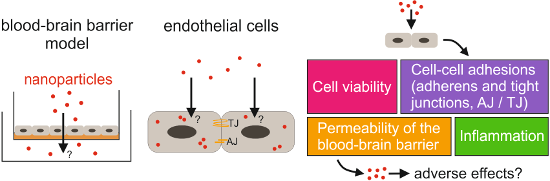
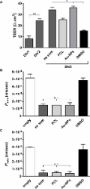
- blood–brain barrier permeability rBCEC4 cells were grown on filter insert membranes to allow for the investigation of NP effects on BBB permeability. The transport of two tracers across the cell monolayer and transendothelial electrical resistance (TEER) were measured. TEER measurements showed a
- (Ω·cm2) of the cell monolayer was calculated according to Equation 1 [47]: RTotal is the resistance across the rBCEC4 cell layer on the coated filter membrane, RBlank is the resistance across an empty filter membrane (only coating, no cells) and AMembrane is the surface area of the filter membrane. The
- is the volume in the receiver chamber and A the surface area of the filter membrane. FAcum was calculated from Equation 3: CRi is the concentration in the receiver chamber at the end of interval i and CDi the concentration in the donor chamber at the beginning of interval i. Statistical analysis



Synthesis of novel C-doped g-C3N4 nanosheets coupled with CdIn2S4 for enhanced photocatalytic hydrogen evolution
Beilstein J. Nanotechnol. 2019, 10, 912–921, doi:10.3762/bjnano.10.92
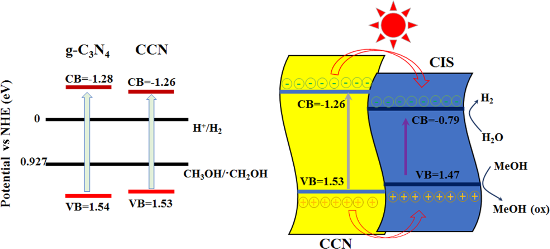
- , Beijing) equipped with a 420 nm optical filter (to cut off ultraviolet light) was placed on top as the light source. The system was degassed before irradiation and the evolution of hydrogen was detected by inline gas chromatography (CEL-GC7920, TCD, 5A molecular sieve column and N2 as carrier gas


The systemic effect of PEG-nGO-induced oxidative stress in vivo in a rodent model
Beilstein J. Nanotechnol. 2019, 10, 901–911, doi:10.3762/bjnano.10.91
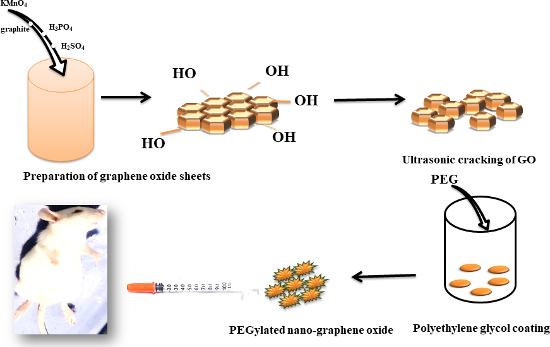
- graphene oxide For PEGylation, the sheets of GO were cracked into nano-graphene oxide (nGO) by an ultrasonic probe at 200 W for 3 h [29]. Then, the nGO solution (2 mg/mL) was neutralized by repeated rinsing and was purified through filtration using a Millex® syringe filter (0.45 μm). Finally, 400 mg of


Tungsten disulfide-based nanocomposites for photothermal therapy
Beilstein J. Nanotechnol. 2019, 10, 811–822, doi:10.3762/bjnano.10.81
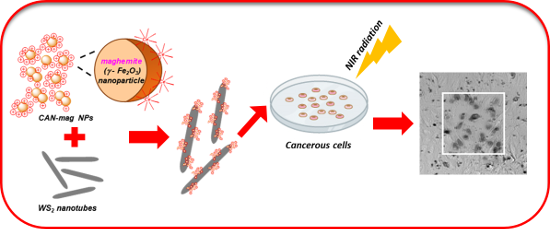
- to the decanted magnetite NPs, followed by the addition of degassed purified water (18 mL). The resulting mixture was ultrasonicated for 30 min under nitrogen using a high-power sonicator, then transferred into 50 mL Amicon® Ultra-15 centrifugal filter tubes (100KD, Millipore, Cork, Ireland). The
- to 10 mL with dd water, and set aside overnight for decomposition. The solution was then filtered through a 0.22 µm PTFE syringe filter (Millipore, Darmstadt, Germany). For iron analysis, 1 mL of the filtered solution was diluted to 10 mL with dd water. Superconducting quantum interference device




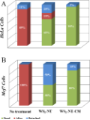


Polydopamine-coated Au nanorods for targeted fluorescent cell imaging and photothermal therapy
Beilstein J. Nanotechnol. 2019, 10, 794–803, doi:10.3762/bjnano.10.79
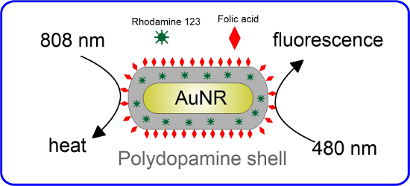
- prevents a direct contact between R123 molecules and AuNR. For fluorescent measurements the initial nanoparticle solution was diluted to 1/64th to prevent nonlinear behavior of the spectra related to the inner filter effect [47]. Figure 1D shows typical fluorescent emission spectra recorded at 480 nm


An iridescent film of porous anodic aluminum oxide with alternatingly electrodeposited Cu and SiO2 nanoparticles
Beilstein J. Nanotechnol. 2019, 10, 735–745, doi:10.3762/bjnano.10.73
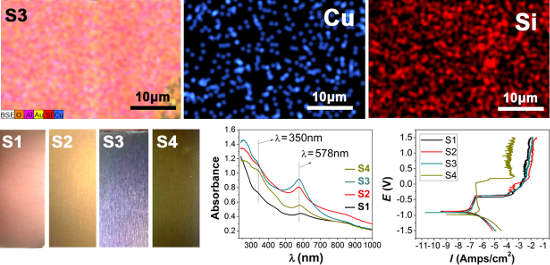
- was deposited via sputtering, yielding a colorful filter material. Different structural colors could be obtained via changing the anodization time [17]. In this context, instead of using high-purity aluminum foils and titanium foils as the substrate for the anodization treatment, which have been
- above 10 Hz and below 10 Hz were 470 pF and 2.2 nF, respectively. The parameters related to filter and earthing modes were set as 470 nF and field, respectively. The prepared samples were observed using a TM3030 scanning electron microscope (SEM, Hitachi). The absorbance and emissivity properties were


Ultrathin hydrophobic films based on the metal organic framework UiO-66-COOH(Zr)
Beilstein J. Nanotechnol. 2019, 10, 654–665, doi:10.3762/bjnano.10.65
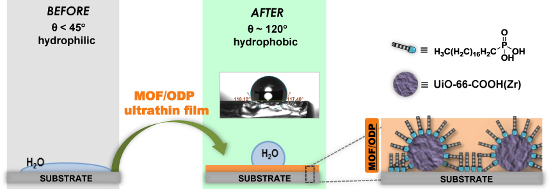
- balances with a filter paper plate. BAM images were obtained using a KSV NIMA Micro BAM, equipped with a red laser light source (50 mW, 659 nm) with a fixed incidence angle of 53.1°. The spatial resolution of this optical system in the water surface plane is 6 µm per pixel. Chloroform (CHCl3, Macron, >99.8


Enhancement in thermoelectric properties due to Ag nanoparticles incorporated in Bi2Te3 matrix
Beilstein J. Nanotechnol. 2019, 10, 634–643, doi:10.3762/bjnano.10.63
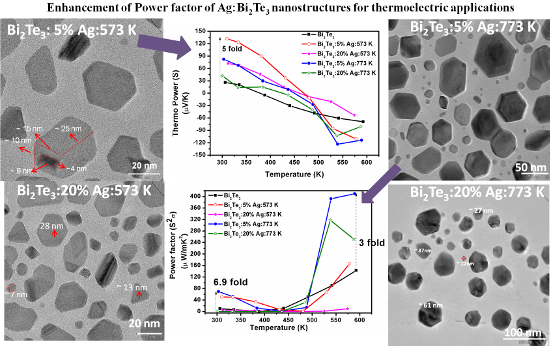
- theoretical calculations for the introduction of metal nano-inclusions in TE materials. This theory predicts the band bending at the metal–semiconductor interface will allow for the transmission of high energy electrons along with a blocking of low energy electrons. This electron energy filter results in



Review of time-resolved non-contact electrostatic force microscopy techniques with applications to ionic transport measurements
Beilstein J. Nanotechnol. 2019, 10, 617–633, doi:10.3762/bjnano.10.62
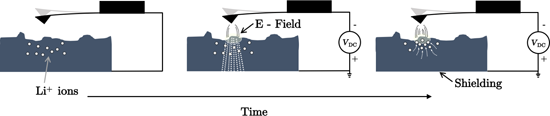
- to the same postprocessing (windowing, filtering, and analytical signal extraction). It is instructive to note that the extracted instantaneous frequency contains a time delay introduced by the bandpass filter used in the processing to smooth the response, which cannot be completely corrected for





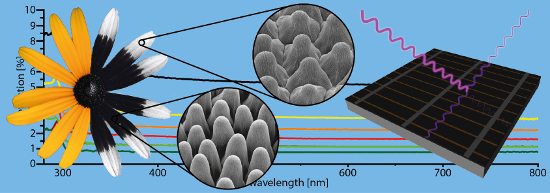
Ultraviolet patterns of flowers revealed in polymer replica – caused by surface architecture
Beilstein J. Nanotechnol. 2019, 10, 459–466, doi:10.3762/bjnano.10.45
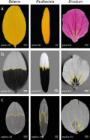
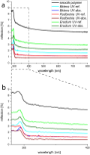
- (pigment filled) cells act as a kind of color filter. Consequently, thicker cells create a longer path length for the light within the petal and thereby increase the chance that the light reaches the pigments. This results in a stronger stimulation of the pigments and thus a higher spectral purity. Exner
- under environmental conditions. Both cameras were equipped with a UV-Nikkor 105 mm quartz objective (Nikon), an IR-neutralization filter (NG 52D, Optik Makario, Mönchengladbach, Germany) and a UV-transmission filter (SP2 400UV 52D, Optik Makario, Mönchengladbach, Deutschland) to eliminate wavelengths in


Gold nanoparticles embedded in a polymer as a 3D-printable dichroic nanocomposite material
Beilstein J. Nanotechnol. 2019, 10, 442–447, doi:10.3762/bjnano.10.43
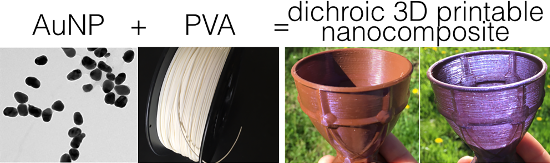
- 4th century puzzled scientists for long time: The Lycurgus cup [7]. This cup has a very peculiar dichroic filter property [8], as its color is dependent on the illumination angle, changing from clear red (transmittance) to opaque green (reflectance). It was later found that this optical property was



Sub-wavelength waveguide properties of 1D and surface-functionalized SnO2 nanostructures of various morphologies
Beilstein J. Nanotechnol. 2019, 10, 379–388, doi:10.3762/bjnano.10.37
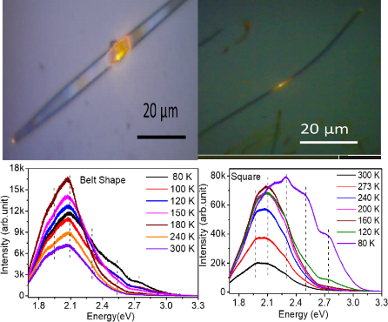
- efficiently guide visible and UV wavelengths in air and also in water. SnO2 NWs were also used as a short pass filter [6]. Apart from the coupled light, these NWs also guide their oxygen vacancy related visible photoluminescence (PL) towards the end of the NWs [6]. Defects in SnO2 play a crucial role in its


Site-specific growth of oriented ZnO nanocrystal arrays
Beilstein J. Nanotechnol. 2019, 10, 274–280, doi:10.3762/bjnano.10.26
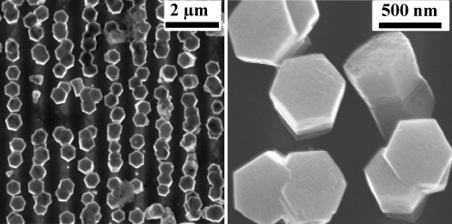
- on bare/patterned ITO were structurally characterized using an X-ray diffractometer (PANalytical X’pert Pro model) having Cu Kα radiation (λ = 1.54 Å) in the 2θ range 20° to 80° using grazing incidence X-ray diffraction (GIXRD). The setup consists of an X-ray mirror, a Ni filter, and a PIXcel3D


New micro/mesoporous nanocomposite material from low-cost sources for the efficient removal of aromatic and pathogenic pollutants from water
Beilstein J. Nanotechnol. 2019, 10, 119–131, doi:10.3762/bjnano.10.11
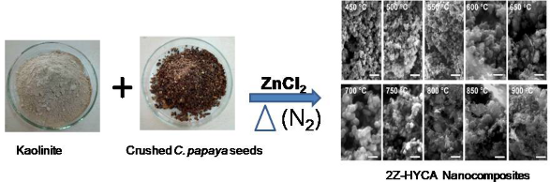
- divergence and antiscatter slit and a large Nibeta filter. The detector was set to continuous mode with an active length of 3.0061°. Scanning electron microscopy (SEM) and specific surface area analysis SEM analysis was performed on a Japan Electron Optics Laboratory JSM 6510 with an energy dispersive X-ray




A comparison of tarsal morphology and traction force in the two burying beetles Nicrophorus nepalensis and Nicrophorus vespilloides (Coleoptera, Silphidae)
Beilstein J. Nanotechnol. 2019, 10, 47–61, doi:10.3762/bjnano.10.5
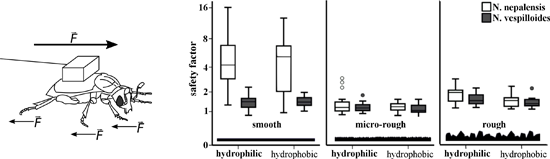
- with plasma as for the epoxy casts described above. Traction force experiments A small piece (2 mm × 2 mm) of styrofoam with a human hair of ca. 15 cm in length was glued longitudinally to the surface of the elytron (Figure 5c). For a recovery time of 30 min, the beetles were kept on clean moist filter



Bidirectional biomimetic flow sensing with antiparallel and curved artificial hair sensors
Beilstein J. Nanotechnol. 2019, 10, 32–46, doi:10.3762/bjnano.10.4
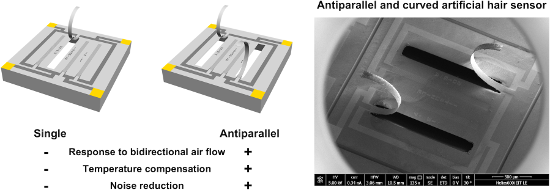
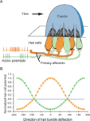
- Civile e Industriale, Pisa, I-56122, Italy 10.3762/bjnano.10.4 Abstract Background: Flow stimuli in the natural world are varied and contain a wide variety of directional information. Nature has developed morphological polarity and bidirectional arrangements for flow sensing to filter the incoming


Zn/F-doped tin oxide nanoparticles synthesized by laser pyrolysis: structural and optical properties
Beilstein J. Nanotechnol. 2019, 10, 9–21, doi:10.3762/bjnano.10.2
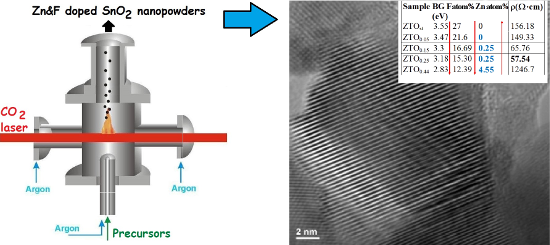
- particles were then entrained by the gas flow. The powder is trapped in the filter-containing collector and the gases, passing through the filter, leave the system with the aid of a vacuum pump. The experiments take place at a constant laser power at 110 W and pressure of 450 mbar. Table 4 lists the main



Contact splitting in dry adhesion and friction: reducing the influence of roughness
Beilstein J. Nanotechnol. 2019, 10, 1–8, doi:10.3762/bjnano.10.1
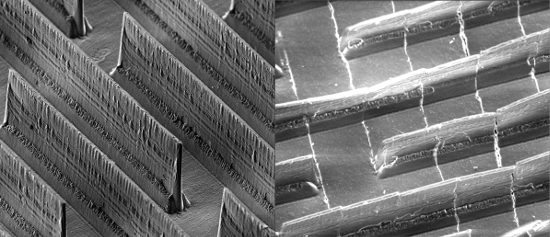
- the power of three in determination of the area moment of inertia for the flap cross-section). Assuming that flaps of 5 µm in thickness are not able to adapt to surface irregularities having a wavelength of less than 10 µm, we used this latter value as a cut-off length to filter out the waviness
- information from the primary profiles with the Gaussian high-pass filter [41]. The pull-off force, represented as a function of the parameters calculated based on the filtered roughness profiles, is shown in Figure 2c,d (root-mean-square deviation (Rq) and new integrative characteristic (Ri = σs/βη


Characterization and influence of hydroxyapatite nanopowders on living cells
Beilstein J. Nanotechnol. 2018, 9, 3079–3094, doi:10.3762/bjnano.9.286
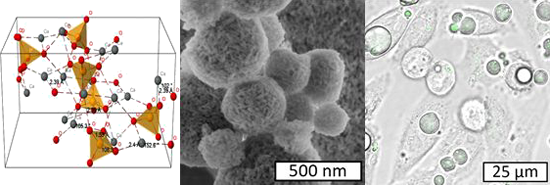
- ], with and without the admixture of fluorine (CaHAP300 and CaHFAP300, respectively) and with subsequent filter drying. Hydroxyapatites from the Laboratory of Nanostructures and from the Bogatsky Institute were synthesized with a calcium deficiency. The Ca/P atomic ratio of the obtained HAp samples is

![[Graphic 1]](/bjnano/content/inline/2190-4286-9-286-i2.svg?max-width=637&scale=1.18182) .
.