Search results
Search for "plasma" in Full Text gives 637 result(s) in Beilstein Journal of Nanotechnology. Showing first 200.
A review of defect engineering, ion implantation, and nanofabrication using the helium ion microscope
Beilstein J. Nanotechnol. 2021, 12, 633–664, doi:10.3762/bjnano.12.52
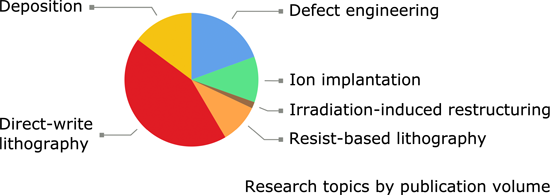
- nanoscale. This brings certain advantages compared with the traditionally used large-scale experiments. For example, although experiments using ion accelerators and plasma ion sources enable investigations over a wide range of beam energies and give the experimenter much freedom in terms of sample
- in the development of radiation-tolerant structural materials for deployment in nuclear fission and future nuclear fusion reactors. It has been shown that the gas bubble superlattice can be created by both broad beam or plasma exposure, as well as by repeated scanning of a selected area with the


Nanoporous and nonporous conjugated donor–acceptor polymer semiconductors for photocatalytic hydrogen production
Beilstein J. Nanotechnol. 2021, 12, 607–623, doi:10.3762/bjnano.12.50
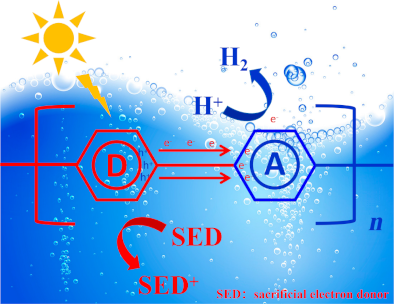
- enhanced with increasing the content of FSO units. P66 achieved an AQY of 8.5%. Cooper et al. [82] systematically investigated the influence of plasma treatments on conjugated polymers as photocatalysts, for example, the fluorine–FSO-based P60 (Figure 8). For P60, a short time of plasma treatment
- significantly enhanced the wettability and photocatalytic performance due to the plasma oxidizing the polymer. In addition, they [83] prepared a crystalline benzo[1,2-b:4,5-b']bis[1]benzothiophene sulfone-containing covalent organic framework (P67) (Figure 8), which exhibited a higher HER than its amorphous or




Properties of graphene deposited on GaN nanowires: influence of nanowire roughness, self-induced nanogating and defects
Beilstein J. Nanotechnol. 2021, 12, 566–577, doi:10.3762/bjnano.12.47
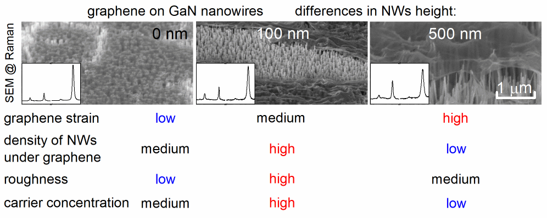
- the transfer onto NW substrates [31]. Therefore, we used stable orthogonal frames from polydimethylsiloxane (PDMS) polymer to stabilize the graphene during the transfer process [32]. The GaN NW substrates were fabricated by plasma-assisted molecular beam epitaxy (PAMBE) in N-rich conditions on (111




Influence of electrospray deposition on C60 molecular assemblies
Beilstein J. Nanotechnol. 2021, 12, 552–558, doi:10.3762/bjnano.12.45

- are visible, see the arrow in the contrast-modified inset of Figure 3c and in part 3 of Supporting Information File 1. They are similar to the pits created after electron and ion bombardment [40][41][42][43] or low-temperature plasma exposure of such a surface [44]. Such defects are known to increase


On the stability of microwave-fabricated SERS substrates – chemical and morphological considerations
Beilstein J. Nanotechnol. 2021, 12, 541–551, doi:10.3762/bjnano.12.44
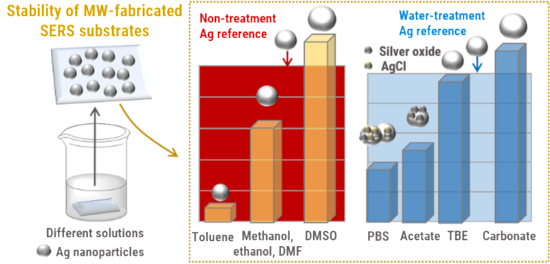
- available microscope glass coverslips, cut into rectangles with a dimension of 20 × 10 mm, were used as substrates. The glass substrates were first cleaned by washing with demineralized water and ethanol followed by plasma cleaning (argon plasma, 5 min, Diener Electronics). For all experiments, a single


The preparation temperature influences the physicochemical nature and activity of nanoceria
Beilstein J. Nanotechnol. 2021, 12, 525–540, doi:10.3762/bjnano.12.43
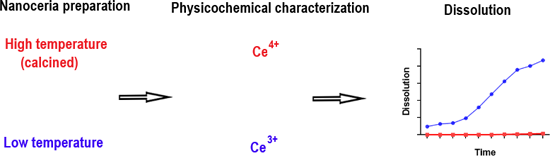
- inductively coupled plasma mass spectrometry (ICP-MS; Agilent 7500cx or 7900, Agilent Technologies, Inc., Santa Clarita, CA) [41]. Spiked samples (cerium average recovery was 106%) and blank samples (that were below the detection limit) were included. At BASF, the eluate was diluted 10- to 100-fold and




Rapid controlled synthesis of gold–platinum nanorods with excellent photothermal properties under 808 nm excitation
Beilstein J. Nanotechnol. 2021, 12, 462–472, doi:10.3762/bjnano.12.37
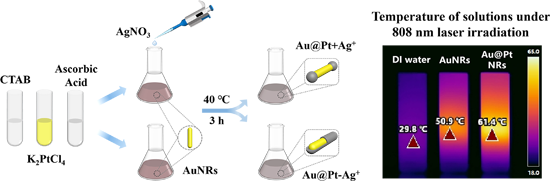
- . Most of the reported Au–Pt bimetal nanoparticles are isotropic, such as alloys or core–shell structures [18][19][20]. However, the LSPR peaks of such alloys or core–shell structures are located in the visible light region and inhibit the plasma performance [21]. Significant efforts have been made to


A review on nanostructured silver as a basic ingredient in medicine: physicochemical parameters and characterization
Beilstein J. Nanotechnol. 2021, 12, 440–461, doi:10.3762/bjnano.12.36
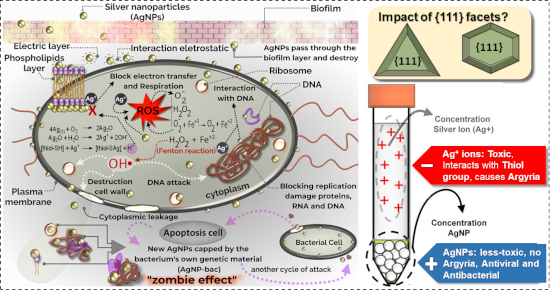
- inhibit virus replication by binding to and regulating cellular and viral proteins and RNAs [114]. Studies indicate that AgNPs did not affect cellular viability, according to mitochondrial cytotoxicity tests, or plasma membrane integrity. Interestingly, they exhibited potent ability to activate
- effective in inhibiting SARS-CoV-2 by using AgNPs to coat facial masks [77][120]. These results are suggestive of the development of new measures in which AgNPs can be used to prevent SARS-CoV-2 infection. Biological interactions of AgNPs When in contact with human plasma, AgNPs adsorb biomolecules such as
- , UV–vis spectroscopy, inductively coupled plasma optical emission spectrometry (ICP-OES), dynamic light scattering (DLS), among other techniques [33]. The basic principles of the techniques mentioned here are detailed in the following sections. Each AgNPs is unique, depending on its size, state of


The impact of molecular tumor profiling on the design strategies for targeting myeloid leukemia and EGFR/CD44-positive solid tumors
Beilstein J. Nanotechnol. 2021, 12, 375–401, doi:10.3762/bjnano.12.31
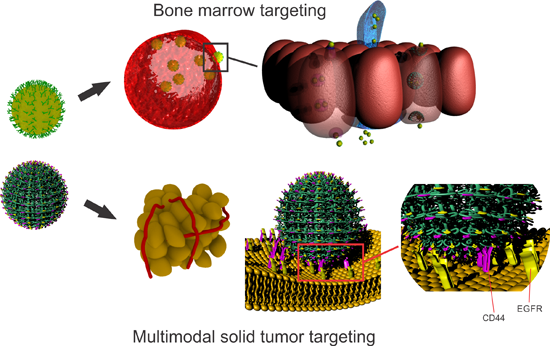
- , and regardless of the steric barrier, somehow managed to interact with the sinusoidal endothelial cells of the BM. One possible explanation is that the recognition may be mediated by a plasma component (such as erythropoietin, transferrin, or transcobalamin) or an endothelial factor that specifically
- , threefold and eightfold higher BM drug concentrations relative to the plasma concentration in the 48th hour post-administration in healthy mice. In contrast, the combination of free drugs (cytarabine and daunorubicin) reached maximum BM concentrations in one hour, which decreased rapidly. The authors


Structural and optical characteristics determined by the sputtering deposition conditions of oxide thin films
Beilstein J. Nanotechnol. 2021, 12, 354–365, doi:10.3762/bjnano.12.29
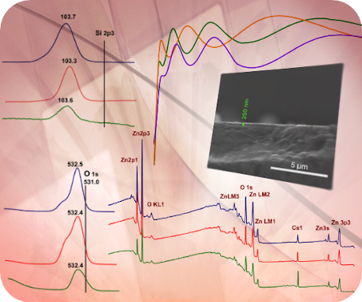
- Petronela Prepelita Florin Garoi Valentin Craciun National Institute for Laser, Plasma and Radiation Physics, 409 Atomistilor Street, PO Box MG-36, Magurele 077125, Ilfov, Romania 10.3762/bjnano.12.29 Abstract The influence of film thickness on the structural and optical properties of silicon
- be, later on, integrated into metamaterial structures to improve their functionality. Experimental The VARIAN ER 3119 EletroRava deposition equipment (available at the National Institute for Laser, Plasma and Radiation Physics, INFLPR) is provided with a deposition chamber, two magnetrons, and in
- , especially for thicker samples. For ZnO films an increase in the film thickness resulted in an increase in the atomic oxide (from 45.73% to 49.38 %), as a result of plasma chemical processes. The analysis of optical properties, by the absorption of light in the dielectric films of ZnO and SiO2 with various


The patterning toolbox FIB-o-mat: Exploiting the full potential of focused helium ions for nanofabrication
Beilstein J. Nanotechnol. 2021, 12, 304–318, doi:10.3762/bjnano.12.25
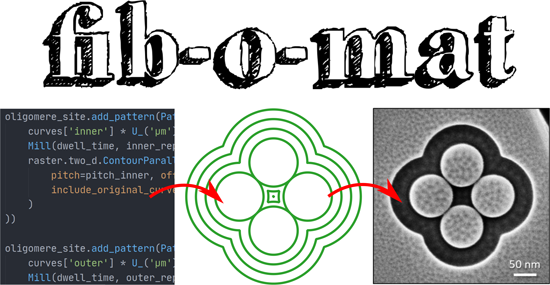
- an oxygen plasma before ion beam machining. Generally, all samples should be introduced into the vacuum system one day in advance to allow possible contaminants to desorb from the samples and be pumped out. While these protocols can improve the technical conditions for the machining with light ions


Doxorubicin-loaded gold nanorods: a multifunctional chemo-photothermal nanoplatform for cancer management
Beilstein J. Nanotechnol. 2021, 12, 295–303, doi:10.3762/bjnano.12.24
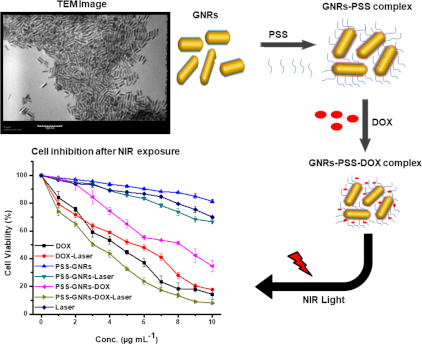
- at 500g for 10 min. Supernatant containing plasma was aspirated and the buffy coat was washed thrice and diluted with normal saline to a 50% packed cell volume (hematocrit) adjusted at pH 7.4 and stored at 4 °C. Different concentrations of PSS-GNRs (100 μL each) were incubated with 100 μL of RBCs


Characterization, bio-uptake and toxicity of polymer-coated silver nanoparticles and their interaction with human peripheral blood mononuclear cells
Beilstein J. Nanotechnol. 2021, 12, 282–294, doi:10.3762/bjnano.12.23
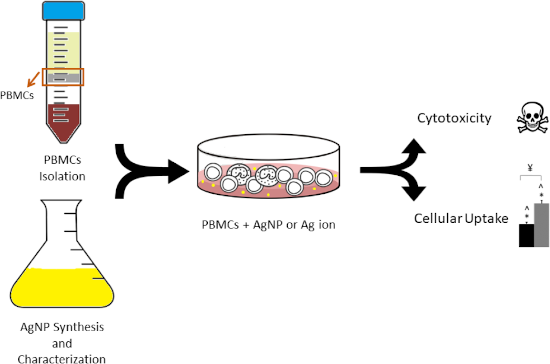
- pristine AgNPs, including dynamic light scattering (DLS), UV–vis spectroscopy (UV–vis), transmission electron microscopy (TEM), and inductively coupled plasma mass spectrometry (ICP-MS). DLS gave a Z-average hydrodynamic size of 33.7 ± 0.7 nm (mean ± standard deviation) and a PDI (polydispersity index) of
- -dispersive X-ray spectrometry. The final concentration of the PVP-AgNP batch was measured using inductively coupled plasma optical emission spectrometry (ICP-OES; Varian 710-ES). PVP-AgNP characterization in RPMI medium without cells was conducted using UV–vis spectrometer (extinction spectra of PVP-AgNPs
- aliquots collected at different time points following suspension in RPMI medium) and STEM. Ag concentration were measured at relevant exposure concentrations of PVP-AgNPs at t = 0 and at t = 24 h using ICP-MS (inductively coupled plasma mass spectrometry – NexION 350D, Perkin Elmer Inc., Massachusetts, USA



Differences in surface chemistry of iron oxide nanoparticles result in different routes of internalization
Beilstein J. Nanotechnol. 2021, 12, 270–281, doi:10.3762/bjnano.12.22
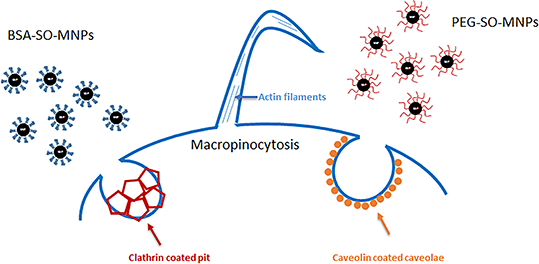
- initiated by the polymerization of clathrin units resulting in the assembly of a basket-like structure (clathrin-coated pit) with a size of 120–150 nm at the inner layer of the plasma membrane [11]. An alternative endocytosis pathway is caveolin-mediated endocytosis (CavME), the second most important route



The nanomorphology of cell surfaces of adhered osteoblasts
Beilstein J. Nanotechnol. 2021, 12, 242–256, doi:10.3762/bjnano.12.20
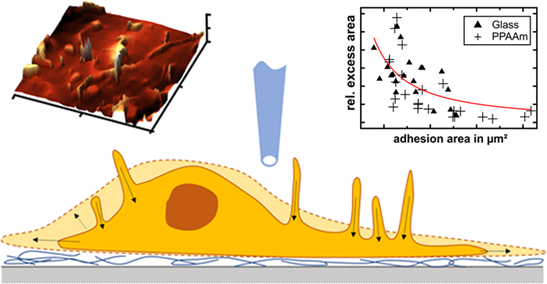
- capability of apical membrane features and fluctuation dynamics in aiding the assessment of adhesion and migration properties on a single-cell basis. Keywords: cell adhesion; membrane fluctuations; osteoblast; plasma membrane nanomorphology; scanning ion conductance microscopy (SICM); Introduction
- apical plasma membrane surface. Several other morphological and dynamic parameters are evaluated, for example, cell edge heights, membrane surface roughness, and membrane fluctuations, and discussed with respect to cellular functions. Results and Discussion In Figure 1 we show a typical overview SICM
- former unsuccessful spreading or deliberate lamellipodia loosening, for instance, for the purpose of resumption of migration [15]. Having a look at the substrate-specific data, cells with extremely large adhesion interface areas (more than 2600 µm2) are only found on plasma-polymerized allylamine (PPAAm


Paper-based triboelectric nanogenerators and their applications: a review
Beilstein J. Nanotechnol. 2021, 12, 151–171, doi:10.3762/bjnano.12.12
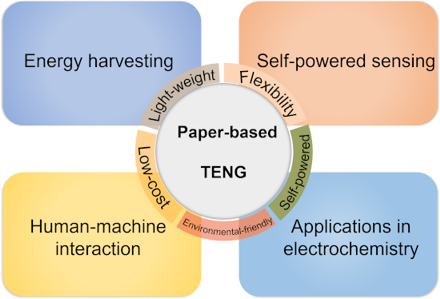
- motions, such as stretching, pressing, and twisting due to the thin cutting film design. The schematic structure of K-TENGs and related photographs are illustrated in Figure 7b. The prepared FEP film with a rectangular kirigami pattern was treated by inductively coupled plasma, in which the parameters of






A review on the green and sustainable synthesis of silver nanoparticles and one-dimensional silver nanostructures
Beilstein J. Nanotechnol. 2021, 12, 102–136, doi:10.3762/bjnano.12.9
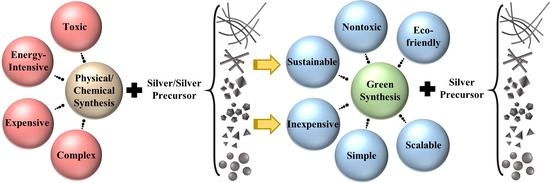
- anode, and an electron exchange takes place in the plasma region where silver ions are reduced [129]. In the case of silver electrodes, silver will be melted and vaporized from the electrode ends, and as a result, nanoparticles are formed from the silver condensates [131]. Tien et al. [227] synthesized


Effect of different silica coatings on the toxicity of upconversion nanoparticles on RAW 264.7 macrophage cells
Beilstein J. Nanotechnol. 2021, 12, 35–48, doi:10.3762/bjnano.12.3
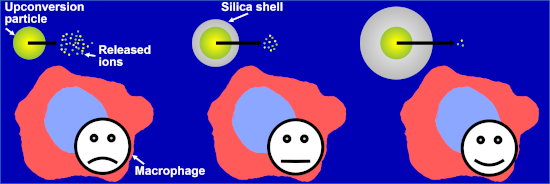
- ± 3 nm. Subsequently, the negatively charged particles were functionalized with N-(6-aminohexyl)-3-aminopropyltrimethoxysilane (AHAPS), which provide a positive charge to the nanoparticle surface. Inductively coupled plasma optical emission spectrometry (ICP-OES) measurements revealed that, over the
- inductively coupled plasma optical emission spectrometry (ICP-OES). Before the cell experiments, the stability of the particles in cell culture media was investigated via DLS and ELS. The cytotoxicity of the UCNPs was determined by MTT assays and cell cycle analysis. The UCNP uptake potential was evaluated by


Piezotronic effect in AlGaN/AlN/GaN heterojunction nanowires used as a flexible strain sensor
Beilstein J. Nanotechnol. 2020, 11, 1847–1853, doi:10.3762/bjnano.11.166
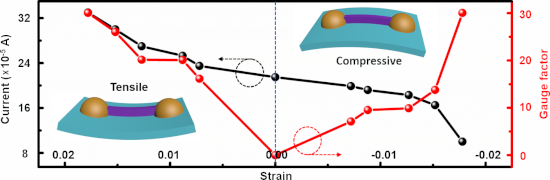
- , AlGaN/AlN/GaN NWs with high electron mobility, carrier density, and mechanical flexibility have become good candidates for highly sensitive and flexible strain sensors. In this work, we use a top-down two-step process, including inductively coupled plasma (ICP) dry etching and selective electrochemical


Electron beam-induced deposition of platinum from Pt(CO)2Cl2 and Pt(CO)2Br2
Beilstein J. Nanotechnol. 2020, 11, 1789–1800, doi:10.3762/bjnano.11.161
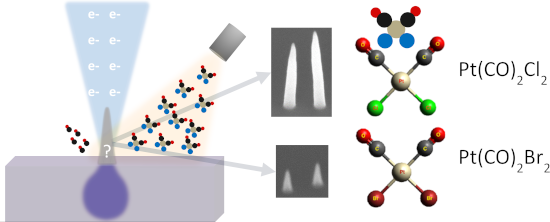
- current during EDX was 5 nA and the sample was mounted at a working distance of 7.5 mm and tilted by 35° to maximise the EDX signal. The system was plasma cleaned before the EDX measurements were taken to minimize carbon contamination. UHV deposition The UHV deposition experiments were performed by
- , deposition was done in the SEM after plasma cleaning the chamber. EDX spectra of deposits made after plasma cleaning are shown in Supporting Information File 1 (Figure S2). The composition of all SEM deposits, made before and after plasma cleaning, and the UHV deposits, as determined from EDX, are summarized
- the Pt Mα1 peak [32]. The Pt Mα1 peak is at 2.2 keV and the N peak detected is at about 0.46 keV as shown in Figures S1 and S2 in Supporting Information File 1. Only the composition of the deposits from Pt(CO)2Cl2 are affected by plasma cleaning, increasing the platinum content by 6 atom % and


PEG/PEI-functionalized single-walled carbon nanotubes as delivery carriers for doxorubicin: synthesis, characterization, and in vitro evaluation
Beilstein J. Nanotechnol. 2020, 11, 1728–1741, doi:10.3762/bjnano.11.155
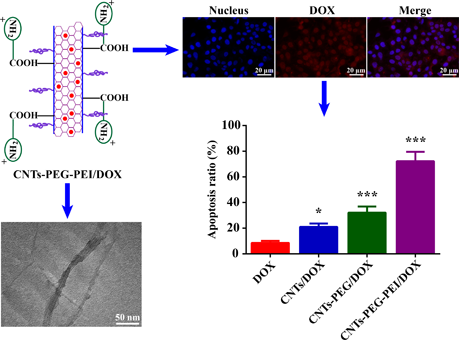
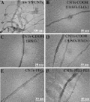
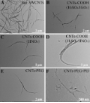
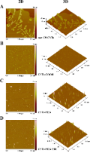
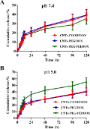
- 8B). This is attributed to the fact that PEGylation and amino functionalization could be significant in facilitating the dispersion of nanotubes and decreasing their aggregation, which protects the CNT carriers from interaction with plasma protein components. This enhanced stability will favor




Cardiomyocyte uptake mechanism of a hydroxyapatite nanoparticle mediated gene delivery system
Beilstein J. Nanotechnol. 2020, 11, 1685–1692, doi:10.3762/bjnano.11.150
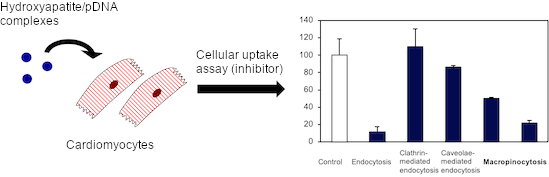
- can be taken up by cells via passive transport or active transport. Most nanoparticles are taken up by endocytosis (i.e., active transport) and rarely by direct penetration through the plasma membrane (i.e., passive transport). The endocytic pathway is an energy-dependent process; therefore, it can be


Oxidation of Au/Ag films by oxygen plasma: phase separation and generation of nanoporosity
Beilstein J. Nanotechnol. 2020, 11, 1608–1614, doi:10.3762/bjnano.11.143
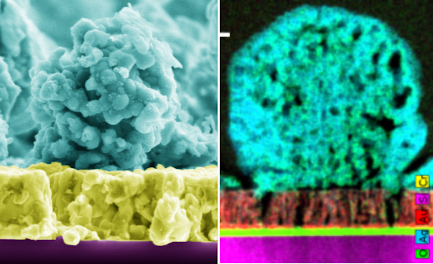
- Department of Mechanical and Industrial Engineering, Texas A & M University-Kingsville, TX 78363, USA 10.3762/bjnano.11.143 Abstract The oxidation of Au/Ag alloy thin films using radio-frequency oxygen plasma was studied in this work. It was demonstrated that there is a phase separation occurring between
- : metal alloys; nanoporous; oxygen plasma; silver; thin films; Introduction Silver corrosion upon exposure to atomic oxygen is a phenomenon that was highly studied in the 1980s. At that time, the main aim was to avoid the degradation of silver interconnects and switches used in satellites navigating in
- originates from their special architecture and porosity, resulting in an extremely high specific surface area, at the nanometer scale, which can be suitable for many applications [10]. Details related to the silver oxidation process using either oxygen plasma or ozone have been previously reported [6][7][8


High-responsivity hybrid α-Ag2S/Si photodetector prepared by pulsed laser ablation in liquid
Beilstein J. Nanotechnol. 2020, 11, 1596–1607, doi:10.3762/bjnano.11.142
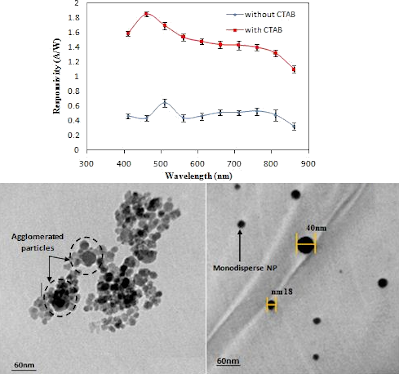
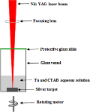
- vibration and silver material is expelled from the target surface in the form of a plasma plum. Thus, silver ions Ag+ and sulfur ions S2− are produced from silver target and thiourea solution, respectively. They form Ag2S NPs according to the following chemical reaction [21]: Figure 3 shows the XRD patterns




Walking energy harvesting and self-powered tracking system based on triboelectric nanogenerators
Beilstein J. Nanotechnol. 2020, 11, 1590–1595, doi:10.3762/bjnano.11.141
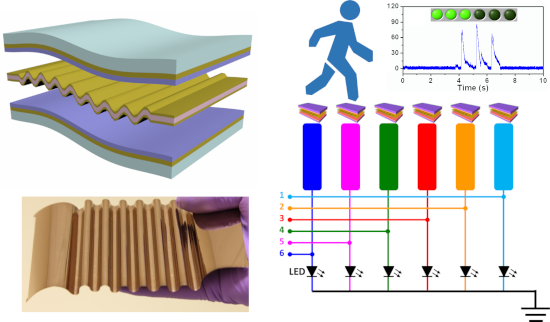
- inductively coupled plasma chamber, at corresponding flow rates of 10.0, 30.0, and 15.0 sccm, respectively. The nanowire structure was obtained on the surface by etching the PTFE film for 15 s. The high-density plasma was generated by a 500 W power source while the plasma ions were triggered by another 160 W
- and for low-carbon transportation alternatives. A flexible undulated electrode-based triboelectric nanogenerator. (a) Schematic diagram of the fabricated u-TENG. (b) FESEM image of an inductively coupled plasma-etched PTFE film. (c) Representative picture of the as-prepared undulated electrode. The