Search results
Search for "Au" in Full Text gives 746 result(s) in Beilstein Journal of Nanotechnology. Showing first 200.
Vibration-induced dynamic structural superlubricity on MoS2/Au(111) under ultrahigh vacuum
Beilstein J. Nanotechnol. 2026, 17, 1039–1046, doi:10.3762/bjnano.17.71
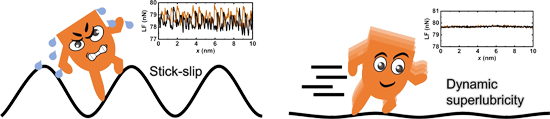
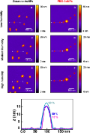
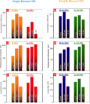
- experimental setup for friction measurements is illustrated in Figure 1a. The experiments were performed at room temperature using a custom-built beam-deflection atomic force microscope (AFM) system under ultrahigh vacuum (UHV). A MoS2 flake on a Au(111) surface was scanned by an AFM tip under UHV conditions
- MoS2. Although the lattice mismatch between MoS2 and Au(111) implies the existence of a moiré superstructure, such long-range features are not clearly resolved in the lateral force signals. This is attributed to the strong interfacial coupling, which suppresses moiré-induced corrugations and leaves the
- from being trapped in potential wells even under high normal loads, maintaining the superlubric state. Discussion Numerical simulations based on a modified one-dimensional phononic friction (PF) model were performed to elucidate the dynamic structural superlubricity observed on the MoS2/Au(111) surface


Influence of an external electric field on the catalytic CO oxidation of nanoscaled CeO2 and its La3+ and Gd3+ congeners
Beilstein J. Nanotechnol. 2026, 17, 1028–1038, doi:10.3762/bjnano.17.70
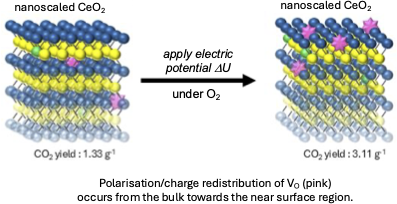
- temperatures. An external electric field enhances the formation rates of CH4 and H2S [11]. Applying a +10 V potential to Au and Pd nanocatalysts increases the CO oxidation rate by 28% and 14%, respectively [12][13]. Under positive bias, Pt (18–54%) and Pd (14–42%) exhibited markedly higher activity than under


Materials challenges in solid-state sensors for continuous monitoring of ions in water
Beilstein J. Nanotechnol. 2026, 17, 935–973, doi:10.3762/bjnano.17.66



Sustainable fabrication of 2D-based devices through reuse of substrates with microfabricated electrodes
Beilstein J. Nanotechnol. 2026, 17, 818–827, doi:10.3762/bjnano.17.58
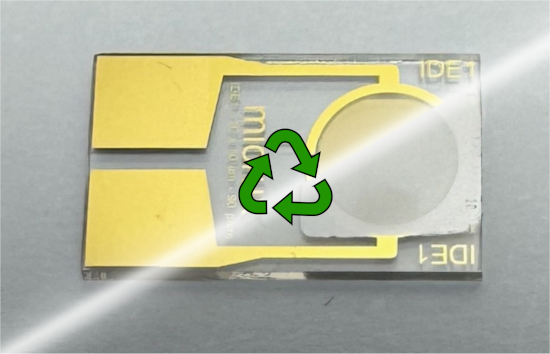
- different electrode layouts and metal stacks. Figure 2 presents different pre-patterned electrode configurations before and after the cleaning process. Figure 2a,b shows drain–source electrode structures pre-patterned on a SiO2/Si substrate using a Cr/Au stack, commonly used in field-effect transistor (FET
- ) fabrication, initially covered with a large-scale MoS2 film produced by roll-to-roll mechanical exfoliation. Figure 2c,d displays a Ti/Au interdigitated electrode on glass with the 10 µm gap separation, widely used for electrochemistry and biosensing applications [34]. For both cases, the cleaning process
- effectively removes the MoS2 flakes while preserving the structural integrity of the electrodes, indicating that the method is compatible with different adhesion layers used beneath Au. The insets in Figure 2 provide zoomed-in optical images that further illustrate the removal of material from the electrode


Tuning the electronic properties of defect-rich MoS2
Beilstein J. Nanotechnol. 2026, 17, 796–805, doi:10.3762/bjnano.17.56
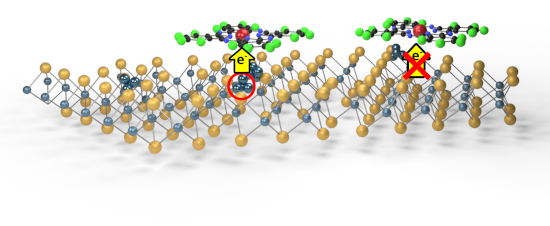
- strong local interactions accompanied by (integer) charge transfer [9]. A convenient side effect of this heterostructure is the strong interaction of the central Co atom of CoPcF16 with many metals such as Au, Ag, Cu, or Ni [11][12][13][14][15][16] such that it can be used as a probe for PES studies of
- GmbH) and a hemispherical analyzer (Phoibos 150, SPECS). The energy was calibrated to the binding energies of Au 4f7/2 (84.00 eV), Ag 3d5/2 (368.21 eV) and Cu 2p3/2 (932.63 eV) using Ar-ion sputtered foils of Au, Ag, and Cu (Goodfellow Cambridge Ltd.). At the LowDosePES endstation the samples were
- , 370, 300, 230, and 75 eV, the energy resolutions were 592, 230, 156, 114, 118, and 66 meV, respectively. A sputtered gold crystal was used for energy calibration. After every change of energy, X-ray photoelectron spectra (XPS) of Au 4f, calibrated to 84.00 eV, or the Au Fermi edge, calibrated to 0.00


Substrate-dependent pore formation in molybdenum disulfide monolayers under ion irradiation
Beilstein J. Nanotechnol. 2026, 17, 769–780, doi:10.3762/bjnano.17.54
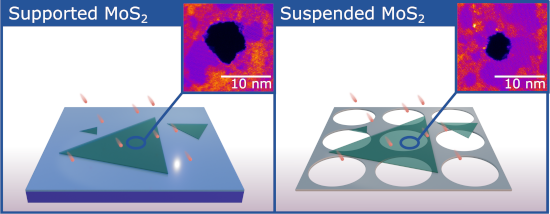
- on Au (η ≈ 0.28) stands apart from this trend and will be discussed further below. A remaining question is whether pore formation can be mitigated by the right choice of substrate. Schwestka et al. [28] demonstrated that graphene/MoS2 heterostructures can be resistant to HCI-induced pore formation
- in graphene/MoS2 heterostructures [59]. In contrast, coupling between 2D semiconductors and Au can be substantially stronger, which underlies the success of Au-assisted exfoliation and the formation of large-area, clean interfaces [60][61]. Motivated by this, we irradiated MoS2 exfoliated on Au to
- irradiation using only water, transfer from Au substrates to TEM grids requires chemical removal of the gold support using an iodine/iodide etchant (KI/I2). Consequently, unlike in the previous case, the ion-induced pores cannot be assumed to remain unaffected during transfer [62], as they were in the


Tailoring Ag–Pt nanoalloys through solid-state dewetting: structural and optical insights
Beilstein J. Nanotechnol. 2026, 17, 748–759, doi:10.3762/bjnano.17.52

- macroscopic alloy systems (e.g., Ag–Pt nanoalloys [3][4] or Ni–Au [5][6]). Furthermore, they enable the formation of various crystalline arrangements and structures. There are various methods for synthesizing metallic nanoalloys, both on solid substrates and in solution [7][8][9]. An auspicious method seems
- constituent phases. In contrast, nanoalloys typically show a single resonance peak, indicating the formation of a homogenously mixed metallic phase at the nanoscale [26][60]. Our previous investigations confirmed these differences. Within the Ag–Au nanostructures, nanoalloy formation was clearly observed. By
- in Ag–Pt nanoalloys, as discussed in [69][70]. The linear EDS analysis also confirmed the formation of a thin intermediate layer, resulting from the diffusion of silicon from substrate into the structures. A similar effect was previously observed in Ag–Au nanostructures, where we noticed diffusion




Environmental applications of silver nanoparticles: state-of-the-art review and emerging trends
Beilstein J. Nanotechnol. 2026, 17, 697–736, doi:10.3762/bjnano.17.49


Decontamination from water pollutants and pathogens by electrospun nanofibers doped with heavy-atom-free borafluorene-BODIPY photosensitizers
Beilstein J. Nanotechnol. 2026, 17, 668–682, doi:10.3762/bjnano.17.46
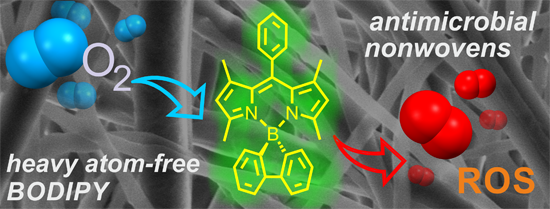
- heavy atoms (e.g., I, Ru, Pt, and Au) [17][18][19][20], which enhance intersystem crossing induced by spin–orbit coupling (SOC-ISC), but also increase dark toxicity, shorten the triplet lifetime, and decrease photostability [21][22][23]. For these reasons, heavy-atom-free BODIPY photosensitizers have



Impacts of annealing on structural and photophysical properties of zinc phthalocyanine adsorbed on graphene
Beilstein J. Nanotechnol. 2026, 17, 576–585, doi:10.3762/bjnano.17.39
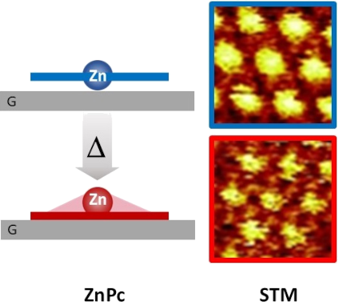
- particular, ZnPc has been shown to present such 2D phase transitions on various substrates such as TiO2 [32], Au(111) [33][34], InSb [35], or ZnS [36]. These studies have emphasized the diversity of mechanisms involved in the relative stability of 2D phases, including intermolecular versus molecule–substrate


Laser–material interactions in liquids for the synthesis of nanomaterials: current status and perspectives
Beilstein J. Nanotechnol. 2026, 17, 571–575, doi:10.3762/bjnano.17.38

- melting to explosive fragmentation of Au nanoparticles under picosecond laser irradiation in water [42]. Further advances in LSPC can be facilitated by data-driven machine learning approaches, which provide new pathways for optimizing synthesis parameters toward targeted size, composition, phase, and
Defects and defect-mediated engineering of two-dimensional materials: challenges and open questions
Beilstein J. Nanotechnol. 2026, 17, 454–488, doi:10.3762/bjnano.17.31
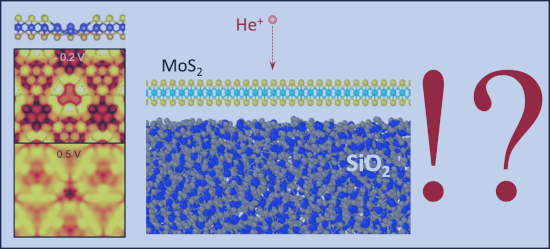
- has been found on S vacancies in a monolayer of MoS2 on Au(111) [146]. However, in this case, the metallic Au substrate provided not only the electron bath for screening the magnetic moment, but also enabled the electron transfer to the vacancy due to the favorable alignment of the work functions [147
- ]. Indeed, in areas where the MoS2 layer was decoupled from the metal by a Au vacancy island at the interface [148], the Kondo resonance was absent, and the spectroscopy indicated a charge-neutral state [146]. More recently, the use of STM has been extended to detect signals of electron spin resonance (ESR





First-principles study on elastic properties of Cu, (Cu1−x,Nix)3Sn and interfacial mechanical properties of (Cu1−x,Nix)3Sn/Cu in the lead-free solder joint
Beilstein J. Nanotechnol. 2026, 17, 428–439, doi:10.3762/bjnano.17.29
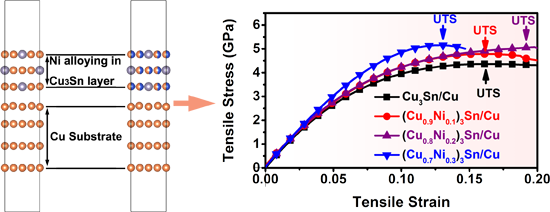
- the increase of Ni content. Moreover, using the calculated values of BV, BR, GV, and GR, the universal anisotropy index AU, developed by Ostoja-Starzewski et al., can be expressed as [30]: Because the mechanical response of crystals to external loads strongly depends on the elastic anisotropy, the
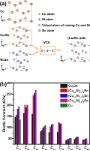
- anisotropies of Cu and (CuxNi1−x)3Sn were evaluated by the universal anisotropy index, AU, which was calculated according Equation 11. In general, for locally isotropic crystals AU = 0. As the elastic anisotropy of the crystal increases, the value of AU will increase correspondingly. As shown in Figure 2b, the
- AU of Cu is 2.77. It indicates that Cu is intrinsically anisotropic, although Cu has a FCC structure. In contrast to the anisotropy of Cu, the AU of orthorhombic Cu3Sn is 0.052. This implies that Cu3Sn is locally elastically isotropic. After Ni alloying, the AU of (Cu0.9Ni0.1)3Sn increases to 0.160


Nanoinformatics: spanning scales, systems and solutions
Beilstein J. Nanotechnol. 2026, 17, 423–427, doi:10.3762/bjnano.17.28
- are challenging to experimentally measure. Using computational descriptors commonly used in nano-QSAR models, such as the potential energy of surface atoms and the water–NP surface energy, the model predicts that Pt NPs are more toxic than Au NPs, based on their surface properties, which drive

Biomimetic nanoparticles in cancer photodynamic therapy: a review of targeted delivery systems and therapeutic outcomes
Beilstein J. Nanotechnol. 2026, 17, 396–422, doi:10.3762/bjnano.17.27
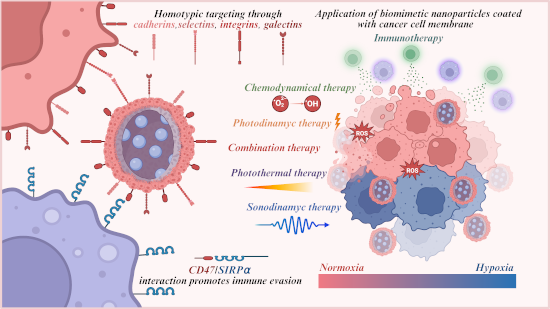
- PSs bearing conjugatable functional groups (e.g., carboxyl) onto the surface of bioinspired nanoparticles such as noble metal nanoparticles (Ag and Au). Stable ester bond formation secures the PS to the nanocarrier surface, offering hydrophilicity, biocompatibility, and enhanced biological delivery


Beam shaping techniques for pulsed laser ablation in liquids: Unlocking tunable control of nanoparticle synthesis in liquids
Beilstein J. Nanotechnol. 2026, 17, 309–342, doi:10.3762/bjnano.17.22
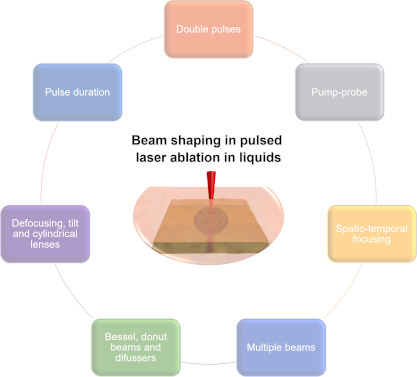
- presence of terbium NPs. When the fluence increases from 60 to 140 J·cm−2, the radical yield with oxidised NPs rises by over an order of magnitude [114][115]. Moreover, according to Davletshin et al., plasmonic coupling in aqueous Au nanospheres leads to enhanced local fields. This leads to a reduction via
- modification through confinement, plasma–liquid interactions, and cavitation bubbles. Dittrich et al. found that the ablation threshold for Au in air is ca. 1.9 times higher than in water [136], and Sun et al. reported a reduction from 2.22 J·cm−2 (air) to 1.02 J·cm−2 (liquid-assisted) [137]. Therefore, the
- position corresponding to the smallest ablated spot. In fact, the maximum NP productivity with a 10 mm liquid layer was achieved for dzL = +2 mm. According to Figure 5, the smallest spot found for these parameters was at dzL = +4 mm. This 2 mm difference in the lens position induces a 260 times higher Au







Fast vortex dynamics and relaxation times in NbRe-based heterostructures
Beilstein J. Nanotechnol. 2026, 17, 292–302, doi:10.3762/bjnano.17.20
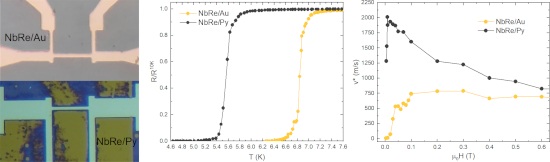
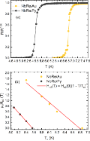
- analysis of Abrikosov vortex dynamics and flux-flow instabilities was performed in NbRe/Au and NbRe/Py bilayers to compare superconducting/normal metal (S/N) and superconducting/ferromagnetic (S/F) heterostructures based on the same superconducting layer. The heterostructures, fabricated by sputtering
- , were characterized through electrical transport measurements. The I–V characteristics show that, in the NbRe/Py bilayer, vortices reach higher critical velocities than those observed in the NbRe/Au structure. The analysis of the flux-flow instability within the Larkin–Ovchinnikov framework allows one
- to extract the quasiparticle energy relaxation time. For external magnetic field values for which edge barrier pinning is dominant and thermal effects are negligible, the relaxation times are about 150 ps and 24 ps for NbRe/Au and NbRe/Py bilayers, respectively. These results indicate that NbRe/Py


Advancing nanolithography: a comprehensive review of materials for local anodic oxidation with AFM
Beilstein J. Nanotechnol. 2026, 17, 275–291, doi:10.3762/bjnano.17.19
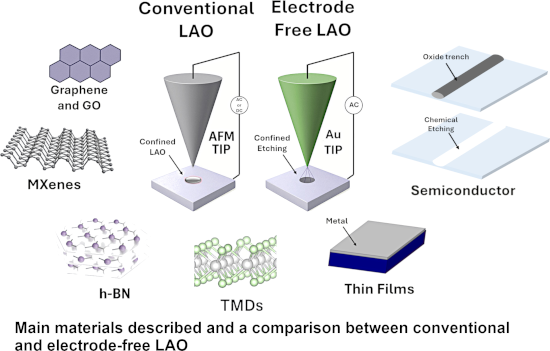
- graphene or boron nitride, authors of [23] have shown how reaction by-products are efficiently removed, escaping as gas (i.e., CO2 in the case of graphene). The resulting patterns exhibit excellent quality with minimal defects (Figure 3e,f). However, a potential drawback is the use of Au-coated tips under
- materials used in LAO experiments are highly doped Si or metals including W, Pt, Au, and Ir. Si-based tips are cheap but lack mechanical durability, frequently suffering from deformation or damage during imaging and patterning. Metal-coated tips all offer excellent electrical conductivity and improved


Durable antimicrobial activity of fabrics functionalized with zeolite ion-exchanged nanomaterials against Staphylococcus aureus and Escherichia coli
Beilstein J. Nanotechnol. 2026, 17, 262–274, doi:10.3762/bjnano.17.18
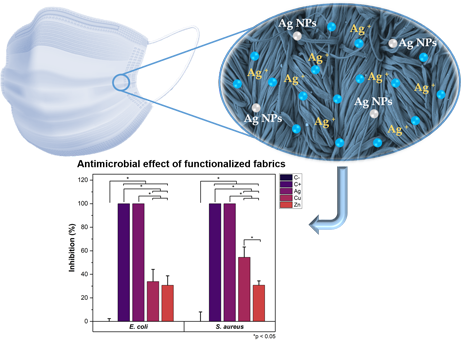
- different components, fiber material composites, nanoscale fibers, and immersion in NPs solutions with a binder. Nanoparticles such as Ag, Au, TiO2, ZnO, Se, SiO2, CuO, and Pt are widely used for textile functionalization [25]. Common methods for incorporating Ag and Cu NPs into cotton textiles involve




Multilayered hyperbolic Au/TiO2 nanostructures for enhancing the nonlinear response around the epsilon-near-zero point
Beilstein J. Nanotechnol. 2026, 17, 251–261, doi:10.3762/bjnano.17.17
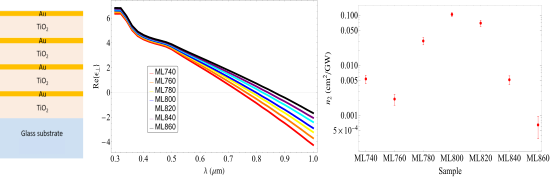
- –dielectric Au/TiO2 structures. The samples were fabricated using Joule effect evaporation for gold and electron beam evaporation for titanium dioxide. Their structure was designed to have an epsilon-near-zero (ENZ) point at different wavelengths around 800 nm, in order to study their nonlinear response as a
- ], Ag/MgF2 [11], and Ag/Ti3O5 [12]. Gold-based systems have also been prominent, such as Au/Al2O3 [13][14][15], Au/SiO2 [16], Au/TiO2 [17], and optical filters based on Au/TiO2 multilayers [18]. Beyond classic metal–dielectric structures, research has explored ZnO/Al:ZnO [19] and doped semiconductors
- only of the input irradiance, will remain constant. We fabricated the ENZ materials at the nano’mat platform, University of Technology at Troyes, France. Using a Plassys MEB400 evaporator, we deposited TiO2 and Au layers on glass substrates without breaking vacuum. TiO2 layers were evaporated via


Gold nanoparticle-decorated reduced graphene oxide as a highly effective catalyst for the selective α,β-dehydrogenation of N-alkyl-4-piperidones
Beilstein J. Nanotechnol. 2026, 17, 218–238, doi:10.3762/bjnano.17.15
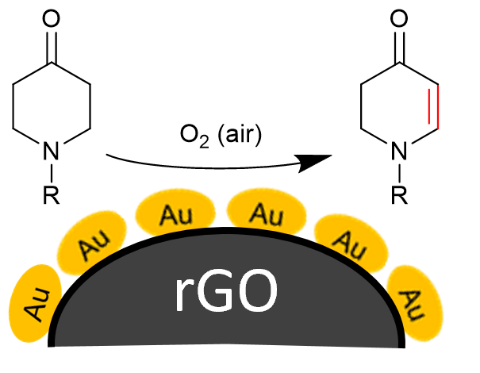
- carbon (AC), and carbon black (CB), to investigate the influence of the carbon support on the catalyst performance. As stabilizing agents for the AuNPs, citrate (Cit) and the polyoxometallate [SiW9O34]10− (SiW9) were used. Among the tested catalysts, the rGO-supported ones, Au-Cit/rGO, Au-SiW9/rGO, and
- Au@SiW9/rGO exhibited the highest catalytic activity for the selective oxidation reaction despite containing the lowest gold loading. These findings highlight the exceptional performance of rGO as a support for AuNP catalysts and provide valuable insights for designing efficient Au-based systems for
- POMs, the latter trivacant species exhibits the highest Au-POM reactivity in the oxidative dehydrogenation of piperidone derivatives to the corresponding enaminones [13]. Through the oxygen atoms at its three vacant sites, SiW9 coordinates to gold metal atoms, forming strong interactions. Despite being


Quantitative estimation of nanoparticle/substrate adhesion by atomic force microscopy
Beilstein J. Nanotechnol. 2026, 17, 1–14, doi:10.3762/bjnano.17.1

- are immobilized on supports like carbon-based materials or TiO2 to prevent aggregation and to maintain catalytic activity, strong adhesion is required [11]. To improve adhesion, Au NPs have been stabilized on SiO2 substrates by embedding them into an organometallic layer, effectively immobilizing the



Chiral plasmonic nanostructures fabricated with circularly polarized light
Beilstein J. Nanotechnol. 2025, 16, 2245–2264, doi:10.3762/bjnano.16.154
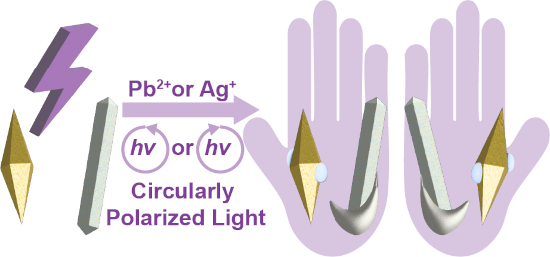
- to experimentally outline the importance of excitation wavelength in determining the resultant structural chirality and optical activity of chiral Au bipyramid (AuBP)/PbO2 nanostructures [56]. Pure metallic cPNSs constructed by CPL have also been reported [57][58][59]. This review’s primary focus are
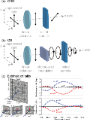
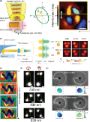
- ) (Figure 3a). In a typical experimental setup, AuNRs were immobilized on tens of nanometer thick TiO2 films deposited on glass. (A similar setup is shown in Figure 3d left panel for Au bipyramids (AuBPs)) Under CPL illumination, hot carriers were generated in Au. The hot electrons are diverted to the TiO2
- the PbO2 photodeposits adopts the chirality of the EM field distribution. The Tatstuma group also produced chiral Au nanocube/PbO2 and chiral Au nanotriangle (AuNT)/PbO2 heterostructures using the same strategy [90][91] (Figure 3b,c). The chiral AuNR/PbO2, Au nanocube/PbO2, and AuNT/PbO2






Optical bio/chemical sensors for vitamin B12 analysis in food and pharmaceuticals: state of the art, challenges, and future outlooks
Beilstein J. Nanotechnol. 2025, 16, 2207–2244, doi:10.3762/bjnano.16.153


Ultrathin water layers on mannosylated gold nanoparticles
Beilstein J. Nanotechnol. 2025, 16, 2183–2198, doi:10.3762/bjnano.16.151
- , the background VSFG signal is diminished. The frequency only slightly shifts from that of CH2 groups in alkyl and PEG chains. The dip-like features should be due to the interference effect between the resonant and the non-resonant signal. The different features of PEG-Au and dimanno-Au may be due
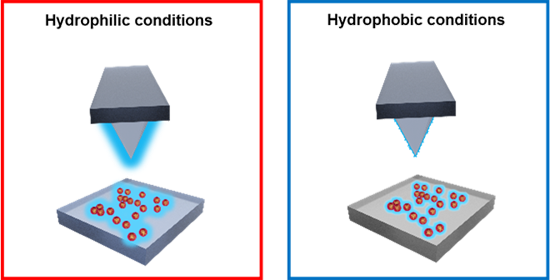
- silicon probes with a 1 nm carbon spike (k = 5 N/m, f = 160 kHz, Hi’Res C14/Cr Au, MikroMasch). These conditions are referred to as “hydrophobic conditions”. The samples were incubated on the hydrophilic or hydrophobic surfaces, and AFM topography images were taken under humidity-controlled atmospheres at