


Search results
Search for "magnetic nanoparticles" in Full Text gives 113 result(s) in Beilstein Journal of Nanotechnology.
Environmental applications of silver nanoparticles: state-of-the-art review and emerging trends
Beilstein J. Nanotechnol. 2026, 17, 697–736, doi:10.3762/bjnano.17.49
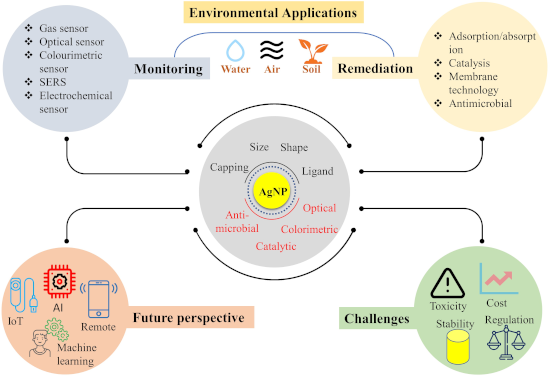
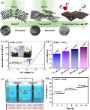
- used as an adsorbent material for removing Nile blue dye, with 94% of the dye being removed within 60 min [27]. Caravaca et al. used magnetic nanoparticles coated with AgNPs for amoxicillin removal from water, where 100% removal was achieved at different nanocomposite concentrations [28]. The removal
- still inconclusive. Despite that, nanosilver possesses functional properties against various environmental contaminants. A nanocomposite combined with magnetic nanoparticles removed amoxicillin (a common antibiotic) from water sources with 100% efficiency [28]. Dose-dependent removal of the antibiotic
- magnetic nanoparticles and AgNPs showed the removal of the drug ibuprofen from water. 93% removal was achieved at neutral pH, room temperature, and a low adsorbent dose (7 mg in 500 μL), along with reusability of up to three generations (89.3%) [100]. From the above discussion it was confirmed that


Biomimetic nanoparticles in cancer photodynamic therapy: a review of targeted delivery systems and therapeutic outcomes
Beilstein J. Nanotechnol. 2026, 17, 396–422, doi:10.3762/bjnano.17.27


From shield to spear: Charge-reversible nanocarriers in overcoming cancer therapy barriers
Beilstein J. Nanotechnol. 2026, 17, 159–175, doi:10.3762/bjnano.17.10
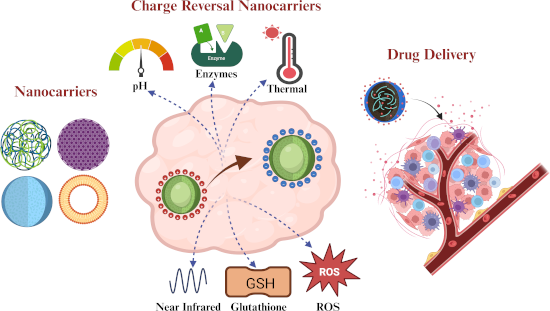
- ., DOX, geldanamycin) under alternating magnetic fields while preserving systemic safety [65]. Core–shell magnetic nanoparticles (Fe3O4@P(MEO2MA60-OEGMA40)) combine magnetic hyperthermia with controlled doxorubicin release, achieving localized heating (≈42 °C) under an alternating magnetic field to


Improving magnetic properties of Mn- and Zn-doped core–shell iron oxide nanoparticles by tuning their size
Beilstein J. Nanotechnol. 2025, 16, 2285–2295, doi:10.3762/bjnano.16.157
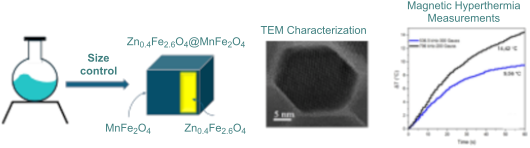
- Mössbauer analysis, and the magnetic properties were studied to select the ideal size for magnetic hyperthermia application. Keywords: core–shell nanoparticles; magnetic hyperthermia; magnetic properties; Introduction Magnetic nanoparticles have emerged as a versatile class of materials due to their
- investigated as a novel cancer treatment due to its ability to locally generate heat in tumors, thereby minimizing damage to healthy tissues compared to conventional chemotherapy and radiotherapy [3]. This process relies on exposing magnetic nanoparticles to an alternating magnetic field, causing them to
- development of magnetic nanoparticles with enhanced SAR and improved biocompatibility has been a major objective in the field of nanomedicine. Among the various materials used for magnetic hyperthermia, superparamagnetic iron oxide nanoparticles (SPIONs), such as magnetite (Fe3−δO4) and maghemite (γ-Fe2O3



Current status of using adsorbent nanomaterials for removing microplastics from water supply systems: a mini review
Beilstein J. Nanotechnol. 2025, 16, 1837–1850, doi:10.3762/bjnano.16.127
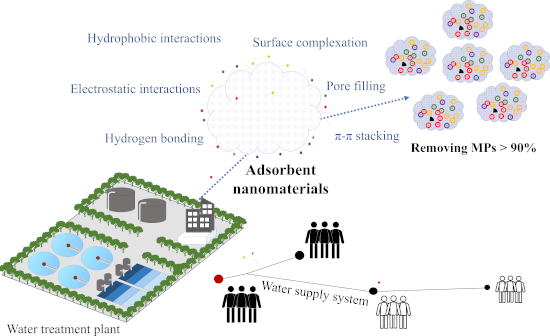
- degradation, indicating their potential as next-generation solutions. By using coprecipitation and thermal decomposition, Aragón et al. synthesized magnetic nanoparticles to capture PE MPs. The results demonstrated that the thermal decomposition method achieved a capture efficiency of 69.3 ± 2.1% [89
- , applying magnetic nanoparticles for treatment purposes may release toxic metal ions (Ni or Mn) or highly soluble metal ions (Zn or Mg) into the treated water, which can then enter water bodies and cause harm [74]. Similarly, MOFs, such as materials combined with Fe, Cu, or Zr, may release toxic ions into
- materials into the environment. To manage these risks, recovery methods like magnetic separation or filtration are important to reduce residual nanomaterials in treated water. Magnetic nanoparticles can be extracted from water using magnetic separation techniques [74]. Life cycle assessments (LCAs) are


Nanomaterials for biomedical applications
Beilstein J. Nanotechnol. 2025, 16, 1499–1503, doi:10.3762/bjnano.16.105

- color upon detecting the virus. Their capability to attach to specific antibodies or DNA strands makes them perfect for detecting even faint traces of disease [18]. Moreover, magnetic nanoparticles specially made from iron oxide are also being used in medical imaging. They are usually employed as
- contrast agents in magnetic resonance imaging (MRI) process [19]. There is more clarity in MRI images due to these nanoparticles, which help doctors to see even the smallest details in tissues and organs [20]. Apart from imaging, magnetic nanoparticles are now used in biosensors and lab-on-a-chip devices
Laser processing in liquids: insights into nanocolloid generation and thin film integration for energy, photonic, and sensing applications
Beilstein J. Nanotechnol. 2025, 16, 1428–1498, doi:10.3762/bjnano.16.104






Changes of structural, magnetic and spectroscopic properties of microencapsulated iron sucrose nanoparticles in saline
Beilstein J. Nanotechnol. 2025, 16, 762–784, doi:10.3762/bjnano.16.59
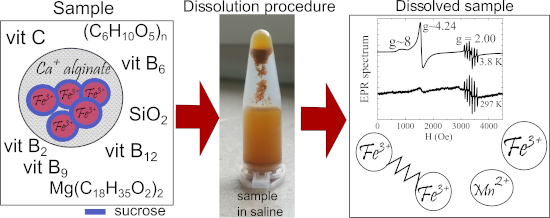
- drugs with different iron agents, such as ferumoxytol [5], iron isomaltoside [5], and iron sucrose [6][7][8]. Such behavior is expected, and not surprising, as in most cases iron agents are systems of noninteracting magnetic nanoparticles. However, more complex process such as two superimposed
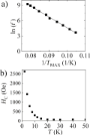
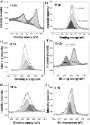
- for the FS0 sample (Figure 5a), and with the TEM images (Figure 3a–e). For a noninteracting system of magnetic nanoparticles, the temperature at which the blocking process begins directly depends on the mean particle size and its distribution in the sample. Here, the narrow maximum in the ZFC curve
- crystalline structure, and the presence of a nonmagnetic coating or matrix, as all this structural features have a strong impact on the magnetic properties of the nanoparticle system [40][42][44]. The analysis carried out confirms the presence of noninteracting magnetic nanoparticles in the FS0 sample and





Theoretical study of the electronic and optical properties of a composite formed by the zeolite NaA and a magnetite cluster
Beilstein J. Nanotechnol. 2025, 16, 44–53, doi:10.3762/bjnano.16.5
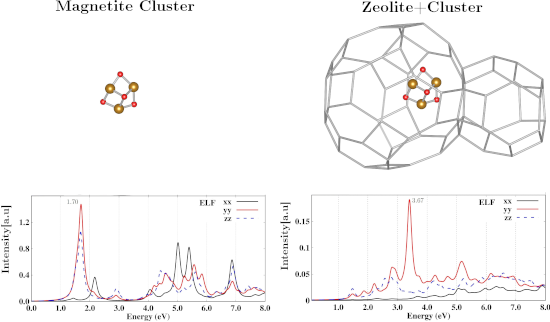
- introduction of magnetic nanoparticles into zeolite crystals so that the resulting composite can respond to an external magnetic field [33]. By imparting magnetic properties to such composites, they can be efficiently recovered after capturing contaminants such as heavy metals [34][35][36][37] and dyes [38][39
- development of nanotechnology and the emergence of composite zeolite materials have opened up unprecedented opportunities for their application in nanomedicine [47]. The unique properties of magnetic nanoparticles allow them to be used for targeted drug delivery and visualization of internal organs [48
- ]. Magnetic nanoparticles have unique magnetic properties and the ability to function at the cellular and molecular level of biological interactions. Of course, the evaluation of cytotoxicity and bioapplicability of each substance is a crucial issue before its use in clinical practice. Although there are




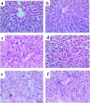
Liver-targeting iron oxide nanoparticles and their complexes with plant extracts for biocompatibility
Beilstein J. Nanotechnol. 2024, 15, 1593–1602, doi:10.3762/bjnano.15.125
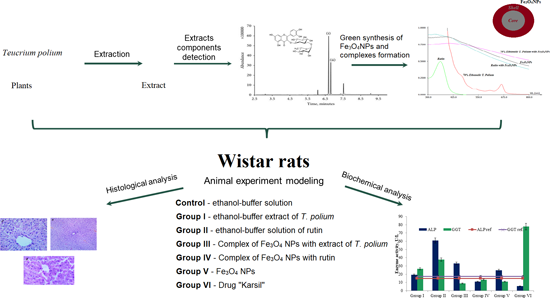
- in most biological and chemical reactions involved in the production of medical materials [10][11][12][13]. Magnetic nanoparticles (MNPs), such as iron oxides, not only exhibit superparamagnetism and high magnetic susceptibility, they also possess unique physical properties, biocompatibility


Facile synthesis of size-tunable L-carnosine-capped silver nanoparticles and their role in metal ion sensing and catalytic degradation of p-nitrophenol
Beilstein J. Nanotechnol. 2024, 15, 1576–1592, doi:10.3762/bjnano.15.124
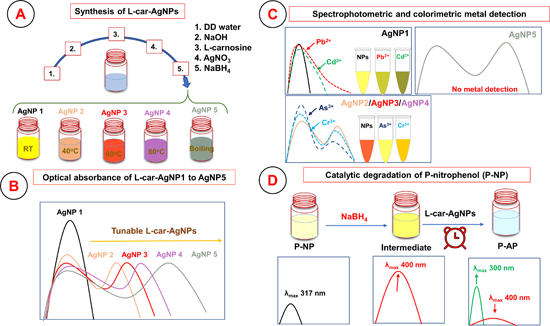
- grafting magnetic nanoparticles with ʟ-carnosine significantly enhanced the catalytic performance of the nanoparticles [15]. In another study, metal-organic framework nanoparticles fabricated with ʟ-carnosine were employed for arsenic removal via an adsorption mechanism. The maximum removal of arsenic was
- 94.33 mg/g at a pH of 8.5 and 0.4 g/L adsorbent [16]. These studies confirmed that ʟ-carnosine adsorbed on metal surfaces has widespread environmental applications. However, magnetic nanoparticles or MOFs coated with ʟ-carnosine were applicable only for environmental remediation but were incapable of


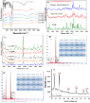


Identification of structural features of surface modifiers in engineered nanostructured metal oxides regarding cell uptake through ML-based classification
Beilstein J. Nanotechnol. 2024, 15, 909–924, doi:10.3762/bjnano.15.75

- ENMOs (monocrystalline magnetic nanoparticles having overall size of 38 nm and an average of 60 ligands per nanoparticle, indicating a consistent level of attachment across different preparations) regarding human pancreatic ductal adenocarcinoma cells (PaCa2), human umbilical vein endothelial cells


Vinorelbine-loaded multifunctional magnetic nanoparticles as anticancer drug delivery systems: synthesis, characterization, and in vitro release study
Beilstein J. Nanotechnol. 2024, 15, 256–269, doi:10.3762/bjnano.15.24
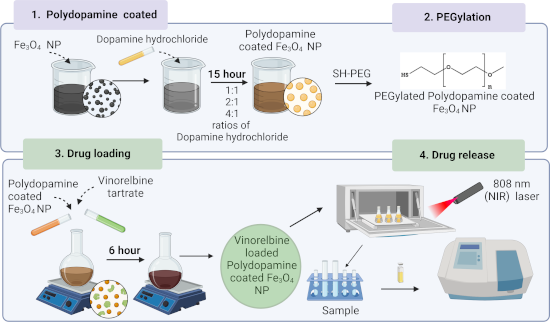
- examining the binding of PEG to PDA/Fe3O4 NPs and the resulting chemical structure using FTIR spectroscopy. According to the FTIR analysis results, the peak at 585 cm–1 in the spectrum corresponds to the vibration associated with the Fe–O bond in magnetic nanoparticles [49]. The peak observed at 3400 cm–1
- multifunctional PEGylated magnetic nanoparticles coated with polydopamine (PDA) exhibit strong near-infrared absorption because of the PDA layer and have the ability to deliver drugs under a magnetic field owing to their superparamagnetism [51]. During the drug loading studies, the anticancer drug vinorelbine was
- of Fe3O4 NPs was 67.72 emu/g; PDA/Fe3O4 NPs had a saturation magnetization of 65.62 emu/g; VNB/PDA/Fe3O4 NPs showed a saturation magnetization of 60.40 emu/g, as shown in Figure 4c. The observed decrease in magnetization is commonly attributed to the polymer coating on the surface of the magnetic


Ferromagnetic resonance spectra of linear magnetosome chains
Beilstein J. Nanotechnol. 2024, 15, 157–167, doi:10.3762/bjnano.15.15
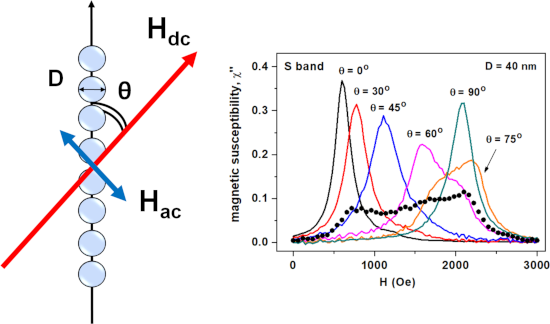
- of magnetic anisotropy, the direction of the particle easy anisotropy axes, and other parameters. In addition, the FMR spectrum is sensitive to the presence of magnetostatic interactions in dense assemblies of magnetic nanoparticles. Thus, ferromagnetic resonance spectroscopy is a promising technique
- distance between the particle centers in a chain is a = D + 2Ten. When modeling the FMR spectra of magnetosome chains, it is important to choose the adequate magnetic damping constant κ of the magnetic nanoparticles. Unfortunately, experimental data for this quantity for assemblies of magnetic
- = 20–25. Therefore, in this work most of the calculations were carried out for magnetosome chains with Np = 20. As noted above, the experimental data on the value of the magnetic damping constant in assemblies of magnetic nanoparticles are scarce. Since magnetosomes grow inside a bacterium under strict


Green SPIONs as a novel highly selective treatment for leishmaniasis: an in vitro study against Leishmania amazonensis intracellular amastigotes
Beilstein J. Nanotechnol. 2023, 14, 893–903, doi:10.3762/bjnano.14.73
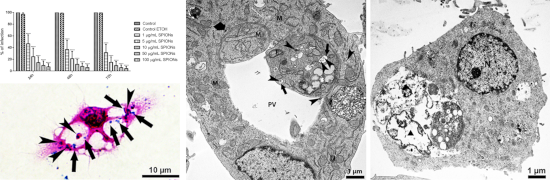
- the effects of using iron oxide nanoparticles [11][12][15][33][34][35]. Recently, the effects of magnetic iron oxide nanoparticles were demonstrated in L. mexicana axenic amastigotes. First, the amastigotes were treated with 200 µg/mL of magnetic nanoparticles. Subsequently, magnetic hyperthermia was
- applied using an alternating field of 30 mT with a frequency of 452 kHz for 40 min. The results showed that magnetic hyperthermia was efficient in killing L. mexicana axenic amastigotes [12]. Another study demonstrated the anti-Leishmania effect of magnetic nanoparticles synthesized by green chemistry in
- of drug conjugation with magnetic nanoparticles for treating leishmaniasis. Conclusion The use of SPIONs synthesized with coconut water to treat macrophages infected with Leishmania amazonensis intracellular amastigotes revealed a significant anti-Leishmania effect with a selectivity index more than


Specific absorption rate of randomly oriented magnetic nanoparticles in a static magnetic field
Beilstein J. Nanotechnol. 2023, 14, 485–493, doi:10.3762/bjnano.14.39
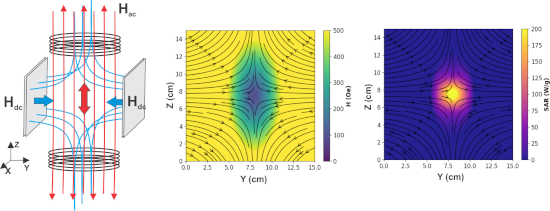
- hyperthermia; magnetic nanoparticles; magnetic particle imaging; specific absorption rate; static magnetic field; Introduction Magnetic nanoparticles, mainly iron oxides, are promising materials for the diagnosis and therapy of oncological diseases [1][2][3]. Important fields of application of magnetic
- nanoparticles in biomedicine are magnetic particle imaging (MPI) [4][5][6] and magnetic hyperthermia (MH) [1][2][6][7]. Magnetic hyperthermia uses the ability of magnetic nanoparticles to generate heat under the influence of an external alternating (ac) magnetic field of moderate frequency, f = 200–400 kHz, and
- amplitude, Hac = 100–200 Oe [1][7][8]. In magnetic hyperthermia, magnetic nanoparticles are introduced into the tumor and heated by absorbing the energy of the ac magnetic field. The intensity of heat release is characterized by the specific absorption rate (SAR) of an assembly. Maintaining a temperature in


Polymer nanoparticles from low-energy nanoemulsions for biomedical applications
Beilstein J. Nanotechnol. 2023, 14, 339–350, doi:10.3762/bjnano.14.29
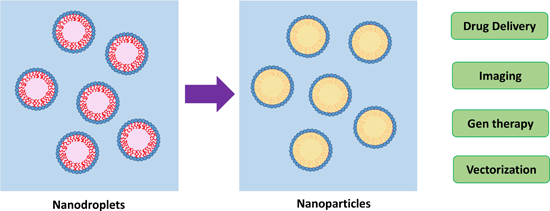
- the absolute value of the surface zeta potential as a result of charge screening. Hydrophobic (oleic acid-coated) magnetic nanoparticles have also been incorporated into PLGA nanoparticles prepared from Kolliphor® EL and Polysorbate 80 nanoemulsions [59]. The starting nanoemulsions had an average




Recent progress in cancer cell membrane-based nanoparticles for biomedical applications
Beilstein J. Nanotechnol. 2023, 14, 262–279, doi:10.3762/bjnano.14.24
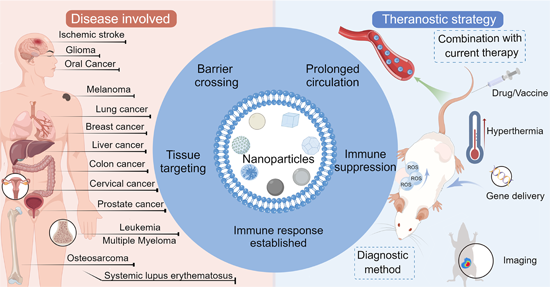
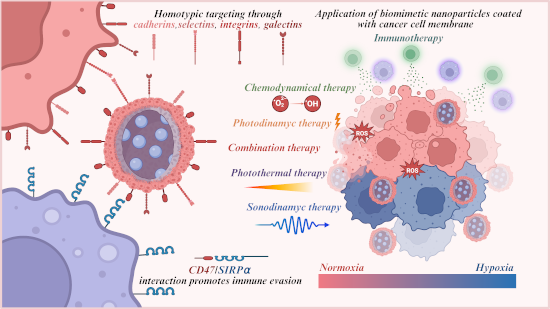
- patients and has shown promise for medical prospects. Some of the applications related to biomimetic cancer cell membrane-coated agents are listed and described below. 5.1 Magnetic resonance imaging Magnetic nanoparticles are widely used in magnetic resonance imaging (MRI) because they can improve imaging


Two-step single-reactor synthesis of oleic acid- or undecylenic acid-stabilized magnetic nanoparticles by thermal decomposition
Beilstein J. Nanotechnol. 2023, 14, 11–22, doi:10.3762/bjnano.14.2
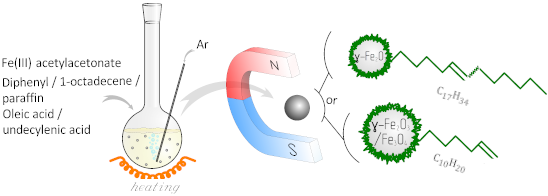
- , wüstite), particularly nanosized particles, show distinct effects on living organisms. Thus, it is of primary importance for their biomedical applications that the morphology and phase-structural state of these materials are investigated. The aim of this work was to obtain magnetic nanoparticles in a
- obtained in a solvent with a high boiling point via displacement reaction of acetylacetone with a higher acid from Fe(III) acetylacetonate during its elimination from the reaction mixture under vacuum conditions. Magnetic nanoparticles (NPM) were characterized in terms of morphology, hydrodynamic diameter
- . Keywords: Fe(III) acetylacetonate; iron oxide nanoparticles; maghemite; magnetic nanoparticles; magnetite; thermal decomposition synthesis; Introduction Magnetic nanoparticles are increasingly being used in various fields thanks to the recent progress in their controlled synthesis and knowledge of their


Studies of probe tip materials by atomic force microscopy: a review
Beilstein J. Nanotechnol. 2022, 13, 1256–1267, doi:10.3762/bjnano.13.104
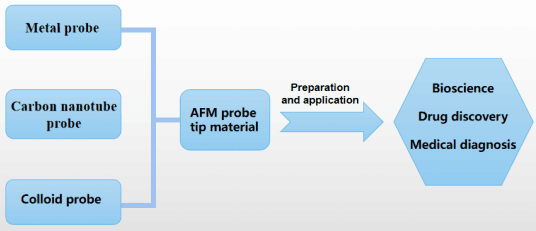
- mechanical properties of the cantilever beam directly affect the performance, measurement resolution, and image quality of the AFM instrument. AFM probe tips [9][10] are generally fabricated with coatings, carbon nanotubes, magnetic nanoparticles, or even protein functionalization. A combination of probe
Theranostic potential of self-luminescent branched polyethyleneimine-coated superparamagnetic iron oxide nanoparticles
Beilstein J. Nanotechnol. 2022, 13, 82–95, doi:10.3762/bjnano.13.6
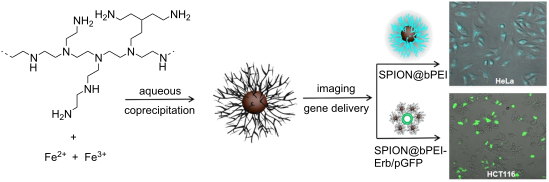
- nanoparticles (12.5 mg/mL) contain 380 µg Erb/mL. PIC and pGFP loading to luminescent magnetic nanoparticles (SPION@bPEI/PIC or SPION@bPEI/pGFP) Polyinosinic–polycytidylic acid sodium salt (Sigma-Aldrich, USA) was dissolved in nuclease-free water to a final concentration of 10 mg/mL. In order to make double
- images related to polymer-coated magnetic nanoparticles show that these nanoparticles seem to be agglomerated, which is due to the protruding of near particles under vacuum. It is difficult to see the PEI polymer coating around the crystal by TEM. However, it is possible to distinguish the polymer
- difficult to distinguish the percentage of magnetite and maghemite in magnetic nanoparticles. However, electron paramagnetic resonance (EPR) spectroscopy analysis can be applied to overcome this problem. According to EPR spectroscopy results, SPION@bPEI nanoparticles synthesized in situ were composed of 23




Heating ability of elongated magnetic nanoparticles
Beilstein J. Nanotechnol. 2021, 12, 1404–1412, doi:10.3762/bjnano.12.104
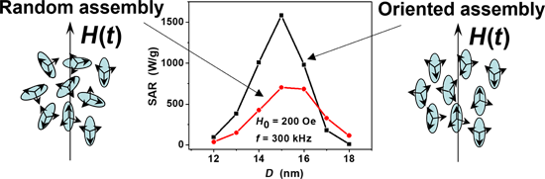
- of magnitude with an increase in the volume fraction of nanoparticles in a cluster in the range of 0.04–0.2. Keywords: elongated magnetic nanoparticles; magnetic hyperthermia; numerical simulation; specific absorption rate; Introduction Magnetic nanoparticle assemblies have great potential for the
- use in biomedicine, in particular, in magnetic hyperthermia [1][2][3][4], a new promising approach for cancer treatment. In this method, magnetic nanoparticles introduced into a tumor and excited by an alternating (ac) low-frequency magnetic field are able to warm up malignant tissues locally. In most
- cases this stops the tumor growth and results in its decay. However, it are magnetic nanoparticles with low toxicity and a high specific absorption rate (SAR) of the energy of the ac magnetic field that are needed in magnetic hyperthermia. The use of optimized assemblies of magnetic nanoparticles can


Biocompatibility and cytotoxicity in vitro of surface-functionalized drug-loaded spinel ferrite nanoparticles
Beilstein J. Nanotechnol. 2021, 12, 1339–1364, doi:10.3762/bjnano.12.99
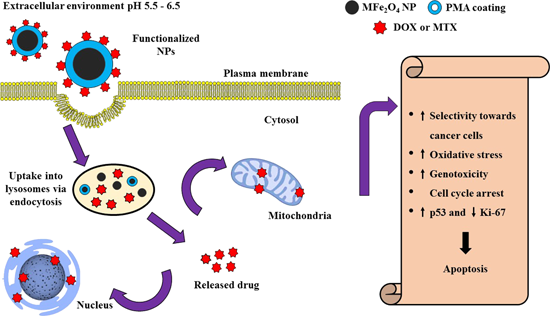
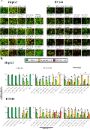
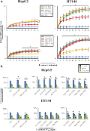
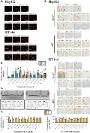
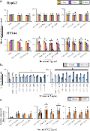
- permeability and retention (EPR) effect [7]. Magnetic nanoparticles (MNPs) have gained significant attention as effective drug delivery systems due to their distinct physiochemical attributes, high surface-to-volume ratio, and the possibility of surface functionalization [8]. Furthermore, magnetic-field





Use of nanosystems to improve the anticancer effects of curcumin
Beilstein J. Nanotechnol. 2021, 12, 1047–1062, doi:10.3762/bjnano.12.78
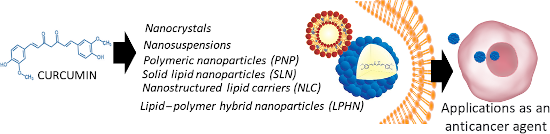
- that respond to external stimuli (i.e., magnetic nanoparticles and photodynamic therapy). Previous studies showed that the effects of CUR were improved when loaded into nanosystems as compared to the free compound, as well as synergist effects when it is co-administrated alongside with other molecules
- anticancer activity, including liposomes, nanoemulsions, nanocrystals, nanosuspensions, and polymeric nanoparticles, as well as dual effect nanosystems which respond to external stimuli (mainly magnetic nanoparticles and photodynamic therapy), in addition to internal ones. Furthermore, key design factors
- respond to various external stimuli such as light [125], magnetic fields [126], ultrasound [127] and electric fields [128], or magnetic nanocarriers that respond to changes in pH by increasing the selectivity of the release site [129]. Magnetic nanoparticles (MNP). Magnetic nanoparticles contain molecules


Recent progress in actuation technologies of micro/nanorobots
Beilstein J. Nanotechnol. 2021, 12, 756–765, doi:10.3762/bjnano.12.59
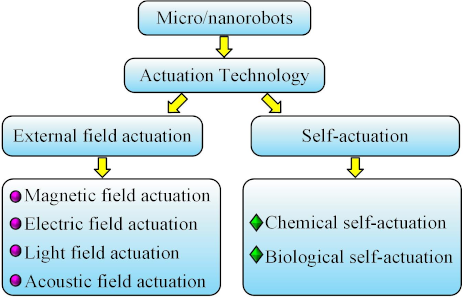
- a magnetically actuated robotic system capable of fully automated manipulation of cells and microbeads and prepared a magnetic U-shaped robot, which was actuated with five electromagnetic coil controllers to generate a gradient magnetic field. In order to prepare a magnetic U-shaped robot, magnetic
- nanoparticles and photoresist are uniformly mixed and a U-shaped pattern is processed by photolithography. The robot could capture and automatically transport microbeads injected with chemicals to specific locations in neurons under the control of a gradient magnetic field, which has potential applications in





