


Search results
Search for 抖音 AI文案帮写 功能入口 2026年1月 最新位置 in Full Text gives 2681 result(s) in Beilstein Journal of Nanotechnology. Showing first 200.
Fractional shot noise of an SU(N) Kondo system
Beilstein J. Nanotechnol. 2026, 17, 515–540, doi:10.3762/bjnano.17.34
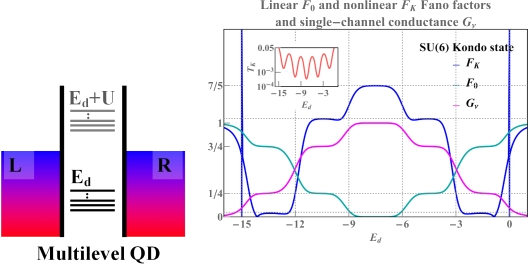
- both fundamental physics and potential quantum information applications, detection, and sensing [1][2][3][4]. To achieve these goals, the increasing ability to manipulate quantum states is crucial. As electrons are confined in fewer dimensions and as the size of the dot decreases, the charging energy
- ] and for cold atoms in [40]. There are also reports on Kondo effects for N > 6, for example, the SU(12) Kondo effect in carbon nanotubes has been analyzed in [41]. In the SU(N) case, the system has N flavors instead of spin-up and spin-down, and the three Pauli matrices are generalized to (N2 − 1
- need of separating shot noise from background 1/f noise caused by fluctuations in the physical environment [66]. The shot noise is a purely nonequilibrium property that results from the fact that current is not a continuous flow but a sum of discrete pulses in time. Shot noise is a zero-frequency


![[Graphic 127]](/bjnano/content/inline/2190-4286-17-34-i187.svg?max-width=637&scale=1.18182)

Probing internal continua and atomic ultrafast charge transfer within size-controlled nanoparticles by post-collision interaction in core-hole clock spectroscopy
Beilstein J. Nanotechnol. 2026, 17, 505–514, doi:10.3762/bjnano.17.33
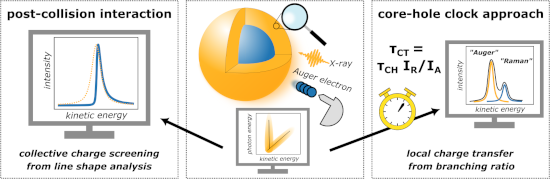
- -collision-interaction; quantum dots; resonant Auger spectroscopy; Introduction The interplay of electron localization, itinerance, and charge transfer is essential to functional nanoparticles and quantum dots (QDs) [1][2][3][4][5][6]. In terms of electronic structure properties, materials on the nanoscale
- distribution. As indicated below in Figure 1, resonant Auger electron spectra are used to determine atomic charge transfer times based on the branching into localized and delocalized final states during the core-hole lifetime. We observe a significant reduction of charge transfer times within the ZnS shell for
- properties of materials within a single measurement. The experiment was done with freshly grown, commercially obtained CdSe/ZnS core–shell nanoparticles with a constant CdSe core size of 3.5 nm and varying shell thicknesses of 1, 3, 7, 11 and 15 double layers (DL) of ZnS (PlasmaChem GmbH). A full



Upcycling agroindustrial waste into graphene oxide supports for gold nanoparticles: toward sustainable nanomaterials
Beilstein J. Nanotechnol. 2026, 17, 489–504, doi:10.3762/bjnano.17.32
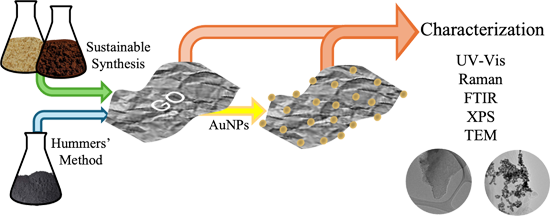
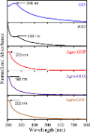
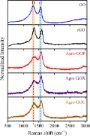
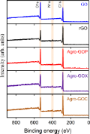
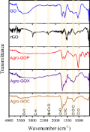
- ; hybrid nanocomposites; plasmonic nanomaterials; surface functionalization; Introduction Graphene oxide (GO), due to its unique physicochemical properties, is widely explored regarding a range of applications, including sensors, water purification, and energy storage and conversion [1][2][3][4][5]. GO is
- pyrolysis process (350 °C for 1 h and 900 °C for 3 h), producing amorphous carbon that required further oxidation; this route is energy-intensive and generates impurities, making a modified Tour treatment necessary, with the drawback of strong oxidants and substantial chemical waste [18]. Similarly, Sujiono
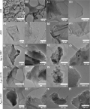
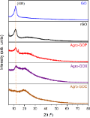
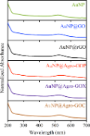
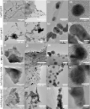
- coagulated using ethyl ether and dried under vacuum. Synthesis of agricultural-waste graphene oxide Pyrolysis of peanut shells and spent coffee grounds was carried out following the procedure described in [20]. 1 g of the sieved biomass was mixed with 0.1 g of ferrocene, placed in a covered crucible, and



Defects and defect-mediated engineering of two-dimensional materials: challenges and open questions
Beilstein J. Nanotechnol. 2026, 17, 454–488, doi:10.3762/bjnano.17.31
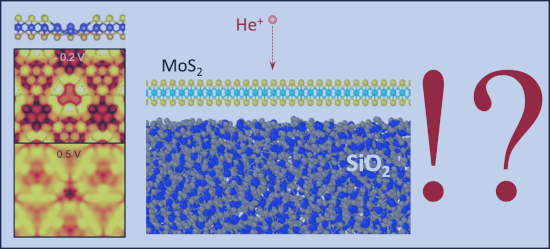
- ; Introduction Defects, which appear in crystalline solids at finite temperatures due to the second law of thermodynamics, are also present in two-dimensional (2D) systems, an important class of materials that have recently received enormous amount of attention due to their unique properties [1]. Moreover, many
- surface of WS2, resulting in rapid desorption from the surface at room temperature. The short residence time limits encounters with reactive defect sites, leading to a small effective reaction cross section for vacancy dimers and trimers; dissociation requires overcoming a finite barrier (see Figure 1
- transition taking place above 1% Re [135]. Vu et al. observed a linear increase of hole concentration in Nb-doped WS2 from 3%–8% [136]. Finally, Li et al. found V-doping to reduce the electron concentration of MoS2, which still remained n-type even at 10% V-doping [137]. As a result, compared to conventional





Nanocarrier-integrated multilayer films produced by 3D printing for improved skin adhesion and curcumin photostability
Beilstein J. Nanotechnol. 2026, 17, 440–453, doi:10.3762/bjnano.17.30
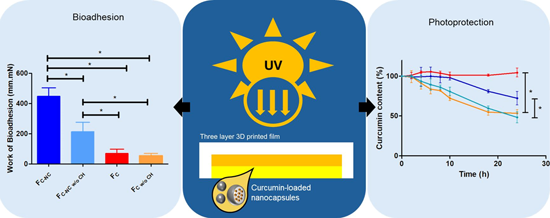
- formulations, drug combinations, and release profiles can be developed in the form of either immediate-release or extended-release options [1][2]. Several 3D printing techniques can be applied to pharmaceutical development, including material jetting, fused deposition modelling, stereolithography, selective
- hydrophilic membrane, Millipore®), corresponding to a 500-fold dilution, as shown in Equation 1. The zeta potential was determined by measuring electrophoretic mobility at 25 °C using the same instrument (Zetasizer® Nano ZS, ZEN 3600, Malvern Instruments, USA). Prior to analysis, the samples were diluted 500
- content and the non-encapsulated curcumin content. Production of the printing Inks Three different polymeric hydrogels or hydrogel blends were produced, corresponding to the three distinct layers of the film. Table 1 presents the composition of the different hydrogels prepared and used as printing inks


First-principles study on elastic properties of Cu, (Cu1−x,Nix)3Sn and interfacial mechanical properties of (Cu1−x,Nix)3Sn/Cu in the lead-free solder joint
Beilstein J. Nanotechnol. 2026, 17, 428–439, doi:10.3762/bjnano.17.29
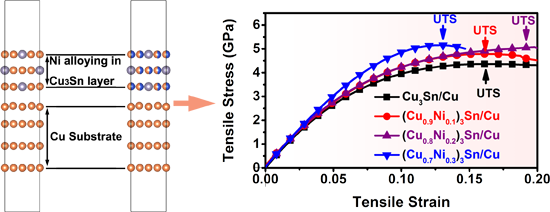
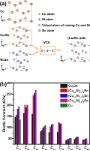
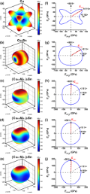
- environmental pollution; thus, the use of lead-containing solder in electronic device packaging has been restricted by legislation [1]. In the last few decades, aiming to replace lead-containing solders, great efforts have been dedicated to develop lead-free solder with respect to cost-effectiveness
- , wettability, melting point, corrosion resistance, and mechanical and electrical properties [1][2]. A series of binary alloy solders, like Sn-Zn alloys [3], Sn-Cu alloys [4], Sn-Ag alloys [5], and Sn-Bi alloys [6], have been extensively investigated. Moreover, ternary and quaternary alloys have recently
- . Therefore, high-lead solder remains the preferred choice for high-temperature applications at present [1]. In view of the fact that Ni and Pb belong to the same group in the periodic table of elements and have similar chemical and electronic properties [10], researchers have been intrigued to enhance the


Nanoinformatics: spanning scales, systems and solutions
Beilstein J. Nanotechnol. 2026, 17, 423–427, doi:10.3762/bjnano.17.28

- nanoscale and advanced materials (so-called multi-criteria optimisation), and as a key driver of the knowledge and digital transitions that will underpin the next decade of industrial innovation as shown schematically in Figure 1. This thematic issue includes 13 articles (10 original research papers, two
- perspectives, and one review paper) that provide a snapshot of recent exciting developments in nanoinformatics, and is an output from the Beilstein Nanotechnology symposium [1] of the same name, held in October 2022. The advances presented are clustered around four key needs, including (i) prediction of
- artificial intelligence (AI) and ML approaches to nanomaterials disease therapy, environmental remediation, and to support implementation of the framework for Safe and Sustainable by Design (SSbD); and (iv) infrastructure and tools to underpin the implementation of nanoinformatics. Given the heterogeneity of

Biomimetic nanoparticles in cancer photodynamic therapy: a review of targeted delivery systems and therapeutic outcomes
Beilstein J. Nanotechnol. 2026, 17, 396–422, doi:10.3762/bjnano.17.27
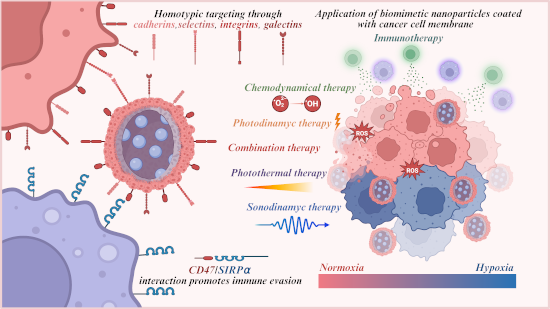
- Valentina I. Gorbacheva Alexey S. Grabovoy Polina S. Marukhina Anastasiia O. Syrocheva Ekaterina P. Kolesova Sirius University of Science and Technology, 1 Olympic Avenue, Sirius, Krasnodar Region, 354340, Russia 10.3762/bjnano.17.27 Abstract Photodynamic therapy (PDT) is a minimally invasive
- reduced systemic toxicity [1]. Among emerging treatments, photodynamic therapy (PDT) has garnered considerable attention due to its minimally invasive nature, spatiotemporal control, and ability to selectively destroy tumor tissues while sparing healthy cells [2]. PDT operates through a unique mechanism
- , producing radical species such as superoxide anions, while type-II reactions involve energy transfer, generating singlet oxygen, the primary cytotoxic agent in PDT (Figure 1). Although nanostructured PSs are often associated with type-I reactions and molecular PSs with type-II reactions, the generation of


Eco-efficient materials for agricultural crops based on a mineral rich in MOR- and HEU-type zeolites
Beilstein J. Nanotechnol. 2026, 17, 381–395, doi:10.3762/bjnano.17.26
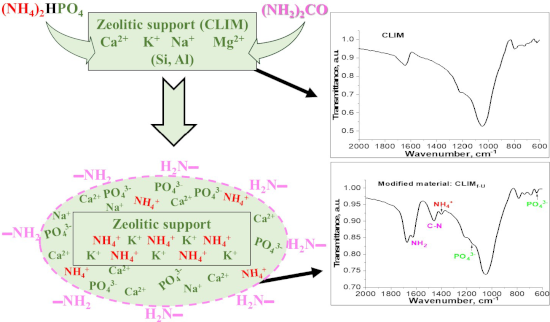
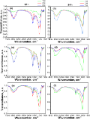
- tests. The complexity of the multiphase zeolitic support leads to changes in the position and intensity of FTIR bands compared to other similar materials developed using simpler zeolitic carriers dominated by HEU zeolite. The most intense NH4+ band was observed at 1402 cm−1, while for a HEU zeolite it
- was at 1540 cm−1. This difference was associated with a higher NH4+ content in MOR compared to HEU. Accordingly, the shift experienced by the urea amino group bands when it interacts with the frameworks of these zeolites is different. The applied treatments did not affect the structures (as evidenced
- consequent drag and infiltration under the action of irrigation water and rain [1]. This problem, which is also associated with volatilization and emission of NO, NH3, and other gases into the atmosphere, poses severe risks to the environment and causes serious damage to human health [2]. Minerals rich in




Polycatecholamine nanocoatings on stainless steel: the effect on attachment of human fibroblasts and platelets
Beilstein J. Nanotechnol. 2026, 17, 365–380, doi:10.3762/bjnano.17.25
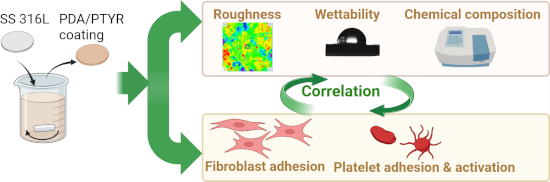
- Engineering, Warsaw University of Technology, Warynskiego 1, 00-645 Warsaw, Poland Section of Experimental Oncology and Nanomedicine, Department of Otorhinolaryngology, Head and Neck Surgery, Universitätsklinikum Erlangen, Glueckstraße 10a, 91054 Erlangen, Germany 10.3762/bjnano.17.25 Abstract Polydopamine
- : cell–material interactions; Fenton oxidation; hemocompatibility; nanocoatings; polycatechols; Introduction Stainless steel 316L (SS 316L) is an iron-based alloy containing chromium and molybdenum, which promote passivation and corrosion resistance [1]. Owing to its mechanical robustness
- , manufacturability and relatively low cost, SS 316L is widely used for orthopedic and dental implants, bone plates, screws, oral implants, and vascular stents [1][2][3][4][5]. In dental and orthopedic applications, fibroblast attachment, spreading, migration, and osteointegration are critical for long-term implant




Ferroelectric nanodot reservoir for neuromorphic computing
Beilstein J. Nanotechnol. 2026, 17, 352–364, doi:10.3762/bjnano.17.24
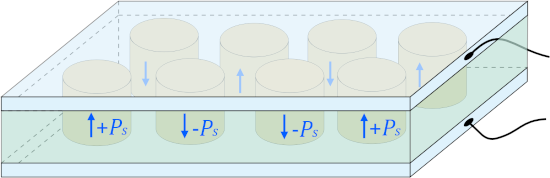
- architecture and processing mechanisms of the human brain to achieve energy-efficient and adaptive information processing [1][2][3][4][5][6]. Among various neuromorphic approaches, reservoir computing has emerged as a particularly promising paradigm, owing to its conceptual simplicity and hardware amenability
- processing by exploiting polarization dynamics under external input signals. Figure 1 illustrates two conceptual configurations of the ferroelectric-based reservoir and its integration into a neuromorphic computing framework. In Figure 1a, a single input channel delivers time-dependent electrical or optical
- distinguishes it from traditional logic-oriented implementations and brings it closer to biologically inspired neural architectures. The distinction between the single- and multiinput configurations shown in Figure 1 reflects the system’s scalability and adaptability. In real-world neuromorphic systems


Interconnection morphology effects on the radio frequency response of carbon nanotube sponges
Beilstein J. Nanotechnol. 2026, 17, 343–351, doi:10.3762/bjnano.17.23
- Manuela Scarselli Javad Rezvani Zeno Zuccari Mattia Scagliotti Simone Tocci Dipartimento di Fisica, Università di Roma Tor Vergata, Via della Ricerca Scientifica 1, 00133 Roma, Italy INFN-Sezione di Roma Tor Vergata, Via della Ricerca Scientifica 1, 00133 Roma, Italy University of Camerino
- conditions [1][2]. Novel alternative materials including conducting polymers [3], nanocarbon-based materials like carbon fibres [4], carbon nanotubes (CNTs), their composites [5][6][7], and more recently graphene [8][9] have been the focus of extensive research. Above materials fulfil the requirements of
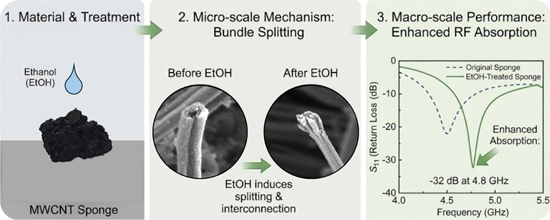
- from the as-grown CNS sample and the film of MWCNTs grown on a Si substrate as comparison (Figure 1). We observed that both samples have a resonance peak; for the CNT film, it is S11 = −23.0 dB at 4.40 GHz, and for the CNS sample, it is S11 = −22.6 dB at 4.78 GHz. The result found for the MWCNT film is




Beam shaping techniques for pulsed laser ablation in liquids: Unlocking tunable control of nanoparticle synthesis in liquids
Beilstein J. Nanotechnol. 2026, 17, 309–342, doi:10.3762/bjnano.17.22
- ) [1][2][3][4][5] is an increasingly employed nanoparticle synthesis technique, first established in the 1990s [6][7]. This method involves focusing high-energy laser pulses onto a solid target submerged in a liquid medium [8]. As the laser interacts with the target, it triggers rapid ionisation
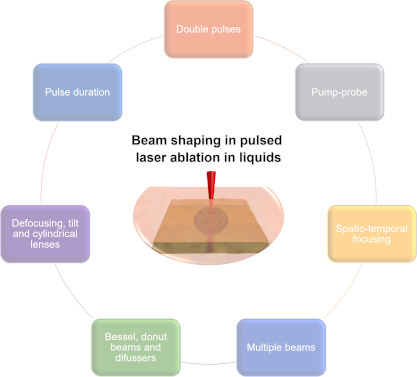
- yield, demonstrating that scale-up is feasible and cost-effective [14]. Figure 1 provides a comparative overview of these methods, considering the key factors: elemental flexibility, environmental friendliness, synthesis purity, health and safety, productivity, process complexity, and degree of remote
- and avoiding nonlinear optical effects [17]. Upon reaching the target, the laser pulse induces rapid electronic excitation, leading to the injection of electrons into the surrounding liquid, within the first few picoseconds, from 1 to 20 ps [18]. This triggers the formation of a dense plasma composed







Calculation of the dynamic stiffness of a cantilever under torsional oscillation
Beilstein J. Nanotechnol. 2026, 17, 303–308, doi:10.3762/bjnano.17.21
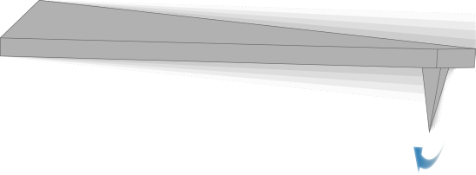
- : atomic force microscopy; dynamic stiffness; energy dissipation; friction; torsional oscillation mode; Introduction Friction serves as a fundamental mechanism of energy dissipation [1]. While friction typically arises from direct mechanical contact between surfaces, energy dissipation can also occur even
- angle for the oscillation amplitude is represented by θA. The cantilever is fixed at x = 0 and is free at x = L. A tip is attached at x = l, and the moment of inertia of the tip along the x axis is μI with μ ≪ 1, as illustrated in Figure 1b. Note that the geometric contribution of the tip is included in
- Ip = b3t/12 is the polar moment of inertia, and Ct is the torsional rigidity [25][26]. Results First, we consider a static torsion. The solution to Equation 1 is under the boundary conditions of θ(0, t) = 0 and θ(l, t) = θA. Next, we consider dynamic oscillations with a specific tip configuration

Fast vortex dynamics and relaxation times in NbRe-based heterostructures
Beilstein J. Nanotechnol. 2026, 17, 292–302, doi:10.3762/bjnano.17.20
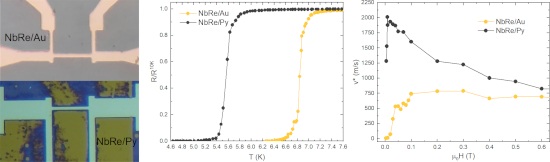
- ; superconductivity; vortex dynamics; Introduction Vortex dynamics plays a central role in the electrical transport under magnetic fields in type-II superconductors and is an essential subject of research in superconductivity [1]. In inhomogeneous type-II superconductors, structural defects create pinning centers
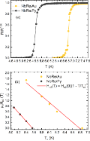
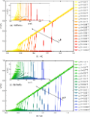
- ]. The enhancement of vortex dynamics and the reduction of τE are strongly linked to the optimization of quasiparticle relaxation mechanisms. Excited quasiparticles can relax primarily through two processes, namely thermal electron–phonon (e–ph) interaction and electron–electron (e–e) recombination [1
- strongly depend on the microscopic properties of the superconductor and on the degree of electronic disorder [1]. In this context, NbRe has emerged as a promising material that exhibits exceptionally fast vortex dynamics [19]. Extensive structural characterizations performed by X-ray diffraction have shown


Advancing nanolithography: a comprehensive review of materials for local anodic oxidation with AFM
Beilstein J. Nanotechnol. 2026, 17, 275–291, doi:10.3762/bjnano.17.19
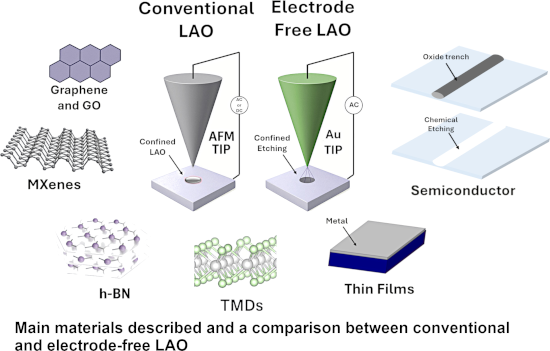
- provide a comprehensive understanding of material selection in LAO and its implications for advancing nanotechnology. Keywords: local anodic oxidation; nanofabrication; scanning probe lithography; Review 1 Introduction Advancements in nanotechnology have led to the development of numerous nanoscale
- fabrication techniques, with scanning probe lithography (SPL) [1] gaining prominence as a versatile method for high-resolution patterning, particularly in the early 2000s. SPL encompasses multiple methods, including nanomechanical processing [2], AFM bias-induced lithography [3], dip-pen nanolithography [4
- the AFM tip relative to the substrate, the intense electric field (E > 107 V·m−1) [23] within the water meniscus drives oxygen-containing ions (e.g., OH− and O2−) towards the substrate surface. This triggers the oxidation reaction. At the substrate, the ions react with the material, forming newly


Durable antimicrobial activity of fabrics functionalized with zeolite ion-exchanged nanomaterials against Staphylococcus aureus and Escherichia coli
Beilstein J. Nanotechnol. 2026, 17, 262–274, doi:10.3762/bjnano.17.18
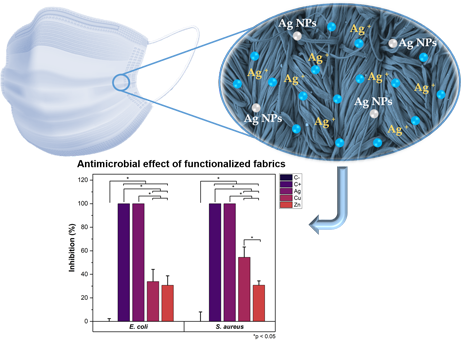
- nanotechnology has expanded into different areas of science, including physics, chemistry, biology, and medicine, over the past few decades [1][2]. Recently, nanoparticles (NPs), nanomaterials, and nanocomposites have been applied in various fields, including medicine and biotechnology, to reduce the recurrence
- a self-cross-linking binder. The functionalized textiles were tested against S. aureus, Escherichia coli (E. coli), Klebsiella pneumoniae, Klebsiella oxytoca, Proteus mirabilis, and Aspergillus niger. It has been shown that at concentrations of 100 and 150 μg·mL−1, Ag NP-functionalized cotton and
- bacteria. The synthesis conditions, including concentration (1% and 2%), temperature (25 and 80 °C), and order of the ZnO NP application during the pad–dry–cure method were studied by Eskani and coworkers. Antibacterial activity of the treated fabrics was evaluated against S. aureus and E. coli [34




Multilayered hyperbolic Au/TiO2 nanostructures for enhancing the nonlinear response around the epsilon-near-zero point
Beilstein J. Nanotechnol. 2026, 17, 251–261, doi:10.3762/bjnano.17.17
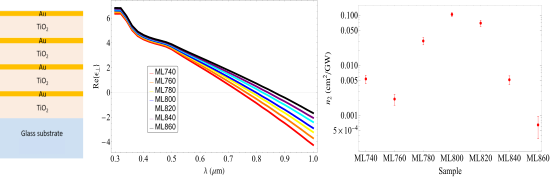
- version of the z-scan technique that allowed us to separate the electronic from the thermal contribution was used. A clear enhancement of the nonlinear response was observed for the sample with an ENZ point around the laser wavelength 800 nm with a nonlinear refractive index of n2 = 0.103 ± 0.006 cm2·GW−1
- properties are completely different than those of the constituting materials and are not simply an average of them [1]. A type of metamaterials that we are particularly interested in are hyperbolic metamaterials (HMMs), whose dispersion relation generates an hyperboloid in the k-space. There are some readily
- refractive index because n2 ∝ 1/n02. Various structures exhibiting hyperbolic dispersion have been fabricated and analyzed. The first experimental realization of a layered hyperbolic material took the form of a hyperlens [6]. In 2012, a significant advancement was made by Subramania et al., who fabricated


Comparative study on 3D morphologies of delignified, single tracheids and fibers of five wood species
Beilstein J. Nanotechnol. 2026, 17, 239–250, doi:10.3762/bjnano.17.16
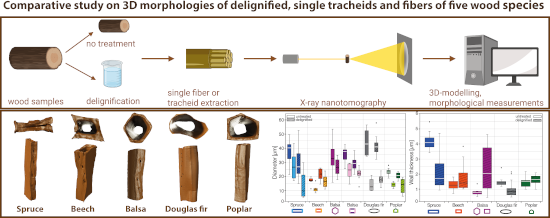
- delignification. The 3D models provide a valuable resource for (1) understanding interspecies differences of fibers and tracheids, (2) optimizing the use of delignified wood in industrial applications (including bio-based and bio-inspired materials), and (3) physical modeling of wood regarding questions of wood
- biomechanics and water management. Keywords: 3D models; delignification; tracheid; wood; X-ray nanotomography; Introduction Wood fibers in hardwood and tracheids in softwood play a crucial role in the structure and function of vascular plants, particularly in water conduction and mechanical support [1][2
- (S1 and S2) and a tertiary wall (T) strongly supplemented by lignin. Apart from the middle lamella (ML) and the primary wall (P), the S2 layer being the thickest of the three main layers (S1, S2, and T), is the most important for mechanical support [1][10][11]. Lignin is present in all layers of the


Gold nanoparticle-decorated reduced graphene oxide as a highly effective catalyst for the selective α,β-dehydrogenation of N-alkyl-4-piperidones
Beilstein J. Nanotechnol. 2026, 17, 218–238, doi:10.3762/bjnano.17.15
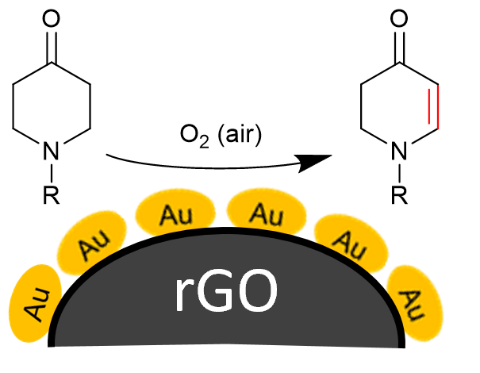
- its reaction product N-methyl-2,3-dihydropyridin-4(1H)-one is highly valuable (>1000 €·g−1) in contrast to the inexpensive starting material (0.15 €·g−1). Various synthesis methods were employed to prepare AuNPs supported on different carbon materials, including reduced graphene oxide (rGO), activated
- scale have led to many catalytic studies at the industrial and laboratory scale [1]. Nanocatalysis is no longer just an academic field, but a rapidly evolving field for industries wishing to develop green and sustainable processes with very high turnover numbers, turnover rates, and stabilities [2]. The
- size, stabilized by SiW9, and supported on the three-carbon materials AC, rGO, and CB by the RD and DP methods were synthesized as depicted in Figure 1. To assess the influence of the preparation methods and the type of the carbon supports, the catalytic activity was evaluated using the model reaction


Micro- and nanoscale effects in biological and bioinspired materials and surfaces
Beilstein J. Nanotechnol. 2026, 17, 214–217, doi:10.3762/bjnano.17.14
- Thies H. Buscher Rhainer Guillermo Ferreira Manuela Rebora Stanislav N. Gorb Department of Functional Morphology and Biomechanics, Kiel University, Am Botanischen Garten 1–9, 24098 Kiel, Germany Lestes Lab, Federal University of Triângulo Mineiro, Uberaba, Minas Gerais, Brazil Dipartimento di
- surface structures and their surroundings at nano-, micro-, and macroscales [1]. The physical constraints shaping such interactions are complex for all organisms, including bacteria, plants, and animals and of relevance across all habitats [2]. Understanding these interactions and the functionality of
- materials research and technology development. Thies H. Büscher, Rhainer Guillermo Ferreira, Manuela Rebora, and Stanislav N. Gorb Kiel, Uberaba, and Perugia, January 2026
Time of flight secondary ion mass spectrometry imaging of contaminant species in chemical vapour deposited graphene on copper
Beilstein J. Nanotechnol. 2026, 17, 200–213, doi:10.3762/bjnano.17.13
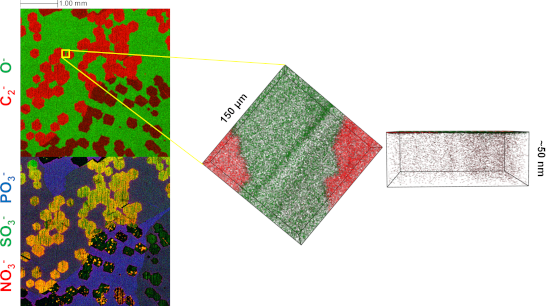
- ; Introduction The development of high quality, high throughput, and highly consistent chemical vapour deposition (CVD) processes for the growth of graphene is one of the major milestones that need to be overcome before the potential properties of graphene can be fully realised for device purposes [1][2][3][4
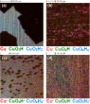
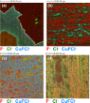
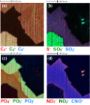
- surface sensitivity (<1 nm depth), low detection limits (ppm and better), high mass resolution to aid identification of chemical species in both molecular and elemental forms [28][29][34], combined with below 30 nm lateral resolution possible under optimal conditions [35]. We investigate a range of
- roughness, measured over an area of 230 µm × 300 µm, from the BO, Ar, and Ar:H2 samples all had Ra values of ≈300 nm, with the EP value decreasing to ≈200 nm [43]. All graphene growth experiments were carried out in a commercial Aixtron Black Magic Pro 4-inch cold wall CVD system at a base pressure of ≈1





Structure-dependent thermochromism of PAZO thin films: theory and experiment
Beilstein J. Nanotechnol. 2026, 17, 186–199, doi:10.3762/bjnano.17.12
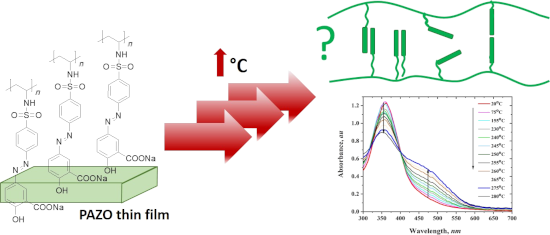
- Faculty of Chemistry and Pharmacy, Sofia University “St. Kliment Ohridski”, 1164 Sofia, Bulgaria Electronics and Telecommunications Research Institute, 218 Gajeong-ro, Yuseong-gu, Daejeon 34129, Republic of Korea 10.3762/bjnano.17.12 Abstract Poly[1-[4-(3-carboxy-4-hydroxyphenylazo)benzenesulfonamido
- physicochemical, optoelectronic, and even biophysical properties creates myriad opportunities for their application, especially as polymer thin films [1][2]. These films are widely used in modern life as they can be easily tailored to have specific properties like high conductivity, optical transparency, or
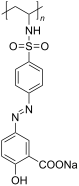
- commercially available poly[1-[4-(3-carboxy-4-hydroxyphenylazo)benzenesulfonamido]-1,2-ethanediyl, sodium salt], usually denoted as PAZO (Figure 1). PAZO possesses a number of unique physical properties, most notably photoinduced birefringence – which are critical for its diverse applications in photonics


Safe and sustainable by design with ML/AI: A transformative approach to advancing nanotechnology
Beilstein J. Nanotechnol. 2026, 17, 176–185, doi:10.3762/bjnano.17.11
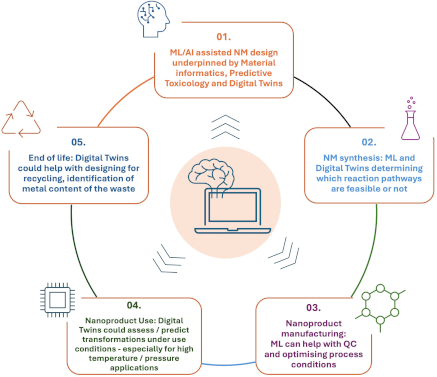
- , temperature, surface coating) on nanomaterial behaviour in complex biological or ecological systems [27]. Examples of AI implications within the NM life cycle are depicted in Figure 1. Crucially, these AI-driven methods harmonize with the SSbD frameworks by embedding safety and sustainability considerations
- . Role of ML/AI for scalability and complexity The increasing complexity of ENMs calls for advanced, data-driven computational tools to enhance analysis and decision-making. ML and AI play a crucial role in this effort, offering powerful capabilities for: (1) Predictive toxicology: AI-driven quantitative
- considerations into the earliest stages of material development. Advances in machine learning (ML) and artificial intelligence (AI) have further enhanced the effectiveness of SSbD by providing predictive modelling, risk assessment, decision-making tools, and the ability to computationally screen candidate


From shield to spear: Charge-reversible nanocarriers in overcoming cancer therapy barriers
Beilstein J. Nanotechnol. 2026, 17, 159–175, doi:10.3762/bjnano.17.10
- therapies (e.g., immunotherapy) underscore the transformative potential of charge-reversible nanocarriers in revolutionising cancer treatment and improving patient outcomes. Keywords: cancer; charge reversible nanocarriers; nanocarriers; targeted therapy; tumour microenvironment; Review 1 Introduction
- malignant breast epithelial cells metastasizing to axillary lymph nodes [1]. Leukaemias and other haematological malignancies spread differently, affecting the bone marrow, lymph nodes, and the blood [2]. According to the latest GLOBOCAN and World Health Organization data, cancer ranks as the leading cause
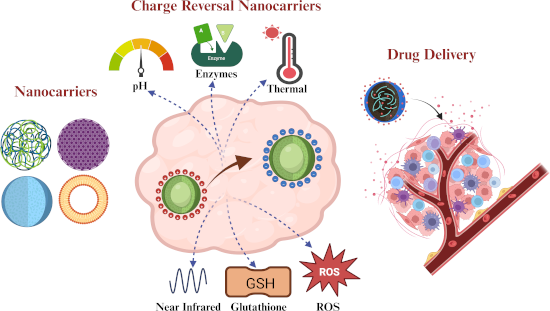
- biodistribution while protecting fragile biomolecules such as proteins and nucleic acids [11]. Through targeted and sustained release, these systems enhance therapeutic efficacy, prolong circulation, and reduce systemic toxicity compared to conventional formulations [12][13]. As illustrated in Figure 1





