


Search results
Search for "O-" in Full Text gives 2272 result(s) in Beilstein Journal of Organic Chemistry. Showing first 200.
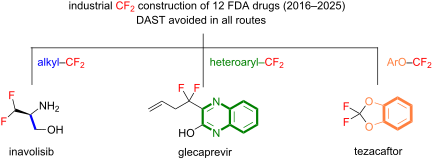
Construction of CF2 moieties in FDA-approved drugs (2016–2025): industrial routes, mechanisms, and scale-up considerations
Beilstein J. Org. Chem. 2026, 22, 1122–1150, doi:10.3762/bjoc.22.91
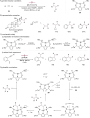
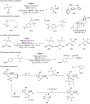
- of C2 by LiHMDS, the resulting enolate potentially faces a competing elimination pathway. A sufficiently bulky silyl group (e.g., triisopropylsilyl (TIPS) or tert-butyldimethylsilyl (TBDMS)) locks the ring into a C3-endo pucker, forcing the C3–O bond into a pseudo-equatorial orientation. This
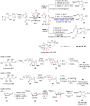
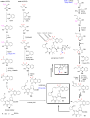
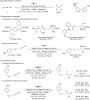
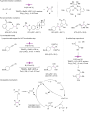
- analogous synthetic route for voxilaprevir is presented in Figure 9 for direct comparison (see section 1.2.2 for discussion). Route a (reported in 2020) [48] adopts an HF elimination strategy: the CF3-containing starting material 93 undergoes quantitative ring closure with o-phenylenediamine, followed by
- -unsaturated β,β-difluoro-α-keto ester 108 (this method was reported in 1995 [50], zinc powder reduction is superior to base elimination). Ring closure with o-phenylenediamine gives 109 (65% yield over three steps). Subsequent dihydroxylation, cyclic carbonate formation, and further transformations afford 111






Rhodopyran, a carboxylated hexahydrocyclopenta[b]pyran from Rhodococcus
Beilstein J. Org. Chem. 2026, 22, 1107–1113, doi:10.3762/bjoc.22.89
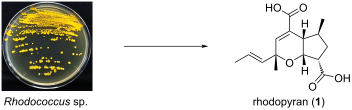
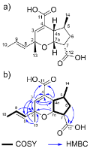
- Michael-type C–C cyclization, whereas closure of the pyran ring could proceed by intramolecular oxa-Michael addition or an epoxide-opening-type O-cyclization. The order of these two ring-forming events cannot be determined from the present data. An alternative catabolic contribution should also be
- metabolism, followed by partial reduction, dehydration, intramolecular aldol- or Michael-type C–C cyclization, intramolecular O-cyclization, and tailoring oxidations. Considering the oxidative and catabolic capacity of Rhodococcus, possible entry from endogenous fatty-acid β-/ω-oxidation intermediates cannot


One-pot four-component sequential synthesis of S-alkyl dithiocarbamates using lipase as a biocatalyst
Beilstein J. Org. Chem. 2026, 22, 1048–1056, doi:10.3762/bjoc.22.83
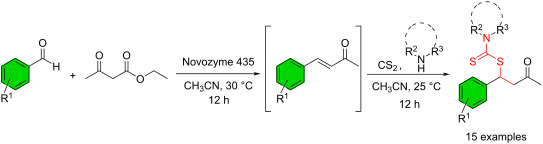
- function to hydrolytically break or form C–O bonds as part of their physiological role [30]. Beyond this, lipases exhibit remarkable catalytic promiscuity, enabling them to catalyze the formation of carbon–carbon and carbon–heteroatom bonds [31][32]. This behavior has been exploited in a variety of
- were treated with various Michael acceptors to yield products 6k–o (Scheme 4). Aldehydes bearing electron-withdrawing substituents, such as 4-chloro (6l, 85%) and 3-NO2 (6o, 76%) also afforded the desired products in good to excellent yields. These results indicate that the methodology is compatible
- ) relative to TMS. Mass spectra were recorded with Agilent Technologies (HP) 5975c and G7081B mass spectrometers. Synthesis of S-alkyl ditihocarbamates 6a–o A mixture of aldehyde (0.1 mmol), ethyl acetoacetate (0.15 mmol), acetonitrile (1 mL), 0.05 mmol of aniline, and 30 mg of Novozyme 435 was added to the


Synthesis of novel 1,2,4-oxadiazole-isoxazoline hybrids and their in silico potential with adenosine receptors
Beilstein J. Org. Chem. 2026, 22, 1033–1047, doi:10.3762/bjoc.22.82
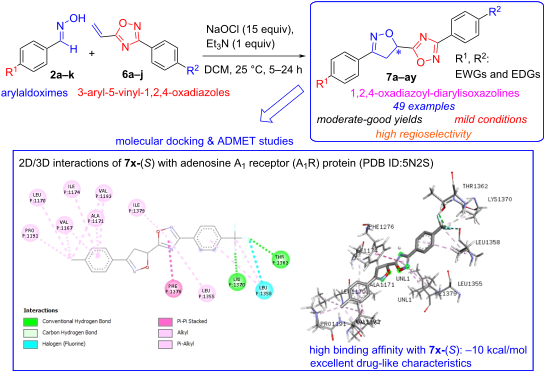
- ][9][10][11][12][13]. A notable therapeutic application is found in Ataluren®, a drug for for the treatment of Duchenne Muscular Dystrophy (DMD), which features a 1,2,4-oxadiazole scaffold [14] (Figure 1). In addition to oxadiazoles, numerous five-membered O,N-containing heterocycles have been
- , may also contribute to reduced yields for compounds 6a–j. The structures of benzaldoximes 2a–k were simply characterized by IR stretching peaks corresponding to O–H, C=N, aromatic C=C, aromatic C–H, oxime C–H, and N–O groups (approximately 3250, 1600, 1500, 3040, and 1005 cm−1) (see Experimental
- section). Similarly, the structures of p-substituted phenyl vinyl 1,2,4-oxadiazoles 6a–j were established primarily through IR absorptions attributed to C=N, C–O, and N–O stretching vibrations (approximately 1646, 1250, and 830 cm−1). Structural confirmation was further supported by the observation of


Synthesis and optical resolution of 4,5-diaminohomoadamantane: a promising scaffold for chiral ligands and bioactive compounds
Beilstein J. Org. Chem. 2026, 22, 1013–1022, doi:10.3762/bjoc.22.80
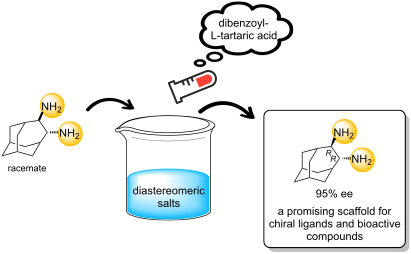
- and O have been prepared recently (Figure 2) [69][83][84]. Results and Discussion Synthetic approaches to cage vicinal diamines are actively studied, as their rigid cage framework makes them promising ligands for asymmetric catalysis. In continuation of the theme of our studies [75][77][81], we


Z-Selective semihydrogenation of alkynes via Ni/Lewis acid synergistic catalyzed system using DMF as hydrogen source and solvent
Beilstein J. Org. Chem. 2026, 22, 1004–1012, doi:10.3762/bjoc.22.79
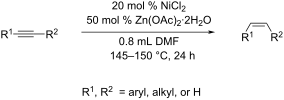
- -withdrawing groups (trifluoromethyl 2f; halogens 2g–o), and even an amide moiety (2p) were smoothly converted to the corresponding (Z)-stilbene derivatives in good to excellent yields (70–95%), with uniformly high stereoselectivity (Z/E = 97:3 to >99:1). The reaction demonstrated excellent functional group



Rh(III)-catalyzed chelation-assisted C–H activation/annulation of 2-arylimidazolines with cyclic diazo-1,3-dicarbonyl compounds: a novel approach to tetracyclic annulated derivatives of 2,3-dihydroimidazo[2,1-a]isoquinoline
Beilstein J. Org. Chem. 2026, 22, 997–1003, doi:10.3762/bjoc.22.78
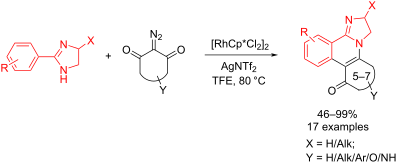
- )-catalysis for the first time. The developed general and efficient approach based on CH-activation allowed the efficient preparation of five novel types of tetraheterocyclic systems derived from 2,3-dihydroimidazo[2,1-a]isoquinolines fused with an additional five-, six- or seven-membered carbocycle or N-/O
- immunosuppressive activity. The latter was used to develop antiasthmatic, pulmonary, and anti-allergy agents acting as platelet-activating factor receptor (PAF-R) antagonists [12][13]. Derivatives with X = H were accessed only via lithiation of 2-(o-tolyl)imidazolines followed by condensation with aromatic esters


Electrochemical reduction of unsaturated carbon–carbon bonds via 3d transition-metal catalysis
Beilstein J. Org. Chem. 2026, 22, 955–981, doi:10.3762/bjoc.22.75
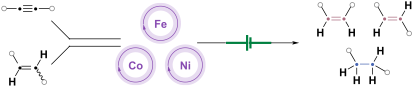
- stoichiometric protonation to afford the hydrogenation product, highlighting the limitations of directly extending the hydride-free ET/PT manifold to C=O bond reduction. In 2024, the Anderson group reported an electrocatalytic semihydrogenation of alkynes [122] enabled by ligand-based storage and delivery of an








Synthesis of sterically shielded piperidine nitroxides via acid-catalyzed heterocyclization of β-aminoketone derivatives with ketones
Beilstein J. Org. Chem. 2026, 22, 948–954, doi:10.3762/bjoc.22.74
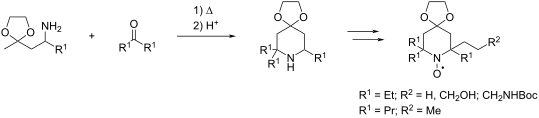
- lower hydrogenation yields for 7b and 7c presumably stem from labile hydrogens in the substituents that promote N–O bond cleavage under hydrogenation conditions, leading to the corresponding amines [37]. It should be noted, however, that this proposed pathway remains speculative and requires further
- spectrum of the nitroxide 9a (TEEPONE) was identical to that reported in the literature [21], and the IR spectrum of 9d was similar, with a strong absorption band at 1716 cm−1, characteristic of the carbonyl (C=O) stretching vibrations. The 1H NMR spectra of the reduced derivatives of 9a,d showed no


Palladium-catalyzed benzocyclization reactions of quinoline-2-carboxamides via sequential C–H/N–H functionalization
Beilstein J. Org. Chem. 2026, 22, 905–914, doi:10.3762/bjoc.22.71
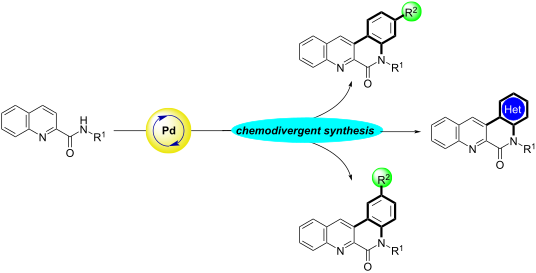
- proceeds at the C–H bond on the quinoline adjacent to the amide group and at the amide N–H bond in the presence of 10 mol % Pd(OAc)2 in o-xylene as a solvent to afford the cyclized product in 34% yield. The yield increases to 81% when the reaction is carried out with 80 mol % P(4-MeOC6H4)3 as a ligand and
- preparation of annulation precursors through o-brominated aniline derivatives [36][37][38][39][40][41]. Furthermore, the reported methodologies for synthesizing N-heterocycle-fused lactams are characterized by either low efficiency or protracted processes [42][43]. On the other hand, benzocyclization
- catalyst (Table 1, entry 7). When the reaction temperature was reduced to 110 °C, 120 °C, or 130 °C, product 3aa was obtained in lower yields in all cases compared with entry 7 (Table 1, entries 8–10). Using o-xylene as the solvent gave results similar to those obtained with DMF (Table 1, entry 11




Cascade transformation of 2-(diazoacetyl)-2H-azirines to 2-aroyl-3-hydroxy-1H-pyrroles via condensation with aromatic aldehydes
Beilstein J. Org. Chem. 2026, 22, 897–904, doi:10.3762/bjoc.22.70
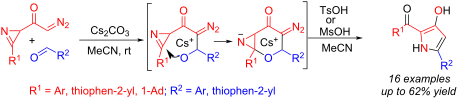
- Timur O. Zanakhov Ekaterina E. Galenko Mikhail S. Novikov Alexander F. Khlebnikov Saint Petersburg State University, Institute of Chemistry, 7/9 Universitetskaya Naberezhnaya, St. Petersburg 199034, Russia 10.3762/bjoc.22.70 Abstract The Cs2CO3-induced condensation of 2-(diazoacetyl)-2H-azirines
- starting diazoketone 1a–i and l, while under the conditions used it was not possible to achieve complete conversion of diazoketones 1j,k and the yield of compounds 5n,o was 18 and 23%, respectively. The first step of the reaction fails with aliphatic aldehyde (propanal) and the weakly electrophilic N


Diastereodivergent electrophilic trapping of α-boryl lithium derivatives
Beilstein J. Org. Chem. 2026, 22, 882–887, doi:10.3762/bjoc.22.68
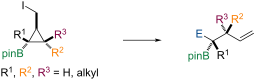
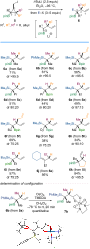
- engaging in diverse bond-forming processes, including C–C, C–O and C–N bond formations [3][4][5][6][7][8][9][10][11][12][13][14][15][16][17][18][19][20][21][22][23][24]. Despite their growing utility, controlling the stereoselectivity in substitution reactions of α-boryl carbanions remains a formidable




Site-specific labelling of native peptides and proteins: chemical and enzymatic strategies
Beilstein J. Org. Chem. 2026, 22, 857–881, doi:10.3762/bjoc.22.67
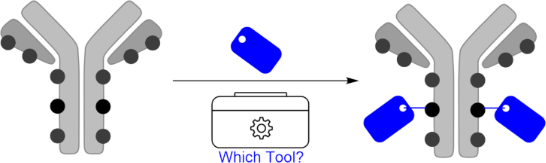
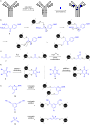
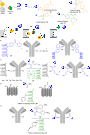
- thiophosphorodichloridate reagents 25, as shown with hexahistidine-tagged proteins (Scheme 9d) [94]. Aspartate and glutamate, while weakly nucleophilic, can undergo O-alkylation via diazo compounds 26 (Scheme 9e) [95][96]. Arginine, traditionally difficult to modify due to its high pKa values, can be targeted with
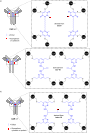
- nearby target residue such as histidine (Scheme 11a) [105], aspartate (Scheme 11b) [106] and lysine (Scheme 11c) [107]. For example, reagents containing o-hydroxybenzaldehyde (31, 32) and β-nitroalkene (33) can reversibly engage lysine and cysteine residues, respectively, while a proximal electrophile
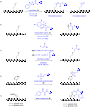
- bioconjugation chemistry [111][112][113], manipulating the composition of native protein glycans, known as glycoengineering, has become a privileged strategy for site-specific modification without altering the protein’s native amino-acid sequence. This approach requires the target protein to be N- or O








The trans-influence in gold chemistry from a catalytic perspective
Beilstein J. Org. Chem. 2026, 22, 838–856, doi:10.3762/bjoc.22.66
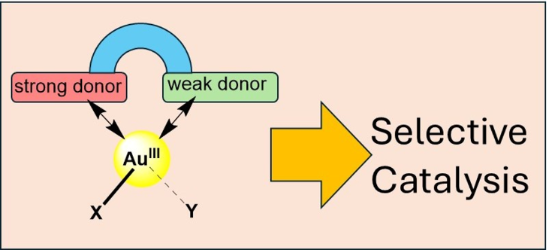
- trialkylphosphines, anionic carbon and hydride ligands. N- and O-lone pair donors (pyridine, water) are weak ligands. The following indicative series is typical for Pt(II), although there may be slight variations in the specific ordering depending on the complex type under investigation: CO, CN−, C2H4 > P(alkyl)3
- into gold hydrides by stepwise O-transfer reactions to phosphine (Scheme 6) [55]. Quite a different mechanism for the conversion of Au–OH into Au–H was found by Goldberg and co-workers for the hydrogenolysis of [(P^C^P)AuOH]+, which requires an acid catalyst [56]. A mechanistically similar heterolytic
- proved not possible due to the trans-influence of the N donor, which renders (C^N^C)AuH stable to hydrolysis (Scheme 8) [30]. A by-product of this cycle is the gold(III)–CO2 complex 14, also obtainable from [(C^N^C)Au]2O by insertion of CO into the Au–O bond. More recently, Nevado et al. isolated a


Unsymmetrical sulfoxides with sterically hindered catechol fragment: synthesis, structure, electrochemical properties, and antiradical activity
Beilstein J. Org. Chem. 2026, 22, 828–837, doi:10.3762/bjoc.22.65
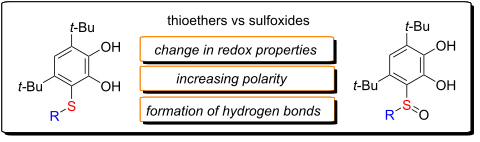
- -withdrawing nature of the S=O group. The second redox stage characterizes the transformation of the sulfoxide fragment and is observed in most cases at 1.82–1.91 V. The radical-scavenging activity and antioxidant properties of the unsymmetrical sulfoxides and their precursor thioethers were evaluated using
- ]. However, despite significant progress in the study of catechols with sulfide linkers, the chemistry of sulfoxides and sulfones is still a relatively unexplored area. Polyfunctional catechol thioethers are most commonly synthesized via the Michael reaction between o- or p-benzoquinone and the corresponding
- presence of the readily oxidizable catechol core. The presence of a redox-active catechol moiety adjacent to the sulfoxide group can significantly influence the formation of intra- and intermolecular hydrogen bonds and affect the O–H bond dissociation energy, which in turn may substantially impact the


Total synthesis of the capsular polysaccharide repeating unit towards the development of a glycoconjugate vaccine against Klebsiella pneumoniae ST512
Beilstein J. Org. Chem. 2026, 22, 821–827, doi:10.3762/bjoc.22.64
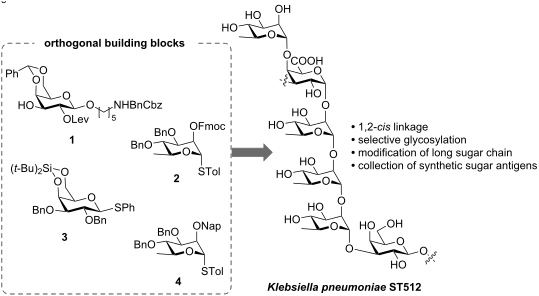
- % yield) followed by treatment with 9-fluorenylmethyloxycarbonyl chloride to install the Fmoc group in 97% yield. The galacturonic acid precursor 3 was prepared from thioglycoside 11. Global deacetylation followed by the introduction of a 4,6-O-silylidene group afforded diol 12 (88% over two steps
- furnished tetrasaccharide 15. Subsequently, donor 3 was coupled with compound 15 under NIS/TfOH promotion to yield pentasaccharide 16 in 89% yield. The stereoselective construction of the 1,2-cis linkage was directed by the bulky 4,6-O-silylidene protecting group of 3. Treatment with HF·pyridine


Halogenated azobenzene acrylates: from efficient solution photoswitching to stable solid-state photochromic materials
Beilstein J. Org. Chem. 2026, 22, 782–794, doi:10.3762/bjoc.22.60
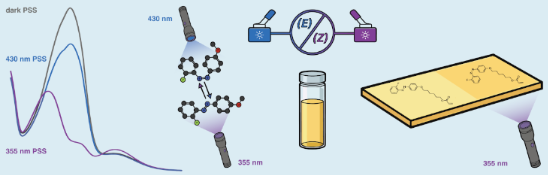
- halogenated azobenzene acrylate monomers bearing fluorine, chlorine or bromine substituents is reported. The monomers were prepared via a facile three-step synthetic route involving azo-coupling, O-alkylation and O-acylation. Apart from the steady electrochemical properties, halogen substitution proved to be
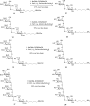
- salts prepared in situ from the commercially available aromatic amines 2a–f [25]. The reaction was buffered by a 10% aq solution of sodium hydroxide and afforded the azobenzenes 3a–f with yields ranging from 41 to 93%. These intermediates were further O-alkylated using 6-chlorohexanol in the presence of


Design, synthesis, and biological evaluation of FXR/ASK1 dual-target modulators
Beilstein J. Org. Chem. 2026, 22, 771–781, doi:10.3762/bjoc.22.59
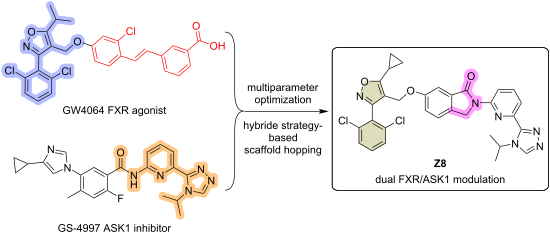
- accumulation. The presence of lipid droplets was confirmed through direct visualization using Oil Red O staining (Figure 3A). The combined treatment with GW4064 and GS4997 exerted a stronger lipolytic effect than either positive control alone, and its activity was comparable to that of Z8. As anticipated, both
- , selonsertib, Z8, Z30, or the combination of GW4064 and selonsertib for 2 h prior to OA stimulation (600 μM). (A) Representative Oil Red O staining images (40×). (B) Quantification of staining intensity by ImageJ. Data are presented as mean ± SD (n = 3). Statistical significance was analyzed by one-way ANOVA


Rongalite addition to dienones: diastereoselectivity in cyclic sulfone synthesis; stereochemical rationalization and prospects as a general conjugate nucleophile
Beilstein J. Org. Chem. 2026, 22, 742–752, doi:10.3762/bjoc.22.56

- ]. There are clearly some subtle interactions that contribute to the observed energy differences between the differently shaped two transition states, but undoubtedly their aggregation leads to a significant overall energy difference. Although one of the aryl rings is close to eclipsing one of the S–O
- methanesulfinate or p-toluenesulfinate and 1 equivalent of Rongalite (50 °C, AcOH/H2O, o/n) led to a mixture of products. These results are tabulated in Table 1. Mixtures of cyclic and acyclic products were obtained in both cases. Our initial interpretation was that the ratios reflected the relative rates of




Synthesis of heterocycles based on azomethine ylides from α-amino acids (or amines) and carbonyl compounds
Beilstein J. Org. Chem. 2026, 22, 705–741, doi:10.3762/bjoc.22.55
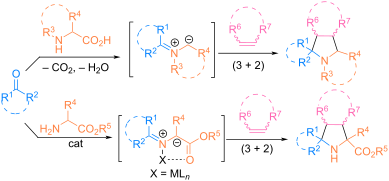
- constraints and π–π interactions occurring in transition state E between the aromatic rings of the enone and iminoester substrates. It has been also demonstrated that in this particular (3 + 2) cycloaddition reaction ligand L9 acts as a pseudo-bidentate ligand. The formation of the enone Cu−O bond and the
- of a five-membered N,O-bidentate metalated azomethine. At the same time, a suitable coordinating nitrogen-containing heterocycle, such as a 2-pyridyl group, can also provide sufficient activation via the formation of an N,N-bidentate metalated azomethine, which facilitates asymmetric cycloaddition
- due to the possibility of cycloaddition at the carbon–oxygen double bond (C=O) of the aldehyde, which acts as an alternative to the carbon–carbon double bond (C=C) [83]. In 2016, Sridharan reported a one-pot iridium-catalyzed three-component dehydrogenation/1,3-dipolar cycloaddition cascade reaction


Photoorganocatalytic trifluoromethylation of (het)arenes in green conditions
Beilstein J. Org. Chem. 2026, 22, 662–671, doi:10.3762/bjoc.22.50
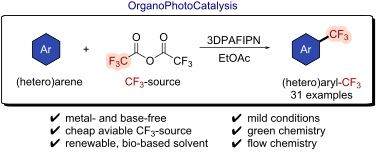
- , including rhodamine B, rhodamine 6G, eosin Y, riboflavin, methylene blue, THPP (tetrahydroxyphenylporphyrin), Birch O-PC™ C0103 (benzo[ghi]perylene monoimide) [28], 4CzTPN (tetracarbozalylterephthalonitrile), and 4CzIPN (tetracarbozalylisophthalonitrile), did not afford the desired product (Table 2, entry 1
- ); unreactive substrates are shown in Supporting Information File 1, Schemes S4 and S5. Benzene, toluene, tert-butylbenzene, biphenyl, naphthalene, o-xylene, and durene afforded the corresponding products 2–8 in moderate yields. In contrast, mesitylene, a less electron-enriched substrate than durene, gave




Hydrogen production from formic acid catalyzed by NHC–Cu complexes
Beilstein J. Org. Chem. 2026, 22, 620–627, doi:10.3762/bjoc.22.48
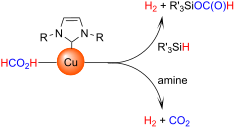
- )] (1a) with formic acid provides the formato species [Cu{OC(O)H}(IPr)] (1b) [52][53]. It was hypothesized that the thermal decarboxylation of 1b would generate in situ a highly reactive hydride species. The reaction of the latter with formic acid would regenerate the formato complex and release H2


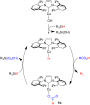

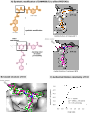
Towards the targeted protein degradation of CK2: design and synthesis of CAM4066-based PROTACs
Beilstein J. Org. Chem. 2026, 22, 611–619, doi:10.3762/bjoc.22.47
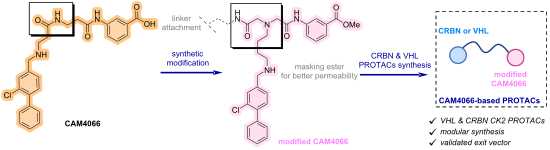
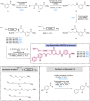
- = dimethylformamide; HATU = O-(7-azabenzotriazol-1-yl)-N,N,N′,N′-tetramethyluronium hexafluorophosphate; THPTA = tris(3-hydroxypropyltriazolylmethyl)amine; TFA = trifluoroacetic acid; VHL = von Hippel–Lindau. Supporting Information Supporting Information File 14: Experimental part and copies of NMR spectra

Regioselective approach to 5-arylsulfonylisoxazoles and their antimicrobial activity
Beilstein J. Org. Chem. 2026, 22, 592–602, doi:10.3762/bjoc.22.45
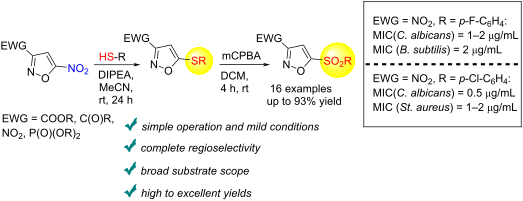
- -sulfonylisoxazoles based on nucleophilic aromatic substitution of the nitro group in 3-EWG-5-nitroisoxazoles by treatment with thiophenols as S-nucleophiles and subsequent oxidation of the thioaryl group (Scheme 1, approach D). Previously, we reported that 3-EWG-5-nitroisoxazoles readily react with various N,O,S


Continuous-flow carbonyl hydrogenation under subatmospheric to atmospheric hydrogen pressure enabled by robust heterogeneous Pt–Fe catalysts
Beilstein J. Org. Chem. 2026, 22, 575–582, doi:10.3762/bjoc.22.43
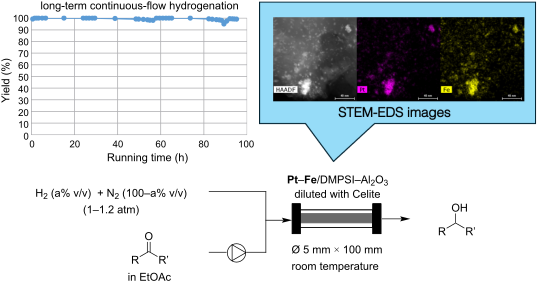
- bimetallic nanoparticles, Al2O3 was added to the mixture, followed by methanol. The resulting solid catalyst was collected by filtration, washed with solvents, and heated twice. Si‒Si bonds in DMPSi were partially oxidized to form Si‒O‒Si bonds during the preparation process, and they became cross-linked to





