


Search results
Search for "disulfide" in Full Text gives 207 result(s) in Beilstein Journal of Organic Chemistry. Showing first 200.
Site-specific labelling of native peptides and proteins: chemical and enzymatic strategies
- Antonio Angelastro,
- Jonathan Bargh,
- Subhajit Guria,
- Victor Laserna and
- Louis Luk
Beilstein J. Org. Chem. 2026, 22, 857–881, doi:10.3762/bjoc.22.67
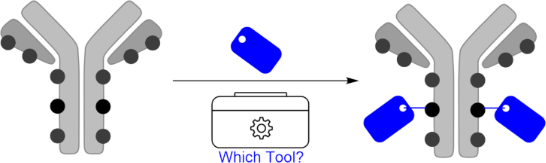
- and usability, ultimately limiting translational potential of a modification tool. This review critically compares current key strategies, including terminal, disulfide-rebridging, small-molecule, glycan and enzyme-based modifications. Finally, we present a decision tree for method selection and
- highlight opportunities for innovation in next-generation native-sequence protein modification technologies. Keywords: affinity-guided chemistry; disulfide-rebridging; enzyme catalysis; glycan modifications; native-sequence; protein labelling; small-molecule modifications; terminal; Introduction Protein
- complementary pairs, such as disulfide bonds (cystine), salt bridges, hydrogen bonds, and cation–π interactions. Among these, disulfide bonds between cysteine residues are the most widely used for native-sequence protein labelling, due to their unique nucleophilicity and low abundance. Therapeutically relevant

Graphical Abstract

Scheme 1: a) Sanger’s reagent (1), b) reductive amination by sodium cyanoborohydride, c) native chemical liga...

Scheme 2: Introduction of carbonyl functionality at protein N-termini via a) oxidation by periodate, b) Rapop...
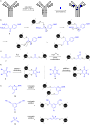
Scheme 3: a) Concept of disulfide rebridging. Reagents include b) sulfones 6, c) dihaloacetones 7, d) dibromo...
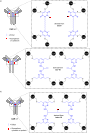
Scheme 4: Multi-disulfide rebridging technologies.

Scheme 5: Formation of full- and half-antibody as a result of disulfide rebridging.

Scheme 6: Use of 2,3-diaminopropionic acid (DAP, 13) for native-sequence substrate profiling.
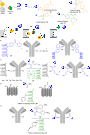
Scheme 7: Affinity-guided labelling. a) Reagents and catalysts appended to the binder include electrophilic m...

Scheme 8: Chemical sequence to convert subtilisin serine residue into a cysteine analogue.
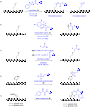
Scheme 9: Examples of small molecule reagents. Modifications of a–c) methionine by oxaziridine 22, hypervalen...

Scheme 10: Labelling of arginine by reagents carrying a) glyoxal 27, b) phenanthrenequinones 28, c) DKPA 29 gr...
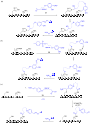
Scheme 11: Examples of linchpin-directed modification targeting a) histidine, b) aspartic acid, and c) lysine ...
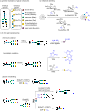
Scheme 12: Overview of glycan-directed strategies for site-specific protein modification. a) Structural motifs...

Scheme 13: Generic reaction mechanisms recruited by various native-sequence modifying enzymes.

Scheme 14: a,b) Engineered biocatalysts including sortase. Proteins AGA1 and AGA2 are surface proteins natural...
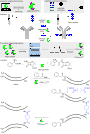
Scheme 15: Engineered biocatalysts include a) microbial transglutaminase (MTG) and b) penicillin G acylase (PG...
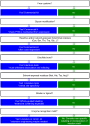
Scheme 16: Selection scheme of a suitable native-sequence labelling tool.
Assembly strategy for thieno[3,2-b]thiophenes via a disulfide intermediate derived from 3-nitrothiophene-2,5-dicarboxylate
- Roman A. Irgashev
Beilstein J. Org. Chem. 2025, 21, 2489–2497, doi:10.3762/bjoc.21.191
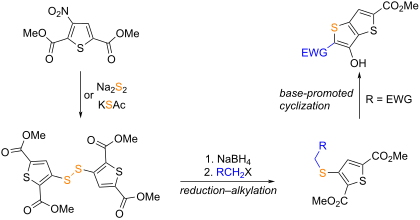
- . Nucleophilic substitution of the nitro group with sulfur nucleophiles, including thioacetate or disulfide anions as well as thioacetamide, yielded bis(thiophen-3-yl)disulfide and sulfide derivatives. The disulfide served as a suitable precursor for the preparation of 3-alkylthio-substituted thiophene-2,5
- functionalized thieno[3,2-b]thiophenes with potential applications in pharmaceutical and materials chemistry. Keywords: aromatic nucleophilic substitution; disulfide derivative; 3-nitrothiophene; organic disulfides; thieno[3,2-b]thiophene; thiophene ring closure; Introduction Thieno[3,2-b]thiophene (TT
- . Compound 2 was identified as a bis(thiophen-3-yl)sulfide derivative and compound 3 as a bis(thiophen-3-yl)disulfide derivative, both with methoxycarbonyl groups at the C-2 and C-5 positions of each thiophene ring (Scheme 4). The formation of these unexpected products, sulfide 2 and disulfide 3

Graphical Abstract

Scheme 1: The synthetic routes to 3-hydroxy-substituted TT derivatives.

Scheme 2: The present retrosynthetic plan for constructing TT molecules.

Scheme 3: An attempt to nucleophilically substitute the NO2 group in ester 1.

Scheme 4: The reaction of ester 1 with potassium thioacetate.

Scheme 5: A probable mechanism for the formation of compounds 2 and 3.
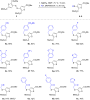
Scheme 6: The synthesis of 3-(alkylthio)thiophene-2,5-dicarboxylates 4–6, yields, and scope of products. *Fro...

Scheme 7: The synthesis of TT derivatives, yields, and scope of products. Conditions: i) LiH (5 equiv), DMF, ...
C2 to C6 biobased carbonyl platforms for fine chemistry
- Jingjing Jiang,
- Muhammad Noman Haider Tariq,
- Florence Popowycz,
- Yanlong Gu and
- Yves Queneau
Beilstein J. Org. Chem. 2025, 21, 2103–2172, doi:10.3762/bjoc.21.165

Graphical Abstract

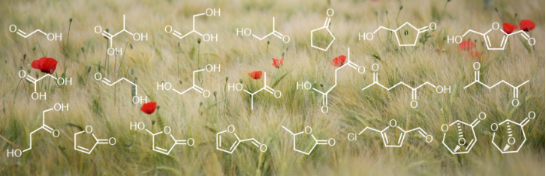
Figure 1: C2–C6 biobased carbonyl building blocks.

Scheme 1: Proposed (2 + 2) route to glycolaldehyde and glycolic acid from erythritol by Cu/AC catalyst (AC = ...

Scheme 2: Reductive amination of GCA.

Scheme 3: N-Formylation of secondary amines by reaction with GCA.

Scheme 4: Synthesis and conversion of hydroxy acetals to cyclic acetals.

Scheme 5: Synthesis of 3-(indol-3-yl)-2,3-dihydrofurans via three-component reaction of glycolaldehyde, indol...

Scheme 6: BiCl3-catalyzed synthesis of benzo[a]carbazoles from 2-arylindoles and α-bromoacetaldehyde ethylene...

Scheme 7: Cu/NCNSs-based conversion of glycerol to glycolic acid and other short biobased acids.

Scheme 8: E. coli-based biotransformation of C1 source molecules (CH4, CO2 and CO) towards C2 glycolic acid.

Scheme 9: N-Formylation of amines with C2 (a) or C3 (b) biomass-based feedstocks.

Scheme 10: Methods for the formation of propanoic acid (PA) from lactic acid (LA).

Scheme 11: Co-polymerization of biobased lactic acid and glycolic acid via a bicatalytic process.

Scheme 12: Oxidation of α-hydroxy acids by tetrachloroaurate(III) in acetic acid–sodium acetate buffer medium.

Figure 2: Selective catalytic pathways for the conversion of lactic acid (LA).

Scheme 13: Synthesis of 1,3-PDO via cross-aldol reaction between formaldehyde and acetaldehyde to 3-hydroxypro...

Scheme 14: Hydrothermal conversion of 1,3-dihydroxy-2-propane and 2,3-dihydroxypropanal to methylglyoxal.

Scheme 15: FLS-catalyzed formose reaction to synthesize GA and DHA.

Scheme 16: GCA and DHA oxidation products of glycerol and isomerization of GCA to DHA under flow conditions us...

Scheme 17: Acid-catalyzed reactions of DHA with alcohols.

Scheme 18: Synthesis of dihydroxyacetone phosphate from dihydroxyacetone.

Scheme 19: Bifunctional acid–base catalyst DHA conversion into lactic acid via pyruvaldehyde or fructose forma...

Scheme 20: Catalytic one-pot synthesis of GA and co-synthesis of formamides and formates from DHA.

Scheme 21: (a) Synthesis of furan derivatives and (b) synthesis of thiophene derivative by cascade [3 + 2] ann...

Scheme 22: Brønsted acidic ionic liquid catalyzed synthesis of benzo[a]carbazole from renewable acetol and 2-p...

Scheme 23: Asymmetric hydrogenation of α-hydroxy ketones to 1,2-diols.

Scheme 24: Synthesis of novel 6-(substituted benzylidene)-2-methylthiazolo [2,3-b]oxazol-5(6H)-one from 1-hydr...

Scheme 25: ʟ-Proline-catalyzed synthesis of anti-diols from hydroxyacetone and aldehydes.

Scheme 26: C–C-bond-formation reactions of a biomass-based feedstock aromatic aldehyde (C5) and hydroxyacetone...

Scheme 27: Ethanol upgrading to C4 bulk chemicals via the thiamine (VB1)-catalyzed acetoin condensation.

Scheme 28: One-pot sequential chemoenzymatic synthesis of 2-aminobutane-1,4-diol and 1,2,4-butanetriol via 1,4...

Scheme 29: Synthesis of 1,4-dihydroxybutan-2-one by microbial transformation.

Scheme 30: Conversion of polyols by [neocuproine)Pd(OAc)]2(OTf)2] to α-hydroxy ketones.

Scheme 31: Chemoselective oxidation of alcohols with chiral palladium-based catalyst 2.

Scheme 32: Electrochemical transformation of furfural to 5-hydroxy-2(5H)-furanone (HFO).

Scheme 33: Selective hydrodeoxygenation of HFO and oxidation to γ-butyrolactone (GBL).

Scheme 34: Photosensitized oxygenation of furan towards HFO via ozonide intermediates.

Scheme 35: Conversion of furfural to HFO and MAN by using mesoporous carbon nitride (SGCN) as photocatalyst.

Scheme 36: Synthesis of HFO from furan derivatives.

Scheme 37: Photooxidation of furfural to 5-hydroxy-2(5H)-furanone (HFO).

Scheme 38: Synthesis of Friedel–Crafts indole adduct from HFO.

Scheme 39: Conversion of HFO to α,γ-substituted chiral γ-lactones.

Scheme 40: Tautomeric transformation of HFO to formylacrylic acid.

Scheme 41: Hydrolysis of HFO to succinic acid in aqueous solution.

Scheme 42: Substitution and condensation reactions of 5-hydroxy-2(5H)-furanone (HFO).

Scheme 43: (a) Conversion of HFO towards valuable C4 chemicals and (b) anodic oxidation of 5-hydroxy-2(5H)-fur...

Figure 3: Conversion of HFO towards other natural and synthetic substances.

Scheme 44: Conversion of furfural to maleic anhydride (reaction a: VOx/Al2O3; reaction b: VPO).

Scheme 45: Conversion of furfural into succinic acid.

Scheme 46: Electro‑, photo‑, and biocatalysis for one-pot selective conversions of furfural into C4 chemicals.

Scheme 47: Production route of furfural from hemicellulose.

Scheme 48: Mechanism for xylose dehydration to furfural through a choline xyloside intermediate.

Scheme 49: Conversion of furfural to furfuryl alcohol and its derivatives.

Scheme 50: Conversion of furfural to furfuryl alcohol and 3-(2-furyl)acrolein.

Scheme 51: The aerobic oxidative condensation of biomass-derived furfural and linear alcohols.

Scheme 52: The single-step synthesis of 2-pentanone from furfural.

Scheme 53: Electrocatalytic coupling reaction of furfural and levulinic acid.

Scheme 54: Conversion of furfural to m-xylylenediamine.

Scheme 55: Conversion of furfural to tetrahydrofuran-derived amines.

Scheme 56: Formation of trans-4,5-diamino-cyclopent-2-enones from furfural.

Scheme 57: Production of pyrrole and proline from furfural.

Scheme 58: Synthesis of 1‑(trifluoromethyl)-8-oxabicyclo[3.2.1]oct-3-en-2-ones from furfural.

Scheme 59: Conversion of furfural to furfural-derived diacids.

Scheme 60: A telescope protocol derived from furfural and glycerol.

Scheme 61: A tandem cyclization of furfural and 5,5-dimethyl-1,3-cyclohexanedione.

Scheme 62: A Ugi four-component reaction to construct furfural-based polyamides.

Scheme 63: One-pot synthesis of γ-acyloxy-Cy7 from furfural.

Scheme 64: Dimerization–Piancatelli sequence toward humins precursors from furfural.

Scheme 65: Conversion of furfural to CPN.

Scheme 66: Synthesis of jet fuels range cycloalkanes from CPN and lignin-derived vanillin.

Scheme 67: Solar-energy-driven synthesis of high-density biofuels from CPN.

Scheme 68: Reductive amination of CPN to cyclopentylamine.

Scheme 69: Asymmetric hydrogenation of C=O bonds of exocyclic α,β-unsaturated cyclopentanones.

Scheme 70: Preparation of levulinic acid via the C5 route (route a) or C6 route (routes b1 and b2).

Scheme 71: Mechanism of the rehydration of HMF to levulinic acid and formic acid.

Scheme 72: Important levulinic acid-derived chemicals.

Scheme 73: Direct conversion of levulinic acid to pentanoic acid.

Scheme 74: Catalytic aerobic oxidation of levulinic acid to citramalic acid.

Scheme 75: Conversion of levulinic acid to 1,4-pentanediol (a) see ref. [236]; b) see ref. [237]; c) see ref. [238]; d) see r...

Scheme 76: Selective production of 2-butanol through hydrogenolysis of levulinic acid.

Scheme 77: General reaction pathways proposed for the formation of 5MPs from levulinic acid.

Scheme 78: Selective reductive amination of levulinic acid to N-substituted pyrroles.

Scheme 79: Reductive amination of levulinic acid to chiral pyrrolidinone.

Scheme 80: Reductive amination of levulinic acid to non-natural chiral γ-amino acid.

Scheme 81: Nitrogen-containing chemicals derived from levulinic acid.

Scheme 82: Preparation of GVL from levulinic acid by dehydration and hydrogenation.

Scheme 83: Ruthenium-catalyzed levulinic acid to chiral γ-valerolactone.

Scheme 84: Catalytic asymmetric hydrogenation of levulinic acid to chiral GVL.

Scheme 85: Three steps synthesis of ε-caprolactam from GVL.

Scheme 86: Multistep synthesis of nylon 6,6 from GVL.

Scheme 87: Preparation of MeGVL by α-alkylation of GVL.

Scheme 88: Ring-opening polymerization of five-membered lactones.

Scheme 89: Synthesis of GVL-based ionic liquids.

Scheme 90: Preparation of butene isomers from GVL under Lewis acid conditions.

Scheme 91: Construction of C5–C12 fuels from GVL over nano-HZSM-5 catalysts.

Scheme 92: Preparation of alkyl valerate from GVL via ring opening/reduction/esterification sequence.

Scheme 93: Construction of 4-acyloxypentanoic acids from GVL.

Scheme 94: Synthesis of 1,4-pentanediol (PDO) from GVL.

Scheme 95: Construction of novel cyclic hemiketal platforms via self-Claisen condensation of GVL.

Scheme 96: Copper-catalyzed lactamization of GVL.

Figure 4: Main scaffolds obtained from HMF.

Scheme 97: Biginelli reactions towards HMF-containing dihydropyrimidinones.

Scheme 98: Hantzsch dihydropyridine synthesis involving HMF.

Scheme 99: The Kabachnik–Fields reaction involving HMF.

Scheme 100: Construction of oxazolidinone from HMF.

Scheme 101: Construction of rhodamine-furan hybrids from HMF.

Scheme 102: A Groebke–Blackburn–Bienaymé reaction involving HMF.

Scheme 103: HMF-containing benzodiazepines by [4 + 2 + 1] cycloadditions.

Scheme 104: Synthesis of fluorinated analogues of α-aryl ketones.

Scheme 105: Synthesis of HMF derived disubstituted γ-butyrolactone.

Scheme 106: Functionalized aromatics from furfural and HMF.

Scheme 107: Diels–Alder adducts from HMF or furfural with N-methylmaleimide.

Scheme 108: Pathway of the one-pot conversion of HMF into phthalic anhydride.

Scheme 109: Photocatalyzed preparation of humins (L-H) from HMF mixed with spoiled HMF residues (LMW-H) and fur...

Scheme 110: Asymmetric dipolar cycloadditions on HMF.

Scheme 111: Dipolar cycloadditions of HMF based nitrones to 3,4- and 3,5-substituted isoxazolidines.

Scheme 112: Production of δ-lactone-fused cyclopenten-2-ones from HMF.

Scheme 113: Aza-Piancatelli access to aza-spirocycles from HMF-derived intermediates.

Scheme 114: Cross-condensation of furfural, acetone and HMF into C13, C14 and C15 products.

Scheme 115: Base-catalyzed aldol condensation/dehydration sequences from HMF.

Scheme 116: Condensation of HMF and active methylene nitrile.

Scheme 117: MBH reactions involving HMF.

Scheme 118: Synthesis of HMF-derived ionic liquids.

Scheme 119: Reductive amination/enzymatic acylation sequence towards HMF-based surfactants.

Scheme 120: The formation of 5-chloromethylfurfural (CMF).

Scheme 121: Conversion of CMF to HMF, levulinic acid, and alkyl levulinates.

Scheme 122: Conversion of CMF to CMFCC and FDCC.

Scheme 123: Conversion of CMF to BHMF.

Scheme 124: Conversion of CMF to DMF.

Scheme 125: CMF chlorine atom substitutions toward HMF ethers and esters.

Scheme 126: Introduction of carbon nucleophiles in CMF.

Scheme 127: NHC-catalyzed remote enantioselective Mannich-type reactions of CMF.

Scheme 128: Conversion of CMF to promising biomass-derived dyes.

Scheme 129: Radical transformation of CMF with styrenes.

Scheme 130: Synthesis of natural herbicide δ-aminolevulinic acid from CMF.

Scheme 131: Four step synthesis of the drug ranitidine from CMF.

Scheme 132: Pd/CO2 cooperative catalysis for the production of HHD and HXD.

Scheme 133: Different ruthenium (Ru) catalysts for the ring-opening of 5-HMF to HHD.

Scheme 134: Proposed pathways for preparing HXD from HMF.

Scheme 135: MCP formation and uses.

Scheme 136: Cu(I)-catalyzed highly selective oxidation of HHD to 2,5-dioxohexanal.

Scheme 137: Synthesis of N‑substituted 3‑hydroxypyridinium salts from 2,5-dioxohexanal.

Scheme 138: Ru catalyzed hydrogenations of HHD to 1,2,5-hexanetriol (a) see ref. [396]; b) see ref. [397]).

Scheme 139: Aviation fuel range quadricyclanes produced by HXD.

Scheme 140: Synthesis of HDGK from HXD and glycerol as a chain extender.

Scheme 141: Synthesis of serinol pyrrole from HXD and serinol.

Scheme 142: Synthesis of pyrroles from HXD and nitroarenes.

Scheme 143: Two-step production of PX from cellulose via HXD.

Scheme 144: Preparation of HCPN from HMF via hydrogenation and ring rearrangement.

Scheme 145: Suggested pathways from HMF to HCPN.

Scheme 146: α-Alkylation of HCPN with ethylene gas.

Scheme 147: Synthesis of 3-(hydroxymethyl)cyclopentylamine from HMF via reductive amination of HCPN.

Scheme 148: Production of LGO and Cyrene® from biomass.

Scheme 149: Synthesis of HBO from LGO and other applications.

Scheme 150: Construction of m-Cyrene® homopolymer.

Scheme 151: Conversion of Cyrene® to THFDM and 1,6-hexanediol.

Scheme 152: RAFT co-polymerization of LGO and butadienes.

Scheme 153: Polycondensation of HO-LGOL and diols with dimethyl adipate.

Scheme 154: Self-condensation of Cyrene® and Claisen–Schmidt reactions.

Scheme 155: Synthesis of 5-amino-2-(hydroxymethyl)tetrahydropyran from Cyrene®.
Research progress on calixarene/pillararene-based controlled drug release systems
- Liu-Huan Yi,
- Jian Qin,
- Si-Ran Lu,
- Liu-Pan Yang,
- Li-Li Wang and
- Huan Yao
Beilstein J. Org. Chem. 2025, 21, 1757–1785, doi:10.3762/bjoc.21.139
- photodynamic therapy (PDT) capabilities. This system was based on the host–guest interactions between polyethylene glycol-functionalized pillar[5]arene (PEG-P[5]A) and a pyridinium-capped porphyrin derivative containing a disulfide bond (TPPC6-SS-Py). The supramolecular amphiphile could self-assemble into

Graphical Abstract

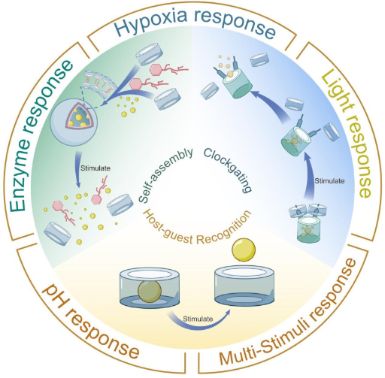
Figure 1: Schematic diagram of drug-controlled release mechanisms based on aromatic macrocycles.

Figure 2: Chemical structure of a) calix[n]arene (m = 1,3,5), and b) pillar[n]arene (m = 1,2,3).

Figure 3: Changes in pH conditions cause the release of drugs from CA8 host–guest complexes [101]. Figure 3 was adapted wi...

Figure 4: The illustration of the pH-mediated 1:1 complex formation between the host and guest molecules in a...

Figure 5: Illustration of the pH-responsive self-assembly of mannose-modified CA4 into micelles and the subse...

Figure 6: Illustration of the assembly of supramolecular prodrug nanoparticles from WP6 and DOX-derived prodr...

Figure 7: Illustration of the formation of supramolecular vesicles and their pH-dependent drug release [93]. Figure 7 was...

Figure 8: Schematic illustration of the application of the multifunctional nanoplatform CyCA@POPD in combined...

Figure 9: Illustration of the photolysis of an amphiphilic assembly via CA-induced aggregation [114]. Figure 9 was reprint...
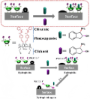
Figure 10: Schematic illustration of drug release controlled by the photo-responsive macroscopic switch based ...

Figure 11: Schematic illustration of the formation process of Azo-SMX and its photoisomerization reaction unde...

Figure 12: Schematic illustration of the enzyme-responsive behavior of supramolecular polymers [95]. Figure 12 was used wit...

Figure 13: Schematic illustration of the amphiphilic assembly of SC4A and its enzyme-responsive applications [119]. ...

Figure 14: Stimuli-responsive nanovalves based on MSNs and choline-SC4A[2]pseudorotaxanes, MSN-C1 with ester-l...

Figure 15: A schematic diagram showing the construction of a supramolecular system by host–guest interaction b...
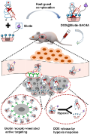
Figure 16: A schematic diagram showing the formation of the host–guest complex DOX@Biotin-SAC4A by biotin modi...

Figure 17: A schematic diagram showing the self-assembly of CA4 into a hypoxia-responsive peptide hydrogel, wh...

Figure 18: Schematic illustration of the formation process of Lip@GluAC4A and the release of Lip under hypoxic...

Figure 19: Schematic illustration of the construction of a supramolecular vesicle based on the host–guest comp...

Figure 20: Schematic illustration of WP6 self-assembly at pH > 7, and the stimulus-responsive drug release beh...

Figure 21: Schematic illustration of the formation of supramolecular vesicles based on the WP5⊃G super-amphiph...

Figure 22: Schematic illustrations of the host–guest recognition of QAP5⊃SXD, the formation of the nanoparticl...

Figure 23: Schematic illustration of the activation of T-SRNs by acid, alkali, or Zn2+ stimuli to regulate the...

Figure 24: Illustration of the triggered release of BH from CP[5]A@MSNs-Q NPs in response to a drop in pH or a...

Figure 25: Illustration of the supramolecular amphiphiles TPENCn@1 (n = 6 and 12) self-assembling with disulfi...
Approaches to stereoselective 1,1'-glycosylation
- Daniele Zucchetta and
- Alla Zamyatina
Beilstein J. Org. Chem. 2025, 21, 1700–1718, doi:10.3762/bjoc.21.133
- donors of gluco-, galacto-, and manno-configuration, using a sulfonium-type promoter generated in situ from dimethyl disulfide (Me2S2) and triflic anhydride (Tf2O) [66][70]. The use of common acid scavengers, such as DTBP (di-tert-butylmethylpyridine), was not recommended, as glycosylation reactions
- dimethyl disulfide/triflic anhydride and use thioglycosyl donors, 4-O-picoloyl-protected 1-O-TMS-lactol acceptors have been shown to exhibit enhanced β-stereoselectivity, likely due to the formation of a transient picolinium adduct with the TMS-glycoside. Tribenzylated 4-O-picoloyl-1-O-TMS-β-glycoside 101
- acceptor 153, using a sulfonium-type promoter prepared from dimethyl disulfide and triflic anhydride, produced the α,α-1,1'-linked diglucoside 154 (Scheme 13) [121]. Similarly, partially desymmetrized trehalose derivatives 157 and 159 were prepared using 2-O-picoloyl 3-O-Nap- and 3,6-di-O-Nap-protected TMS

Graphical Abstract

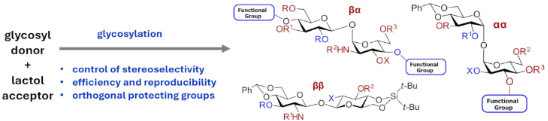
Scheme 1: Application of chloride-, bromide-, and trichloroacetimidate donors in 1,1'-coupling reactions towa...

Scheme 2: Application of trichloroacetimidates as donors in 1,1'-β,α coupling reactions and the use of 1,2-or...

Scheme 3: The β-anomeric configuration in the lactol acceptors can be trapped and fixed within the five-membe...

Scheme 4: Diarylborinic acid-promoted β,α-1,1' glycosylation.

Scheme 5: The anomeric configuration in the lactol acceptor can be trapped in the form of a TMS-glycoside.

Scheme 6: The anomeric configuration in the lactol acceptor can be trapped in form of a 1-O-TMS-glycoside tha...

Scheme 7: Influence of remote protecting groups on the stereoselectivity and efficiency of 1,1'-β,α bond form...

Scheme 8: Synthesis of non-symmetrically fully orthogonally protected β,α-1,1' diglucosamines.

Scheme 9: Synthesis of non-symmetric β,β-1,1'-linked disaccharides.

Scheme 10: Synthesis of non-symmetric, fully orthogonally protected β,β-1,1'-diglucosamines.

Scheme 11: Synthesis of α,α-1,1'-disaccharides.

Scheme 12: Synthesis of α,α-1,1'-thiodisacchrides.

Scheme 13: Synthesis of partially desymmetrized α,α-1,1'-linked disaccharides.

Scheme 14: Synthesis of non-symmetric orthogonally protected α,α-1,1'-linked disaccharides involving an aminos...
On the photoluminescence in triarylmethyl-centered mono-, di-, and multiradicals
- Daniel Straub,
- Markus Gross,
- Mona E. Arnold,
- Julia Zolg and
- Alexander J. C. Kuehne
Beilstein J. Org. Chem. 2025, 21, 964–998, doi:10.3762/bjoc.21.80
- ΔEST of order 10−7 kcal mol−1 (see Figure 12a) [98]. No photoluminescence has been reported for bPTM; however, this diradical shows extremely long coherence times of order T1 = 1 s (thermalization, spin lattice relaxation) and TM ≈ 67 µs (phase memory time), both determined in carbon disulfide as a

Graphical Abstract

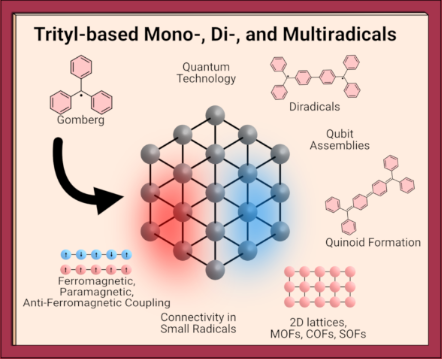
Figure 1: a) Tris(trichlorophenyl)methyl (TTM) radical and related trityl radicals, b) HDMO, SOMO, LUMO orbit...

Figure 2: Mixed halide tri- and perhalogenated triphenylmethyl radicals: a) Molecular structures of homo- and...

Figure 3: Pyridine-functionalized triarylmethyl radicals. a) Chemical structures of X2PyBTM, Py2MTM, and Au-F2...

Figure 4: Pyridine-functionalized triarylmethyl radicals. a) Molecular structure of Mes2F2PyBTM, and b) its f...

Figure 5: Carbazole functionalized triarylmethyl radical. a) Chemical structure of Cz-BTM and b) its energy d...
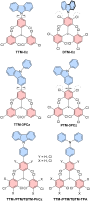
Figure 6: Donor-functionalized triphenylmethyl radicals. Molecular structures of TTM-Cz, DTM-Cz, TTM-3PCz, PT...

Figure 7: Tuning of the donor strength. Functionalization with electron-donating and electron-withdrawing gro...
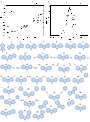
Figure 8: Tuning of the donor strength, by varying the Cz-derived donor (1–36) on a TTM radical fragment. a) ...

Figure 9: Three-state model and Marcus theory: q is the charge transfer coordinate and G the free energy. Gro...

Figure 10: Dendronized carbazole donors on TTM radicals. a) Molecular structures of G3TTM and G4TTM. b) Photol...

Figure 11: Electronic extension of the Cz donor. a) Molecular structures and optoelectronic properties of TTM-...

Figure 12: Kekulé diradicals: a) hexadeca- and perchlorinated Thiele (TTH, PTH), Chichibabin (TTM-TTM, PTM-PTM...
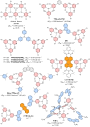
Figure 13: Non-Kekulé diradicals: perchlorinated Schlenk–Brauns radical (m-PTH), meta-coupled TTM radicals in ...

Figure 14: UV–vis absorption and photoluminescence spectra of a) TTH in solvents of different polarity, b) dir...

Figure 15: Molecular structures of m-4BTH (meta-butylated Thiele hydrocarbon), m-4TTH (meta-trichlorinated Thi...

Figure 16: a) Polystyrene-based TTM-Cz polymer. b) Molecular structure of radical particles with backbone thro...
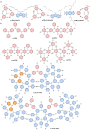
Figure 17: Molecular structures of polyradicals. a) Molecular structures of p-TBr6Cl3M-F8, p-TBr6Cl3M-acF8 and ...
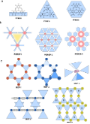
Figure 18: Structures of coordination and metal-organic frameworks. a) Carboxylic acid functionalized monomers...

Figure 19: Structures of coordination and metal-organic frameworks. a) Molecular structures of monomers TTMDI, ...

Figure 20: Molecular structures of covalent organic frameworks m-TPM-Ph-COF, m-PTM-Ph-COF, p-TPH-COF, p-PTH-COF...
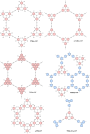
Figure 21: Molecular structures of covalent organic frameworks PTMAc-COF, oxTAMAc-COF, TOTAc-COF, PTMTAz-COF, p...
Photocatalyzed elaboration of antibody-based bioconjugates
- Marine Le Stum,
- Eugénie Romero and
- Gary A. Molander
Beilstein J. Org. Chem. 2025, 21, 616–629, doi:10.3762/bjoc.21.49
- typically more evenly distributed in antibodies than lysine but are often tied up in disulfide bridges that must be reduced prior to conjugation [24][25]. Such reductions must thus be carefully controlled to allow conjugation while ensuring the overall structural integrity of the antibody. The free
- method allows the same photocatalyst and electrophile to be involved in two different but selective bioconjugations of mAbs. It remains limited to reactions involving oxidative mechanistic pathways with 1O2. Cys In 2016, Bräse et al. developed a photomediated disulfide rebridging method, exploiting the
- disulfide bridging sites in biomolecules to introduce specific functional groups (Figure 6) [44]. The bioconjugation reaction is based on thiol–yne coupling. Originally developed on peptides and proteins, this approach was applied to a fragment antigen-binding (Fab) antibody fragment (approximately 46 kDa

Graphical Abstract

Figure 1: Representation of an antibody–drug conjugate. The antibody shown in this figure is from https://www...

Figure 2: a. Photoredox catalytic cycles; b. absorption spectrum of photosensitizers. Therapeutic window indi...

Figure 3: Graph representing the average number of publications focusing on photoredox chemistry applied to p...

Figure 4: Schematic procedure developed by Sato et al. on histidine photoinduced modification. The antibody s...

Figure 5: Schematic procedure of the divergent method developed by Sato et al. on histidine/tyrosine photoind...

Figure 6: Schematic procedure developed by Bräse et al. on photoinduced disulfide rebridging method.

Figure 7: Schematic procedure developed by Lang et al. on a photoinduced dual nickel photoredox-catalyzed app...

Figure 8: Schematic of the procedure developed by Chang et al. on photoinduced high affinity IgG Fc-binding s...

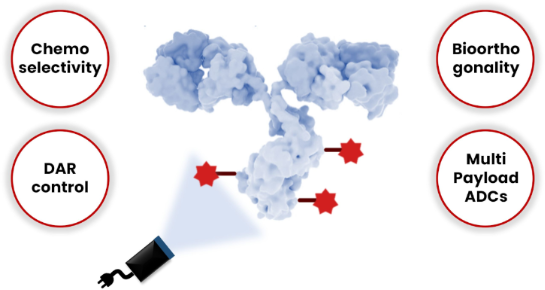
Figure 9: Potential advantages of photoredox chemistry for bioconjugation applied to antibodies. The antibody...

Figure 10: Representation of the photoinduced control of the DAR. The antibody shown in this figure is from ht...

Figure 11: Representation of a photoinduced control of multi-payloads ADC strategy. The antibody shown in this...
Sequential two-step, one-pot microwave-assisted Urech synthesis of 5-monosubstituted hydantoins from L-amino acids in water
- Wei-Jin Chang,
- Sook Yee Liew,
- Thomas Kurz and
- Siow-Ping Tan
Beilstein J. Org. Chem. 2025, 21, 596–600, doi:10.3762/bjoc.21.46
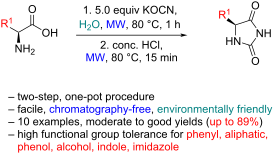
- conversion of the thioether-containing methionine to hydantoin (H2j) was obtained with a moderate yield of 59%. Lastly, no hydantoin product was observed by 1H NMR when cysteine was subject to the one-pot procedure, possibly due to disulfide formation of the highly nucleophilic thiol group of the cysteine

Graphical Abstract

Scheme 1: N-Carbamylation of ʟ-phenylaniline using KOCN in water.

Scheme 2: One-pot microwave-assisted synthesis of hydantoins from amino acids.

Figure 1: Hydantoins (H2a–j) synthesized from the one-pot procedure. The hydantoins were characterized using 1...
Formaldehyde surrogates in multicomponent reactions
- Cecilia I. Attorresi,
- Javier A. Ramírez and
- Bernhard Westermann
Beilstein J. Org. Chem. 2025, 21, 564–595, doi:10.3762/bjoc.21.45
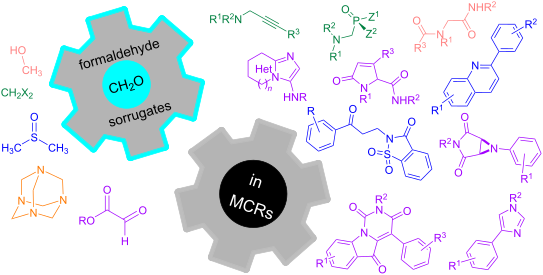
- %), but when DMSO is used as solvent and reagent, the yield was greatly improved. The proposed mechanism involves the activation of the disulfide component by CuBr2 as the Lewis acid (Scheme 14). The copper(II) center coordinates the sulfur atom of the disulfide allowing for the electrophilic addition to

Graphical Abstract

Scheme 1: Features of the ideal reaction (redrawn from P. A. Wender et al. [1]).

Scheme 2: Some of the most popular MCRs with formaldehyde as the carbonyl component.

Scheme 3: Ugi reaction under a catalyzed electro-oxidation process using TEMPO (2,2,6,6-tetramethyl-1-piperid...

Scheme 4: Examples of different products obtained by MCRs in which DMSO serves as -SCH3 source.

Scheme 5: Mechanism of the decomposition of DMSO under acidic or thermal conditions. a) In situ generation of...

Scheme 6: Povarov multicomponent reaction to quinolines.

Scheme 7: Example of the Povarov reaction with formaldehyde with a julolidine derivative as main product.

Scheme 8: Povarov multicomponent reaction to quinoline derivatives I and II using DMSO as formaldehyde surrog...

Scheme 9: Example of a Povarov three-component reaction with change of catalyst, yielding regioisomer III. In...

Scheme 10: The Povarov three-component reactions carried out under acidic catalysis to afford quinoline regios...

Scheme 11: Different MCR routes involving DMSO to synthesize complex heterocycles such as diarylpyridines and ...

Scheme 12: Pyrazole synthesis by a three-component reaction using DMSO as a source of a C-1 unit.

Scheme 13: Three-component reactions for the synthesis of aliphatic heterocycles 13 and 14 using DMSO as a for...

Scheme 14: Proposed mechanism for the 3CR between homoallylic amines, disulfides, and DMSO.

Scheme 15: Mannich-type reaction using DMSO as formaldehyde surrogate.

Scheme 16: Mechanism for the 3CR-Mannich-type reaction between aryl ketone 18, saccharine (19), and DMSO. The ...

Scheme 17: Mannich-type reaction using DMSO as formaldehyde surrogate and under oxidative activation.

Scheme 18: Three-component reaction between an indazole, a carboxylic acid, and DMSO.

Scheme 19: Amine–aldehyde–alkyne (AAA) coupling reaction and plausible mechanism.

Scheme 20: AHA coupling for the synthesis of propargylamines using dihalomethanes as C1 building blocks.

Scheme 21: AHA coupling using CH2Cl2 as both solvent and methylene source.

Scheme 22: Examples of propargylamines synthesized under catalytic AHA protocols.

Scheme 23: Proposed mechanism for the synthesis of propargylamines using dichloromethane as a C1 source.

Scheme 24: Mechanism proposed for the generation of the aminal intermediate E by Buckley et al. [68].

Scheme 25: Pudovic and Kabachnik–Fields reactions for the synthesis of α-aminophosphonates.

Scheme 26: a) Abramov side reaction that generates α-hydroxy phosphonate as a byproduct during the Kabachnik-F...

Scheme 27: Catalyst-free three component reaction to afford α-amino phosphorus product 35 using 1,1-dihaloalka...

Scheme 28: a) Proposed mechanism for the three-component reaction of dichloromethane, amine and phosphorus com...

Scheme 29: Ugi-ammonia strategy using HMTA as a formaldehyde surrogate.

Scheme 30: Glyoxylate and its derivatives as C1 building blocks.

Scheme 31: The Groebke–Blackburn–Bienaymé multicomponent reaction (GBB) and its mechanism.

Scheme 32: a) Byproducts in the GBB multicomponent reaction (GBB) when formaldehyde is used as the carbonyl co...

Scheme 33: Possible regioisomers in the GBB multicomponent reaction when formaldehyde is used as the carbonyl ...

Scheme 34: The multicomponent GBB reaction yields 2-unsubstituted 3-aminoimidazo heterocycles 42a using MP-gly...

Scheme 35: GBB multicomponent reaction to 2-unsubstituted 3-amino imidazo heterocycles 42a using glyoxylic aci...

Scheme 36: GBB reaction using glyoxylic acid immobilized on silica as formaldehyde surrogate.

Scheme 37: Bioactive products synthesized by the GBB reaction using glyoxylic acid.

Scheme 38: van Leusen three-component reaction to imidazoles.

Scheme 39: Side reaction during the synthesis of imidazoles with formaldehyde as the carbonyl compound.

Scheme 40: Optimization of the van Leusen three component reaction to 1,4-disubstituted imidazoles 43 using gl...

Scheme 41: Application of the Sisko strategy [96] for the synthesis of CB1 receptor antagonist compounds [97].

Scheme 42: Side reaction, when NH4OH is used as amine component.

Scheme 43: Ugi-type adducts with the ester moiety and the acidic CH to be used for post-cyclization sequences.

Scheme 44: Ugi/cycloisomerization process to pyrrolones 51, butenolides 52, and pyrroline 53.

Scheme 45: Radical cyclization reactions from Ugi adducts promoted by TEMPO.

Scheme 46: Hydrolysis and decarboxylation reactions to products with incorporation of a C1 unit of ethyl glyox...

Scheme 47: One-step synthetic route to pyrrolones 60 using phenylglyoxal.

Scheme 48: Ugi-pseudo-Knoevenagel-pseudo-Dieckmann cascade sequence for the synthesis of fused heterocycles.

Scheme 49: Ugi-pseudo-Knoevenagel reaction from ethyl glyoxylate.
Synthesis of disulfides and 3-sulfenylchromones from sodium sulfinates catalyzed by TBAI
- Zhenlei Zhang,
- Ying Wang,
- Xingxing Pan,
- Manqi Zhang,
- Wei Zhao,
- Meng Li and
- Hao Zhang
Beilstein J. Org. Chem. 2025, 21, 253–261, doi:10.3762/bjoc.21.17
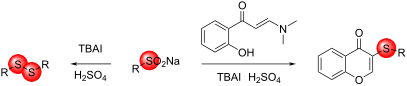
- groups in organic synthesis [1][2][3][4]. In chemistry and biology, disulfide bonds play crucial roles in protein folding and stabilization [5][6][7][8] and in the rubber industry, they are used to link different polymer chains [9][10]. The disulfide bond backbone is commonly used as a linker for
- antibody–drug coupling (ADCs), in which the active drug released in the target cell by selectively breaking the disulfide bond [11]. Given the wide applicability of disulfides, the development of efficient, green, mild, and cost-effective methods for the organic synthesis of disulfides is of significant
- importance. In the field of disulfide synthesis, the conventional approach mainly involves oxidizing thiols to form disulfides. This process employs various oxidation agents, which can be categorized as nonmetallic and metal derivatives [12][13][14][15][16]. Over the past few years, the implementation of

Graphical Abstract

Scheme 1: Different strategies for the synthesis of disulfides and 3-sulfenylchromones.
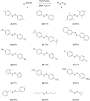
Scheme 2: Substrate scope for the synthesis of disulfides. Reaction conditions: 1 (1 mmol), TBAI (0.2 mmol), H...
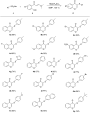
Scheme 3: Substrate scope for the synthesis of 3-sulfenylchromones. Reaction conditions: 1 (1 mmol), 3 (0.5 m...

Scheme 4: Gram-scale synthesis of 2a and 4a and one-pot synthesis of 4a.

Scheme 5: Control experiments.

Scheme 6: Plausible reaction mechanism.
Reactivity of hypervalent iodine(III) reagents bearing a benzylamine with sulfenate salts
- Beatriz Dedeiras,
- Catarina S. Caldeira,
- José C. Cunha,
- Clara S. B. Gomes and
- M. Manuel B. Marques
Beilstein J. Org. Chem. 2024, 20, 3281–3289, doi:10.3762/bjoc.20.272
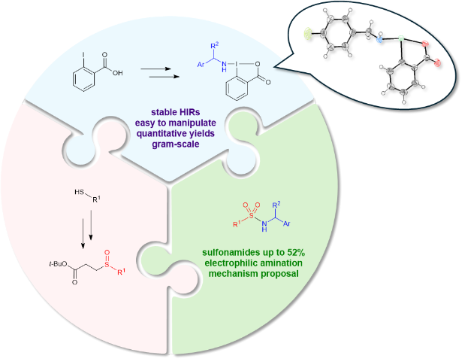
- . A deeper analysis of the composition of the crude mixture revealed the presence of sulfide 3a and disulfide 7a, which formation might probably result from an oxidative reaction involving species generated from 2 sulfenate molecules. A further experiment was carried out in the absence of light. Under
- reactions could undergo disproportionation, a radical process resulting in the homolytic cleavage of the S–O bond [35]. The formation of disulfide 7 isolated in the experiments can be explained by combining two radical sulfur species. Furthermore, the oxygen species generated in this radical reaction may
- : 4a (2 equiv), NaH (2.4 equiv), 2a, TEMPO (10 mol %), degassed DMF (0.055 M). NO – not observed. Mechanism proposed for sulfonamide 5, β-sulfinyl ester 4, disulfide 7, and sulfide 3 formations. The ionic steps are illustrated in green, whereas the radical steps appear in purple [35]. Optimization of

Graphical Abstract
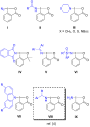
Figure 1: Examples of cyclic HIRs with a nitrogen-based group transfer [4,10,13-20].

Scheme 1: Electrophilic α‑amination of indanone-based β-ketoesters [4].

Scheme 2: Scope of the different (benzylamino)benziodoxolones (BBXs) 2 with ORTEP-3 diagram of compound 2d, u...

Scheme 3: Scope of the different β-sulfinyl esters 4 [32,33]. Isolated yields. rt – room temperature.

Scheme 4: Scope of the primary amine electrophilic reaction of sulfenate salts. Reaction conditions: 4 (2 equ...

Scheme 5: Electrophilic amination reaction in the presence of TEMPO. Reaction conditions: 4a (2 equiv), NaH (...

Scheme 6: Mechanism proposed for sulfonamide 5, β-sulfinyl ester 4, disulfide 7, and sulfide 3 formations. Th...
N-Glycosides of indigo, indirubin, and isoindigo: blue, red, and yellow sugars and their cancerostatic activity
- Peter Langer
Beilstein J. Org. Chem. 2024, 20, 2840–2869, doi:10.3762/bjoc.20.240
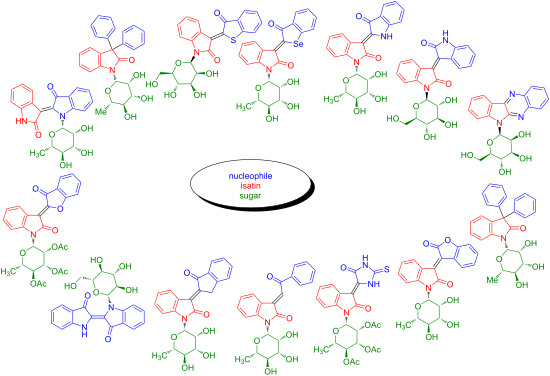
- intermediate C which underwent extrusion of iodine and dipropyl disulfide to give intermediate D. Subsequent reaction with acetic anhydride, pyridine and KHF2 resulted in the replacement of the TMS by acetyl groups which was important for practical reasons (stability during chromatography). The reaction of 13

Graphical Abstract

Scheme 1: Structures of indigo (1a), indirubin (2a) and isoindigo (3a).

Scheme 2: Structures of akashins A–C.
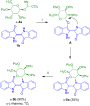
Scheme 3: Synthesis of 5b. Reagents and conditions: i) TMSOTf, 4 Å MS, CH2Cl2, −20 °C, 1.5 h, then 20 °C, 8–1...
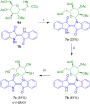
Scheme 4: Synthesis of 7c. Reagents and conditions: i) TMSOTf, 4 Å MS, CH2Cl2, −18 °C, 3 h; then: TMSOTf, 4 Å...

Scheme 5: Synthesis of 1d. Reagents and conditions: i) chloroacetic acid, Na2CO3, reflux, 6 h; ii) Ac2O, NaOA...

Scheme 6: Synthesis of 10e. Reagents and conditions: i) p-TsOH·H2O, acetonitrile, MeOH, 1 d; ii) NIS, PPh3, D...

Scheme 7: Synthesis of akashins A–C. Reagents and conditions: i) TMSOTf, 4 Å MS, CH2Cl2, −18 to 20 °C, 15 h; ...
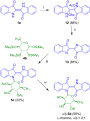
Scheme 8: Synthesis of 5d. Reagents and conditions: i) KMnO4, AcOH, high-power-stirring (12.000 rot/min), 20 ...

Scheme 9: Possible mechanism of the formation of 5c.

Scheme 10: Synthesis of 7d. Reagents and conditions: i) 1) CH2Cl2, 2) Me3SiI, 20 °C, 30 min, 3) 0 °C, 30 min, ...

Scheme 11: Synthesis of α-15b. Reagents and conditions: i) 1) CH2Cl2, 2) Me3SiI, 20 °C, 30 min, 3) 0 °C, 30 mi...

Scheme 12: Synthesis of isatin-N-glycosides 16a–f. Reagents and conditions: i) PhNH2, EtOH, 20 °C, 12 h; ii) Ac...
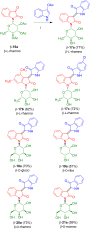
Scheme 13: Synthesis of 17–21. Reagents and conditions: i) Na2CO3, MeOH, 20 °C, 4 h.

Scheme 14: Synthesis of indirubin-N-glycosides α-17a and α-17b.

Scheme 15: Synthesis of β-17f. Reagents and conditions: i) 1) Na2CO3, MeOH, 20 °C, 4 h, 2) Ac2O/pyridine 1:1, ...

Scheme 16: Synthesis of β-24a. Reagents and conditions: i) n-PrOH, H2O, formic acid (buffer, 100 mM), 2 h, 65 ...

Scheme 17: Synthesis of isatin-N-glycosides 23b–g and 24b–g.

Scheme 18: Synthesis of β-29a,b. Reagents and conditions: i) EtOH, 20 °C, 12 h; ii) DDQ, dioxane, 20 °C, 12 h;...

Scheme 19: Synthesis of β-31a. Reagents and conditions: i) Na2SO3, dioxane, H2O, 110 °C, 2 d; ii) piperidine, ...

Scheme 20: Synthesis of 33a–d. Reagents and conditions: i) Ac2O, AcOH, NaOAc, 80 °C, 1 h; ii) 1) NaOMe, anhydr...

Scheme 21: Indirubins 34 and 35.

Scheme 22: Synthesis of 36f. Reagents and conditions: i) NaOH, H2O, 20 °C, 5 h; ii) HCl, NaNO2, H2O, −14 °C; i...

Scheme 23: Synthesis of 38a–h. Reagents and conditions: i) 1) 0.1 equiv NaOMe, MeOH, 20 °C, 15–20 min, 2) HOAc...

Scheme 24: Synthesis of 40a–h. Reagents and conditions: i) method A: EtOH/THF, cat. KOt-Bu, 20 °C, 3–4.5 h; me...

Scheme 25: Synthesis of 41a–d. Reagents and conditions: i) Ac2O, AcOH, NaOAc, 80 °C, 1 h.

Scheme 26: Synthesis of 41e. Reagents and conditions: i) AcOH, NaOAc, 110 °C, 24 h.

Scheme 27: Synthesis of E-β-43a–e and E-β-44a,b. Reagents and conditions: i) 1) NEt3, EtOH, 20 °C, 12 h, 2) DM...

Scheme 28: Synthesis of E-43f. Reagents and conditions: i) Na2CO3, MeOH, 20 °C, 6–24 h.

Scheme 29: Synthesis of 46a–m. Reagents and conditions: i) NEt3 (1 equiv), EtOH, 20 °C, 6–10 h; ii) MsCl, NEt3...

Scheme 30: Synthesis of 48a–d. Reagents and conditions: i) AcOH/Ac2O, NaOAc, 60 °C, 3–4 h.

Scheme 31: Synthesis of 48e. Reagents and conditions: i) NaOAc, AcOH, 110 °C, 24 h.
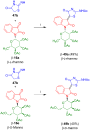
Scheme 32: Synthesis of β-49a,b. Reagents and conditions: i) AcOH/Ac2O, NaOAc, 60 °C, 3–4 h.

Scheme 33: Synthesis of β-54a,b. Reagents and conditions: i) 1) NaH, DMF, 0 °C, 15 min, 2) β-51a,b, 20 °C, 3 h...

Scheme 34: Synthesis of 54c–l. The yields refer to the yields of the first and second condensation step for ea...

Scheme 35: Synthesis of 57a–c and 58a–d. Reagents and conditions: i) HCl (conc.), AcOH, reflux, 24 h; ii) 1) B...

Scheme 36: Synthesis of 59a–e and 60a–e. Reagents and conditions: i) P(NEt2)3 (1.1 equiv), CH2Cl2, −78 °C to 2...

Scheme 37: Synthesis of 61a–d and 62a–d. Reagents and conditions: i) P(NEt2)3 (1.1 equiv), CH2Cl2, −78 °C to 2...

Scheme 38: Synthesis of β-64a–e and α-64a. Reagents and conditions: i) AcOH, Ac2O, NaOAc, 90 °C, 6 h.

Scheme 39: Synthesis of β-72a. Reagents and conditions: i) 66, EtOH, 20 °C, 12 h; ii) DDQ, dioxane, 20 °C, 12 ...

Scheme 40: Synthesis of β-72b.

Scheme 41: Synthesis of β-74a–c. Reagents and conditions: i) AcOH, Ac2O, NaOAc, 130 °C, 2 d.

Scheme 42: Synthesis of β-77. Reagents and conditions: i) 1) NEt3, EtOH, 20 °C, 12 h, 2) DMAP, NEt3, MsCl, 0 °...

Scheme 43: Synthesis of β-81a–f and β-80g. Reagents and conditions: i) AcOH, 80 °C, 1–3 h; ii) benzene, PTSA, ...

Scheme 44: Synthesis of 84a. Reagents and conditions: i) benzene, AlCl3, 20 °C, 10 min; ii) MeOH, NaOMe, 12 h,...

Scheme 45: Synthesis of 84b–l. The yields refer to the yields of the condensation and the deprotection step fo...
The scent gland composition of the Mangshan pit viper, Protobothrops mangshanensis
- Jonas Holste,
- Paul Weldon,
- Donald Boyer and
- Stefan Schulz
Beilstein J. Org. Chem. 2024, 20, 2644–2654, doi:10.3762/bjoc.20.222
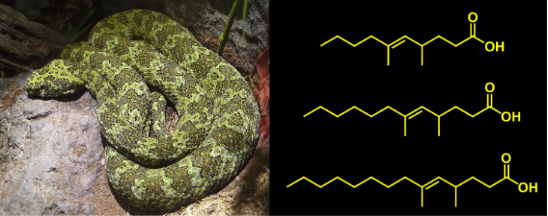
- branch could not be determined due to the decreasing peak intensity with increasing fragment chain length. To determine the position of the double bond position, we performed a microderivatization with dimethyl disulfide (DMDS) of a methylated extract. Unfortunately, we were unable to detect the
- room temperature for 1 h. The solvent was removed with a stream of N2 and the sample was taken up in CH2Cl2 and analyzed by GC–MS [43]. Dimethyl disulfide derivatization: Twenty µL of the sample in a 2 mL GC vial were diluted with pentane (20 µL) and mixed with freshly distilled dimethyl disulfide

Graphical Abstract

Figure 1: Total ion chromatogram of an extract of the scent gland of a Mangshan pit viper. Compounds A–F are ...

Figure 2: Mass spectra of compounds A–F show characteristic similarities with m/z 141 and ions of the series m...

Figure 3: Structural proposals for compounds A–F.

Scheme 1: Synthesis of methyl 4,6-dimethyldodec-5-enoate (6). ACN: acetonitrile.

Figure 4: Mass spectrum of synthetic methyl (E)-4,6-dimethyldodec-5-enoate (E-6), identical with compound D.

Figure 5: Mass spectrum of cyclo(valyl-proline).
A review of recent advances in electrochemical and photoelectrochemical late-stage functionalization classified by anodic oxidation, cathodic reduction, and paired electrolysis
- Nian Li,
- Ruzal Sitdikov,
- Ajit Prabhakar Kale,
- Joost Steverlynck,
- Bo Li and
- Magnus Rueping
Beilstein J. Org. Chem. 2024, 20, 2500–2566, doi:10.3762/bjoc.20.214
- atomoxetine, metaxalone, and tadalafil. Mechanistically, thiophenol is oxidized at the anode to the corresponding radical by SET, then dimerizes into a disulfide, which is further oxidized into an intermediate cation radical, yielding a highly electrophilic species. Subsequently, a selective anisole attack

Graphical Abstract

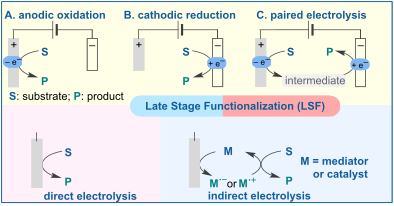
Figure 1: Classification of LSF reactions in this review.

Scheme 1: C(sp2)–H trifluoromethylation of heteroarenes.
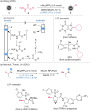
Scheme 2: C(sp2)–H and C(sp3)–H alkylation of complex molecules.

Scheme 3: Electrochemical oxidation-induced intermolecular aromatic C–H sulfonamidation.

Scheme 4: Bioconjugation of tyrosine with (a) phenothiazine and (b) urazole derivatives.

Scheme 5: Electrochemical iodoamination of indoles using unactivated amines.

Scheme 6: Allylic C(sp3)–H aminations with sulfonamides.

Scheme 7: Electrochemical benzylic oxidation of C–H bonds.
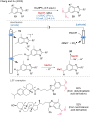
Scheme 8: Site-selective electrooxidation of methylarenes to aromatic acetals.

Scheme 9: Electrochemical activation of C–H by electron-deficient W2C nanocrystals.

Scheme 10: α-Acyloxy sulfide preparation via C–H/OH cross-dehydrogenative coupling.

Scheme 11: Aromatic C–H-bond thiolation.

Scheme 12: C(sp2)–H functionalization for the installation of sulfonamide groups.

Scheme 13: Preparation of (hetero)aryl chlorides and vinyl chloride with 1,2-dichloroethane. aCu(OAc)2 (0.05 e...

Scheme 14: Electrochemical dual-oxidation enables access to α-chlorosulfoxides.

Scheme 15: Regio- and chemoselective formyloxylation–bromination/chlorination/trifluoromethylation of alkenes.

Scheme 16: Aziridine formation by coupling amines and alkenes.

Scheme 17: Formation of iminosulfide ethers via difunctionalization of an isocyanide.

Scheme 18: Synthesis of 1,3-difunctionalized molecules via C–C-bond cleavage of arylcyclopropane.

Scheme 19: Electrooxidative amino- and oxyselenation of alkenes. VBImBr = 1-butyl-3-vinylimidazolium bromide.

Scheme 20: Electrooxidative dehydrogenative [4 + 2] annulation of indole derivatives.

Scheme 21: Electrochemical cyclization combined with alkoxylation of triticonazole.

Scheme 22: Electrochemically tuned oxidative [4 + 2] annulation of olefins with hydroxamic acids.

Scheme 23: Electrosynthesis of indole derivatives via cyclization of 2-ethynylanilines.

Scheme 24: Allylic C–H oxidation of mono-, di-, and sesquiterpenes.

Scheme 25: Oxidation of unactivated C–H bonds.

Scheme 26: Fluorination of C(sp3)–H bonds. rAP = rapid alternating polarity.

Scheme 27: C(sp3)–H α-cyanation of secondary piperidines.
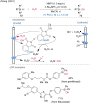
Scheme 28: Selective electrochemical hydrolysis of hydrosilanes to silanols.

Scheme 29: Organocatalytic electrochemical amination of benzylic C–H bonds.

Scheme 30: Iodide ion-initiated anodic oxidation reactions.

Scheme 31: Mn(III/IV) electro-catalyzed C(sp3)–H azidation.
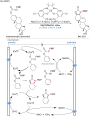
Scheme 32: Tailored cobalt–salen complexes enable electrocatalytic intramolecular allylic C–H functionalizatio...

Scheme 33: Cobalt–salen complexes-induced electrochemical (cyclo)additions.

Scheme 34: Electrochemical 1,2-diarylation of alkenes enabled by direct dual C–H functionalization of electron...

Scheme 35: Cobalt-electrocatalyzed atroposelective C–H annulation.

Scheme 36: Nickel-electrocatalyzed C(sp2)–H alkoxylation with secondary alcohols.

Scheme 37: Nickel-catalyzed electrochemical enantioselective amination.
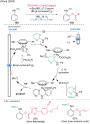
Scheme 38: Ruthenium-electrocatalyzed C(sp2)–H mono- and diacetoxylation.
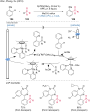
Scheme 39: Rhodium(III)-catalyzed aryl-C–H phosphorylation enabled by anodic oxidation-induced reductive elimi...

Scheme 40: Asymmetric Lewis-acid catalysis for the synthesis of non-racemic 1,4-dicarbonyl compounds.

Scheme 41: Electrochemical enantioselective C(sp3)–H alkenylation.

Scheme 42: Palladium-catalyzed electrochemical dehydrogenative cross-coupling.
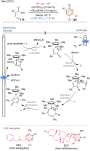
Scheme 43: Ir-electrocatalyzed vinylic C(sp2)–H activation for the annulation between acrylic acids and alkyne...

Scheme 44: Electrochemical gold-catalyzed C(sp3)–C(sp) coupling of alkynes and arylhydrazines.

Scheme 45: Photoelectrochemical alkylation of C–H heteroarenes using organotrifluoroborates.

Scheme 46: Mn-catalyzed photoelectro C(sp3)–H azidation.

Scheme 47: Photoelectrochemical undirected C–H trifluoromethylations of (Het)arenes.

Scheme 48: Photoelectrochemical dehydrogenative cross-coupling of heteroarenes with aliphatic C–H bonds.
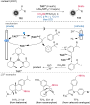
Scheme 49: C–H amination via photoelectrochemical Ritter-type reaction.

Scheme 50: Photoelectrochemical multiple oxygenation of C–H bonds.

Scheme 51: Accelerated C(sp3)–H heteroarylations by the f-EPC system.

Scheme 52: Photoelectrochemical cross-coupling of amines.

Scheme 53: Birch electroreduction of arenes. GSW = galvanized steel wire.

Scheme 54: Electroreductive deuterations.

Scheme 55: Chemoselective electrosynthesis using rapid alternating polarity.

Scheme 56: Electroreductive olefin–ketone coupling.

Scheme 57: Electroreductive approach to radical silylation.

Scheme 58: Electrochemical borylation of alkyl halides. CC = carbon close.

Scheme 59: Radical fluoroalkylation of alkenes.
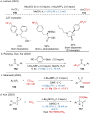
Scheme 60: Electrochemical defluorinative hydrogenation/carboxylation.

Scheme 61: Electrochemical decarboxylative olefination.

Scheme 62: Electrochemical decarboxylative Nozaki–Hiyama–Kishi coupling.
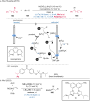
Scheme 63: Nickel-catalyzed electrochemical reductive relay cross-coupling.

Scheme 64: Electrochemical chemo- and regioselective difunctionalization of 1,3-enynes.

Scheme 65: Electrocatalytic doubly decarboxylative crosscoupling.

Scheme 66: Electrocatalytic decarboxylative crosscoupling with aryl halides.

Scheme 67: Nickel-catalyzed electrochemical reductive coupling of halides.

Scheme 68: Nickel-electrocatalyzed enantioselective carboxylation with CO2.

Scheme 69: Reductive electrophotocatalysis for borylation.
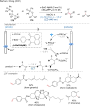
Scheme 70: Electromediated photoredox catalysis for selective C(sp3)–O cleavages of phosphinated alcohols to c...

Scheme 71: Stereoselective electro-2-deoxyglycosylation from glycals. MFE = methyl nonafluorobutyl ether.

Scheme 72: Electrochemical peptide modifications.

Scheme 73: Electrochemical α-deuteration of amides.

Scheme 74: Electrochemical synthesis of gem-diselenides.

Scheme 75: Site-selective electrochemical aromatic C–H amination.

Scheme 76: Electrochemical coupling of heteroarenes with heteroaryl phosphonium salts.
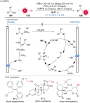
Scheme 77: Redox-neutral strategy for the dehydroxyarylation reaction.
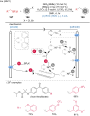
Scheme 78: Nickel-catalyzed electrochemical C(sp3)–C(sp2) cross-coupling of benzyl trifluoroborate and halides....
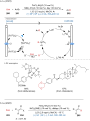
Scheme 79: Paired electrocatalysis for C(sp3)–C(sp2) coupling.

Scheme 80: Redox-neutral strategy for amination of aryl bromides.

Scheme 81: Redox-neutral cross-coupling of aryl halides with weak N-nucleophiles. aProtocol with (+) RVC | RVC...

Scheme 82: Nickel-catalyzed N-arylation of NH-sulfoximines with aryl halides.

Scheme 83: Esterification of carboxylic acids with aryl halides.

Scheme 84: Electrochemically promoted nickel-catalyzed carbon–sulfur-bond formation. GFE = graphite felt elect...

Scheme 85: Electrochemical deoxygenative thiolation by Ni-catalysis. GFE = graphite felt electrode; NFE = nick...
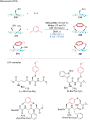
Scheme 86: Electrochemical coupling of peptides with aryl halides.

Scheme 87: Paired electrolysis for the phosphorylation of aryl halides. GFE = graphite felt electrode, FNE = f...

Scheme 88: Redox-neutral alkoxyhalogenation of alkenes.
Efficacy of radical reactions of isocyanides with heteroatom radicals in organic synthesis
- Akiya Ogawa and
- Yuki Yamamoto
Beilstein J. Org. Chem. 2024, 20, 2114–2128, doi:10.3762/bjoc.20.182
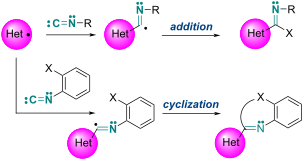
- mechanism. In the case of tertiary alkanethiols and arylmethanethiols, the corresponding imidoyl radicals 2 decompose to give tertiary alkyl and benzylic radicals, respectively, to form isothiocyanates 5. On the other hand, we have investigated the radical addition of diphenyl disulfide to isocyanides under
- photoirradiation. The photoinduced radical addition of the disulfide to aliphatic isocyanides hardly proceeds, whereas the radical addition to aromatic isocyanides proceeds under high concentration conditions using excess amounts of (PhS)2, selectively yielding 1,1-addition product 4 (R = 2,6-xylyl, E = PhS) [28
- (kSe = 1.2 × 10⁷ M−1s−1) is known to be ca. 160 times higher than that of (PhS)2 [31]. Therefore, we investigated the radical addition to isocyanides using a disulfide–diselenide binary system under photoirradiation and found that the thioselenation of aromatic isocyanides proceeded efficiently to

Graphical Abstract

Figure 1: Resonance structures and reactivity of carbon monoxide.

Figure 2: Resonance structures and reactivity of isocyanides.

Scheme 1: Possible three pathways of the E• formation for imidoylation.

Scheme 2: Radical addition of thiols to isocyanides.

Scheme 3: Selective thioselenation and catalytic dithiolation of isocyanides.

Scheme 4: Synthesis of carbacephem framework.

Scheme 5: Sequential addition of (PhSe)2 to ethyl propiolate and isocyanide.

Scheme 6: Isocyanide insertion reaction into carbon-tellurium bonds.

Scheme 7: Radical addition to isocyanides with disubstituted phosphines.

Scheme 8: Radical addition to phenyl isocyanides with diphosphines.

Scheme 9: Radical reaction of tin hydride and hydrosilane toward isocyanide.

Scheme 10: Isocyanide insertion into boron compounds.

Scheme 11: Isocyanide insertion into cyclic compounds containing boron units.

Scheme 12: Photoinduced hydrodefunctionalization of isocyanides.

Scheme 13: Tin hydride-mediated indole synthesis and cross-coupling.

Scheme 14: 2-Thioethanol-mediated radical cyclization of alkenyl isocyanide.

Scheme 15: Thiol-mediated radical cyclization of o-alkenylaryl isocyanide.

Scheme 16: (PhTe)2-assisted dithiolative cyclization of o-alkenylaryl isocyanide.

Scheme 17: Trapping imidoyl radicals with heteroatom moieties.

Scheme 18: Trapping imidoyl radicals with isocyano group.

Scheme 19: Quinoline synthesis via aza-Bergman cyclization.

Scheme 20: Phenanthridine synthesis via radical cyclization of 2-isocyanobiaryls.

Scheme 21: Phenanthridine synthesis by radical reactions with AIBN, DBP and TTMSS.

Scheme 22: Phenanthridine synthesis by oxidative cyclization of 2-isocyanobiaryls.

Scheme 23: Phenanthridine synthesis using a photoredox system.

Scheme 24: Phenanthridine synthesis induced by phosphorus-centered radicals.

Scheme 25: Phenanthridine synthesis induced by sulfur-centered radicals.

Scheme 26: Phenanthridine synthesis induced by boron-centered radicals.

Scheme 27: Phenanthridine synthesis by oxidative cyclization of 2-aminobiaryls.
Computational toolbox for the analysis of protein–glycan interactions
- Ferran Nieto-Fabregat,
- Maria Pia Lenza,
- Angela Marseglia,
- Cristina Di Carluccio,
- Antonio Molinaro,
- Alba Silipo and
- Roberta Marchetti
Beilstein J. Org. Chem. 2024, 20, 2084–2107, doi:10.3762/bjoc.20.180
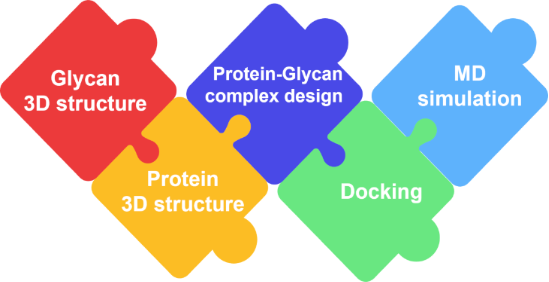
- the selected force field is required before running MD simulations. Other modifications can include adding a disulfide bond between specific cysteines and filling the missing side chains and missing loops (if any) to restore the integrity of the protein. Here, we list a series of software tools and

Graphical Abstract

Figure 1: Carbohydrate conformational variability. a) Illustration of Φ, Ψ and ω dihedral angles for a repres...

Figure 2: Monosaccharides diversity in eukaryotes and bacteria. a) Eukaryotic monosaccharides. b) Examples of...

Figure 3: Different glycan representations. The 3’-sialyllactosamine is depicted according to the a) IUPAC no...

Figure 4: Visualisation programs. Different representation of a protein–ligand complex by using the most used...
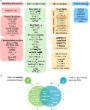
Figure 5: A schematic representation of useful computational methods to study protein–glycan interactions. a)...
A facile three-component route to powerful 5-aryldeazaalloxazine photocatalysts
- Ivana Weisheitelová,
- Radek Cibulka,
- Marek Sikorski and
- Tetiana Pavlovska
Beilstein J. Org. Chem. 2024, 20, 1831–1838, doi:10.3762/bjoc.20.161
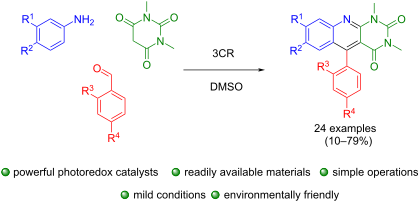
- significant topic. Surprisingly, there has been limited information on 5-deazaalloxazines (dAll) synthesis [20][21][22]. Most known methods employ the cyclization of 6-(arylamino)uracils with one-carbon reagents such as triethyl orthoformate, dimethylformamide dimethylacetal, carbon disulfide, N,N

Graphical Abstract

Figure 1: (A) The general structures of isoalloxazine (flavin, Fl), alloxazine (All), 5-deazaisoalloxazine (5...
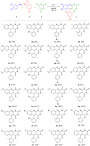
Scheme 1: Three-component condensation of anilines, aldehydes and N,N-dimethylbarbituric acid. aReaction was ...

Figure 2: UV–vis absorption spectra of 5-arydeazaalloxazines 2f, 2j and 2n in DMF (l = 1 cm, c = 2.50 × 10⁻⁵ ...

Scheme 2: Control experiments related to bulky substituted aldehydes.
Discovery of antimicrobial peptides clostrisin and cellulosin from Clostridium: insights into their structures, co-localized biosynthetic gene clusters, and antibiotic activity
- Moisés Alejandro Alejo Hernandez,
- Katia Pamela Villavicencio Sánchez,
- Rosendo Sánchez Morales,
- Karla Georgina Hernández-Magro Gil,
- David Silverio Moreno-Gutiérrez,
- Eddie Guillermo Sanchez-Rueda,
- Yanet Teresa-Cruz,
- Brian Choi,
- Armando Hernández Garcia,
- Alba Romero-Rodríguez,
- Oscar Juárez,
- Siseth Martínez-Caballero,
- Mario Figueroa and
- Corina-Diana Ceapă
Beilstein J. Org. Chem. 2024, 20, 1800–1816, doi:10.3762/bjoc.20.159

- activity of nisin, a lanthipeptide produced by certain strains of Lactococcus lactis, is dependent on thioether-ring formation [14]. Additional post-translational modifications contributing to their distinct biological activities were identified [15][16]. Intermolecular disulfide bridges were proved to

Graphical Abstract

Figure 1: Phylogenetic trees of the LanM synthetase amino acid sequences. Unrooted phylogenetic tree of all t...

Figure 2: The phylogenetic tree was built by concatenating 1000 shared clostridial genes (left) between the s...

Figure 3: A. Similarity network created with the ESI web tool with the precursor peptide amino acid sequences...
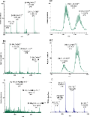
Figure 4: Mass-spectrometric analysis of purified clostrisin and cellulosin (ESIMS spectra). A1 and A2: CloA2...

Figure 5: Growth curves of the strains with the bacterial activity of the samples. A. Precursor peptide for C...

Figure 6: Atomic force microscopy images (peak force mode) of S. epidermidis MIQ43 incubated with the differe...
Polymer degrading marine Microbulbifer bacteria: an un(der)utilized source of chemical and biocatalytic novelty
- Weimao Zhong and
- Vinayak Agarwal
Beilstein J. Org. Chem. 2024, 20, 1635–1651, doi:10.3762/bjoc.20.146
- stability by introduction of disulfide bonds [112][113]. Two new alginate lyases, AlgL17 and AlgL6, both expressed in E. coli, were characterized from Microbulbifer sp. ALW1 isolated from rotten brown algae [61][62]. AlgL17 preferentially degraded polyM with poor activity towards polyG, indicating it to be

Graphical Abstract

Figure 1: Oceanic distribution and marine holobiont sources of Microbulbifer strains described in the literat...

Figure 2: The chemical structure of agarose with the key β-1,4 linkage denoted.

Figure 3: The chemical structure of the biopolymer alginate.

Figure 4: The chemical structure of chitin.

Figure 5: Chemical structures of sulfated polysaccharides κ-, ι-, and λ-carrageenans.

Figure 6: Chemical structures of 4HBA (1) and parabens (2–14) isolated from Microbulbifer strains, and synthe...

Figure 7: Chemical structures of nucleosides 18–20 isolated from Microbulbifer strains.

Figure 8: Chemical structures of alkaloids 21–24 isolated from Microbulbifer strains.

Figure 9: Chemical structures of (2Z,4E)-3-methyl-2,4-decadienoic acid (25) and 4-BP (26) natural products is...
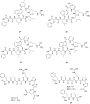
Figure 10: Chemical structures of bulbiferamides 27–30 and pseudobulbiferamides 31–35.

Figure 11: Proposed NRPS assembly lines for the biosynthesis of (A) bulbiferamide A (27) and (B) pseudobulbife...

Figure 12: Chemical structures of 2-heptyl-1H-quinolin-4-one (36, HHQ), 2-heptyl-1-hydroxyquinolin-4-one (37, ...
Generation of alkyl and acyl radicals by visible-light photoredox catalysis: direct activation of C–O bonds in organic transformations
- Mithu Roy,
- Bitan Sardar,
- Itu Mallick and
- Dipankar Srimani
Beilstein J. Org. Chem. 2024, 20, 1348–1375, doi:10.3762/bjoc.20.119
- 21). Styrenes selectively reacted with vinyl ethers in the presence of an acridinium photocatalyst and a diphenyl disulfide HAT catalyst to produce the aldehyde product when exposed to blue LED light. Differently substituted styrenes were examined using this protocol, which produced the aldehyde

Graphical Abstract
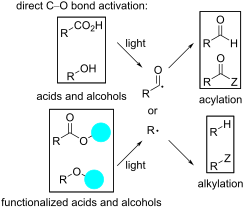
Figure 1: Generation of alkyl and acyl radicals via C–O bond breaking.

Figure 2: General photocatalytic mechanism.

Scheme 1: Photoredox-catalyzed hydroacylation of olefins with aliphatic carboxylic acids.
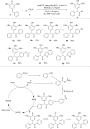
Scheme 2: Acylation–aromatization of p-quinone methides using carboxylic acids.
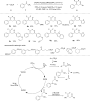
Scheme 3: Visible-light-induced deoxygenation–defluorination for the synthesis of γ,γ-difluoroallylic ketones....

Scheme 4: Photochemical hydroacylation of azobenzenes with carboxylic acids.
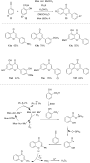
Scheme 5: Photoredox-catalyzed synthesis of flavonoids.
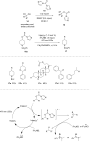
Scheme 6: Synthesis of O-thiocarbamates and photocatalytic reduction of O-thiocarbamates.
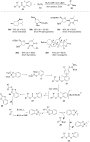
Scheme 7: Deoxygenative borylation of alcohols.

Scheme 8: Trifluoromethylation of O-alkyl thiocarbonyl substrates.
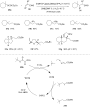
Scheme 9: Redox-neutral radical coupling reactions of alkyl oxalates and Michael acceptors.

Scheme 10: Visible-light-catalyzed and Ni-mediated syn-alkylarylation of alkynes.
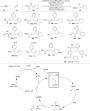
Scheme 11: 1,2-Alkylarylation of alkenes with aryl halides and alkyl oxalates.
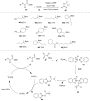
Scheme 12: Deoxygenative borylation of oxalates.

Scheme 13: Coupling of N-phthalimidoyl oxalates with various acceptors.
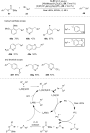
Scheme 14: Cross-coupling of O-alkyl xanthates with aryl halides via dual photoredox and nickel catalysis.

Scheme 15: Deoxygenative borylation of secondary alcohol.
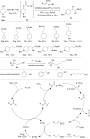
Scheme 16: Deoxygenative alkyl radical generation from alcohols under visible-light photoredox conditions.
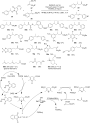
Scheme 17: Deoxygenative alkylation via alkoxy radicals against hydrogenation or β-fragmentation.
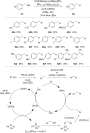
Scheme 18: Direct C–O bond activation of benzyl alcohols.
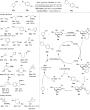
Scheme 19: Deoxygenative arylation of alcohols using NHC to activate alcohols.
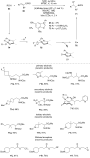
Scheme 20: Deoxygenative conjugate addition of alcohol using NHC as alcohol activator.
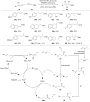
Scheme 21: Synthesis of polysubstituted aldehydes.
Synthesis of indano[60]fullerene thioketone and its application in organic solar cells
- Yong-Chang Zhai,
- Shimon Oiwa,
- Shinobu Aoyagi,
- Shohei Ohno,
- Tsubasa Mikie,
- Jun-Zhuo Wang,
- Hirofumi Amada,
- Koki Yamanaka,
- Kazuhira Miwa,
- Naoyuki Imai,
- Takeshi Igarashi,
- Itaru Osaka and
- Yutaka Matsuo
Beilstein J. Org. Chem. 2024, 20, 1270–1277, doi:10.3762/bjoc.20.109
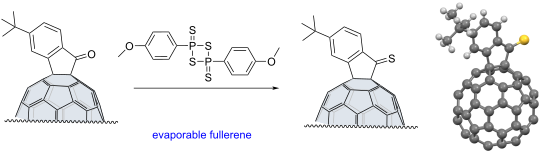
- results were not fully satisfactory. Considering the poor solubility of fullerene derivatives, toluene, carbon disulfide (CS2), and ortho-dichlorobenzene (o-DCB) were tested as solvent. Surprisingly, the conversion from ketone to thioketone did not occur as anticipated. In another attempt, where the

Graphical Abstract

Figure 1: Characterization data. (a) FTIR spectra of t-Bu-FIDO and t-Bu-FIDS. (b) UV–vis spectra of fullerene...

Figure 2: Single-crystal structure of t-Bu-FIDS. (a) The π–π distance between two molecules. (b) Crystal pack...

Figure 3: Cyclic voltammograms of fullerene derivatives in o-DCB solution containing Bu4N+(CF3SO2)2N− (0.1 M)...

Figure 4: J–V curves of BHJ OPV devices. (a) ITO/ZnO/fullerene:P3HT (1:1, w/w)/PEDOT:PSS/Ag. (b) ITO/ZnO/full...
Synthesis and biological profile of 2,3-dihydro[1,3]thiazolo[4,5-b]pyridines, a novel class of acyl-ACP thioesterase inhibitors
- Jens Frackenpohl,
- David M. Barber,
- Guido Bojack,
- Birgit Bollenbach-Wahl,
- Ralf Braun,
- Rahel Getachew,
- Sabine Hohmann,
- Kwang-Yoon Ko,
- Karoline Kurowski,
- Bernd Laber,
- Rebecca L. Mattison,
- Thomas Müller,
- Anna M. Reingruber,
- Dirk Schmutzler and
- Andrea Svejda
Beilstein J. Org. Chem. 2024, 20, 540–551, doi:10.3762/bjoc.20.46
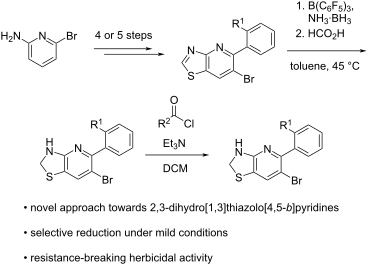
- ). Whilst tetrabutylammonium borohydride [22] at room temperature did not lead to a conversion of the starting material 5 either, a trace amount of desired 2,3-dihydro[1,3]thiazolo[4,5-b]pyridine 7b was formed at elevated temperature, accompanied by disulfide 18b as the main product (Table 1, entries 5 and
- ]pyridine 7b was formed together with disulfide 18b and aminoborane 17b (Table 1, entry 11). We thus evaluated B(C6F5)3 as a nonmetallic catalyst to activate ammonia borane in the reductive hydrogenation of the C=N-bond in [1,3]thiazolo[4,5-b]pyridines 5 and 15c. In line with reports on the hydrogenation of

Graphical Abstract

Scheme 1: Selected known inhibitors 1–3 of acyl-ACP thioesterases (belonging to the protein family of FATs) a...

Scheme 2: Preparation of 2,3-dihydro[1,3]thiazolo[4,5-b]pyridines 7a–c and 13a–c via iron-mediated sulfur rem...

Scheme 3: Evaluation of potential side reactions in the borane-mediated preparation of 2,3-dihydro[1,3]thiazo...

Figure 1: Preemergence efficacy of 2,3-dihydro[1,3]thiazolo[4,5-b]pyridine-based FAT inhibitors 7b, 7c, and 1...

Figure 2: Preemergence efficacy of 2,3-dihydro[1,3]thiazolo[4,5-b]pyridine-based FAT inhibitors 7b, 7c, and 1...
Switchable molecular tweezers: design and applications
- Pablo Msellem,
- Maksym Dekthiarenko,
- Nihal Hadj Seyd and
- Guillaume Vives
Beilstein J. Org. Chem. 2024, 20, 504–539, doi:10.3762/bjoc.20.45
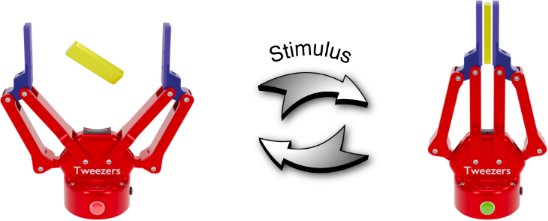
- C60 and C70 complexation, with selectivity for C70 (log KC60 = 3.3 and log KC70 = 4.7). In a follow-up of this work, they reported a similar redox-switchable biscorannulene tweezers system with a bis(arylthiol) switching unit that can be locked in the cis-conformation by forming a disulfide S–S bridge
- preferred conformation. It was achieved in tweezers 42 by the formation of an intramolecular disulfide bridge, that enables non-covalent bonds with aromatic moieties and results in a favored syn-conformation (Figure 23a) [89]. Yet, the most explored way is to use an electroactive moiety that can change its

Graphical Abstract

Figure 1: Principle of switchable molecular tweezers.

Figure 2: Principle of pH-switchable molecular tweezers 1 [19].

Figure 3: a) pH-Switchable tweezers 2 substituted with alkyl chains as switchable lipids. b) Schematic depict...

Figure 4: Modification of spectral properties of 3 by controlled induction of Pt–Pt interactions.

Figure 5: Conformational switching of di(hydroxyphenyl)pyrimidine-based tweezer 4 upon alkylation or fluoride...

Figure 6: Hydrazone-based pH-responsive tweezers 5 for mesogenic modulation.

Figure 7: pH-Switchable molecular tweezers 6 bearing acridinium moieties.

Figure 8: a) Terpyridine and pyridine-hydrazone-pyridine analogs molecular tweezers and b) extended pyridine ...

Figure 9: Terpyridine-based molecular tweezers with M–salphen arms and their field of application. Figure 9 was adapt...

Figure 10: a) Terpyridine-based molecular tweezers for diphosphate recognition [48]; b) bishelicene chiroptical te...

Figure 11: Terpyridine-based molecular tweezers with allosteric cooperative binding.

Figure 12: Terpyridine-based molecular tweezers presenting closed by default conformation.

Figure 13: Pyridine-pyrimidine-pyridine-based molecular tweezers.

Figure 14: Coordination-responsive molecular tweezers based on nitrogen-containing ligands.

Figure 15: Molecular tweezers exploiting the remote bipyridine or pyridine binding to trigger the conformation...

Figure 16: Bipyridine-based molecular tweezers exploiting the direct s-trans to s-cis-switching for a) anion b...

Figure 17: a) Podand-based molecular tweezers [66,67]. b) Application of tweezers 32 for the catalytic allosteric reg...

Figure 18: Anion-triggered molecular tweezers based on calix[4]pyrrole.

Figure 19: Anion-triggered molecular tweezers.

Figure 20: a) Principle of the weak link approach (WLA) developed by Mirkin and its application to b) symmetri...

Figure 21: Molecular tweezers as allosteric catalyst in asymmetric epoxide opening [80].

Figure 22: Allosteric regulation of catalytic activity in ring-opening polymerization with double tweezers 41.

Figure 23: a) Conformational switching of 42 by intramolecular –S–S– bridge formation. b) Shift of conformatio...

Figure 24: a) Redox-active glycoluril-TTF tweezers 44. b) Mechanism of stepwise oxidation of said tweezers wit...

Figure 25: Mechanism of formation of the mixed-valence dimers of tweezers 45.

Figure 26: Mechanism of carbohydrate liberation upon redox-mediated conformation switching of 46.

Figure 27: a) The encapsulation properties of 47 as well as the DCTNF release process from its host–guest comp...

Figure 28: Redox-active bipyridinium-based tweezers. a) With a ferrocenyl hinge 49, b) with a propyl hinge 50 ...

Figure 29: Redox-active calix[4]arene porphyrin molecular tweezers.

Figure 30: a) Mechanism of the three orthogonal stimuli. b) Cubic scheme showing the eight different states of ...

Figure 31: Redox-controlled molecular gripper based on a diquinone resorcin[4]arene.
Figure 32: a) Shinkai's butterfly tweezers and their different host–guest properties depending on the isomer. ...

Figure 33: Cyclam-tethered tweezers and their different host–guest complexes depending on their configuration.

Figure 34: Azobenzene-based catalytic tweezers.

Figure 35: Photoswitchable PIEZO channel mimic.

Figure 36: Stilbene-based porphyrin tweezers for fullerene recognition.

Figure 37: Stiff-stilbene-based tweezers with urea or thiourea functional units for a) anion binding, b) anion...

Figure 38: Feringa’s photoswitchable organocatalyst (a) and different catalyzed reactions with that system (b)....

Figure 39: a) Irie and Takeshita’s thioindigo-based molecular tweezers. b) Family of hemithioindigo-based mole...

Figure 40: Dithienylethylene crown ether-bearing molecular tweezers reported by Irie and co-workers.
Elucidating the glycan-binding specificity and structure of Cucumis melo agglutinin, a new R-type lectin
- Jon Lundstrøm,
- Emilie Gillon,
- Valérie Chazalet,
- Nicole Kerekes,
- Antonio Di Maio,
- Ten Feizi,
- Yan Liu,
- Annabelle Varrot and
- Daniel Bojar
Beilstein J. Org. Chem. 2024, 20, 306–320, doi:10.3762/bjoc.20.31
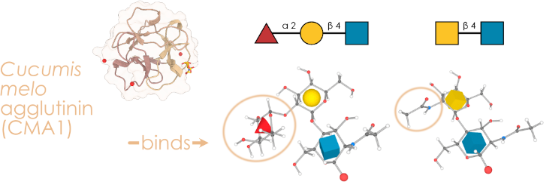
- in bacteria as well as the oxidative environment of the secretory pathway, as CMA1 exhibits predicted disulfide bridges. A single step of His-tag affinity chromatography was sufficient to yield protein of adequate purity and good yield (≈15 mg of eluted protein from 800 mL of cell culture, Figure 1c

Graphical Abstract

Figure 1: Characterizing a new lectin from the melon Cucumis melo. (a) Evolutionary relationships of common R...

Figure 2: Characterizing the binding specificity of CMA1. (a, b) Lectin produced in mammalian cells was analy...

Figure 3: Assessing and quantifying in-solution binding of CMA1. (a) Erythrocyte agglutination assay. Using r...

Figure 4: Structural insights into the binding mechanism of CMA1. (a, b) Overall representation of the N-term...
Synthesis of π-conjugated polycyclic compounds by late-stage extrusion of chalcogen fragments
- Aissam Okba,
- Pablo Simón Marqués,
- Kyohei Matsuo,
- Naoki Aratani,
- Hiroko Yamada,
- Gwénaël Rapenne and
- Claire Kammerer
Beilstein J. Org. Chem. 2024, 20, 287–305, doi:10.3762/bjoc.20.30
- ]. Similarly to the early transformations of thiepines, sulfur elimination was triggered by copper bronze at high temperature, thus leading to the conversion of the 6-membered cyclic disulfide into the corresponding thiophene. The 1,2-dithiin scaffold is found in natural products such as thiarubrines A and B
- , along with the 5-membered 1,8-naphthalene disulfide 49 resulting from the ring contraction of precursor 47. Such SO transfer process, favoured by the peri-interaction existing in the trisulfide-2-oxide substrate, was also successfully promoted by light and the cyclic sulfoxide 50 was obtained under

Graphical Abstract

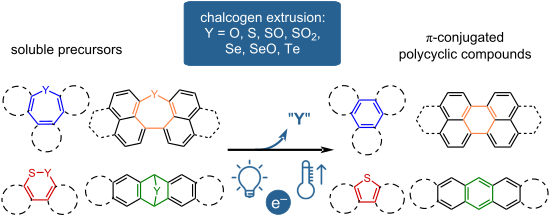
Scheme 1: “Precursor approach” for the synthesis of π-conjugated polycyclic compounds, with the thermally- or...

Scheme 2: Valence isomerization of chalcogen heteropines and subsequent cheletropic extrusion in the case of ...

Scheme 3: Early example of phenanthrene synthesis via a chemically-induced S-extrusion (and concomitant decar...

Scheme 4: Top: Conversion of dinaphthothiepine bisimides 3a,b and their sulfoxide analogues 4a,b into PBIs 6a,...

Figure 1: Top view (a) and side view (b) of the X-ray crystal structure of thiepine 3b showing its bent confo...

Scheme 5: Modular synthetic route towards dinaphthothiepines 3a–f and the corresponding S-oxides 4a–d, incorp...

Scheme 6: Top: Conversion of dithienobenzothiepine monomeric units into dithienonaphthalenes, upon S-extrusio...

Scheme 7: Synthesis of S-doped extended triphenylene derivative 22 from 3-bromothiophene (17) with the therma...
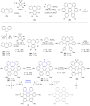
Scheme 8: Top: Synthesis of thermally-stable O-doped HBC 26a. Bottom: Synthesis of S- and Se-based soluble pr...

Scheme 9: Synthesis of dinaphthooxepine bisimide 33 and conversion into PBI 6f by O-extrusion triggered by el...

Figure 2: Cyclic voltammogram of dinaphthooxepine 33, evidencing the irreversibility of the reduction process...

Scheme 10: Top: Early example of 6-membered ring contraction with concomitant S-extrusion leading to dinaphtho...

Scheme 11: Examples of S-extrusion from annelated 1,2-dithiins under photoactivation (top) or thermal activati...

Scheme 12: Synthesis of dibenzo[1,4]dithiapentalene upon photoextrusion of SO2 [78].

Scheme 13: Extrusion of SO in naphthotrithiin-2-oxides for the synthesis of 2,5-dihydrothiophene 1-oxides [79].

Scheme 14: SO-extrusion as a key step in the synthesis of fullerenes (C60 and C70) encapsulating H2 molecules [80,82]....

Scheme 15: Synthesis of diepoxytetracene precursor 56 and its on-surface conversion into tetracene upon O-extr...

Scheme 16: Soluble precursors of hexacene, decacene and dodecacene incorporating 1,4-epoxides in their hydroca...

Scheme 17: Synthesis of tetraepoxide 59 as soluble precursor of decacene [85].

Figure 3: Constant-height STM measurement of decacene on Au(111) using a CO-functionalized tip (sample voltag...



