Search results
Search for "identification" in Full Text gives 459 result(s) in Beilstein Journal of Organic Chemistry. Showing first 200.
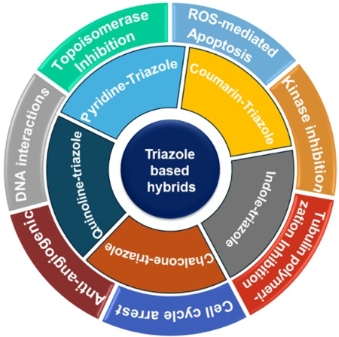
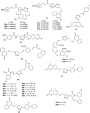
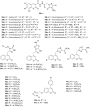
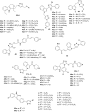
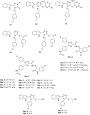
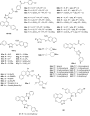
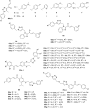
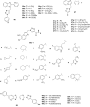
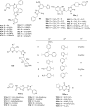
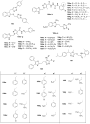
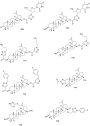
Triazole-based hybrid molecules in anticancer drug discovery: structural classes and mechanistic insights, 2014–2025
Beilstein J. Org. Chem. 2026, 22, 1168–1195, doi:10.3762/bjoc.22.94






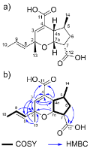
Rhodopyran, a carboxylated hexahydrocyclopenta[b]pyran from Rhodococcus
Beilstein J. Org. Chem. 2026, 22, 1107–1113, doi:10.3762/bjoc.22.89
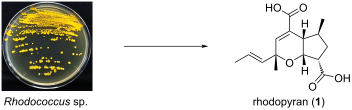
- rRNA gene sequence of the strain showed 99.3% homology with the closely related Rhodococcus cerastii C5T (FR714842), leading to its identification as belonging to the genus Rhodococcus (1466 nucleotides; DDBJ accession number LC688269). Fermentation Strain RD066637 growing on an ISP 2 agar medium


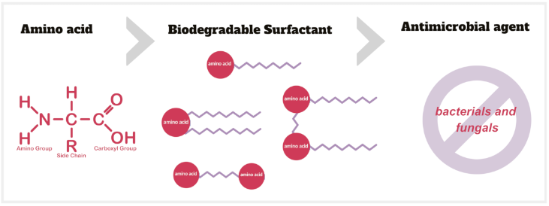
Amino acid-based surfactants: sustainable synthesis and antimicrobial mechanisms
Beilstein J. Org. Chem. 2026, 22, 1067–1085, doi:10.3762/bjoc.22.85
- citations [31][32]. The process was divided into four main phases: identification, screening, eligibility and inclusion as illustrated in the flowchart (Figure 3) [32]. In the identification phase, a comprehensive search strategy was conducted using specific health science descriptors (DeCS) combined with


Semisynthesis, characterisation, and antibacterial evaluation of a novel lecanoric acid-derived amide library
Beilstein J. Org. Chem. 2026, 22, 1023–1032, doi:10.3762/bjoc.22.81
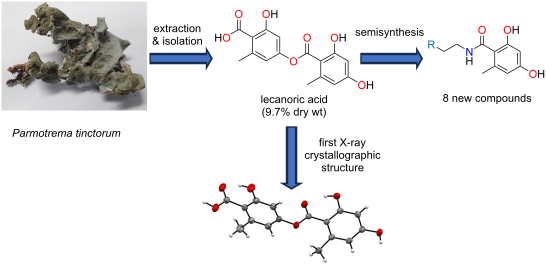
- private property in Holland Park, Queensland, Australia on the 5th of April 2023. Patrick McCarthy and Jack Elix performed the taxonomic identification of the lichen. The freshly collected lichen was air-dried at room temperature for one month prior to the extraction and isolation chemistry. A voucher
- File 8: NMR data tables and 1D/2D NMR spectra for natural products 1–5 and semisynthetic amide analogues 6–13, additionally, HRESIMS data for all semisynthetics. Acknowledgements We gratefully acknowledge Patrick McCarthy and Jack Elix for undertaking the taxonomic identification of the lichen used in


Site-specific labelling of native peptides and proteins: chemical and enzymatic strategies
Beilstein J. Org. Chem. 2026, 22, 857–881, doi:10.3762/bjoc.22.67
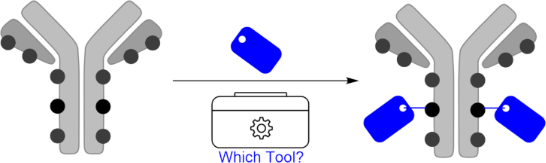
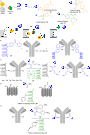
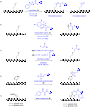
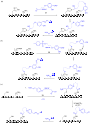
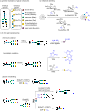
- biological environment [46]. In a related concept, the Chin group reported the genetic incorporation of the unnatural amino acid 2,3-diaminopropionic acid (DAP, 13), a nucleophilic amine that has a relatively low pKa (6–8) and is structurally analogous to serine or cysteine, enabling identification of native








Unsymmetrical sulfoxides with sterically hindered catechol fragment: synthesis, structure, electrochemical properties, and antiradical activity
Beilstein J. Org. Chem. 2026, 22, 828–837, doi:10.3762/bjoc.22.65
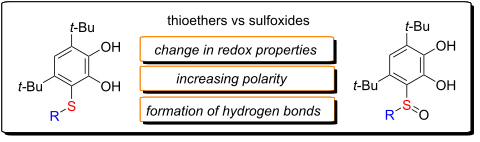
- comparative assessment of the electrochemical properties of the synthesized catechol sulfoxides and their precursors thioethers enables the proposal of an electrooxidation mechanism, the identification of electron transfer centers, and the elucidation of differences in the redox behavior of catechols


Total synthesis of the capsular polysaccharide repeating unit towards the development of a glycoconjugate vaccine against Klebsiella pneumoniae ST512
Beilstein J. Org. Chem. 2026, 22, 821–827, doi:10.3762/bjoc.22.64
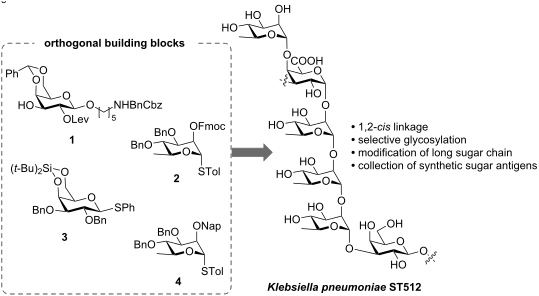
- conjugation-ready oligosaccharides, equipped with aminopentyl linkers, enables glycan microarray-based identification of minimal immunogenic epitopes. This work establishes a robust chemical foundation for the rational development of semi-synthetic glycoconjugate vaccines targeting K. pneumoniae ST512
- currently available [24][25][26][27]. The identification of immunogenic epitopes is a key step toward the development of efficacious semi-synthetic vaccines [19][28]. Herein, we report the first total synthesis of a series of conjugation-ready oligosaccharides related to the CPS repeating unit of K
- 20 in 45% yield over three steps. The identification of the minimal antigenic epitope is of paramount importance in the development of semi-synthetic glycoconjugate vaccines [36][37]. To expand the library of synthetic carbohydrate antigens and provide a chemical foundation for subsequent high


Synthesis and biological evaluation of new brassinosteroid analogs with C-22 benzoate function
Beilstein J. Org. Chem. 2026, 22, 753–762, doi:10.3762/bjoc.22.57
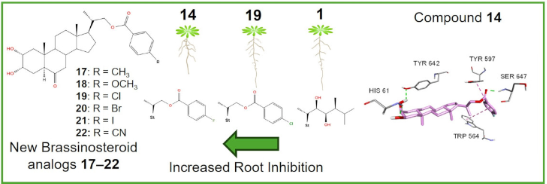
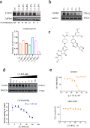
- have been assessed by RLIT and inhibition of root growth of A. thaliana. Additionally, the Western blot technique has been applied for the detection and identification of BES1 in A. thaliana seedlings, which has been used as a model organism for this type of study [32]. Results and Discussion Chemistry
- the para-position. Western blotting analyses of compounds 2α,3α-dihydroxy-5α-cholan-6-oxo-23,24-dinor-22-(4-substituted)-benzoate-type treatment on BES1 protein Western blot is a very useful, sensitive, specific and efficient technique for the detection and identification of specific proteins from a


Harnessing light energy with molecules
Beilstein J. Org. Chem. 2026, 22, 680–682, doi:10.3762/bjoc.22.52

- -workers [4], the π-system of monoaryl-substituted NBDs was synthetically extended by acetylenic bridges. In addition, Hebborn, Ihmels, and co-workers [5] show that 19F NMR spectroscopy enables unambiguous identification of mono- and bisQC intermediates in the sequential photoreactions of a fluorinated
Using generative AI to transform peptide hits into small molecule leads
Beilstein J. Org. Chem. 2026, 22, 672–679, doi:10.3762/bjoc.22.51
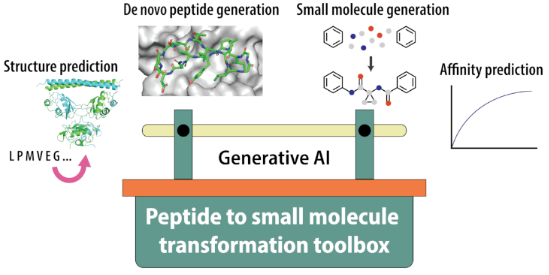
- applications of AI in drug discovery come to fruition, one could imagine a fully-automated pipeline from target identification and virtual screening through to retrosynthetic planning, and robotics for hit-to-lead optimisation and functional evaluation in cellular models. The examples highlighted in this


Towards the targeted protein degradation of CK2: design and synthesis of CAM4066-based PROTACs
Beilstein J. Org. Chem. 2026, 22, 611–619, doi:10.3762/bjoc.22.47
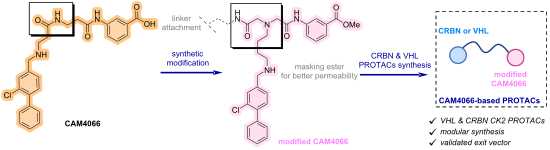
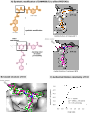
- geometry, and E3 ligase selection. Conclusion In summary, we have developed a modular synthetic platform for the construction of CK2-targeting degraders 23–26, 28, and 29 based on the selective bivalent inhibitor CAM4066. Structure-guided design enabled identification of a solvent-accessible exit vector

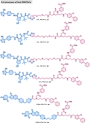
Design and synthesis of an erdafitinib-based selective FGFR2 degrader
Beilstein J. Org. Chem. 2026, 22, 583–591, doi:10.3762/bjoc.22.44
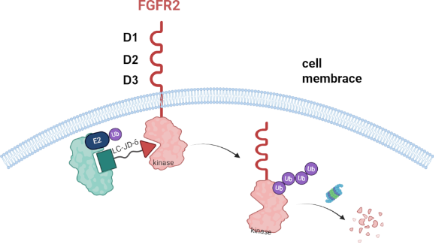
- design and synthesize a series of PROTAC molecules with different linkers. Screening was performed in KATO III cells with high FGFR2 expression, leading to the identification of LC-JD-6 as a potent degrader. Experimental results demonstrated that LC-JD-6 effectively induced FGFR2 protein degradation with
- screened, leading to the identification of LC-JD-6, a potent and FGFR2-selective degrader. This study establishes a fundamental framework for the rational design of therapeutic modalities targeting FGFR2 degradation, offering novel insights into protein homeostasis-based cancer intervention. Results and
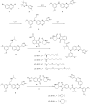
- condensed with the reported compound 6 [31] under EDCI to afford the final novel FGFR2 degrader. Screening and identification of LC-JD-6 as a potent FGFR2 degrader Targeted protein degradation molecules in degrading FGFR2 were tested in KATO III cells (high basal FGFR2), identifying LC-JD-6 as the optimal



Melifoliox B, a novel phloroglucin derivative isolated from Melicope barbigera (Rutaceae) and synthesis of new oxidation products from melifoliones A and B
Beilstein J. Org. Chem. 2026, 22, 535–546, doi:10.3762/bjoc.22.39
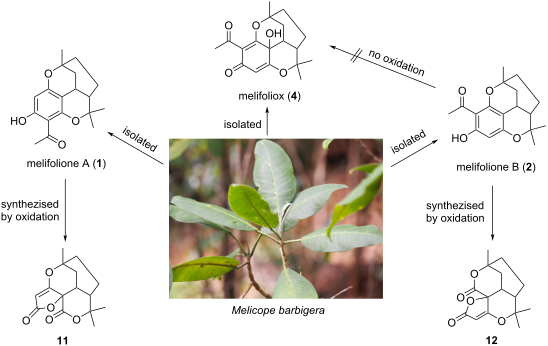
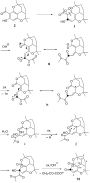
- formerly found in Melicope latifolia (syn. Euodia latifolia [4]. We now report on the identification and structure elucidation of a new natural compound 4 in the dichloromethane extract of leaves of Melicope barbigera, which was characterized as an oxidation product of melifolione B (2) by means of high



Get a better glimpse on sequential photoreactions of trisnorbornadienes with 19F NMR spectroscopy
Beilstein J. Org. Chem. 2026, 22, 527–534, doi:10.3762/bjoc.22.38
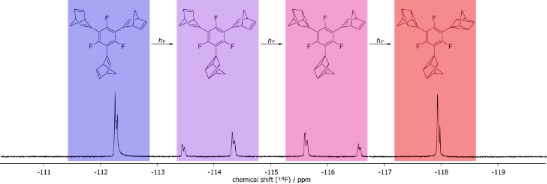
- analysis. Contrary to the 1H NMR spectra, the 19F NMR spectra show significantly fewer characteristic and sufficiently separated signals that allow the unambiguous identification of all photoproducts and, thus, their detection in the course of the photoreaction. Keywords: fluoroarenes; molecular solar
- reaction of multichromophores in some cases [36][37], significant overlap of NMR signals often interferes with the detailed identification of separate components. Therefore, we proposed that the analysis of the photoreaction of a fluorinated starting material with in situ 19F NMR spectroscopy may add a
- quantitative product identification [38][39][40]. Herein, we will show in a proof-of-principle study with a fluorinated trisnorbornadiene derived from promising lead compound 1b that in situ 19F NMR spectroscopy may indeed be used to monitor sequential photoreactions of multichromophoric systems. Results The


Synthesis of a HDAC inhibitor–nanogold probe for cryo-EM visualization in class I HDAC co-repressor complexes
Beilstein J. Org. Chem. 2026, 22, 480–485, doi:10.3762/bjoc.22.35
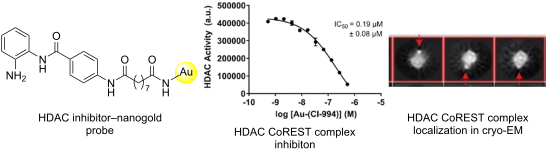
- revealed the bi-lobed architecture of the CoREST complex and partial localization of the gold nanoparticle probe to the CoREST complex. However, the probe was not observed in classes showing the side-view of the CoREST complex, limiting unambiguous identification and positioning of the HDAC catalytic



Concept-driven strategies in target-oriented synthesis
Beilstein J. Org. Chem. 2026, 22, 451–454, doi:10.3762/bjoc.22.32

- of these research efforts is the identification of “feasible” and “efficient” synthetic pathways. As mentioned in the opening paragraph, as the field of target-oriented synthesis evolves beyond mere feasibility, approaching chemical synthesis solely from a “fast and furious” perspective may not truly


Synthesis and anti-cancer activity of naphthalimide–organylselanyl conjugates
Beilstein J. Org. Chem. 2026, 22, 416–435, doi:10.3762/bjoc.22.29
- ]. The predicted breast cancer mortality rate will increase by 7% in East Asia and 35% in South Asia by 2030 [5]. Early detection enables identification at an earlier stage, when treatment is more effective, and survival rates are significantly higher [6]. Breast cancer is divided into luminal A (ER+/PR




Non-central chirality in organic chemistry
Beilstein J. Org. Chem. 2026, 22, 370–371, doi:10.3762/bjoc.22.24
- very existence of a chiral architecture constitutes a discovery in itself. The identification and stabilization of unconventional stereogenic elements expand the accessible chemical space, prompting us to reconsider what forms of molecular asymmetry are possible, meaningful, and exploitable
Recent advances in the cleavage of non-activated amides
Beilstein J. Org. Chem. 2026, 22, 352–369, doi:10.3762/bjoc.22.23
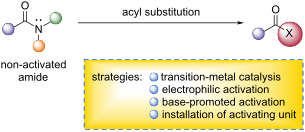
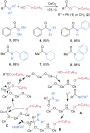
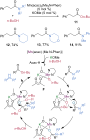
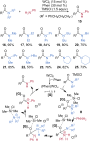
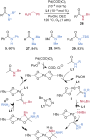
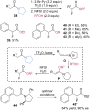
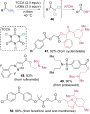
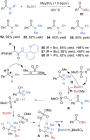
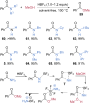
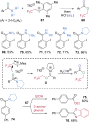
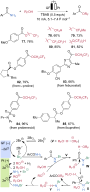
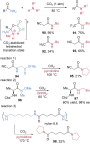
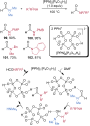
- corresponding amide products 26 were obtained using only 10−4 mol % Pd(COD)Cl2 in combination with 1-benzyl-1H-1,2,3-triazole (L1). Based on kinetic curves, TEM images, catalyst poisoning experiments, MS identification of intermediates, and EPR spectra of the crude mixture, the authors proposed two kinetically










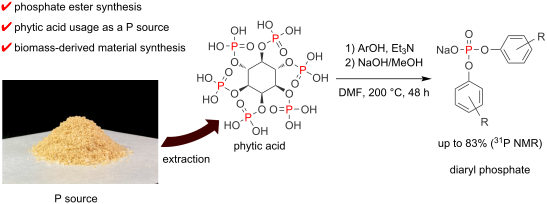
Synthesis of diaryl phosphates using phytic acid as a phosphorus source
Beilstein J. Org. Chem. 2026, 22, 213–223, doi:10.3762/bjoc.22.15
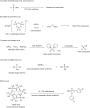
- accomplished because of their high hygroscopicity and occurrence of large amounts of by-products; therefore, their identification and reaction yield calculation were performed using standards which were prepared via alternative routes (see section 1.4. in Supporting Information File 1). n.d. = not detected




Design and synthesis of an axially chiral platinum(II) complex and its CPL properties in PMMA matrix
Beilstein J. Org. Chem. 2026, 22, 143–150, doi:10.3762/bjoc.22.7
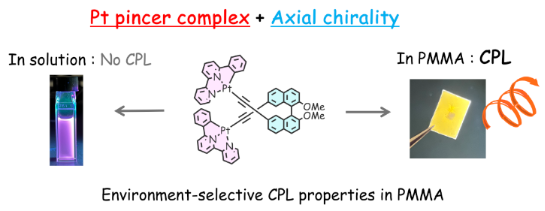
- platinum(II) complexes with pincer ligand moieties [12]. Thus, the reaction of S/R-3 with platinum(II) precursor 4 in the presence of CuI and diisopropylamine afforded the target platinum(II) complex S/R-Pt in moderate yield. The identification of the complex S/R-Pt were carried out with 1H and 13C NMR


Synthesis and applications of alkenyl chlorides (vinyl chlorides): a review
Beilstein J. Org. Chem. 2026, 22, 1–63, doi:10.3762/bjoc.22.1
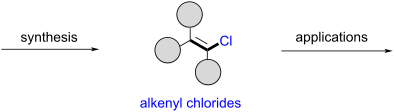
- synthesis lies beyond the scope of the present discussion. Regarding the use of color in graphical representations, structural highlighting was applied selectively, only when judged necessary in the clear identification of the transformation or mechanism depicted. Chapter 2 highlights key applications of









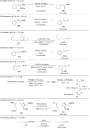


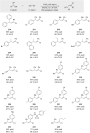


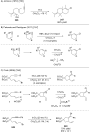


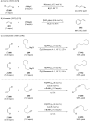






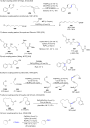


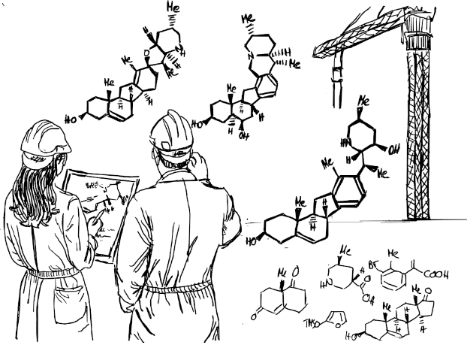
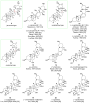
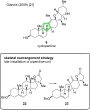
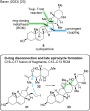
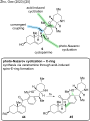
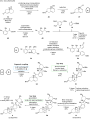
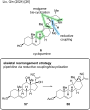
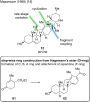
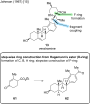
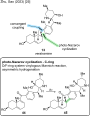
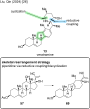
Recent advancements in the synthesis of Veratrum alkaloids
Beilstein J. Org. Chem. 2025, 21, 2657–2693, doi:10.3762/bjoc.21.206










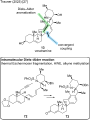

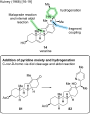


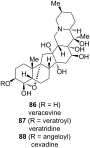


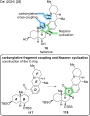

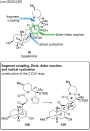
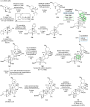
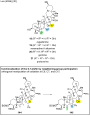
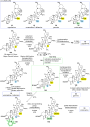
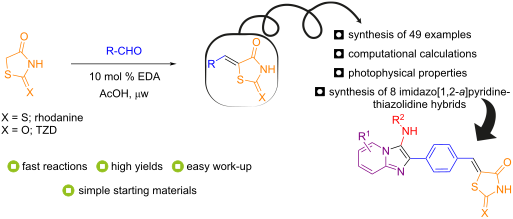
Thiazolidinones: novel insights from microwave synthesis, computational studies, and potentially bioactive hybrids
Beilstein J. Org. Chem. 2025, 21, 2618–2636, doi:10.3762/bjoc.21.203
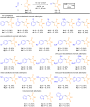
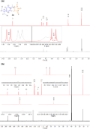
- operation: −x + 2, −y + 1, −z + 1. Molecular energy as a function of the torsion angle obtained from a relaxed dihedral scan at the M06-2X/def2-TZVPP level of theory. Identification of the carbon atoms used in the theoretical study of chemical shifts. In red, easily identifiable carbon atoms in the






Efficient solid-phase synthesis and structural characterization of segetalins A–H, J and K
Beilstein J. Org. Chem. 2025, 21, 2612–2617, doi:10.3762/bjoc.21.202
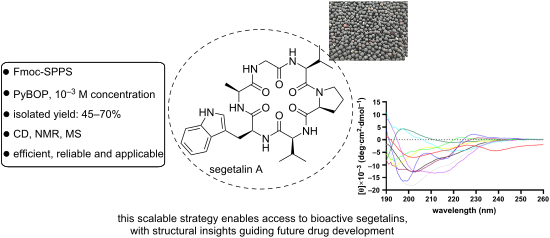
- the cyclopeptide family of segetalins A–H, J and K from Vaccaria segetalis. Key optimizations include the use of a cost-effective 2-chlorotrityl chloride resin, efficient Fmoc deprotection and linear coupling conditions (HOBt/HBTU), and the identification of PyBOP as a highly effective coupling