Search results
Search for "macrocycle" in Full Text gives 208 result(s) in Beilstein Journal of Organic Chemistry. Showing first 200.
Novel macrocycles: from synthesis to supramolecular function
Beilstein J. Org. Chem. 2026, 22, 982–985, doi:10.3762/bjoc.22.76

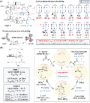
- designed protection and functionalization sequences, the authors introduced orthogonal reactive groups at opposite rims of the macrocycle. The synthetic versatility of these systems was demonstrated by copper-catalyzed “click” reactions and amine-based transformations, yielding highly functionalized
Synthesis of depressin, cryptomeridiol and 4-epi-cryptomeridiol enabled by a terpenoid chiral pool-producing platform
Beilstein J. Org. Chem. 2026, 22, 683–690, doi:10.3762/bjoc.22.53
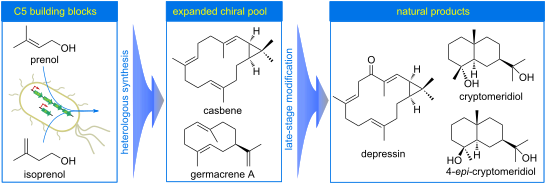
- position of casbane diterpenes [14][15]. One total synthesis was reported that features a ring-closing alkyne metathesis (RCAM) reaction to forge the 14-membered macrocycle ring [16]. Besides depressin, only casbene (4) of the casbane family has been selected as a target for synthesis so far. The choice of
- ], for the formation of the challenging 14-membered ring remained as the key strategy for its synthesis. On the other hand, casbene synthases of different origins have been characterized that are able to convert the linear precursor geranylgeranyl pyrophosphate (GGPP) to the macrocycle skeleton [22][23


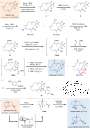
Modern synthetic pathways towards eribulin and its subunits
Beilstein J. Org. Chem. 2026, 22, 495–526, doi:10.3762/bjoc.22.37
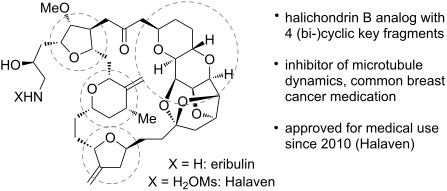
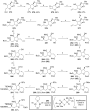
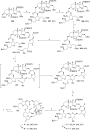
- macrocycle. Hence, this pathway enables the quick assembly of multiple derivatives. The late-stage allene-Prins reaction also facilitates the application of other substituents on the central 3-methylenetetrahydropyran unit. On top of that, the commonly used NHK reaction involving a Cr(II)-catalyst is


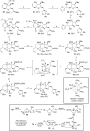

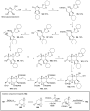





Synthesis and uranyl(VI) extraction performance of a calix[4]pyrrole–tetrahydroxamic acid receptor
Beilstein J. Org. Chem. 2026, 22, 486–494, doi:10.3762/bjoc.22.36
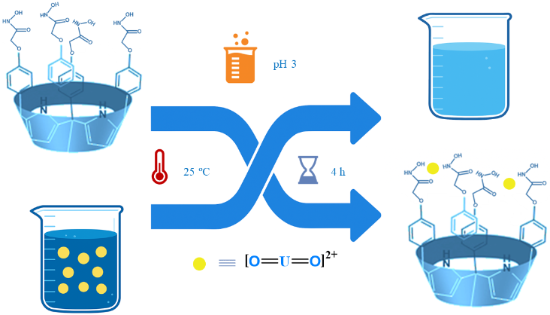
- the remediation of uranium-contaminated environmental samples. Future work will focus on the covalent anchoring of this macrocycle onto solid matrixes (polymer or silica). The development of such functionalized material is intended to allow for implementation in continuous flow filtration systems for


Cone p-aminocalix[4]arenes enriched with ‘clickable’ alkyne or azide functionalities
Beilstein J. Org. Chem. 2026, 22, 399–415, doi:10.3762/bjoc.22.28
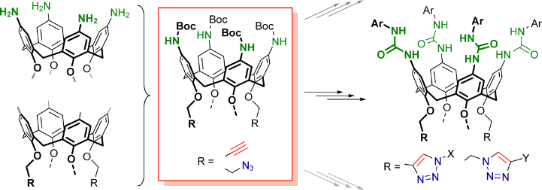
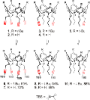
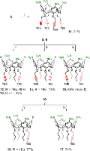
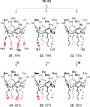
- ]arenes containing four amino groups at the wide rim and one, two or four propargyl or 2-azidoethyl groups at the narrow rim of the macrocycle, which can be used for expanding functionalization of the calixarene core in the well-known amine acylation (or similar reactions) and CuAAC ‘click’ reactions. Two
- atoms and/or in the aromatic p-positions to them, which form respectively the narrow (lower) and wide (upper) rims of the calixarene macrocycle when it possesses a cone shape. Both the core functionalization and shape control strategies are most developed for calix[4]arene cores, and that is exactly why
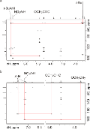
- calixarenes 12 and 13, 1H,13C HMBC spectra were acquired (Figure 2), which clearly showed that the nitro groups are attached to the propylated aromatic units of the macrocycle in both cases. Notably, the correlations showed that the signals from the nitrated calixarene aromatic units appeared upfield-shifted






Ring contraction and ring expansion reactions in terpenoid biosynthesis and their application to total synthesis
Beilstein J. Org. Chem. 2026, 22, 289–343, doi:10.3762/bjoc.22.21
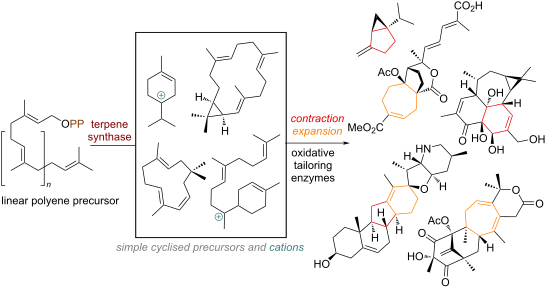
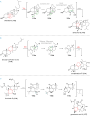
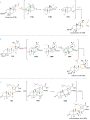
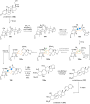
- cyclase SrS (= Streptomyces subrutilus synthase) [71]. Geranylfarnesyl diphosphate (18) is first cyclised through 1,11- and 10,14-connections to the tertiary carbocation 22a, which undergoes ring expansion (22b) and a 14,18-cyclisation to 22c. A 1,5-hydride shift from the macrocycle generates cation 22d
- ). In the biosynthesis of aridacin A (40), the initial 6,10-membered bicyclic product 41, after AriE-catalysed polyene cyclisation engages in a HAT with the CYP450 enzyme AriF, abstracting a hydrogen from the C-20 methyl group on the macrocycle [87][88]. The resulting allylic radical 41a can cyclise






Silica gel with covalently attached bambusuril macrocycle for dicyanoaurate sorption from water
Beilstein J. Org. Chem. 2025, 21, 2604–2611, doi:10.3762/bjoc.21.201
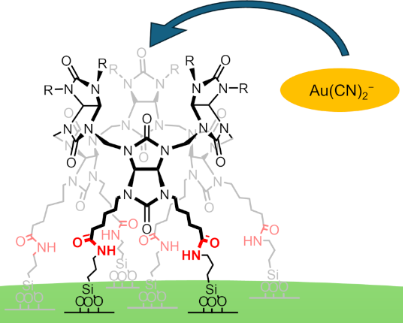
- ]. In the field of anion extraction, there is growing interest in solid-phase substrates functionalized with synthetic macrocyclic receptors. These materials employ a supramolecular approach based on specific host–guest interactions between the immobilized macrocycle and the guest in solution, often
- report a new material, SG-NHCO-BU1, in which the BU1 macrocycle is covalently grafted onto the surface of silica gel. We demonstrate that this hybrid material can be used for the selective dicyanoaurate(I) sorption from water. Moreover, it is shown that unlike SG-BnBU, SG-NHCO-BU1 exhibits good stability
- in organic solvents. Results and Discussion Decoration of silica gel with bambusuril For the modification of silica gel (SG), we selected previously reported bambus[6]uril BU1 (Scheme 1) containing 12 carboxyalkyl substituents [13]. This macrocycle was chosen for several reasons: BU1 can be attached


Synthesis and characterization of a isothiouronium-calix[4]arene derivative: self-assembly and anticancer activity
Beilstein J. Org. Chem. 2025, 21, 2535–2541, doi:10.3762/bjoc.21.195
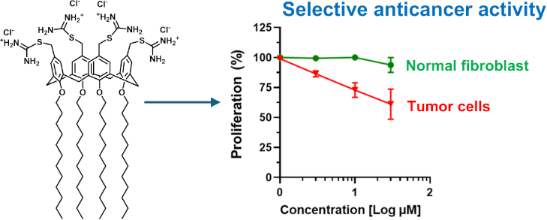
- introduction of four isothiouronium functional groups at the upper rim of a calix[4]arene macrocycle, bearing four dodecyl aliphatic chains at the lower rim, yields an amphiphilic derivative that spontaneously self-assembles into nanoscale structures with a mean hydrodynamic diameter of approximately 100 nm


Effect of a photoswitchable rotaxane on membrane permeabilization across lipid compositions
Beilstein J. Org. Chem. 2025, 21, 2498–2512, doi:10.3762/bjoc.21.192
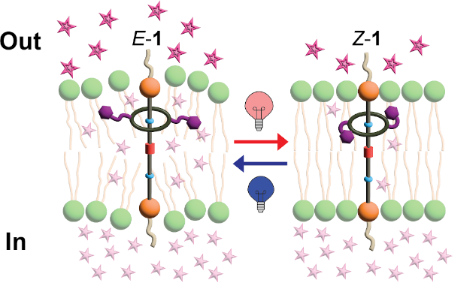
- Udyogi N. K. Conthagamage Lilia Lopez Zuliah A. Abdulsalam Victor Garcia-Lopez Department of Chemistry, Louisiana State University. Baton Rouge, LA 70803, USA 10.3762/bjoc.21.192 Abstract This study investigated a rotaxane featuring azobenzene photoswitches in its macrocycle and its ability to
- bilayers through the shuttling of the macrocycle carrying the ions or through a relay mechanism [10][11]. In one example, the isomerization of an azobenzene photoswitch incorporated into the axle was used to modulate the shuttling rate of the macrocycle and, consequently, the efficiency of potassium ion
- translocation across membranes [14]. Our group recently developed photoswitchable rotaxane 1, which differs from most reported designs that typically incorporate photoswitchable units into the axle [15]; in our rotaxane 1, the azobenzene photoswitches are incorporated into the macrocycle instead. We




Conformational effects on iodide binding: a comparative study of flexible and rigid carbazole macrocyclic analogs
Beilstein J. Org. Chem. 2025, 21, 2369–2375, doi:10.3762/bjoc.21.181
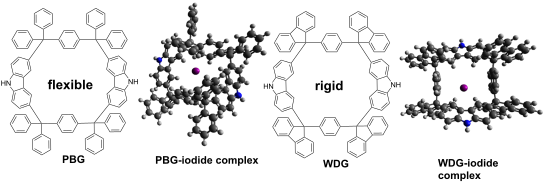
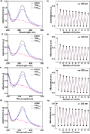
- work represents one of the earliest comparative studies on the anion-binding behaviors of carbazole-based structural analogs, demonstrating that a flexible macrocycle markedly improves iodide binding affinity via an induced-fit mechanism. The flexible analog PBG exhibits a 22.78-fold higher
- groups inside the macrocycle and thus causes the NH peak to be shifted downfield. At the same time, after the addition of TBAI to the PBG solution, both proton signals c/d and e/f were shifted downfield, while protons a/b moved slightly to higher field, confirming the interaction between the anion and
- computational schematic (Figures S16 and S17 in Supporting Information File 1), the anions are positioned within the macrocycle cavity, exhibiting close contacts to hydrogen atoms on the bridging benzene rings, peripheral substituted phenyl groups, and carbazole moieties. These spatial interactions suggest a



Rotaxanes with integrated photoswitches: design principles, functional behavior, and emerging applications
Beilstein J. Org. Chem. 2025, 21, 2345–2366, doi:10.3762/bjoc.21.179

- shuttling dynamics. In this review, we discuss key examples of photoswitchable rotaxanes, organized according to the position of the photoswitch, either embedded in the axle or incorporated into the macrocycle. We examine the major classes of photoswitches used, including their switching mechanisms and the
- increasingly require rethinking and developing new structural designs that incorporate more efficient and advanced photoswitches to fully realize their potential. Keywords: macrocycle; photoisomerization; photoswitches; rotaxanes; shuttling; Introduction Harnessing light energy to control intra- and
- three decades, photoswitches have been successfully integrated into a variety of supramolecular architectures, including mechanically interlocked molecules (MIMs) such as rotaxanes, enabling new dynamic functions [6][7]. Rotaxanes are molecules composed of a macrocycle threaded onto a linear axle, with


Measuring the stereogenic remoteness in non-central chirality: a stereocontrol connectivity index for asymmetric reactions
Beilstein J. Org. Chem. 2025, 21, 1995–2006, doi:10.3762/bjoc.21.155
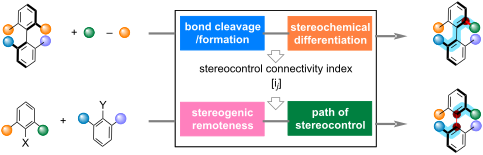
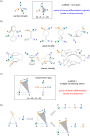
- the other hand, if the bond formation/cleavage is within the macrocycle, the stereochemical differentiation atoms are traced to the stereogenic arene. Therefore, the CALB-mediated esterification to cyclophenes [21] is [53], regardless of the length of the linkage (CH2)n (Scheme 5D). In recent years





Synthesis of N-doped chiral macrocycles by regioselective palladium-catalyzed arylation
Beilstein J. Org. Chem. 2025, 21, 1917–1923, doi:10.3762/bjoc.21.149
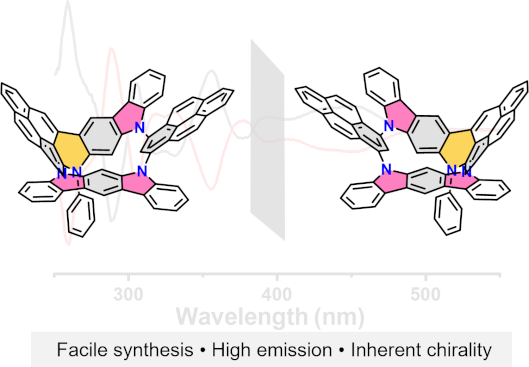
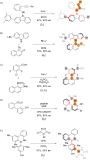
- ; inherent chirality; N-doped macrocycle; nonplanarity; regioselective cyclization; Introduction Chiral macrocycles have attracted significant research interest owing to their diverse applications in enantioselective recognition [1][2], catalysis [3][4], and circularly polarized luminescence [5][6
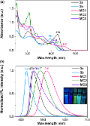
- , these macrocycles show blue to green emissions with high fluorescence quantum yields (ΦF up to 0.69). Owing to the existence of inherent chirality, two enantiomers of N-doped macrocycle MC1 were successfully isolated by chiral resolution, enabling detailed investigation of its chiroptical properties




Chiral phosphoric acid-catalyzed asymmetric synthesis of helically chiral, planarly chiral and inherently chiral molecules
Beilstein J. Org. Chem. 2025, 21, 1864–1889, doi:10.3762/bjoc.21.145
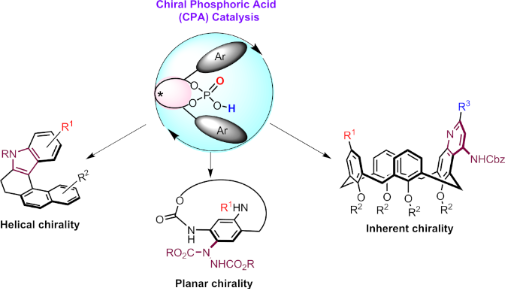
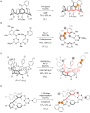
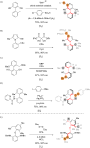
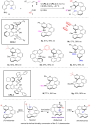
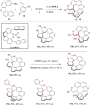
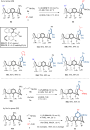
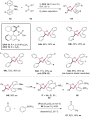
- electrophilic amination reaction of the aniline moiety with azodicarboxylates [37][38], the introduction of a bulky hydrazine group restricted the free flipping of the benzene ring, leading to the formation of planar chiral macrocycle 33 with high enantioselectivity (Scheme 9). Substrate scope studies










Research progress on calixarene/pillararene-based controlled drug release systems
Beilstein J. Org. Chem. 2025, 21, 1757–1785, doi:10.3762/bjoc.21.139
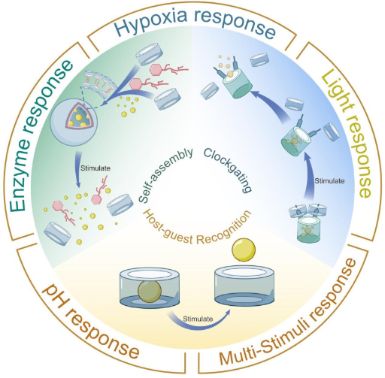
- of controlled-release technologies, with the aim of offering a reference for the utilization of aromatic macrocycles in drug-controlled release applications. Keywords: aromatic macrocycle; controlled-release drug delivery systems; stimulus response; supramolecular chemistry; Introduction Drugs are
- solubility, this can be improved through derivatization. Water-soluble calixarene derivatives can be obtained through functional modifications, including the introduction of sulfonic acid, amine, and carboxylic acid groups [57][58][59]. These water soluble macrocycle derivatives can be used to increase the
- dual modifications [69]. These derivatives have emerged as a research hotspot due to their unique combination of water solubility, biocompatibility, and host–guest encapsulation capability [47][52][70]. The aggregation behavior of amphiphilic CAs is closely related to the size of the macrocycle, the






3,3'-Linked BINOL macrocycles: optimized synthesis of crown ethers featuring one or two BINOL units
Beilstein J. Org. Chem. 2025, 21, 1719–1729, doi:10.3762/bjoc.21.134
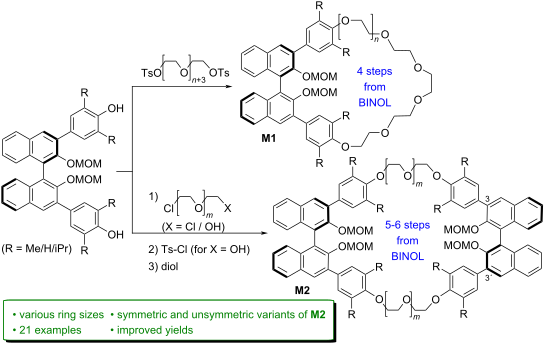
- incorporation into larger frameworks, such as interlocked molecules [25][35]. In most BINOL-based crown ethers, the macrocycle is attached to the BINOL unit via the oxygens in the 2,2'-positions. This structural motif has been used to construct crown ethers featuring either one or two BINOL units (see Figure 1a
- ) [41][42][43] have been used for attaching the crown ether macrocycle, although this strategy has the advantage that the 2,2'-hydroxy groups remain intact and can be used for further binding or functionalization. Our group recently became interested in synthesizing BINOL derivatives featuring
- on the macrocycle formation. In comparison to the Me-derivative Me-2, both the unsubstituted diol H-2 and the isopropyl derivative iPr-2 gave generally lower yields for the smaller macrocycles (11/30/32% for H-M15/6/7, 20/41/46% for iPr-M15/6/7), while the yields for the largest macrocycles H/iPr-M18


On the aromaticity and photophysics of 1-arylbenzo[a]imidazo[5,1,2-cd]indolizines as bicolor fluorescent molecules for barium tagging in the study of double-beta decay of 136Xe
Beilstein J. Org. Chem. 2025, 21, 1627–1638, doi:10.3762/bjoc.21.126
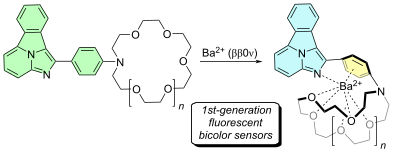
- values. Our calculations show that, as expected, 12-crown-4 16a and 15-crown-5 16b are too small and consequently the barium cation lies outside the average molecular plane determined by the macrocycle. In the case of 18-crown-6 16c, the cyclic ligand accommodates very well the cation, which is now
- central position within the concave face. Also in this case, one oxygen atom of the oversized macrocycle does not interact directly with Ba2+, thus resulting in a non-optimal coordination pattern. Therefore, the shape of the ligand and the low positive charge available for the cation result in the largest


Synthesis of an aza[5]helicene-incorporated macrocyclic heteroarene via oxidation of an o-phenylene-pyrrole-thiophene icosamer
Beilstein J. Org. Chem. 2025, 21, 1561–1567, doi:10.3762/bjoc.21.119
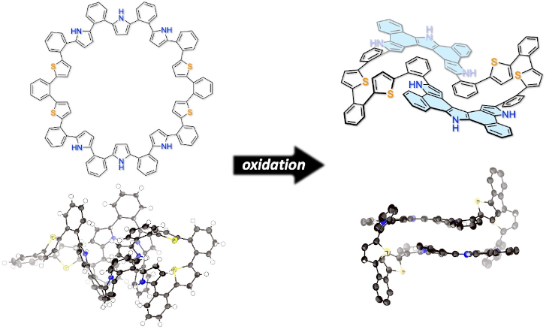
- largest cyclic array in the series. The oxidative fusion reaction with [bis(trifluoroacetoxy)iodo]benzene (PIFA) afforded a cyclophane-type aza[5]helicene-incorporated macrocycle, the structure of which was unambiguously revealed by X-ray diffraction analysis. Its optical properties have been investigated
- largest macrocycle ever synthesized is a dodecameric hybrid array of 1,2-phenylene, 2,5-thienylene, and 2,5-pyrrolylene units [22][23]. The intramolecular oxidative coupling of these arrays afforded heterohelicene-incorporated macrocycles D and E, depending on the relative arrangements of the pyrrole and
- an aza[5]helicene-incorporated macrocycle. The resulting cyclophane-like structure and its optical properties have been analyzed in detail. Results and Discussion Synthesis and characterization Synthesis We obtained o-phenylene-pyrrole-thiophene hybrid icosamer 4 during our attempt to synthesize


Wittig reaction of cyclobisbiphenylenecarbonyl
Beilstein J. Org. Chem. 2025, 21, 1454–1461, doi:10.3762/bjoc.21.107
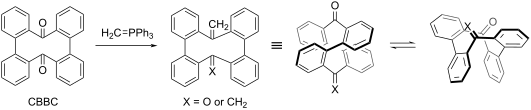
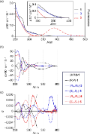
- Cyclobisbiphenylenecarbonyl (CBBC) represents a readily available chiral figure-eight macrocycle containing two carbonyl groups. However, the transformation of the carbonyl groups has been unexplored. Herein, we conducted the Wittig reaction of CBBC with methylenetriphenylphosphorane to furnish two chiral macrocycles
- . Consequently, figure-eight molecules often exhibit fascinating properties, such as unusual rearrangement reactions [9] and efficient circularly polarized luminescence (CPL) [10][11][12]. Cyclobisbiphenylenecarbonyl (CBBC) 1 is a figure-eight macrocycle, which is readily synthesized from commercially available



Supramolecular assembly of hypervalent iodine macrocycles and alkali metals
Beilstein J. Org. Chem. 2025, 21, 1095–1103, doi:10.3762/bjoc.21.87
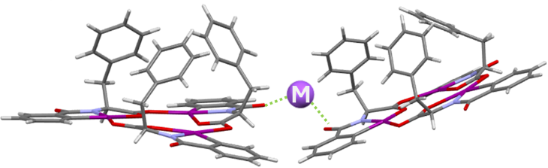
- are presented. Keywords: hypervalent iodine; macrocycle; metal coordination; supramolecular; Introduction Supramolecular chemistry is emerging as a pivotal area of research in both medicinal and materials chemistry that opens the avenue for new functionalized materials for their use in medical
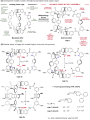
- system [12]. In addition to these covalent bonding interactions, additional secondary bonding (e.g., red-dotted bonds between iodine and oxygen in phenylalanine-based hypervalent iodine macrocycle in benzene system in Figure 1A) can arise in these systems from neighboring atom lone pairs. Secondary
- previously isolated in crystalline form in two different molecular conformations [18]. In conformer I (Figure 2, bottom), all three benzyl groups are oriented towards the interior of the macrocycle. In contrast, conformer II (Figure 2, top) features two benzyl groups projecting inward and one benzyl group


Recent advances in controllable/divergent synthesis
Beilstein J. Org. Chem. 2025, 21, 890–914, doi:10.3762/bjoc.21.73

- generated the [1 + 1] macrocycle 39 as the sole product. In contrast, polar aprotic solvents such as dimethyl sulfoxide (DMSO), N,N-dimethylformamide (DMF), or acetonitrile (MeCN) favored precipitation of the [2 + 2] macrocycle 40. Notably, the macrocycle 40 underwent spontaneous structural reorganization
- in chloroform or dichloromethane (DCM), converting entirely into the thermodynamically stable [1 + 1] isomer 39. This work demonstrates a solvent-driven approach for dynamically interconverting macrocycle sizes, governed by thermodynamic stability and solubility differences. In the same year, Chauhan
- N,N-disubstituted acrylamides [30]. Catalyst-tuned regio- and enantioselective C(sp3)–C(sp3) coupling [31]. Catalyst-controlled annulations of bicyclo[1.1.0]butanes with vinyl azides [32]. Solvent-driven reversible macrocycle-to-macrocycle interconversion [39]. Unexpected solvent-dependent




Dicarboxylate recognition based on ultracycle hosts through cooperative hydrogen bonding and anion–π interactions
Beilstein J. Org. Chem. 2025, 21, 884–889, doi:10.3762/bjoc.21.72
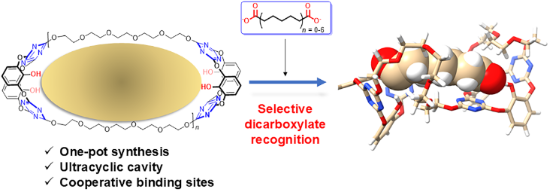
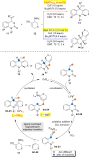
- , synthetic ultracycles remain relatively unexplored due to the significant synthetic challenges [9][10][11][12][13][14][15][16][17][18][19]. Among these, very large macrocycles constructed from smaller macrocyclic building units are particularly underexplored. Such macrocycle-containing ultracycles are
- hydroxy groups and engaging in anion–π interactions (2.70–2.92 Å) with the triazine rings (Figure 3). Additionally, the glycol arms of the macrocycle may further stabilize the anion binding through van der Waals interactions with the alkyl chains of the dianions. Driven by these multiple noncovalent


Origami with small molecules: exploiting the C–F bond as a conformational tool
Beilstein J. Org. Chem. 2025, 21, 680–716, doi:10.3762/bjoc.21.54
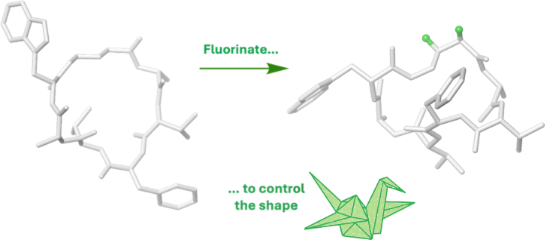
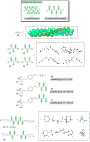
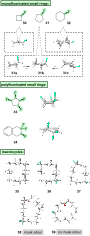
- atoms on the inside of the macrocycle, and so it is only slightly preferred over multiple other possible conformations. Fluorine has the ability to stabilise the square conformation. The key consideration is that 1,1-difluoroalkanes have a wide C–C(F2)–C angle, as previously discussed; this wide angle
- is favourably accommodated at the corner positions of the square shape (e.g., 36, Figure 5) because it alleviates the transannular hydrogen clashes [72]. This effect proves to be quite general: it can be harnessed to force the cyclododecane macrocycle into different shapes by positioning two CF2
- groups in different relative locations around the macrocycle (e.g., 37, Figure 5), and it can be applied to larger macrocycles too [73]. Most strikingly, this effect has been exploited to modulate the aromas of fragrance compounds (e.g., compounds 38 and 39, Figure 5) by fine-tuning the shape of the








Cryptophycin unit B analogues
Beilstein J. Org. Chem. 2025, 21, 526–532, doi:10.3762/bjoc.21.40
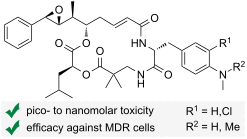
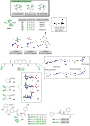
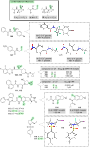
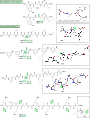
- ] to obtain free acid 11. Exchange of the Boc protecting group of dimethylaniline 8 to an acryloyl substituent and subsequent saponification furnished dimethylamine building block 13. For the macrocycle assembly, especially the ring closure, we decided on two different routes. While the cryptophycin



Beyond symmetric self-assembly and effective molarity: unlocking functional enzyme mimics with robust organic cages
Beilstein J. Org. Chem. 2025, 21, 421–443, doi:10.3762/bjoc.21.30
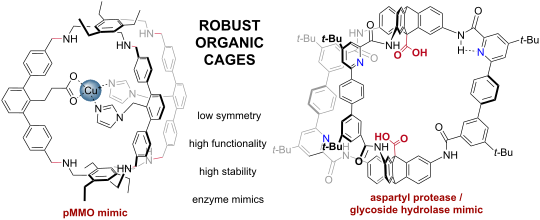
- popularization of dynamic covalent chemistry in the 1990s [251][252][253][254][255], macrocycle and cage synthesis using reversible reactions [256][257][258][259] like imine formation (Figure 7A) have led to advances in the synthesis of COFs [223][224] and discrete organic cages [260][261][262][263][264][265
- selective substrate and transition-state binding, and for which extensive synthetic development is known [350][351][352][353][354][355]; (iii) they are the lowest possible symmetry polymacrocyclic structure (removing one edge piece will result in a macrocycle) [356][357], meaning ordered asymmetric
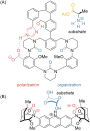
- free energy transition barrier can be framed in terms of contributions from polarization and organization by the catalyst/system. Typical catalysis modes using macrocycle cavities performing (non-specific) hydrophobic substrate binding. (A) Macrocycles that confine two reagents close together to alter