Search results
Search for "perspective" in Full Text gives 249 result(s) in Beilstein Journal of Organic Chemistry. Showing first 200.
Electrochemical reduction of unsaturated carbon–carbon bonds via 3d transition-metal catalysis
Beilstein J. Org. Chem. 2026, 22, 955–981, doi:10.3762/bjoc.22.75
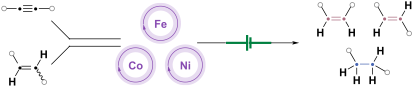
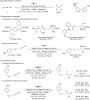
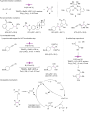
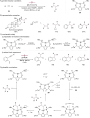
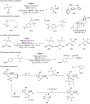
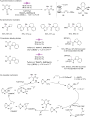
- through inner-sphere substrate organization. From this perspective, alkene reduction is relatively more challenging because of the lower π-basicity of alkenes. Alternatively, outer-sphere electron transfer, mediated by electrolysis, or the strategic use of redox mediators and co-catalysts could also








The trans-influence in gold chemistry from a catalytic perspective
Beilstein J. Org. Chem. 2026, 22, 838–856, doi:10.3762/bjoc.22.66
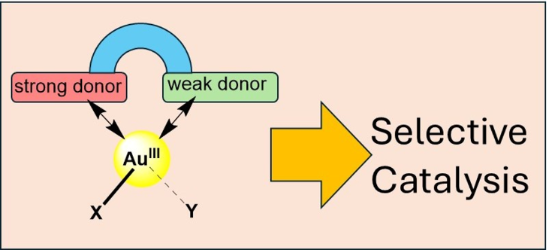
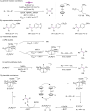
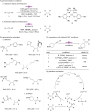
- also controls the nature of the gold frontier orbitals. This Perspective highlights recent insights into the origins and consequences of the ligand trans-influence and its importance for the energetics of gold-catalysed reactions, with special emphasis on the trans-influence in gold(III) hydrides and
- complexes and their role in catalytic applications [20]. While not aiming to be comprehensive, this Perspective seeks to highlight pertinent examples demonstrating the importance of the ligand trans-influence in gold chemistry, with special emphasis on the reactivity of gold(III), and its influence on gold
- -mediated reaction mechanisms. Following a brief discussion of general considerations, this Perspective examines how ligand structure and the resulting trans-influence determine reactivity and stability of gold(III) complexes supported by tridentate (pincer) ligands and in bidentate chelates, including


Halogenated azobenzene acrylates: from efficient solution photoswitching to stable solid-state photochromic materials
Beilstein J. Org. Chem. 2026, 22, 782–794, doi:10.3762/bjoc.22.60
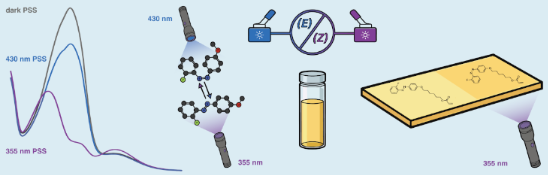
- normal conditions (20 °C, 101.325 kPa) with a Tg = −49 °C, monochloro analogue 1c is a crystalline solid with Tm = 33 °C. From this perspective, the chlorine atom is at the size boundary, thus the number of appended chlorine atoms most likely determines the degree of supramolecular organization, as


Harnessing light energy with molecules
Beilstein J. Org. Chem. 2026, 22, 680–682, doi:10.3762/bjoc.22.52

- between trans and cis isomers, represent another class of photoswitches, which were reviewed as mostophores in a Perspective by Wang, Wu, and co-workers [8]. Besides MOST systems, molecular photoswitches are interesting for a variety of potential applications when incorporated as photoresponsive units in
Using generative AI to transform peptide hits into small molecule leads
Beilstein J. Org. Chem. 2026, 22, 672–679, doi:10.3762/bjoc.22.51
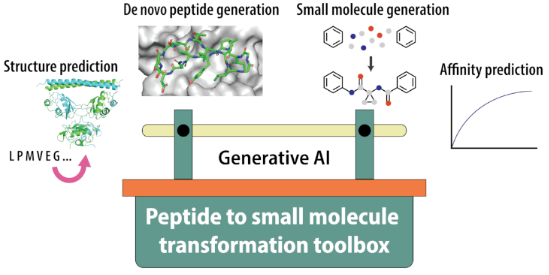
- potential for new AI-based tools to expedite the structure-based transformation of peptide hits into small molecule leads. In this Perspective, we highlight how AI-enabled prediction and design tools can potentially span the entire workflow from peptide to small molecule: target protein structure prediction
- fails to yield hits [9]. While the term peptidomimetics has been used to describe a variety of molecular classes, including modified peptides and molecular scaffolds for display of amino acid side-chains, this Perspective focuses on non-peptidic small molecules with the appropriate shape and
- straightforward and generalisable workflow with a reasonable success rate for achieving the transformation from peptide to small molecule inhibitor. With the rapid maturation of computational tools based on artificial intelligence (AI), this Perspective highlights selected nascent examples where AI has been used


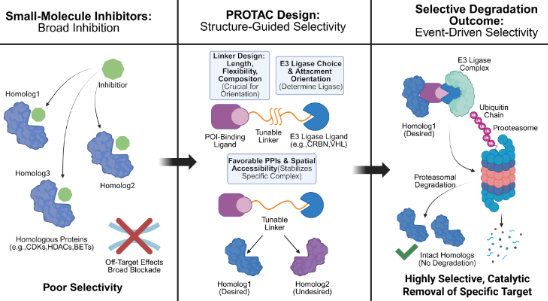
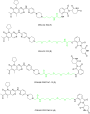
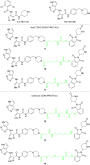
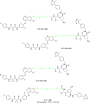
Advantages of PROTACs in achieving selective degradation of homologous protein families
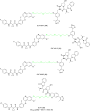
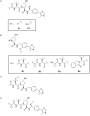
Beilstein J. Org. Chem. 2026, 22, 628–661, doi:10.3762/bjoc.22.49









Concept-driven strategies in target-oriented synthesis
Beilstein J. Org. Chem. 2026, 22, 451–454, doi:10.3762/bjoc.22.32
- of these research efforts is the identification of “feasible” and “efficient” synthetic pathways. As mentioned in the opening paragraph, as the field of target-oriented synthesis evolves beyond mere feasibility, approaching chemical synthesis solely from a “fast and furious” perspective may not truly


Non-central chirality in organic chemistry
Beilstein J. Org. Chem. 2026, 22, 370–371, doi:10.3762/bjoc.22.24
- conceptual umbrella. While admittedly broad, this perspective reflects a growing recognition that these seemingly distinct forms of chirality share common challenges, opportunities, and design principles that transcend traditional classifications. The contributions collected in this issue illustrate several
Design and synthesis of an axially chiral platinum(II) complex and its CPL properties in PMMA matrix
Beilstein J. Org. Chem. 2026, 22, 143–150, doi:10.3762/bjoc.22.7
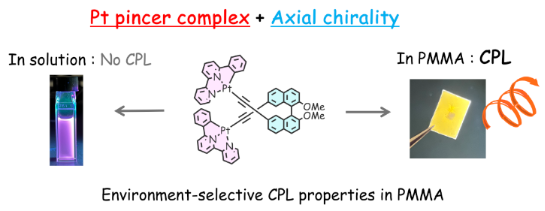
- also from the perspective of fundamental chemistry. In recent years, the design and synthesis of luminescent pincer-type platinum(II) metal complexes incorporating chirality, as well as the study of their physicochemical properties, have gained significant interest [18][19][20][21][22]. Such efforts


Total synthesis of natural products based on hydrogenation of aromatic rings
Beilstein J. Org. Chem. 2026, 22, 88–122, doi:10.3762/bjoc.22.4
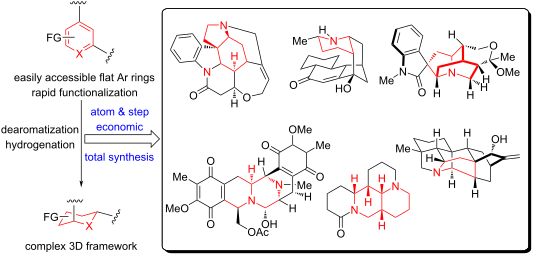
- transformation into a broadly enabling strategy in complex molecule synthesis, yet a unified perspective connecting recent methodological advances with their strategic applications in the total synthesis of natural products remains lacking. Although several reviews discuss catalyst development for (hetero)arene
- rings becomes achievable, enabling access to reduced products with well-defined configurations [38]. Although the repertoire of ligands capable of exerting precise stereocontrol remains limited, each provides distinct advantages that suit different metals and reaction conditions. From the perspective of











Synthesis and applications of alkenyl chlorides (vinyl chlorides): a review
Beilstein J. Org. Chem. 2026, 22, 1–63, doi:10.3762/bjoc.22.1
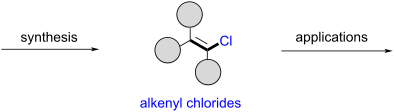
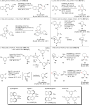
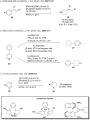
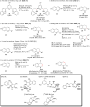
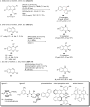
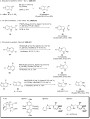
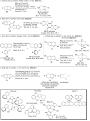
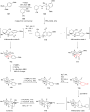
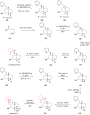
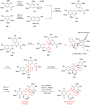
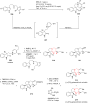
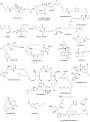
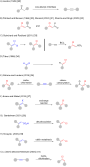
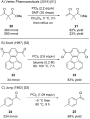
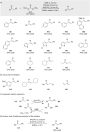
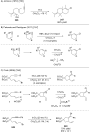
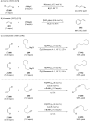
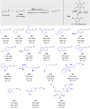
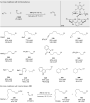
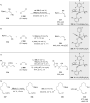
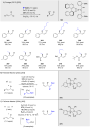
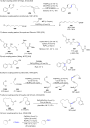
- reports may have escaped our attention and certain compound classes remain beyond the scope of this article. Still, with over 200 references, we hope to offer a representative and valuable perspective on the field. Review 1 Synthesis of alkenyl chlorides 1.1 Chlorodeoxygenations Transformations of ketones























One-pot synthesis of ethylmaltol from maltol
Beilstein J. Org. Chem. 2025, 21, 2755–2760, doi:10.3762/bjoc.21.212

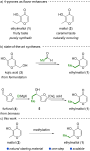
- Laboratory of Red Bull Service GmbH and was found to meet the quality parameters of commercial ethylmaltol (1), posing no concerns from a food safety perspective (see Supporting Information File 1). Conclusion In conclusion, we have developed a new synthetic approach to the flavor enhancer ethylmaltol (1


Sustainable electrochemical synthesis of aliphatic nitro-NNO-azoxy compounds employing ammonium dinitramide and their in vitro evaluation as potential nitric oxide donors and fungicides
Beilstein J. Org. Chem. 2025, 21, 2739–2754, doi:10.3762/bjoc.21.211
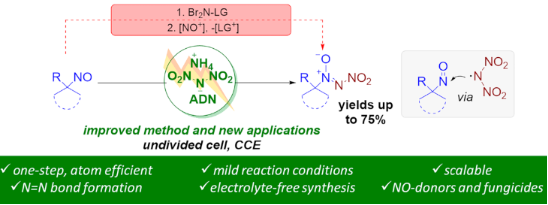
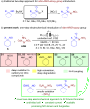
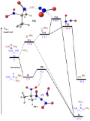
- most detail and attract continuing attention as perspective high-energy materials [76][77][78][79][80][81][82][83][84][85][86] and physiologically active substances [87]. At the same time, aliphatic compounds containing the nitro-NNO-azoxy group are practically unknown, with the exception of a few





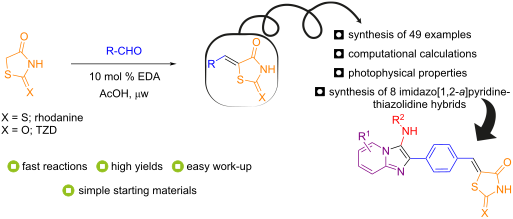
Thiazolidinones: novel insights from microwave synthesis, computational studies, and potentially bioactive hybrids
Beilstein J. Org. Chem. 2025, 21, 2618–2636, doi:10.3762/bjoc.21.203
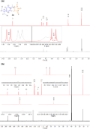
- : a) 1H NMR spectra (600 MHz, DMSO-d6) with expansions, and b) 13C NMR spectra (151 MHz, DMSO-d6) with expansions. a) Molecular structure of 3n with crystallographic labeling (50% probability displacement). b) Perspective views of intermolecular hydrogen bonds (dotted lines) of 3n. (‘) symmetry






Enantioselective radical chemistry: a bright future ahead
Beilstein J. Org. Chem. 2025, 21, 2283–2296, doi:10.3762/bjoc.21.174

- Anna C. Renner Sagar S. Thorat Hariharaputhiran Subramanian Mukund P. Sibi Department of Chemistry and Biochemistry, North Dakota State University, Fargo, North Dakota, 58105-5516, USA 10.3762/bjoc.21.174 Abstract This perspective is focused on enantioselective free radical reactions. It
- the 1990s. Since then, meticulous research by several research groups has led to significant advances in this area [4][5][6][7][8]. This perspective focuses on several important contributions to the science of asymmetric radical reactions. Pioneering work on chiral Lewis acid catalysis and iminium
- catalysis is discussed initially. This is followed by the recently emerging areas of transition-metal catalysis, photoenzymatic catalysis, and electrochemistry. Perspective Radical generation and reactions Synthetic methods based on free radical chemistry are some of the most efficient and powerful tools


Solar thermal fuels: azobenzene as a cyclic photon–heat transduction platform
Beilstein J. Org. Chem. 2025, 21, 2036–2047, doi:10.3762/bjoc.21.159
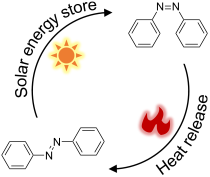
- perspective, we systematically analyze four representative azobenzene-based solar thermal fuel systems including nanocarbon-hybrid, conjugated polymer, linear polymer, and small-molecule derivative formulations to trace their developmental trajectories and identify key limitations. Through this comparative
- far, azobenzene-based solar thermal fuels mainly include: nanocarbon-based azobenzene polymers, conjugated azobenzene polymers, linear azobenzene polymers, and azobenzene small molecule derivatives. From this perspective, we review various azobenzene-based solar thermal fuels and their potential
- azobenzene derivatives [82][83][84][85][86][87][88]. From an energy charging perspective, some solvent-free systems store energy in the solid state [89] or via photoinduced solid–liquid phase transitions [61][69][74], which occur because the melting temperature (Tm) of trans-azobenzene is above room


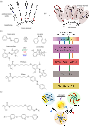


Stereoselective electrochemical intramolecular imino-pinacol reaction: a straightforward entry to enantiopure piperazines
Beilstein J. Org. Chem. 2025, 21, 1897–1908, doi:10.3762/bjoc.21.147
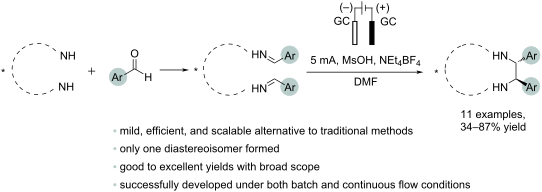
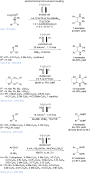
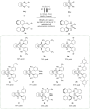
- vicinal diamines. Historical perspective on electrochemical imino-coupling protocols. Stereoselective electroreductive intramolecular imino-pinacol reaction. Scope of the imino-pinacol coupling reaction. Reaction conditions: GC electrodes, NEt4BF4 (2.6 equiv), MsOH (3 equiv), constant current 5 mA (2.5 mA





Research progress on calixarene/pillararene-based controlled drug release systems
Beilstein J. Org. Chem. 2025, 21, 1757–1785, doi:10.3762/bjoc.21.139
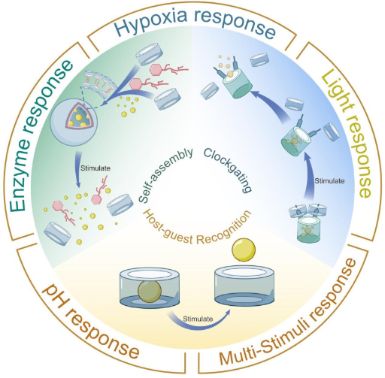
- discussed the controlled drug release of single-stimulus-responsive systems, adopting a relatively simple perspective of a single stimulus-response. Multistimuli responsiveness also holds potential applications in terms of responsiveness and efficient drug release. One of the major challenges faced by






Catalytic asymmetric reactions of isocyanides for constructing non-central chirality
Beilstein J. Org. Chem. 2025, 21, 1648–1660, doi:10.3762/bjoc.21.129
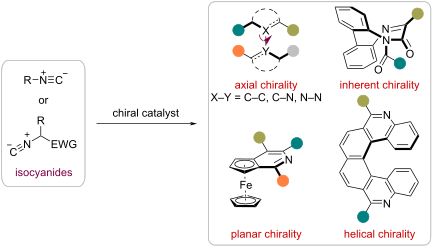
- . Additionally, we provide a perspective on the current limitations and future opportunities, aiming to inspire further advances in this area. Keywords: axial chirality; helical chirality; inherent chirality; isocyanide; planar chirality; Introduction Chirality represents a fundamental property of molecules
- reaction type and the chirality type of resulting products. Perspective Isocyanide-based transformations Palladium-catalyzed isocyanide insertion reactions In 2018, Luo, Zhu, and co-workers developed a palladium-catalyzed enantioselective reaction between ferrocene-derived vinyl isocyanides 1 and aryl




Photocatalysis and photochemistry in organic synthesis
Beilstein J. Org. Chem. 2025, 21, 1645–1647, doi:10.3762/bjoc.21.128

- have begun studying reactions that combine the advantages of photochemical methods and mechanochemistry. This thematic issue contains a Perspective article from the Capaldo laboratory that surveys these efforts and discusses future possibilities [38]. Without a doubt, the growing interest in light
- -mediated organic synthesis has also resulted in a renaissance of radical chemistry. Once regarded as “[…] messy, unpredictable, unpromising and essentially mysterious” [39], radical-based methods have become central to modern organic chemistry, spanning applications in the life sciences. The Perspective

Transition-state aromaticity and its relationship with reactivity in pericyclic reactions
Beilstein J. Org. Chem. 2025, 21, 1613–1626, doi:10.3762/bjoc.21.125
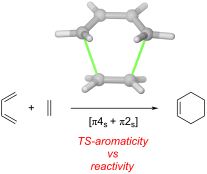
- this perspective article, we shall show the relationship between transition-state aromaticity and reactivity in representative pericyclic reactions. Perspective Lewis acid-catalyzed Diels–Alder cycloadditions It is well-established that catalytic amounts of a Lewis acid (LA) can significantly
- electropositive magnesium atom whereas the stronger orbital interactions derive from a more stabilizing direct π(C≡P)→π*(azide) molecular orbital interaction coupled with a stronger reverse π(azide)→π*(C≡P) interaction. Conclusion Through selected representative examples, in this perspective article the interplay


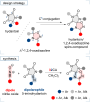
Facile synthesis of hydantoin/1,2,4-oxadiazoline spiro-compounds via 1,3-dipolar cycloaddition of nitrile oxides to 5-iminohydantoins
Beilstein J. Org. Chem. 2025, 21, 1552–1560, doi:10.3762/bjoc.21.118

- determined by the configuration of the spiro-core, while still allowing for the possibility of relative rotation to facilitate better binding to the targets. Furthermore, it appears to be as exceedingly advantageous from a synthesis perspective, as it enables the application of methods that have been



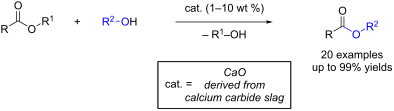
Calcium waste as a catalyst in the transesterification for demanding esters: scalability perspective
Beilstein J. Org. Chem. 2025, 21, 1520–1527, doi:10.3762/bjoc.21.114


Copper catalysis: a constantly evolving field
Beilstein J. Org. Chem. 2025, 21, 1477–1479, doi:10.3762/bjoc.21.109
- hydride catalysis, and enantiotopic group-selective allylations of 1,1-diborylalkanes as core strategies. At the same time, the authors provide detailed mechanistic insights into the stereocontrol and provide a perspective on currently unresolved challenges in the field. Concerning Full Research Papers
Tautomerism and switching in 7-hydroxy-8-(azophenyl)quinoline and similar compounds
Beilstein J. Org. Chem. 2025, 21, 1404–1421, doi:10.3762/bjoc.21.105
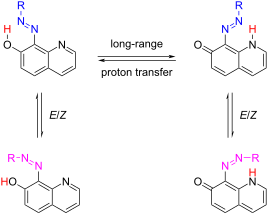
- -acceptor sites are given in red and blue, respectively. The axle of intramolecular rotation is given in green. The twisting angles α and β are indicated in magenta. Perspective switching compounds, generated by the computational quantum chemistry calculations. Relative stability (M06-2X/TZVP) and spectral