


Search results
Search for "properties" in Full Text gives 2375 result(s) in Beilstein Journal of Organic Chemistry. Showing first 200.
Construction of CF2 moieties in FDA-approved drugs (2016–2025): industrial routes, mechanisms, and scale-up considerations
Beilstein J. Org. Chem. 2026, 22, 1122–1150, doi:10.3762/bjoc.22.91
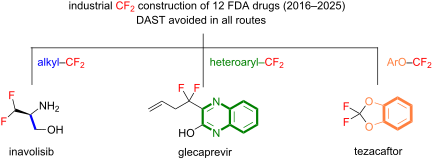
- therapy. The introduction of fluorine-containing groups such as CF2 into drug molecules can significantly alter their properties, including metabolic stability, lipophilicity, conformation, and hydrogen-bonding capacity [1]. For example, fluorine substitution on sugar moieties can modify nucleoside
- conformations, while aromatic C–F groups can influence arene–arene interactions by altering the electronic properties of the aromatic system. Such property modifications can block unnecessary oxidative drug metabolism, thereby improving metabolic stability and enhancing affinity with target enzymes, leading to
- with the inherent strain and structural rigidity of a cyclopropane, offering a distinct profile for modulating drug-like properties. Synthetic access to these compounds was comprehensively summarized by Volochnyuk and Grygorenko in 2020 [44], and the [2 + 1] cycloaddition of difluorocarbene with






Discovery of sugarnitriles A and B, and structural reassignment of SF-2140, from a sugarcane endophytic actinomycete Amycolatopsis sp. JS-O27
Beilstein J. Org. Chem. 2026, 22, 1114–1121, doi:10.3762/bjoc.22.90
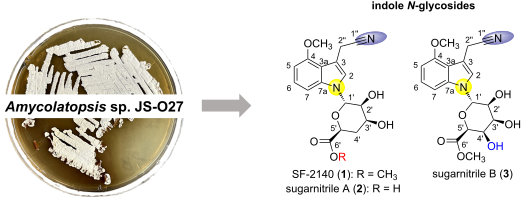
- promising source for discovering new bioactive natural products. Indole alkaloids stand out for their structural diversity and broad pharmacological properties, including anti-inflammatory [11][12], anticancer [13][14], and anti-HIV [15][16] effects. Among indole alkaloids, indole N-glycosides represent a


Controlled supramolecular assemblies of luminescent tridentate cyclometalated alkynylgold(III) amphiphiles in aqueous media
Beilstein J. Org. Chem. 2026, 22, 1097–1106, doi:10.3762/bjoc.22.88
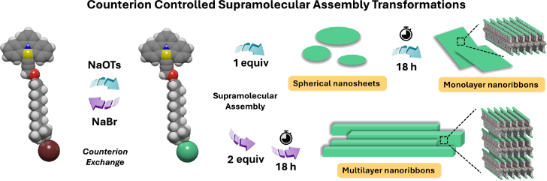
- cancer immunotherapy [34][35]. An alternative molecular design approach is to incorporate organometallic complexes into amphiphile designs, thereby combining the advantageous functional properties of inorganic centers with the self-assembled structural properties of amphiphiles [36][37][38][39][40]. Gold
- (III) complexes have found wide applications for catalysis [41][42][43][44], optoelectronic materials [45][46], and bioconjugation methodologies [47][48][49], considering their unique luminescence properties and excellent aqueous stability. Amphiphilic gold(III) complexes were firstly reported by Che
- gold(III) amphiphiles molecular designs and the resulting nanostructural changes. In general, gold(III) complexes suffered from low luminescent properties due to the intrinsic low-energy d–d ligand field states and the enriched electrophilicity of the gold(III) metal center. The non-emissive low-lying


Synthesis and acaricidal activity against Varroa destructor of α- and γ-costic acid dimers
Beilstein J. Org. Chem. 2026, 22, 1088–1096, doi:10.3762/bjoc.22.87
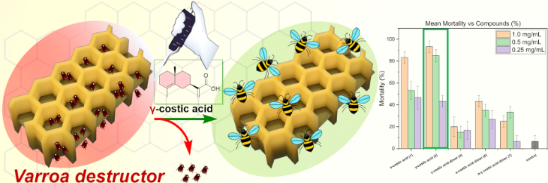
- control strategies based on natural compounds. To date, both α-costic acid (1) [14] and β-costic acid (2) [18] have shown promising results against V. destructor, whereas no studies have reported the acaricidal properties of γ-costic acid (3). Therefore, we deemed it worthwhile to investigate the


Amino acid-based surfactants: sustainable synthesis and antimicrobial mechanisms
Beilstein J. Org. Chem. 2026, 22, 1067–1085, doi:10.3762/bjoc.22.85
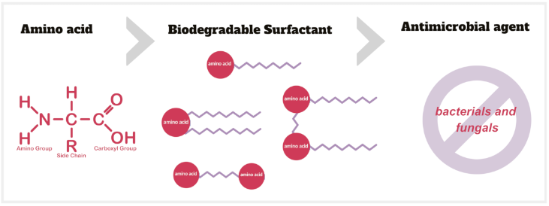
- -derived surfactants with antimicrobial properties, presenting their structural compositions and connecting to the novel evidences on their mechanism of action. An integrative review was conducted, drawing upon findings from scientific articles published in the last 20 years (between 2005 and 2025
- sources. Despite their extraordinary antimicrobial properties, they are the most irritating category for skin and mucous membranes, which limits their application in food and medicinal products [12][14][15]. Cationic amino acid-derived surfactants, obtained from renewable sources, have gained great
- antimicrobial efficacy of these surfactants is highly dependent on structural features, including hydrophobic tail length (C12–C16 chains show optimal activity) [18][19]; cationic charge localization (e.g., arginine’s guanide group vs lysine’s primary amine) [21][22] and self-assembly properties (e.g., CMC


Synthesis of functionalized, 13-alkyl-substituted coralyne derivatives and investigation of their interactions with duplex and abasic site-containing DNA
Beilstein J. Org. Chem. 2026, 22, 1057–1066, doi:10.3762/bjoc.22.84
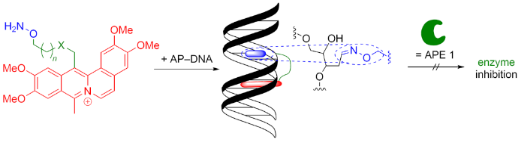
- derivative with an alkoxyamine-functionalized linker attached at position C13. Firstly, it was demonstrated with a resembling model compound that the alkylation of the coralyne scaffold does not influence the DNA-binding properties. Furthermore, it was shown that the alkoxyamine function can be readily
- –coralyne conjugate 2h in 86% yield. The products 2g and 2h were identified by NMR-spectroscopic analysis and mass spectrometry. DNA-binding properties To examine whether the DNA-binding properties of the coralyne unit are maintained even after attachment of the amidoalkyl functionality, the interactions of
- . Complementary, it was shown with a resembling model compound, 2e, that the alkylation of the coralyne scaffold does not influence the DNA-binding properties. Finally, biological tests unambiguously indicated that the alkoxyamine-functionalized coralyne derivative 2g can act as a targeted AP-site ligand and


One-pot four-component sequential synthesis of S-alkyl dithiocarbamates using lipase as a biocatalyst
Beilstein J. Org. Chem. 2026, 22, 1048–1056, doi:10.3762/bjoc.22.83
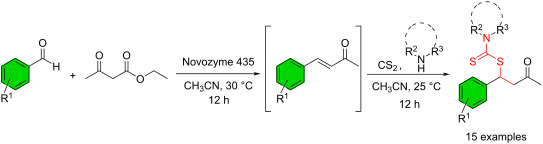
- ; lipase; one-pot; Introduction Dithiocarbamates, a versatile class of organosulfur compounds, have attracted considerable interest due to their wide range of chemical and biological properties [1][2]. These compounds have been extensively studied for their applications in various fields, including
- ]. S-Alkyl dithiocarbamates demonstrate a broad spectrum of bioactivities, including potent anticancer [9], anti-Alzheimer [10][11], antibacterial [12], and antifungal [13][14] properties. In the realm of synthetic organic chemistry, these compounds serve as valuable intermediates, protecting groups


Synthesis of novel 1,2,4-oxadiazole-isoxazoline hybrids and their in silico potential with adenosine receptors
Beilstein J. Org. Chem. 2026, 22, 1033–1047, doi:10.3762/bjoc.22.82
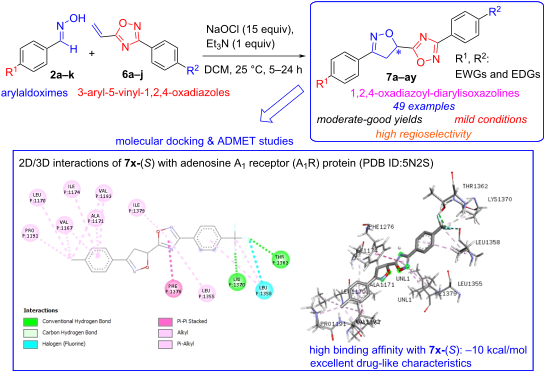
- suitable physicochemical properties. Overall, these findings identify 1,2,4-oxadiazole-isoxazoline hybrids as promising and tunable scaffolds for the development of adenosine A₁ receptor-targeted agents; however, further structural optimization and comprehensive biological evaluation are required to fully
- amide functional groups [1][2][3][4][5]. 1,2,4-Oxadiazole derivatives interact with various receptors as agonists or antagonists, demonstrating a wide spectrum of biological activities including anti-inflammatory, anticancer, antidepressant, anti-HIV, antifungal, and anticonvulsant properties [6][7][8
- evaluations of these high-scoring compounds indicated generally favorable drug-like properties, including good oral bioavailability and acceptable physicochemical profiles, supporting their potential as orally active candidates. Overall, these computational findings suggest that the newly synthesized 1,2,4


Semisynthesis, characterisation, and antibacterial evaluation of a novel lecanoric acid-derived amide library
Beilstein J. Org. Chem. 2026, 22, 1023–1032, doi:10.3762/bjoc.22.81
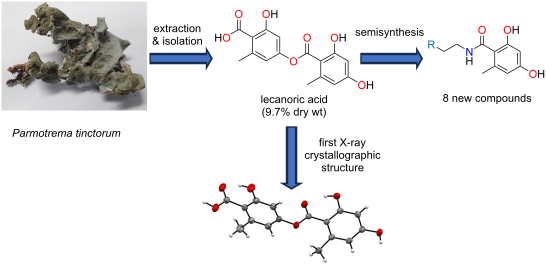
- the 17,000 lichen species that have been classified to date, 1,050 metabolites have been identified, half of which are unique to lichens [3][4]. Although only 10% of all lichen compounds have been subjected to bioactivity testing, several pharmacological properties have been documented [5]. Examples
- [15], and antioxidant [16] properties of this compound, albeit with low to moderate bioactivity observed. Nevertheless, we considered this compound a desirable chemical scaffold for semisynthetic studies due to its high natural abundance in the lichen species and the compound’s phenolic, ester, and
- the aromatic moiety was established through HMBC and ROESY correlations. Key COSY, HMBC, and ROESY correlations are shown below in Figure 4. Owing to the Davis group’s interest in discovering new natural products or derivatives with antibacterial properties, all compounds 1–13 were assessed via a


Synthesis and optical resolution of 4,5-diaminohomoadamantane: a promising scaffold for chiral ligands and bioactive compounds
Beilstein J. Org. Chem. 2026, 22, 1013–1022, doi:10.3762/bjoc.22.80
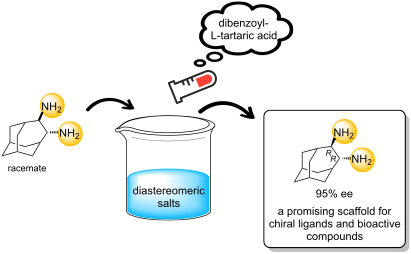
- based on a rigid polycyclic framework such as homoadamantane remain underexplored. We anticipated that the unique steric and lipophilic properties of chiral trans-4,5-diaminohomoadamantane could provide the necessary stereoinduction in metal-catalyzed asymmetric reactions. In addition, such structures
- been of interest to organic chemists for many years. Such a simple and symmetric structure as adamantane is widely used in pharmaceutics to obtain drugs with a wide spectrum of action, as well as to improve the properties of drugs currently in use [1][2][3][4][5][6][7]. The chemistry of adamantane has
- been extensively studied [8][9][10][11][12][13][14][15][16], while the properties of homoadamantane, its closest homologue, have not been studied so thoroughly. Chemical transformations of homoadamantane both at the bridgehead [17][18][19][20][21][22][23] and at the C-4 positions [24][25][26][27][28


The role of spacer length and flexibility in peptide self-assembly
Beilstein J. Org. Chem. 2026, 22, 986–996, doi:10.3762/bjoc.22.77
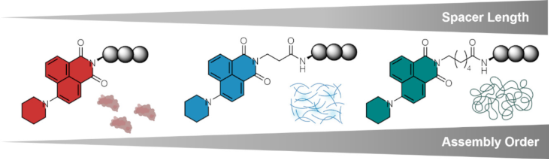
- flexibility and directional non-covalent interactions, thereby dictating assembly pathways and material properties. The results establish a correlation between spacer length and assembly propensity, with the longest spacer (C6) consistently promoting aggregation more effectively than the intermediate analogue
- -assembly; spacer length; Introduction Short self-assembling peptides are an eminent class of materials used in supramolecular chemistry due to their advantageous properties such as facile synthesis, programmable molecular information [1][2][3][4], structural diversity [5][6], biocompatibility [7][8][9
- modulate the self-assembling properties of short peptides through directional and cooperative non-covalent forces [25][26]. Coupling these to the N-terminus of the peptide sequence leads to the formation of peptide amphiphiles with a general architecture of a hydrophobic tail attached to a hydrophilic


Novel macrocycles: from synthesis to supramolecular function
Beilstein J. Org. Chem. 2026, 22, 982–985, doi:10.3762/bjoc.22.76
- ], resorcinarenes [7], and cucurbiturils [8] emerged as some of the most extensively investigated classes of macrocyclic hosts. Their widespread popularity was driven by their straightforward functionalization and unique structural properties. In contrast to first-generation receptors, such as crown ethers [2
- to tune binding properties, guest inclusion kinetics, and physical behavior. As a result, modern macrocyclic host–guest systems now operate at the interface of materials science and chemical biology. Given the rapid development of this research area, we organized this thematic issue entitled “Novel
- functionalization, and selective host–guest recognition properties. By organizing recent examples by internal and external stimuli, the authors outline how macrocyclic systems can regulate cargo release via supramolecular recognition and nanovalve mechanisms. The Review also discusses current challenges and future
Electrochemical reduction of unsaturated carbon–carbon bonds via 3d transition-metal catalysis
Beilstein J. Org. Chem. 2026, 22, 955–981, doi:10.3762/bjoc.22.75
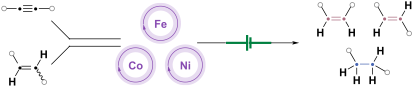
- ) voltammetry revealed that hydrogen evolution reactivity is strongly dependent on the electronic properties of the ligand environment (Scheme 8B). Notably, this electronic modulation is directly reflected in the rate constant for Co(III)–H formation. Catalysts bearing electron-withdrawing substituents exhibit
- envisioned for further advancing the field. In particular, expansion to other 3d transition metals represents an important opportunity, as the diverse redox properties and coordination environments accessible across the 3d series may enable fundamentally new reactivity patterns and mechanistic regimes that






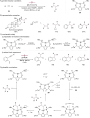


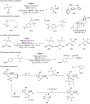
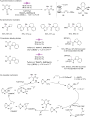
Synthesis of sterically shielded piperidine nitroxides via acid-catalyzed heterocyclization of β-aminoketone derivatives with ketones
Beilstein J. Org. Chem. 2026, 22, 948–954, doi:10.3762/bjoc.22.74
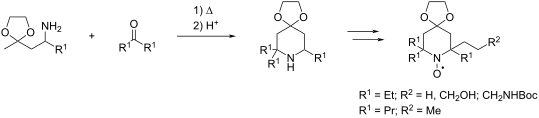
- (MRI) [4][5] and as spin probes for Overhauser MRI in vivo [6]. Piperidin-1-oxyls played a key role in the development and industrial implementation of controlled polymerization of vinyl monomers (nitroxide-mediated polymerization, NMP) [7]. The unique redox properties of these radicals underpin their
- nitroxide-mediated polymerization (NMP), because shielding with ethyl or bulkier alkyl groups decreases accessibility of the nitroxide moiety and improves the equilibrium parameters in the reversible trapping of alkyl radical of the growing polymer chain [11]. This shielding also alters the redox properties


Recent advances in copper-catalyzed direct hydroamination of alkenes with (hetero)aromatic amines
Beilstein J. Org. Chem. 2026, 22, 925–947, doi:10.3762/bjoc.22.73
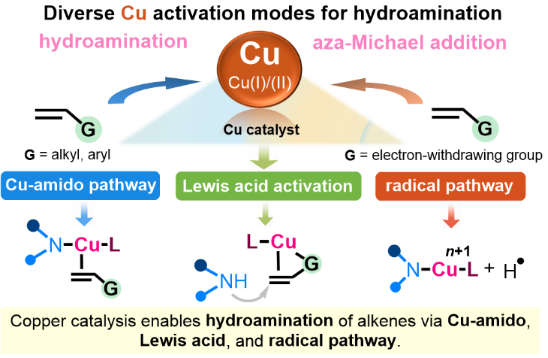
- , tunable basicity, and directional hydrogen-bonding capabilities enable precise modulation of molecular recognition, biological activity, and physicochemical properties. Consequently, the efficient and selective construction of carbon–nitrogen (C–N) bonds embedded within aromatic nitrogen frameworks
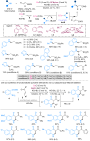
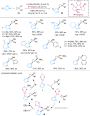
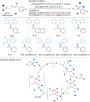
- , while suppressing the competing 1,4-addition pathways commonly observed in copper-catalyzed amination reactions. Recently, Lee et al. reported the copper-catalyzed hydroamination of allylic sulfones 10 (Scheme 6) [41]. By tuning the steric and electronic properties of the NHC ligands (e.g., IPrCuCl vs







A practical CO2-mediated synthesis of 5,6-carboxylated silicon-rhodamines for targeted probe development
Beilstein J. Org. Chem. 2026, 22, 915–924, doi:10.3762/bjoc.22.72
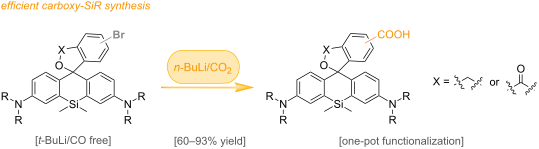
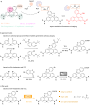
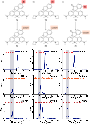
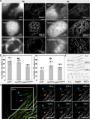
- -resolution imaging. Among them, probes 4a and 4b, corresponding to HMSiR-Halo and AzeHMSiR-Halo originally reported by the Urano and Xu groups [30][32][33][34], respectively, are widely used fluorophores for single-molecule imaging because of their excellent spontaneous blinking properties. Accordingly, the



Chiral cyclopropenimine-catalyzed enantioselective Michael reactions of phenol and benzofuran-derived α,β-unsaturated pyrazolamides with benzophenone-imine of glycine esters
Beilstein J. Org. Chem. 2026, 22, 888–896, doi:10.3762/bjoc.22.69
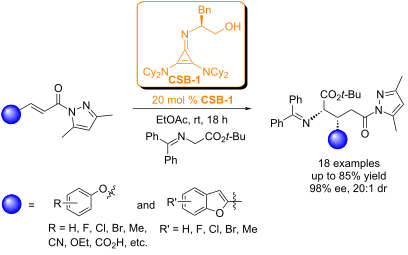
- , dronedarone, saprisartan and so on [3]. Therefore, the introduction of benzofuran to organic molecules plays an important role in drug research and development. Compounds containing glutamic and pyroglutamic acid frameworks (Figure 1) indicate many pharmacologic properties including influence on protein






Site-specific labelling of native peptides and proteins: chemical and enzymatic strategies
Beilstein J. Org. Chem. 2026, 22, 857–881, doi:10.3762/bjoc.22.67
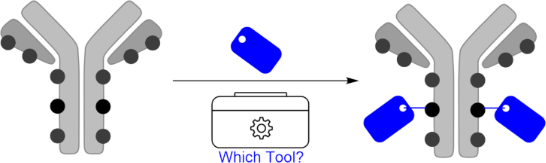
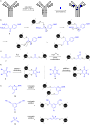
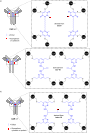
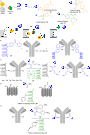
- /or engineering to achieve the desired specificity. As a general guideline, the final choice depends on multiple factors, including protein properties (sequence, flexibility, post-translational modification status, stability) and reagents availability (commercial reagents, in-house preparations, or









The trans-influence in gold chemistry from a catalytic perspective
Beilstein J. Org. Chem. 2026, 22, 838–856, doi:10.3762/bjoc.22.66
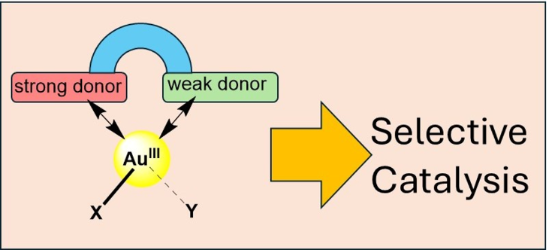
- electronic aspects such as photoluminescence and the spectroscopic and reactivity properties of gold(III) hydrides, before moving on to trans-influence enabled insertion reactions and catalytic applications. Perspective General considerations “Trans-influence” is a term applied to the weakening or
- naturally focused on the assessment of the ligand influence in linear compounds. For example, in 1977 Jones and Williams correlated the 35Cl nuclear quadrupole resonance of LAuCl complexes with the electronic properties of L, for a series of alkyl and arylphosphines, phosphites, isocyanides, N-donors and Cl
- trying to determine. Caution is therefore required in interpreting crystallographic bond lengths, and it is important to eliminate such factors by resorting to calculated bond distance data. Ligand structures and properties For the exploration of the reactivity and catalytic applications of gold(III


Unsymmetrical sulfoxides with sterically hindered catechol fragment: synthesis, structure, electrochemical properties, and antiradical activity
Beilstein J. Org. Chem. 2026, 22, 828–837, doi:10.3762/bjoc.22.65
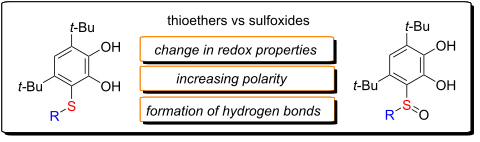
- -withdrawing nature of the S=O group. The second redox stage characterizes the transformation of the sulfoxide fragment and is observed in most cases at 1.82–1.91 V. The radical-scavenging activity and antioxidant properties of the unsymmetrical sulfoxides and their precursor thioethers were evaluated using
- activities and unusual physicochemical properties, which render them useful in various fields of chemistry. Catechol-containing compounds, in particular, are known for their antioxidant activity through the regulation of free-radical processes [1][2], and are used as antiparkinsonian [3][4][5], antitumor
- , imparting resistance to various solvents [9][10]. Furthermore, catechol-containing compounds can serve as antioxidant biomimetic additives in lubricants [11]. One effective approach for the fine-tuning of polyphenol properties is functionalization via the introduction of heteroatoms (S, Se, Te) [12][13][14


Knoevenagel condensation of 4,5- and 1,8-diazafluorenes
Beilstein J. Org. Chem. 2026, 22, 803–812, doi:10.3762/bjoc.22.62
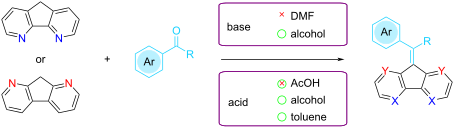
- products’ structure, physicochemical properties and coordination behavior (for 4,5-derivative). Both 4,5- and 1,8-diazafluorenes reacted with di(pyrid-2-yl)ketone forming di(pyridin-2-yl)methylene)-9H-4,5-diazafluorene (4,5-DPDAF) and 9-(di(pyridin-2-yl)methylene)-9H-1,8-diazafluorene (1,8-DPDAF) in 54




Halogenated azobenzene acrylates: from efficient solution photoswitching to stable solid-state photochromic materials
Beilstein J. Org. Chem. 2026, 22, 782–794, doi:10.3762/bjoc.22.60
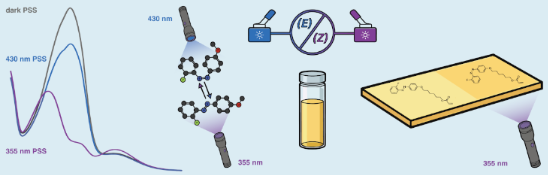
- halogenated azobenzene acrylate monomers bearing fluorine, chlorine or bromine substituents is reported. The monomers were prepared via a facile three-step synthetic route involving azo-coupling, O-alkylation and O-acylation. Apart from the steady electrochemical properties, halogen substitution proved to be
- a very useful tool to tune the thermal and optical properties, light-induced switching in particular. Monohalogen derivatives exhibited up to 93% E → Z photoconversion efficiency in solution, whereas the efficiency of dihalogen analogues is lower by 20%, which is ascribed to their nonplanar
- for over 90 days. These findings demonstrate that ortho-halogenation is a powerful tool for tuning the properties of photoresponsive materials for potential applications in colorimetric thermal sensing and light-controlled functional systems. Keywords: azobenzene; E/Z isomerization; halogen


Design, synthesis, and biological evaluation of FXR/ASK1 dual-target modulators
Beilstein J. Org. Chem. 2026, 22, 771–781, doi:10.3762/bjoc.22.59
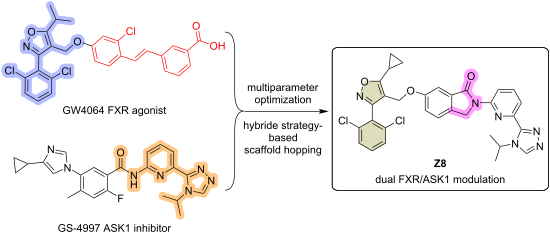
- systems or the phenyl ring at the 3-position of the isoxazole to enhance hydrophilicity and improve pharmacokinetic properties [42]. Co-crystallization of GS-4997 with ASK1 unveiled key stabilizing interactions in the active site. Specifically, the amide carbonyl forms a hydrogen bond with the backbone


Preparation of 3-(alkylamino)imidazo[1,2-a]pyridine-2-carbaldehydes via Kornblum oxidation and unexpected ring-opening reactions of the corresponding alcohols under oxidative conditions
Beilstein J. Org. Chem. 2026, 22, 763–770, doi:10.3762/bjoc.22.58
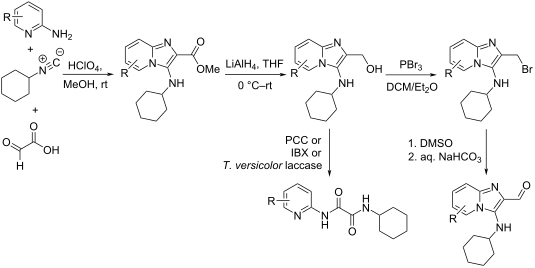
- CNS-active properties, showing promise for the treatment of conditions such as Parkinson’s disease [2]. Compounds containing the imidazo[1,2-a]pyridine core have also shown potential as anti-infective agents, with some compounds showing activity against Streptococcus pneumoniae (3) [3], tuberculosis
- derivatives have been found to be of interest in the development of organic materials with interesting properties [11][12]. The importance of imidazo[1,2-a]pyridines is evidenced by the plethora of recent review articles covering methods for their preparation [13][14][15][16] and functionalisation reactions


Synthesis and biological evaluation of new brassinosteroid analogs with C-22 benzoate function
Beilstein J. Org. Chem. 2026, 22, 753–762, doi:10.3762/bjoc.22.57
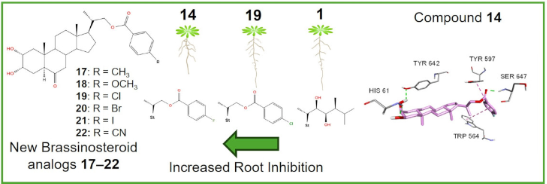
- the aromatic ring. In this way, we intend to assess the effect of these properties on the biological activity. Additionally, by comparing RLIT results obtained for this new series of castasterone (2) with those obtained for teasterone (3) [30] and 3-dehydroteasterone (3-DT, 3a) [31] analogs, it would





