


Search results
Search for "saponification" in Full Text gives 112 result(s) in Beilstein Journal of Organic Chemistry.
Total syntheses of highly oxidative Ryania diterpenoids facilitated by innovations in synthetic strategies
- Zhi-Qi Cao,
- Jin-Bao Qiao and
- Yu-Ming Zhao
Beilstein J. Org. Chem. 2025, 21, 2553–2570, doi:10.3762/bjoc.21.198
- epoxidation of the tetrasubstituted alkene followed by Grieco elimination yielded diene 92. Subsequent oxidation of the hemiacetal, saponification of the lactone, intramolecular epoxide opening, and Hoveyda–Grubbs (II)-catalyzed RCM afforded tetracyclic compounds 94 and its transesterification product 93

Graphical Abstract

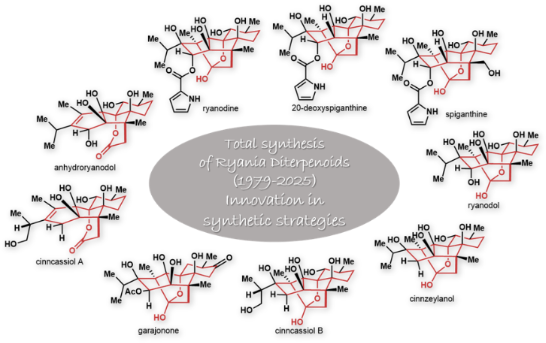
Scheme 1: Representative Ryania diterpenoids and their derivatives.
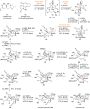
Scheme 2: Deslongchamps’s total synthesis of ryanodol (4).

Scheme 3: Deslongchamps’s total synthesis of 3-epi-ryanodol (5).
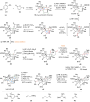
Scheme 4: Inoue’s total synthesis of ryanodol (4).

Scheme 5: Inoue’s total synthesis of ryanodine (1) from ryanodol (4).
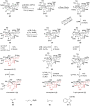
Scheme 6: Inoue’s total synthesis of cinncassiol A (9), cinncassiol B (7), cinnzeylanol (6), and 3-epi-ryanod...

Scheme 7: Reisman’s total synthesis of (+)-ryanodol (4).

Scheme 8: Reisman’s total synthesis of (+)-ryanodine (1) and (+)-20-deoxyspiganthine (2).

Scheme 9: Micalizio’s formal total synthesis of ryanodol (4).
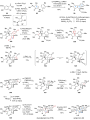
Scheme 10: Zhao’s total synthesis of garajonone (8).

Scheme 11: Zhao’s formal total synthesis of ryanodol (4) and ryanodine (1).
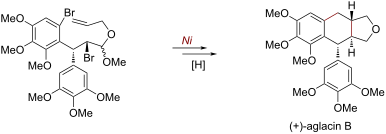
Ni-promoted reductive cyclization cascade enables a total synthesis of (+)-aglacin B
- Si-Chen Yao,
- Jing-Si Cao,
- Jian Xiao,
- Ya-Wen Wang and
- Yu Peng
Beilstein J. Org. Chem. 2025, 21, 2548–2552, doi:10.3762/bjoc.21.197
- File 1). The generated ester 10 was then converted into the corresponding acyl chloride by saponification and subsequent reaction with pivaloyl chloride. The resulting acyl chloride was then trapped by (S)-4-phenyl-2-oxazolidinone (11) to produce the desired α,β-unsaturated amide 7. Next, the

Graphical Abstract

Figure 1: The structures of aglacins A, B, C, and E.

Scheme 1: Retrosynthetic analysis of (+)-aglacin B (2).

Scheme 2: Synthesis of cyclization precursor 5.

Scheme 3: Synthesis of (+)-aglacin B (2).
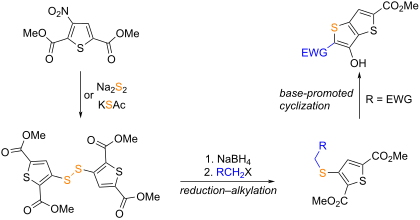
Assembly strategy for thieno[3,2-b]thiophenes via a disulfide intermediate derived from 3-nitrothiophene-2,5-dicarboxylate
- Roman A. Irgashev
Beilstein J. Org. Chem. 2025, 21, 2489–2497, doi:10.3762/bjoc.21.191
- reductant was quenched with methanol, and the reaction mixture was then treated with K2CO3 and the alkylating agent for 20 min, which allowed to obtain the desired product in 45% yield. A partial saponification of the ester groups was observed under these conditions, which contributed to the reduced yield

Graphical Abstract

Scheme 1: The synthetic routes to 3-hydroxy-substituted TT derivatives.

Scheme 2: The present retrosynthetic plan for constructing TT molecules.

Scheme 3: An attempt to nucleophilically substitute the NO2 group in ester 1.

Scheme 4: The reaction of ester 1 with potassium thioacetate.

Scheme 5: A probable mechanism for the formation of compounds 2 and 3.
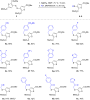
Scheme 6: The synthesis of 3-(alkylthio)thiophene-2,5-dicarboxylates 4–6, yields, and scope of products. *Fro...

Scheme 7: The synthesis of TT derivatives, yields, and scope of products. Conditions: i) LiH (5 equiv), DMF, ...
Research towards selective inhibition of the CLK3 kinase
- Vinay Kumar Singh,
- Frédéric Justaud,
- Dabbugoddu Brahmaiah,
- Nangunoori Sampath Kumar,
- Blandine Baratte,
- Thomas Robert,
- Stéphane Bach,
- Chada Raji Reddy,
- Nicolas Levoin and
- René L. Grée
Beilstein J. Org. Chem. 2025, 21, 2250–2259, doi:10.3762/bjoc.21.172
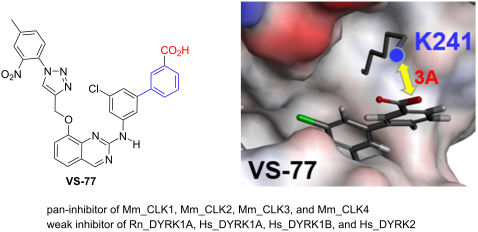
- 9a which, after saponification, afforded the first target compound 10a. The second molecule 10b was obtained in the same manner starting from 7b with the chlorine in meta position of the aromatic group. Then, by a similar approach, the targets 13a and 13b were prepared by now using as the coupling

Graphical Abstract

Figure 1: A) Sequence of amino acids in CLK3 as compared to the three other CLKs; B) Structure of CLK3 highli...

Figure 2: A) Docking of our previous inhibitor (DB18) in CLK3 and B) our working hypothesis.

Figure 3: Design of our target molecules.

Scheme 1: Synthesis of the intermediate anilino-2-quinazolines 7a and 7b.

Scheme 2: Synthesis of the targeted anilino-2-quinazolines 10 and 13.

Figure 4: Primary evaluation of the inhibition of the new quinazolines against a short panel of mammalian kin...

Figure 5: Docking of VS-77 in CLK3.

Figure 6: Docking of VS-77 in Hs_DYRK1A (PDB ID: 8T2H [26]).
Bioinspired total syntheses of natural products: a personal adventure
- Zhengyi Qin,
- Yuting Yang,
- Nuran Yan,
- Xinyu Liang,
- Zhiyu Zhang,
- Yaxuan Duan,
- Huilin Li and
- Xuegong She
Beilstein J. Org. Chem. 2025, 21, 2048–2061, doi:10.3762/bjoc.21.160
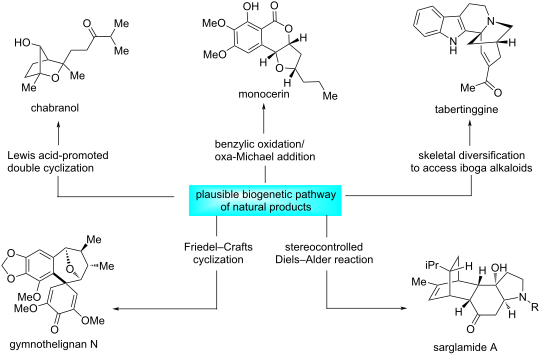
- with an acid and base-promoted saponification inversed the C12 alcohol stereochemistry, which ultimately provided (12R)-hydroxymonocerin. Total synthesis and bioinspired skeletal diversification of (12-MeO)-tabertinggine In 2013, Kam and co-workers reported the discovery of two novel indole alkaloids

Graphical Abstract

Figure 1: Representative natural products with biomimetic total synthesis.

Scheme 1: Bioinspired total synthesis of chabranol (2010).

Scheme 2: Proposed biosynthetic pathway of monocerin-family natural products.

Scheme 3: Bioinspired total synthesis of monocerin-family molecules (2013).
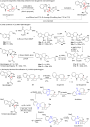
Scheme 4: Bioinspired skeletal diversification of (12-MeO-)tabertinggine (2016).

Scheme 5: Structures and our proposed biosynthetic pathway of gymnothelignans.

Scheme 6: Bioinspired total synthesis of gymnothelignans (2014–2025).
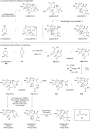
Scheme 7: Bioinspired total synthesis of sarglamides (2025).
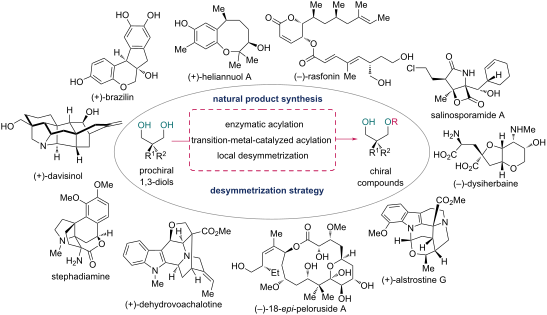
Enantioselective desymmetrization strategy of prochiral 1,3-diols in natural product synthesis
- Lihua Wei,
- Rui Yang,
- Zhifeng Shi and
- Zhiqiang Ma
Beilstein J. Org. Chem. 2025, 21, 1932–1963, doi:10.3762/bjoc.21.151
- dihydroxyketone 216 in two steps, Sonogashira coupling with indoline 218 followed by acetylation afforded compound 219. A Au-catalyzed cyclization and subsequent saponification with NaOMe gave indoline 220. Three subsequent steps yielded diol 221, which was treated with vinyl benzoate and a Zn-complex derived

Graphical Abstract

Scheme 1: General mechanism of a lipase-catalyzed esterification.

Scheme 2: Shishido’s synthesis of (−)-xanthorrhizol (4) and (+)-heliannuol D (8).

Scheme 3: Shishido’s synthesis of a) (−)-heliannuol A (15) and b) heliannuol G (20) and heliannuol H (21).

Scheme 4: Deska’s synthesis of hyperione A (30) and ent-hyperione B (31).

Scheme 5: Huang’s synthesis of (+)-brazilin (37).

Scheme 6: Shishido’s synthesis of (−)-heliannuol D (42) and (+)-heliannuol A (43).

Scheme 7: Chênevert’s synthesis of (S)-α-tocotrienol (49).

Scheme 8: Kita’s synthesis of monoester 53.

Scheme 9: Kita’s synthesis of fredericamycin A (60).

Scheme 10: Takabe’s synthesis of (E)-3,7-dimethyl-2-octene-1,8-diol (64).

Scheme 11: Takabe’s synthesis of (18S)-variabilin (70).

Scheme 12: Kawasaki’s synthesis of (S)-Rosaphen (74) and (R)-Rosaphen (75).

Scheme 13: Tokuyama’s synthesis of a) (−)-petrosin (84) and b) (+)-petrosin (86).

Scheme 14: Fukuyama’s synthesis of leustroducsin B (96).
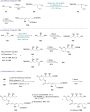
Scheme 15: Nanda’s synthesis of a) fragment 100, b) fragment 106 and c) (−)-rasfonin (109).

Scheme 16: Davies’ synthesis of (+)-pilocarpine (115) and (+)-isopilocarpine (116).

Scheme 17: Ōmura’s synthesis of salinosporamide A (125).

Scheme 18: Kang’s synthesis of ʟ-cladinose (124) and its derivative.

Scheme 19: Kang’s preparation of fragment 139.
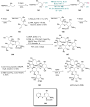
Scheme 20: Kang’s synthesis of azithromycin (149).

Scheme 21: Kang’s synthesis of (−)-dysiherbaine (156).

Scheme 22: Kang’s synthesis of (−)-kaitocephalin (166).

Scheme 23: Kang’s synthesis of laidlomycin (180).

Scheme 24: Snyder’s synthesis of arboridinine (190).
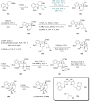
Scheme 25: Ma’s synthesis of (+)-alstrostine G (203).
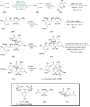
Scheme 26: Trost’s synthesis of (−)-18-epi-peloruside A (215).

Scheme 27: Lindel’s synthesis of (–)-dihydroraputindole (223).

Scheme 28: Iwata’s synthesis of a) (−)-talaromycin B (232) and b) (+)-talaromycin A (235).

Scheme 29: Cook’s synthesis of a) (−)-vincamajinine (240) and b) (−)-11-methoxy-17-epivincamajine (245).

Scheme 30: Cook’s synthesis of (+)-dehydrovoachalotine (249) and voachalotine (250).
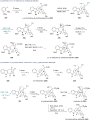
Scheme 31: Cook’s synthesis of a) (−)-12-methoxy-Nb-methylvoachalotine (257) and b) (+)-polyneuridine, macusin...

Scheme 32: Trauner’s synthesis of stephadiamine (273).

Scheme 33: Garg’s synthesis of (–)-ψ-akuammigine (285).

Scheme 34: Ding’s synthesis of (+)-18-benzoyldavisinol (293) and (+)-davisinol (294).
Photoswitches beyond azobenzene: a beginner’s guide
- Michela Marcon,
- Christoph Haag and
- Burkhard König
Beilstein J. Org. Chem. 2025, 21, 1808–1853, doi:10.3762/bjoc.21.143

Graphical Abstract

Figure 1: Energy diagram of a two-state photoswitch. Figure 1 was redrawn from [2].

Figure 2: Example of the absorption spectra of the isomers of a photoswitch with most efficient irradiation w...

Scheme 1: Photoswitch classes described in this review.

Figure 3: Azoheteroarenes.

Scheme 2: E–Z Isomerisation (top) and mechanisms of thermal Z–E isomerisation (bottom).

Scheme 3: Rotation mechanism favoured by the electron displacement in push–pull systems. Selected examples of...

Figure 4: A) T-shaped and twisted Z-isomers determine the thermal stability and the Z–E-PSS (selected example...

Figure 5: Effect of di-ortho-substitution on thermal half-life and PSS.

Figure 6: Selected thermal lifetimes of azoindoles in different solvents and concentrations. aConcentration o...

Figure 7: Aryliminopyrazoles: N-pyrazoles (top) and N-phenyl (bottom).

Scheme 4: Synthesis of symmetrical heteroarenes through oxidation (A), reduction (B), and the Bayer–Mills rea...

Scheme 5: Synthesis of diazonium salt (A); different strategies of azo-coupling: with a nucleophilic ring (B)...

Scheme 6: Synthesis of arylazothiazoles 25 (A) and heteroaryltriazoles 28 (B).

Scheme 7: Synthesis of heteroarylimines 31a,b [36-38].

Figure 8: Push–pull non-ionic azo dye developed by Velasco and co-workers [45].

Scheme 8: Azopyridine reported by Herges and co-workers [46].

Scheme 9: Photoinduced phase transitioning azobispyrazoles [47].

Figure 9: Diazocines.

Scheme 10: Isomers, conformers and enantiomers of diazocine.

Scheme 11: Partial overlap of the ππ* band with electron-donating substituents and effect on the PSS. Scheme 11 was ada...

Figure 10: Main properties of diazocines with different bridges. aMeasured in n-hexane [56]. bMeasured in THF. cMe...

Scheme 12: Synthesis of symmetric diazocines.

Scheme 13: Synthesis of asymmetric diazocines.

Scheme 14: Synthesis of O- and S-heterodiazocines.

Scheme 15: Synthesis of N-heterodiazocines.

Scheme 16: Puromycin diazocine photoswitch [60].

Figure 11: Indigoids.

Figure 12: The main representatives of the indigoid photoswitch class.

Scheme 17: Deactivation process that prevents Z-isomerisation of indigo.

Figure 13: Stable Z-indigo derivative synthesised by Wyman and Zenhäusern [67].

Figure 14: Selected examples of indigos with aliphatic and aromatic substituents [68]. Dashed box: proposed π–π in...

Scheme 18: Resonance structures of indigo and thioindigo involving the phenyl ring.

Scheme 19: Possible deactivation mechanism for 4,4'-dihydroxythioindigo [76].

Scheme 20: Effect of different heteroaryl rings on the stability and the photophysical properties of hemiindig...

Figure 15: Thermal half-lives of red-shifted hemithioindigos in toluene [79]. aMeasured in toluene-d8.

Scheme 21: Structures of pyrrole [81] and imidazole hemithioindigo [64].

Figure 16: Examples of fully substituted double bond hemithioindigo (left), oxidised hemithioindigos (centre),...

Scheme 22: Structure of iminothioindoxyl 72 (top) and acylated phenyliminoindolinone photoswitch 73 (bottom). ...

Scheme 23: (top) Transition states of iminothioindoxyl 72. The planar transition state is associated with a lo...

Scheme 24: Baeyer–Drewsen synthesis of indigo (top) and N-functionalisation strategies (bottom).

Scheme 25: Synthesis of hemiindigo.

Scheme 26: Synthesis of hemithioindigo and iminothioindoxyl.

Scheme 27: Synthesis of double-bond-substituted hemithioindigos.

Scheme 28: Synthesis of phenyliminoindolinone.

Scheme 29: Hemithioindigo molecular motor [85].

Figure 17: Arylhydrazones.

Scheme 30: Switching of arylhydrazones. Note: The definitions of stator and rotor are arbitrary.

Scheme 31: Photo- and acidochromism of pyridine-based phenylhydrazones.

Scheme 32: A) E–Z thermal inversion of a thermally stable push–pull hydrazone [109]. B) Rotation mechanism favoured...

Scheme 33: Effect of planarisation on the half-life.

Scheme 34: The longest thermally stable hydrazone switches reported so far (left). Modulation of thermal half-...

Figure 18: Dependency of t1/2 on concentration and hypothesised aggregation-induced isomerisation.

Figure 19: Structure–property relationship of acylhydrazones.

Scheme 35: Synthesis of arylhydrazones.

Scheme 36: Synthesis of acylhydrazones.

Scheme 37: Photoswitchable fluorophore by Aprahamian et al. [115].

Scheme 38: The four-state photoswitch synthesised by the Cigáň group [116].

Figure 20: Diarylethenes.

Scheme 39: Isomerisation and oxidation pathway of E-stilbene to phenanthrene.

Scheme 40: Strategies adapted to avoid E–Z isomerisation and oxidation.
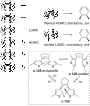
Scheme 41: Molecular orbitals and mechanism of electrocyclisation for a 6π system.

Figure 21: Aromatic stabilisation energy correlated with the thermal stability of the diarylethenes [127,129].

Figure 22: Half-lives of diarylethenes with increasing electron-withdrawing groups [128,129].

Scheme 42: Photochemical degradation pathway promoted by electron-donating groups [130].

Figure 23: The diarylethenes studied by Hanazawa et al. [134]. Increased rigidity leads to bathochromic shift.

Scheme 43: The dithienylethene synthesised by Nakatani's group [135].

Scheme 44: Synthesis of perfluoroalkylated diarylethenes.

Scheme 45: Synthesis of 139 and 142 via McMurry coupling.

Scheme 46: Synthesis of symmetrical derivatives 145 via Suzuki–Miyaura coupling.

Scheme 47: Synthesis of acyclic 148, malonic anhydride 149, and maleimide derivatives 154.

Figure 24: Gramicidin S (top left) and two of the modified diarylethene derivatives: first generation (bottom ...

Scheme 48: Pyridoxal 5'-phosphate and its reaction with an amino acid (top). The analogous dithienylethene der...

Figure 25: Fulgides.

Scheme 49: The three isomers of fulgides.

Scheme 50: Thermal and photochemical side products of unsubstituted fulgide [150].

Figure 26: Maximum absorption λc of the closed isomer compared with the nature of the aromatic ring and the su...

Scheme 51: Possible rearrangement of the excited state of 5-dimethylaminoindolylfulgide [153].

Figure 27: Quantum yields of ring closure (ΦE→C) and E–Z isomerisation (ΦE→Z) correlated with the increasing s...

Scheme 52: Active (Eα) and inactive (Eβ) conformers (left) and the bicyclic sterically blocked fulgide 169 (ri...

Scheme 53: Quantum yield of ring-opening (ΦC→E) and E–Z isomerisation (ΦE→Z) for different substitution patter...

Scheme 54: Stobbe condensation pathway for the synthesis of fulgides 179, fulgimides 181 and fulgenates 178.

Scheme 55: Alternative synthesis of fulgides through Pd-catalysed carbonylation.

Scheme 56: Optimised synthesis of fulgimides [166].

Scheme 57: Photoswitchable FRET with a fulgimide photoswitch [167].

Scheme 58: Three-state fulgimide strategy by Slanina's group.

Figure 28: Spiropyrans.

Scheme 59: Photochemical (left) and thermal (right) ring-opening mechanisms for an exemplary spiropyran with a...

Figure 29: Eight possible isomers of the open merocyanine according to the E/Z configurations of the bonds hig...

Scheme 60: pH-Controlled photoisomerisation between the closed spiropyran 191-SP and the open E-merocyanine 19...

Scheme 61: Behaviour of spiropyran in water buffer according to Andréasson and co-workers [180]. 192-SP in an aqueo...

Scheme 62: (left box) Proposed mechanism of basic hydrolysis of MC [184]. (right box) Introduction of electron-dona...

Scheme 63: Photochemical interconversion of naphthopyran 194 (top) and spirooxazine 195 (bottom) photoswitches...

Scheme 64: Synthesis of spiropyrans and spirooxazines 198 and the dicondensation by-product 199.

Scheme 65: Alternative synthesis of spiropyrans and spirooxazines with indolenylium salt 200.

Scheme 66: Synthesis of 4’-substituted spiropyrans 203 by condensation of an acylated methylene indoline 201 w...

Scheme 67: Synthesis of spironaphthopyrans 210 by acid-catalysed condensation of naphthols and diarylpropargyl...

Scheme 68: Photoswitchable surface wettability [194].

Figure 30: Some guiding principles for the choice of the most suitable photoswitch. Note that this guide is ve...
Chemical synthesis of glycan motifs from the antitumor agent PI-88 through an orthogonal one-pot glycosylation strategy
- Shaokang Yang,
- Xingchun Sun,
- Hanyingzi Fan and
- Guozhi Xiao
Beilstein J. Org. Chem. 2025, 21, 1587–1594, doi:10.3762/bjoc.21.122

- of polar groups, including phosphoryl acid and amine groups [62]. After several optimizations, the following sequence was adopted to remove all Bn, Bz, and Cbz groups: 1) global hydrogenolysis of Bn and Cbz groups in 12 with Pd(OH)2/C in a mixed solvent (THF/MeOH/AcOH/H2O) and 2) saponification of
- over the following steps: 1) deprotection of the TBDPS group, 2) phosphitylation of the free alcohol with phosphoramidite 11 in the presence of 1H-tetrazole and 4 Å MS, and 3) oxidation of the phosphite by mCPBA. Hydrogenolysis of Bn and Cbz groups in 14 with Pd(OH)2/C and subsequent saponification of

Graphical Abstract

Scheme 1: (A) Glycan structures of PI-88 and (B) retrosynthetic analysis of PI-88 glycan motifs 1–4.
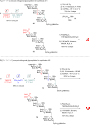
Scheme 2: One-pot synthesis of glycans 1 and 2.
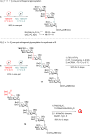
Scheme 3: One-pot synthesis of glycan 3.

Scheme 4: One-pot synthesis of glycan 4.
A versatile route towards 6-arylpipecolic acids
- Erich Gebel,
- Cornelia Göcke,
- Carolin Gruner and
- Norbert Sewald
Beilstein J. Org. Chem. 2025, 21, 1104–1115, doi:10.3762/bjoc.21.88
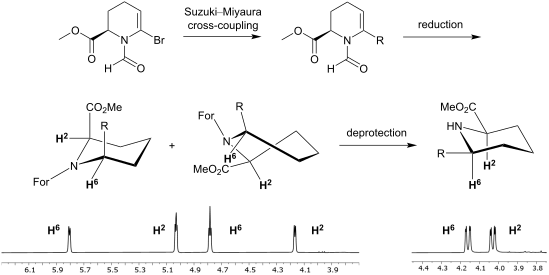
- . The formyl group can be cleaved under acidic conditions to yield the esters (2R,6S)-11. Treatment of the solution with LiOH at pH 9–10 and at 40 °C leads to saponification of the methyl ester (Scheme 5c and Scheme 6). Conclusion In conclusion, we present a straightforward and efficient method for the
- for H2 and H6. 1H NMR spectra with both signal sets for the chair and half-chair configuration as well as Newman projection for both protons H2 and H6 with corresponding dihedral angles ϕ for a) (2R,6S)-9, b) saponification product (2R,6S)-10. 1H NMR spectra with signal set for the chair configuration

Graphical Abstract

Scheme 1: ᴅ-2-Aminoadipic acid (1) can be used to generate C6 aryl and alkynyl-modified pipecolic acid deriva...

Scheme 2: Methyl ester formation, followed by cyclization, N-formylation, as well as bromination under Vilsme...

Scheme 3: Suzuki–Miyaura cross-coupling reaction between bromide 2 and a variety of boronic acids 8.

Scheme 4: Reaction of 3a to (2R,6S)-9a and (2R,6R)-9a. The chromatograms prove the simple diastereoselection.

Figure 1: The minor diastereomer of the catalytic hydrogenation was assigned as (2R,6R)-9, based on the analy...
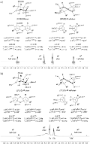
Figure 2: 1H NMR spectra with both signal sets for the chair and half-chair configuration as well as Newman p...

Figure 3: 1H NMR spectra with signal set for the chair configuration as well as Newman projection for both pr...

Scheme 5: a) Sonogashira–Hagihara cross-coupling reaction followed by b) NaBH3CN reduction of the N-acylimini...
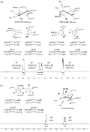
Figure 4: 1H NMR with Newman projection for both protons H2 and H6 with corresponding dihedral angles ϕ for a...

Scheme 6: Overview of reduction and deprotection to the final pipecolic acid derivatives (2R,6S)-5.
Acyclic cucurbit[n]uril bearing alkyl sulfate ionic groups
- Christian Akakpo,
- Peter Y. Zavalij and
- Lyle Isaacs
Beilstein J. Org. Chem. 2025, 21, 717–726, doi:10.3762/bjoc.21.55
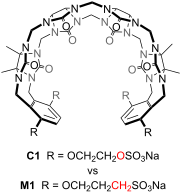
- previously [70]. Saponification of TetW1OAc with LiOH at 50 °C followed by acidification with 0.1 M HCl gives TetW1 in 69% yield [70]. Finally, the sulfation of TetW1 occurs upon treatment with py·SO3 (20 equiv) in dry pyridine to yield C1 as a white solid in 68% yield. In accord with the depicted C2v

Graphical Abstract

Figure 1: Chemical structures of CB[n] and selected acyclic CB[n]-type molecular containers M1 and M0.
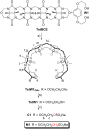
Scheme 1: Synthesis of C1. Conditions: a) TFA/Ac2O, 70 °C, 3.5 h, 71%; b) LiOH, 50 °C, 69%; c) dry pyridine, ...

Figure 2: a) 1H NMR spectrum (600, D2O, rt) and b) 13C NMR spectrum recorded (150 MHz, D2O, rt) for C1.

Figure 3: Chemical structures of guests used in this study along with the complexation induced changes in che...

Figure 4: 1H NMR spectra recorded (400 MHz, D2O, rt) for: a) Me6PXDA (0.5 mM), b) a mixture of C1 (0.5 mM) an...

Figure 5: Cross-eyed stereoview of the C1·Me6CHDA complex in the crystal. Color code: C, gray; H, white; N, b...

Figure 6: Cross-eyed stereoview of the crystal packing observed in the molecular cell of C1·Me6CHDA. H-atoms ...

Figure 7: a) Representative plot of DP (μcal s−1) versus time from the titration of C1 (0.1 mM) in the ITC ce...
Cryptophycin unit B analogues
- Thomas Schachtsiek,
- Jona Voss,
- Maren Hamsen,
- Beate Neumann,
- Hans-Georg Stammler and
- Norbert Sewald
Beilstein J. Org. Chem. 2025, 21, 526–532, doi:10.3762/bjoc.21.40
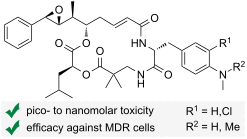
- crystallised in the monoclinic space group P21 with R1 = 0.0285 clearly showing the expected (R)-configuration with a Flack parameter of −0.07(6). Starting from monomethylaniline derivative 7, the synthesis of the final building block was finalised by chlorination [20], Alloc protection and saponification [21
- ] to obtain free acid 11. Exchange of the Boc protecting group of dimethylaniline 8 to an acryloyl substituent and subsequent saponification furnished dimethylamine building block 13. For the macrocycle assembly, especially the ring closure, we decided on two different routes. While the cryptophycin

Graphical Abstract

Figure 1: A: Structure of cryptophycin-52. B: Cryptophycin-52 derivatives modified with conjugation handles i...

Scheme 1: Synthesis of modified unit B derivatives. a) HNO3, H2SO4, 0 °C, 5 h, 48% (isolated as monohydrate);...

Figure 2: Molecular structure of Boc-ᴅ-Phe(4-NHMe)-OMe 7 as determined by single-crystal X-ray diffraction me...
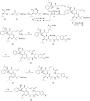
Scheme 2: Synthesis of cryptophycin diols 24 and 25. a) EDC·HCl, DMAP, NEt3, CH2Cl2, 0 °C to rt, 22 h, 60%; b...

Scheme 3: Three-step diol–epoxide transformation starting from diols 24 and 25. a) (MeO)3CH, pyridinium p-tol...
Synthesis of extended fluorinated tripeptides based on the tetrahydropyridazine scaffold
- Thierry Milcent,
- Pascal Retailleau,
- Benoit Crousse and
- Sandrine Ongeri
Beilstein J. Org. Chem. 2024, 20, 3174–3181, doi:10.3762/bjoc.20.262
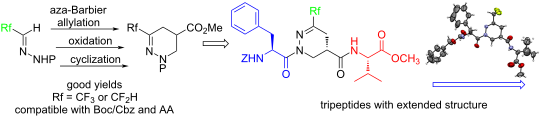
- chromatography. With dipeptides 7e and 7f stereoisomerically pure, we next focused our attention on the preparation of novel peptidic structures to perform some conformational analyses. Starting from the methyl ester 7, each diastereomer was engaged in a classical sequence of saponification in the presence of

Graphical Abstract

Figure 1: Examples of bioactive tetrahydropyridazine derivatives.

Figure 2: Linear and cyclic peptides incorporating the dehydropiperazic acid moiety.

Figure 3: Piperazic acid and analogues and target trifluoro/difluoromethylated tetrahydropyridazine acids.

Scheme 1: Reported syntheses of tetrahydropyridazine ester derivatives.

Figure 4: Synthetic strategy to obtain fluorinated tetrahydropyridazines from difluoro- or trifluoromethylate...

Scheme 2: Synthesis of fluorinated hydrazones 3a–f.

Scheme 3: Allylation of fluorinated hydrazones 3a–f to obtain 5a–f.

Scheme 4: Oxidation of hydrazines 5a–f to obtain hydrazones 6a–f.

Scheme 5: Intramolecular cyclization of compounds 6a–f to obtain tetrahydropyridazines 7a–f.

Scheme 6: Preparation of tripeptides 8e, 8e’, 8f, and 8f’. Yields refer to the yield over 2 steps.

Figure 5: X-ray diffraction of compound 8f.
Multicomponent reactions driving the discovery and optimization of agents targeting central nervous system pathologies
- Lucía Campos-Prieto,
- Aitor García-Rey,
- Eddy Sotelo and
- Ana Mallo-Abreu
Beilstein J. Org. Chem. 2024, 20, 3151–3173, doi:10.3762/bjoc.20.261
- this study, they employed the Bucherer–Bergs reaction, a versatile multicomponent reaction which enables the formation of a hydantoin that represents a masked amino acid functionality (Scheme 21). After subsequent saponification and acidification, the desired compound crystallizes along with impurities

Graphical Abstract

Figure 1: Classical MCRs.

Figure 2: Different scaffolds that can be formed with the Ugi adduct.

Scheme 1: Oxoindole-β-lactam core produced in a U4C-3CR.

Figure 3: Most active oxoindole-β-lactam compounds developed by Brãndao et al. [33].

Scheme 2: Ugi-azide synthesis of benzofuran, pyrazole and tetrazole hybrids.

Figure 4: The most promising hybrids synthesized via the Ugi-azide multicomponent reaction reported by Kushwa...

Scheme 3: Four-component Ugi reaction for the synthesis of novel antioxidant compounds.

Figure 5: Most potent antioxidant compounds obtained through the Ugi four-component reaction developed by Pac...

Scheme 4: Four-component Ugi reaction to synthesize β-amiloyd aggregation inhibitors.

Figure 6: The most potential β-amiloyd aggregation inhibitors generated by Galante et al. [37].

Scheme 5: Four-component Ugi reaction to obtain FATH hybrids and the best candidate synthesized.

Scheme 6: Four-component Ugi reaction for the synthesis of FATMH hybrids and the best candidate synthesized.

Scheme 7: Petasis multicomponent reaction to produce pyrazine-based MTDLs.

Figure 7: Best pyrazine-based MTDLs synthesized by Madhav et al. [40].

Scheme 8: Synthesis of BCPOs employing a Knoevenagel-based multicomponent reaction and the best candidate syn...

Scheme 9: Hantzsch multicomponent reaction for the synthesis of DHPs as novel MTDLs.

Figure 8: Most active 1,4-dihydropyridines developed by Malek et al. [43].

Scheme 10: Chromone–donepezil hybrid MTDLs obtained via the Passerini reaction.

Figure 9: Best CDH-based MTDLs as AChE inhibitors synthesized by Malek et al. [46].

Scheme 11: Replacement of the nitrogen in lactams 11 with an oxygen in 12 to influence hydrogen-bond donating ...

Scheme 12: MCR 3 + 2 reaction to develop spirooxindole, spiroacenaphthylene, and bisbenzo[b]pyran compounds.

Figure 10: SIRT2 activity of best derivatives obtained by Hasaninejad et al. [49].

Scheme 13: Synthesis of ML192 analogs using the Gewald multicomponent reaction and the best candidate synthesi...

Scheme 14: Development of 1,5-benzodiazepines via Ugi/deprotection/cyclization (UDC) approach by Xu et al. [59].

Scheme 15: Synthesis of polysubstituted 1,4-benzodiazepin-3-ones using UDC strategy.

Scheme 16: Synthetic procedure to obtain 3-carboxamide-1,4-benzodiazepin-5-ones employing Ugi–reduction–cycliz...

Scheme 17: Ugi cross-coupling (U-4CRs) to synthesize triazolobenzodiazepines.

Scheme 18: Azido-Ugi four component reaction cyclization to obtain imidazotetrazolodiazepinones.

Scheme 19: Synthesis of oxazolo- and thiazolo[1,4]benzodiazepine-2,5-diones via Ugi/deprotection/cyclization a...

Scheme 20: General synthesis of 2,3-dichlorophenylpiperazine-derived compounds by the Ugi reaction and Ugi/dep...

Figure 11: Best DRD2 compounds synthesized using a multicomponent strategy.

Scheme 21: Bucherer–Bergs multicomponent reaction to obtain a key intermediate in the synthesis of pomaglumeta...

Scheme 22: Ugi reaction to synthesize racetam derivatives and example of two racetams synthesized by Cioc et a...
Deuterated reagents in multicomponent reactions to afford deuterium-labeled products
- Kevin Schofield,
- Shayna Maddern,
- Yueteng Zhang,
- Grace E. Mastin,
- Rachel Knight,
- Wei Wang,
- James Galligan and
- Christopher Hulme
Beilstein J. Org. Chem. 2024, 20, 2270–2279, doi:10.3762/bjoc.20.195
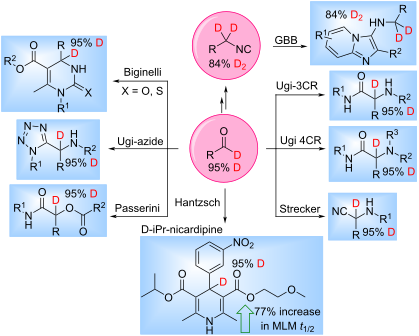
- converted to a carboxylic acid via typical saponification conditions without loss of deuterium (See Supporting Information File 1 for conditions). Biginelli reaction products, no deuterium scrambling was observed. Six site-specific deuterated Biginelli products are revealed in good yield with no deuterium

Graphical Abstract

Scheme 1: Competitive examples of D2-benzylamine formation via phenyl-nitriles.

Scheme 2: Proposed tentative mechanism of [D3]-formamide formation via modified Leuckart–Wallach reaction wit...

Scheme 3: Ugi-4CR products: no deuterium scrambling observed.

Scheme 4: Ugi-3CR products. No deuterium scrambling observed.

Scheme 5: Ugi-azide reaction products, no deuterium scrambling observed.

Scheme 6: Passerini products, no deuterium scrambling observed. aWater was used as solvent.

Scheme 7: Strecker reaction products (precursors to [D1]-α-amino acids), no deuterium scrambling was observed...

Scheme 8: Biginelli reaction products, no deuterium scrambling was observed. Six site-specific deuterated Big...

Scheme 9: GBB reaction products, no deuterium scrambling was observed. aA 70% [D2]-isocyanide was used in 7a ...

Scheme 10: Modified Hantzsch pyridine synthesis to afford 1,4-dihydropyridines. No deuterium scrambling was ob...

Scheme 11: CYP3A4 mediated dehydrogenation of dihydropyridines.
Multicomponent syntheses of pyrazoles via (3 + 2)-cyclocondensation and (3 + 2)-cycloaddition key steps
- Ignaz Betcke,
- Alissa C. Götzinger,
- Maryna M. Kornet and
- Thomas J. J. Müller
Beilstein J. Org. Chem. 2024, 20, 2024–2077, doi:10.3762/bjoc.20.178

- β-ketoesters to form enaminones 85. The consecutive three-component reaction culminates in cyclization with substituted hydrazines, leading to the regioselective formation of 5-fluoroalkylpyrazoles 83 (Scheme 30) [111]. Following subsequent saponification, pyrazole-4-carboxylic acids can be obtained

Graphical Abstract

Scheme 1: Consecutive three-component synthesis of pyrazoles 1 via in situ-formed 1,3-diketones 2 [44].

Scheme 2: Consecutive three-component synthesis of 4-ethoxycarbonylpyrazoles 5 via SmCl3-catalyzed acylation ...

Scheme 3: Consecutive four-component synthesis of 1-(thiazol-2-yl)pyrazole-3-carboxylates 8 [51].

Scheme 4: Three-component synthesis of thiazolylpyrazoles 17 via in situ formation of acetoacetylcoumarins 18 ...

Scheme 5: Consecutive pseudo-four-component and four-component synthesis of pyrazoles 21 from sodium acetylac...

Scheme 6: Consecutive three-component synthesis of 1-substituted pyrazoles 24 from boronic acids, di(Boc)diim...

Scheme 7: Consecutive three-component synthesis of N-arylpyrazoles 25 via in situ formation of aryl-di(Boc)hy...

Scheme 8: Consecutive three-component synthesis of 1,3,4-substituted pyrazoles 27 and 28 from methylhydrazine...

Scheme 9: Consecutive three-component synthesis of 4-allylpyrazoles 32 via oxidative allylation of 1,3-dicarb...

Scheme 10: Pseudo-five-component synthesis of tris(pyrazolyl)methanes 35 [61].

Scheme 11: Pseudo-three-component synthesis of 5-(indol-3-yl)pyrazoles 39 from 1,3,5-triketones 38 [64].

Scheme 12: Three-component synthesis of thiazolylpyrazoles 43 [65].

Scheme 13: Three-component synthesis of triazolo[3,4-b]-1,3,4-thiadiazin-3-yl substituted 5-aminopyrazoles 47 [67]....

Scheme 14: Consecutive three-component synthesis of 5-aminopyrazoles 49 via formation of β-oxothioamides 50 [68].
Scheme 15: Synthesis of 3,4-biarylpyrazoles 52 from aryl halides, α-bromocinnamaldehyde, and tosylhydrazine vi...

Scheme 16: Consecutive three-component synthesis of 3,4-substituted pyrazoles 57 from iodochromones 55 by Suzu...

Scheme 17: Pseudo-four-component synthesis of pyrazolyl-2-pyrazolines 59 by ring opening/ring closing cyclocon...

Scheme 18: Consecutive three-component synthesis of pyrazoles 61 [77].

Scheme 19: Three-component synthesis of pyrazoles 62 from malononitrile, aldehydes, and hydrazines [78-90].

Scheme 20: Four-component synthesis of pyrano[2,3-c]pyrazoles 63 [91].

Scheme 21: Three-component synthesis of persubstituted pyrazoles 65 from aldehydes, β-ketoesters, and hydrazin...

Scheme 22: Three-component synthesis of pyrazol-4-carbodithioates 67 [100].

Scheme 23: Regioselective three-component synthesis of persubstituted pyrazoles 68 catalyzed by ionic liquid [...

Scheme 24: Consecutive three-component synthesis of 4-halopyrazoles 69 and anellated pyrazoles 70 [102].

Scheme 25: Three-component synthesis of 2,2,2-trifluoroethyl pyrazole-5-carboxylates 72 [103].

Scheme 26: Synthesis of pyrazoles 75 in a one-pot process via carbonylative Heck coupling and subsequent cycli...

Scheme 27: Copper-catalyzed three-component synthesis of 1,3-substituted pyrazoles 76 [105].

Scheme 28: Pseudo-three-component synthesis of bis(pyrazolyl)methanes 78 by ring opening-ring closing cyclocon...

Scheme 29: Three-component synthesis of 1,4,5-substituted pyrazoles 80 [107].

Scheme 30: Consecutive three-component synthesis of 3,5-bis(fluoroalkyl)pyrazoles 83 [111].

Scheme 31: Consecutive three-component synthesis of difluoromethanesulfonyl-functionalized pyrazole 88 [114].

Scheme 32: Consecutive three-component synthesis of perfluoroalkyl-substituted fluoropyrazoles 91 [115].

Scheme 33: Regioselective consecutive three-component synthesis of 1,3,5-substituted pyrazoles 93 [116].

Scheme 34: Three-component synthesis of pyrazoles 96 mediated by trimethyl phosphite [117].

Scheme 35: One-pot synthesis of pyrazoles 99 via Liebeskind–Srogl cross-coupling/cyclocondensation [118].

Scheme 36: Synthesis of 1,3,5-substituted pyrazoles 101 via domino condensation/Suzuki–Miyaura cross-coupling ...

Scheme 37: Consecutive three-component synthesis of 1,3,5-trisubstituted pyrazoles 102 and 103 by Sonogashira ...

Scheme 38: Polymer analogous consecutive three-component synthesis of pyrazole-based polymers 107 [132].

Scheme 39: Synthesis of 1,3,5-substituted pyrazoles 108 by sequentially Pd-catalyzed Kumada–Sonogashira cycloc...

Scheme 40: Consecutive four-step one-pot synthesis of 1,3,4,5-substituted pyrazoles 110 [137].

Scheme 41: Four-component synthesis of pyrazoles 113, 115, and 117 via Sonogashira coupling and subsequent Suz...

Scheme 42: Consecutive four- or five-component synthesis for the preparation of 4-pyrazoly-1,2,3-triazoles 119...

Scheme 43: Four-component synthesis of pyrazoles 121 via alkynone formation by carbonylative Pd-catalyzed coup...

Scheme 44: Preparation of 3-azulenyl pyrazoles 124 by glyoxylation, decarbonylative Sonogashira coupling, and ...

Scheme 45: Four-component synthesis of a 3-indoloylpyrazole 128 [147].

Scheme 46: Two-step synthesis of 5-acylpyrazoles 132 via glyoxylation-Stephen–Castro sequence and subsequent c...

Scheme 47: Copper on iron mediated consecutive three-component synthesis of 3,5-substituted pyrazoles 136 [150].

Scheme 48: Consecutive three-component synthesis of 3-substituted pyrazoles 141 by Sonogashira coupling and su...

Scheme 49: Consecutive three-component synthesis of pyrazoles 143 initiated by Cu(I)-catalyzed carboxylation o...

Scheme 50: Consecutive three-component synthesis of benzamide-substituted pyrazoles 146 starting from N-phthal...

Scheme 51: Consecutive three-component synthesis of 1,3,5-substituted pyrazoles 148 [156].

Scheme 52: Three-component synthesis of 4-ninhydrin-substituted pyrazoles 151 [158].

Scheme 53: Consecutive four-component synthesis of 4-(oxoindol)-1-phenylpyrazole-3-carboxylates 155 [159].

Scheme 54: Three-component synthesis of pyrazoles 160 [160].

Scheme 55: Consecutive three-component synthesis of pyrazoles 165 [162].

Scheme 56: Consecutive three-component synthesis of 3,5-disubstituted and 3-substituted pyrazoles 168 and 169 ...

Scheme 57: Three-component synthesis of 3,4,5-substituted pyrazoles 171 via 1,3-dipolar cycloaddition of vinyl...

Scheme 58: Three-component synthesis of pyrazoles 173 and 174 from aldehydes, tosylhydrazine, and vinylidene c...

Scheme 59: Three-component synthesis of pyrazoles 175 from glyoxyl hydrates, tosylhydrazine, and electron-defi...

Scheme 60: Pseudo-four-component synthesis of pyrazoles 177 from glyoxyl hydrates, tosylhydrazine, and aldehyd...

Scheme 61: Consecutive three-component synthesis of pyrazoles 179 via Knoevenagel-cycloaddition sequence [179].

Scheme 62: Three-component synthesis of 5-dimethylphosphonate substituted pyrazoles 182 from aldehydes, the Be...

Scheme 63: Consecutive three-component synthesis of 5-(dimethyl phosphonate)-substituted pyrazoles 185 from al...

Scheme 64: Three-component synthesis of 5-(dimethyl phosphonate)-substituted pyrazoles 187 from aldehydes, the...

Scheme 65: Three-component synthesis of 5-diethylphosphonate/5-phenylsulfonyl substituted pyrazoles 189 from a...

Scheme 66: Pseudo-three-component synthesis of 3-(dimethyl phosphonate)-substituted pyrazoles 190 [185].

Scheme 67: Three-component synthesis of 3-trifluoromethylpyrazoles 193 [186].

Scheme 68: Consecutive three-component synthesis of 5-stannyl-substituted 4-fluoropyrazole 197 [191,192].

Scheme 69: Pseudo-three-component synthesis of 3,5-diacyl-4-arylpyrazoles 199 [195].

Scheme 70: Three-component synthesis of pyrazoles 204 via nitrilimines [196].

Scheme 71: Three-component synthesis of 1,3,5-substituted pyrazoles 206 via formation of nitrilimines and sali...

Scheme 72: Pseudo four-component synthesis of pyrazoles 209 from acetylene dicarboxylates 147, hydrazonyl chlo...

Scheme 73: Consecutive three-component synthesis of pyrazoles 213 via syndnones 214 [200].

Scheme 74: Consecutive three-component synthesis of pyrazoles 216 via in situ-formed diazomethinimines 217 [201].

Scheme 75: Consecutive three-component synthesis of 3-methylthiopyrazoles 219 from aldehydes, hydrazine, and 1...

Scheme 76: Three-component synthesis of 1,3,5-substituted pyrazoles 220 from aldehydes, hydrazines, and termin...

Scheme 77: Three-component synthesis of 1,3,4,5-substituted pyrazoles 222 from aldehydes, hydrazines, and DMAD ...

Scheme 78: Pseudo three-component synthesis of pyrazoles 224 from sulfonyl hydrazone and benzyl acrylate under...

Scheme 79: Titanium-catalyzed consecutive four-component synthesis of pyrazoles 225 via enamino imines 226 [211]. a...

Scheme 80: Titanium-catalyzed three-component synthesis of pyrazoles 227 via enhydrazino imine complex interme...

Scheme 81: Pseudo-three-component synthesis of pyrazoles 229 via Glaser coupling of terminal alkynes and photo...

Scheme 82: Copper(II)acetate-mediated three-component synthesis of pyrazoles 232 [216].

Scheme 83: Copper-catalyzed three-component synthesis of 1,3,4-substituted pyrazole 234 from oxime acetates, a...

Scheme 84: Three-component synthesis of 3-trifluoroethylpyrazoles 239 [218].

Scheme 85: Pseudo-three-component synthesis of 1,4-bisulfonyl-substituted pyrazoles 242 [219].

Scheme 86: Three-component synthesis of 4-hydroxypyrazole 246 [221].
Diastereoselective synthesis of highly substituted cyclohexanones and tetrahydrochromene-4-ones via conjugate addition of curcumins to arylidenemalonates
- Deepa Nair,
- Abhishek Tiwari,
- Banamali Laha and
- Irishi N. N. Namboothiri
Beilstein J. Org. Chem. 2024, 20, 2016–2023, doi:10.3762/bjoc.20.177
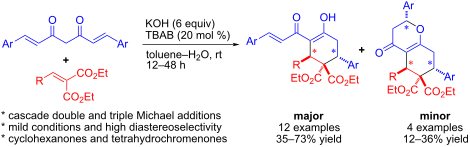
- , our methodology involves a biphasic reaction medium where the starting material, viz. arylidenemalonate, remains in the organic layer and prevents itself from undergoing saponification because it requires either aqueous or alcoholic (MeOH or EtOH) medium. Furthermore, deprotonation of curcumin
- predominates over saponification under our mild conditions (room temperature). Overall, the reaction proceeds smoothly without any unwanted side reactions such as saponification of the ester groups. Having optimized the reaction conditions, we proceeded to examine the substrate scope of the developed

Graphical Abstract

Figure 1: Biologically active derivatives of cyclohexanones.

Scheme 1: The Michael donor–acceptor reactivity of curcumin: previous vs present work.

Scheme 2: A plausible reaction mechanism.

Figure 2: X-ray structure of 4a (CCDC 2351387).

Figure 3: Origin of stereoselectivity in the double Michael addition.

Scheme 3: Scale-up reaction.
Novel analogues of a nonnucleoside SARS-CoV-2 RdRp inhibitor as potential antivirotics
- Luca Julianna Tóth,
- Kateřina Krejčová,
- Milan Dejmek,
- Eva Žilecká,
- Blanka Klepetářová,
- Lenka Poštová Slavětínská,
- Evžen Bouřa and
- Radim Nencka
Beilstein J. Org. Chem. 2024, 20, 1029–1036, doi:10.3762/bjoc.20.91
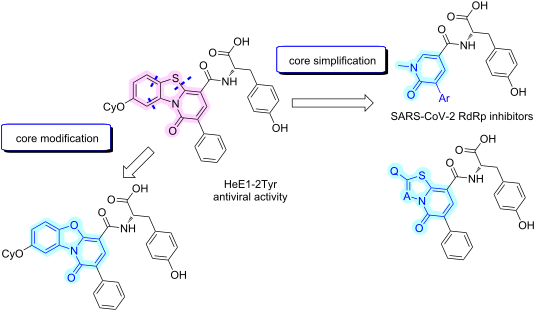
- suitably decorated benzoxazole derivative 12a. The benzoxazole core showed increased sensitivity towards a basic environment, resulting in the ring-opened side product 13 through saponification of the ester function of compound 12a. The identification of this side product proved to be challenging due to
- ], and thus avoiding the use of base, leading to the desired intermediate 14 in good yield. Compound 14 was then coupled with ʟ-tyrosine methyl ester followed by deprotection of the amino acid carboxyl group by LiOH⋅H2O. As in the previous base-mediated saponification, here we also received a product of
- , led to two crucial mesoionic compounds, 22 and 27. The recrystallized intermediates then underwent a formal cycloaddition with ethyl acrylate, followed by the elimination of H2S, forming the desired heterocyclic core structures (intermediates 23 and 28, respectively). A subsequent saponification step

Graphical Abstract

Figure 1: Structure of HeE1-2Tyr (1) and of the derivatives synthesized in this work.

Scheme 1: Synthetic pathway to benzoxazole analogue 2 of HeE1-2Tyr (1). Reagents and conditions: a) TMSN3, Tf...

Scheme 2: Synthetic pathway to pyridone derivatives 3a–c of HeE1-2Tyr (1). Reagents and conditions: a) MeI, K2...

Scheme 3: Synthetic pathway to thiazolopyridone derivatives 4a,b of HeE1-2Tyr (1). Reagents and conditions: a...

Figure 2: Analysis of inhibitory activity against SARS-CoV-2 RdRp using primer extension assay. A) Gel-based ...
(Bio)isosteres of ortho- and meta-substituted benzenes
- H. Erik Diepers and
- Johannes C. L. Walker
Beilstein J. Org. Chem. 2024, 20, 859–890, doi:10.3762/bjoc.20.78
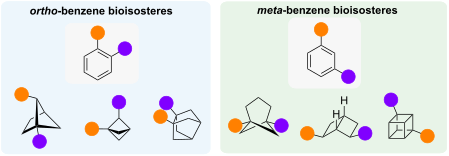
- development of a new synthetic route to diester 1,2-cubane 88 from dimethyl cubane-1,4-dicarboxylate (85) (Scheme 9A) [51]. 1,4-Cubane 85 is photochemically carboxylated to 86, and selective saponification of the least hindered ester leads to 87. Formation of a redox active ester followed by photocatalytical
- , respectively (Scheme 12B) [58]. Saponification of the ester moieties in these species followed by Curtius rearrangements then led to amines 114 and 116. Non-natural amino acid derivatives 113 and 117 are intermediates prepared using these methods that could be of interest to medicinal chemistry. Alcohol 111
- sequence of saponification (to 127), decarboxylative halogenation (to 128 and 130) and strain-inducing substitution then forms [3.1.1]propellane (129). Anderson and co-workers have reported a new synthesis of [3.1.1]propellane (129) based on the dibromocyclopropanation methodology typically used to access

Graphical Abstract

Figure 1: Scaffolds commonly reported as bioisosteric replacements of para-substituted benzene and examples p...

Figure 2: 1,2-BCPs as isosteres for ortho-and meta-substituted benzenes: comparison of reported exit vector p...

Scheme 1: 1,2-Disubstituted bicyclo[1.1.1]pentanes as isosteres of ortho-substituted benzenes. A: Baran, Coll...

Scheme 2: Synthesis of 1,2-BCPs from BCP 15 by bridge C–H bromination as reported by MacMillan and co-workers ...

Figure 3: Comparative physicochemical data of telmisartan, lomitapide and their BCP isosteres [26,33]. Shake flask d...
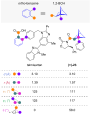
Figure 4: 1,2-Disubstituted bicyclo[2.1.1]hexanes as isosteres of ortho-benzenes: Exit vector parameters of t...

Scheme 3: Synthesis of 1,2-disubstituted bicyclo[2.1.1]hexanes via alkene insertion into bicyclo[1.1.0]butane...

Scheme 4: Synthesis of 1,2-disubstituted bicyclo[2.1.1]hexanes via intramolecular crossed [2 + 2] cycloadditi...

Figure 5: Comparison of physicochemical data of fluxapyroxad and boscalid and their 1,2-BCH bioisosteres [36]. Sh...

Figure 6: Antifungal activity of fluxapyroxad, its 1,5-BCH bioisostere (±)-55, boscalid and its bioisostere 1...
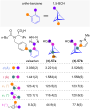
Figure 7: 1,5-Disubstituted bicyclo[2.1.1]hexanes as isosteres of ortho-substituted benzenes. Comparison of e...
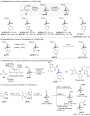
Scheme 5: Synthesis of 1,5-disubstituted bicyclo[2.1.1]hexanes as isosteres of ortho-benzenes via intramolecu...

Figure 8: Comparison of physicochemical data of fluxapyroxad and boscalid and their 1,5-BCH bioisosteres [45]. Sh...

Figure 9: Antifungal activity of fluxapyroxad, its 1,5-BCH bioisostere (±)-64, boscalid and its bioisostere 1...
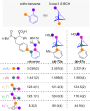
Figure 10: 1,5-Disubstituted 3-oxabicylco[2.1.1]hexanes as isosteres for ortho-benzenes: Comparison of exit ve...

Scheme 6: Synthesis of 1,5-disubstituted 3-oxabicyclo[2.1.1]hexanes as isosteres for ortho-benzenes via intra...

Figure 11: Comparison of physicochemical data of fluxapyroxad and boscalid and their 3-oxa-1,5-BCH bioisostere...

Figure 12: Antifungal activity of fluxapyroxad and boscalid and their 3-oxa-1,5-BCH bioisosteres (±)-75 and (±...

Figure 13: 1,2-Disubstituted bicyclo[3.1.1]heptanes as isosteres of ortho-benzenes. Schematic representation o...

Scheme 7: Synthesis of 1,2-disubstituted bicyclo[3.1.1]heptanes as isosteres for ortho-benzenes via alkene in...

Figure 14: 1,2-Disubstituted stellanes as ortho-benzene isosteres: Comparison of selected exit vector paramete...

Scheme 8: Synthesis of 1,2-disubstituted stellanes as isosteres for ortho-benzenes reported by Ryabukhin, Vol...

Figure 15: 1,2-Disubstituted cubanes as ortho-benzene isosteres: Comparison of substituent distances and angle...

Scheme 9: Synthesis of 1,2-disubsituted cubanes as isosteres for ortho-benzenes. A: Synthesis of 1,2-cubane d...
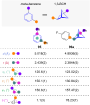
Figure 16: 1,3-Disubstituted bicyclo[2.1.1]hexanes as isosteres of meta-benzenes: comparative exit vector para...

Scheme 10: Synthesis of 1,3-disubstituted bicyclo[2.1.1]hexanes as isosteres for meta-benzenes reported by Wal...

Figure 17: 1,4-Disubstituted bicyclo[2.1.1]hexanes as isosteres of meta-benzenes: comparative exit vector para...

Scheme 11: Synthesis of 1,4-disubstituted bicyclo[2.1.1}hexanes as isosteres for ortho-benzenes via intramolec...

Figure 18: 1,4-Disubstituted-2-oxabicyclo[2.1.1]hexanes as meta-benzene isosteres: comparison of selected exit...

Scheme 12: Synthesis of 1,4-disubstituted 2-oxabicyclo[2.1.1]hexanes as isosteres for meta-benzenes. A: Mykhai...

Figure 19: Comparative physicochemical data for 2- and 3-oxa-1,4-BCHs and para-substituted benzene equivalents...

Figure 20: 1,5-Disubstituted bicyclo[3.1.1]heptanes as isosteres of meta-benzenes: comparison of exit vector p...

Scheme 13: Synthesis of [3.1.1]propellane as a precursor for 1,5-disubsituted bicyclo[3.1.1]heptanes. A: aGass...

Scheme 14: Synthesis of iodine-substituted 1,5-disubstituted bicyclo[3.1.1]heptanes as isosteres for meta-benz...

Scheme 15: Synthesis of nitrogen-, chalcogen- and tin-substituted 1,5-disubstituted bicyclo[3.1.1]heptanes as ...

Figure 21: Comparative physicochemical data of URB597 and 1,5-BCHep isostere 146 [27]. Kinetic aqueous solubility ...
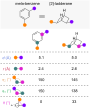
Figure 22: [2]-Ladderanes as isosteres of meta-benzenes: comparison of reported exit vector parameters [63].

Scheme 16: Synthesis of cis-2,6-disubstituted bicyclo[2.2.0]hexanes as isosteres for meta-benzenes. A: Brown a...

Figure 23: Comparative physicochemical data of meta-benzene 158 and [2]-ladderane isostere 159 [63]. Partition coe...

Figure 24: 1,3-Disubstituted cubanes as isosteres of meta-benzenes: comparison of selected exit vector paramet...
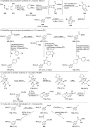
Scheme 17: Synthesis of 1,3-disubsituted cubanes as isosteres for meta-benzenes. A: MacMillan and co-workers’ ...

Figure 25: Comparative physicochemical data of lumacaftor and its 1,3-cubane bioisostere 183 [51]. Distribution co...

Figure 26: 1,3-Disubstituted cuneanes as isosteres of meta-benzenes: comparison of selected exit vector parame...

Scheme 18: Synthesis of 1,3-cuneanes as isosteres of meta-benzene. A: Synthesis of 1,3-cuneanes reported by La...

Figure 27: Comparative physicochemical data of sonidegib and its 1,3-cuneane isostere 190 [71]. aSolubility was to...

Figure 28: Exemplary polysubstituted scaffolds related to disubstituted scaffolds suggested as isosteres of or...
Substrate specificity of a ketosynthase domain involved in bacillaene biosynthesis
- Zhiyong Yin and
- Jeroen S. Dickschat
Beilstein J. Org. Chem. 2024, 20, 734–740, doi:10.3762/bjoc.20.67
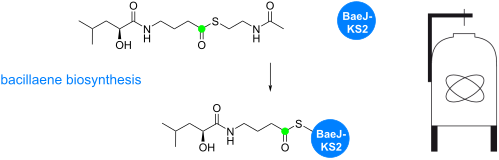
- ester 5 was coupled with the carboxylic acid (S)-8, derived from ʟ-leucine ((S)-6) via hydroxyacid (S)-7, to yield the amide (S)-9. Deprotection through catalytic hydrogenation to (S)-10, saponification of the acetate ester and Steglich esterification with N-acetylcysteamine gave access to the desired

Graphical Abstract

Scheme 1: Biosynthetic model for bacillaene (1). M1–M17 indicate modules 1–17. A = adenylation domain, ACP = ...

Scheme 2: Synthesis of the BaeJ-KS2 substrate surrogates (S)-11 and (R)-11. Green dots represent 13C-labelled...

Figure 1: 13C NMR spectra of (R)-11 incubated with BaeJ-KS2 and BaeJ-KS2-C222A. A) Free 11 dissolved in incub...
Synthesis of ether lipids: natural compounds and analogues
- Marco Antônio G. B. Gomes,
- Alicia Bauduin,
- Chloé Le Roux,
- Romain Fouinneteau,
- Wilfried Berthe,
- Mathieu Berchel,
- Hélène Couthon and
- Paul-Alain Jaffrès
Beilstein J. Org. Chem. 2023, 19, 1299–1369, doi:10.3762/bjoc.19.96
- alcohol with iodoethane and the transformation of the t-Bu ether in acetyl ester following the method of Ganem and Small [141], produced, after saponification, the key intermediate 31.6. In 1993, Pinchuk reported a stereocontrolled synthesis of both enantiomers of analogues of edelfosine featuring a C18:1

Graphical Abstract

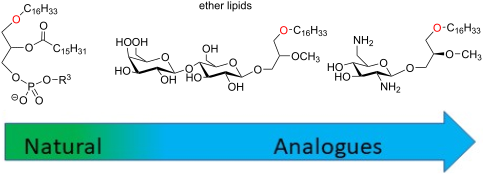
Figure 1: Chemical structure of some natural ether lipids (ELs).

Figure 2: Synthesis of lyso-PAF and PAF from 1-O-alkylglycerol [64].

Figure 3: Synthesis of lyso-PAF from 1,3-benzylideneglycerol 3.1 [69].
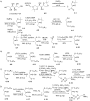
Figure 4: A) Synthesis of the two enantiomers of octadecylglycerol (4.6 and 4.10) from ᴅ-mannitol (4.1); B) s...

Figure 5: Four-step synthesis of PAF 5.6 from (S)-glycidol [73].

Figure 6: Synthesis of 1-O-alkylglycerol A) from solketal, B) from ᴅ- or ʟ-tartaric acid and the intermediate ...

Figure 7: Synthesis of EL building blocks starting from substituted glycidol 7.1a–c [82].

Figure 8: Synthesis of PAF 8.5 by using phosphoramidite 8.2 [86].

Figure 9: Synthesis of oleyl-PAF 9.7 from ʟ-serine [88].

Figure 10: Synthesis of racemic analogues of lyso-PAF 10.8 and PAF 10.9 featuring a phenyl group between the g...

Figure 11: Synthesis of racemic deoxy-lyso-PAF 11.7 and deoxy-PAF 11.8 [91].

Figure 12: Synthesis of racemic thio-PAF 12.8 [93].

Figure 13: Racemic synthesis of 13.6 to illustrate the modification of the glycerol backbone by adding a methy...

Figure 14: Racemic synthesis of 14.5 as an illustration of the introduction of methyl substituents on the glyc...

Figure 15: Synthesis of functionalized sn-2-acyl chains of PC-EL; A) Steglich esterification or acylation reac...

Figure 16: Synthesis of racemic mc-PAF (16.3), a carbamate analogue of PAF [102].

Figure 17: A) Synthesis of (R)-17.2 and (S)-17.6 starting from (S)-solketal (17.1); B) synthesis of N3-PAF (17...

Figure 18: Modification of the phosphocholine polar head to produce PAF analogues [81].

Figure 19: Racemic PAF analogues 19.3 and 19.5 characterized by the absence of the phosphate group [107].

Figure 20: Synthesis of PIP3-PAF (20.7) [108].

Figure 21: Large-scale synthesis of C18-edelfosine (21.8) [116].

Figure 22: Synthesis of C16-edelfosine (22.10) starting from isopropylidene-ʟ-glyceric acid methyl ester (22.1...

Figure 23: Phosphocholine moiety installation by the use of chlorophosphite 23.2 as key reagent [119].

Figure 24: Synthesis of rac-1-alkyl-2-O-methylglycerol (AMG) [120].

Figure 25: Synthesis of stereocontrolled 1-alkyl-2-O-methyl glycerol 25.9 (AMG) from dimethyl ᴅ-tartrate [81].

Figure 26: A) Racemic synthesis of thioether 26.4 [129,130], B) structure of sulfone analogue 26.5 [129].

Figure 27: Stereocontrolled synthesis of C18-edelfosine thioether analogue 27.8 [118].

Figure 28: Synthesis of thioether 28.4 that include a thiophosphate function [134].

Figure 29: Synthesis of ammonium thioether 29.4 and 29.6 [135].

Figure 30: Synthesis of the N-methylamino analogue of edelfosine 30.6 (BN52211) [138].

Figure 31: Synthesis of 1-desoxy analogues of edelfosine; A) with a saturated alkyl chain; B) synthesis of the...

Figure 32: Stereocontrolled synthesis of edelfosine analogue (S)-32.8 featuring a C18:1 lipid chain [142].

Figure 33: Synthesis of edelfosine analogues with modulation of the lipid chain; A) illustration with the synt...

Figure 34: Synthesis of phospholipid featuring a carbamate function to link the lipid chain to the glycerol un...

Figure 35: Synthesis of sesquiterpene conjugates of phospho glycero ether lipids [148].

Figure 36: Racemic synthesis of methyl-substituted glycerol analogues 36.7 and 36.10: A) synthesis of diether ...

Figure 37: Racemic synthesis of ilmofosine (37.6) [155,156].

Figure 38: A) Stereoselective synthesis of 38.5 via a stereoselective hydroboration reaction; B) synthesis of ...

Figure 39: Racemic synthesis of SRI62-834 (39.6) featuring a spiro-tetrahydrofurane heterocycle in position 2 ...

Figure 40: Racemic synthesis of edelfosine analogue 40.5 featuring an imidazole moiety in sn-2 position [160].

Figure 41: Racemic synthesis of fluorine-functionalized EL: A) Synthesis of 41.6 and B) synthesis of 41.8 [161-163].

Figure 42: A) Synthesis of the β-keto-ester 42.6 that also features a decyl linker between the phosphate and t...

Figure 43: Synthesis of phosphonate-based ether lipids; A) edelfosine phosphonate analogue 43.7 and B) thioeth...

Figure 44: Enantioselective synthesis of phosphonates 44.3 and 44.4 [171].

Figure 45: Racemic synthesis of phosphinate-based ether lipid 45.10 [172].

Figure 46: Racemic synthesis of edelfosine arsonium analogue 46.5 [173].

Figure 47: Synthesis of edelfosine dimethylammonium analogue 47.2 [118].

Figure 48: Synthesis of rac-C18-edelfosine methylammonium analogue 48.4 [176].

Figure 49: A) Synthesis of edelfosine N-methylpyrrolidinium analogue 49.2 or N-methylmorpholinium analogue 49.3...

Figure 50: A) Synthesis of edelfosine’s analogue 50.4 with a PE polar group; B) illustration of a pyridinium d...

Figure 51: A) Synthesis of 51.4 featuring a thiazolium cationic moiety; B) synthesis of thiazolium-based EL 51...

Figure 52: Synthesis of cationic ether lipids 52.3, 52.4 and 52.6 [135,183].

Figure 53: Synthesis of cationic carbamate ether lipid 53.5 [184].

Figure 54: Synthesis of cationic sulfonamide 54.5 [185].

Figure 55: Chemical structure of ONO-6240 (55.1) and SRI-63-119 (55.2).

Figure 56: Synthesis of non-ionic ether lipids 56.2–56.9 [188].

Figure 57: Synthesis of ether lipid conjugated to foscarnet 57.6 [189].

Figure 58: A) Synthesis of ether lipid conjugated to arabinofuranosylcytosine; B) synthesis of AZT conjugated ...

Figure 59: Synthesis of quercetin conjugate to edelfosine [191].

Figure 60: Synthesis of 60.8 (Glc-PAF) [194].

Figure 61: A) Synthesis of amino ether lipid 61.7 functionalized with a rhamnose unit and its amide analogue 6...

Figure 62: A) Synthesis of glucose ether lipid 62.4; B) structure of ether lipid 62.5 possessing a maltose uni...

Figure 63: A) Synthesis of glucuronic methyl ester 63.8; B) structure of cellobiose 63.9 and maltose 63.10 ana...

Figure 64: A) Synthesis of maltosyl glycerolipid 64.7; B) structure of lactose analogue 64.8 prepared followin...

Figure 65: A) Asymmetric synthesis of the aglycone moiety starting from allyl 4-methoxyphenyl ether; B) glycos...

Figure 66: A) Synthesis of ohmline possessing a lactose moiety. B) Structure of other glyco glycero lipids pre...

Figure 67: A) Synthesis of lactose-glycerol ether lipid 67.5; B) analogues possessing a maltose (67.6) or meli...

Figure 68: Synthesis of digalactosyl EL 68.6, A) by using trityl, benzyl and acetyl protecting groups, B) by u...

Figure 69: A) Synthesis of α-ohmline; B) structure of disaccharide ether lipids prepared by using similar meth...

Figure 70: Synthesis of lactose ether lipid 70.3 and its analogue 70.6 featuring a carbamate function as linke...

Figure 71: Synthesis of rhamnopyranoside diether 71.4 [196].

Figure 72: Synthesis of 1-O-hexadecyl-2-O-methyl-3-S-(α-ᴅ-1'-thioglucopyranosyl)-sn-glycerol (72.5) [225].

Figure 73: A) Preparation of lipid intermediate 73.4; B) synthesis of 2-desoxy-C-glycoside 73.10 [226].

Figure 74: Synthesis of galactose-pyridinium salt 74.3 [228].

Figure 75: Synthesis of myo-inositol derivative Ino-C2-PAF (75.10) [230].

Figure 76: A) Synthesis of myo-inositol phosphate building block 76.7; B) synthesis of myo-inositolphosphate d...

Figure 77: A) Synthesis of phosphatidyl-3-desoxy-inositol 77.4; B) synthesis of phosphono-3-desoxyinositol 77.9...

Figure 78: A) Structure of diether phosphatidyl-myo-inositol-3,4-diphosphate 78.1; B) synthesis of phosphatidy...

Figure 79: A) Synthesis of diether-phosphatidyl derivative 79.4 featuring a hydroxymethyl group in place of a ...

Figure 80: Synthesis of Glc-amine-PAF [78].

Figure 81: Synthesis of glucosamine ether lipid 81.4 and its analogues functionalized in position 3 of the ami...

Figure 82: Synthesis of fully deprotected aminoglucoside ether lipid 82.5 [246].

Figure 83: Synthesis of C-aminoglycoside 83.12 using Ramberg–Bäcklund rearrangement as a key step [250].

Figure 84: A) List of the most important glyco lipids and amino glyco lipids included in the study of Arthur a...

Figure 85: Synthesis of mannosamine ether lipid 85.6 [254].
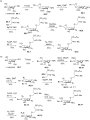
Figure 86: A) Synthesis of glucosamine ether lipids with a non-natural ʟ-glucosamine moiety; B) synthesis of e...

Figure 87: A) Structure of the most efficient anticancer agents 87.1–87.4 featuring a diamino glyco ether lipi...

Figure 88: A) Synthesis of diamino glyco ether lipid 87.4; B) synthesis of bis-glycosylated ether lipid 88.10 [256]....

Figure 89: Synthesis of triamino ether lipid 89.4 [260].

Figure 90: Synthesis of chlorambucil conjugate 90.7 [261].

Figure 91: Three main methods for the preparation of glycerol ether lipid 91.3; A) from solketal and via a tri...

Figure 92: Four different methods for the installation of the phosphocholine polar head group; A) method using...

Figure 93: Illustration of two methods for the installation of saccharides or aminosaccharides; A) O-glycosyla...
Nostochopcerol, a new antibacterial monoacylglycerol from the edible cyanobacterium Nostochopsis lobatus
- Naoya Oku,
- Saki Hayashi,
- Yuji Yamaguchi,
- Hiroyuki Takenaka and
- Yasuhiro Igarashi
Beilstein J. Org. Chem. 2023, 19, 133–138, doi:10.3762/bjoc.19.13
- commercially available, methyl linoleate, having the same degree of unsaturation with a longer chain length by two carbons, was used as a source of the acyl chain. Linoleic acid, obtained by saponification of methyl linoleate, was condensed either with (R)- or (S)-solketal (isopropylidene glycerol) by Steglich

Graphical Abstract

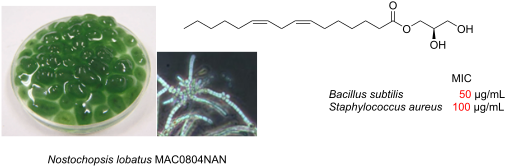
Figure 1: Structure of nostochopcerol (1) and selected COSY (bold lines) and HMBC (arrows) correlations.
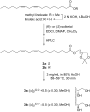
Scheme 1: Synthesis of 1-linoleoyl-sn-glycerol (3a) and 3-linoleoyl-sn-glycerol (3b).
Synthesis of odorants in flow and their applications in perfumery
- Merlin Kleoff,
- Paul Kiler and
- Philipp Heretsch
Beilstein J. Org. Chem. 2022, 18, 754–768, doi:10.3762/bjoc.18.76
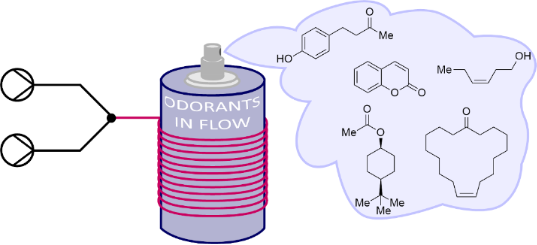
- a Z/E ratio of 95:5. Additionally, the authors developed an alternative synthesis of civetone (69) by metathesis of ethyl 9-decenoate and subsequent Dieckmann cyclization in flow, followed by a saponification and decarboxylation process in batch providing (Z)-civetone in 48% yield over three steps

Graphical Abstract

Figure 1: The olfactory spectrum wheel ordering different types of odorants from fruity to musky.

Figure 2: Classification of odorants as “top note”, “middle note” and “base note” depending on their substant...

Scheme 1: Synthesis of raspberry ketone (5) and raspberry ketone methyl ether (6) in two steps in flow.

Scheme 2: Autoxidation of (+)-valencene (7) to (+)-nootkatone (8) under catalyst and solvent-free conditions ...

Scheme 3: Enzyme-catalyzed acetylation of isoamyl alcohol (9) in a biphasic n-heptane/water mixture utilizing...

Scheme 4: Esterification of alcohols by transesterification, catalyzed by immobilized acyltransferase in a pa...

Scheme 5: Synthesis of homologated alcohols 20 by iterative homologation of terpenyl boronate esters 17 follo...

Scheme 6: Sequential three-step synthesis of (S)-α-phellandrene (30) from (R)-carvone (25) via selective hydr...

Scheme 7: Selective hydrogenation of alkyne 31 to “leaf alcohol” 32 employing a solid-supported palladium cat...

Scheme 8: A) Synthesis of jasmonal (35) by crossed aldol condensation of benzaldehyde (33) and heptanal (34) ...

Scheme 9: Synthesis of thymol (41) from m-cresol (39) and isopropyl alcohol via Fries-type rearrangement of e...

Scheme 10: Preparation of coumarin (46) by reaction of salicylaldehyde (44) with potassium acetate, acetic aci...

Scheme 11: Synthesis of phthalide (50) by photoinduced decatungstate catalysis.

Scheme 12: Synthesis of woody acetate (54) by reduction of cyclohexanone 51 and subsequent acetylation; ADH200...

Scheme 13: Synthesis of juniper lactone (56) by pyrolysis of triperoxide 55 generated by oxidation of cyclohex...

Scheme 14: Synthesis of macrocyclic olefine 60 by ring-closing metathesis of diene 58 in a continuously stirre...

Scheme 15: Synthesis of macrocycles 65 and 66 by ring-closing metathesis of dienes 62 or 63, respectively, in ...

Scheme 16: Z-Selective synthesis of civetone (69) enabled by metathesis catalyst 68 in a tube-in-tube reactor.

Scheme 17: Synthesis of macrocyclic olefine 72 by ring-closing metathesis of diene 70.
Synthesis of 5-unsubstituted dihydropyrimidinone-4-carboxylates from deep eutectic mixtures
- Sangram Gore,
- Sundarababu Baskaran and
- Burkhard König
Beilstein J. Org. Chem. 2022, 18, 331–336, doi:10.3762/bjoc.18.37
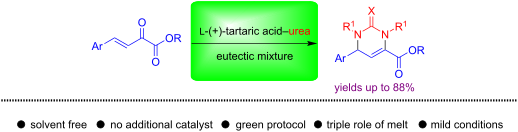
- ester group at C5 and an alkyl group at C6 position. A group of researchers from Merck reported the synthesis of 5-unsubstituted DHPMs via a Biginelli reaction followed by saponification of the ester and subsequent decarboxylation [22]. Later, Bussolari and McDonnell demonstrated the synthesis of 5


Ready access to 7,8-dihydroindolo[2,3-d][1]benzazepine-6(5H)-one scaffold and analogues via early-stage Fischer ring-closure reaction
- Irina Kuznetcova,
- Felix Bacher,
- Daniel Vegh,
- Hsiang-Yu Chuang and
- Vladimir B. Arion
Beilstein J. Org. Chem. 2022, 18, 143–151, doi:10.3762/bjoc.18.15
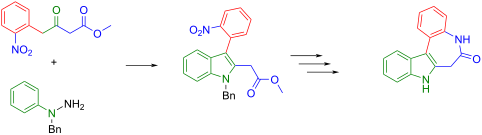
- further reacted with potassium cyanide to yield nitrile 12 [27]. Saponification of the nitrile was performed by exploiting the Pinner reaction with saturated HCl gas in methanol. This led to methyl indol-2-ylacetate (13) in 83% yield [28]. The hydrolysis of ester 13 was performed in the presence of
- batch of 1a was reduced. It is likely that 2a can be cyclized by base catalysis, or by using common peptide coupling reagents (e.g., EDCI, HATU) upon saponification of the ester group. However, we opted for a trimethylaluminum-mediated amidation reaction [4][39] to give rise to 8-benzyl-7-hydroindolo

Graphical Abstract

Figure 1: Paullone related indolobenzazepinone isomers. 7,12-Dihydroindolo[3,2-d][1]benzazepin-6(5H)-one or p...

Scheme 1: Investigated retrosynthetic pathways to scaffold C.
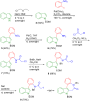
Scheme 2: Attempted synthesis of scaffold C by route (a).
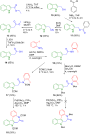
Scheme 3: Attempted synthesis of C by route (b).

Scheme 4: Attempted synthesis of N-benzylated indole-2-acetic acid.

Scheme 5: Attempt to obtain open-chain precursor N-(2-bromophenyl)-2-(1H-indol-2-yl)acetamide.
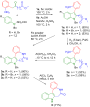
Scheme 6: Synthesis of scaffold C and analogues by route (c).

Figure 2: ORTEP view of 1a with thermal ellipsoids drawn at the 50% probability level.

Figure 3: ORTEP view of 3a with thermal ellipsoids drawn at the 50% probability level.

Scheme 7: Attempted Ullmann cross-coupling of 23 with o-bromo-nitrobenzene.
α-Ketol and α-iminol rearrangements in synthetic organic and biosynthetic reactions
- Scott Benz and
- Andrew S. Murkin
Beilstein J. Org. Chem. 2021, 17, 2570–2584, doi:10.3762/bjoc.17.172
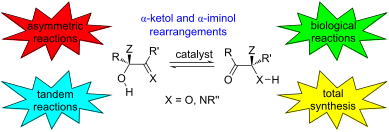
- –125, Li et al. utilized a ring-contracting α-iminol rearrangement to diastereoselectively install the spiroindolinone moiety that served as a key common intermediate (Figure 22) [32]. The rearrangement was triggered by saponification of the benzoyl ester in 126, resulting in a 90% yield of 127

Graphical Abstract

Figure 1: Generalized α-ketol or α-iminol rearrangement.

Figure 2: Nickel(II)-catalyzed enantioselective rearrangement of ketol 3 to form the ring-expanded and chiral...

Figure 3: Enantioselective ring expansion of β-hydroxy-α-dicarbonyl 6 catalyzed by a chiral copper-bisoxazoli...

Figure 4: Enantioselective rearrangement of ketols 9 and 12 and hydroxyaldimine 14 catalyzed by Al(III) or Sc...

Figure 5: Asymmetric rearrangement of α,α-dialkyl-α-siloxyaldehydes 16 to α-siloxyketones 17 catalyzed by chi...

Figure 6: BF3-promoted diastereospecific rearrangement of α-ketol 21 to difluoroalkoxyborane 22.

Figure 7: In the presence of a gold catalyst and water in 1,4-dioxane, 1-alkynylbutanol derivatives undergo t...

Figure 8: The diastereospecific α-ketol rearrangement of 32 to 33, part of the total synthesis of periconiano...

Figure 9: Two α-ketol rearrangements, one catalyzed by silica gel on 38 and the other by NaOMe on both 38 and ...

Figure 10: α-Ketol rearrangement of triumphalone (41) to isotriumphalone (42) via ring contraction.

Figure 11: Tandem reaction of strophasterol A synthetic intermediate 43 to 44 through a vinylogous α-ketol rea...

Figure 12: Tandem reaction consisting of a Diels–Alder cycloaddition followed by an α-ketol rearrangement, par...

Figure 13: Single-pot reaction consisting of Claisen and α-ketol rearrangements, part of the total synthesis o...

Figure 14: Enzyme-catalyzed α-ketol rearrangements. a) Ketol-acid reductoisomerase (KAR) catalyzes the rearran...

Figure 15: The conversion of asperfloroid (73) to asperflotone (72), featuring the ring-expanding α-ketol rear...
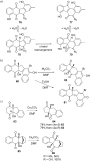
Figure 16: Hypothetical interconversion of natural products prekinamycin (76) and isoprekinamycin (77) and che...

Figure 17: Proposed biosynthetic pathway converting acylphloroglucinol (87) to isolated elodeoidins A–H 92–96....

Figure 18: α-Iminol rearrangements catalyzed by VANOL Zr (99). The rearrangement can be conducted with preform...

Figure 19: α-Iminol rearrangements catalyzed by silica gel and montmorillonite K 10. a) For 102a (102 with R =...

Figure 20: Synthesis of tryptamines 110 via a ring-contracting α‑iminol rearrangement. A mechanism for the fin...

Figure 21: Tandem synthesis of functionalized α-amino cyclopentanones 119 from heteroarenes 115 and cyclobutan...

Figure 22: Four eburnane-type alkaloid natural products 122–125 were synthesized from common intermediate 127,...



