Search results
Search for "building blocks" in Full Text gives 940 result(s) in Beilstein Journal of Organic Chemistry. Showing first 200.
α-Ketoglutaric acid in Ugi reactions and Ugi/aza-Wittig tandem reactions
Beilstein J. Org. Chem. 2025, 21, 2021–2029, doi:10.3762/bjoc.21.157
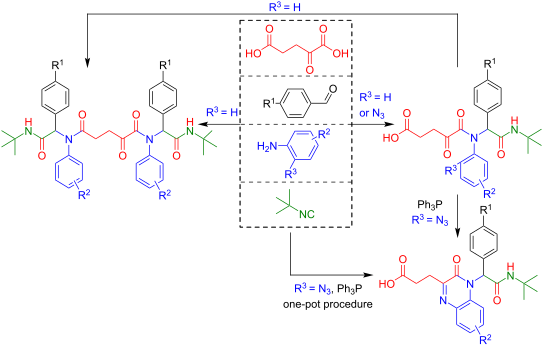
- quinoxalinones and Ugi reaction products may be valuable for organic synthesis and medicinal chemistry because the presence of a free carboxyl group makes them promising for use as building blocks for the construction of complex heterocyclic structures, including those using multicomponent reactions. Some


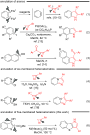
Understanding the origin of stereoselectivity in the photochemical denitrogenation of 2,3-diazabicyclo[2.2.1]heptene and its derivatives with non-adiabatic molecular dynamics
Beilstein J. Org. Chem. 2025, 21, 2007–2020, doi:10.3762/bjoc.21.156
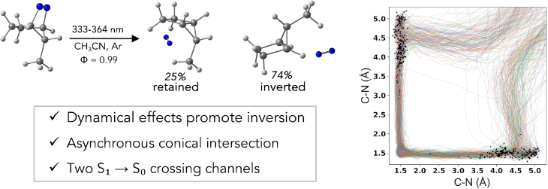
- synthesis of strained compounds such as bicyclo[1.1.0]butane (BCB) and bicyclo[2.1.0]pentane (housane). The energy stored in strained σCC bonds of BCB and housane makes them important building blocks in the synthesis of complex molecular structures. BCBs have been employed in ring-opening reactions with
- nucleophiles [7][8][9][10][11], radicals [12][13][14][15] and electrophiles [16][17][18] to give cyclobutanes and cyclobutenes [19][20], which are building blocks in regio- and stereoselective synthesis [21][22][23][24][25][26][27] (Scheme 1a). Additionally, BCB has been used in bioconjugation due to its high
- mechanical calculations and NAMD simulations to investigate the mechanism of photodenitrogenation of 2,3-diazabicyclo[2.2.1]heptene and its derivatives, which produce the strained compound housane, important building blocks in the synthesis of complex molecular structures. We identified that the key


Enantioselective desymmetrization strategy of prochiral 1,3-diols in natural product synthesis
Beilstein J. Org. Chem. 2025, 21, 1932–1963, doi:10.3762/bjoc.21.151
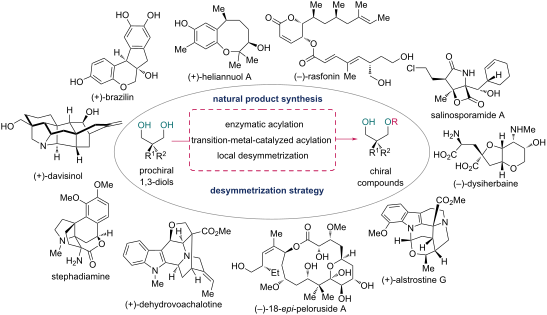
- acetylation of prochiral 1,3-diols to access chiral building blocks (R)-3 and (R)-11, Shishido's team completed a series of helianane-type sesquiterpenes. This pioneering work demonstrates the utility of prochiral 1,3-diols in the synthesis of natural products. In 2013, the first asymmetric synthesis of the










Rhodium-catalysed connective synthesis of diverse reactive probes bearing S(VI) electrophilic warheads
Beilstein J. Org. Chem. 2025, 21, 1924–1931, doi:10.3762/bjoc.21.150
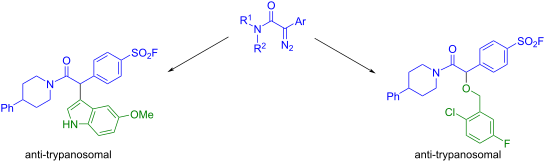
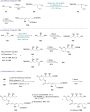
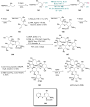
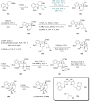
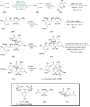
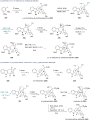
- . Remarkably, the synthetic approach was compatible with building blocks bearing three different S(VI) warheads, enabling the direct connective synthesis of diverse reactive probes armed with non-cysteine-directed warheads. Reactive probes that are synthetically accessible using our approach may be of value in
- the reactive probes would be prepared by dirhodium-catalysed reactions between pairs of building blocks: an α-diazoamide 2 bearing a S(VI) electrophile and a suitable co-substrate (→ 3) (Figure 1). Here, metal-catalysed carbenoid chemistry was chosen because of the wide range of potentially reactive
- activity against T. brucei, a parasitic kinetoplastid that causes vector-borne African trypanosomiasis, and four probes with promising anti-trypanosomal activity were identified. Remarkably, the synthetic approach was compatible with building blocks bearing three different S(VI) warheads, and enabled the


Chiral phosphoric acid-catalyzed asymmetric synthesis of helically chiral, planarly chiral and inherently chiral molecules
Beilstein J. Org. Chem. 2025, 21, 1864–1889, doi:10.3762/bjoc.21.145
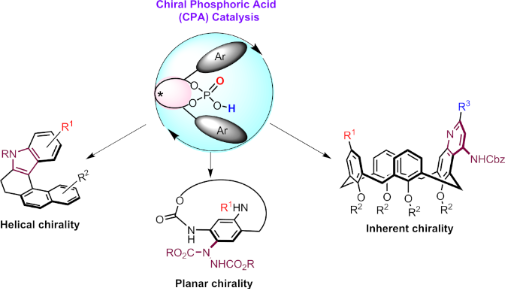
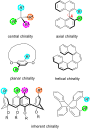
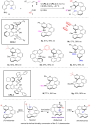
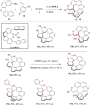
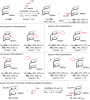
- leveraging the synthesized enantioenriched aza[6]helicene 29a and tetrahydro[6]helicene 30a as chiral building blocks, a series of helically chiral organocatalysts and ligands could be easily prepared, such as the helically chiral pyridine N-oxide 31a and helically chiral monophosphine ligands 31b,c, whose









Fe-catalyzed efficient synthesis of 2,4- and 4-substituted quinolines via C(sp2)–C(sp2) bond scission of styrenes
Beilstein J. Org. Chem. 2025, 21, 1799–1807, doi:10.3762/bjoc.21.142
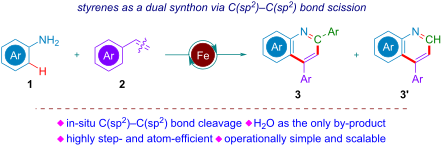
- production of approximately 30 million tons annually [40]. Their low cost and widespread availability make them highly valuable as fundamental building blocks in organic synthesis. Over the past few decades, the direct functionalization of styrenes has emerged as a prominent research area due to its




Research progress on calixarene/pillararene-based controlled drug release systems
Beilstein J. Org. Chem. 2025, 21, 1757–1785, doi:10.3762/bjoc.21.139
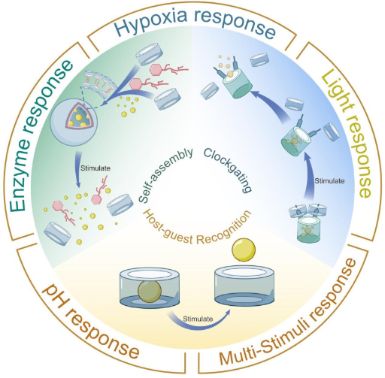
- photo-responsive cages or capsules include fabricating cages and capsules from photoactive building blocks, and developing cages and capsules encapsulating photo-responsive guest molecules [112][113]. Incorporating supramolecular amphiphiles into photo-sensitized systems has propelled the creation of






3,3'-Linked BINOL macrocycles: optimized synthesis of crown ethers featuring one or two BINOL units
Beilstein J. Org. Chem. 2025, 21, 1719–1729, doi:10.3762/bjoc.21.134
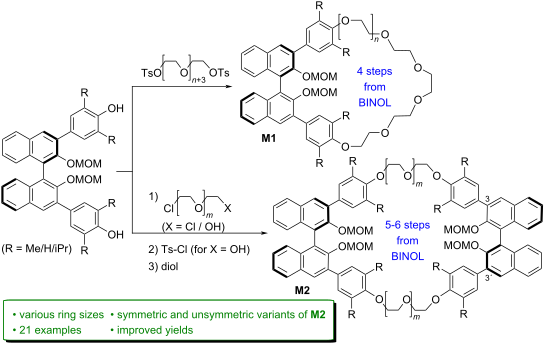
- ][17][18][19][20][21][22][23] and more [24]. Especially BINOL-based crown ethers proved to be highly useful and were applied for stereoselective molecular recognition [25][26][27], for catalysis [25][28][29][30][31], as stationary phases for chromatography [32][33][34], but also as building blocks for


Approaches to stereoselective 1,1'-glycosylation
Beilstein J. Org. Chem. 2025, 21, 1700–1718, doi:10.3762/bjoc.21.133
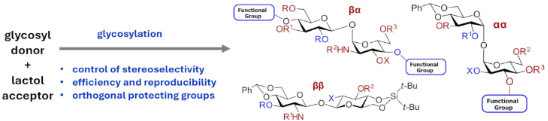
- typically exist as a mixture of anomers which complicates their use in the chemical glycosylation reactions. Earlier approaches to constructing 1,1'-O-glycosidic bonds often relied on the use of simply and symmetrically protected (benzylated or acetylated) monosaccharide building blocks, enabling the
- reactivity of the donor molecules [45][46][47][48]. Review Synthesis of β,α-1,1'-linked disaccharides The assembly of β,α-1,1'-linked disaccharides has traditionally been carried out using perbenzylated monosaccharide building blocks and various types of glycosyl donors, including chlorides [49], bromides
- this shortcoming, it is essential to use monosaccharide building blocks bearing temporary protecting groups that can be selectively and sequentially removed under mild conditions. Such an approach ensures compatibility with sensitive functionalities and enables the effective incorporation of 1,1


Catalytic asymmetric reactions of isocyanides for constructing non-central chirality
Beilstein J. Org. Chem. 2025, 21, 1648–1660, doi:10.3762/bjoc.21.129
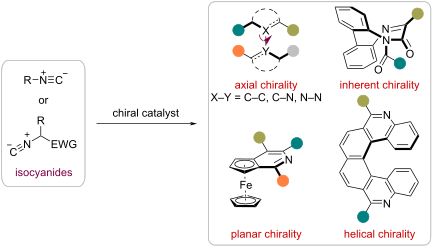
- become a hot topic in synthetic organic chemistry. Isocyanides (also termed isonitriles) are a class of highly versatile building blocks in organic synthesis, participating in a wide range of transformations including multicomponent reactions (e.g., the well-known Passerini and Ugi reactions) [13][14][15




3-Aryl-2H-azirines as annulation reagents in the Ni(II)-catalyzed synthesis of 1H-benzo[4,5]thieno[3,2-b]pyrroles
Beilstein J. Org. Chem. 2025, 21, 1595–1602, doi:10.3762/bjoc.21.123
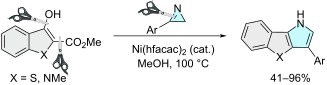
- reaction, in which 2H-azirines act as the annulation reagent. Keywords: annulation; azirines; benzothiophenes; indoles; nickel catalysis; Introduction 2H-Azirines represent a valuable class of nitrogen heterocycles that are widely used as versatile building blocks in organic synthesis. In particular, the



Chemical synthesis of glycan motifs from the antitumor agent PI-88 through an orthogonal one-pot glycosylation strategy
Beilstein J. Org. Chem. 2025, 21, 1587–1594, doi:10.3762/bjoc.21.122

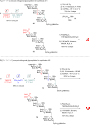
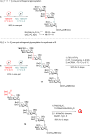
- precluded the potential issues inherent to one-pot glycosylation based on thioglycosides such as aglycone transfer [43][44][45][61]. Results and Discussion Retrosynthetic analysis Retrosynthetically, we envisaged that glycans 1–4 could be derived from monosaccharide building blocks Man PTFAI 5 and 6, Man



General method for the synthesis of enaminones via photocatalysis
Beilstein J. Org. Chem. 2025, 21, 1535–1543, doi:10.3762/bjoc.21.116
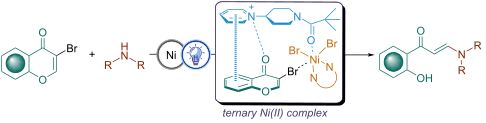
- act as both electrophiles and nucleophiles [7]. This makes enaminones very reactive, providing an excellent scaffold for organic synthesis. Thus, enaminones are valuable building blocks in the preparation of several carbocyclic [8][9][10][11], heterocyclic [12][13][14][15][16][17][18] as well as




Azobenzene protonation as a tool for temperature sensing
Beilstein J. Org. Chem. 2025, 21, 1528–1534, doi:10.3762/bjoc.21.115
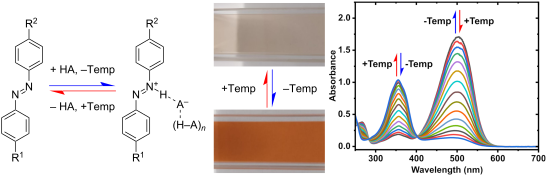
- emerged as staple building blocks in smart materials, from light-responsive norbornadienes in molecular solar thermal energy storage [2] to pH-sensitive spiropyrans in cell imaging [3], and redox-active viologens in memory junctions [4]. Among the different molecular switches azobenzenes stand out due to


Ambident reactivity of enolizable 5-mercapto-1H-tetrazoles in trapping reactions with in situ-generated thiocarbonyl S-methanides derived from sterically crowded cycloaliphatic thioketones
Beilstein J. Org. Chem. 2025, 21, 1508–1519, doi:10.3762/bjoc.21.113
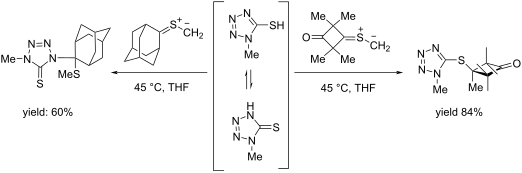
- ]-cycloaddition of respective thiocarbonyl dipolarophiles (preferably non-enolizable thioketones) with diazomethane, was demonstrated as a favorable method for their generation [5][6]. In the past three decades, 1,3-dipoles 1 have extensively been studied as useful building blocks for the preparation of various
- hindered) suggests that the steric hindrance can play an important role in the trapping process. It is worth of emphasizing that thioaminals [33] and dithioacetals [34] constitute important groups of building blocks, which are of interest not only for pharmaceutically oriented studies [35] but also for


Copper catalysis: a constantly evolving field
Beilstein J. Org. Chem. 2025, 21, 1477–1479, doi:10.3762/bjoc.21.109
- process of 4,4-dichloro-2-butenoic acid derivatives and bis(pinacolato)diboron is described [10]. The transformations feature excellent chemo-, regio-, and diastereoselectivities, and the resulting products are highly functionalized. Due to this, they were considered as versatile building blocks for the
Microwave-enhanced additive-free C–H amination of benzoxazoles catalysed by supported copper
Beilstein J. Org. Chem. 2025, 21, 1462–1476, doi:10.3762/bjoc.21.108
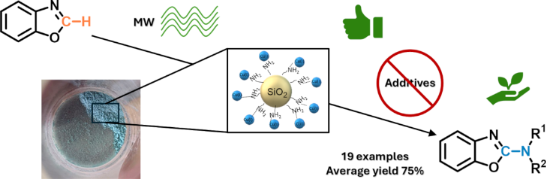
- pharmaceutical activity and their importance within the materials sciences [1][2]. 2-Aminobenzoxazoles, in particular, are important building blocks in the development of new bioactive compounds that can be useful as therapeutic agents with antibacterial [3], antiviral, antifungal [4], anticancer [5][6][7] and



High-pressure activation for the solvent- and catalyst-free syntheses of heterocycles, pharmaceuticals and esters
Beilstein J. Org. Chem. 2025, 21, 1374–1387, doi:10.3762/bjoc.21.102
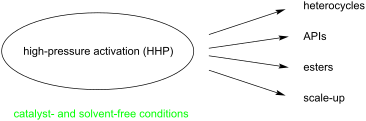
- . Water is used as a pressure transmitting medium that has relatively low compressibility, readily available, and non-toxic. Results and Discussion HHP-assisted synthesis of 1,3-dihydrobenzimidazoles Heterocycles are extremely versatile compounds and are used as building blocks for fine chemicals and


Oxetanes: formation, reactivity and total syntheses of natural products
Beilstein J. Org. Chem. 2025, 21, 1324–1373, doi:10.3762/bjoc.21.101
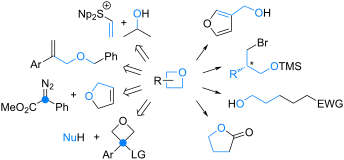
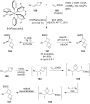
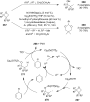
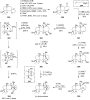
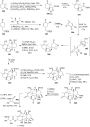
- stable isosteric replacements for gem-dimethyl and carbonyl groups. This work reviews possible synthetic strategies towards these strained heterocycles, covering both de novo constructions of the 4-membered ring as well as derivatisations of oxetane building blocks, then reactivity of oxetanes in terms
- transformations of 3-oxetanone leading to advanced oxetane building blocks. In chapter 3, we review the reactivity of oxetanes with regards to ring openings and ring expansions including both symmetric and enantioselective variants. Finally, chapter 4 covers isolations, biological activities and total syntheses
- approach to these derivatives can proceed through functionalisations of readily available oxetane-containing building blocks. The most versatile precursor of these building blocks is 3-oxetanone (133) which was first recognised by Carreira and colleagues (Scheme 34). Besides describing its possible








Recent advances and future challenges in the bottom-up synthesis of azulene-embedded nanographenes
Beilstein J. Org. Chem. 2025, 21, 1272–1305, doi:10.3762/bjoc.21.99
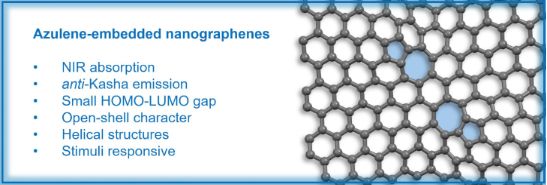
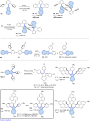
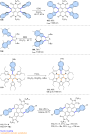
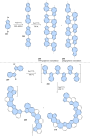
- crucial for fine-tuning their properties. An alternative is the bottom-up approach where various nanographenes are synthesized form smaller building blocks via classical organic synthesis. This strategy enables precise control over the structure and topology, leading to the development of a vast array of




Selective monoformylation of naphthalene-fused propellanes for methylene-alternating copolymers
Beilstein J. Org. Chem. 2025, 21, 1183–1191, doi:10.3762/bjoc.21.95
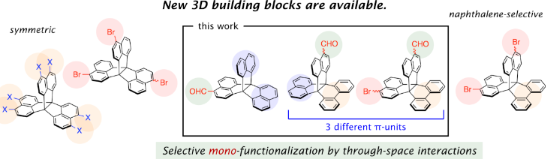
- , Kanazawa, 920-1192, Japan 10.3762/bjoc.21.95 Abstract Development of three-dimensional (3D) building blocks is a key to change tight molecular assemblies of rigid π-conjugated planes into organic functional materials endowed with molecular-size cavities. To increase the diversity of available 3D building
- moderate flexibility at the same time. Therefore, the monoformyl products are good precursors for soft materials which show molecular-size cavities and require desymmetrized building blocks. As a proof of concept, methylene-alternating copolymers were prepared by reduction to corresponding alcohols
- storage and transport [27][28][29]. Further progress in such unique organic materials largely depends on the exploitation of 3D π-building blocks. However, the variety of building blocks are limited to a few families such as tetraphenylmethane and triptycene [30][31][32][33][34][35][36][37][38][39


A versatile route towards 6-arylpipecolic acids
Beilstein J. Org. Chem. 2025, 21, 1104–1115, doi:10.3762/bjoc.21.88
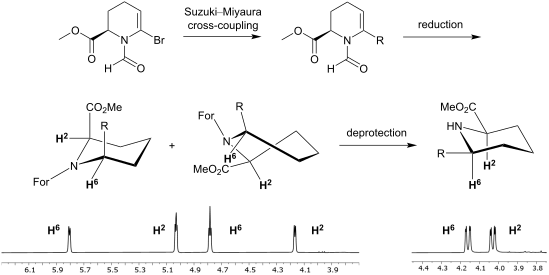
- important role as building blocks for peptide synthesis [1][2][3][4][5], as organocatalysts [6][7][8][9][10] and as enzyme inhibitors [4][11][12][13]. The incorporation of such amino acids into peptides can, for example, influence peptide conformation, the binding affinity to receptors [14], as well as
- -inducing properties in peptides [22][23][24]. Furthermore, derivatives of pipecolic acid are known for their bioactivity as secondary metabolites [25][26][27] and for being building blocks for piperidine alkaloids [28] with a variety of uses. Results and Discussion Addressing specific positions in the ring





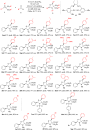
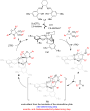
Salen–scandium(III) complex-catalyzed asymmetric (3 + 2) annulation of aziridines and aldehydes
Beilstein J. Org. Chem. 2025, 21, 1087–1094, doi:10.3762/bjoc.21.86
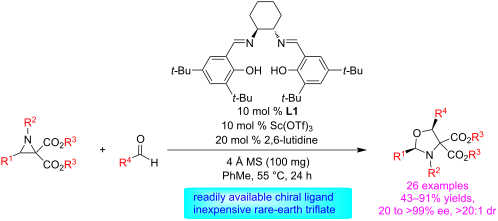
- -containing five-membered saturated heterocycles. They are not only useful building blocks for the synthesis of biologically active compounds [1], for example, side-chain precursor of paclitaxel [2], but also widely exist in some pharmaceuticals [3][4], such as antibacterial agents of Gram-positive organisms



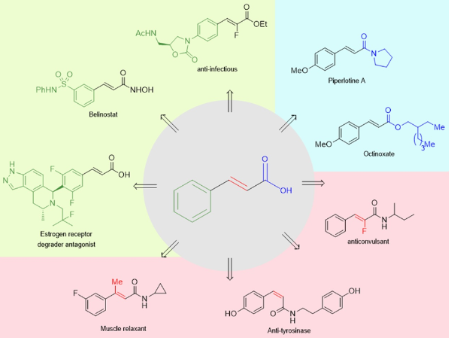
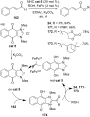
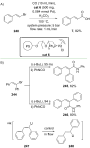
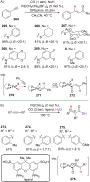
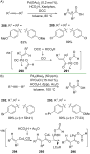
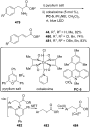
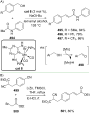
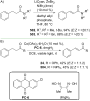
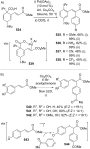
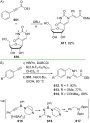
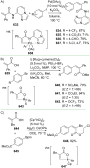
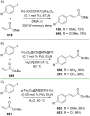
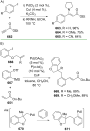
Recent advances in synthetic approaches for bioactive cinnamic acid derivatives
Beilstein J. Org. Chem. 2025, 21, 1031–1086, doi:10.3762/bjoc.21.85


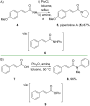

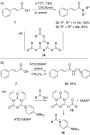


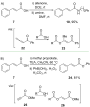


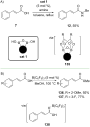










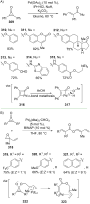
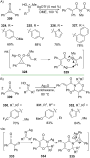


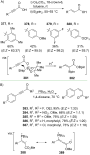


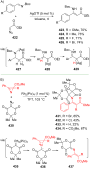



















Recent total synthesis of natural products leveraging a strategy of enamide cyclization
Beilstein J. Org. Chem. 2025, 21, 999–1009, doi:10.3762/bjoc.21.81
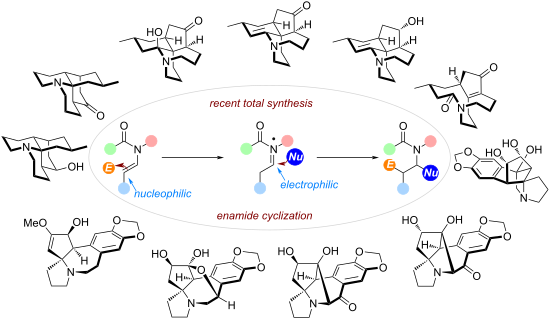
- principles, tandem reactions or annulations can be designed to efficiently access N-heterocycles. As the enamides are also easily accessible via condensations, applications of these nitrogen-containing building blocks in the synthesis of N-heterocycles are synthetically straightforward. When applied properly