Search results
Search for "function" in Full Text gives 1173 result(s) in Beilstein Journal of Organic Chemistry. Showing first 200.
Non-central chirality in organic chemistry
Beilstein J. Org. Chem. 2026, 22, 370–371, doi:10.3762/bjoc.22.24
- . Collectively, the articles in this Thematic Issue should not be viewed as an exhaustive account of non-central chirality but rather as representative snapshots of an evolving landscape. They capture the current state of the field, where structure, reactivity, dynamics, and function increasingly intersect under
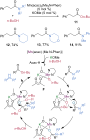
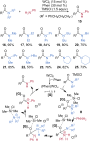
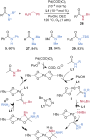
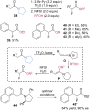
Recent advances in the cleavage of non-activated amides
Beilstein J. Org. Chem. 2026, 22, 352–369, doi:10.3762/bjoc.22.23
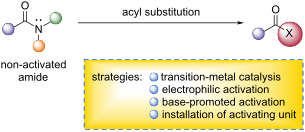
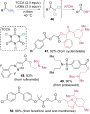
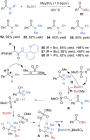
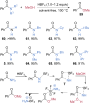
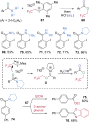
- substrate scope, mechanistic features, and unique advantages or limitations, with the goal of providing a comprehensive overview of current strategies and future opportunities for amide-bond manipulation. Review Transition-metal catalysis Various transition metals that function as Lewis acids have been








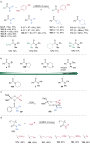


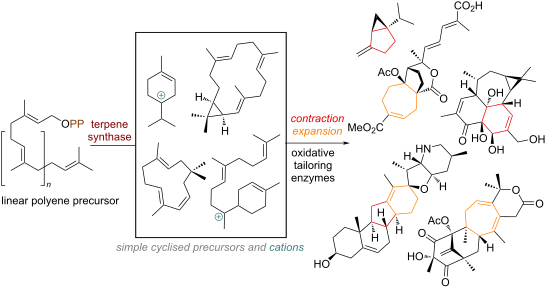
Ring contraction and ring expansion reactions in terpenoid biosynthesis and their application to total synthesis
Beilstein J. Org. Chem. 2026, 22, 289–343, doi:10.3762/bjoc.22.21
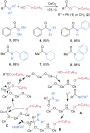
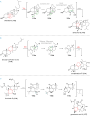
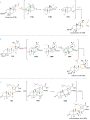
- crokonoid B (67) by oxidation, carbocation formation and 1,2-alkyl shift in a semi-pinacol rearrangement [127]. The authors of the isolation report proposed an epoxide 67a as initiating species, but a diol could also serve in this function (see Scheme 21B). Upon formation of the secondary carbocation 67b, a






Screwing the helical chirality through terminal peri-functionalization
Beilstein J. Org. Chem. 2026, 22, 205–212, doi:10.3762/bjoc.22.14
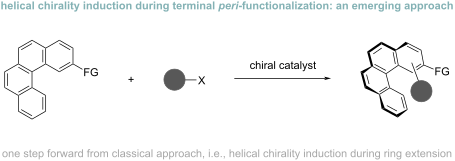
- asymmetric synthesis, where they serve as chiral ligands and organocatalysts, delivering high enantioselectivities [17][18]. Their tunable HOMO–LUMO gaps and controlled π–π interactions, is key to the use of helicenes in molecular electronics and organic semiconductors as well. Helicenes function as active


Improved synthesis and physicochemical characterization of the selective serotonin 2A receptor agonist 25CN-NBOH
Beilstein J. Org. Chem. 2026, 22, 175–184, doi:10.3762/bjoc.22.11
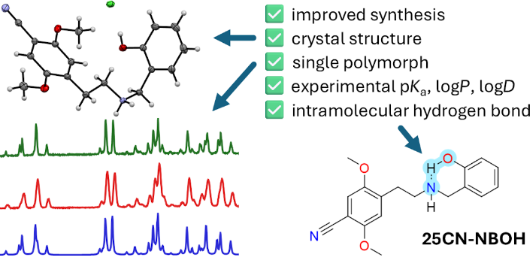
- coefficients (absorbance), as a function of the wavelength (185–750 nm) and pH in the interval 2.0–12.0, were determined at 30.8 °C. A stock solution (5.0 mM) of 1·HCl in N-methyl-2-pyrrolidone (NMP) was added to 36 mL of an ionic strength-adjusted buffer solution (I = 0.172 M) containing acetate, phosphate


Design and synthesis of an axially chiral platinum(II) complex and its CPL properties in PMMA matrix
Beilstein J. Org. Chem. 2026, 22, 143–150, doi:10.3762/bjoc.22.7
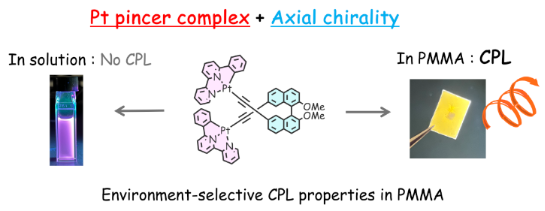
- ), revealing two emission bands centered at approximately 427 nm and 596 nm (Figure 2). The corresponding emission decays were well fitted by a three-exponential function, yielding fluorescence components of 3.6 ns (62%), 8.0 ns (20%), and 0.39 ns (18%) at 427 nm, and phosphorescence components of 0.11 μs (64


Highly electrophilic, gem- and spiro-activated trichloromethylnitrocyclopropanes: synthesis and structure
Beilstein J. Org. Chem. 2026, 22, 123–130, doi:10.3762/bjoc.22.5
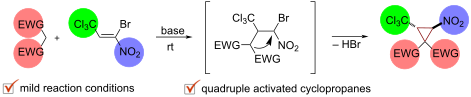
- carboxylic acids [4]. The trichloromethyl group is a convenient precursor of the carboxylic function, which determines their use in the synthesis of α-amino acids [5]. A number of natural trichloromethyl-containing compounds are metabolites of symbionts of marine sponges – cyanobacteria [6][7][8] – and have


Reactivity umpolung of the cycloheptatriene core in hexa(methoxycarbonyl)cycloheptatriene
Beilstein J. Org. Chem. 2026, 22, 64–70, doi:10.3762/bjoc.22.2
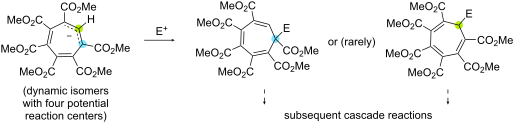
- isomer of anion 2 we analyzed the structure of its highest occupied molecular orbital (HOMO) and the distribution of the electrophilic Fukui function (f–) [28] – the difference in electron density between the anion and the derived radical by abstraction of one electron (Figure 2). Both approaches
- revealed that the α-position is most nucleophilic. Notably, anion 1 demonstrated similar HOMO and Fukui function distribution (see Supporting Information File 1), however, all positions would lead to the very same products. The potassium salt of anion 2 was generated in an acetonitrile solution from hexa
- -hydroxyisoquinolones [36][37]. Additionally, the analyses of both HOMO and Fukui f– function shows little or no nucleophilicity at this position (Figure 2). Therefore, the formation of products 4a,b and 10k could proceed through the intermediary formation of the corresponding compounds 5 and their subsequent


Competitive cyclization of ethyl trifluoroacetoacetate and methyl ketones with 1,3-diamino-2-propanol into hydrogenated oxazolo- and pyrimido-condensed pyridones
Beilstein J. Org. Chem. 2025, 21, 2716–2729, doi:10.3762/bjoc.21.209
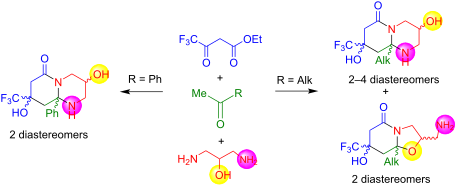
- frequencies of the carbonyl function (ν 1633–1593 cm−1) and N–H, O–H groups (ν 3435–3126 cm−1), which indicates their participation in the hydrogen bond formation [67]. On the other hand, the IR spectra of hexahydrooxazolo[3,2-a]pyridones 5a–c contain intense absorption bands of the C=O function at ν 1652


Tandem hydrothiocyanation/cyclization of CF3-iminopropargyl alcohols with NaSCN in the presence of AcOH
Beilstein J. Org. Chem. 2025, 21, 2694–2702, doi:10.3762/bjoc.21.207
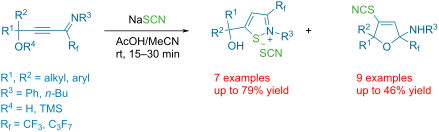
- , thioethers, disulfides, phosphonothioates, and trifluoromethyl sulfides. Additionally, due to the presence of two electrophilic sites (the sulfur atom and the carbon of the nitrile function), thiocyanates can readily undergo domino-type intramolecular cyclization reactions to form heterocycles. So, if a

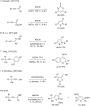


Thiazolidinones: novel insights from microwave synthesis, computational studies, and potentially bioactive hybrids
Beilstein J. Org. Chem. 2025, 21, 2618–2636, doi:10.3762/bjoc.21.203
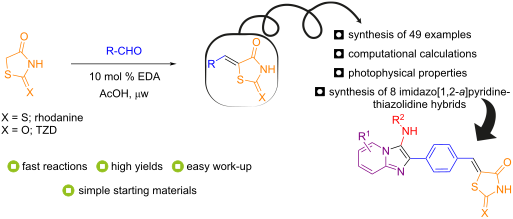
- operation: −x + 2, −y + 1, −z + 1. Molecular energy as a function of the torsion angle obtained from a relaxed dihedral scan at the M06-2X/def2-TZVPP level of theory. Identification of the carbon atoms used in the theoretical study of chemical shifts. In red, easily identifiable carbon atoms in the
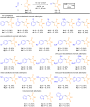
- emission spectra of 3n in different solvents (10−5 M) at room temperature. d) Lippert–Mataga plot showing Stokes shift as a function of solvent orientation polarizability (Δf) for compound 3n. Photophysical study in aqueous solution under different pH values for compound 3n (10−5 M) at room temperature. a






Total syntheses of highly oxidative Ryania diterpenoids facilitated by innovations in synthetic strategies
Beilstein J. Org. Chem. 2025, 21, 2553–2570, doi:10.3762/bjoc.21.198
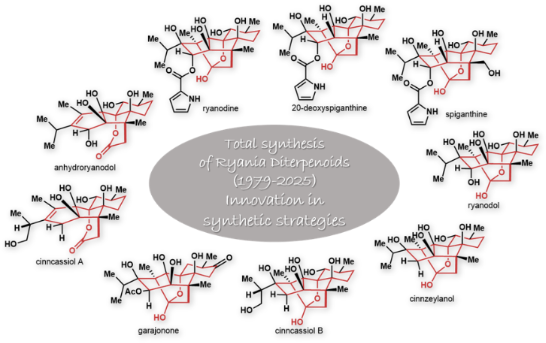
- function as an engine, consistently pushing the boundaries of the discipline. From the early synthesis of simple molecules to the current precise assembly of complex natural products and functional materials, the iteration of methods and optimization of strategies have always been key to breaking through
- atmosphere significantly suppressed side reactions, yielding the cyclized product in excellent yield and selectivity. This indicates that N-formylsaccharin, beyond acting as a CO-releasing agent, may function as a ligand in the catalytic cycle to regulate the palladium catalyst’s activity and stability







Synthesis and characterization of a isothiouronium-calix[4]arene derivative: self-assembly and anticancer activity
Beilstein J. Org. Chem. 2025, 21, 2535–2541, doi:10.3762/bjoc.21.195
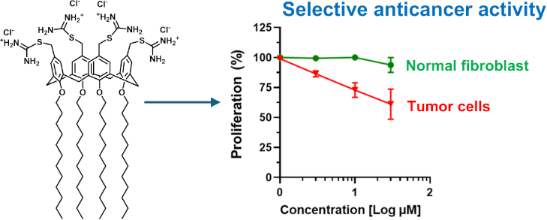
- temperature, η is the solvent viscosity, and R is the solute radius. The zeta potential (Z) was calculated by using Henry’s equation where UE is the electrophoretic mobility, ζ is the dielectric constant, f(Ka) is the Henry’s function, and η is the viscosity. Biological assays: Cell viability was measured by


Effect of a photoswitchable rotaxane on membrane permeabilization across lipid compositions
Beilstein J. Org. Chem. 2025, 21, 2498–2512, doi:10.3762/bjoc.21.192
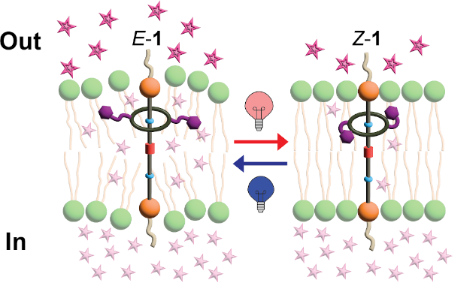
- proteins that are responsible for essential cellular functions [1]. As a result, the function and properties of lipid membranes are significantly influenced by their lipid composition, which varies across various domains of life, including mammalian, prokaryotic, and plant cells, and even between
- bacteria or malignant cells like cancer) [5][6], or to influence membrane protein function and thereby control cellular behavior [7][8]. One promising approach is the development of light-activated molecules that can modulate membrane properties upon irradiation, enabling remote activation with high
- spatiotemporal precision [9]. Rotaxanes have emerged as promising tools for performing various functions in lipid membranes, owing to their multiple sites for derivatization, which allow fine-tuning of their structure and function in membranes. For instance, they have been used to transport ions across lipid


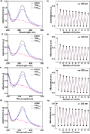


The high potential of methyl laurate as a recyclable competitor to conventional toxic solvents in [3 + 2] cycloaddition reactions
Beilstein J. Org. Chem. 2025, 21, 2389–2415, doi:10.3762/bjoc.21.184
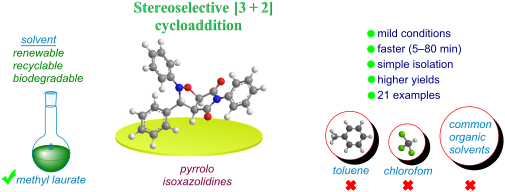
- reactivity of this double bond can pose significant challenges, particularly in cycloadditions or other organic transformations that necessitate extended cycloaddition processes and elevated temperatures. With a boiling point in excess of 260 °C, methyl laurate has the potential to function as a green
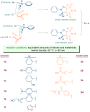
- optimized [3 + 2] cycloaddition conditions. The primary strategy for the selection of these compounds as catalysts is predicated on their capacity to function as H-bond acceptors and/or H-bond donors. As has been documented in previous research, imine-based templates or [2]rotaxane that possess an amide






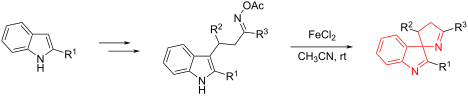
An Fe(II)-catalyzed synthesis of spiro[indoline-3,2'-pyrrolidine] derivatives
Beilstein J. Org. Chem. 2025, 21, 2383–2388, doi:10.3762/bjoc.21.183
- bioactive molecules (Figure 1). This scaffold exhibits a broad range of pharmacological activities, including significant in vitro antimycobacterial properties [4], potent antitumor effects against melanoma cell lines [5], and antagonism of TH2 lymphocyte function [6]. Due to their wide-ranging biological


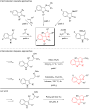


Rotaxanes with integrated photoswitches: design principles, functional behavior, and emerging applications
Beilstein J. Org. Chem. 2025, 21, 2345–2366, doi:10.3762/bjoc.21.179

- photoswitchable units directly into the macrocycle remain relatively underexplored compared to their axle-based counterparts. This likely stems from the long-standing focus on the shuttling motion of the macrocycle as the hallmark of rotaxane function, which naturally led to early designs positioning


Comparative analysis of complanadine A total syntheses
Beilstein J. Org. Chem. 2025, 21, 2334–2344, doi:10.3762/bjoc.21.178
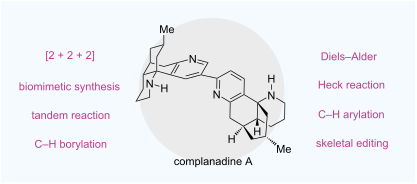
- finding highlights the importance of complanadine A’s pseudo-dimeric structural motif for its biological function. The Sarpong total synthesis – 2010 In the same year (2010), Sarpong and co-workers reported their total synthesis of complanadine A (Scheme 3). Their synthesis features a biomimetic cascade

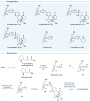

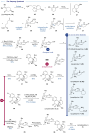
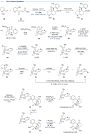
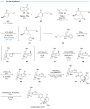

Recent advances in Norrish–Yang cyclization and dicarbonyl photoredox reactions for natural product synthesis
Beilstein J. Org. Chem. 2025, 21, 2315–2333, doi:10.3762/bjoc.21.177
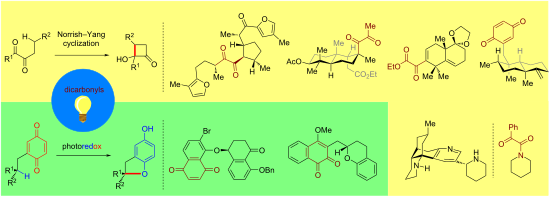
- -hydroxy-β-lactams or 2-hydroxycyclobutanones can function either as inherent structural motifs in target natural products or as strained reactive intermediates, facilitating C–H functionalization via four-membered ring opening [6][7][8][9][10][11]. Quinones display distinct photochemical reactivities




Insoluble methylene-bridged glycoluril dimers as sequestrants for dyes
Beilstein J. Org. Chem. 2025, 21, 2302–2314, doi:10.3762/bjoc.21.176
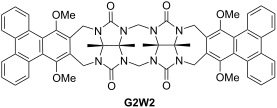
- direct π–π interactions with each other. Overall, the X-ray crystal structures of G2W1 and G2W3 demonstrate that the incorporated OMe groups are deleterious for their function as solid state sequestrants because they serve to: 1) fill their own cavity, and 2) promote the non-planarity of the triphenylene
- elements that are capable of cavity self-inclusion. Improved function of acyclic CB[n] as solid state sequestrants should be possible by their incorporation into porous polymeric materials. Experimental General experimental details Starting materials and reagents were purchased from commercial suppliers
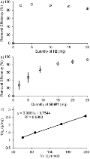
- at 25 °C as determined by UV–vis. Experiments were performed in triplicate (n = 3). The error bars represent the standard deviation of the three trials. a) Plot of removal efficiency of methylene blue (240 μM, 1 mL) from water as a function of time after incubating with H2 (5.0 mg) at 25 °C as



Enantioselective radical chemistry: a bright future ahead
Beilstein J. Org. Chem. 2025, 21, 2283–2296, doi:10.3762/bjoc.21.174
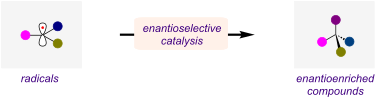
- transition metal that has seen extensive use in radical chemistry is titanium. Titanium(III) complexes can function as Lewis acids but can also generate carbon-centered radicals via SET to an organic substrate. In an example from Lin and co-workers, a chiral titanium catalyst promoted enantioselective


Pathway economy in cyclization of 1,n-enynes
Beilstein J. Org. Chem. 2025, 21, 2260–2282, doi:10.3762/bjoc.21.173
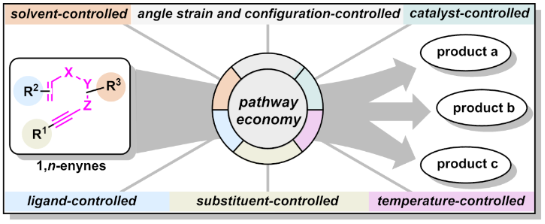
- heterocyclic scaffolds, which established a versatile platform for synthesizing structurally diverse indoline frameworks. Ligand-controlled cyclization of 1,n-enynes The core function of catalyst ligands lies in their ability to precisely modulate catalyst performance through electronic and steric effects. The
- ligands could enhance catalytic activity and efficiency while enabling fine control over chemo-, regio-, stereo-, and enantioselectivity of reactions. Ligands enhance both the thermal/chemical stability and solubility profiles of catalysts in specific reaction media. Thus, ligands function as a regulatory
- reaction. Catalyst-controlled cyclization of 1,n-enynes The core function of a catalyst lies in providing a new, energetically more favorable pathway for the reaction. Different catalytic systems, with their unique physical structures, chemical compositions, and electronic properties, could form distinct


Research towards selective inhibition of the CLK3 kinase
Beilstein J. Org. Chem. 2025, 21, 2250–2259, doi:10.3762/bjoc.21.172
- phosphotransferases (called the human kinome) involved in specific signaling pathways which regulate cell functions (e.g., metabolism, cell cycle progression, cell adhesion, vascular function, and angiogenesis). Therefore, the dysregulation of protein kinase enzymatic activity, induced by genetic alterations as well
- last 25 years and more than 400 orally effective protein kinase inhibitors are in clinical trials worldwide [4][5]. However, and despite this high interest, the function in human biology of approximately one third of the kinase members is poorly understood [6]. These enzymes are classified as “dark
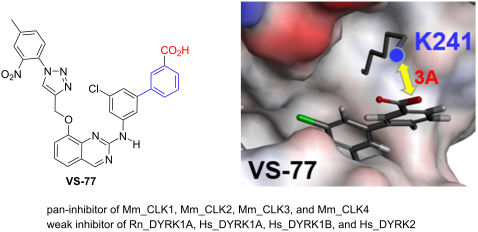
- linker between the core of the inhibitor and the acidic function. The acid could be placed in meta or para positions taking into account the flexible backbone of lysine 241 (Figure 3). Further, in case the binding of these new targets would require a little more flexibility around the basic skeleton, we


Thiadiazino-indole, thiadiazino-carbazole and benzothiadiazino-carbazole dioxides: synthesis, physicochemical and early ADME characterization of representatives of new tri-, tetra- and pentacyclic ring systems and their intermediates
Beilstein J. Org. Chem. 2025, 21, 2220–2233, doi:10.3762/bjoc.21.169
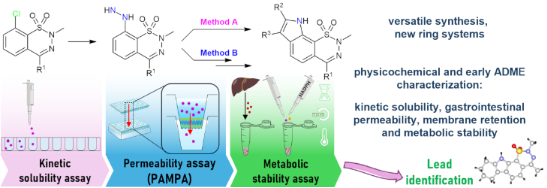
- . Each function used a scan time of 0.5 s. Data were acquired in the continuum mode. Instrument mass accuracy calibration was verified using sodium formate. The system was controlled with a MassLynx v4.2 SCN996 software. 8-Hydrazino-2,4-dimethyl-2H-1,2,3-benzothiadiazine 1,1-dioxide (5a). To a mixture of


C2 to C6 biobased carbonyl platforms for fine chemistry
Beilstein J. Org. Chem. 2025, 21, 2103–2172, doi:10.3762/bjoc.21.165