


Search results
Search for "migration" in Full Text gives 312 result(s) in Beilstein Journal of Organic Chemistry. Showing first 200.
Recent advances in controllable/divergent synthesis
- Jilei Cao,
- Leiyang Bai and
- Xuefeng Jiang
Beilstein J. Org. Chem. 2025, 21, 890–914, doi:10.3762/bjoc.21.73

- activation induces selective migration of the less sterically hindered secondary carbon center with concomitant dinitrogen elimination, yielding 3-aza-BCHepe as the final product. Solvent control The solvent microenvironment emerged as a critical determinant in governing stereochemical outcomes, exerting
- six-membered nickel ring captures radicals and undergoes reductive elimination to form β-products (kinetic control); at high temperatures, the formation of a five-membered nickel ring leads to α-products (thermodynamic control). Therefore, the formation of the more stable nickel ring drives migration
- functionalized indoles. When treated with acid (BF3·E2O), the intermediate 2-methylene-3-aminoindoline 69 undergoes an aza-Cope rearrangement to form 2-benzylindole 70; when treated with a base (Cs2CO3), this intermediate undergoes a 1,3-proton migration process to convert back to 3-aminoindole 71. The possible

Graphical Abstract

Scheme 1: Ligand-controlled regiodivergent C1 insertion into arynes [19].

Scheme 2: Ligand effect in homogenous gold catalysis enabling regiodivergent π-bond-activated cyclization [20].

Scheme 3: Ligand-controlled palladium(II)-catalyzed regiodivergent carbonylation of alkynes [21].
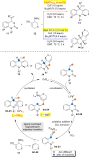
Scheme 4: Catalyst-controlled annulations of strained cyclic allenes with π-allyl palladium complexes and pro...

Scheme 5: Ring expansion of benzosilacyclobutenes with alkynes [23].

Scheme 6: Photoinduced regiodivergent and enantioselective cross-coupling [24].

Scheme 7: Catalyst-controlled regiodivergent and enantioselective formal hydroamination of N,N-disubstituted ...

Scheme 8: Catalyst-tuned regio- and enantioselective C(sp3)–C(sp3) coupling [31].

Scheme 9: Catalyst-controlled annulations of bicyclo[1.1.0]butanes with vinyl azides [32].

Scheme 10: Solvent-driven reversible macrocycle-to-macrocycle interconversion [39].

Scheme 11: Unexpected solvent-dependent reactivity of cyclic diazo imides and mechanism [40].

Scheme 12: Palladium-catalyzed annulation of prochiral N-arylphosphonamides with aromatic iodides [41].

Scheme 13: Time-dependent enantiodivergent synthesis [42].

Scheme 14: Time-controlled palladium-catalyzed divergent synthesis of silacycles via C–H activation [43].

Scheme 15: Proposed mechanism for the time-controlled palladium-catalyzed divergent synthesis of silacycles [43].

Scheme 16: Metal-free temperature-controlled regiodivergent borylative cyclizations of enynes [45].

Scheme 17: Nickel-catalyzed switchable site-selective alkene hydroalkylation by temperature regulation [46].

Scheme 18: Copper-catalyzed decarboxylative amination/hydroamination sequence [48].

Scheme 19: Proposed mechanism of copper-catalyzed decarboxylative amination/hydroamination sequence [48].

Scheme 20: Enantioselective chemodivergent three-component radical tandem reactions [49].

Scheme 21: Substrate-controlled synthesis of indoles and 3H-indoles [52].

Scheme 22: Controlled mono- and double methylene insertions into nitrogen–boron bonds [53].

Scheme 23: Copper-catalyzed substrate-controlled carbonylative synthesis of α-keto amides and amides [54].

Scheme 24: Divergent sulfur(VI) fluoride exchange linkage of sulfonimidoyl fluorides and alkynes [55].

Scheme 25: Modular and divergent syntheses of protoberberine and protonitidine alkaloids [56].
Recent advances in the electrochemical synthesis of organophosphorus compounds
- Babak Kaboudin,
- Milad Behroozi,
- Sepideh Sadighi and
- Fatemeh Asgharzadeh
Beilstein J. Org. Chem. 2025, 21, 770–797, doi:10.3762/bjoc.21.61
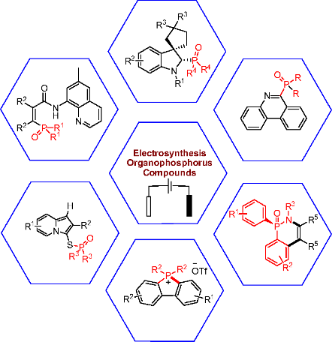
- electrochemical process for the simultaneous C–H phosphorothiolation and S- to C-[1,4]-phosphoryl migration at room temperature. The reaction was carried out in an undivided cell using a carbon plate as the anode and platinum as the cathode at a constant current of 10 mA in the presence of KBr as a key mediator
- . Using a mixture of solvents, product c was obtained with a lower yield, and product d, which was formed via the 1,4-S → C phospho-Fries migration of product c, was also obtained in low yield (Table 7). By reducing the current to 5 mA, a mixture of products was obtained, and it also caused issues in the

Graphical Abstract

Scheme 1: Electrosynthesis of phenanthridine phosphine oxides.

Scheme 2: Electrosynthesis of 1-aminoalkylphosphine oxides.

Scheme 3: Various electrochemical C–P coupling reactions.

Scheme 4: Electrochemical C–P coupling reaction of indolines.

Scheme 5: Electrochemical C–P coupling reaction of ferrocene.

Scheme 6: Electrochemical C–P coupling reaction of acridines with phosphites.

Scheme 7: Electrochemical C–P coupling reaction of alkenes.

Scheme 8: Electrochemical C–P coupling reaction of arenes in a flow system.

Scheme 9: Electrochemical C–P coupling reaction of heteroarenes.

Scheme 10: Electrochemical C–P coupling reaction of thiazoles.

Scheme 11: Electrochemical C–P coupling reaction of indole derivatives.

Scheme 12: Electrosynthesis of 1-amino phosphonates.

Scheme 13: Electrochemical C–P coupling reaction of aryl and vinyl bromides.

Scheme 14: Electrochemical C–P coupling reaction of phenylpyridine with dialkyl phosphonates in the presence o...

Scheme 15: Electrochemical P–C bond formation of amides.

Scheme 16: Electrochemical synthesis of α-hydroxy phosphine oxides.

Scheme 17: Electrochemical synthesis of π-conjugated phosphonium salts.

Scheme 18: Electrochemical phosphorylation of indoles.

Scheme 19: Electrochemical synthesis of phosphorylated propargyl alcohols.

Scheme 20: Electrochemical synthesis of phosphoramidates.

Scheme 21: Electrochemical reaction of carbazole with diphenylphosphine.

Scheme 22: Electrochemical P–N coupling of carbazole with phosphine oxides.

Scheme 23: Electrochemical P–N coupling of indoles with a trialkyl phosphite.

Scheme 24: Electrochemical synthesis of iminophosphoranes.

Scheme 25: Electrochemical P–O coupling of phenols with dialkyl phosphonate.

Scheme 26: Electrochemical P–O coupling of alcohols with diphenylphosphine.

Scheme 27: Electrochemical P–S coupling of thiols with dialkylphosphines.

Scheme 28: Electrochemical thiophosphorylation of indolizines.

Scheme 29: Electrosynthesis of S-heteroaryl phosphorothioates.

Scheme 30: Electrochemical phosphorylation reactions.

Scheme 31: Electrochemical P–Se formation.

Scheme 32: Electrochemical selenation/halogenation of alkynyl phosphonates.

Scheme 33: Electrochemical enantioselective aryl C–H bond activation.
The effect of neighbouring group participation and possible long range remote group participation in O-glycosylation
- Rituparna Das and
- Balaram Mukhopadhyay
Beilstein J. Org. Chem. 2025, 21, 369–406, doi:10.3762/bjoc.21.27
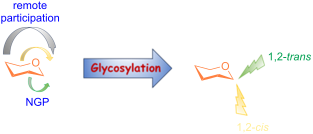
- atom economy, it significantly reduces the chance of migration as observed for acetyl groups. Various studies have revealed its dependence on both electron-withdrawing substituents and steric bulk on the carbonyl group [80]. It demonstrates that its migration rate is significantly increased by more
- electron-withdrawing substituents which also increase the electrophilicity of the carbonyl group. Again, more steric bulk in proximity to the carbonyl group, like in the benzoyl substituent, significantly reduces its migration property [81][82]. Hence, an increasing number of glycochemists across the world
- affecting any other acetyl or benzoyl groups in the substrate. However, the use of chloroacetyl groups being highly electron-withdrawing in nature, significantly reduces the reactivity of the glycosyl donors, and also undergoes transesterification migration reactions with less nucleophilic acceptors. So, to

Graphical Abstract

Scheme 1: Continuum in the mechanistic pathway of glycosylation [32] reactions ranging between SN2 and SN1.

Scheme 2: Formation of 1,2-trans glycosides by neighbouring group participation with acyl protection in C-2 p...

Scheme 3: Solvent-free activation [92] of disarmed per-acetylated (15) and per-benzoylated (18) glycosyl donors.

Scheme 4: Synthesis of donor 2-(2,2,2-trichloroethoxy)glucopyrano-[2,1-d]-2-oxazoline 22 [94] and regioselective ...

Scheme 5: The use of levulinoyl protection for an orthogonal glycosylation reaction.

Figure 1: The derivatives 32–36 of the pivaloyl group.

Scheme 6: Benzyl and cyanopivalolyl ester-protected hexarhamnoside derivative 37 and its global deprotection ...

Scheme 7: Orthogonal chloroacetyl group deprotection in oligosaccharide synthesis [113].

Figure 2: The derivatives of the chloroacetyl group: CAMB protection (41) [123], CAEB protection (42) [124], POMB prote...

Scheme 8: Use of the (2-nitrophenyl)acetyl protecting group [126] as the neighbouring group protecting group at th...

Scheme 9: Neighbouring group participation protocol by the BnPAc protecting group [128] in the C-2 position.

Scheme 10: Glycosylation reaction with O-PhCar (54) and O-Poc (55) donors showing high β-selectivity [133].

Scheme 11: Neighbouring group participation rendered by an N-benzylcarbamoyl (BnCar) group [137] at the C-2 positio...

Scheme 12: Stereoselectivity obtained from glycosylation [138] with 2-O-(o-trifluoromethylbenzenesulfonyl)-protecte...

Scheme 13: (a) Plausible mechanistic pathway for glycosylation with C-2 DMTM protection [139] and (b) example of a ...

Scheme 14: Glycosylation reactions employing MOM 78, BOM 81, and NAPOM 83-protected thioglycoside donors. Reag...

Scheme 15: Plausible mechanistic pathway for alkoxymethyl-protected glycosyl donors. Path A. Expected product ...

Scheme 16: Plausible mechanistic pathway for alkoxymethyl-protected glycosyl donors [147].

Scheme 17: A. Formation of α-glycosides and B formation of β-glycosides by using chiral auxiliary neighbouring...

Scheme 18: Bimodal participation of 2-O-(o-tosylamido)benzyl (TAB) protecting group to form both α and β-isome...

Scheme 19: (a) 1,2-trans-Directing nature using C-2 cyanomethyl protection and (b) the effect of acceptors and...

Scheme 20: 1,3-Remote assistance by C-3-ester protection for gluco- and galactopyranosides to form 1,2-cis gly...

Scheme 21: 1,6-Remote assistance by C-6-ester protection for gluco- and galactopyranosides to form 1,2-cis gly...

Scheme 22: 1,4-Remote assistance by C-4-ester protection for galactopyranosides to form 1,2-cis glycosidic pro...

Scheme 23: Different products obtained on activation of axial 3-O and equatorial 3-O ester protected glycoside...

Scheme 24: The role of 3-O-protection on the stereochemistry of the produced glycoside [191].

Scheme 25: The role of 4-O-protection on the stereochemistry of the produced glycosides.

Scheme 26: Formation and subsequent stability of the bicyclic oxocarbenium intermediate formed due to remote p...

Scheme 27: The role a C-6 p-nitrobenzoyl group on the stereochemistry of the glycosylated product [196].

Scheme 28: Difference in stereoselectivity obtained in glycosylation reactions by replacing non-participating ...

Scheme 29: The role of electron-withdrawing and electron-donating substituents on the C-4 acetyl group in glyc...

Scheme 30: Effect of the introduction of a methyl group in the C-4 position on the glycosylation with more rea...

Figure 3: Remote group participation effect exhibited by the 2,2-dimethyl-2-(o-nitrophenyl)acetyl (DMNPA) pro...
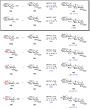
Scheme 31: The different stereoselectivities obtained by Pic and Pico donors on being activated by DMTST.

Figure 4: Hydrogen bond-mediated aglycon delivery (HAD) in glycosylation reactions for 1,2-cis 198a and 1,2-t...

Scheme 32: The role of different acceptor with 6-O-Pic-protected glycosyl donors.

Scheme 33: The role of the remote C-3 protection on various 4,6-O-benzylidene-protected mannosyl donors affect...

Scheme 34: The dual contribution of the DTBS group in glycosylation reactions [246,247].
Synthesis, structure, ionochromic and cytotoxic properties of new 2-(indolin-2-yl)-1,3-tropolones
- Yurii A. Sayapin,
- Eugeny A. Gusakov,
- Inna O. Tupaeva,
- Alexander D. Dubonosov,
- Igor V. Dorogan,
- Valery V. Tkachev,
- Anna S. Goncharova,
- Gennady V. Shilov,
- Natalia S. Kuznetsova,
- Svetlana Y. Filippova,
- Tatyana A. Krasnikova,
- Yanis A. Boumber,
- Alexey Y. Maksimov,
- Sergey M. Aldoshin and
- Vladimir I. Minkin
Beilstein J. Org. Chem. 2025, 21, 358–368, doi:10.3762/bjoc.21.26
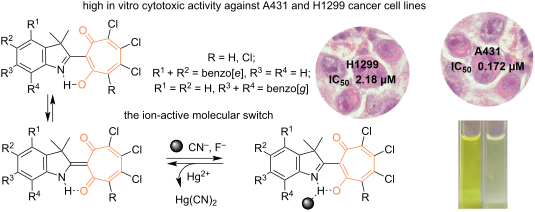
- the 7,8 (OH) form and is caused by the excited-state intramolecular proton transfer (ESIPT) process due to intramolecular O→N proton migration in the singlet excited state [26][27]. The ionochromic sensitivity of compounds 7a,b and 8a,b to anions was investigated in acetonitrile upon addition of tetra

Graphical Abstract

Scheme 1: Synthesis of 2-hetaryl-substituted 1,3-tropolones 1.

Scheme 2: Synthesis of 1,3-tropolones 7a,b and 8a,b. Reagents and conditions: method A: dioxane, reflux; meth...
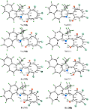
Figure 1: Structural characteristics of (NH) and (OH) tautomeric forms of compounds 7 and 8 in the gas phase ...

Figure 2: Scheme of HMBC correlations of compound 7a in DMSO-d6.

Figure 3: Molecular structure of 2-(3,3-dimethyl-3H-benzo[g]indolin-2-yl)-5,6,7-trichloro-1,3-tropolone (7b).

Figure 4: Result of matching structures of 7b (solid lines) and 2-(3,3-dimethylindolin-2-yl)-5,6,7-trichloro-...

Figure 5: Absorption and emission spectra of compound 8b in acetonitrile before (1,1’) (c 2.5 × 10⁻⁵ mol L–1)...

Scheme 3: Possible binding mode of 7 and 8 with CN− and F−.

Figure 6: Dose–response curves for H1299 and A431 cells treated with compound 7a for 24 h. *Significant diffe...
Recent advances in organocatalytic atroposelective reactions
- Henrich Szabados and
- Radovan Šebesta
Beilstein J. Org. Chem. 2025, 21, 55–121, doi:10.3762/bjoc.21.6
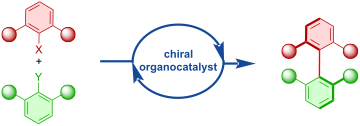
- intermediate Int-53. Control experiments confirmed that this structure could undergo successive reduction and oxidation through intermediate Int-54 to give benzylimine intermediate Int-55. Alternatively, a direct [1,5]-H migration of Int-53 also leads to Int-55. The stereoselectivity of the product is

Graphical Abstract

Scheme 1: Formation of axially chiral styrenes 3 via iminium activation.

Scheme 2: Synthesis of axially chiral 2-arylquinolines 6.

Scheme 3: Atroposelective intramolecular (4 + 2) annulation leading to aryl-substituted indolines.

Scheme 4: Atroposelective formation of biaryl via twofold aldol condensation.

Scheme 5: Strategy towards diastereodivergent formation of axially chiral oligonaphthylenes.

Scheme 6: Atroposelective formation of chiral biaryls based on a Michael/Henry domino reaction.

Scheme 7: Organocatalytic Michael/aldol cascade followed by oxidative aromatization.

Scheme 8: Atroposelective formation of C(sp2)–C(sp3) axially chiral compounds.

Scheme 9: NHC-catalyzed synthesis of axially chiral styrenes 26.

Scheme 10: NHC-catalyzed synthesis of biaxial chiral pyranones.

Scheme 11: Formation of bridged biaryls with eight-membered lactones.

Scheme 12: The NHC-catalyzed (3 + 2) annulation of urazoles 37 and ynals 36.

Scheme 13: NHC-catalyzed synthesis of axially chiral 4‑aryl α‑carbolines 41.

Scheme 14: NHC-catalyzed construction of N–N-axially chiral pyrroles and indoles.

Scheme 15: NHC-catalyzed oxidative Michael–aldol cascade.

Scheme 16: NHC-catalyzed (4 + 2) annulation for the synthesis of benzothiophene-fused biaryls.
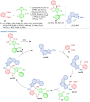
Scheme 17: NHC-catalyzed desymmetrization of N-aryl maleimides.

Scheme 18: NHC-catalyzed deracemization of biaryl hydroxy aldehydes 55a–k into axially chiral benzonitriles 56a...

Scheme 19: NHC-catalyzed desymmetrization of 2-aryloxyisophthalaldehydes.

Scheme 20: NHC-catalyzed DKR of 2-arylbenzaldehydes 62.

Scheme 21: Atroposelective biaryl amination.

Scheme 22: CPA-catalyzed atroposelective amination of 2-anilinonaphthalenes.

Scheme 23: Atroposelective DKR of naphthylindoles.

Scheme 24: CPA-catalyzed kinetic resolution of binaphthylamines.

Scheme 25: Atroposelective amination of aromatic amines with diazodicarboxylates.

Scheme 26: Atroposelective Friedländer heteroannulation.

Scheme 27: CPA-catalyzed formation of axially chiral 4-arylquinolines.

Scheme 28: CPA-catalyzed Friedländer reaction of arylketones with cyclohexanones.

Scheme 29: CPA-catalyzed atroposelective Povarov reaction.

Scheme 30: Atroposelective CPA-catalyzed Povarov reaction.

Scheme 31: Paal–Knorr formation of axially chiral N-pyrrolylindoles and N-pyrrolylpyrroles.

Scheme 32: Atroposelective Paal–Knorr reaction leading to N-pyrrolylpyrroles.

Scheme 33: Atroposelective Pictet–Spengler reaction of N-arylindoles with aldehydes.

Scheme 34: Atroposelective Pictet–Spengler reaction leading to tetrahydroisoquinolin-8-ylanilines.

Scheme 35: Atroposelective formation of arylindoles.

Scheme 36: CPA-catalyzed arylation of naphthoquinones with indolizines.

Scheme 37: Atroposelective reaction of o-naphthoquinones.

Scheme 38: CPA-catalyzed formation of axially chiral arylquinones.

Scheme 39: CPA-catalyzed axially chiral N-arylquinones.

Scheme 40: Atroposelective additions of bisindoles to isatin-based 3-indolylmethanols.

Scheme 41: CPA-catalyzed synthesis of axially chiral arylindolylindolinones.

Scheme 42: CPA-catalyzed reaction between bisindoles and ninhydrin-derived 3-indoylmethanols.

Scheme 43: Atroposelective reaction of bisindoles and isatin-derived imines.

Scheme 44: CPA-catalyzed formation of axially chiral bisindoles.

Scheme 45: Atroposelective reaction of 2-naphthols with alkynylhydroxyisoindolinones.

Scheme 46: CPA-catalyzed reaction of indolylnaphthols with propargylic alcohols.

Scheme 47: Atroposelective formation of indolylpyrroloindoles.

Scheme 48: Atroposelective reaction of indolylnaphthalenes with alkynylnaphthols.

Scheme 49: CPA-catalyzed addition of naphthols to alkynyl-2-naphthols and 2-naphthylamines.

Scheme 50: CPA-catalyzed formation of axially chiral aryl-alkene-indoles.

Scheme 51: CPA-catalyzed formation of axially chiral styrenes.

Scheme 52: Atroposelective formation of alkenylindoles.

Scheme 53: Atroposelective formation of axially chiral arylquinolines.

Scheme 54: Atroposelective (3 + 2) cycloaddition of alkynylindoles with azonaphthalenes.

Scheme 55: CPA-catalyzed formation of axially chiral 3-(1H-benzo[d]imidazol-2-yl)quinolines.

Scheme 56: Atroposelective cyclization of 3-(arylethynyl)-1H-indoles.

Scheme 57: Atroposelective three-component heteroannulation.

Scheme 58: CPA-catalyzed formation of arylbenzimidazols.

Scheme 59: CPA-catalyzed reaction of N-naphthylglycine esters with nitrosobenzenes.

Scheme 60: CPA-catalyzed formation of axially chiral N-arylbenzimidazoles.

Scheme 61: CPA-catalyzed formation of axially chiral arylbenzoindoles.

Scheme 62: CPA-catalyzed formation of pyrrolylnaphthalenes.

Scheme 63: CPA-catalyzed addition of naphthols and indoles to nitronaphthalenes.

Scheme 64: Atroposelective reaction of heterobiaryl aldehydes and aminobenzamides.

Scheme 65: Atroposelective cyclization forming N-arylquinolones.

Scheme 66: Atroposelective formation of 9H-carbazol-9-ylnaphthalenes and 1H-indol-1-ylnaphthalene.

Scheme 67: CPA-catalyzed formation of pyrazolylnaphthalenes.

Scheme 68: Atroposelective addition of diazodicarboxamides to azaborinephenols.

Scheme 69: Catalytic formation of axially chiral arylpyrroles.

Scheme 70: Atroposelective coupling of 1-azonaphthalenes with 2-naphthols.

Scheme 71: CPA-catalyzed formation of axially chiral oxindole-based styrenes.

Scheme 72: Atroposelective electrophilic bromination of aminonaphthoquinones.

Scheme 73: Atroposelective bromination of dienes.

Scheme 74: CPA-catalyzed formation of axially chiral 5-arylpyrimidines.

Scheme 75: Atroposelective hydrolysis of biaryloxazepines.

Scheme 76: Atroposelective opening of dinaphthosiloles.

Scheme 77: Atroposelective reduction of naphthylenals.

Scheme 78: Atroposelective allylic substitution with 2-naphthols.

Scheme 79: Atroposelective allylic alkylation with phosphinamides.

Scheme 80: Atroposelective allylic substitution with aminopyrroles.

Scheme 81: Atroposelective allylic substitution with aromatic sulfinamides.

Scheme 82: Atroposelective sulfonylation of naphthylynones.

Scheme 83: Squaramide-catalyzed reaction of alkynyl-2-naphthols with 5H-oxazolones.

Scheme 84: Formation of axially chiral styrenes via sulfonylative opening of cyclopropanols.

Scheme 85: Atroposelective organo-photocatalyzed sulfonylation of alkynyl-2-naphthols.

Scheme 86: Thiourea-catalyzed atroposelective cyclization of alkynylnaphthols.

Scheme 87: Squaramide-catalyzed formation of axially chiral naphthylisothiazoles.

Scheme 88: Atroposelective iodo-cyclization catalyzed by squaramide C69.

Scheme 89: Squaramide-catalyzed formation of axially chiral oligoarenes.

Scheme 90: Atroposelective ring-opening of cyclic N-sulfonylamides.

Scheme 91: Thiourea-catalyzed kinetic resolution of naphthylpyrroles.

Scheme 92: Atroposelective ring-opening of arylindole lactams.

Scheme 93: Atroposelective reaction of 1-naphthyl-2-tetralones and diarylphosphine oxides.

Scheme 94: Atroposelective reaction of iminoquinones with indoles.

Scheme 95: Kinetic resolution of binaphthylalcohols.

Scheme 96: DKR of hydroxynaphthylamides.

Scheme 97: Atroposelective N-alkylation with phase-transfer catalyst C75.

Scheme 98: Atroposelective allylic substitution via kinetic resolution of biarylsulfonamides.

Scheme 99: Atroposelective bromo-functionalization of alkynylarenes.
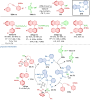
Scheme 100: Sulfenylation-induced atroposelective cyclization.

Scheme 101: Atroposelective O-sulfonylation of isochromenone-indoles.

Scheme 102: NHC-catalyzed atroposelective N-acylation of anilines.

Scheme 103: Peptide-catalyzed atroposelective ring-opening of lactones.

Scheme 104: Peptide-catalyzed coupling of 2-naphthols with quinones.

Scheme 105: Atroposelective nucleophilic aromatic substitution of fluoroarenes.
Hypervalent iodine-mediated intramolecular alkene halocyclisation
- Charu Bansal,
- Oliver Ruggles,
- Albert C. Rowett and
- Alastair J. J. Lennox
Beilstein J. Org. Chem. 2024, 20, 3113–3133, doi:10.3762/bjoc.20.258
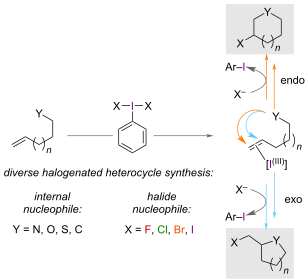
- , including ligand coupling, oxidative addition, intermolecular nucleophilic attack, 1,2-aryl migration, reductive elimination, and intramolecular nucleophilic attack. This approach offers a rapid and effective way to produce 5-fluoro-2-aryloxazoline compounds, which are valuable building blocks in organic

Graphical Abstract

Figure 1: Example bioactive compounds containing cyclic scaffolds potentially accessible by HVI chemistry.

Figure 2: A general mechanism for HVI-mediated endo- or exo-halocyclisation.

Scheme 1: Metal-free synthesis of β-fluorinated piperidines 6. Ts = tosyl.

Scheme 2: Intramolecular aminofluorination of unactivated alkenes with a palladium catalyst.

Scheme 3: Aminofluorination of alkenes in the synthesis of enantiomerically pure β-fluorinated piperidines. P...

Scheme 4: Synthesis of β-fluorinated piperidines.

Scheme 5: Intramolecular fluoroaminations of unsaturated amines published by Li.

Scheme 6: Intramolecular aminofluorination of unsaturated amines using 1-fluoro-3,3-dimethylbenziodoxole (12)...
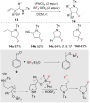
Scheme 7: 3-fluoropyrrolidine synthesis. aDiastereomeric ratio (cis/trans) determined by 19F NMR analysis.

Scheme 8: Kitamura’s synthesis of 3-fluoropyrrolidines. Values in parentheses represent the cis:trans ratio.
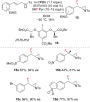
Scheme 9: Jacobsen’s enantio- and diastereoselective protocol for the synthesis of syn-β-fluoroaziridines 15.
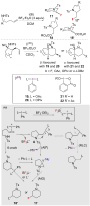
Scheme 10: Different HVI reagents lead to different diastereoselectivity in aminofluorination competing with c...
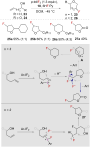
Scheme 11: Fluorocyclisation of unsaturated alcohols and carboxylic acids to make tetrahydrofurans, fluorometh...

Scheme 12: Oxyfluorination of unsaturated alcohols.
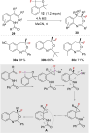
Scheme 13: Synthesis and mechanism of fluoro-benzoxazepines.
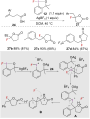
Scheme 14: Intramolecular fluorocyclisation of unsaturated carboxylic acids. Yield of isolated product within ...

Scheme 15: Synthesis of fluorinated tetrahydrofurans and butyrolactone.

Scheme 16: Synthesis of fluorinated oxazolines 32. aReaction time increased to 40 hours. Yields refer to isola...
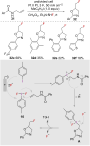
Scheme 17: Electrochemical synthesis of fluorinated oxazolines.

Scheme 18: Electrochemical synthesis of chromanes.

Scheme 19: Synthesis of fluorinated oxazepanes.
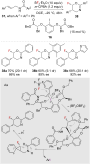
Scheme 20: Enantioselective oxy-fluorination with a chiral aryliodide catayst.
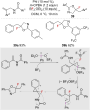
Scheme 21: Catalytic synthesis of 5‑fluoro-2-aryloxazolines using BF3·Et2O as a source of fluoride and an acti...

Scheme 22: Intramolecular carbofluorination of alkenes.

Scheme 23: Intramolecular chlorocyclisation of unsaturated amines.
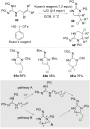
Scheme 24: Synthesis of chlorinated cyclic guanidines 44.
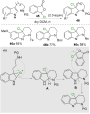
Scheme 25: Synthesis of chlorinated pyrido[2,3-b]indoles 46.

Scheme 26: Chlorolactonization and chloroetherification reactions.
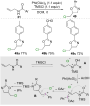
Scheme 27: Proposed mechanism for the synthesis of chloromethyl oxazolines 49.

Scheme 28: Oxychlorination to form oxazine and oxazoline heterocycles promoted by BCl3.

Scheme 29: Aminobromocyclisation of homoallylic sulfonamides 53. The cis:trans ratios based on the 1H NMR of t...
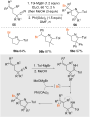
Scheme 30: Synthesis of cyclic imines 45.

Scheme 31: Synthesis of brominated pyrrolo[2,3-b]indoles 59.

Scheme 32: Bromoamidation of alkenes.

Scheme 33: Synthesis of brominated cyclic guanidines 61 and 61’.
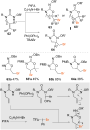
Scheme 34: Intramolecular bromocyclisation of N-oxyureas.
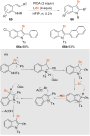
Scheme 35: The formation of 3-bromoindoles.

Scheme 36: Bromolactonisation of unsaturated acids 68.

Scheme 37: Synthesis of 5-bromomethyl-2-oxazolines.
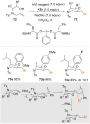
Scheme 38: Synthesis of brominated chiral morpholines.
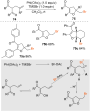
Scheme 39: Bromoenolcyclisation of unsaturated dicarbonyl groups.

Scheme 40: Brominated oxazines and oxazolines with BBr3.

Scheme 41: Synthesis of 5-bromomethtyl-2-phenylthiazoline.

Scheme 42: Intramolecular iodoamination of unsaturated amines.

Scheme 43: Formation of 3-iodoindoles.

Scheme 44: Iodoetherification of 2,2-diphenyl-4-penten-1-carboxylic acid (47’) and 2,2-diphenyl-4-penten-1-ol (...

Scheme 45: Synthesis of 5-iodomethyl-2-oxazolines.

Scheme 46: Synthesis of chiral iodinated morpholines. aFrom the ʟ-form of the amino acid starting material. Th...

Scheme 47: Iodoenolcyclisation of unsaturated dicarbonyl compounds 74.

Scheme 48: Synthesis of 5-iodomethtyl-2-phenylthiazoline (87).
Recent advances in transition-metal-free arylation reactions involving hypervalent iodine salts
- Ritu Mamgain,
- Kokila Sakthivel and
- Fateh V. Singh
Beilstein J. Org. Chem. 2024, 20, 2891–2920, doi:10.3762/bjoc.20.243

- compounds (Scheme 16) [68]. The novel iodine(III) intermediate was generated through nucleophilic substitution of a heteroatom nucleophile, which initiated the reaction. A subsequent aryl migration from the iodine to the heteroatom resulted in the formation of the arylated nucleophile. In addition to
- ) to iodine(I). Intermediate II then undergoes an intramolecular aryl migration, yielding the diarylated products 41, analogous to the known iodoniumphenolate reactions that produce diaryl ethers. The same research group meliorated the N-arylation of aliphatic cyclic amines with the same fluorinated
- diaryliodonium salts 40 (Scheme 18) [69], which however, does not produce the diarylated compounds. The intramolecular aryl migration from the iodine to the nitrogen leads to a quaternary ammonium ion intermediate A. Consequently, a nucleophilic ring opening of cyclic amine in 42 occurred via cleavage of the

Graphical Abstract

Figure 1: Various structures of iodonium salts.

Scheme 1: Αrylation of α-fluoroacetoacetamides 5 to α-aryl-α-fluoroacetoacetamides 7 and α-fluoroacetamides 8...
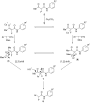
Scheme 2: Proposed mechanism for the arylation of α-fluoroacetoacetamides 5 to α-aryl-α-fluoroacetoacetamides ...

Scheme 3: α-Arylation of α-nitro- and α-cyano derivatives of α-fluoroacetamides 9 employing unsymmetrical DAI...

Scheme 4: Synthesis of α,α-difluoroketones 13 by reacting α,α-difluoro-β-keto acid esters 11 with aryl(TMP)io...

Scheme 5: Coupling reaction of arynes generated by iodonium salts 6 and arynophiles 14 for the synthesis of t...

Scheme 6: Metal-free arylation of quinoxalines 17 and quinoxalinones 19 with DAISs 16.

Scheme 7: Transition-metal-free, C–C cross-coupling of 2-naphthols 21 to 1-arylnapthalen-2-ols 22 employing d...

Scheme 8: Arylation of vinyl pinacol boronates 23 to trans-arylvinylboronates 24 in presence of hypervalent i...

Scheme 9: Light-induced selective arylation at C2 of quinoline N-oxides 25 and pyridine N-oxides 28 in the pr...

Scheme 10: Plaussible mechanism for the light-induced selective arylation of N-heterobiaryls.

Scheme 11: Photoinduced arylation of heterocycles 31 with the help of diaryliodonium salts 16 activated throug...

Scheme 12: Arylation of MBH acetates 33 with DIPEA and DAIRs 16.

Scheme 13: Aryl sulfonylation of MBH acetates 33 with DABSO and diphenyliodonium triflates 16.

Scheme 14: Synthesis of oxindoles 37 from N-arylacrylamides 36 and diaryliodonium salts 26.

Scheme 15: Mechanically induced N-arylation of amines 38 using diaryliodonium salts 16.

Scheme 16: o-Fluorinated diaryliodonium salts 40-mediated diarylation of amines 38.

Scheme 17: Proposed mechanism for the diarylation of amines 38 using o-fluorinated diaryliodonium salts 40.

Scheme 18: Ring-opening difunctionalization of aliphatic cyclic amines 41.

Scheme 19: N-Arylation of amino acid esters 44 using hypervalent iodonium salts 45.

Scheme 20: Regioselective N-arylation of triazole derivatives 47 by hypervalent iodonium salts 48.

Scheme 21: Regioselective N-arylation of tetrazole derivatives 50 by hypervalent iodonium salt 51.

Scheme 22: Selective arylation at nitrogen and oxygen of pyridin-2-ones 53 by iodonium salts 16 depending on t...

Scheme 23: N-Arylation using oxygen-bridged acyclic diaryliodonium salt 56.

Scheme 24: The successive C(sp2)–C(sp2)/O–C(sp2) bond formation of naphthols 58.

Scheme 25: Synthesis of diarylethers 62 via in situ generation of hypervalent iodine salts.

Scheme 26: O-Arylated galactosides 64 by reacting protected galactosides 63 with hypervalent iodine salts 16 i...

Scheme 27: Esterification of naproxen methyl ester 65 via formation and reaction of naproxen-containing diaryl...

Scheme 28: Etherification and esterification products 72 through gemfibrozil methyl ester-derived diaryliodoni...

Scheme 29: Synthesis of iodine containing meta-substituted biaryl ethers 74 by reacting phenols 61 and cyclic ...

Scheme 30: Plausible mechanism for the synthesis of meta-functionalized biaryl ethers 74.

Scheme 31: Intramolecular aryl migration of trifluoromethane sulfonate-substituted diaryliodonium salts 75.

Scheme 32: Synthesis of diaryl ethers 80 via site-selective aryl migration.

Scheme 33: Synthesis of O-arylated N-alkoxybenzamides 83 using aryl(trimethoxyphenyl)iodonium salts 82.

Scheme 34: Synthesis of aryl sulfides 85 from thiols 84 using diaryliodonium salts 16 in basic conditions.

Scheme 35: Base-promoted synthesis of diarylsulfoxides 87 via arylation of general sulfinates 86.

Scheme 36: Plausible mechanism for the arylation of sulfinates 86 via sulfenates A to give diaryl sulfoxides 87...

Scheme 37: S-Arylation reactions of aryl or heterocyclic thiols 88.

Scheme 38: Site-selective S-arylation reactions of cysteine thiol groups in 91 and 94 in the presence of diary...

Scheme 39: The selective S-arylation of sulfenamides 97 using diphenyliodonium salts 98.

Scheme 40: Plausible mechanism for the synthesis of sulfilimines 99.

Scheme 41: Synthesis of S-arylxanthates 102 by reacting DAIS 101 with potassium alkyl xanthates 100.

Figure 2: Structured of the 8-membered and 4-membered heterotetramer I and II.

Scheme 42: S-Arylation by diaryliodonium cations 103 using KSCN (104) as a sulfur source.

Scheme 43: S-Arylation of phosphorothioate diesters 107 through the utilization of diaryliodonium salts 108.

Scheme 44: Transfer of the aryl group from the hypervalent iodonium salt 108 to phosphorothioate diester 107.

Scheme 45: Synthesis of diarylselenides 118 via diarylation of selenocyanate 115.

Scheme 46: Light-promoted arylation of tertiary phosphines 119 to quaternary phosphonium salts 121 using diary...

Scheme 47: Arylation of aminophosphorus substrate 122 to synthesize phosphine oxides 123 using aryl(mesityl)io...

Scheme 48: Reaction of diphenyliodonium triflate (16) with DMSO (124) via thia-Sommelet–Hauser rearrangement.

Scheme 49: Synthesis of biaryl compounds 132 by reacting diaryliodonium salts 131 with arylhydroxylamines 130 ...

Scheme 50: Synthesis of substituted indazoles 134 and 135 from N-hydroxyindazoles 133.
Copper-catalyzed yne-allylic substitutions: concept and recent developments
- Shuang Yang and
- Xinqiang Fang
Beilstein J. Org. Chem. 2024, 20, 2739–2775, doi:10.3762/bjoc.20.232
- , 50a–l) axial chirality in remarkable enantiopurities. Mechanistic studies and deuterium labeling experiments have revealed that the reaction proceeds in a stepwise manner without involving a 1,5-H migration process. Based on these findings, the authors have proposed a mechanism wherein the

Graphical Abstract

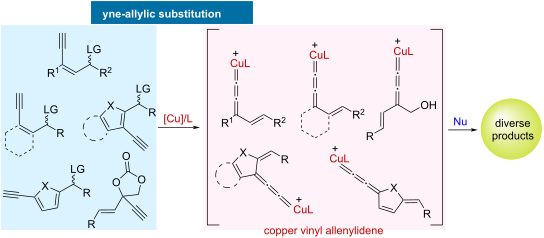
Scheme 1: Copper-catalyzed allylic and yne-allylic substitution.

Scheme 2: Challenges in achieving highly selective yne-allylic substitution.

Scheme 3: Yne-allylic substitutions using indoles and pyroles.

Scheme 4: Yne-allylic substitutions using amines.

Scheme 5: Yne-allylic substitution using 1,3-dicarbonyls.

Scheme 6: Postulated mechanism via copper acetylide-bonded allylic cation.

Scheme 7: Amine-participated asymmetric yne-allylic substitution.

Scheme 8: Asymmetric decarboxylative yne-allylic substitution.

Scheme 9: Asymmetric yne-allylic alkoxylation and alkylation.

Scheme 10: Proposed mechanism for Cu(I) system.

Scheme 11: Asymmetric yne-allylic dialkylamination.

Scheme 12: Proposed mechanism of yne-allylic dialkylamination.

Scheme 13: Asymmetric yne-allylic sulfonylation.

Scheme 14: Proposed mechanism of yne-allylic sulfonylation.

Scheme 15: Aymmetric yne-allylic substitutions using indoles and indolizines.

Scheme 16: Double yne-allylic substitutions using pyrrole.

Scheme 17: Proposed mechanism of yne-allylic substitution using electron-rich arenes.

Scheme 18: Aymmetric yne-allylic monofluoroalkylations.

Scheme 19: Proposed mechanism.
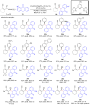
Scheme 20: Aymmetric yne-allylic substitution of yne-allylic esters with anthrones.

Scheme 21: Aymmetric yne-allylic substitution of yne-allylic esters with coumarins.

Scheme 22: Aymmetric yne-allylic substitution of with coumarins by Lin.

Scheme 23: Proposed mechanism.

Scheme 24: Amination by alkynylcopper driven dearomatization and rearomatization.

Scheme 25: Arylation by alkynylcopper driven dearomatization and rearomatization.

Scheme 26: Remote substitution/cyclization/1,5-H shift process.

Scheme 27: Proposed mechanism.

Scheme 28: Arylation or amination by alkynylcopper driven dearomatization and rearomatization.

Scheme 29: Remote nucleophilic substitution of 5-ethynylthiophene esters.

Scheme 30: Proposed mechanism.

Scheme 31: [4 + 1] annulation of yne-allylic esters and cyclic 1,3-dicarbonyls.
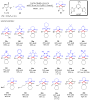
Scheme 32: Asymmetric [4 + 1] annulation of yne-allylic esters.

Scheme 33: Proposed mechanism.

Scheme 34: Asymmetric [3 + 2] annulation of yne-allylic esters.

Scheme 35: Postulated annulation step.

Scheme 36: [4 + 1] Annulations of vinyl ethynylethylene carbonates and 1,3-dicarbonyls.

Scheme 37: Proposed mechanism.

Scheme 38: Formal [4 + 1] annulations with amines.

Scheme 39: Formal [4 + 2] annulations with hydrazines.

Scheme 40: Proposed mechanism.
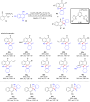
Scheme 41: Dearomative annulation of 1-naphthols and yne-allylic esters.

Scheme 42: Dearomative annulation of phenols or 2-naphthols and yne-allylic esters.

Scheme 43: Postulated annulation mechanism.

Scheme 44: Dearomative annulation of phenols or 2-naphthols.

Scheme 45: Dearomative annulation of indoles.

Scheme 46: Postulated annulation step.

Scheme 47: Asymmetric [4 + 1] cyclization of yne-allylic esters with pyrazolones.

Scheme 48: Proposed mechanism.

Scheme 49: Construction of C–C axially chiral arylpyrroles.

Scheme 50: Construction of C–N axially chiral arylpyrroles.

Scheme 51: Construction of chiral arylpyrroles with 1,2-di-axial chirality.

Scheme 52: Proposed mechanism.

Scheme 53: CO2 shuttling in yne-allylic substitution.

Scheme 54: CO2 fixing in yne-allylic substitution.

Scheme 55: Proposed mechanism.
A review of recent advances in electrochemical and photoelectrochemical late-stage functionalization classified by anodic oxidation, cathodic reduction, and paired electrolysis
- Nian Li,
- Ruzal Sitdikov,
- Ajit Prabhakar Kale,
- Joost Steverlynck,
- Bo Li and
- Magnus Rueping
Beilstein J. Org. Chem. 2024, 20, 2500–2566, doi:10.3762/bjoc.20.214
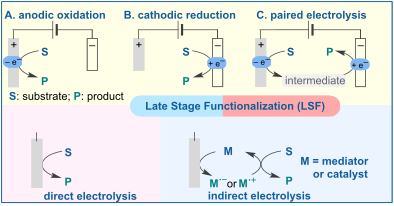

Graphical Abstract

Figure 1: Classification of LSF reactions in this review.

Scheme 1: C(sp2)–H trifluoromethylation of heteroarenes.
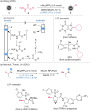
Scheme 2: C(sp2)–H and C(sp3)–H alkylation of complex molecules.

Scheme 3: Electrochemical oxidation-induced intermolecular aromatic C–H sulfonamidation.

Scheme 4: Bioconjugation of tyrosine with (a) phenothiazine and (b) urazole derivatives.

Scheme 5: Electrochemical iodoamination of indoles using unactivated amines.

Scheme 6: Allylic C(sp3)–H aminations with sulfonamides.

Scheme 7: Electrochemical benzylic oxidation of C–H bonds.
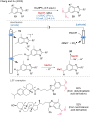
Scheme 8: Site-selective electrooxidation of methylarenes to aromatic acetals.

Scheme 9: Electrochemical activation of C–H by electron-deficient W2C nanocrystals.

Scheme 10: α-Acyloxy sulfide preparation via C–H/OH cross-dehydrogenative coupling.

Scheme 11: Aromatic C–H-bond thiolation.

Scheme 12: C(sp2)–H functionalization for the installation of sulfonamide groups.

Scheme 13: Preparation of (hetero)aryl chlorides and vinyl chloride with 1,2-dichloroethane. aCu(OAc)2 (0.05 e...

Scheme 14: Electrochemical dual-oxidation enables access to α-chlorosulfoxides.

Scheme 15: Regio- and chemoselective formyloxylation–bromination/chlorination/trifluoromethylation of alkenes.

Scheme 16: Aziridine formation by coupling amines and alkenes.

Scheme 17: Formation of iminosulfide ethers via difunctionalization of an isocyanide.

Scheme 18: Synthesis of 1,3-difunctionalized molecules via C–C-bond cleavage of arylcyclopropane.

Scheme 19: Electrooxidative amino- and oxyselenation of alkenes. VBImBr = 1-butyl-3-vinylimidazolium bromide.

Scheme 20: Electrooxidative dehydrogenative [4 + 2] annulation of indole derivatives.

Scheme 21: Electrochemical cyclization combined with alkoxylation of triticonazole.

Scheme 22: Electrochemically tuned oxidative [4 + 2] annulation of olefins with hydroxamic acids.

Scheme 23: Electrosynthesis of indole derivatives via cyclization of 2-ethynylanilines.

Scheme 24: Allylic C–H oxidation of mono-, di-, and sesquiterpenes.

Scheme 25: Oxidation of unactivated C–H bonds.

Scheme 26: Fluorination of C(sp3)–H bonds. rAP = rapid alternating polarity.

Scheme 27: C(sp3)–H α-cyanation of secondary piperidines.
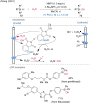
Scheme 28: Selective electrochemical hydrolysis of hydrosilanes to silanols.

Scheme 29: Organocatalytic electrochemical amination of benzylic C–H bonds.

Scheme 30: Iodide ion-initiated anodic oxidation reactions.

Scheme 31: Mn(III/IV) electro-catalyzed C(sp3)–H azidation.
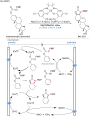
Scheme 32: Tailored cobalt–salen complexes enable electrocatalytic intramolecular allylic C–H functionalizatio...

Scheme 33: Cobalt–salen complexes-induced electrochemical (cyclo)additions.

Scheme 34: Electrochemical 1,2-diarylation of alkenes enabled by direct dual C–H functionalization of electron...

Scheme 35: Cobalt-electrocatalyzed atroposelective C–H annulation.

Scheme 36: Nickel-electrocatalyzed C(sp2)–H alkoxylation with secondary alcohols.

Scheme 37: Nickel-catalyzed electrochemical enantioselective amination.
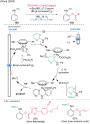
Scheme 38: Ruthenium-electrocatalyzed C(sp2)–H mono- and diacetoxylation.
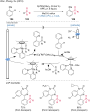
Scheme 39: Rhodium(III)-catalyzed aryl-C–H phosphorylation enabled by anodic oxidation-induced reductive elimi...

Scheme 40: Asymmetric Lewis-acid catalysis for the synthesis of non-racemic 1,4-dicarbonyl compounds.

Scheme 41: Electrochemical enantioselective C(sp3)–H alkenylation.

Scheme 42: Palladium-catalyzed electrochemical dehydrogenative cross-coupling.
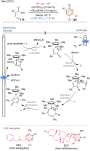
Scheme 43: Ir-electrocatalyzed vinylic C(sp2)–H activation for the annulation between acrylic acids and alkyne...

Scheme 44: Electrochemical gold-catalyzed C(sp3)–C(sp) coupling of alkynes and arylhydrazines.

Scheme 45: Photoelectrochemical alkylation of C–H heteroarenes using organotrifluoroborates.

Scheme 46: Mn-catalyzed photoelectro C(sp3)–H azidation.

Scheme 47: Photoelectrochemical undirected C–H trifluoromethylations of (Het)arenes.

Scheme 48: Photoelectrochemical dehydrogenative cross-coupling of heteroarenes with aliphatic C–H bonds.
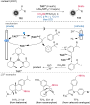
Scheme 49: C–H amination via photoelectrochemical Ritter-type reaction.

Scheme 50: Photoelectrochemical multiple oxygenation of C–H bonds.

Scheme 51: Accelerated C(sp3)–H heteroarylations by the f-EPC system.

Scheme 52: Photoelectrochemical cross-coupling of amines.

Scheme 53: Birch electroreduction of arenes. GSW = galvanized steel wire.

Scheme 54: Electroreductive deuterations.

Scheme 55: Chemoselective electrosynthesis using rapid alternating polarity.

Scheme 56: Electroreductive olefin–ketone coupling.

Scheme 57: Electroreductive approach to radical silylation.

Scheme 58: Electrochemical borylation of alkyl halides. CC = carbon close.

Scheme 59: Radical fluoroalkylation of alkenes.
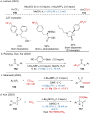
Scheme 60: Electrochemical defluorinative hydrogenation/carboxylation.

Scheme 61: Electrochemical decarboxylative olefination.

Scheme 62: Electrochemical decarboxylative Nozaki–Hiyama–Kishi coupling.
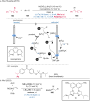
Scheme 63: Nickel-catalyzed electrochemical reductive relay cross-coupling.

Scheme 64: Electrochemical chemo- and regioselective difunctionalization of 1,3-enynes.

Scheme 65: Electrocatalytic doubly decarboxylative crosscoupling.

Scheme 66: Electrocatalytic decarboxylative crosscoupling with aryl halides.

Scheme 67: Nickel-catalyzed electrochemical reductive coupling of halides.

Scheme 68: Nickel-electrocatalyzed enantioselective carboxylation with CO2.

Scheme 69: Reductive electrophotocatalysis for borylation.
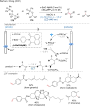
Scheme 70: Electromediated photoredox catalysis for selective C(sp3)–O cleavages of phosphinated alcohols to c...

Scheme 71: Stereoselective electro-2-deoxyglycosylation from glycals. MFE = methyl nonafluorobutyl ether.

Scheme 72: Electrochemical peptide modifications.

Scheme 73: Electrochemical α-deuteration of amides.

Scheme 74: Electrochemical synthesis of gem-diselenides.

Scheme 75: Site-selective electrochemical aromatic C–H amination.

Scheme 76: Electrochemical coupling of heteroarenes with heteroaryl phosphonium salts.
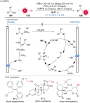
Scheme 77: Redox-neutral strategy for the dehydroxyarylation reaction.
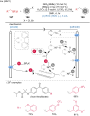
Scheme 78: Nickel-catalyzed electrochemical C(sp3)–C(sp2) cross-coupling of benzyl trifluoroborate and halides....
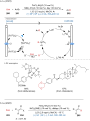
Scheme 79: Paired electrocatalysis for C(sp3)–C(sp2) coupling.

Scheme 80: Redox-neutral strategy for amination of aryl bromides.

Scheme 81: Redox-neutral cross-coupling of aryl halides with weak N-nucleophiles. aProtocol with (+) RVC | RVC...

Scheme 82: Nickel-catalyzed N-arylation of NH-sulfoximines with aryl halides.

Scheme 83: Esterification of carboxylic acids with aryl halides.

Scheme 84: Electrochemically promoted nickel-catalyzed carbon–sulfur-bond formation. GFE = graphite felt elect...

Scheme 85: Electrochemical deoxygenative thiolation by Ni-catalysis. GFE = graphite felt electrode; NFE = nick...
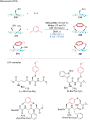
Scheme 86: Electrochemical coupling of peptides with aryl halides.

Scheme 87: Paired electrolysis for the phosphorylation of aryl halides. GFE = graphite felt electrode, FNE = f...

Scheme 88: Redox-neutral alkoxyhalogenation of alkenes.
Asymmetric organocatalytic synthesis of chiral homoallylic amines
- Nikolay S. Kondratyev and
- Andrei V. Malkov
Beilstein J. Org. Chem. 2024, 20, 2349–2377, doi:10.3762/bjoc.20.201
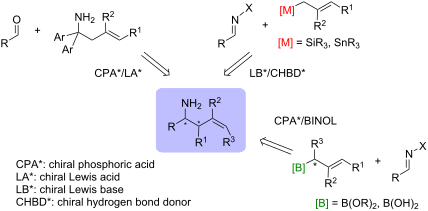
- excellent enantioselectivities (89–98% ee) and low to moderate yields (48–72%). The homologation step proceeds via the stereoretentive 1,2-migration of the vinyl group from the tetracoordinated boron to the highly electrophilic carbon of the diazomethane, concerted with the elimination of the nitrogen

Graphical Abstract

Scheme 1: The position of homoallylic amines in the landscape of alkaloid and nitrogen compounds syntheses.
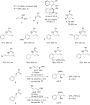
Scheme 2: 3,3’-Diaryl-BINOL-catalysed asymmetric organocatalytic allylation of acylimines [24].

Scheme 3: Aminophenol-catalysed reaction between N-phosphinoylimines and pinacol allylboronic ester. Imine sc...

Scheme 4: Asymmetric geranylation and prenylation of indoles catalysed by (R)- or (S)-3,3’-dibromo-BINOL [25]. aA...

Scheme 5: (R)-3,3’-Di(3,5-di(trifluoromethyl)phenyl-BINOL-catalysed asymmetric geranylation and prenylation o...

Scheme 6: Microwave-induced one-pot asymmetric allylation of in situ-formed arylimines, catalysed by (R)-3,3’...

Scheme 7: Microwave-induced one-pot asymmetric allylation of in situ-formed arylimines, catalysed by (R)-3,3’...
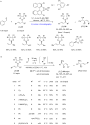
Scheme 8: Kinetic resolution of chiral secondary allylboronates [15,30].

Scheme 9: (E)-Stereospecific asymmetric α-trifluoromethylallylation of cyclic imines and hydrazones [31].

Scheme 10: Hosomi–Sakurai-type allylation of in situ-formed N-Fmoc aldimines [32].

Figure 1: Two different pathways for the Hosomi–Sakurai reaction of allyltrimethylsilane with N-Fmoc aldimine...

Scheme 11: Chiral squaramide-catalysed hydrogen bond-assisted chloride abstraction–allylation of N-carbamoyl α...

Figure 2: The pyrrolidine unit gem-methyl group conformational control in the squaramide-based catalyst [34].

Figure 3: The energetic difference between the transition states of the two proposed modes of the reaction (SN...

Scheme 12: One-pot preparation procedure for oxazaborolidinium ion (COBI) 63 [37].

Scheme 13: Chiral oxazaborolidinium ion (COBI)-catalysed allylation of N-(2-hydroxy)phenylimines with allyltri...

Scheme 14: The two-step N-(2-hydroxy)phenyl group deprotection procedure [37].

Scheme 15: Low-temperature (−40 °C) NMR experiments evidencing the reversible formation of the active COBI–imi...

Figure 4: Two computed reaction pathways for the COBI-catalysed Strecker reaction (TS1 identical to allylatio...

Scheme 16: Highly chemoselective and stereospecific synthesis of γ- and γ,δ-substituted homoallylic amines by ...

Scheme 17: Catalytic cycle for the three-component allylation with HBD/πAr–Ar catalyst [39].

Scheme 18: Reactivity of model electrophiles [39].

Scheme 19: HBD/πAr–Ar catalyst rational design and optimisation [39].

Scheme 20: Scope of the three-component HBD/πAr–Ar-catalysed reaction [39].

Scheme 21: Limitations of the HBD/πAr–Ar-catalysed reaction [39].

Scheme 22: Asymmetric chloride-directed dearomative allylation of in situ-generated N-acylquinolinium ions, ca...

Scheme 23: Chiral phosphoric acid-catalysed aza-Cope rearrangement of in situ-formed N-α,α’-diphenyl-(α’’-ally...

Scheme 24: Tandem (R)-VANOL-triborate-catalysed asymmetric aza-Cope rearrangement of in situ-formed aldimines ...

Scheme 25: (S)-TRIP-catalysed enantioconvergent aza-Cope rearrangement of β-formyl amides, substrate scope [43]. a...

Scheme 26: (S)-TRIP-catalysed enantioconvergent aza-Cope rearrangement of β-formyl amides 16–19, amide and all...

Scheme 27: Synthetic applications of homoallylic N-benzophenone imine products 131 [43].

Scheme 28: Chiral organocatalysed addition of 2,2,2-trifluoroethyl ketimines to isatin-derived Morita–Baylis–H...

Scheme 29: Chiral chinchona-derived amine-catalysed reaction between isatin-based Morita–Baylis–Hilman carbona...

Scheme 30: (R)-VAPOL-catalysed hydrogen atom transfer deracemisation [45].

Scheme 31: Chiral PA-catalysed [1,3]-rearrangement of ene-aldimines [46].
Natural resorcylic lactones derived from alternariol
- Joachim Podlech
Beilstein J. Org. Chem. 2024, 20, 2171–2207, doi:10.3762/bjoc.20.187
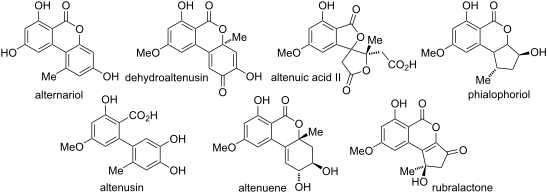

Graphical Abstract
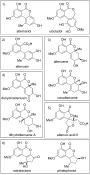
Figure 1: Examples of compounds covered in this review categorized in six sub-classes (see text).
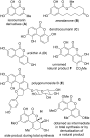
Figure 2: Examples of compounds not covered in this review.

Figure 3: Wrongly assigned and thus obsolete structures (details will be discussed in the respective chapters...

Figure 4: Alternariol with the correct IUPAC numbering and an occasionally used numbering based on the biphen...

Figure 5: Alternariol O-methyl ethers.

Figure 6: Alternariol O-glycosides.

Figure 7: Alternariol O-acetates and O-sulfates.

Figure 8: 2-Hydroxy- and 4-hydroxy-substituted alternariol and its O-methyl ethers.

Figure 9: Chloro- and amino-substituted alternariol and its O-methyl ethers.
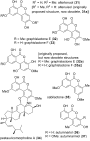
Figure 10: Presumed alternariol derivatives with non-canonical substitution pattern.

Figure 11: Alternariol derivatives with the 1-methyl group hydroxylated.
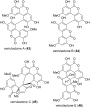
Figure 12: Verrulactones: pseudo-dimeric derivatives of altertenuol and related compounds.

Figure 13: Biaryls formed by reductive lactone opening and/or by decarboxylation.

Figure 14: Altenuene and its diastereomers.

Figure 15: 9-O-Demethylated altenuene diastereomers.

Figure 16: Acetylated and methylated altenuene diastereomers.

Figure 17: Altenuene diastereomers modified with lactic acid, pyruvic acid, or acetone.

Figure 18: Neoaltenuene and related compounds.

Figure 19: Dehydroaltenusin and its derivatives.

Scheme 1: Equilibrium of dehydroaltenusin in polar solvents [278].

Figure 20: Further quinoid derivatives.

Figure 21: Dehydroaltenuenes.

Figure 22: Complex aggregates containing dehydroaltenuene substructures and related compounds.

Figure 23: Dihydroaltenuenes.

Figure 24: Altenuic acids and related compounds.

Figure 25: Cyclopentane- and cyclopentene-fused derivatives.

Figure 26: Cyclopentenone-fused derivatives.

Figure 27: Spiro-fused derivatives and a related ring-opened derivative.

Figure 28: Lactones-fused and lactone-substituted derivatives.

Scheme 2: Biosynthesis of alternariol [324].

Scheme 3: Biosynthesis of alternariol and its immediate successors with the genes involved in the respective ...

Scheme 4: Presumed formation of altenuene and its diastereomers and of botrallin.

Scheme 5: Presumed formation of altenuic acids and related compounds.

Scheme 6: A selection of plausible biosynthetic paths to cyclopenta-fused metabolites. (No stereochemistry is...

Scheme 7: Biomimetic synthesis of alternariol (1) by Harris and Hay [66].

Scheme 8: Total synthesis of alternariol (1) by Subba Rao et al. using a Diels–Alder approach [34].

Scheme 9: Total synthesis of alternariol (1) using a Suzuki strategy by Koch and Podlech [62], improved by Kim et...

Scheme 10: Total synthesis of alternariol (1) using an intramolecular biaryl coupling by Abe et al. [63].

Scheme 11: Total synthesis of altenuene (54) and isoaltenuene (55) by Podlech et al. [249].

Scheme 12: Total synthesis of neoaltenuene (69) by Podlech et al. [35].

Scheme 13: Total synthesis of TMC-264 (79) by Tatsuta et al. [185].

Scheme 14: Total synthesis of cephalosol (99) by Koert et al. [304].
Solvent-dependent chemoselective synthesis of different isoquinolinones mediated by the hypervalent iodine(III) reagent PISA
- Ze-Nan Hu,
- Yan-Hui Wang,
- Jia-Bing Wu,
- Ze Chen,
- Dou Hong and
- Chi Zhang
Beilstein J. Org. Chem. 2024, 20, 1914–1921, doi:10.3762/bjoc.20.167
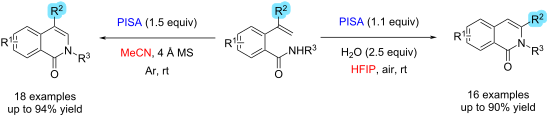
- zwitterionic water-soluble hypervalent iodine reagent (phenyliodonio)sulfamate (PISA). In water, PISA is strongly acidic, and the pH value can reach 2.05 in a saturated aqueous solution. With PISA, various indoles have been synthesized via C–H amination of 2-alkenylanilines involving an aryl migration
- migration and reductive elimination, along with the release of iodobenzene and sulfamic acid. Cyclization of protonated G takes place to afford the intermediate H. Finally, release of water and β-proton elimination produces the rearranged product 3a (Scheme 8). Conclusion In summary, we reported the

Graphical Abstract

Figure 1: Selected natural products, pharmaceuticals, and biologically active compounds having an isoquinolin...

Scheme 1: Chemoselective and PISA-mediated, solvent-controlled synthesis of different isoquinolinone derivati...
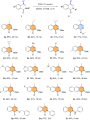
Scheme 2: Substrate scope for the synthesis of 4-substituted isoquinolinones 2. Reaction conditions: 1 (0.3 m...

Scheme 3: Optimal reaction conditions for the synthesis of 3-substituted isoquinolinone 3a.

Scheme 4: Substrate scope for the synthesis of 3-substituted isoquinolinones 3. Reaction conditions: 1 (0.3 m...

Scheme 5: Control experiment to test for radical intermediates.

Scheme 6: Proposed mechanism for the reaction between 1a and PISA in anhydrous acetonitrile.

Scheme 7: Two other resonance structures of the intermediate 1CC.

Scheme 8: Proposed mechanism for the reaction between 1a and PISA in wet HFIP.
Chemo-enzymatic total synthesis: current approaches toward the integration of chemical and enzymatic transformations
- Ryo Tanifuji and
- Hiroki Oguri
Beilstein J. Org. Chem. 2024, 20, 1693–1712, doi:10.3762/bjoc.20.151
- skeletal rearrangement, providing the distinct skeleton of 11 via carbocation C. This rearrangement involves the preferential migration of an alkenyl group in C to the carbocation, followed by deprotonation at C18 to form an exo-olefin. β-face-selective hydroxylation at C12 in 11 by the P450 enzyme BscG

Graphical Abstract

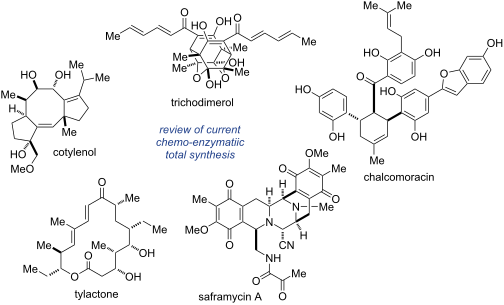
Scheme 1: Targeted natural products and key enzymatic transformations in the chemo-enzymatic total syntheses ...

Scheme 2: Biosynthetic pathway to brassicicenes in Pseudocercospora fijiensis [14]. (A) Cyclization phase catalyz...

Scheme 3: Chemo-enzymatic total synthesis of cotylenol (1) and brassicicenes. (A) Chemical cyclization phase....
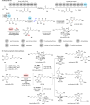
Scheme 4: (A) Biosynthetic pathway for trichodimerol (2) in Penicillium chrysogenum. (B) Chemo-enzymatic tota...
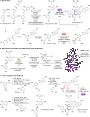
Scheme 5: (A) Proposed biosynthetic pathway for chalcomoracin (3) in Morus alba. (B) Outline of the biosynthe...

Scheme 6: (A) Chemo-enzymatically synthesized natural products by using the originally identified MaDA. (B) M...

Scheme 7: Proposed biosynthetic mechanism of tylactone (4) in Streptomyces fradiae.

Scheme 8: (A) Chemical synthesis and cascade enzymatic transformations of cyclization precursors. (B) Late-st...

Scheme 9: Proposed biosynthetic mechanism of saframycin A (5) in Streptomyces lavendulae.

Scheme 10: (A) Chemo-enzymatic total synthesis of saframycin A (5) and jorunnamycin A (103). (B) Chemo-enzymat...
Benzylic C(sp3)–H fluorination
- Alexander P. Atkins,
- Alice C. Dean and
- Alastair J. J. Lennox
Beilstein J. Org. Chem. 2024, 20, 1527–1547, doi:10.3762/bjoc.20.137

- proposed to proceed via the classical ET/PT/ET pathway (pathway [A]). Nitro, cyano and sulphonyl fluoride substituents on the ring afforded ring fluorination–migration byproducts (via pathway [B]). In total, 14 substrates were fluorinated with yields ranging from 12–58%. Difluorination was observed under
- toluene derivatives. Ring fluorination–migration product yields in parentheses. Electrochemical primary benzylic C(sp3)–H fluorination utilizing pulsed current electrolysis. Acknowledgements We would like to acknowledge Dr Joseph Tate (Syngenta) for discussions. Funding We would like to thank the Royal

Graphical Abstract

Figure 1: A) Benzylic fluorides in bioactive compounds, with B) the relative BDEs of different benzylic C–H b...
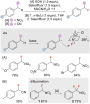
Figure 2: Base-mediated benzylic fluorination with Selectfluor.

Figure 3: Sonochemical base-mediated benzylic fluorination with Selectfluor.
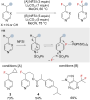
Figure 4: Mono- and difluorination of nitrogen-containing heteroaromatic benzylic substrates.

Figure 5: Palladium-catalysed benzylic C–H fluorination with N-fluoro-2,4,6-trimethylpyridinium tetrafluorobo...

Figure 6: Palladium-catalysed, PIP-directed benzylic C(sp3)–H fluorination of α-amino acids and proposed mech...

Figure 7: Palladium-catalysed monodentate-directed benzylic C(sp3)–H fluorination of α-amino acids.

Figure 8: Palladium-catalysed bidentate-directed benzylic C(sp3)–H fluorination.

Figure 9: Palladium-catalysed benzylic fluorination using a transient directing group approach. Ratio refers ...

Figure 10: Outline for benzylic C(sp3)–H fluorination via radical intermediates.

Figure 11: Iron(II)-catalysed radical benzylic C(sp3)–H fluorination using Selectfluor.

Figure 12: Silver and amino acid-mediated benzylic fluorination.

Figure 13: Copper-catalysed radical benzylic C(sp3)–H fluorination using NFSI.

Figure 14: Copper-catalysed C(sp3)–H fluorination of benzylic substrates with electrochemical catalyst regener...

Figure 15: Iron-catalysed intramolecular fluorine-atom-transfer from N–F amides.

Figure 16: Vanadium-catalysed benzylic fluorination with Selectfluor.

Figure 17: NDHPI-catalysed radical benzylic C(sp3)–H fluorination with Selectfluor.

Figure 18: Potassium persulfate-mediated radical benzylic C(sp3)–H fluorination with Selectfluor.

Figure 19: Benzylic fluorination using triethylborane as a radical chain initiator.

Figure 20: Heterobenzylic C(sp3)–H radical fluorination with Selectfluor.

Figure 21: Benzylic fluorination of phenylacetic acids via a charge-transfer complex. NMR yields in parenthese...

Figure 22: Oxidative radical photochemical benzylic C(sp3)–H strategies.

Figure 23: 9-Fluorenone-catalysed photochemical radical benzylic fluorination with Selectfluor.

Figure 24: Xanthone-photocatalysed radical benzylic fluorination with Selectfluor II.

Figure 25: 1,2,4,5-Tetracyanobenzene-photocatalysed radical benzylic fluorination with Selectfluor.

Figure 26: Xanthone-catalysed benzylic fluorination in continuous flow.

Figure 27: Photochemical phenylalanine fluorination in peptides.

Figure 28: Decatungstate-photocatalyzed versus AIBN-initiated selective benzylic fluorination.

Figure 29: Benzylic fluorination using organic dye Acr+-Mes and Selectfluor.
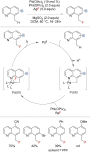
Figure 30: Palladium-catalysed benzylic C(sp3)–H fluorination with nucleophilic fluoride.

Figure 31: Manganese-catalysed benzylic C(sp3)–H fluorination with AgF and Et3N·3HF and proposed mechanism. 19...

Figure 32: Iridium-catalysed photocatalytic benzylic C(sp3)–H fluorination with nucleophilic fluoride and N-ac...

Figure 33: Iridium-catalysed photocatalytic benzylic C(sp3)–H fluorination with TBPB HAT reagent.

Figure 34: Silver-catalysed, amide-promoted benzylic fluorination via a radical-polar crossover pathway.

Figure 35: General mechanism for oxidative electrochemical benzylic C(sp3)–H fluorination.

Figure 36: Electrochemical benzylic C(sp3)–H fluorination with HF·amine reagents.

Figure 37: Electrochemical benzylic C(sp3)–H fluorination with 1-ethyl-3-methylimidazolium trifluoromethanesul...

Figure 38: Electrochemical benzylic C(sp3)–H fluorination of phenylacetic acid esters with HF·amine reagents.

Figure 39: Electrochemical benzylic C(sp3)–H fluorination of triphenylmethane with PEG and CsF.

Figure 40: Electrochemical benzylic C(sp3)–H fluorination with caesium fluoride and fluorinated alcohol HFIP.

Figure 41: Electrochemical secondary and tertiary benzylic C(sp3)–H fluorination. GF = graphite felt. DCE = 1,...
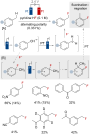
Figure 42: Electrochemical primary benzylic C(sp3)–H fluorination of electron-poor toluene derivatives. Ring f...

Figure 43: Electrochemical primary benzylic C(sp3)–H fluorination utilizing pulsed current electrolysis.
Rhodium-catalyzed homo-coupling reaction of aryl Grignard reagents and its application for the synthesis of an integrin inhibitor
- Kazuyuki Sato,
- Satoki Teranishi,
- Atsushi Sakaue,
- Yukiko Karuo,
- Atsushi Tarui,
- Kentaro Kawai,
- Hiroyuki Takeda,
- Tatsuo Kinashi and
- Masaaki Omote
Beilstein J. Org. Chem. 2024, 20, 1341–1347, doi:10.3762/bjoc.20.118
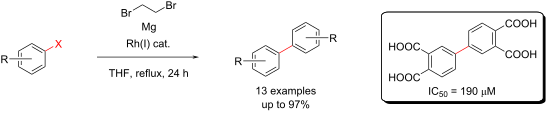
- highly important for performing various cellular functions, such as cell proliferation, migration, and morphological changes [24][25]. Consequently, integrin inhibitors have received great attention as novel candidates for the treatment of several intractable diseases [26][27][28]. In the process of

Graphical Abstract

Scheme 1: Ullmann and Ullmann-type homo-coupling reactions.

Scheme 2: Rh-catalyzed homo-coupling reactions.

Scheme 3: Rh-catalyzed homo-coupling reaction by using Grignard reagents.

Scheme 4: Rh-catalyzed one-pot Ullmann-type reaction with bromobenzene under optimized reaction conditions.

Figure 1: Scope and limitations for the Rh-catalyzed one-pot Ullmann-type reaction. Conditions: a) The reacti...

Figure 2: Tentative reaction mechanism.

Scheme 5: Synthesis of compound 10n as a candidate for an integrin inhibitor.
Synthesis of 1,2,3-triazoles containing an allomaltol moiety from substituted pyrano[2,3-d]isoxazolones via base-promoted Boulton–Katritzky rearrangement
- Constantine V. Milyutin,
- Andrey N. Komogortsev and
- Boris V. Lichitsky
Beilstein J. Org. Chem. 2024, 20, 1334–1340, doi:10.3762/bjoc.20.117
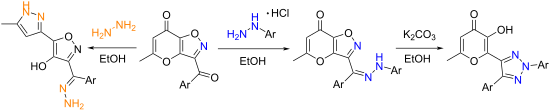
- recyclization is depicted at Scheme 8. Initially, hydrazine molecule is added to double bond of the pyranone ring leading to zwitter-ion A. Further, cleavage of dihydropyranone fragment results in intermediate B. Next, enehydrazine C is formed from compound B through migration of a proton. Then, intramolecular

Graphical Abstract

Scheme 1: Synthesis of various triazole derivatives using Boulton–Katritzky rearrangement.

Scheme 2: Synthesis of hydrazone 3a.

Scheme 3: Synthesis of hydrazone 3b using phenylhydrazine hydrochloride.

Scheme 4: Synthesis of target 1,2,3-triazoles 4. Reaction conditions: 1 (0.5 mmol), arylhydrazine hydrochlori...

Figure 1: The X-ray crystal structure of compound 4g (CCDC 2343878).

Scheme 5: Proposed reaction mechanism.

Scheme 6: Reaction of 1d with hydrazine hydrate a.

Scheme 7: Synthesis of products 6. Reaction conditions: 1 (0.5 mmol), hydrazine hydrate (1.5 mmol, 0.08 g), E...

Scheme 8: Proposed reaction mechanism for the formation of products 6.

Scheme 9: Synthesis of methylated product 7.
Domino reactions of chromones with activated carbonyl compounds
- Peter Langer
Beilstein J. Org. Chem. 2024, 20, 1256–1269, doi:10.3762/bjoc.20.108
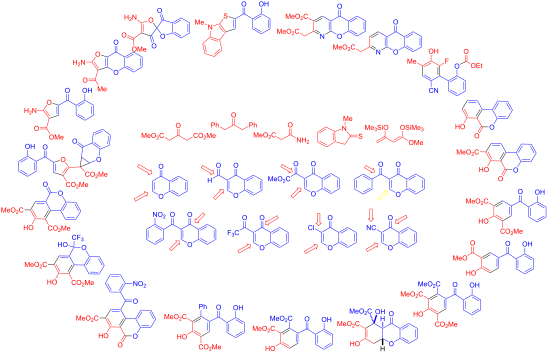
- minor products as well (7–20% yields). The formation of biphenyls 44 can be explained by 1,4-addition and ring-cleavage to give intermediate AH, aldol reaction (intermediate AI), migration of the ester group from the quaternary carbon to the phenolic oxygen atom (intermediate AJ) and aromatization. The

Graphical Abstract

Scheme 1: Structures of carbonyl compounds 1, 2, 3, and 4, dianion 7, phosphorane 8 and synthesis of 1,3-bis(...

Scheme 2: Structures of chromones with different substituents located at carbon C-3 and atom numbering scheme...

Scheme 3: Synthesis of 17. Conditions: i, DBU (1.3 equiv), THF, 20 °C, 12 h.
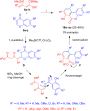
Scheme 4: Synthesis of 18a–ac. Conditions: i, 1) 9a–j, Me3SiOTf (1.3 equiv), 20 °C, 1 h; 2) 6a–h (1.3 equiv),...

Scheme 5: Synthesis of 19a–d. Conditions: i, DBU (1.3 equiv), THF, 20 °C, 12 h.

Scheme 6: Synthesis of 20a–ag. Conditions: i, 1) 10a–i, Me3SiOTf (0.3 equiv), 20 °C, 10 min; 2) 6a–h (1.3 equ...

Scheme 7: Synthesis of 21a–g. Conditions: i, DBU (1.3 equiv), dioxane, 20 °C, 12 h.

Scheme 8: Synthesis of 22a,b. Conditions: i, DBU (1.3 equiv), dioxane, 20 °C, 12 h.

Scheme 9: Synthesis of 23a–j. Conditions: i, 1) 11a–c, Me3SiOTf (0.3 equiv), 20 °C, 1 h; 2) 6a–h (1.3 equiv),...

Scheme 10: Synthesis of 24a–w. Conditions: i, 1) 13a–c, Me3SiOTf (0.3 equiv), 20 °C, 1 h; 2) 6a–r (1.3 equiv),...

Scheme 11: Synthesis of 25a–f. Conditions: i, DBU (1.3 equiv), dioxane, 20 °C, 12 h.

Scheme 12: Synthesis of 26a–e. Conditions: i, DBU (1.3 equiv), dioxane, 20 °C, 12 h.
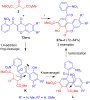
Scheme 13: Synthesis of 27a–c. Conditions: i, DBU (1.3 equiv), dioxane, 20 °C, 12 h.

Scheme 14: Synthesis of 28a–c. Conditions: i, DBU (1.3 equiv), dioxane, 20 °C, 12 h.

Scheme 15: Synthesis of 29a–n and 30. Conditions: i, DBU (1.3 equiv), dioxane, 20 °C, 12 h; ii, 1) KOH, MeOH; ...

Scheme 16: Synthesis of 32a,b. Conditions: i, 1) 31, Me3SiOTf (2.0 equiv), 20 °C, 1 h; 2) 6a,b (3.0 equiv), CH2...
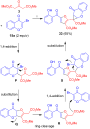
Scheme 17: Synthesis of 33. Conditions: i, DBU (1.3 equiv), THF, 20 °C, 12 h.

Scheme 18: Synthesis of 35a–x. Conditions: i, DBU (1.3 equiv), 1,4-dioxane, 20 °C, 12 h.
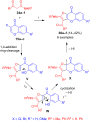
Scheme 19: Synthesis of 36a–f. Conditions: i, 1) DBU (1.3 equiv), 1,4-dioxane, 20 °C, 12 h; 2) I2 (2 equiv), D...

Scheme 20: Synthesis of 37a,b. Conditions: i, 1) DBU (1.3 equiv), 1,4-dioxane, 20 °C, 12 h; 2) I2 (2 equiv), D...

Scheme 21: Synthesis of 39a–i. Conditions: i, method A: DBU (1.3 equiv), 1,4-dioxane, 20 °C; method B: K2CO3 (...

Scheme 22: Synthesis of 40. Conditions: i, piperidine, MeOH, CHCl3, reflux, 3 h.

Scheme 23: Synthesis of 41a–am. Conditions: i, Me3SiOTf, CH2Cl2, 20 °C, 12 h, then: HCl (10%); ii, NEt3, EtOH ...
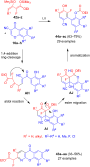
Scheme 24: Synthesis of 43a–aa and 44a–ac. Conditions: i, Me3SiOTf, CH2Cl2, 20 °C, 12 h, then: HCl (10%); ii, ...
Confirmation of the stereochemistry of spiroviolene
- Yao Kong,
- Yuanning Liu,
- Kaibiao Wang,
- Tao Wang,
- Chen Wang,
- Ben Ai,
- Hongli Jia,
- Guohui Pan,
- Min Yin and
- Zhengren Xu
Beilstein J. Org. Chem. 2024, 20, 852–858, doi:10.3762/bjoc.20.77
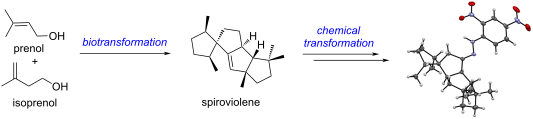
- boron migration occurred during the hydroboration process of spiroviolene that resulted in the production of a mixture of 1α-hydroxyspiroviolane, 9α- and 9β-hydroxyspiroviolane after oxidation. The assertion of the cis-orientation of the 19- and 20-methyl groups provided further support for the revised
- cyclization mechanism of spiroviolene. Keywords: boron migration; diterpene; spiroviolene; stereochemistry; Introduction Terpenes represent one of the most fascinating families of natural products due to their structural complexity and diversity, as well as their indispensable biological functions that
- the 9-organoborane intermediate IM-16 probably through borane–olefin complexes. The suprafacial nature of the boron migration allowed the boron to be α-oriented in intermediate IM-16, which would give 10 with retention of the configuration after NaOH/H2O2 oxidation. The formation of a significant

Graphical Abstract

Figure 1: Structures of spiroviolene and related natural products.

Scheme 1: Possible cyclization mechanisms for spiroviolene (1) and related natural products. A) Revised cycli...

Figure 2: Heterologous production of spiroviolene using the isopentenol utilization pathway. A) Gas chromatog...

Scheme 2: Derivatization of spiroviolene for X-ray crystallography. A) Hydroboration/oxidation reaction of sp...
Skeletal rearrangement of 6,8-dioxabicyclo[3.2.1]octan-4-ols promoted by thionyl chloride or Appel conditions
- Martyn Jevric,
- Julian Klepp,
- Johannes Puschnig,
- Oscar Lamb,
- Christopher J. Sumby and
- Ben W. Greatrex
Beilstein J. Org. Chem. 2024, 20, 823–829, doi:10.3762/bjoc.20.74
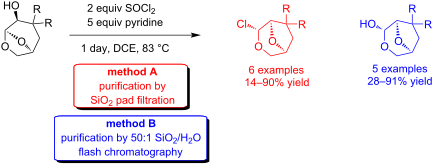
- 10.3762/bjoc.20.74 Abstract A skeletal rearrangement of a series of 6,8-dioxabicyclo[3.2.1]octan-4-ols has been developed using SOCl2 in the presence of pyridine. An oxygen migration from C5 to C4 was observed when the C4 alcohols were treated with SOCl2/pyridine, giving a 2-chloro-3,8-dioxabicyclo[3.2.1
- -cleavage reactions and rearrangements when modified at the 4-position [15][16][17]. Baillargeon and Reddy first reported rearrangements of 6,8-dioxabicyclo[3.2.1]octane derivatives promoted by diethylaminosulfur trifluoride (DAST) [18], and later Karban and co-workers reported a migration of oxygen from
- Diels–Alder adducts of 1, and similar results on the effect of configuration were observed [21]. During some recent attempts at the chlorination of the π-stacking chiral auxiliary 10a using SOCl2 [9], we observed the migration of O8 resulting in the formation of anomeric chlorides analogous to the

Graphical Abstract

Figure 1: Previous work on migration reactions in 6,8-dioxabicyclooctan-4-ols [18].

Scheme 1: Structures for 10a–c, preparation of 10d–f, and X-ray structure of 10e.

Scheme 2: Rearrangement reactions for 10a–f promoted by SOCl2.

Scheme 3: Reactions of allylic alcohols 15 and 18 with SOCl2.

Scheme 4: Appel reactions of dioxabicyclo[3.2.1]octan-4-ols 10a,e,f and 15.
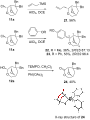
Scheme 5: Some transformations for the skeletal rearrangement products 11a and 12a and X-ray structure for 24....
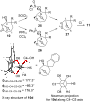
Figure 2: Mechanism for the rearrangement of 10, and Newman projection and the X-ray structure of 10d project...
Methodology for awakening the potential secondary metabolic capacity in actinomycetes
- Shun Saito and
- Midori A. Arai
Beilstein J. Org. Chem. 2024, 20, 753–766, doi:10.3762/bjoc.20.69
- . At a concentration of 182 μM, murecholamide exhibits biological activity in inhibiting the migration of HT29 cancer cells. The second HSM is noaoxazole (39), which was discovered in Streptomyces sp. HR41 [79]. This substance has a chemical structure with a methylated oxazole ring at the end of a

Graphical Abstract

Figure 1: Schematic diagram of methods to activate silent genes in actinomycetes as presented in this review....
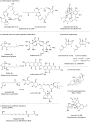
Figure 2: Structures of secondary metabolites obtained from actinomycetes using artificial methods.
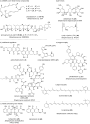
Figure 3: Structures of secondary metabolites obtained from actinomycetes by adjusting culture conditions.
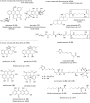
Figure 4: Structures of secondary metabolites obtained by high-temperature culture of actinomycetes.
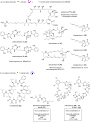
Figure 5: Structures of secondary metabolites obtained by co-culture of actinomycetes with other microorganis...
Regioselective quinazoline C2 modifications through the azide–tetrazole tautomeric equilibrium
- Dāgs Dāvis Līpiņš,
- Andris Jeminejs,
- Una Ušacka,
- Anatoly Mishnev,
- Māris Turks and
- Irina Novosjolova
Beilstein J. Org. Chem. 2024, 20, 675–683, doi:10.3762/bjoc.20.61
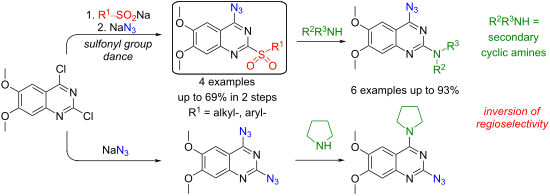
- quinazolines [17][18], and sulfonyl group rearrangement has been applied to functionalize purines [19], the literature lacks information on sulfonyl group migration in quinazolines. Notably, this transformation has not been previously reported, despite its potential utility in the synthesis of drugs such as

Graphical Abstract

Scheme 1: Approaches for quinazoline modifications at the C2 and C4 positions.

Scheme 2: Attempts toward sulfonyl group dance using 2,4-dichloroquinazolines 1a‒c.

Scheme 3: Synthesis of 2-chloro-6,7-dimethoxy-4-sulfonylquinazoline derivatives 8.

Scheme 4: Alternative synthesis pathway for 2-chloro-6,7-dimethoxy-4-sulfonylquinazoline derivatives 8.

Scheme 5: Sulfonyl group dance using 2-chloro-6,7-dimethoxy-4-sulfonylquinazolines 8.

Scheme 6: One-pot synthesis of 4-azido-6,7-dimethoxy-2-sulfonylquinazolines 12. The crystallographic informat...

Scheme 7: Synthesis of 2-azido-4-sulfonyl-6,7-dimethoxyquinazolines 15.

Scheme 8: Synthesis of 6,7-dimethoxyquinazoline derivatives 16, 17a and 18.

Scheme 9: Synthesis of 2-amino-4-azido-6,7-dimethoxyquinazolines 17.

Scheme 10: Synthesis of terazosin and prazosin hydrochlorides 19a and 19b.

Scheme 11: Modifications of derivatives 17.
Entry to new spiroheterocycles via tandem Rh(II)-catalyzed O–H insertion/base-promoted cyclization involving diazoarylidene succinimides
- Alexander Yanovich,
- Anastasia Vepreva,
- Ksenia Malkova,
- Grigory Kantin and
- Dmitry Dar’in
Beilstein J. Org. Chem. 2024, 20, 561–569, doi:10.3762/bjoc.20.48
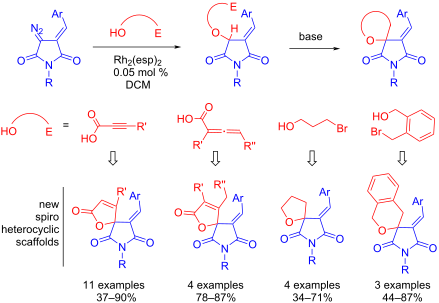
- of DIPEA (60 mol %), which can be explained by the presence of EDG in the corresponding DAS. In general, the second step of the process appears to occur as endo-cyclization onto an activated multiple bond followed by migration of the remaining endocyclic double bond into the furanone ring. The
- 1H NMR spectroscopy data, one of its components was the product of the migration of the double bond of the benzylidene fragment into the succinimide cycle – compound 22. Finally, a compound with a longer side chain 24, obtained from 2-(2-bromoethoxy)ethanol (23), underwent exclusively isomerization
- from each of the bromo-substituted alcohols used by us have two main pathways of transformation under the action of base: 1) exo-tet cyclization with substitution of the bromine atom and formation of the spirocycle, and 2) migration of the exocyclic double C=C bond into the imide cycle (the process is

Graphical Abstract

Scheme 1: DAS spirocyclizations reported earlier and the synthetic methodology investigated in this work.

Figure 1: Examples of biologically active compounds and natural products based on THF/THP spiro-conjugates wi...

Scheme 2: An initial example on Rh(II)-catalyzed O–H insertion/base-promoted cyclization involving diazo comp...

Scheme 3: Tandem Rh2(esp)2-catalyzed O–H insertion/base-promoted cyclization involving DAS 1 and various prop...

Scheme 4: Tandem Rh2(esp)2-catalyzed O–H insertion/base-promoted cyclization involving DAS 1 and allenic acid...

Scheme 5: Tandem Rh2(esp)2-catalyzed O–H insertion/base-promoted cyclization involving various DAS 1 and 3-br...

Scheme 6: Tandem Rh2(esp)2-catalyzed O–H insertion/base-promoted cyclization involving DAS 1 and 2-(bromometh...

Scheme 7: Examples where a target spirocyclic product was not observed.

Scheme 8: Plausible mechanism of the transformations studied.
Synthesis of photo- and ionochromic N-acylated 2-(aminomethylene)benzo[b]thiophene-3(2Н)-ones with a terminal phenanthroline group
- Vladimir P. Rybalkin,
- Sofiya Yu. Zmeeva,
- Lidiya L. Popova,
- Irina V. Dubonosova,
- Olga Yu. Karlutova,
- Oleg P. Demidov,
- Alexander D. Dubonosov and
- Vladimir A. Bren
Beilstein J. Org. Chem. 2024, 20, 552–560, doi:10.3762/bjoc.20.47
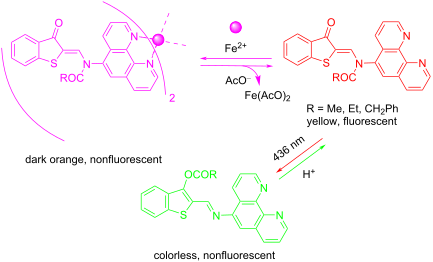
- a terminal phenanthroline receptor substituent was synthesized. Upon irradiation in acetonitrile or DMSO with light of 436 nm, they underwent Z–E isomerization of the C=C bond, followed by very fast N→O migration of the acyl group and the formation of nonemissive O-acylated isomers. These isomers
- “overall quantum yield” is used in Table 1 [29]. The formation of the short-lived E-isomer was earlier observed only in vitrified solvents at 77 K or under flash photolysis conditions [14]. As such, the parameters of the thermal acyl migration under steady-state irradiation conditions were not determined
- photoisomerization of the C=C bond, followed by very fast thermal N→O migration of the acyl group and the formation of O-acylated isomers. This rearrangement was accompanied by a decrease of the initial fluorescence intensity at 465–468 nm up to zero, since the resulting OAc− form was nonemissive. The reverse

Graphical Abstract

Scheme 1: Synthesis of compound 1 and N-acylated compounds 2a–c.

Figure 1: Absorption (1), fluorescence (2, λex = 410 nm) and fluorescence excitation (3, λfl = 465 nm) spectr...

Figure 2: Electronic absorption spectra of compound 2b in acetonitrile before (1) and after 15 s (2), 35 s (3...

Scheme 2: Photoisomerization of N-acylated ketoenamines 2a–c.

Figure 3: Molecular structure of O-acylated isomer 3b. Thermal ellipsoids are drawn at the 50% probability le...

Figure 4: Fragment of the molecular packing of compound 3b, showing π–π interactions in the crystalline state...

Figure 5: Absorption spectra of compound 2a in acetonitrile before (1) and after (2) the addition of Fe2+ (c2a...

Figure 6: Changes in the absorption intensity of compound 2a in acetonitrile at 520 nm after the addition of ...

Scheme 3: Sequential interaction of compounds 2a–c with Fe2+ and AcO−.

Figure 7: Job’s plot at the wavelength 429 nm, reflecting the interaction of compound 2a with Fe2+ in acetoni...

Figure 8: Fluorescence intensity of compound 2a upon alternate addition of Fe2+ and AcO−.
Comparison of glycosyl donors: a supramer approach
- Anna V. Orlova,
- Nelly N. Malysheva,
- Maria V. Panova,
- Nikita M. Podvalnyy,
- Michael G. Medvedev and
- Leonid O. Kononov
Beilstein J. Org. Chem. 2024, 20, 181–192, doi:10.3762/bjoc.20.18
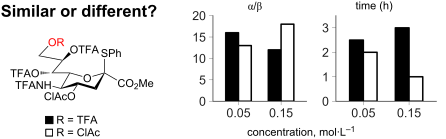
- treated with 90% aq trifluoroacetic acid in CH2Cl2 to give diol 7 (70% yield) that was formed due to migration of a chloroacetyl group from O-7 to O-9. The structure of diol 7 was established by NMR spectroscopy, high-resolution mass spectrometry and X-ray diffraction analysis (see the Experimental

Graphical Abstract

Scheme 1: Model sialylation reaction. TFA = CF3CO; ClAc = ClCH2CO.

Scheme 2: Synthesis of sialyl donor 2.
Figure 1: Concentration dependence of the specific optical rotation ([α]D28 / deg·dm−1·cm3·g−1) of solutions ...

Figure 2: Comparison of the outcome of the sialylation of glycosyl acceptor 3 with sialyl donors 1 or 2 perfo...
Long oligodeoxynucleotides: chemical synthesis, isolation via catching-by-polymerization, verification via sequencing, and gene expression demonstration
- Yipeng Yin,
- Reed Arneson,
- Alexander Apostle,
- Adikari M. D. N. Eriyagama,
- Komal Chillar,
- Emma Burke,
- Martina Jahfetson,
- Yinan Yuan and
- Shiyue Fang
Beilstein J. Org. Chem. 2023, 19, 1957–1965, doi:10.3762/bjoc.19.146

- compared with the authentic dsODNs using agarose gel electrophoresis (steps 3 and 3', Figure 1). As shown in Figure 2A,B, the synthesized and authentic samples have similar migration distances. The identity of the ODNs was then determined by Sanger sequencing. The PCR products were cloned into the pCR
- and reverse primers (step 6). The PCR products were analyzed with agarose gel electrophoresis (step 5', Figure 1, and Figure 3). Based on migration distances, in the case of 399 bp sequence, 20 out of 32 colonies likely contained the expected 399 bp fragment. Three colonies were submitted for Sanger

Graphical Abstract

Figure 1: Workflow for the construction, verification, and expression of the 800 bp GFP gene from chemically ...

Scheme 1: Structure of phosphoramidites 1a,b and 2, and the catching-by-polymerization (CBP) process.

Figure 2: Gel electrophoresis images of 399 bp (A), 401 bp (B), and 800 bp (C) dsODNs derived from synthetic ...

Figure 3: Gel electrophoresis images of ≈399 and ≈401 bp dsODNs originated from synthetic 399 and 401 nt ssOD...

Figure 4: Images of E. coli containing the GFP gene. (A) The GFP gene was derived from the 399 and 401 nt che...



