


Search results
Search for "mild conditions" in Full Text gives 556 result(s) in Beilstein Journal of Organic Chemistry. Showing first 200.
Electrochemical cyclization of alkynes to construct five-membered nitrogen-heterocyclic rings
- Lifen Peng,
- Ting Wang,
- Zhiwen Yuan,
- Bin Li,
- Zilong Tang,
- Xirong Liu,
- Hui Li,
- Guofang Jiang,
- Chunling Zeng,
- Henry N. C. Wong and
- Xiao-Shui Peng
Beilstein J. Org. Chem. 2025, 21, 2173–2201, doi:10.3762/bjoc.21.166
- yielded A+, which was then trapped by MeCN/H2O to form the CF3-enamide intermediate B. The subsequent cyclization/oxidation of B offered oxazoline radical intermediate C, which was transformed to the target 36a through anodic oxidation/deprotonation. This transformation, implementing under mild conditions

Graphical Abstract

Figure 1: Natural products and functional molecules possessing five-membered rings.

Scheme 1: Electrochemical intramolecular coupling of ureas to form indoles.
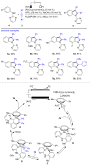
Scheme 2: Electrochemical dehydrogenative annulation of alkynes with anilines.

Scheme 3: Electrochemical annulations of o-arylalkynylanilines.
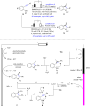
Scheme 4: Electrochemical cyclization of 2-ethynylanilines.
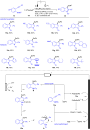
Scheme 5: Electrochemical selenocyclization of diselenides and 2-ethynylanilines.

Scheme 6: Electrochemical cascade approach towards 3-selenylindoles.

Scheme 7: Electrochemical C–H indolization.

Scheme 8: Electrochemical annulation of benzamides and terminal alkynes.

Scheme 9: Electrochemical synthesis of isoindolinone by 5-exo-dig aza-cyclization.

Scheme 10: Electrochemical reductive cascade annulation of o-alkynylbenzamide.

Scheme 11: Electrochemical intramolecular 1,2-amino oxygenation of alkyne.
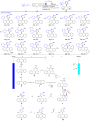
Scheme 12: Electrochemical multicomponent reaction of nitrile, (thio)xanthene, terminal alkyne and water.

Scheme 13: Electrochemical aminotrifluoromethylation/cyclization of alkynes.

Scheme 14: Electrochemical cyclization of o-nitrophenylacetylene.
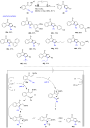
Scheme 15: Electrochemical annulation of alkynyl enaminones.

Scheme 16: Electrochemical annulation of alkyne and enamide.

Scheme 17: Electrochemical tandem Michael addition/azidation/cyclization.

Scheme 18: Electrochemical [3 + 2] cyclization of heteroarylamines.

Scheme 19: Electrochemical CuAAC to access 1,2,3-triazole.
C2 to C6 biobased carbonyl platforms for fine chemistry
- Jingjing Jiang,
- Muhammad Noman Haider Tariq,
- Florence Popowycz,
- Yanlong Gu and
- Yves Queneau
Beilstein J. Org. Chem. 2025, 21, 2103–2172, doi:10.3762/bjoc.21.165
- rapidly under mild conditions. The catalyst 1 oxidizes the vicinal diols to the corresponding hydroxy ketones faster than other alcohols. Primary alcohols and 1,5-diols are oxidized to yield secondary alcohols and cyclic lactones, respectively (Scheme 30). A high chemo- and regioselectivity was observed
- furfural to succinic acid in 88% yield under mild conditions using modified hydrophilic acidic metal-free graphene oxide (GO) as solid acid catalyst and H2O2 as an oxidant [151]. The suitable acidity of the SO3H group on the graphene oxide support is crucial for the selectivity of the oxidation. The use of

Graphical Abstract

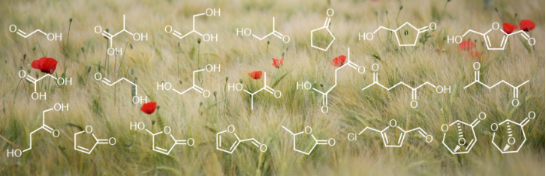
Figure 1: C2–C6 biobased carbonyl building blocks.

Scheme 1: Proposed (2 + 2) route to glycolaldehyde and glycolic acid from erythritol by Cu/AC catalyst (AC = ...

Scheme 2: Reductive amination of GCA.

Scheme 3: N-Formylation of secondary amines by reaction with GCA.

Scheme 4: Synthesis and conversion of hydroxy acetals to cyclic acetals.

Scheme 5: Synthesis of 3-(indol-3-yl)-2,3-dihydrofurans via three-component reaction of glycolaldehyde, indol...

Scheme 6: BiCl3-catalyzed synthesis of benzo[a]carbazoles from 2-arylindoles and α-bromoacetaldehyde ethylene...

Scheme 7: Cu/NCNSs-based conversion of glycerol to glycolic acid and other short biobased acids.

Scheme 8: E. coli-based biotransformation of C1 source molecules (CH4, CO2 and CO) towards C2 glycolic acid.

Scheme 9: N-Formylation of amines with C2 (a) or C3 (b) biomass-based feedstocks.

Scheme 10: Methods for the formation of propanoic acid (PA) from lactic acid (LA).

Scheme 11: Co-polymerization of biobased lactic acid and glycolic acid via a bicatalytic process.

Scheme 12: Oxidation of α-hydroxy acids by tetrachloroaurate(III) in acetic acid–sodium acetate buffer medium.

Figure 2: Selective catalytic pathways for the conversion of lactic acid (LA).

Scheme 13: Synthesis of 1,3-PDO via cross-aldol reaction between formaldehyde and acetaldehyde to 3-hydroxypro...

Scheme 14: Hydrothermal conversion of 1,3-dihydroxy-2-propane and 2,3-dihydroxypropanal to methylglyoxal.

Scheme 15: FLS-catalyzed formose reaction to synthesize GA and DHA.

Scheme 16: GCA and DHA oxidation products of glycerol and isomerization of GCA to DHA under flow conditions us...

Scheme 17: Acid-catalyzed reactions of DHA with alcohols.

Scheme 18: Synthesis of dihydroxyacetone phosphate from dihydroxyacetone.

Scheme 19: Bifunctional acid–base catalyst DHA conversion into lactic acid via pyruvaldehyde or fructose forma...

Scheme 20: Catalytic one-pot synthesis of GA and co-synthesis of formamides and formates from DHA.

Scheme 21: (a) Synthesis of furan derivatives and (b) synthesis of thiophene derivative by cascade [3 + 2] ann...

Scheme 22: Brønsted acidic ionic liquid catalyzed synthesis of benzo[a]carbazole from renewable acetol and 2-p...

Scheme 23: Asymmetric hydrogenation of α-hydroxy ketones to 1,2-diols.

Scheme 24: Synthesis of novel 6-(substituted benzylidene)-2-methylthiazolo [2,3-b]oxazol-5(6H)-one from 1-hydr...

Scheme 25: ʟ-Proline-catalyzed synthesis of anti-diols from hydroxyacetone and aldehydes.

Scheme 26: C–C-bond-formation reactions of a biomass-based feedstock aromatic aldehyde (C5) and hydroxyacetone...

Scheme 27: Ethanol upgrading to C4 bulk chemicals via the thiamine (VB1)-catalyzed acetoin condensation.

Scheme 28: One-pot sequential chemoenzymatic synthesis of 2-aminobutane-1,4-diol and 1,2,4-butanetriol via 1,4...

Scheme 29: Synthesis of 1,4-dihydroxybutan-2-one by microbial transformation.

Scheme 30: Conversion of polyols by [neocuproine)Pd(OAc)]2(OTf)2] to α-hydroxy ketones.

Scheme 31: Chemoselective oxidation of alcohols with chiral palladium-based catalyst 2.

Scheme 32: Electrochemical transformation of furfural to 5-hydroxy-2(5H)-furanone (HFO).

Scheme 33: Selective hydrodeoxygenation of HFO and oxidation to γ-butyrolactone (GBL).

Scheme 34: Photosensitized oxygenation of furan towards HFO via ozonide intermediates.

Scheme 35: Conversion of furfural to HFO and MAN by using mesoporous carbon nitride (SGCN) as photocatalyst.

Scheme 36: Synthesis of HFO from furan derivatives.

Scheme 37: Photooxidation of furfural to 5-hydroxy-2(5H)-furanone (HFO).

Scheme 38: Synthesis of Friedel–Crafts indole adduct from HFO.

Scheme 39: Conversion of HFO to α,γ-substituted chiral γ-lactones.

Scheme 40: Tautomeric transformation of HFO to formylacrylic acid.

Scheme 41: Hydrolysis of HFO to succinic acid in aqueous solution.

Scheme 42: Substitution and condensation reactions of 5-hydroxy-2(5H)-furanone (HFO).

Scheme 43: (a) Conversion of HFO towards valuable C4 chemicals and (b) anodic oxidation of 5-hydroxy-2(5H)-fur...

Figure 3: Conversion of HFO towards other natural and synthetic substances.

Scheme 44: Conversion of furfural to maleic anhydride (reaction a: VOx/Al2O3; reaction b: VPO).

Scheme 45: Conversion of furfural into succinic acid.

Scheme 46: Electro‑, photo‑, and biocatalysis for one-pot selective conversions of furfural into C4 chemicals.

Scheme 47: Production route of furfural from hemicellulose.

Scheme 48: Mechanism for xylose dehydration to furfural through a choline xyloside intermediate.

Scheme 49: Conversion of furfural to furfuryl alcohol and its derivatives.

Scheme 50: Conversion of furfural to furfuryl alcohol and 3-(2-furyl)acrolein.

Scheme 51: The aerobic oxidative condensation of biomass-derived furfural and linear alcohols.

Scheme 52: The single-step synthesis of 2-pentanone from furfural.

Scheme 53: Electrocatalytic coupling reaction of furfural and levulinic acid.

Scheme 54: Conversion of furfural to m-xylylenediamine.

Scheme 55: Conversion of furfural to tetrahydrofuran-derived amines.

Scheme 56: Formation of trans-4,5-diamino-cyclopent-2-enones from furfural.

Scheme 57: Production of pyrrole and proline from furfural.

Scheme 58: Synthesis of 1‑(trifluoromethyl)-8-oxabicyclo[3.2.1]oct-3-en-2-ones from furfural.

Scheme 59: Conversion of furfural to furfural-derived diacids.

Scheme 60: A telescope protocol derived from furfural and glycerol.

Scheme 61: A tandem cyclization of furfural and 5,5-dimethyl-1,3-cyclohexanedione.

Scheme 62: A Ugi four-component reaction to construct furfural-based polyamides.

Scheme 63: One-pot synthesis of γ-acyloxy-Cy7 from furfural.

Scheme 64: Dimerization–Piancatelli sequence toward humins precursors from furfural.

Scheme 65: Conversion of furfural to CPN.

Scheme 66: Synthesis of jet fuels range cycloalkanes from CPN and lignin-derived vanillin.

Scheme 67: Solar-energy-driven synthesis of high-density biofuels from CPN.

Scheme 68: Reductive amination of CPN to cyclopentylamine.

Scheme 69: Asymmetric hydrogenation of C=O bonds of exocyclic α,β-unsaturated cyclopentanones.

Scheme 70: Preparation of levulinic acid via the C5 route (route a) or C6 route (routes b1 and b2).

Scheme 71: Mechanism of the rehydration of HMF to levulinic acid and formic acid.

Scheme 72: Important levulinic acid-derived chemicals.

Scheme 73: Direct conversion of levulinic acid to pentanoic acid.

Scheme 74: Catalytic aerobic oxidation of levulinic acid to citramalic acid.

Scheme 75: Conversion of levulinic acid to 1,4-pentanediol (a) see ref. [236]; b) see ref. [237]; c) see ref. [238]; d) see r...

Scheme 76: Selective production of 2-butanol through hydrogenolysis of levulinic acid.

Scheme 77: General reaction pathways proposed for the formation of 5MPs from levulinic acid.

Scheme 78: Selective reductive amination of levulinic acid to N-substituted pyrroles.

Scheme 79: Reductive amination of levulinic acid to chiral pyrrolidinone.

Scheme 80: Reductive amination of levulinic acid to non-natural chiral γ-amino acid.

Scheme 81: Nitrogen-containing chemicals derived from levulinic acid.

Scheme 82: Preparation of GVL from levulinic acid by dehydration and hydrogenation.

Scheme 83: Ruthenium-catalyzed levulinic acid to chiral γ-valerolactone.

Scheme 84: Catalytic asymmetric hydrogenation of levulinic acid to chiral GVL.

Scheme 85: Three steps synthesis of ε-caprolactam from GVL.

Scheme 86: Multistep synthesis of nylon 6,6 from GVL.

Scheme 87: Preparation of MeGVL by α-alkylation of GVL.

Scheme 88: Ring-opening polymerization of five-membered lactones.

Scheme 89: Synthesis of GVL-based ionic liquids.

Scheme 90: Preparation of butene isomers from GVL under Lewis acid conditions.

Scheme 91: Construction of C5–C12 fuels from GVL over nano-HZSM-5 catalysts.

Scheme 92: Preparation of alkyl valerate from GVL via ring opening/reduction/esterification sequence.

Scheme 93: Construction of 4-acyloxypentanoic acids from GVL.

Scheme 94: Synthesis of 1,4-pentanediol (PDO) from GVL.

Scheme 95: Construction of novel cyclic hemiketal platforms via self-Claisen condensation of GVL.

Scheme 96: Copper-catalyzed lactamization of GVL.

Figure 4: Main scaffolds obtained from HMF.

Scheme 97: Biginelli reactions towards HMF-containing dihydropyrimidinones.

Scheme 98: Hantzsch dihydropyridine synthesis involving HMF.

Scheme 99: The Kabachnik–Fields reaction involving HMF.

Scheme 100: Construction of oxazolidinone from HMF.

Scheme 101: Construction of rhodamine-furan hybrids from HMF.

Scheme 102: A Groebke–Blackburn–Bienaymé reaction involving HMF.

Scheme 103: HMF-containing benzodiazepines by [4 + 2 + 1] cycloadditions.

Scheme 104: Synthesis of fluorinated analogues of α-aryl ketones.

Scheme 105: Synthesis of HMF derived disubstituted γ-butyrolactone.

Scheme 106: Functionalized aromatics from furfural and HMF.

Scheme 107: Diels–Alder adducts from HMF or furfural with N-methylmaleimide.

Scheme 108: Pathway of the one-pot conversion of HMF into phthalic anhydride.

Scheme 109: Photocatalyzed preparation of humins (L-H) from HMF mixed with spoiled HMF residues (LMW-H) and fur...

Scheme 110: Asymmetric dipolar cycloadditions on HMF.

Scheme 111: Dipolar cycloadditions of HMF based nitrones to 3,4- and 3,5-substituted isoxazolidines.

Scheme 112: Production of δ-lactone-fused cyclopenten-2-ones from HMF.

Scheme 113: Aza-Piancatelli access to aza-spirocycles from HMF-derived intermediates.

Scheme 114: Cross-condensation of furfural, acetone and HMF into C13, C14 and C15 products.

Scheme 115: Base-catalyzed aldol condensation/dehydration sequences from HMF.

Scheme 116: Condensation of HMF and active methylene nitrile.

Scheme 117: MBH reactions involving HMF.

Scheme 118: Synthesis of HMF-derived ionic liquids.

Scheme 119: Reductive amination/enzymatic acylation sequence towards HMF-based surfactants.

Scheme 120: The formation of 5-chloromethylfurfural (CMF).

Scheme 121: Conversion of CMF to HMF, levulinic acid, and alkyl levulinates.

Scheme 122: Conversion of CMF to CMFCC and FDCC.

Scheme 123: Conversion of CMF to BHMF.

Scheme 124: Conversion of CMF to DMF.

Scheme 125: CMF chlorine atom substitutions toward HMF ethers and esters.

Scheme 126: Introduction of carbon nucleophiles in CMF.

Scheme 127: NHC-catalyzed remote enantioselective Mannich-type reactions of CMF.

Scheme 128: Conversion of CMF to promising biomass-derived dyes.

Scheme 129: Radical transformation of CMF with styrenes.

Scheme 130: Synthesis of natural herbicide δ-aminolevulinic acid from CMF.

Scheme 131: Four step synthesis of the drug ranitidine from CMF.

Scheme 132: Pd/CO2 cooperative catalysis for the production of HHD and HXD.

Scheme 133: Different ruthenium (Ru) catalysts for the ring-opening of 5-HMF to HHD.

Scheme 134: Proposed pathways for preparing HXD from HMF.

Scheme 135: MCP formation and uses.

Scheme 136: Cu(I)-catalyzed highly selective oxidation of HHD to 2,5-dioxohexanal.

Scheme 137: Synthesis of N‑substituted 3‑hydroxypyridinium salts from 2,5-dioxohexanal.

Scheme 138: Ru catalyzed hydrogenations of HHD to 1,2,5-hexanetriol (a) see ref. [396]; b) see ref. [397]).

Scheme 139: Aviation fuel range quadricyclanes produced by HXD.

Scheme 140: Synthesis of HDGK from HXD and glycerol as a chain extender.

Scheme 141: Synthesis of serinol pyrrole from HXD and serinol.

Scheme 142: Synthesis of pyrroles from HXD and nitroarenes.

Scheme 143: Two-step production of PX from cellulose via HXD.

Scheme 144: Preparation of HCPN from HMF via hydrogenation and ring rearrangement.

Scheme 145: Suggested pathways from HMF to HCPN.

Scheme 146: α-Alkylation of HCPN with ethylene gas.

Scheme 147: Synthesis of 3-(hydroxymethyl)cyclopentylamine from HMF via reductive amination of HCPN.

Scheme 148: Production of LGO and Cyrene® from biomass.

Scheme 149: Synthesis of HBO from LGO and other applications.

Scheme 150: Construction of m-Cyrene® homopolymer.

Scheme 151: Conversion of Cyrene® to THFDM and 1,6-hexanediol.

Scheme 152: RAFT co-polymerization of LGO and butadienes.

Scheme 153: Polycondensation of HO-LGOL and diols with dimethyl adipate.

Scheme 154: Self-condensation of Cyrene® and Claisen–Schmidt reactions.

Scheme 155: Synthesis of 5-amino-2-(hydroxymethyl)tetrahydropyran from Cyrene®.
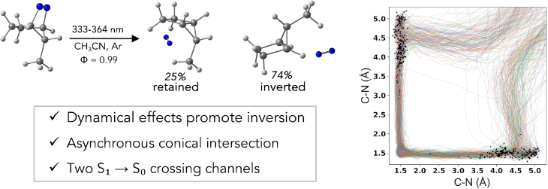
Understanding the origin of stereoselectivity in the photochemical denitrogenation of 2,3-diazabicyclo[2.2.1]heptene and its derivatives with non-adiabatic molecular dynamics
- Leticia A. Gomes and
- Steven A. Lopez
Beilstein J. Org. Chem. 2025, 21, 2007–2020, doi:10.3762/bjoc.21.156
- chemoselectivity for cysteine alkylation under mild conditions, for example, BCB-ibrutinib [28] (Scheme 1c). BCB is also used as a precursor to byciclo[1.1.1]pentanes, which are valuable motifs in drug design [19][20][29][30][31][32][33], such as BCP-darapladib (Scheme 1c) [30][31][34][35]. Housanes are versatile

Graphical Abstract

Scheme 1: Applications of bicyclo[1.1.0]butane (a) and bicyclo[2.1.0]pentane (b). Molecules with biological a...

Scheme 2: Diastereoselectivity in the direct photolysis of 2,3-diazabicyclo[2.2.1]hept-2-enes.

Scheme 3: Mechanism for the photodenitrogenation of DBH proposed in the literature.

Figure 1: CASSCF(8,9) active space of 1 with average electron occupancies. Orbitals were calculated at the SA...

Figure 2: Absorption spectra and geometric overlays corresponding to Wigner-sampled geometries of 1 (a), 3 (b...

Figure 3: Minimum energy path using XMS-CASPT2(8,9)/ANO-S-VDZP for 1 (a), 3 (b), and 5 (c). The dots on the g...

Figure 4: (a) The bond lengths we calculated are depicted. σCN bonds plotted against each other for 1 (b), 3 ...

Figure 5: (a) Geometrical parameters. Plots show trajectories for a 1 ps NAMD simulation with CASSCF (8,9)/AN...

Figure 6: (a) Geometrical parameters. H–C–C–C dihedral angles plotted against each other for S1-to-S0 hopping...

Figure 7: The minimum energy conical intersection geometries are shown for the partially inverted hopping poi...
Enantioselective desymmetrization strategy of prochiral 1,3-diols in natural product synthesis
- Lihua Wei,
- Rui Yang,
- Zhifeng Shi and
- Zhiqiang Ma
Beilstein J. Org. Chem. 2025, 21, 1932–1963, doi:10.3762/bjoc.21.151
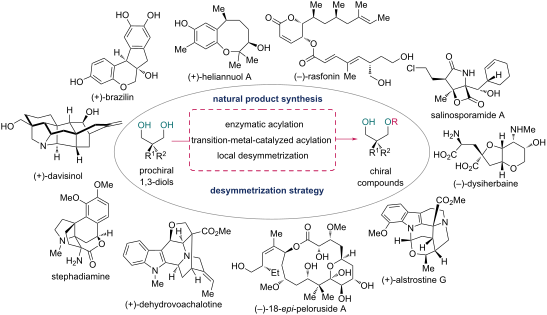
- genus) are generally operated in mild conditions achieving relatively high yield and enantioselectivity. However, due to the intrinsic structural limitations of lipases, accessing the desired enantiomer requires laborious screening of enzymes. In the case of transition-metal-catalyzed acylations, the

Graphical Abstract

Scheme 1: General mechanism of a lipase-catalyzed esterification.

Scheme 2: Shishido’s synthesis of (−)-xanthorrhizol (4) and (+)-heliannuol D (8).

Scheme 3: Shishido’s synthesis of a) (−)-heliannuol A (15) and b) heliannuol G (20) and heliannuol H (21).

Scheme 4: Deska’s synthesis of hyperione A (30) and ent-hyperione B (31).

Scheme 5: Huang’s synthesis of (+)-brazilin (37).

Scheme 6: Shishido’s synthesis of (−)-heliannuol D (42) and (+)-heliannuol A (43).

Scheme 7: Chênevert’s synthesis of (S)-α-tocotrienol (49).

Scheme 8: Kita’s synthesis of monoester 53.

Scheme 9: Kita’s synthesis of fredericamycin A (60).

Scheme 10: Takabe’s synthesis of (E)-3,7-dimethyl-2-octene-1,8-diol (64).

Scheme 11: Takabe’s synthesis of (18S)-variabilin (70).

Scheme 12: Kawasaki’s synthesis of (S)-Rosaphen (74) and (R)-Rosaphen (75).

Scheme 13: Tokuyama’s synthesis of a) (−)-petrosin (84) and b) (+)-petrosin (86).

Scheme 14: Fukuyama’s synthesis of leustroducsin B (96).
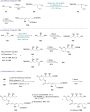
Scheme 15: Nanda’s synthesis of a) fragment 100, b) fragment 106 and c) (−)-rasfonin (109).

Scheme 16: Davies’ synthesis of (+)-pilocarpine (115) and (+)-isopilocarpine (116).

Scheme 17: Ōmura’s synthesis of salinosporamide A (125).

Scheme 18: Kang’s synthesis of ʟ-cladinose (124) and its derivative.

Scheme 19: Kang’s preparation of fragment 139.
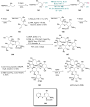
Scheme 20: Kang’s synthesis of azithromycin (149).

Scheme 21: Kang’s synthesis of (−)-dysiherbaine (156).

Scheme 22: Kang’s synthesis of (−)-kaitocephalin (166).

Scheme 23: Kang’s synthesis of laidlomycin (180).

Scheme 24: Snyder’s synthesis of arboridinine (190).
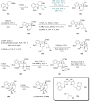
Scheme 25: Ma’s synthesis of (+)-alstrostine G (203).
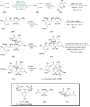
Scheme 26: Trost’s synthesis of (−)-18-epi-peloruside A (215).

Scheme 27: Lindel’s synthesis of (–)-dihydroraputindole (223).

Scheme 28: Iwata’s synthesis of a) (−)-talaromycin B (232) and b) (+)-talaromycin A (235).

Scheme 29: Cook’s synthesis of a) (−)-vincamajinine (240) and b) (−)-11-methoxy-17-epivincamajine (245).

Scheme 30: Cook’s synthesis of (+)-dehydrovoachalotine (249) and voachalotine (250).
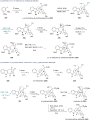
Scheme 31: Cook’s synthesis of a) (−)-12-methoxy-Nb-methylvoachalotine (257) and b) (+)-polyneuridine, macusin...

Scheme 32: Trauner’s synthesis of stephadiamine (273).

Scheme 33: Garg’s synthesis of (–)-ψ-akuammigine (285).

Scheme 34: Ding’s synthesis of (+)-18-benzoyldavisinol (293) and (+)-davisinol (294).
Approaches to stereoselective 1,1'-glycosylation
- Daniele Zucchetta and
- Alla Zamyatina
Beilstein J. Org. Chem. 2025, 21, 1700–1718, doi:10.3762/bjoc.21.133
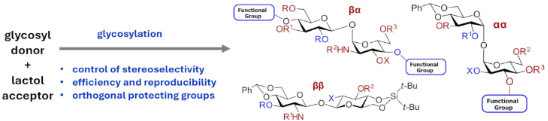
- this shortcoming, it is essential to use monosaccharide building blocks bearing temporary protecting groups that can be selectively and sequentially removed under mild conditions. Such an approach ensures compatibility with sensitive functionalities and enables the effective incorporation of 1,1

Graphical Abstract

Scheme 1: Application of chloride-, bromide-, and trichloroacetimidate donors in 1,1'-coupling reactions towa...

Scheme 2: Application of trichloroacetimidates as donors in 1,1'-β,α coupling reactions and the use of 1,2-or...

Scheme 3: The β-anomeric configuration in the lactol acceptors can be trapped and fixed within the five-membe...

Scheme 4: Diarylborinic acid-promoted β,α-1,1' glycosylation.

Scheme 5: The anomeric configuration in the lactol acceptor can be trapped in the form of a TMS-glycoside.

Scheme 6: The anomeric configuration in the lactol acceptor can be trapped in form of a 1-O-TMS-glycoside tha...

Scheme 7: Influence of remote protecting groups on the stereoselectivity and efficiency of 1,1'-β,α bond form...

Scheme 8: Synthesis of non-symmetrically fully orthogonally protected β,α-1,1' diglucosamines.

Scheme 9: Synthesis of non-symmetric β,β-1,1'-linked disaccharides.

Scheme 10: Synthesis of non-symmetric, fully orthogonally protected β,β-1,1'-diglucosamines.

Scheme 11: Synthesis of α,α-1,1'-disaccharides.

Scheme 12: Synthesis of α,α-1,1'-thiodisacchrides.

Scheme 13: Synthesis of partially desymmetrized α,α-1,1'-linked disaccharides.

Scheme 14: Synthesis of non-symmetric orthogonally protected α,α-1,1'-linked disaccharides involving an aminos...
Azide–alkyne cycloaddition (click) reaction in biomass-derived solvent CyreneTM under one-pot conditions
- Zoltán Medgyesi and
- László T. Mika
Beilstein J. Org. Chem. 2025, 21, 1544–1551, doi:10.3762/bjoc.21.117
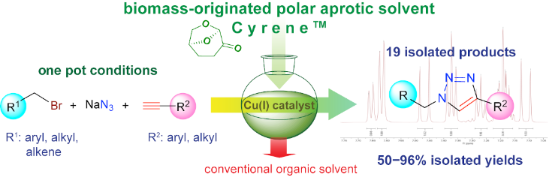
- CyreneTM, as a biomass-originated polar aprotic solvent, could be utilized as an alternative reaction medium for one-pot copper(I)-catalyzed azide–alkyne cycloaddition (click or CuAAC) reactions, for the synthesis of various 1,2,3-triazoles under mild conditions. Nineteen products involving N-substituted-4
- -triazoles in a less toxic and recyclable medium could further control and reduce the environmental impacts of this synthetically very important transformation. Herein, we report a study on the copper(I)-catalyzed azide–alkyne cycloaddition (CuAAC) reaction in CyreneTM under mild conditions. Results and

Graphical Abstract

Scheme 1: Synthesis of CyreneTM (dihydrolevoglucosenone) from cellulose-based feeds via levoglucosenone (LG).

Scheme 2: Copper-catalyzed azide–alkyne cycloaddition of benzyl azide (1a) and phenylacetylene (2a) in variou...

Figure 1: Comparison of various solvents used in the CuAAC reaction. Reaction conditions: 1.15 mmol benzyl az...

Figure 2: Effect of the Cu source used in the click reaction of benzyl azide (1a, 1.15 mmol) and phenylacetyl...

Figure 3: Copper-catalyzed azide–alkyne cycloaddition of benzyl azide (1a) and various acetylenes 2a–h in Cyr...

Figure 4: Consecutive synthesis of various N-substituted-4-phenyl-1H-1,2,3-triazoles in CyreneTM. Reaction co...

Figure 5: “One-pot” synthesis of various 1-allyl-4-substituted-1H-1,2,3-triazoles in CyreneTM. Reaction condi...

Figure 6: Solvent recovery for the CuAAC reaction of 1a and 2a. Reaction conditions: 12.5 mL CyreneTM, 1 mol ...
General method for the synthesis of enaminones via photocatalysis
- Paula Pérez-Ramos,
- Raquel G. Soengas and
- Humberto Rodríguez-Solla
Beilstein J. Org. Chem. 2025, 21, 1535–1543, doi:10.3762/bjoc.21.116
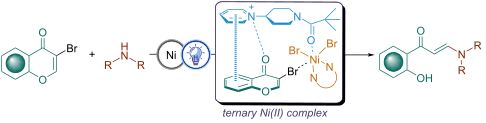
- enaminones. This transformation is simple, straightforward, and proceeds under mild conditions. Results and Discussion The initial challenge in achieving the desired reactivity was the activation of the unsaturated system towards the nucleophilic addition of the amine. The most common strategy to increase

Graphical Abstract

Figure 1: Examples of compounds with medicinal effects containing an enaminone structural moiety.

Scheme 1: Synthesis of enaminones.
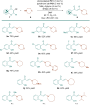
Scheme 2: Substrate scope.

Scheme 3: Scale-up synthesis of enaminone 9a.

Scheme 4: Mechanistic studies.

Scheme 5: Proposed mechanism.
Photoredox-catalyzed arylation of isonitriles by diaryliodonium salts towards benzamides
- Nadezhda M. Metalnikova,
- Nikita S. Antonkin,
- Tuan K. Nguyen,
- Natalia S. Soldatova,
- Alexander V. Nyuchev,
- Mikhail A. Kinzhalov and
- Pavel S. Postnikov
Beilstein J. Org. Chem. 2025, 21, 1480–1488, doi:10.3762/bjoc.21.110
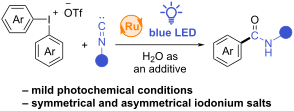
- diaryliodonium salts under photoredox conditions has been proposed for the first time. The suggested procedure allows preparing a broad range of benzamides using both symmetric and unsymmetric diaryliodonium salts under mild conditions. A plausible mechanism for the reaction and the selectivity of aryl transfer

Graphical Abstract

Scheme 1: Background and conception.

Scheme 2: Reaction scope of iodonium salts 1 and isonitriles. aReaction conditions: isonitrile (0.2 mmol), io...

Scheme 3: Selectivity experiments and scope of unsymmetrical iodoniums salts. aReaction conditions: 2-isocyan...

Scheme 4: Proposed reaction mechanism.
Copper catalysis: a constantly evolving field
- Elena Fernández and
- Jaesook Yun
Beilstein J. Org. Chem. 2025, 21, 1477–1479, doi:10.3762/bjoc.21.109
- , who focus on the preparation of phenethylamines and phenylisopropylamines via reduction of substituted β-nitrostyrenes using a system of sodium borohydride and copper(II) chloride [9]. The transformations are performed in one pot and proceed under mild conditions. The β-nitrostyrene products could be
Microwave-enhanced additive-free C–H amination of benzoxazoles catalysed by supported copper
- Andrei Paraschiv,
- Valentina Maruzzo,
- Filippo Pettazzi,
- Stefano Magliocco,
- Paolo Inaudi,
- Daria Brambilla,
- Gloria Berlier,
- Giancarlo Cravotto and
- Katia Martina
Beilstein J. Org. Chem. 2025, 21, 1462–1476, doi:10.3762/bjoc.21.108
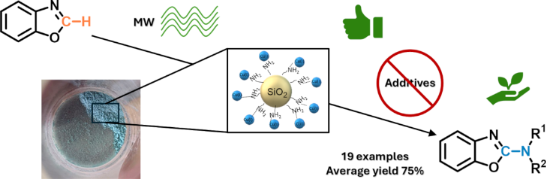
- to identify mild conditions for the Cu-catalysed aerobic C–H amination in absence of acid, base or co-catalyst additives. As described in Table 1, we explored the effects of different solvents and copper species, and preliminary reactions were conducted with Cu(II) salts, with reference to reaction

Graphical Abstract
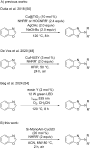
Scheme 1: Representative synthetic routes for the C–H amination of benzoxazole using supported copper catalys...

Figure 1: Reaction of benzimidazole with piperidine. a) Reaction scheme including intermaidates and b) conver...

Figure 2: Reaction rate comparison between conventional (oil bath) and MW heating. Reaction conditions: benzo...

Scheme 2: Graphical representation of Si-MonoAm-Cu(I) and Si-DiAm-Cu(I) preparation.

Figure 3: TGA profiles of SIPERNAT silica and Si-MonoAm and Si-DiAm.

Scheme 3: Scope of the MW-promoted C2-amination of benzoxazole catalysed by Si-MonoAm-Cu(I). Reaction conditi...

Scheme 4: C2-Amination of substituted benzoxazoles. Reaction conditions: benzoxazole (1.0 mmol), piperidine (...

Figure 4: Hot filtration test for the Si-MonoAm-Cu(I)-catalysed C2-amination of benzoxazole with piperidine i...

Figure 5: FTIR spectra of samples on the left 3800–2400 cm−1 wavenumber on the right 1750–1350 cm−1 wavenumbe...

Figure 6: Si-MonoAm-Cu(I) catalyst reuse.

Figure 7: FESEM images of sample a) Si-MonoAm-Cu(I) 5 wt % and c) Si-MonoAm-Cu(I) 5 wt % used.

Figure 8: EDS maps of a) Si-MonoAm-Cu(I) and b) Si-MonoAm-Cu(I) used.
Oxetanes: formation, reactivity and total syntheses of natural products
- Peter Gabko,
- Martin Kalník and
- Maroš Bella
Beilstein J. Org. Chem. 2025, 21, 1324–1373, doi:10.3762/bjoc.21.101
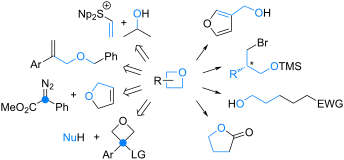
- , amides or esters and occurs under very mild conditions that are also suitable for a late-stage functionalisation of complex molecules. The transformation is based on an H-atom transfer to photochemically oxidised quinuclidine followed by an annulation of the resulting ketyl radical 32 with
- epoxide-opening cyclisation for the oxetane formation (Scheme 11b) [45]. The highest yield was obtained for the PhSH/I2 10:1 activator under unusually mild conditions – the authors believed it is due to the oxa-bridge which facilitates the Lewis acid coordination. In 2001, Rousseau and colleagues reported
- lead to another ring expansion producing tetrahydrofurans 108 [73]. In 2022, Zhu et al. employed this strategy in their synthesis of α,α-difluoro(arylthio)methyloxetanes 110 using an excess of the sulphoxonium ylide under very mild conditions (Scheme 27), most likely enabled by the high

Graphical Abstract

Figure 1: Bond lengths and bond angles in oxetane at 140 K [2].

Figure 2: Analogy of 3-substituted oxetanes to carbonyl and gem-dimethyl groups [12].

Figure 3: Use of oxetanes in drug design – selected examples.

Figure 4: Examples of oxetane-containing natural products.

Scheme 1: Synthetic strategies towards construction of the oxetane ring.

Scheme 2: Overview of intramolecular Williamson etherification and competing Grob fragmentation.

Scheme 3: Synthesis of spiro-oxetanes via 1,4-C–H insertion and Williamson etherification.

Scheme 4: Use of phenyl vinyl selenone in the synthesis of spirooxindole oxetanes.

Scheme 5: Synthesis of bicyclic 3,5-anhydrofuranoses via double epoxide opening/etherification.

Scheme 6: Preparation of spirooxetanes by cycloisomerisation via MHAT/RPC.

Scheme 7: Oxetane synthesis via alcohol C–H functionalisation.

Scheme 8: Access to oxetanes 38 from α-acetyloxy iodides.

Scheme 9: The kilogram-scale synthesis of oxetane intermediate 41.

Scheme 10: Overview of the intramolecular opening of 3-membered rings.

Scheme 11: Synthesis of 4,7-dioxatricyclo[3.2.1.03,6]octane skeletons.

Scheme 12: Silicon-directed electrophilic cyclisation of homoallylic alcohols.

Scheme 13: Hydrosilylation–iodocyclisation of homopropargylic alcohols.

Scheme 14: Cu-catalysed intramolecular O-vinylation of γ-bromohomoallylic alcohols.

Scheme 15: Cu-catalysed intramolecular cross-coupling of hydroxyvinylstannanes.

Scheme 16: Isomerisation of oxiranyl ethers containing weakly carbanion-stabilising groups.

Scheme 17: Cyclisation of diethyl haloalkoxymalonates.

Scheme 18: Synthesis of oxetanes through a 1,5-HAT/radical recombination sequence.

Scheme 19: General approach to oxetanes via [2 + 2] cycloadditions.

Scheme 20: Synthesis of tricyclic 4:4:4 oxetanes through a photochemical triple cascade reaction.

Scheme 21: Iridium-catalysed Paternò–Büchi reaction between α-ketoesters and simple alkenes.

Scheme 22: Three-step synthesis of spirocyclic oxetanes 83 via Paternò–Büchi reaction, nucleophilic ring openi...

Scheme 23: Enantioselective Paternò–Büchi reaction catalysed by a chiral iridium photocatalyst.

Scheme 24: Synthesis of polysubstituted oxetanes 92 via Cu(II)-mediated formal [2 + 2] cycloadditions.

Scheme 25: Synthesis of alkylideneoxetanes via NHC- and DBU-mediated formal [2 + 2] cycloadditions.

Scheme 26: Use of sulphur-stabilised carbanions in ring expansions.

Scheme 27: Synthesis of α,α-difluoro(arylthio)methyl oxetanes.

Scheme 28: Ring expansion in an industrial synthesis of PF-06878031.

Scheme 29: Ring contraction of triflated 2-hydroxy-γ-lactones.

Scheme 30: Ring contraction in an industrial synthesis of PF-06878031.

Scheme 31: Photochemical ring contraction of 2,5-dihydrofurans by aryldiazoacetic acid esters.

Scheme 32: Synthesis of 3-oxetanones via O-H insertion of carbenes.

Scheme 33: Synthesis of phosphonate oxetanones via gold-mediated alkyne oxidation/O–H insertion.

Scheme 34: Syntheses and common derivatisations of 3-oxetanone.

Scheme 35: SN1 substitution of 3-aryloxetan-3-ols by thiols and alcohols.

Scheme 36: Fe–Ni dual-catalytic olefin hydroarylation towards 3-alkyl-3-(hetero)aryloxetanes.

Scheme 37: Synthesis of 3-aryloxetan-3-carboxylic acids.

Scheme 38: Decarboxylative alkylation of 3-aryloxetan-3-carboxylic acids.

Scheme 39: Synthesis of 3-amino-3-aryloxetanes via photoredox/nickel cross-coupling catalysis.
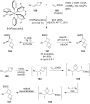
Scheme 40: Intermolecular cross-selective [2 + 2] photocycloaddition towards spirooxetanes.

Scheme 41: Synthesis of 3-aryl-3-aminooxetanes via defluorosulphonylative coupling.

Scheme 42: Two-step synthesis of amide bioisosteres via benzotriazolyl Mannich adducts 170.

Scheme 43: Functionalisation of oxetanyl trichloroacetimidates 172.

Scheme 44: Synthesis of oxetane-amino esters 176.

Scheme 45: Tandem Friedel–Crafts alkylation/intramolecular ring opening of 3-aryloxetan-3-ols.

Scheme 46: Synthesis of polysubstituted furans and pyrroles.

Scheme 47: Synthesis of oxazolines and bisoxazolines.

Scheme 48: Tandem, one-pot syntheses of various polycyclic heterocycles.

Scheme 49: Synthesis of 1,2-dihydroquinolines via skeletal reorganisation of oxetanes.

Scheme 50: Synthesis of benzoindolines and 2,3-dihydrobenzofurans and their derivatisations.

Scheme 51: Synthesis of polysubstituted 1,4-dioxanes.

Scheme 52: Preparation of various lactones via ring opening of oxetane-carboxylic acids 219.

Scheme 53: Tsuji-Trost allylation/ring opening of 3-aminooxetanes.

Scheme 54: Arylative skeletal rearrangement of 3-vinyloxetan-3-ols to 2,5-dihydrofurans.

Scheme 55: Reductive opening of oxetanes using catalytic Mg–H species.

Scheme 56: Opening of oxetanes by silyl ketene acetals.

Scheme 57: Rhodium-catalysed hydroacylation of oxetanes.

Scheme 58: Generation of radicals from oxetanes mediated by a vitamin B12-derived cobalt catalyst.

Scheme 59: Reductive opening of oxetanes by B–Si frustrated Lewis pairs.
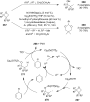
Scheme 60: Zirconocene-mediated reductive opening of oxetanes.

Scheme 61: Enantioselective syntheses of small and medium-size rings using chiral phosphoric acids.

Scheme 62: Asymmetric synthesis of 2,3-dihydrobenzo[b]oxepines catalysed by a chiral scandium complex.

Scheme 63: Enantioselective synthesis of 1,3-bromohydrins under a chiral squaramide catalysis.

Scheme 64: Enantioselective opening of 2-aryl-2-ethynyloxetanes by anilines.

Scheme 65: Ru-catalysed insertion of diazocarbonyls into oxetanes.

Scheme 66: Ring expansion of oxetanes by stabilised carbenes generated under blue light irradiation.

Scheme 67: Expansion of oxetanes via nickel-catalysed insertion of alkynyltrifluoroborates.

Scheme 68: Nickel-catalysed expansion of oxetanes into ε-caprolactones.

Scheme 69: Expansion of oxetanes via cobalt-catalysed carbonyl insertion.

Scheme 70: Gold-catalysed intramolecular 1,1-carboalkoxylation of oxetane-ynamides.

Scheme 71: Expansion of oxetanes by stabilised sulphoxonium ylides.

Scheme 72: Cu-catalysed ring expansion of 2-vinyloxetanes by diazoesters.

Scheme 73: Total synthesis of (+)-oxetin.

Scheme 74: Total synthesis of racemic oxetanocin A.

Scheme 75: Total synthesis of (−)-merrilactone A.
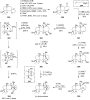
Scheme 76: Total synthesis of (+)-dictyoxetane.

Scheme 77: Total synthesis of ent-dichrocephone B.

Scheme 78: Total synthesis of (−)-mitrephorone A.
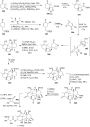
Scheme 79: Total synthesis of (−)-taxol.
Recent advances in oxidative radical difunctionalization of N-arylacrylamides enabled by carbon radical reagents
- Jiangfei Chen,
- Yi-Lin Qu,
- Ming Yuan,
- Xiang-Mei Wu,
- Heng-Pei Jiang,
- Ying Fu and
- Shengrong Guo
Beilstein J. Org. Chem. 2025, 21, 1207–1271, doi:10.3762/bjoc.21.98
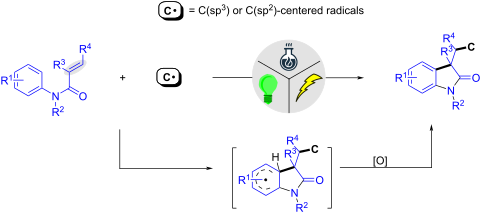
- quinolinone products. Beyond electrochemical protocols, photochemical activation – particularly visible-light photoredox catalysis – has become a powerful and sustainable strategy for generating carbon radicals under mild conditions. In 2023, Fan’s group discovered a radical cyclization of N-arylacrylamides
- mild conditions, utilizing blue LED light (440–450 nm) as the light source, and achieved good yields ranging from 44% to 99%. The substrate scope was thoroughly explored, demonstrating broad compatibility with various functional groups. Both electron-donating (e.g., methyl, isopropyl, tert-butyl) (78a
- cascade cyclization reaction for synthesizing perfluorinated oxindoles via an AIBN-mediated process was introduced. The reaction utilized N-arylacrylamides and commercially available perfluoroalkyl iodides as substrates, achieving high yields of products 80 under mild conditions (Scheme 41) [25]. The

Graphical Abstract

Scheme 1: DTBP-mediated oxidative alkylarylation of activated alkenes.

Scheme 2: Iron-catalyzed oxidative 1,2-alkylarylation.

Scheme 3: Possible mechanism for the iron-catalyzed oxidative 1,2-alkylation of activated alkenes.

Scheme 4: A metal-free strategy for synthesizing 3,3-disubstituted oxindoles.

Scheme 5: Iminoxyl radical-promoted cascade oxyalkylation/alkylarylation of alkenes.

Scheme 6: Proposed mechanism for the iminoxyl radical-promoted cascade oxyalkylation/alkylarylation of alkene...

Scheme 7: Bicyclization of 1,n-enynes with alkyl nitriles.

Scheme 8: Possible reaction mechanism for the bicyclization of 1,n-enynes with alkyl nitriles.

Scheme 9: Radical cyclization of N-arylacrylamides with isocyanides.

Scheme 10: Plausible mechanism for the radical cyclization of N-arylacrylamides with isocyanides.

Scheme 11: Electrochemical dehydrogenative cyclization of 1,3-dicarbonyl compounds.

Scheme 12: Plausible mechanism for the dehydrogenative cyclization of 1,3-dicarbonyl compounds.

Scheme 13: Photocatalyzed cyclization of N-arylacrylamide and N,N-dimethylaniline.

Scheme 14: Proposed mechanism for the photocatalyzed cyclization of N-arylacrylamides and N,N-dimethylanilines....

Scheme 15: Electrochemical monofluoroalkylation cyclization of N-arylacrylamides with dimethyl 2-fluoromalonat...
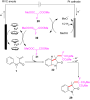
Scheme 16: Proposed mechanism for the electrochemical radical cyclization of N-arylacrylamides with dimethyl 2...

Scheme 17: Photoelectrocatalytic carbocyclization of unactivated alkenes using simple malonates.

Scheme 18: Plausible mechanism for the photoelectrocatalytic carbocyclization of unactivated alkenes with simp...

Scheme 19: Bromide-catalyzed electrochemical trifluoromethylation/cyclization of N-arylacrylamides.

Scheme 20: Proposed mechanism for the electrochemical trifluoromethylation/cyclization of N-arylacrylamides.

Scheme 21: Visible light-mediated trifluoromethylarylation of N-arylacrylamides.

Scheme 22: Plausible reaction mechanism for the visible light-mediated trifluoromethylarylation of N-arylacryl...

Scheme 23: Electrochemical difluoroethylation cyclization of N-arylacrylamides with sodium difluoroethylsulfin...

Scheme 24: Electrochemical difluoroethylation cyclization of N-methyacryloyl-N-alkylbenzamides with sodium dif...

Scheme 25: Photoredox-catalyzed radical aryldifluoromethylation of N-arylacrylamides with S-(difluoromethyl)su...

Scheme 26: Proposed mechanism for the photoredox-catalyzed radical aryldifluoromethylation of N-arylacrylamide...

Scheme 27: Visible-light-induced domino difluoroalkylation/cyclization of N-cyanamide alkenes.

Scheme 28: Proposed mechanism of photoredox-catalyzed radical domino difluoroalkylation/cyclization of N-cyana...

Scheme 29: Palladium-catalyzed oxidative difunctionalization of alkenes.

Scheme 30: Two possible mechanisms of palladium-catalyzed oxidative difunctionalization.

Scheme 31: Silver-catalyzed oxidative 1,2-alkyletherification of unactivated alkenes with α-bromoalkylcarbonyl...

Scheme 32: Photochemical radical cascade cyclization of dienes.

Scheme 33: Proposed mechanism for the photochemical radical cascade 6-endo cyclization of dienes with α-carbon...

Scheme 34: Photocatalyzed radical coupling/cyclization of N-arylacrylamides and.

Scheme 35: Photocatalyzed radical-type couplings/cyclization of N-arylacrylamides with sulfoxonium ylides.

Scheme 36: Possible mechanism of visible-light-induced radical-type couplings/cyclization of N-arylacrylamides...
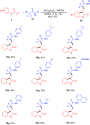
Scheme 37: Visible-light-promoted difluoroalkylated oxindoles systhesis via EDA complexes.

Scheme 38: Possible mechanism for the visible-light-promoted radical cyclization of N-arylacrylamides with bro...

Scheme 39: A dicumyl peroxide-initiated radical cascade reaction of N-arylacrylamide with DCM.

Scheme 40: Possible mechanism of radical cyclization of N-arylacrylamides with DCM.

Scheme 41: An AIBN-mediated radical cascade reaction of N-arylacrylamides with perfluoroalkyl iodides.

Scheme 42: Possible mechanism for the reaction with perfluoroalkyl iodides.

Scheme 43: Photoinduced palladium-catalyzed radical annulation of N-arylacrylamides with alkyl halides.

Scheme 44: Radical alkylation/cyclization of N-Alkyl-N-methacryloylbenzamides with alkyl halides.

Scheme 45: Possible mechanism for the alkylation/cyclization with unactivated alkyl chlorides.
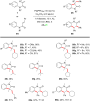
Scheme 46: Visible-light-driven palladium-catalyzed radical cascade cyclization of N-arylacrylamides with unac...

Scheme 47: NHC-catalyzed radical cascade cyclization of N-arylacrylamides with alkyl bromides.

Scheme 48: Possible mechanism of NHC-catalyzed radical cascade cyclization.

Scheme 49: Electrochemically mediated radical cyclization reaction of N-arylacrylamides with freon-type methan...

Scheme 50: Proposed mechanistic pathway of electrochemically induced radical cyclization reaction.

Scheme 51: Redox-neutral photoinduced radical cascade cylization of N-arylacrylamides with unactivated alkyl c...
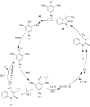
Scheme 52: Proposed mechanistic hypothesis of redox-neutral radical cascade cyclization.

Scheme 53: Thiol-mediated photochemical radical cascade cylization of N-arylacrylamides with aryl halides.

Scheme 54: Proposed possible mechanism of thiol-mediated photochemical radical cascade cyclization.

Scheme 55: Visible-light-induced radical cascade bromocyclization of N-arylacrylamides with NBS.

Scheme 56: Possible mechanism of visible-light-induced radical cascade cyclization.

Scheme 57: Decarboxylation/radical C–H functionalization by visible-light photoredox catalysis.

Scheme 58: Plausible mechanism of visible-light photoredox-catalyzed radical cascade cyclization.

Scheme 59: Visible-light-promoted tandem radical cyclization of N-arylacrylamides with N-(acyloxy)phthalimides....

Scheme 60: Plausible mechanism for the tandem radical cyclization reaction.

Scheme 61: Visible-light-induced aerobic radical cascade alkylation/cyclization of N-arylacrylamides with alde...

Scheme 62: Plausible mechanism for the aerobic radical alkylarylation of electron-deficient amides.

Scheme 63: Oxidative decarbonylative [3 + 2]/[5 + 2] annulation of N-arylacrylamide with vinyl acids.

Scheme 64: Plausible mechanism for the decarboxylative (3 + 2)/(5 + 2) annulation between N-arylacrylamides an...

Scheme 65: Rhenium-catalyzed alkylarylation of alkenes with PhI(O2CR)2.

Scheme 66: Plausible mechanism for the rhenium-catalyzed decarboxylative annulation of N-arylacrylamides with ...

Scheme 67: Visible-light-induced one-pot tandem reaction of N-arylacrylamides.

Scheme 68: Plausible mechanism for the visible-light-initiated tandem synthesis of difluoromethylated oxindole...

Scheme 69: Copper-catalyzed redox-neutral cyanoalkylarylation of activated alkenes with cyclobutanone oxime es...

Scheme 70: Plausible mechanism for the copper-catalyzed cyanoalkylarylation of activated alkenes.

Scheme 71: Photoinduced alkyl/aryl radical cascade for the synthesis of quaternary CF3-attached oxindoles.

Scheme 72: Plausible photoinduced electron-transfer (PET) mechanism.

Scheme 73: Photoinduced cerium-mediated decarboxylative alkylation cascade cyclization.

Scheme 74: Plausible reaction mechanism for the decarboxylative radical-cascade alkylation/cyclization.

Scheme 75: Metal-free oxidative tandem coupling of activated alkenes.

Scheme 76: Control experiments and possible mechanism for 1,2-carbonylarylation of alkenes with carbonyl C(sp2...

Scheme 77: Silver-catalyzed acyl-arylation of activated alkenes with α-oxocarboxylic acids.

Scheme 78: Proposed mechanism for the decarboxylative acylarylation of acrylamides.

Scheme 79: Visible-light-mediated tandem acylarylation of olefines with carboxylic acids.

Scheme 80: Proposed mechanism for the radical cascade cyclization with acyl radical via visible-light photored...

Scheme 81: Erythrosine B-catalyzed visible-light photoredox arylation-cyclization of N-arylacrylamides with ar...

Scheme 82: Electrochemical cobalt-catalyzed radical cyclization of N-arylacrylamides with arylhydrazines or po...

Scheme 83: Proposed mechanism of radical cascade cyclization via electrochemical cobalt catalysis.

Scheme 84: Copper-catalyzed oxidative tandem carbamoylation/cyclization of N-arylacrylamides with hydrazinecar...

Scheme 85: Proposed reaction mechanism for the radical cascade cyclization by copper catalysis.

Scheme 86: Visible-light-driven radical cascade cyclization reaction of N-arylacrylamides with α-keto acids.

Scheme 87: Proposed mechanism of visible-light-driven cascade cyclization reaction.

Scheme 88: Peroxide-induced radical carbonylation of N-(2-methylallyl)benzamides with methyl formate.

Scheme 89: Proposed cyclization mechanism of peroxide-induced radical carbonylation with N-(2-methylallyl)benz...

Scheme 90: Persulfate promoted carbamoylation of N-arylacrylamides and N-arylcinnamamides.

Scheme 91: Proposed mechanism for the persulfate promoted radical cascade cyclization reaction of N-arylacryla...
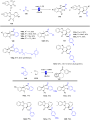
Scheme 92: Photocatalyzed carboacylation with N-arylpropiolamides/N-alkyl acrylamides.

Scheme 93: Plausible mechanism for the photoinduced carboacylation of N-arylpropiolamides/N-alkyl acrylamides.

Scheme 94: Electrochemical Fe-catalyzed radical cyclization with N-arylacrylamides.

Scheme 95: Plausible mechanism for the electrochemical Fe-catalysed radical cyclization of N-phenylacrylamide.

Scheme 96: Substrate scope of the selective functionalization of various α-ketoalkylsilyl peroxides with metha...

Scheme 97: Proposed reaction mechanism for the Fe-catalyzed reaction of alkylsilyl peroxides with methacrylami...

Scheme 98: EDA-complex mediated C(sp2)–C(sp3) cross-coupling of TTs and N-methyl-N-phenylmethacrylamides.

Scheme 99: Proposed mechanism for the synthesis of oxindoles via EDA complex.
Recent total synthesis of natural products leveraging a strategy of enamide cyclization
- Chun-Yu Mi,
- Jia-Yuan Zhai and
- Xiao-Ming Zhang
Beilstein J. Org. Chem. 2025, 21, 999–1009, doi:10.3762/bjoc.21.81
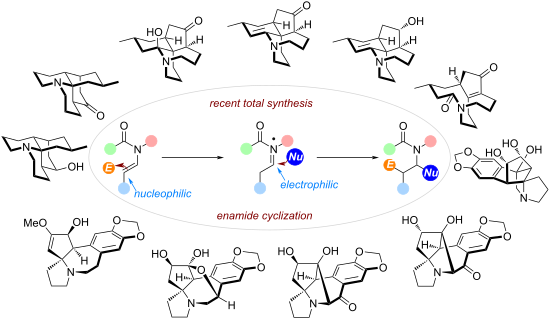
- a regioselective manner. From tetracyclic compound 11, a one-pot facial and regioselective hydroboration/amide reduction followed by oxidation produced (+)-lycoposerramine Q, which was then converted to (+)-fawcettidine by Ley oxidation. Alternatively, hydroboration of 11 in mild conditions without

Graphical Abstract

Figure 1: Reactivity of enamides and enamide cyclizations.

Scheme 1: Total synthesis of (−)-dihydrolycopodine and (−)-lycopodine.
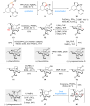
Scheme 2: Collective total synthesis of fawcettimine-type alkaloids.

Scheme 3: Total syntheses of cephalotaxine and cephalezomine H.

Scheme 4: Collective total syntheses of Cephalotaxus alkaloids.

Scheme 5: Asymmetric tandem cyclization/Pictet–Spengler reaction of tertiary enamides.

Scheme 6: Tandem cyclization/Pictet–Spengler reaction for the synthesis of chiral tetracyclic compounds.

Scheme 7: Total synthesis of (−)-cephalocyclidin A.
Studies on the syntheses of β-carboline alkaloids brevicarine and brevicolline
- Benedek Batizi,
- Patrik Pollák,
- András Dancsó,
- Péter Keglevich,
- Gyula Simig,
- Balázs Volk and
- Mátyás Milen
Beilstein J. Org. Chem. 2025, 21, 955–963, doi:10.3762/bjoc.21.79

- ester 29 gave pyrrolo-β-carboline 30 in excellent yield (Scheme 7). Our attempts for the selective saturation of the pyrrole ring of 30 by catalytic reduction were unsuccessful. When the hydrogenation was carried out under mild conditions (ambient temperature, 15 bar H2) in the presence of PtO2.H2O

Graphical Abstract

Figure 1: The structure of brevicolline ((S)-1) and brevicarine (2).

Scheme 1: Synthesis of racemic brevicolline ((±)-1) starting from 1-methyl-9H-β-carbolin-4-yl trifluoromethan...

Scheme 2: Synthesis of brevicarine (2) from brevicolline ((S)-1).

Scheme 3: First total synthesis of brevicarine (2).

Scheme 4: Multistep synthesis of brevicarine (2) starting from nitrovinylindole 19.

Scheme 5: New synthesis variants for the preparation of brevicarine alkaloid (2) and its synthetic derivative ...

Scheme 6: Preparation of carbamate 28 and subsequent reduction with LiAlH4.

Scheme 7: Experiments for the synthesis of racemic brevicolline ((±)-1), and formation of unexpected products....
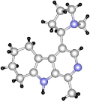
Figure 2: X-ray structure of compound 31.
Silver(I) triflate-catalyzed post-Ugi synthesis of pyrazolodiazepines
- Muhammad Hasan,
- Anatoly A. Peshkov,
- Syed Anis Ali Shah,
- Andrey Belyaev,
- Chang-Keun Lim,
- Shunyi Wang and
- Vsevolod A. Peshkov
Beilstein J. Org. Chem. 2025, 21, 915–925, doi:10.3762/bjoc.21.74
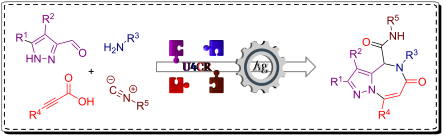
- ) triflate-catalyzed post-Ugi assembly of novel pyrazolo[1,5-a][1,4]diazepine scaffolds is reported offering high yields (up to 98%) under mild conditions. The synthetic sequence involves the Ugi four-component reaction (U4CR) of pyrazole-3-carbaldehydes, primary amines, 3-substituted propiolic acids, and

Graphical Abstract

Figure 1: Representative diazepine-fused heterocycles.

Scheme 1: Post-Ugi synthesis of benzodiazepines and heteroaryl-fused diazepines.

Scheme 2: Synthesis of pyrazole-tethered propargylamides 15 via U4CR. Conditions: Unless otherwise specified,...
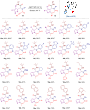
Scheme 3: Scope of the silver(I) triflate-catalyzed synthesis of pyrazolo[1,5-a][1,4]diazepines. Conditions: ...

Scheme 4: Telescope procedure for the synthesis of 16a.

Scheme 5: Tentative mechanism for the silver-catalyzed heteroannulation.

Scheme 6: Reductive post-assembly modifications of the pyrazolo[1,5-a][1,4]diazepine core. aDetermined by 1H ...
Recent advances in controllable/divergent synthesis
- Jilei Cao,
- Leiyang Bai and
- Xuefeng Jiang
Beilstein J. Org. Chem. 2025, 21, 890–914, doi:10.3762/bjoc.21.73

- reaction pathways, selectivity, and catalytic efficiency. By exploiting dynamic acid–base equilibria or stimuli-responsive systems, chemists can manipulate substrate activation, stabilize reactive intermediates, and orchestrate complex multistep transformations under mild conditions [47]. In 2016, Lu's

Graphical Abstract

Scheme 1: Ligand-controlled regiodivergent C1 insertion into arynes [19].

Scheme 2: Ligand effect in homogenous gold catalysis enabling regiodivergent π-bond-activated cyclization [20].

Scheme 3: Ligand-controlled palladium(II)-catalyzed regiodivergent carbonylation of alkynes [21].
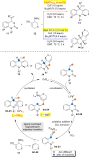
Scheme 4: Catalyst-controlled annulations of strained cyclic allenes with π-allyl palladium complexes and pro...

Scheme 5: Ring expansion of benzosilacyclobutenes with alkynes [23].

Scheme 6: Photoinduced regiodivergent and enantioselective cross-coupling [24].

Scheme 7: Catalyst-controlled regiodivergent and enantioselective formal hydroamination of N,N-disubstituted ...

Scheme 8: Catalyst-tuned regio- and enantioselective C(sp3)–C(sp3) coupling [31].

Scheme 9: Catalyst-controlled annulations of bicyclo[1.1.0]butanes with vinyl azides [32].

Scheme 10: Solvent-driven reversible macrocycle-to-macrocycle interconversion [39].

Scheme 11: Unexpected solvent-dependent reactivity of cyclic diazo imides and mechanism [40].

Scheme 12: Palladium-catalyzed annulation of prochiral N-arylphosphonamides with aromatic iodides [41].

Scheme 13: Time-dependent enantiodivergent synthesis [42].

Scheme 14: Time-controlled palladium-catalyzed divergent synthesis of silacycles via C–H activation [43].

Scheme 15: Proposed mechanism for the time-controlled palladium-catalyzed divergent synthesis of silacycles [43].

Scheme 16: Metal-free temperature-controlled regiodivergent borylative cyclizations of enynes [45].

Scheme 17: Nickel-catalyzed switchable site-selective alkene hydroalkylation by temperature regulation [46].

Scheme 18: Copper-catalyzed decarboxylative amination/hydroamination sequence [48].

Scheme 19: Proposed mechanism of copper-catalyzed decarboxylative amination/hydroamination sequence [48].

Scheme 20: Enantioselective chemodivergent three-component radical tandem reactions [49].

Scheme 21: Substrate-controlled synthesis of indoles and 3H-indoles [52].

Scheme 22: Controlled mono- and double methylene insertions into nitrogen–boron bonds [53].

Scheme 23: Copper-catalyzed substrate-controlled carbonylative synthesis of α-keto amides and amides [54].

Scheme 24: Divergent sulfur(VI) fluoride exchange linkage of sulfonimidoyl fluorides and alkynes [55].

Scheme 25: Modular and divergent syntheses of protoberberine and protonitidine alkaloids [56].
Light-enabled intramolecular [2 + 2] cycloaddition via photoactivation of simple alkenylboronic esters
- Lewis McGhie,
- Hannah M. Kortman,
- Jenna Rumpf,
- Peter H. Seeberger and
- John J. Molloy
Beilstein J. Org. Chem. 2025, 21, 854–863, doi:10.3762/bjoc.21.69
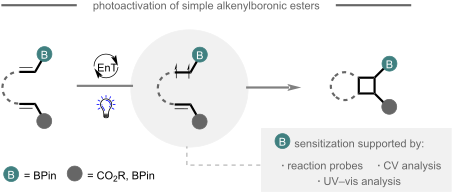
- strategies for cyclobutyl scaffolds [53][54][55], products 6 and 7 could be synthesized via mild conditions [68]. Inspired by recent advances by Nolan and co-workers demonstrating the synthetic power of gold catalysts in EnT catalysis [31][69][70][71][72], we probed the reactivity of [Au(SIPr)(Cbz)] in our

Graphical Abstract
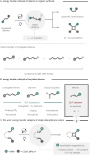
Figure 1: A) Energy transfer catalysis of alkenes in organic synthesis. B) Energy transfer catalysis of conju...
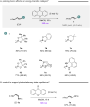
Figure 2: Probing boron effects on reactivity (A) and confirming the generation of a photostationary state eq...

Figure 3: Probing EnT catalysis enabled [2 + 2] cycloaddition of simple alkenylboronic esters.
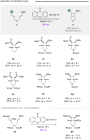
Scheme 1: Establishing the substrate scope. Conditions: 3 (1 equiv), xanthone (20 mol %), MeCN (0.03 M), unde...

Scheme 2: A) Product derivatization and B) transition-metal EnT catalysis. Reaction conditions A): 4d (1 equi...
Chitosan-supported CuI-catalyzed cascade reaction of 2-halobenzoic acids and amidines for the synthesis of quinazolinones
- Xuhong Zhao,
- Weishuang Li,
- Mengli Yang,
- Bojie Li,
- Yaoyao Zhang,
- Lizhen Huang and
- Lei Zhu
Beilstein J. Org. Chem. 2025, 21, 839–844, doi:10.3762/bjoc.21.67
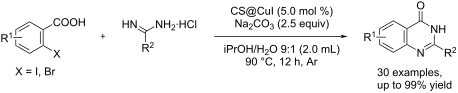
- catalytic efficiency (up to 99% yield). Keywords: chitosan-supported CuI catalyst; cyclization reaction; mild conditions; quinazolinone; Introduction Quinazolinones are not only a key core of nitrogen-containing benzo heterocyclic compounds found in many natural products and bioactive molecules [1][2][3

Graphical Abstract

Scheme 1: Copper-catalyzed cascade reaction of 2-halobenzoic acids and amidines for the synthesis of quinazol...

Scheme 2: Substrate scope. Reaction conditions: 1 (0.5 mmol, 1.0 equiv), amidines hydrochloride 2 (0.75 mmol,...

Scheme 3: Proposed mechanism for the CS@CuI-catalyzed synthesis of quinazolinones.

Scheme 4: Scaling-up experiment (a) and recyclability of CS@CuI (b).
Regioselective formal hydrocyanation of allenes: synthesis of β,γ-unsaturated nitriles with α-all-carbon quaternary centers
- Seeun Lim,
- Teresa Kim and
- Yunmi Lee
Beilstein J. Org. Chem. 2025, 21, 800–806, doi:10.3762/bjoc.21.63
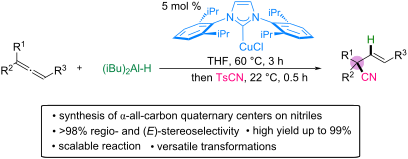
- by the regio- and stereoselective allylation with p-toluenesulfonyl cyanide. The proposed methodology is efficient for accessing acyclic β,γ-unsaturated nitriles with α-all-carbon quaternary centers and achieves yields up to 99% and excellent regio- and E-selectivity. The reaction proceeds under mild
- conditions and shows broad applicability to di- and trisubstituted allenes. Its practicality is demonstrated through the gram-scale synthesis and functional group transformations of amines, amides, and lactams, emphasizing its versatility and synthetic significance. Keywords: α-quaternary nitrile; Cu

Graphical Abstract

Scheme 1: Synthesis of acyclic nitrile-substituted quaternary carbon centers from allenes.

Scheme 2: Hydrocyanation of allene 1a with tosyl cyanide.
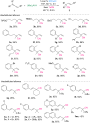
Scheme 3: Hydrocyanation with various di- or trisubstituted allenes. Reaction conditions: allene 1 (0.3 mmol)...

Scheme 4: Hydrocyanation with various monosubstituted allenes. Reaction conditions: allene 4 (0.3 mmol), (iBu)...

Scheme 5: Gram scale reaction.

Scheme 6: Synthetic applications.

Scheme 7: Proposed mechanism.
Development and mechanistic studies of calcium–BINOL phosphate-catalyzed hydrocyanation of hydrazones
- Carola Tortora,
- Christian A. Fischer,
- Sascha Kohlbauer,
- Alexandru Zamfir,
- Gerd M. Ballmann,
- Jürgen Pahl,
- Sjoerd Harder and
- Svetlana B. Tsogoeva
Beilstein J. Org. Chem. 2025, 21, 755–765, doi:10.3762/bjoc.21.59
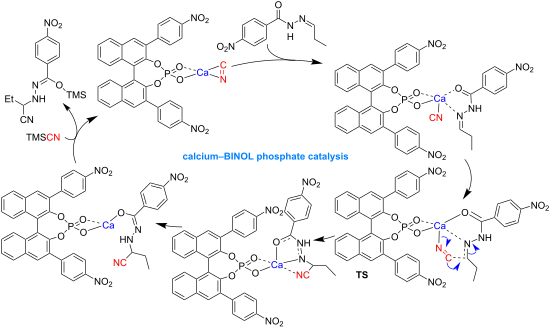
- rearrangement under mild conditions [6], and the Nazarov-type electrocyclization of alkenyl aryl carbinols [7]. Exploiting the ease with which calcium forms hydrides, hydrogenation of aldimines, transfer hydrogenation of alkenes, and even deuteration of benzene by an SNAr mechanism, have been recently achieved

Graphical Abstract

Figure 1: Crystal structure of the calcium diphenyl phosphate complex 4. Hydrogen atoms are omitted for clari...

Scheme 1: Synthesis of the calcium diphenyl phosphate model complex 4 from phosphoric acid 3 and Ca(OiPr)2.

Figure 2: (A) Proposed catalytic cycle for the hydrocyanation of hydrazones with the Ca–BINOL phosphate catal...

Figure 3: Reaction energy profile for the hydrocyanation of Z-hydrazone 1, (depicted is the pathway that give...

Figure 4: Transition-state structure TS 8 for internal rotation, mixing conformational (Z/E)-pathways with op...

Figure 5: Replacement step after internal rotation in 11 via TS8 and reaction with TMSCN to give adduct 13 (s...
Copper-catalyzed domino cyclization of anilines and cyclobutanone oxime: a scalable and versatile route to spirotetrahydroquinoline derivatives
- Qingqing Jiang,
- Xinyi Lei,
- Pan Gao and
- Yu Yuan
Beilstein J. Org. Chem. 2025, 21, 749–754, doi:10.3762/bjoc.21.58
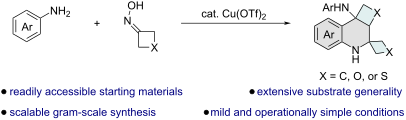
- conditions were optimized for the effective formation of tetrahydroquinoline derivatives with varying substituents, showing high yields under mild conditions. Mechanistic studies suggest a catalytic cycle involving nucleophilic attack by the aniline on the cyclobutanone oxime, followed by cyclization to form
- -catalyzed method for the synthesis of spirotetrahydroquinoline (STHQ) derivatives via the reaction of anilines with cyclobutanone oxime. This protocol offers a straightforward approach to constructing structurally diverse STHQ scaffolds under mild conditions, with broad substrate scope and high functional

Graphical Abstract

Scheme 1: Synthetic strategies for the construction of spirotetrahydroquinoline (STHQ) scaffolds.

Scheme 2: Substrate scope. General reaction conditions: aniline 1 (0.2 mmol), 2 (0.4 mmol), and Cu(TFA)2 (0.0...

Scheme 3: Scale-up reaction.a

Scheme 4: Proposed mechanism.
Recent advances in allylation of chiral secondary alkylcopper species
- Minjae Kim,
- Gwanggyun Kim,
- Doyoon Kim,
- Jun Hee Lee and
- Seung Hwan Cho
Beilstein J. Org. Chem. 2025, 21, 639–658, doi:10.3762/bjoc.21.51
- investigation into whether such moderate activation strategies could facilitate copper-mediated coupling reactions of sterically demanding alkylboronic esters under mild conditions. After thorough reaction optimization, t-BuLi emerged as the superior activating agent, outperforming other organolithium compounds
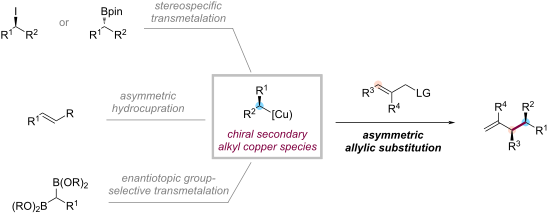
- allylic substitution reactions Among the various approaches in copper-catalyzed asymmetric allylic substitution, copper hydride (CuH) catalysis has received significant attention due to its unique ability to generate configurationally well-defined chiral organocopper species 28 under mild conditions
- -substituted terminal alkynes 42, including the industrially relevant acetylene and propyne. Interestingly, switching to the ligand (S,S)-Ph-BPE (L1) resulted in the asymmetric 1,2-difunctionalization of aryl-substituted terminal alkynes 42. The high levels of regio- and stereoselectivity achieved under mild

Graphical Abstract

Scheme 1: Representative transition-metal catalysis for allylic substitution.

Scheme 2: Formation of stereogenic centers in copper-catalyzed allylic alkylation reactions.

Scheme 3: Copper-mediated, stereospecific SN2-selective allylic substitution through retentive transmetalatio...

Scheme 4: ZnCl2-promoted stereospecific SN2' allylic substitution of secondary alkylcopper species via sequen...

Scheme 5: Temperature and time-dependent configurational stability of chiral secondary organocopper species.

Scheme 6: DFT analysis of B–C bond lengths in various boronate complexes and correlation with reactivity.

Scheme 7: Copper-catalyzed stereospecific allylic alkylation of secondary alkylboronic esters via tert-butyll...

Scheme 8: Copper-catalyzed stereospecific allylic alkylation of chiral tertiary alkylboronic esters via adama...

Scheme 9: DFT-calculated energy surface for boron-to-copper transmetalation of either the tert-butyl group or...

Scheme 10: CuH-catalyzed enantioselective allylic substitution and postulated catalytic cycle.

Scheme 11: CuH-catalyzed enantioselective allylic substitution of vinylarenes.

Scheme 12: CuH-catalyzed stereoselective allylic substitution of vinylboronic esters.

Scheme 13: (a) Generation of chiral copper species via enantioselective CuH addition to vinylBpin. (b) Regardi...

Scheme 14: CuH-catalyzed enantioselective allylic substitution of 1‐trifluoromethylalkenes with 18-crown-6.

Scheme 15: CuH-catalyzed enantioselective allylic substitution of terminal alkynes.

Scheme 16: Copper-catalyzed enantiotopic-group-selective allylic substitution of 1,1-diborylalkanes.
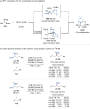
Scheme 17: (a) Computational and (b) experimental studies to elucidate the mechanistic details of the enantiot...

Scheme 18: Copper-catalyzed regio-, diastereo- and enantioselective allylic substitution of 1,1-diborylalkanes....

Scheme 19: (a) Experimental and (b) computational studies to understand the stereoselectivities in oxidative a...
Photocatalyzed elaboration of antibody-based bioconjugates
- Marine Le Stum,
- Eugénie Romero and
- Gary A. Molander
Beilstein J. Org. Chem. 2025, 21, 616–629, doi:10.3762/bjoc.21.49
- emerged as a transformative approach in the modification of proteins, enabling researchers to achieve selective and efficient conjugation under mild conditions [37]. By utilizing visible light and transition-metal catalysts, this technique allows the generation of reactive intermediates that can
- proteins and antibodies, enabling selective covalent bond formation and functionalization under mild conditions. However, its use in biomolecule modification comes with several specific features that require consideration. Some of these are detailed below. Photoaggregation: The possibility of photoinduced

Graphical Abstract

Figure 1: Representation of an antibody–drug conjugate. The antibody shown in this figure is from https://www...

Figure 2: a. Photoredox catalytic cycles; b. absorption spectrum of photosensitizers. Therapeutic window indi...

Figure 3: Graph representing the average number of publications focusing on photoredox chemistry applied to p...

Figure 4: Schematic procedure developed by Sato et al. on histidine photoinduced modification. The antibody s...

Figure 5: Schematic procedure of the divergent method developed by Sato et al. on histidine/tyrosine photoind...

Figure 6: Schematic procedure developed by Bräse et al. on photoinduced disulfide rebridging method.

Figure 7: Schematic procedure developed by Lang et al. on a photoinduced dual nickel photoredox-catalyzed app...

Figure 8: Schematic of the procedure developed by Chang et al. on photoinduced high affinity IgG Fc-binding s...

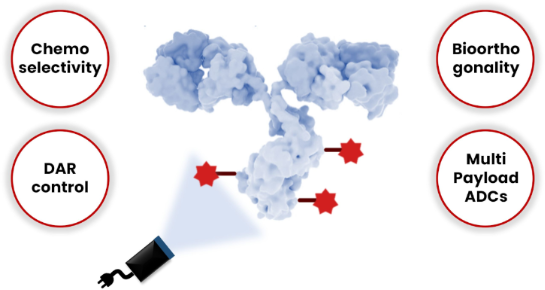
Figure 9: Potential advantages of photoredox chemistry for bioconjugation applied to antibodies. The antibody...

Figure 10: Representation of the photoinduced control of the DAR. The antibody shown in this figure is from ht...

Figure 11: Representation of a photoinduced control of multi-payloads ADC strategy. The antibody shown in this...
Formaldehyde surrogates in multicomponent reactions
- Cecilia I. Attorresi,
- Javier A. Ramírez and
- Bernhard Westermann
Beilstein J. Org. Chem. 2025, 21, 564–595, doi:10.3762/bjoc.21.45
- reaction [71]. Here, the reaction is carried out under mild conditions (CH2Cl2, 70 °C) without the need for catalysis or additional base for the activation of C–H and C–X bonds of the alkyne and dihalomethane compounds, respectively. However, this strategy has a limited scope in terms of the alkyne

Graphical Abstract

Scheme 1: Features of the ideal reaction (redrawn from P. A. Wender et al. [1]).

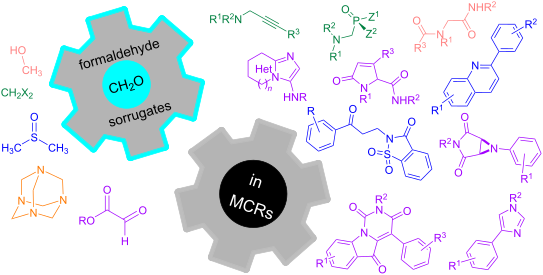
Scheme 2: Some of the most popular MCRs with formaldehyde as the carbonyl component.

Scheme 3: Ugi reaction under a catalyzed electro-oxidation process using TEMPO (2,2,6,6-tetramethyl-1-piperid...

Scheme 4: Examples of different products obtained by MCRs in which DMSO serves as -SCH3 source.

Scheme 5: Mechanism of the decomposition of DMSO under acidic or thermal conditions. a) In situ generation of...

Scheme 6: Povarov multicomponent reaction to quinolines.

Scheme 7: Example of the Povarov reaction with formaldehyde with a julolidine derivative as main product.

Scheme 8: Povarov multicomponent reaction to quinoline derivatives I and II using DMSO as formaldehyde surrog...

Scheme 9: Example of a Povarov three-component reaction with change of catalyst, yielding regioisomer III. In...

Scheme 10: The Povarov three-component reactions carried out under acidic catalysis to afford quinoline regios...

Scheme 11: Different MCR routes involving DMSO to synthesize complex heterocycles such as diarylpyridines and ...

Scheme 12: Pyrazole synthesis by a three-component reaction using DMSO as a source of a C-1 unit.

Scheme 13: Three-component reactions for the synthesis of aliphatic heterocycles 13 and 14 using DMSO as a for...

Scheme 14: Proposed mechanism for the 3CR between homoallylic amines, disulfides, and DMSO.

Scheme 15: Mannich-type reaction using DMSO as formaldehyde surrogate.

Scheme 16: Mechanism for the 3CR-Mannich-type reaction between aryl ketone 18, saccharine (19), and DMSO. The ...

Scheme 17: Mannich-type reaction using DMSO as formaldehyde surrogate and under oxidative activation.

Scheme 18: Three-component reaction between an indazole, a carboxylic acid, and DMSO.

Scheme 19: Amine–aldehyde–alkyne (AAA) coupling reaction and plausible mechanism.

Scheme 20: AHA coupling for the synthesis of propargylamines using dihalomethanes as C1 building blocks.

Scheme 21: AHA coupling using CH2Cl2 as both solvent and methylene source.

Scheme 22: Examples of propargylamines synthesized under catalytic AHA protocols.

Scheme 23: Proposed mechanism for the synthesis of propargylamines using dichloromethane as a C1 source.

Scheme 24: Mechanism proposed for the generation of the aminal intermediate E by Buckley et al. [68].

Scheme 25: Pudovic and Kabachnik–Fields reactions for the synthesis of α-aminophosphonates.

Scheme 26: a) Abramov side reaction that generates α-hydroxy phosphonate as a byproduct during the Kabachnik-F...

Scheme 27: Catalyst-free three component reaction to afford α-amino phosphorus product 35 using 1,1-dihaloalka...

Scheme 28: a) Proposed mechanism for the three-component reaction of dichloromethane, amine and phosphorus com...

Scheme 29: Ugi-ammonia strategy using HMTA as a formaldehyde surrogate.

Scheme 30: Glyoxylate and its derivatives as C1 building blocks.

Scheme 31: The Groebke–Blackburn–Bienaymé multicomponent reaction (GBB) and its mechanism.

Scheme 32: a) Byproducts in the GBB multicomponent reaction (GBB) when formaldehyde is used as the carbonyl co...

Scheme 33: Possible regioisomers in the GBB multicomponent reaction when formaldehyde is used as the carbonyl ...

Scheme 34: The multicomponent GBB reaction yields 2-unsubstituted 3-aminoimidazo heterocycles 42a using MP-gly...

Scheme 35: GBB multicomponent reaction to 2-unsubstituted 3-amino imidazo heterocycles 42a using glyoxylic aci...

Scheme 36: GBB reaction using glyoxylic acid immobilized on silica as formaldehyde surrogate.

Scheme 37: Bioactive products synthesized by the GBB reaction using glyoxylic acid.

Scheme 38: van Leusen three-component reaction to imidazoles.

Scheme 39: Side reaction during the synthesis of imidazoles with formaldehyde as the carbonyl compound.

Scheme 40: Optimization of the van Leusen three component reaction to 1,4-disubstituted imidazoles 43 using gl...

Scheme 41: Application of the Sisko strategy [96] for the synthesis of CB1 receptor antagonist compounds [97].

Scheme 42: Side reaction, when NH4OH is used as amine component.

Scheme 43: Ugi-type adducts with the ester moiety and the acidic CH to be used for post-cyclization sequences.

Scheme 44: Ugi/cycloisomerization process to pyrrolones 51, butenolides 52, and pyrroline 53.

Scheme 45: Radical cyclization reactions from Ugi adducts promoted by TEMPO.

Scheme 46: Hydrolysis and decarboxylation reactions to products with incorporation of a C1 unit of ethyl glyox...

Scheme 47: One-step synthetic route to pyrrolones 60 using phenylglyoxal.

Scheme 48: Ugi-pseudo-Knoevenagel-pseudo-Dieckmann cascade sequence for the synthesis of fused heterocycles.

Scheme 49: Ugi-pseudo-Knoevenagel reaction from ethyl glyoxylate.
Synthesis of N-acetyl diazocine derivatives via cross-coupling reaction
- Thomas Brandt,
- Pascal Lentes,
- Jeremy Rudtke,
- Michael Hösgen,
- Christian Näther and
- Rainer Herges
Beilstein J. Org. Chem. 2025, 21, 490–499, doi:10.3762/bjoc.21.36
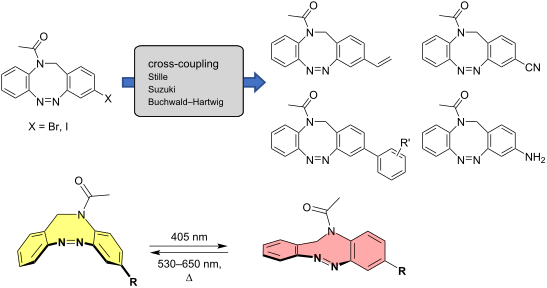
- cross-coupling reactions were performed by an organic halide reacting with an organotin compound. A great advantage of the used organostannanes is the easy accessibility, and their high air and moisture stability, so that usually a wide range of functional groups can be introduced under mild conditions
- -acetyl diazocine 22 under the conditions described by Hugenbusch et al. [37] showed no product formation and only starting material was isolated (Scheme 2). The palladium-catalyzed introduction of cyano groups under mild conditions in analogy to Iqbal et al. [38] gave the cyano-substituted N-acetyl

Graphical Abstract

Figure 1: a) Structural similarity of N-acetyl diazocine 1 with known 17βHSD3-inhibitor tetrahydrodibenzazoci...

Figure 2: The halogen-substituted N-acetyl diazocines 2–4 were used as the starting compounds for further der...

Scheme 1: Synthesis of amino-N-acetyl diazocine by deprotection of the carbamate.

Scheme 2: Reaction conditions for the attempted Ullmann-type reaction with sodium azide.

Scheme 3: Reaction conditions for the palladium-catalyzed introduction of a nitrile functionality.



