Search for "protonation" in Full Text gives 461 result(s) in Beilstein Journal of Organic Chemistry. Showing first 200.
Beilstein J. Org. Chem. 2025, 21, 877–883, doi:10.3762/bjoc.21.71
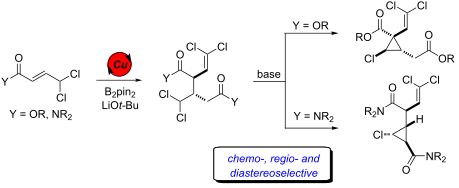
Graphical Abstract
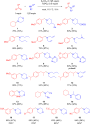
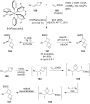
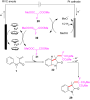
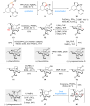
Scheme 1: Chemodivergent reactivity observed in copper-catalyzed borylative couplings of allylic gem-dichlori...
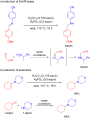
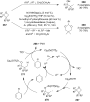
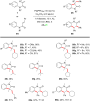
Scheme 2: Cu-Bpin-mediated dimerization of 4,4-dichoro-2-butenoic acid derivatives.
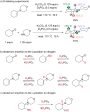
Scheme 3: Control experiments.
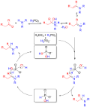
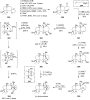
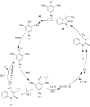
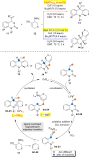
Scheme 4: Proposed mechanism for the Cu-catalyzed dimerization of 4,4-dichoro-2-butenoic acid derivatives.
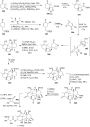
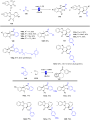
Scheme 5: a) KOt-Bu-mediated intramolecular cyclization of 9. b) Direct formation of cyclopropane 20 from gem...
Beilstein J. Org. Chem. 2025, 21, 817–829, doi:10.3762/bjoc.21.65
Graphical Abstract
Figure 1: Natural products and synthetic medicinal compounds containing a 2-pyrrolidinone subunit.
Scheme 1: Synthesis of 4-[1-(4-methoxybenzyl)amino]ethylidene-1,5-disubstituted pyrrolidine-2,3-diones 3a–e.
Scheme 2: Synthesis of 4-(1-methylamino)ethylidene-1,5-disubstituted pyrrolidine-2,3-diones 5a–e.
Scheme 3: Proposed mechanism for the reaction between 4-[1-(4-methoxybenzyl)amino]ethylidene-1,5-disubstitute...
Figure 2: The molecular structure of 5a, showing the atom-labelling scheme and displacement ellipsoids at the...
Figure 3: The bioavailability radar of studied compounds 5a–e.
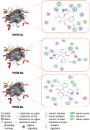
Figure 4: The interactions of potential drugs 5a–c in the active site of enzyme iNOS.
Figure 5: The interactions of potential drugs 5d and 5e and control drug (DEX) in the active site of enzyme i...
Beilstein J. Org. Chem. 2025, 21, 490–499, doi:10.3762/bjoc.21.36
Graphical Abstract
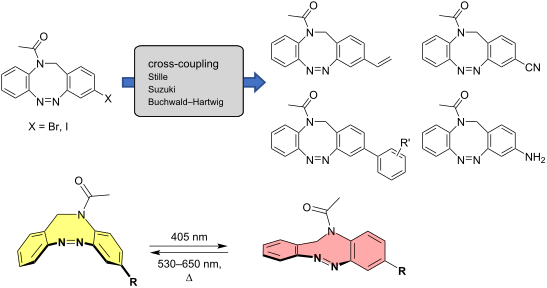
Figure 1: a) Structural similarity of N-acetyl diazocine 1 with known 17βHSD3-inhibitor tetrahydrodibenzazoci...
Figure 2: The halogen-substituted N-acetyl diazocines 2–4 were used as the starting compounds for further der...
Scheme 1: Synthesis of amino-N-acetyl diazocine by deprotection of the carbamate.
Scheme 2: Reaction conditions for the attempted Ullmann-type reaction with sodium azide.
Scheme 3: Reaction conditions for the palladium-catalyzed introduction of a nitrile functionality.
Beilstein J. Org. Chem. 2025, 21, 296–326, doi:10.3762/bjoc.21.22
Graphical Abstract
Figure 1: Influence of the metal center M (Fe, Ru, Os) on the position of the MLCT and MC (metal-centered) ab...
Scheme 1: Red-light-mediated ring-closing metathesis through activation of a ruthenium catalyst by an osmium ...
Scheme 2: Photocatalyzed polymerization of dicylopentadiene mediated with red or blue light.
Figure 2: Comparison between [Ru(bpy)3]2+ and [Os(tpy)2]2+ in a photocatalyzed trifluoromethylation reaction:...
Scheme 3: Red-light photocatalyzed C–N cross-coupling reaction by T. Rovis et al. (SET = single-electron tran...
Figure 3: Red-light-mediated aryl oxidative addition with a bismuthinidene complex.
Scheme 4: Red-light-mediated reduction of aryl derivatives by O. S. Wenger et al. (PC = photocatalyst, anh = ...
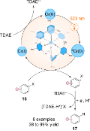
Scheme 5: Red-light-mediated aryl halides reduction with an isoelectronic chromium complex (TDAE = tetrakis(d...
Scheme 6: Red-light-photocatalyzed trifluoromethylation of styrene derivatives with Umemoto’s reagent and a p...
Scheme 7: Red-light-mediated energy transfer for the cross-dehydrogenative coupling of N-phenyltetrahydroisoq...
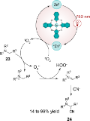
Scheme 8: Red-light-mediated oxidative cyanation of tertiary amines with a phthalocyanin zinc complex.
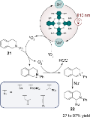
Scheme 9: Formation of dialins and tetralins via a red-light-photocatalyzed reductive decarboxylation mediate...
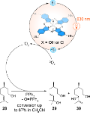
Scheme 10: Oxidation of β-citronellol (28) via energy transfer mediated by a red-light activable silicon phtha...
Scheme 11: Formation of alcohol derivatives 32 from boron compounds 31 using chlorophyll (chl) as a red-light-...
Scheme 12: Red-light-driven reductive dehalogenation of α-halo ketones mediated by a thiaporphyrin photocataly...
Figure 4: Photoinduced electron transfer-reversible addition-fragmentation chain transfer polymerization medi...
Figure 5: Recent examples of red-light-mediated photocatalytic reactions with traditional organic dyes.
Figure 6: Squaraine photocatalysts used by Goddard et al. and aza-Henry reaction with squaraine-based photoca...
Figure 7: Reactions described by Goddard et al. involving 40 as the photocatalyst.
Figure 8: Various structures of squaraine derivatives used to initiate photopolymerizations.
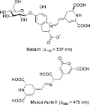
Figure 9: Naturally occurring cyanins.
Figure 10: Influence of the structure on the photophysical properties of a cyanin dye.
Figure 11: NIR-light-mediated aza-Henry reaction photocatalyzed by 46.
Scheme 13: Photocatalyzed arylboronic acids oxidation by 46.
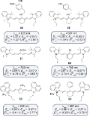
Figure 12: Cyanin structures synthetized and characterized by Goddard et al. (redox potentials given against s...
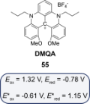
Figure 13: N,N′-Di-n-propyl-1,13-dimethoxyquinacridinium (55) with its redox potentials at its ground state an...
Scheme 14: Dual catalyzed C(sp2)–H arylation of 57 using DMQA 55 as the red-light-absorbing photocatalyst.
Scheme 15: Red-light-mediated aerobic oxidation of arylboronic acids 59 into phenols 60 via the use of DMQA as...
Figure 14: Red-light-photocatalyzed reactions proposed by Gianetti et al. using DMQA as the photocatalyst.
Scheme 16: Simultaneous release of NO and production of superoxide (O2•−) and their combination yielding the p...
Figure 15: Palladium porphyrin complex as the photoredox catalyst and the NO releasing substrate are linked in...
Scheme 17: Uncaging of compound 69 which is a microtubule depolymerizing agent using near IR irradiation. The ...
Scheme 18: Photochemical uncaging of drugs protected with a phenylboronic acid derivative using near IR irradi...
Scheme 19: Photoredox catalytical generation of aminyl radicals with near IR irradiation for the transfer of b...
Scheme 20: Photoredox catalytical fluoroalkylation of tryptophan moieties.
Figure 16: Simultaneous absorption of two photons of infrared light of low energy enables electronic excitatio...
Scheme 21: Uncaging Ca2+ ions using two-photon excitation with near infrared light.
Beilstein J. Org. Chem. 2025, 21, 200–216, doi:10.3762/bjoc.21.12
Graphical Abstract
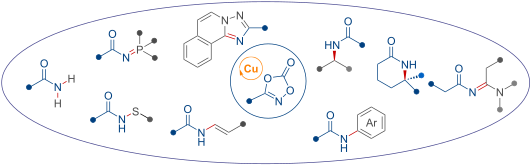
Scheme 1: Formation of isocyanates and amidated arenes from dioxazolones.
Scheme 2: Copper-catalyzed synthesis of δ-lactams via open-shell copper nitrenoid transfer. aCuBr (10 mol %) ...
Figure 1: Proposed reaction pathway for the copper-catalyzed synthesis of δ-lactams from dioxazolones.
Scheme 3: Copper(II)-catalyzed synthesis of 1,2,4-triazole derivatives.
Figure 2: Proposed reaction mechanism for the copper-catalyzed synthesis of 1,2,4-triazole analogues from dio...
Scheme 4: Copper(I)-catalyzed synthesis of N-acyl amidines from dioxazolones, acetylenes, and amines. aPerfor...
Figure 3: Proposed reaction mechanism for the copper(I)-catalyzed synthesis of N-acyl amidines.
Scheme 5: Preparation of N-arylamides from dioxazolones and boronic acids using a copper salt.
Figure 4: Proposed reaction pathway for the copper-mediated synthesis of N-arylamides from dioxazolones.
Scheme 6: Copper-catalyzed preparation of N-acyl iminophosphoranes from dioxazolones.
Figure 5: Proposed reaction pathway for the copper-catalyzed synthesis of N-acyl iminophosphoranes from dioxa...
Scheme 7: Copper-catalyzed synthesis of N-acyl sulfenamides. a1.0 equiv of 18 and 2.0 equiv of 19 were used. b...
Figure 6: Proposed reaction mechanism for the copper-catalyzed S-amidation of thiols.
Scheme 8: Copper-catalyzed asymmetric hydroamidation of vinylarenes. a4 mol % + 2 mol % catalyst was used. b4...
Figure 7: Proposed reaction mechanism for the copper-catalyzed hydroamidation of vinylarenes.
Scheme 9: Copper-catalyzed anti-Markovnikov hydroamidation of alkynes.
Figure 8: Proposed reaction mechanism for the copper-catalyzed amidation of alkynes.
Scheme 10: Copper-catalyzed preparation of primary amides through N–O bond reduction using reducing agent.
Figure 9: Proposed catalytic cycle for the copper-catalyzed reduction of dioxazolones.
Beilstein J. Org. Chem. 2025, 21, 122–145, doi:10.3762/bjoc.21.7
Graphical Abstract
Figure 1: Plausible general catalytic activation for ionic or radical mechanisms.
Scheme 1: Synthesis of α-aminonitriles 1.
Scheme 2: Synthesis of β-amino ketone or β-amino ester derivatives 3.
Scheme 3: Synthesis of 1-(α-aminoalkyl)-2-naphthol derivatives 4.
Scheme 4: Synthesis of thioaminals 5.
Scheme 5: Synthesis of aryl- or amine-containing alkanes 6 and 7.
Scheme 6: Synthesis of 1-aryl-2-sulfonamidopropanes 8.
Scheme 7: Synthesis of α-substituted propargylamines 10.
Scheme 8: Synthesis of N-propargylcarbamates 11.
Scheme 9: Synthesis of (E)-vinyl sulfones 12.
Scheme 10: Synthesis of o-halo-substituted aryl chalcogenides 13.
Scheme 11: Synthesis of α-aminophosphonates 14.
Scheme 12: Synthesis of unsaturated furanones and pyranones 15–17.
Scheme 13: Synthesis of substituted dihydropyrimidines 18.
Scheme 14: Regioselective synthesis of 1,4-dihydropyridines 20.
Scheme 15: Synthesis of tetrahydropyridines 21.
Scheme 16: Synthesis of furoquinoxalines 22.
Scheme 17: Synthesis of 2,4-substituted quinolines 23.
Scheme 18: Synthesis of cyclic ether-fused tetrahydroquinolines 24.
Scheme 19: Practical route for 1,2-dihydroisoquinolines 25.
Scheme 20: Synthesis of 2,3-dihydroquinazolin-4(1H)-one derivatives 26.
Scheme 21: Synthesis of polysubstituted pyrroles 27.
Scheme 22: Enantioselective synthesis of polysubstituted pyrrolidines 30 directed by the copper complex 29.
Scheme 23: Synthesis of 4,5-dihydropyrazoles 31.
Scheme 24: Synthesis of 2 arylisoindolinones 32.
Scheme 25: Synthesis of imidazo[1,2-a]pyridines 33.
Scheme 26: Synthesis of isoxazole-linked imidazo[1,2-a]azines 35.
Scheme 27: Synthesis of 2,3-dihydro-1,2,4-triazoles 36.
Scheme 28: Synthesis of naphthopyrans 37.
Scheme 29: Synthesis of benzo[g]chromene derivatives 38.
Scheme 30: Synthesis of naphthalene annulated 2-aminothiazoles 39, piperazinyl-thiazoloquinolines 40 and thiaz...
Scheme 31: Synthesis of furo[3,4-b]pyrazolo[4,3-f]quinolinones 42.
Scheme 32: Synthesis of spiroindoline-3,4’-pyrano[3,2-b]pyran-4-ones 43.
Scheme 33: Synthesis of N-(α-alkoxy)alkyl-1,2,3-triazoles 44.
Scheme 34: Synthesis of 4-(α-tetrasubstituted)alkyl-1,2,3-triazoles 45.
Beilstein J. Org. Chem. 2025, 21, 55–121, doi:10.3762/bjoc.21.6
Graphical Abstract
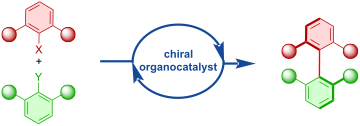
Scheme 1: Formation of axially chiral styrenes 3 via iminium activation.
Scheme 2: Synthesis of axially chiral 2-arylquinolines 6.
Scheme 3: Atroposelective intramolecular (4 + 2) annulation leading to aryl-substituted indolines.
Scheme 4: Atroposelective formation of biaryl via twofold aldol condensation.
Scheme 5: Strategy towards diastereodivergent formation of axially chiral oligonaphthylenes.
Scheme 6: Atroposelective formation of chiral biaryls based on a Michael/Henry domino reaction.
Scheme 7: Organocatalytic Michael/aldol cascade followed by oxidative aromatization.
Scheme 8: Atroposelective formation of C(sp2)–C(sp3) axially chiral compounds.
Scheme 9: NHC-catalyzed synthesis of axially chiral styrenes 26.
Scheme 10: NHC-catalyzed synthesis of biaxial chiral pyranones.
Scheme 11: Formation of bridged biaryls with eight-membered lactones.
Scheme 12: The NHC-catalyzed (3 + 2) annulation of urazoles 37 and ynals 36.
Scheme 13: NHC-catalyzed synthesis of axially chiral 4‑aryl α‑carbolines 41.
Scheme 14: NHC-catalyzed construction of N–N-axially chiral pyrroles and indoles.
Scheme 15: NHC-catalyzed oxidative Michael–aldol cascade.
Scheme 16: NHC-catalyzed (4 + 2) annulation for the synthesis of benzothiophene-fused biaryls.
Scheme 17: NHC-catalyzed desymmetrization of N-aryl maleimides.
Scheme 18: NHC-catalyzed deracemization of biaryl hydroxy aldehydes 55a–k into axially chiral benzonitriles 56a...
Scheme 19: NHC-catalyzed desymmetrization of 2-aryloxyisophthalaldehydes.
Scheme 20: NHC-catalyzed DKR of 2-arylbenzaldehydes 62.
Scheme 21: Atroposelective biaryl amination.
Scheme 22: CPA-catalyzed atroposelective amination of 2-anilinonaphthalenes.
Scheme 23: Atroposelective DKR of naphthylindoles.
Scheme 24: CPA-catalyzed kinetic resolution of binaphthylamines.
Scheme 25: Atroposelective amination of aromatic amines with diazodicarboxylates.
Scheme 26: Atroposelective Friedländer heteroannulation.
Scheme 27: CPA-catalyzed formation of axially chiral 4-arylquinolines.
Scheme 28: CPA-catalyzed Friedländer reaction of arylketones with cyclohexanones.
Scheme 29: CPA-catalyzed atroposelective Povarov reaction.
Scheme 30: Atroposelective CPA-catalyzed Povarov reaction.
Scheme 31: Paal–Knorr formation of axially chiral N-pyrrolylindoles and N-pyrrolylpyrroles.
Scheme 32: Atroposelective Paal–Knorr reaction leading to N-pyrrolylpyrroles.
Scheme 33: Atroposelective Pictet–Spengler reaction of N-arylindoles with aldehydes.
Scheme 34: Atroposelective Pictet–Spengler reaction leading to tetrahydroisoquinolin-8-ylanilines.
Scheme 35: Atroposelective formation of arylindoles.
Scheme 36: CPA-catalyzed arylation of naphthoquinones with indolizines.
Scheme 37: Atroposelective reaction of o-naphthoquinones.
Scheme 38: CPA-catalyzed formation of axially chiral arylquinones.
Scheme 39: CPA-catalyzed axially chiral N-arylquinones.
Scheme 40: Atroposelective additions of bisindoles to isatin-based 3-indolylmethanols.
Scheme 41: CPA-catalyzed synthesis of axially chiral arylindolylindolinones.
Scheme 42: CPA-catalyzed reaction between bisindoles and ninhydrin-derived 3-indoylmethanols.
Scheme 43: Atroposelective reaction of bisindoles and isatin-derived imines.
Scheme 44: CPA-catalyzed formation of axially chiral bisindoles.
Scheme 45: Atroposelective reaction of 2-naphthols with alkynylhydroxyisoindolinones.
Scheme 46: CPA-catalyzed reaction of indolylnaphthols with propargylic alcohols.
Scheme 47: Atroposelective formation of indolylpyrroloindoles.
Scheme 48: Atroposelective reaction of indolylnaphthalenes with alkynylnaphthols.
Scheme 49: CPA-catalyzed addition of naphthols to alkynyl-2-naphthols and 2-naphthylamines.
Scheme 50: CPA-catalyzed formation of axially chiral aryl-alkene-indoles.
Scheme 51: CPA-catalyzed formation of axially chiral styrenes.
Scheme 52: Atroposelective formation of alkenylindoles.
Scheme 53: Atroposelective formation of axially chiral arylquinolines.
Scheme 54: Atroposelective (3 + 2) cycloaddition of alkynylindoles with azonaphthalenes.
Scheme 55: CPA-catalyzed formation of axially chiral 3-(1H-benzo[d]imidazol-2-yl)quinolines.
Scheme 56: Atroposelective cyclization of 3-(arylethynyl)-1H-indoles.
Scheme 57: Atroposelective three-component heteroannulation.
Scheme 58: CPA-catalyzed formation of arylbenzimidazols.
Scheme 59: CPA-catalyzed reaction of N-naphthylglycine esters with nitrosobenzenes.
Scheme 60: CPA-catalyzed formation of axially chiral N-arylbenzimidazoles.
Scheme 61: CPA-catalyzed formation of axially chiral arylbenzoindoles.
Scheme 62: CPA-catalyzed formation of pyrrolylnaphthalenes.
Scheme 63: CPA-catalyzed addition of naphthols and indoles to nitronaphthalenes.
Scheme 64: Atroposelective reaction of heterobiaryl aldehydes and aminobenzamides.
Scheme 65: Atroposelective cyclization forming N-arylquinolones.
Scheme 66: Atroposelective formation of 9H-carbazol-9-ylnaphthalenes and 1H-indol-1-ylnaphthalene.
Scheme 67: CPA-catalyzed formation of pyrazolylnaphthalenes.
Scheme 68: Atroposelective addition of diazodicarboxamides to azaborinephenols.
Scheme 69: Catalytic formation of axially chiral arylpyrroles.
Scheme 70: Atroposelective coupling of 1-azonaphthalenes with 2-naphthols.
Scheme 71: CPA-catalyzed formation of axially chiral oxindole-based styrenes.
Scheme 72: Atroposelective electrophilic bromination of aminonaphthoquinones.
Scheme 73: Atroposelective bromination of dienes.
Scheme 74: CPA-catalyzed formation of axially chiral 5-arylpyrimidines.
Scheme 75: Atroposelective hydrolysis of biaryloxazepines.
Scheme 76: Atroposelective opening of dinaphthosiloles.
Scheme 77: Atroposelective reduction of naphthylenals.
Scheme 78: Atroposelective allylic substitution with 2-naphthols.
Scheme 79: Atroposelective allylic alkylation with phosphinamides.
Scheme 80: Atroposelective allylic substitution with aminopyrroles.
Scheme 81: Atroposelective allylic substitution with aromatic sulfinamides.
Scheme 82: Atroposelective sulfonylation of naphthylynones.
Scheme 83: Squaramide-catalyzed reaction of alkynyl-2-naphthols with 5H-oxazolones.
Scheme 84: Formation of axially chiral styrenes via sulfonylative opening of cyclopropanols.
Scheme 85: Atroposelective organo-photocatalyzed sulfonylation of alkynyl-2-naphthols.
Scheme 86: Thiourea-catalyzed atroposelective cyclization of alkynylnaphthols.
Scheme 87: Squaramide-catalyzed formation of axially chiral naphthylisothiazoles.
Scheme 88: Atroposelective iodo-cyclization catalyzed by squaramide C69.
Scheme 89: Squaramide-catalyzed formation of axially chiral oligoarenes.
Scheme 90: Atroposelective ring-opening of cyclic N-sulfonylamides.
Scheme 91: Thiourea-catalyzed kinetic resolution of naphthylpyrroles.
Scheme 92: Atroposelective ring-opening of arylindole lactams.
Scheme 93: Atroposelective reaction of 1-naphthyl-2-tetralones and diarylphosphine oxides.
Scheme 94: Atroposelective reaction of iminoquinones with indoles.
Scheme 95: Kinetic resolution of binaphthylalcohols.
Scheme 96: DKR of hydroxynaphthylamides.
Scheme 97: Atroposelective N-alkylation with phase-transfer catalyst C75.
Scheme 98: Atroposelective allylic substitution via kinetic resolution of biarylsulfonamides.
Scheme 99: Atroposelective bromo-functionalization of alkynylarenes.
Scheme 100: Sulfenylation-induced atroposelective cyclization.
Scheme 101: Atroposelective O-sulfonylation of isochromenone-indoles.
Scheme 102: NHC-catalyzed atroposelective N-acylation of anilines.
Scheme 103: Peptide-catalyzed atroposelective ring-opening of lactones.
Scheme 104: Peptide-catalyzed coupling of 2-naphthols with quinones.
Scheme 105: Atroposelective nucleophilic aromatic substitution of fluoroarenes.
Beilstein J. Org. Chem. 2024, 20, 3274–3280, doi:10.3762/bjoc.20.271
Graphical Abstract
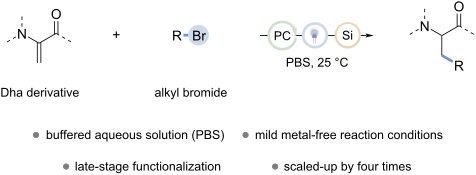
Figure 1: Giese reaction: Radical addition on olefins with an electron-withdrawing group (EWG) followed by a ...
Figure 2: Alkyl bromide and Dha derivative scope. Reaction conditions: Dha derivative (0.5 mmol), alkyl bromi...
Figure 3: Scaled-up reaction. Reaction conditions: Dha derivative (2.2 mmol), alkyl bromide (5.4 mmol), tris(...
Beilstein J. Org. Chem. 2024, 20, 3221–3255, doi:10.3762/bjoc.20.268
Graphical Abstract
Figure 1: Reactivity of α,β-unsaturated imines and variety of structures.
Figure 2: The hetero-Diels–Alder and inverse electron demand hetero-Diels–Alder reactions.
Figure 3: Different strategies to promote the activation of dienes and dienophiles in IEDADA reactions.
Figure 4: Examples of non-covalent interactions in organocatalysis.
Scheme 1: Enantioselective bifunctional thiourea-catalyzed inverse electron demand Diels–Alder reaction of N-...
Scheme 2: Cinchona-derived thiourea-catalyzed stereoselective (3 + 2) reaction of α,β-unsaturated imines and ...
Scheme 3: Cinchona-derived thiourea-catalyzed stereoselective (3 + 2)/(4 + 2) cascade reaction of α,β-unsatur...
Scheme 4: Enantioselective bifunctional squaramide-catalyzed formal [4 + 2] cycloaddition of malononitrile wi...
Scheme 5: Bifunctional squaramide-catalyzed IEDADA reaction of saccharin-derived 1-azadienes and azlactones.
Scheme 6: Chiral guanidine-catalyzed enantioselective (4+1) cyclization of benzofuran-derived azadienes with ...
Scheme 7: Bifunctional squaramide-catalyzed [4 + 2] cyclization of benzofuran-derived azadienes and azlactone...
Scheme 8: Chiral bifunctional squaramide-catalyzed domino Mannich/formal [4 + 2] cyclization of 2-benzothiazo...
Scheme 9: Chiral bifunctional thiourea-catalyzed formal IEDADA reaction of β,γ-unsaturated ketones and benzof...
Scheme 10: Dihydroquinine-derived squaramide-catalyzed (3 + 2) cycloaddition reaction of isocyanoacetates and ...
Scheme 11: Enantioselective squaramide-catalyzed asymmetric IEDADA reaction of benzofuran-derived azadienes an...
Scheme 12: Scale up and derivatizations of benzofuran-fused 2-piperidinol derivatives.
Scheme 13: Dihydroquinine-derived squaramide-catalyzed Mannich-type reaction of isocyanoacetates with N-(2-ben...
Figure 5: Structure of a cinchona alkaloid and (DHQD)2PHAL.
Scheme 14: Enantioselective modified cinchona alkaloid-catalyzed [4 + 2] annulation of γ-butenolides and sacch...
Scheme 15: Chiral tertiary amine-catalyzed [2 + 4] annulation of cyclic 1-azadiene with γ-nitro ketones.
Scheme 16: Inverse electron demand aza-Diels–Alder reaction (IEDADA) of 1-azadienes with enecarbamates catalyz...
Scheme 17: Phosphoric acid-catalyzed enantioselective [4 + 2] cycloaddition of benzothiazolimines and enecarba...
Scheme 18: Phosphoric acid-catalyzed enantioselective inverse electron demand aza-Diels–Alder reaction of in s...
Scheme 19: Proposed reaction mechanism for the phosphoric acid-catalyzed enantioselective inverse electron dem...
Scheme 20: Enantioselective dearomatization of indoles by a (3 + 2) cyclization with azoalkenes catalyzed by a...
Scheme 21: Synthetic applicability of the pyrroloindoline derivatives.
Scheme 22: Chiral phosphoric acid-catalyzed (2 + 3) dearomative cycloaddition of 3-alkyl-2-vinylindoles with a...
Scheme 23: Chiral phosphoric acid-catalyzed asymmetric [4 + 2] cycloaddition of aurone-derived 1-azadienes and...
Scheme 24: Phosphoric acid-catalyzed enantioselective formal [4 + 2] cycloaddition of dienecarbamates and 2-be...
Scheme 25: Chiral phosphoric acid-catalyzed asymmetric inverse electron demand aza-Diels–Alder reaction of 1,3...
Scheme 26: Chiral phosphoric acid-catalyzed asymmetric Attanasi reaction between 1,3-dicarbonyl compounds and ...
Scheme 27: Synthetic applicability of the NPNOL derivatives.
Scheme 28: Chiral phosphoric acid-catalyzed asymmetric intermolecular formal (3 + 2) cycloaddition of azoalken...
Scheme 29: Enantioselective [4 + 2] cyclization of α,β-unsaturated imines and azlactones.
Scheme 30: Catalytic cycle for the chiral phosphoric acid-catalyzed enantioselective [4 + 2] cyclization of α,...
Beilstein J. Org. Chem. 2024, 20, 3085–3112, doi:10.3762/bjoc.20.257
Graphical Abstract
Figure 1: Chemical structures of the main tetrapyrrolic macrocycles studied in this review for their role as ...
Figure 2: Calix[4]pyrroles 3 and 4 and an their acyclic analogue 5 used for the transformation of Danishefsky...
Figure 3: Calixpyrrole-based organocatalysts 11 and 12 for the diastereoselective addition reaction of TMSOF ...
Figure 4: (a) Chemical structures of macrocyclic organocatalysts used for the synthesis of cyclic carbonates ...
Figure 5: Cuprous chloride-catalyzed aziridination of styrene (22) by chloramine-T (23) providing 1-tosyl-2-p...
Figure 6: Chemical structures of the various porphyrin macrocycles (18, 25–41) screened as potential catalyst...
Figure 7: Organocatalytic activity of distorted porphyrins explored by Senge and co-workers. Planar macrocycl...
Figure 8: Chemical structures of H2EtxTPP (x = 0, 2, 4, 6, 8) compounds with incrementally increasing nonplan...
Figure 9: Chemical structures of OxP macrocycles tested as potential organocatalysts for the conjugate additi...
Figure 10: a) Fundamental structure of the J-aggregates of diprotonated TPPS3 53 and b) its use as a catalyst ...
Figure 11: Chemical structures of amphiphilic porphyrin macrocycles used as pH-switchable catalysts based on i...
Figure 12: a) Chemical structures of porphyrin macrocycles for the cycloaddition of CO2 to N-alkyl/arylaziridi...
Figure 13: Electron and energy-transfer processes typical for excited porphyrin molecules (Por = porphyrin mac...
Figure 14: Proposed mechanism for the light-induced α-alkylation of aldehydes with EDA in the presence of H2TP...
Figure 15: a) Chemical structures of porphyrins screened as photoredox catalysts, b) model reaction of furan (...
Figure 16: Porphyrin macrocycles H2TPP (18) and PPIX 78 as photoreductants for the red light-induced C–H aryla...
Figure 17: Porphyrin macrocycles H2TPP (18) and PPIX 78 as photoredox catalyst for (a) α-alkylation of an alde...
Figure 18: Corrole macrocycles 98–100 as photoredox catalysts for C–H arylation and borylation reactions. Adap...
Figure 19: Proposed catalytic cycle of electrocatalytic generation of H2 evolution using tetrapyrrolic macrocy...
Figure 20: a) Chemical structures of tetrapyrrolic macrocycles 109, 73, and 110 used for oxygen reductions in ...
Figure 21: a) Absorption spectra (left) of the air-saturated DCE solutions containing: 5 × 10⁻⁵ M H2TPP (black...
Figure 22: Chemical structures of N,N’-dimethylated saddle-distorted porphyrin isomers, syn-Me2P 111 and anti-...
Figure 23: Reaction mechanisms for the two-electron reduction of O2 by a) syn-Me2Iph 113 and b) anti-Me2Iph 114...
Figure 24: O2/H2O2 interconversion using methylated saddle-distorted porphyrin and isophlorin (reduced porphyr...
Figure 25: Chemical structures of distorted dodecaphenylporphyrin macrocycle 117 and its diprotonated form 118...
Beilstein J. Org. Chem. 2024, 20, 3016–3025, doi:10.3762/bjoc.20.251
Graphical Abstract
Figure 1: Structure of previously synthesized stilbazoles А and arylidene derivatives of pyrindane 1 reported...
Scheme 1: Synthesis of donor–acceptor 1-pyrindane derivatives 1.
Figure 2: 1H,1H-NOESY spectrum of compound 1c in DMSO-d6.
Figure 3: Absorption (left) and normalized emission spectra (right) of compound 1i in various solvents (c = 10...
Scheme 2: Plausible equilibrium of compounds 1i and 1iH+ in acidic solution.
Figure 4: Solvatochromic behavior of compounds 1c and 1i: plots of arithmetic mean of emission/absorption wav...
Figure 5: Absorption spectra of compounds 1a–i in toluene (left) and DMSO (right, c = 10−5 M).
Figure 6: Normalized emission spectra of compounds 1a–i in toluene (left) and DMSO (right, c = 10−5 M).
Figure 7: Photos of fluorescent solutions of compounds 1a–i in toluene (top) and DMSO (bottom) taken under a ...
Figure 8: Normalized solid-state emission spectra of compounds 1a–i (bottom) and photos of powders taken unde...
Beilstein J. Org. Chem. 2024, 20, 2959–3006, doi:10.3762/bjoc.20.249
Graphical Abstract
Scheme 1: Organic peroxide initiators in polymer chemistry.
Scheme 2: Synthesis of organic peroxides.
Scheme 3: Richness of radical cascades with species formed from hydroperoxides in redox conditions.
Scheme 4: Co-catalyzed allylic peroxidation of alkenes 1 and 3 by TBHP.
Scheme 5: Allylic peroxidation of alkenes 6 by Pd(II)TBHP.
Scheme 6: Cu(I)-catalyzed allylic peroxidation.
Scheme 7: Enantioselective peroxidation of alkenes 10 with TBHP in the presence of copper(I) compounds.
Scheme 8: Oxidation of α-pinene (12) by the Cu(I)/TBHP system.
Scheme 9: Introduction of the tert-butylperoxy fragment into the α-position of cyclic ketones 15 and 17.
Scheme 10: α-Peroxidation of β-dicarbonyl compounds 19 using the Cu(II)/TBHP system.
Scheme 11: Co-catalyzed peroxidation of cyclic compounds 21 with TBHP.
Scheme 12: Co-, Mn- and Fe-catalyzed peroxidation of 2-oxoindoles 23, barbituric acids 25, and 4-hydroxycoumar...
Scheme 13: Cu-catalyzed and metal-free peroxidation of barbituric acid derivatives 31 and 3,4-dihydro-1,4-benz...
Scheme 14: Electrochemical peroxidation of 1,3-dicarbonyl compounds 35.
Scheme 15: Peroxidation of β-dicarbonyl compounds, cyanoacetic esters and malonic esters 37 by the TBAI/TBHP s...
Scheme 16: Cu-catalyzed peroxidation of malonodinitriles and cyanoacetic esters 39 with TBHP.
Scheme 17: Mn-catalyzed remote peroxidation via trifluromethylation of double bond.
Scheme 18: Cu-catalyzed remote peroxidation via trifluromethylthiolation of double bond.
Scheme 19: Fe-, Mn-, and Ru-catalyzed peroxidation of alkylaromatics 45, 47, 49, and 51 with TBHP.
Scheme 20: Cu-catalyzed peroxidation of diphenylacetonitrile (53) with TBHP.
Scheme 21: Cu-catalyzed peroxidation of benzyl cyanides 60 with TBHP.
Scheme 22: Synthesis of tert-butylperoxy esters 63 from benzyl alcohols 62 using the TBAI/TBHP system.
Scheme 23: Enantioselective peroxidation of 2-phenylbutane (64) with TBHP and chiral Cu(I) complex.
Scheme 24: Photochemical synthesis of peroxides 67 from carboxylic acids 66.
Scheme 25: Photochemical peroxidation of benzylic C(sp3)–H.
Scheme 26: Cu- and Ru-catalyzed peroxidation of alkylamines with TBHP.
Scheme 27: Peroxidation of amides 76 with the TBAI/TBHP system.
Scheme 28: Fe-catalyzed functionalization of ethers 78 with TBHP.
Scheme 29: Synthesis of 4-(tert-butylperoxy)-5-phenyloxazol-2(3H)-ones 82 from benzyl alcohols 80 and isocyana...
Scheme 30: Fe- and Co-catalyzed peroxidation of alkanes with TBHP.
Scheme 31: Rh-catalyzed tert-butylperoxy dienone synthesis with TBHP.
Scheme 32: Rh- and Cu-catalyzed phenolic oxidation with TBHP.
Scheme 33: Metal-free peroxidation of phenols 94.
Scheme 34: Cu-catalyzed alkylation–peroxidation of acrylonitrile.
Scheme 35: Cu-catalyzed cycloalkylation–peroxidation of coumarins 99.
Scheme 36: Metal-free cycloalkylation–peroxidation of coumarins 102.
Scheme 37: Difunctionalization of indene 104 with tert-butylperoxy and alkyl groups.
Scheme 38: Acid-catalyzed radical addition of ketones (108, 111) and TBHP to alkenes 107 and acrylates 110.
Scheme 39: Cu-catalyzed alkylation–peroxidation of alkenes 113 with TBHP and diazo compounds 114.
Scheme 40: Cobalt(II)-catalyzed addition of TBHP and 1,3-dicarbonyl compound 116 to alkenes 117.
Scheme 41: Cu(0)- or Co(II)-catalyzed addition of TBHP and alcohols 120 to alkenes 119.
Scheme 42: Fe-catalyzed functionalization of allenes 122 with TBHP.
Scheme 43: Fe-catalyzed alkylation–peroxidation of alkenes 125 and 127.
Scheme 44: Fe- and Co-catalyzed alkylation–peroxidation of alkenes 130, 133 and 134 with TBHP and aldehydes as...
Scheme 45: Carbonylation–peroxidation of alkenes 137, 140, 143 with hydroperoxides and aldehydes.
Scheme 46: Carbamoylation–peroxidation of alkenes 146 with formamides and TBHP.
Scheme 47: TBAB-catalyzed carbonylation–peroxidation of alkenes.
Scheme 48: VOCl2-catalyzed carbonylation–peroxidation of alkenes 152.
Scheme 49: Acylation–peroxidation of alkenes 155 with aldehydes 156 and TBHP using photocatalysis.
Scheme 50: Cu-catalyzed peroxidation of styrenes 158.
Scheme 51: Fe-catalyzed acylation-peroxidation of alkenes 161 with carbazates 160 and TBHP.
Scheme 52: Difunctionalization of alkenes 163, 166 with TBHP and (per)fluoroalkyl halides.
Scheme 53: Difunctionalization of alkenes 169 and 172 with hydroperoxides and sodium (per)fluoromethyl sulfina...
Scheme 54: Trifluoromethylation–peroxidation of styrenes 175 using MOF Cu3(BTC)2 as a catalyst.
Scheme 55: Difunctionalization of alkenes 178 with tert-butylperoxy and dihalomethyl fragments.
Scheme 56: Difunctionalization of alkenes 180 with the tert-butylperoxy and dihalomethyl moieties.
Scheme 57: The nitration–peroxidation of alkenes 182 with t-BuONO and TBHP.
Scheme 58: Azidation–peroxidation of alkenes 184 with TMSN3 and TBHP.
Scheme 59: Co-catalyzed bisperoxidation of butadiene 186.
Scheme 60: Bisperoxidation of styrene (189) and acrylonitrile (192) with TBHP by Minisci.
Scheme 61: Mn-catalyzed synthesis of bis(tert-butyl)peroxides 195 from styrenes 194.
Scheme 62: Bisperoxidation of arylidene-9H-fluorenes 196 and 3-arylidene-2-oxoindoles 198 with TBHP under Mn-c...
Scheme 63: Synthesis of bisperoxides from styrenes 200 and 203 using the Ru and Rh catalysis.
Scheme 64: Iodine-catalyzed bisperoxidation of styrenes 206.
Scheme 65: Synthesis of di-tert-butylperoxyoxoindoles 210 from acrylic acid anilides 209 using a Pd(II)/TBHP o...
Scheme 66: Pinolation/peroxidation of styrenes 211 catalyzed by Cu(I).
Scheme 67: TBAI-catalyzed acyloxylation–peroxidation of alkenes 214 with carboxylic acids and TBHP.
Scheme 68: Difunctionalization of alkenes 217 with TBHP and water or alcohols.
Scheme 69: TBAI-catalyzed hydroxyperoxidation of 1,3-dienes 220.
Scheme 70: Hydroxyperoxidation of 1,3-dienes 220.
Scheme 71: Iodination/peroxidation of alkenes 223 with I2 and hydroperoxides.
Scheme 72: The reactions of cyclic enol ethers 226 and 228 with I2/ROOH system.
Scheme 73: Synthesis of 1-(tert-butylperoxy)-2-iodoethanes 231.
Scheme 74: Synthesis of 1-iodo-2-(tert-butylperoxy)ethanes 233.
Scheme 75: Cu-catalyzed phosphorylation–peroxidation of alkenes 234.
Scheme 76: Co-catalyzed phosphorylation–peroxidation of alkenes 237.
Scheme 77: Ag-catalyzed sulfonylation–peroxidation of alkenes 241.
Scheme 78: Co-catalyzed sulfonylation–peroxidation of alkenes 244.
Scheme 79: Synthesis of α/β-peroxysulfides 248 and 249 from styrenes 247.
Scheme 80: Cu-catalyzed trifluoromethylthiolation–peroxidation of alkenes 250 and allenes 252.
Scheme 81: Photocatalytic sulfonyl peroxidation of alkenes 254 via deamination of N-sulfonyl ketimines 255.
Scheme 82: Photoredox-catalyzed 1,4-peroxidation–sulfonylation of enynones 257.
Scheme 83: Cu-catalyzed silylperoxidation of α,β-unsaturated compounds 260 and enynes 261.
Scheme 84: Fe-catalyzed silyl peroxidation of alkenes.
Scheme 85: Cu-catalyzed germyl peroxidation of alkenes 267.
Scheme 86: TBAI-catalyzed intramolecular cyclization of diazo compounds 269 with further peroxidation.
Scheme 87: Co-catalyzed three-component coupling of benzamides 271, diazo compounds 272 and TBHP.
Scheme 88: Co-catalyzed esterification-peroxidation of diazo compounds 274 with TBHP and carboxylic acids 275.
Scheme 89: Cu-catalyzed alkylation–peroxidation of α-carbonylimines 277 or ketones 280.
Scheme 90: Mn-catalyzed ring-opening peroxidation of cyclobutanols 282 with TBHP.
Scheme 91: Peroxycyclization of tryptamines 284 with TBHP.
Scheme 92: Radical cyclization–peroxidation of homotryptamines 287.
Scheme 93: Iodine-catalyzed oxidative coupling of indoles 288, cyanoacetic esters and TBHP.
Scheme 94: Summary of metal-catalyzed peroxidation processes.
Beilstein J. Org. Chem. 2024, 20, 2827–2833, doi:10.3762/bjoc.20.238
Graphical Abstract
Scheme 1: Synthesis of polyfunctionalized methane derivatives through successive nucleophilic additions to th...
Scheme 2: Cyclization of 4a quenched by D2O.
Scheme 3: Plausible mechanisms for the ring closure of 4.
Scheme 4: Hydration of the ethynyl group of 4a.
Beilstein J. Org. Chem. 2024, 20, 2799–2805, doi:10.3762/bjoc.20.235
Graphical Abstract
Scheme 1: Overview over difluoromethyl enol ether syntheses from acyclic and cyclic 1,3-diones (A), acyclic k...
Scheme 2: Attempted difluoromethylation of 1a in solution. The reactions were performed on a 0.2 mmol scale. ...
Scheme 3: Scope of ketones. The yields were determined by 1H NMR spectroscopy using 1,2-dichloroethane as the...
Scheme 4: Proposed mechanism (A) and mechanistic investigations (B and C). The yields were determined by 1H N...
Beilstein J. Org. Chem. 2024, 20, 2784–2798, doi:10.3762/bjoc.20.234
Graphical Abstract
Figure 1: (A) Structures of tetrasubstituted 5,10,15,20-tetraphenylporphyrin (TPP, 1), dodecasubstituted 2,3,...
Scheme 1: Reaction scheme for the synthesis of OET-xBrPPs and subsequent Ni(II) metalation.
Figure 2: Substrates used for the investigations for the Suzuki–Miyaura coupling reactions.
Scheme 2: Scope of arm-extended dodecasubstituted porphyrins synthesized via modification of the meso-para-ph...
Scheme 3: Scope of arm-extended dodecasubstituted porphyrins synthesized via reaction at the meso-meta-phenyl...
Scheme 4: Attempts of arm-extension of dodecasubstituted porphyrins at the meso-ortho-phenyl position.
Scheme 5: Borylation and subsequent Suzuki–Miyaura coupling of porphyrin 13.
Figure 3: View of the molecular structure of compounds 26 (top left) and 27 (top right) with atomic displacem...
Figure 4: Left: packing diagram of 27 viewed normal to the c-axis showing the channels in the lattice with th...
Figure 5: Left: view of part 0 2 in the molecular structure of the α2β2-atropisomer, 11 in the crystal, hydro...
Figure 6: Schematic representation of porphyrin 37 showing a doubly intercalated structure.
Beilstein J. Org. Chem. 2024, 20, 2708–2719, doi:10.3762/bjoc.20.228
Graphical Abstract
Figure 1: Synthesis of uracil-based alkynes and aryl structures [51,62-65].
Figure 2: Structures of uracil derivatives A, B, and C.
Scheme 1: Strategy for the synthesis of the cyclised product 5. Conditions: i) Br2 (2 equiv), Ac2O (1.5 equiv...
Scheme 2: Synthesis and isolated yields of 1,3-dimethyl-5-aryl-6-[2-(aryl)ethynyl]uracils 4a–i. Reaction cond...
Scheme 3: Scope and isolated yields of the synthesis of 5. Reaction conditions: 4 (1 equiv), p-TsOH·H2O (20 e...
Scheme 4: Proposed reaction mechanism of the cyclisation with N,N-dimethylanilino functional groups.
Figure 3: UV–vis absorption (left) and emission (right, λex = 400 nm) spectra of 5a, 5d, 5f, 5g, 5h, and 5i i...
Beilstein J. Org. Chem. 2024, 20, 2500–2566, doi:10.3762/bjoc.20.214
Graphical Abstract
Figure 1: Classification of LSF reactions in this review.
Scheme 1: C(sp2)–H trifluoromethylation of heteroarenes.
Scheme 2: C(sp2)–H and C(sp3)–H alkylation of complex molecules.
Scheme 3: Electrochemical oxidation-induced intermolecular aromatic C–H sulfonamidation.
Scheme 4: Bioconjugation of tyrosine with (a) phenothiazine and (b) urazole derivatives.
Scheme 5: Electrochemical iodoamination of indoles using unactivated amines.
Scheme 6: Allylic C(sp3)–H aminations with sulfonamides.
Scheme 7: Electrochemical benzylic oxidation of C–H bonds.
Scheme 8: Site-selective electrooxidation of methylarenes to aromatic acetals.
Scheme 9: Electrochemical activation of C–H by electron-deficient W2C nanocrystals.
Scheme 10: α-Acyloxy sulfide preparation via C–H/OH cross-dehydrogenative coupling.
Scheme 11: Aromatic C–H-bond thiolation.
Scheme 12: C(sp2)–H functionalization for the installation of sulfonamide groups.
Scheme 13: Preparation of (hetero)aryl chlorides and vinyl chloride with 1,2-dichloroethane. aCu(OAc)2 (0.05 e...
Scheme 14: Electrochemical dual-oxidation enables access to α-chlorosulfoxides.
Scheme 15: Regio- and chemoselective formyloxylation–bromination/chlorination/trifluoromethylation of alkenes.
Scheme 16: Aziridine formation by coupling amines and alkenes.
Scheme 17: Formation of iminosulfide ethers via difunctionalization of an isocyanide.
Scheme 18: Synthesis of 1,3-difunctionalized molecules via C–C-bond cleavage of arylcyclopropane.
Scheme 19: Electrooxidative amino- and oxyselenation of alkenes. VBImBr = 1-butyl-3-vinylimidazolium bromide.
Scheme 20: Electrooxidative dehydrogenative [4 + 2] annulation of indole derivatives.
Scheme 21: Electrochemical cyclization combined with alkoxylation of triticonazole.
Scheme 22: Electrochemically tuned oxidative [4 + 2] annulation of olefins with hydroxamic acids.
Scheme 23: Electrosynthesis of indole derivatives via cyclization of 2-ethynylanilines.
Scheme 24: Allylic C–H oxidation of mono-, di-, and sesquiterpenes.
Scheme 25: Oxidation of unactivated C–H bonds.
Scheme 26: Fluorination of C(sp3)–H bonds. rAP = rapid alternating polarity.
Scheme 27: C(sp3)–H α-cyanation of secondary piperidines.
Scheme 28: Selective electrochemical hydrolysis of hydrosilanes to silanols.
Scheme 29: Organocatalytic electrochemical amination of benzylic C–H bonds.
Scheme 30: Iodide ion-initiated anodic oxidation reactions.
Scheme 31: Mn(III/IV) electro-catalyzed C(sp3)–H azidation.
Scheme 32: Tailored cobalt–salen complexes enable electrocatalytic intramolecular allylic C–H functionalizatio...
Scheme 33: Cobalt–salen complexes-induced electrochemical (cyclo)additions.
Scheme 34: Electrochemical 1,2-diarylation of alkenes enabled by direct dual C–H functionalization of electron...
Scheme 35: Cobalt-electrocatalyzed atroposelective C–H annulation.
Scheme 36: Nickel-electrocatalyzed C(sp2)–H alkoxylation with secondary alcohols.
Scheme 37: Nickel-catalyzed electrochemical enantioselective amination.
Scheme 38: Ruthenium-electrocatalyzed C(sp2)–H mono- and diacetoxylation.
Scheme 39: Rhodium(III)-catalyzed aryl-C–H phosphorylation enabled by anodic oxidation-induced reductive elimi...
Scheme 40: Asymmetric Lewis-acid catalysis for the synthesis of non-racemic 1,4-dicarbonyl compounds.
Scheme 41: Electrochemical enantioselective C(sp3)–H alkenylation.
Scheme 42: Palladium-catalyzed electrochemical dehydrogenative cross-coupling.
Scheme 43: Ir-electrocatalyzed vinylic C(sp2)–H activation for the annulation between acrylic acids and alkyne...
Scheme 44: Electrochemical gold-catalyzed C(sp3)–C(sp) coupling of alkynes and arylhydrazines.
Scheme 45: Photoelectrochemical alkylation of C–H heteroarenes using organotrifluoroborates.
Scheme 46: Mn-catalyzed photoelectro C(sp3)–H azidation.
Scheme 47: Photoelectrochemical undirected C–H trifluoromethylations of (Het)arenes.
Scheme 48: Photoelectrochemical dehydrogenative cross-coupling of heteroarenes with aliphatic C–H bonds.
Scheme 49: C–H amination via photoelectrochemical Ritter-type reaction.
Scheme 50: Photoelectrochemical multiple oxygenation of C–H bonds.
Scheme 51: Accelerated C(sp3)–H heteroarylations by the f-EPC system.
Scheme 52: Photoelectrochemical cross-coupling of amines.
Scheme 53: Birch electroreduction of arenes. GSW = galvanized steel wire.
Scheme 54: Electroreductive deuterations.
Scheme 55: Chemoselective electrosynthesis using rapid alternating polarity.
Scheme 56: Electroreductive olefin–ketone coupling.
Scheme 57: Electroreductive approach to radical silylation.
Scheme 58: Electrochemical borylation of alkyl halides. CC = carbon close.
Scheme 59: Radical fluoroalkylation of alkenes.
Scheme 60: Electrochemical defluorinative hydrogenation/carboxylation.
Scheme 61: Electrochemical decarboxylative olefination.
Scheme 62: Electrochemical decarboxylative Nozaki–Hiyama–Kishi coupling.
Scheme 63: Nickel-catalyzed electrochemical reductive relay cross-coupling.
Scheme 64: Electrochemical chemo- and regioselective difunctionalization of 1,3-enynes.
Scheme 65: Electrocatalytic doubly decarboxylative crosscoupling.
Scheme 66: Electrocatalytic decarboxylative crosscoupling with aryl halides.
Scheme 67: Nickel-catalyzed electrochemical reductive coupling of halides.
Scheme 68: Nickel-electrocatalyzed enantioselective carboxylation with CO2.
Scheme 69: Reductive electrophotocatalysis for borylation.
Scheme 70: Electromediated photoredox catalysis for selective C(sp3)–O cleavages of phosphinated alcohols to c...
Scheme 71: Stereoselective electro-2-deoxyglycosylation from glycals. MFE = methyl nonafluorobutyl ether.
Scheme 72: Electrochemical peptide modifications.
Scheme 73: Electrochemical α-deuteration of amides.
Scheme 74: Electrochemical synthesis of gem-diselenides.
Scheme 75: Site-selective electrochemical aromatic C–H amination.
Scheme 76: Electrochemical coupling of heteroarenes with heteroaryl phosphonium salts.
Scheme 77: Redox-neutral strategy for the dehydroxyarylation reaction.
Scheme 78: Nickel-catalyzed electrochemical C(sp3)–C(sp2) cross-coupling of benzyl trifluoroborate and halides....
Scheme 79: Paired electrocatalysis for C(sp3)–C(sp2) coupling.
Scheme 80: Redox-neutral strategy for amination of aryl bromides.
Scheme 81: Redox-neutral cross-coupling of aryl halides with weak N-nucleophiles. aProtocol with (+) RVC | RVC...
Scheme 82: Nickel-catalyzed N-arylation of NH-sulfoximines with aryl halides.
Scheme 83: Esterification of carboxylic acids with aryl halides.
Scheme 84: Electrochemically promoted nickel-catalyzed carbon–sulfur-bond formation. GFE = graphite felt elect...
Scheme 85: Electrochemical deoxygenative thiolation by Ni-catalysis. GFE = graphite felt electrode; NFE = nick...
Scheme 86: Electrochemical coupling of peptides with aryl halides.
Scheme 87: Paired electrolysis for the phosphorylation of aryl halides. GFE = graphite felt electrode, FNE = f...
Scheme 88: Redox-neutral alkoxyhalogenation of alkenes.
Beilstein J. Org. Chem. 2024, 20, 2421–2433, doi:10.3762/bjoc.20.206
Graphical Abstract
Scheme 1: Expectation of the regio- as well as stereoselective reactions of 2.
Scheme 2: Attempts of the present epoxidation to other α,β-unsaturated esters, 1h–j.
Figure 1: Crystallographic structure of the epoxy ring-opening products by PhCH(NH2)Me (3bd) and PhCH2SH (4ba...
Scheme 3: Introduction of additional halogen atoms at the 2-position of the compound 2b.
Scheme 4: Clarification of the stereochemistry of anti,syn-8a and -7b.
Figure 2: Crystallographic structure of anti,syn-8a.
Scheme 5: Reaction of 2b with other stabilized nucleophiles.
Scheme 6: Production of 4,4,4-trifluoro-2,3-dihydroxybutanoate anti-10a.
Scheme 7: Reactions of n-C10H21MgBr-based cuprate with 13f as well as 2b with/without D2O quenching.
Figure 3: A part of 13C NMR spectra for the compounds 11a and 11a-D.
Beilstein J. Org. Chem. 2024, 20, 2392–2400, doi:10.3762/bjoc.20.203
Graphical Abstract
Scheme 1: Synthesis of diarylacetic acids 2 from diarylmethanol compounds 1 and carbon dioxide.
Scheme 2: Attempted electrochemical carboxylation of halogen-containing diphenylmethanol compounds 1b and 1c.
Scheme 3: Synthesis of diarylacetic acids 2 by electrochemical carboxylation of diarylmethanol species 1.
Scheme 4: Attempted electrochemical carboxylation of 1m and 1n.
Scheme 5: Electrolysis of 1a under a nitrogen atmosphere.
Scheme 6: Plausible reaction pathways.
Beilstein J. Org. Chem. 2024, 20, 2349–2377, doi:10.3762/bjoc.20.201
Graphical Abstract
Scheme 1: The position of homoallylic amines in the landscape of alkaloid and nitrogen compounds syntheses.
Scheme 2: 3,3’-Diaryl-BINOL-catalysed asymmetric organocatalytic allylation of acylimines [24].
Scheme 3: Aminophenol-catalysed reaction between N-phosphinoylimines and pinacol allylboronic ester. Imine sc...
Scheme 4: Asymmetric geranylation and prenylation of indoles catalysed by (R)- or (S)-3,3’-dibromo-BINOL [25]. aA...
Scheme 5: (R)-3,3’-Di(3,5-di(trifluoromethyl)phenyl-BINOL-catalysed asymmetric geranylation and prenylation o...
Scheme 6: Microwave-induced one-pot asymmetric allylation of in situ-formed arylimines, catalysed by (R)-3,3’...
Scheme 7: Microwave-induced one-pot asymmetric allylation of in situ-formed arylimines, catalysed by (R)-3,3’...
Scheme 8: Kinetic resolution of chiral secondary allylboronates [15,30].
Scheme 9: (E)-Stereospecific asymmetric α-trifluoromethylallylation of cyclic imines and hydrazones [31].
Scheme 10: Hosomi–Sakurai-type allylation of in situ-formed N-Fmoc aldimines [32].
Figure 1: Two different pathways for the Hosomi–Sakurai reaction of allyltrimethylsilane with N-Fmoc aldimine...
Scheme 11: Chiral squaramide-catalysed hydrogen bond-assisted chloride abstraction–allylation of N-carbamoyl α...
Figure 2: The pyrrolidine unit gem-methyl group conformational control in the squaramide-based catalyst [34].
Figure 3: The energetic difference between the transition states of the two proposed modes of the reaction (SN...
Scheme 12: One-pot preparation procedure for oxazaborolidinium ion (COBI) 63 [37].
Scheme 13: Chiral oxazaborolidinium ion (COBI)-catalysed allylation of N-(2-hydroxy)phenylimines with allyltri...
Scheme 14: The two-step N-(2-hydroxy)phenyl group deprotection procedure [37].
Scheme 15: Low-temperature (−40 °C) NMR experiments evidencing the reversible formation of the active COBI–imi...
Figure 4: Two computed reaction pathways for the COBI-catalysed Strecker reaction (TS1 identical to allylatio...
Scheme 16: Highly chemoselective and stereospecific synthesis of γ- and γ,δ-substituted homoallylic amines by ...
Scheme 17: Catalytic cycle for the three-component allylation with HBD/πAr–Ar catalyst [39].
Scheme 18: Reactivity of model electrophiles [39].
Scheme 19: HBD/πAr–Ar catalyst rational design and optimisation [39].
Scheme 20: Scope of the three-component HBD/πAr–Ar-catalysed reaction [39].
Scheme 21: Limitations of the HBD/πAr–Ar-catalysed reaction [39].
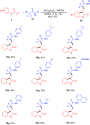
Scheme 22: Asymmetric chloride-directed dearomative allylation of in situ-generated N-acylquinolinium ions, ca...
Scheme 23: Chiral phosphoric acid-catalysed aza-Cope rearrangement of in situ-formed N-α,α’-diphenyl-(α’’-ally...
Scheme 24: Tandem (R)-VANOL-triborate-catalysed asymmetric aza-Cope rearrangement of in situ-formed aldimines ...
Scheme 25: (S)-TRIP-catalysed enantioconvergent aza-Cope rearrangement of β-formyl amides, substrate scope [43]. a...
Scheme 26: (S)-TRIP-catalysed enantioconvergent aza-Cope rearrangement of β-formyl amides 16–19, amide and all...
Scheme 27: Synthetic applications of homoallylic N-benzophenone imine products 131 [43].
Scheme 28: Chiral organocatalysed addition of 2,2,2-trifluoroethyl ketimines to isatin-derived Morita–Baylis–H...
Scheme 29: Chiral chinchona-derived amine-catalysed reaction between isatin-based Morita–Baylis–Hilman carbona...
Scheme 30: (R)-VAPOL-catalysed hydrogen atom transfer deracemisation [45].
Scheme 31: Chiral PA-catalysed [1,3]-rearrangement of ene-aldimines [46].
Beilstein J. Org. Chem. 2024, 20, 2225–2233, doi:10.3762/bjoc.20.190
Graphical Abstract
Scheme 1: Synthesis of α-keto thioesters and β-keto amides.
Scheme 2: Synthesis of β-keto thioesters 2. Reaction conditions A: 1 (0.25 mmol), DBSA (87.9 mg, 0.25 mmol), H...
Scheme 3: Synthesis of β-keto amides 3. Reaction conditions B: 1 (0.25 mmol), NaOH (0.75 mmol, 30 mg), H2O (1...
Scheme 4: Gram-scale hydrolysis reactions of 1a.
Scheme 5: Proposed mechanism for formation of β-keto thioesters 2 and β-keto amides 3.
Beilstein J. Org. Chem. 2024, 20, 2129–2142, doi:10.3762/bjoc.20.183
Graphical Abstract
Scheme 1: Esterification of oleic acid (1) with propylsulfonic acid (Pr-SO3H)-functionalised mesoporous silic...
Scheme 2: Using confinement of organocatalytic units for improving the enantioselectivity of silica-supported...
Scheme 3: Michael addition catalysed by cinchona thiourea immobilised on magnetic nanoparticles (13).
Scheme 4: Michael addition catalysed by cinchona thiourea in the presence of magnetic nanoparticles.
Scheme 5: Benzoin condensation catalysed by N-benzylthiazolium salt attached to mesoporous material.
Scheme 6: Photoinduced RAFT polymerisation of n-butyl acrylate (19) catalysed by silica nanoparticle-supporte...
Scheme 7: Pressure and temperature dependence of the 1,4-addition of propanal to trans-β-nitrostyrene under c...
Scheme 8: α-Amination of ethyl 2-oxocyclopentanecarboxylate catalysed by PS-THU which could be recycled over ...
Scheme 9: Preparation of supported catalysts C29–C31 from cinchona squaramides 29–31 modified with a primary ...
Scheme 10: Application of PGMA-supported organocatalysts C29–C31 in the asymmetric Michael addition of pentane...
Scheme 11: Alcoholytic desymmetrisation of a cyclic anhydride 34 catalysed by polyamide-supported cinchona sul...
Beilstein J. Org. Chem. 2024, 20, 2005–2015, doi:10.3762/bjoc.20.176
Graphical Abstract
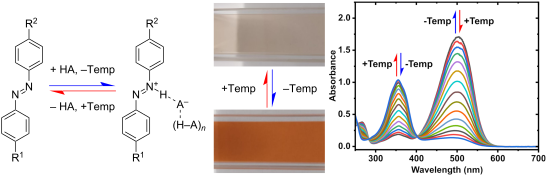
Figure 1: E–Z isomerisation of (a) AzoTAB and (b) AAPTAB under UV light (365 nm) results in a change in shape...
Figure 2: SAXS curves for AzoTAB (50 mM in water) showing the transition from the Z-rich PSS to the E-rich st...
Figure 3: SAXS curves for the Z-rich PSS of AAPTAB (50 mM) in (a) water (H2O) and (b) deuterium dioxide (D2O)...
Figure 4: Addition of excess acid (pH = 0.4) induces Z–E isomerisation in AzoTAB and AAPTAB. UV–vis absorbanc...
Figure 5: Effect of X-ray exposure time on high-concentration samples of AAPTAB in water, (a) 10 wt % and (b)...
Beilstein J. Org. Chem. 2024, 20, 1906–1913, doi:10.3762/bjoc.20.166
Graphical Abstract
Scheme 1: Pyridoindazolium salts known to date and obtained in the present work.
Scheme 2: Synthesis of S1–S3 salts using PIFA as an oxidant and the resonance structures demonstrating the el...
Figure 1: CV curves for salt S2 and corresponding amine A2 (left, Figure 1a) and salt S3 with and without diethyl malo...
Scheme 3: Redox-interconversion between diarylamines A1–A3 and N-arylpyridoindazoliums S1–S3.
Scheme 4: Electrochemical approach to pyridoindazolium salts.
Figure 2: CV curves for amine A1 without the lutidine additive (black curve) and after addition of 2 equiv (r...
Figure 3: Semi-differential CV curves for the mediators (TEMPO, bis(4-tert-butylphenyl)nitroxide and tris(4-b...
Figure 4: CV curves of bis(4-tert-butylphenyl)nitroxide (a) and TEMPO (b) with amine A3 and 2,6-lutidine adde...
Beilstein J. Org. Chem. 2024, 20, 1839–1879, doi:10.3762/bjoc.20.162
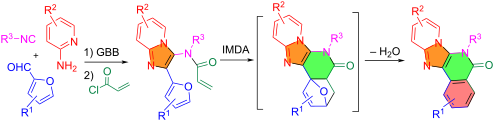
Graphical Abstract
Scheme 1: Mechanism of the GBB reaction.
Scheme 2: Comparison of the performance of Sc(OTf)3 with some RE(OTf)3 in a model GBB reaction. Conditions: a...
Scheme 3: Comparison of the performance of various Brønsted acid catalysts in the synthesis of GBB adduct 6. ...
Scheme 4: Synthesis of Brønsted acidic ionic liquid catalyst 7. Conditions: a) neat, 60 °C, 24 h; b) TfOH, DC...
Scheme 5: Aryliodonium derivatives as organic catalysts in the GBB reaction. In the box the proposed binding ...
Scheme 6: DNA-encoded GBB reaction in micelles made of amphiphilic polymer 13. Conditions: a) 13 (50 equiv), ...
Scheme 7: GBB reaction catalyzed by cyclodextrin derivative 14. Conditions: a) 14 (1 mol %), water, 100 °C, 4...
Scheme 8: Proposed mode of activation of CALB. a) activation of the substrates; b) activation of the imine; c...
Scheme 9: One-pot GBB reaction–Suzuki coupling with a bifunctional hybrid biocatalyst. Conditions: a) Pd(0)-C...
Scheme 10: GBB reaction employing 5-HMF (23) as carbonyl component. Conditions: a) TFA (20 mol %), EtOH, 60 °C...
Scheme 11: GBB reaction with β-C-glucopyranosyl aldehyde 26. Conditions: a) InCl3 (20 mol %), MeOH, 70 °C, 2–3...
Scheme 12: GBB reaction with diacetylated 5-formyldeoxyuridine 29, followed by deacetylation of GBB adduct 30....
Scheme 13: GBB reaction with glycal aldehydes 32. Conditions: a) HFIP, 25 °C, 2–4 h.
Scheme 14: Vilsmeier–Haack formylation of 6-β-acetoxyvouacapane (34) and subsequent GBB reaction. Conditions: ...
Scheme 15: GBB reaction of 4-formlyl-PCP 37. Conditions: a) HOAc or HClO4, MeOH/DCM (2:3), rt, 3 d.
Scheme 16: GBB reaction with HexT-aldehyde 39. Conditions: a) 39 (20 nmol) and amidine (20 μmol), MeOH, rt, 6 ...
Scheme 17: GBB reaction of 2,4-diaminopirimidine 41. Conditions: a) Sc(OTf)3 (20 mol %), MeCN, 120 °C (MW), 1 ...
Scheme 18: Synthesis of N-edited guanine derivatives from 3,6-diamine-1,2,4-triazin-5-one 44. Conditions: a) S...
Scheme 19: Synthesis of 2-aminoimidazoles 49 by a Mannich-3CR followed by a one-pot intramolecular oxidative a...
Scheme 20: On DNA Suzuki–Miyaura reaction followed by GBB reaction. Conditions: a) CsOH, sSPhos-Pd-G2; b) AcOH...
Scheme 21: One-pot cascade synthesis of 5-iminoimidazoles. Conditions: a) Na2SO4, DMF, 220 °C (MW).
Scheme 22: GBB reaction of 5-amino-1H-imidazole-4-carbonile 57. Conditions: a) HClO4 (5 mol %), MeOH, rt, 24 h....
Scheme 23: One-pot cascade synthesis of indole-imidazo[1,2,a]pyridine hybrids. In blue the structural motif in...
Scheme 24: One-pot cascade synthesis of fused polycyclic indoles 67 or 69 from indole-3-carbaldehyde. Conditio...
Scheme 25: One-pot cascade synthesis of linked- and bridged polycyclic indoles from indole-2-carbaldehyde (70)...
Scheme 26: One-pot cascade synthesis of pentacyclic dihydroisoquinolines (X = N or CH). In blue the structural...
Scheme 27: One-pot stepwise synthesis of imidazopyridine-fused benzodiazepines 85. Conditions: a) p-TsOH (20 m...
Scheme 28: One-pot stepwise synthesis of benzoxazepinium-fused imidazothiazoles 89. Conditions: a) Yb(OTf)3 (2...
Scheme 29: One-pot stepwise synthesis of fused imidazo[4,5,b]pyridines 95. Conditions: a) HClO4, MeOH, rt, ove...
Scheme 30: Synthesis of heterocyclic polymers via the GBB reaction. Conditions: a) p-TsOH, EtOH, 70 °C, 24 h.
Scheme 31: One-pot multicomponent reaction towards the synthesis of covalent organic frameworks via the GBB re...
Scheme 32: One-pot multicomponent reaction towards the synthesis of covalent organic frameworks via the GBB re...
Scheme 33: GBB-like multicomponent reaction towards the synthesis of benzothiazolpyrroles (X = S) and benzoxaz...
Scheme 34: GBB-like multicomponent reaction towards the formation of imidazo[1,2,a]pyridines. Conditions: a) I2...
Scheme 35: Post-functionalization of GBB products via Ugi reaction. Conditions a) HClO4, DMF, rt, 24 h; b) MeO...
Scheme 36: Post-functionalization of GBB products via Click reaction. Conditions: a) solvent-free, 150 °C, 24 ...
Scheme 37: Post-functionalization of GBB products via cascade alkyne–allene isomerization–intramolecular nucle...
Scheme 38: Post-functionalization of GBB products via metal-catalyzed intramolecular N-arylation. In red and b...
Scheme 39: Post-functionalization of GBB products via isocyanide insertion (X = N or CH). Conditions: a) HClO4...
Scheme 40: Post-functionalization of GBB products via intramolecular nucleophilic addition to nitriles. Condit...
Scheme 41: Post-functionalization of GBB products via Pictet–Spengler cyclization. Conditions: a) 4 N HCl/diox...
Scheme 42: Post-functionalization of GBB products via O-alkylation. Conditions: a) TFA (20 mol %), EtOH, 120 °...
Scheme 43: Post-functionalization of GBB products via macrocyclization (X = -CH2CH2O-, -CH2-, -(CH2)4-). Condi...
Figure 1: Antibacterial activity of GBB-Ugi adducts 113 on both Gram-negative and Gram-positive strains.
Scheme 44: GBB multicomponent reaction using trimethoprim as the precursor. Conditions: a) Yb(OTf)3 or Y(OTf)3...
Figure 2: Antibacterial activity of GBB adducts 152 against MRSA and VRE; NA = not available.
Figure 3: Antibacterial activity of GBB adduct 153 against Leishmania amazonensis promastigotes and amastigot...
Figure 4: Antiviral and anticancer evaluation of the GBB adducts 154a and 154b. In vitro antiproliferative ac...
Figure 5: Anticancer activity of the GBB-furoxan hybrids 145b, 145c and 145d determined through antiprolifera...
Scheme 45: Synthesis and anticancer activity of the GBB-gossypol conjugates. Conditions: a) Sc(OTf)3 (10 mol %...
Figure 6: Anticancer activity of polyheterocycles 133a and 136a against human neuroblastoma. Clonogenic assay...
Figure 7: Development of GBB-adducts 158a and 158b as PD-L1 antagonists. HTRF assays were carried out against...
Figure 8: Development of imidazo[1,2-a]pyridines and imidazo[1,2-a]pyrazines as TDP1 inhibitors. The SMM meth...
Figure 9: GBB adducts 164a–c as anticancer through in vitro HDACs inhibition assays. Additional cytotoxic ass...
Figure 10: GBB adducts 165, 166a and 166b as anti-inflammatory agents through HDAC6 inhibition; NA = not avail...
Scheme 46: GBB reaction of triphenylamine 167. Conditions: a) NH4Cl (10 mol %), MeOH, 80 °C (MW), 1 h.
Scheme 47: 1) Modified GBB-3CR. Conditions: a) TMSCN (1.0 equiv), Sc(OTf)3 (0.2 equiv), MeOH, 140 °C (MW), 20 ...
Scheme 48: GBB reaction to assemble imidazo-fused heterocycle dimers 172. Conditions: a) Sc(OTf)3 (20 mol %), ...
Figure 11: Model compounds 173 and 174, used to study the acid/base-triggered reversible fluorescence response...