Search results
Search for "water" in Full Text gives 2261 result(s) in Beilstein Journal of Organic Chemistry. Showing first 200.
Ring contraction and ring expansion reactions in terpenoid biosynthesis and their application to total synthesis
Beilstein J. Org. Chem. 2026, 22, 289–343, doi:10.3762/bjoc.22.21
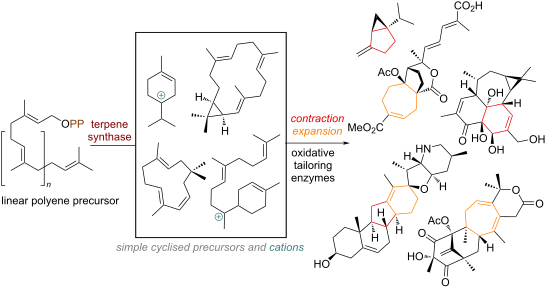
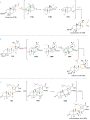
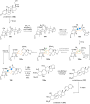
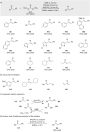
- carbocation 29d, according to the mechanistic proposal by Coates [81]. By interception of the cation with water we arrive at presilphiperfolan-8β-ol (31) Dickschat and co-workers reported an example for a ring contraction during the biosynthesis of sodorifen (32) [82]. The cyclisation is triggered by the C
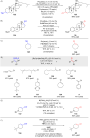
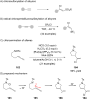
- reactive pathway consists of an alkene isomerisation from the propenyl-substituent at C-5, followed by protonation of the C-7 alcohol to give intermediate 116a. From here a transannular cyclopropanation affords the cation 116b, which upon nucleophilic attack of water provides 116c. Expulsion of acetone
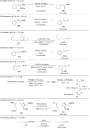
- cation by water and protonation of the enolate, delivers the rearranged natural product 119. An interesting C-ring-expanded triterpenoid was isolated from Duboscia macrocarpa in 2010 and named duboscic acid (121) [177][178]. It was biogenetically traced back to the oleane precursor 120 and proposed to be






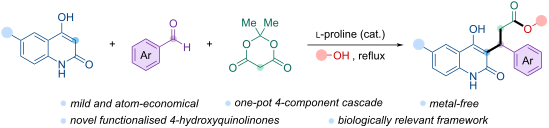
A mild and atom-efficient four-component cascade strategy for the construction of biologically relevant 4-hydroxyquinolin-2(1H)-one derivatives
Beilstein J. Org. Chem. 2026, 22, 244–256, doi:10.3762/bjoc.22.18
- subsequent conversion into isopropyl and cyclohexyl esters. Cytotoxicity and antibacterial activity Selected synthesized compounds were evaluated for their antibacterial activity and cytotoxicity. The compounds exhibited poor water solubility but were readily soluble in DMSO. Experimental details are


Conformational analysis of difluoromethylornithine: factors influencing its gas-phase and bioactive conformations
Beilstein J. Org. Chem. 2026, 22, 237–243, doi:10.3762/bjoc.22.17
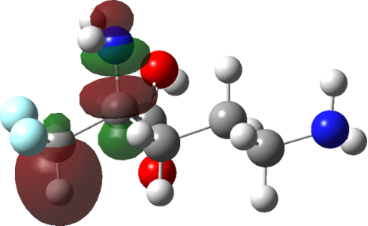
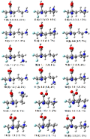
- minimize gauche C–F interactions [13][14][15][16][17][18]. It is also noteworthy that the zwitterionic form of DFMO dissociates upon gas-phase optimization, whereas the non-zwitterionic form in implicit water, modeled using the solvation model density (SMD), remains stable in a type-I conformation, with
- active site in crystallographic studies. In this environment, the fluorine atoms do not engage in favorable contacts with residues or water molecules. Instead, the geometry is dictated by interactions involving the NH₂ and COOH groups, yielding a bioconformation similar to arrangement II. Specifically
- , the NH₂ group forms a hydrogen bond with ASP183, and the carboxylate interacts with ASN130 (Figure 3), with additional hydrogen bonds to water molecules. Consequently, intermolecular interactions dominate and override the intramolecular forces responsible for the gauche effect in the isolated molecule




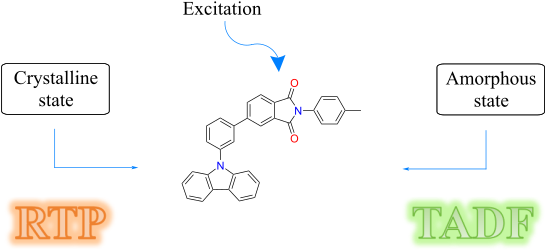
Configuration–packing synergy enabling integrated crystalline-state RTP and amorphous-state TADF
Beilstein J. Org. Chem. 2026, 22, 224–236, doi:10.3762/bjoc.22.16
- was cooled to room temperature, and the solvent was removed by pouring the solution into 300 mL of water. This caused the formation of a precipitate, which was collected by suction filtration. The collected solid was dried to remove any remaining moisture. To ensure the product was of high purity, the
- sulfate (Na2SO4) to remove any traces of water. The dried solution was then filtered to remove the drying agent and concentrated under reduced pressure to remove the solvent. The resulting crude product was purified by column chromatography using a 1:2 volume ratio of dichloromethane and n-hexane. The


Synthesis of diaryl phosphates using phytic acid as a phosphorus source
Beilstein J. Org. Chem. 2026, 22, 213–223, doi:10.3762/bjoc.22.15
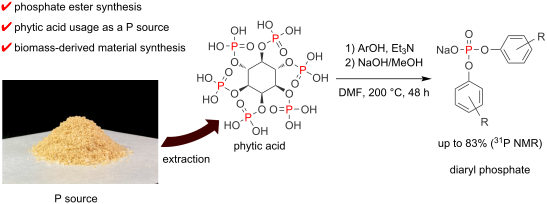
- Research, Saga University, 152-1 Shonan-cho, Karatsu, Saga 847-0021, Japan Nippon Concrete Industries Co., Ltd., 4-6-14 Shibaura, Minato-ku, Tokyo 108-8560, Japan 10.3762/bjoc.22.15 Abstract Phytic acid is a phosphorus-rich molecule, which is produced by plants using water-soluble phosphates absorbed from
- produced by plants using water-soluble phosphates absorbed from soil and stored as a phosphorus source in their bodies. Rice bran accounts for 10% of rice weight and contains approximately 6 g phytic acid/100 g rice bran [1][2][3]. Phytic acid has a structure, in which six phosphoric acid molecules
- stopcock for water removal. The reaction conditions for this synthesis procedure were based on the results of our previous study dedicated to the esterification of phosphoric acid and phenols [15] (see Scheme 2). Under the optimized reaction conditions in our previous work, the reaction yield of phosphate




Base-promoted deacylation of 2-acetyl-2,5-dihydrothiophenes and their oxygen-mediated hydroxylation
Beilstein J. Org. Chem. 2026, 22, 192–204, doi:10.3762/bjoc.22.13
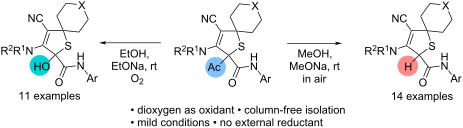
- presence of sodium ethoxide prepared from 1 equiv of sodium. After the reaction had completed, the reaction solution was concentrated under reduced pressure and the residue was quenched with water and extracted with dichloromethane (DCM). Centrifugation of the concentrated extract in Et2O afforded a
- yield (21%, Table 1, entry 2). When acid (HCl) was added after quenching the residue with water, the yields of products 2a and 3a were increased (30 and 35%, Table 1, entry 3). The selective formation of 2-hydroxy-2,5-dihydrothiophene 2a in 41% yield was achieved when using 5 equiv of sodium and 0.25 mL
- residue with water resulted in an increase in the product yield (74%, Table 2, entry 5). Increasing the amount of sodium up to 10 equiv resulted in a decrease of the yield of the product 5a (61%, Table 2, entry 6). Thus, the optimized conditions for the synthesis of dihydrothiophene 5a were found to be




Improved synthesis and physicochemical characterization of the selective serotonin 2A receptor agonist 25CN-NBOH
Beilstein J. Org. Chem. 2026, 22, 175–184, doi:10.3762/bjoc.22.11
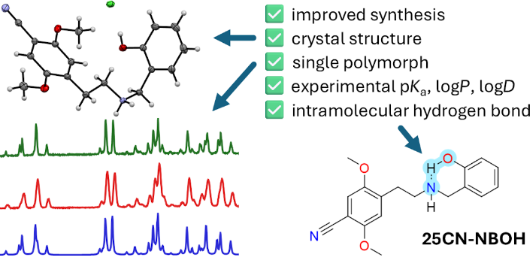
- ). Notably, the crystal structure shows that there are no water molecules of crystallization present, nor are any other solvent molecules incorporated into the crystal packing. When comparing the diffractogram obtained by SCXRD (Figure 3, green) with that obtained by X-ray powder diffraction (XRPD) of 1·HCl
- ·HCl in ultrapure water (blue), gave comparable diffractograms, indicating the presence of a single polymorph. Differential scanning calorimetry (DSC) showed a sharp endothermic peak corresponding to a melting point of 219.0 ± 0.1 °C (with ΔfusH = 50.4 ± 1.1 kJ/mol) for 1·HCl (Figure 4), and
- in water of 8.5 ± 0.3 mg/mL, leading to a solution with a pH of 6.24 ± 0.01. However, the kinetic solubility appears low; when preparing a solution of 5 mg/mL, the container must be shaken for several minutes. Previously, we reported the solubility of 1 in buffer at pH 7.4 to be 0.4 mg/mL, which is


A new synthesis of Tyrian purple (6,6’-dibromoindigo) and its corresponding sulfonate salts
Beilstein J. Org. Chem. 2026, 22, 167–174, doi:10.3762/bjoc.22.10
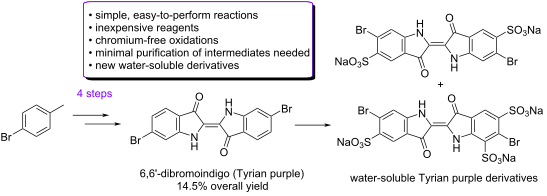
- advantages of inexpensive starting reagents, operationally simple reactions, and minimal purification of intermediates. Moreover, this work reports the successful sulfonation of 6,6’-dibromoindigo, producing water-soluble derivatives of this historically relevant dye. Keywords: 6,6’-dibromoindigo; dye
- similar analogues, using 3 as a key intermediate. Furthermore, we were interested in producing a water-soluble derivative of 1, much like indigo carmine was developed as a water-soluble derivative of indigo. Several syntheses of 3 have been reported, but the most common method involves the selective
- ][17]. In this work, we describe a more direct, chromium-free synthesis of 1 using inexpensive p-bromotoluene (5), as a starting material, which is also suitable for obtaining similar analogs. Moreover, we describe the sulfonation of 1, which yields a water-soluble dye similar in properties to indigo


Design and synthesis of an axially chiral platinum(II) complex and its CPL properties in PMMA matrix
Beilstein J. Org. Chem. 2026, 22, 143–150, doi:10.3762/bjoc.22.7
- %. Synthesis of S/R-3 Under an argon atmosphere. S-2 (197 mg, 0.389 mmol) in tetrahydrofuran (1.7 mL) was treated with a dropwise addition of 1 M TBAF solution (16.7 mL, 16.7mmol), and the resulting solution was stirred at room temperature for 2 hours. After the addition of water, the mixture was extracted
- . Under an argon atmosphere, a mixture of R-3 (16 mg, 0.043 mmol), 4 (39 mg, 0.084 mmol), and CuI (2.4 mg, 0.013 mmol ) were dissolved in degassed dichloromethane (10 mL) and diisopropylamine (10 mL). The reaction mixture was refluxed for 28 hours. After cooling to room temperature, water was added, and


Symmetrical D–π–A–π–D indanone dyes: a new design for nonlinear optics and cyanide detection
Beilstein J. Org. Chem. 2026, 22, 131–142, doi:10.3762/bjoc.22.6
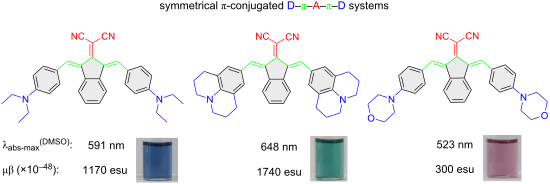
- are in the range of 254–339 °C. The mass loss between 0 and 150 °C indicates the presence of water or an organic solvent in the structure of compound 2b. The Td values of the dyes are generally resistant to moderate to high temperatures. This result supports their potential use as optical dyes


Total synthesis of natural products based on hydrogenation of aromatic rings
Beilstein J. Org. Chem. 2026, 22, 88–122, doi:10.3762/bjoc.22.4
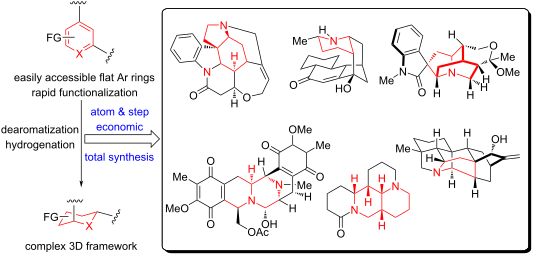
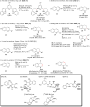
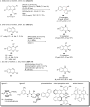
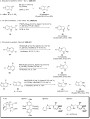
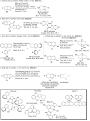
- be noted that in the presence of water, the reaction would undergo transamination with the pyridinium nitrogen moiety while inducing chirality on the ring. Hydrogenation of carbocyclic aromatic rings: In 2021, Andersson and co-workers reported a rhodium-catalyst precursor capable of operating in both




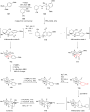


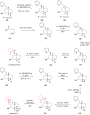


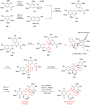


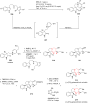

Advances in Zr-mediated radical transformations and applications to total synthesis
Beilstein J. Org. Chem. 2026, 22, 71–87, doi:10.3762/bjoc.22.3
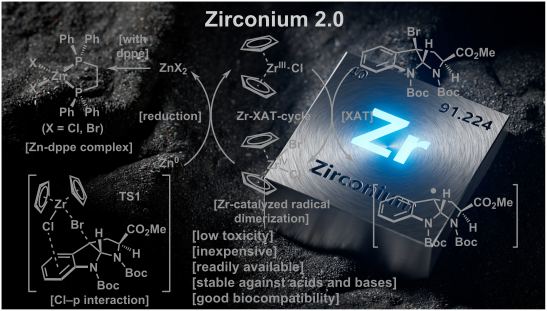
- Hiroshige Ogawa Hugh Nakamura The Hong Kong University of Science and Technology (HKUST), Clear Water Bay, New Territories, Hong Kong SAR, China 10.3762/bjoc.22.3 Abstract Radical reactions, which have been reported in large numbers in recent years, have exerted major influence across fields








Synthesis and applications of alkenyl chlorides (vinyl chlorides): a review
Beilstein J. Org. Chem. 2026, 22, 1–63, doi:10.3762/bjoc.22.1
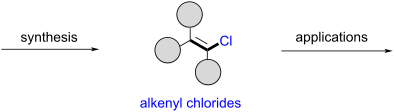
- can subsequently undergo hydrolysis in the presence of trace water to furnish the corresponding ketone (see Scheme 27, formation of ketone 167) [92]. Furthermore, Melloni were the first to demonstrate that highly hindered internal alkynes resist double HCl addition (Scheme 25) [93]. In cases where a
- hydrochlorination–alkyne addition sequence with respect to Johnson, Fañanás, and Rodríguez works (Scheme 49) [167]. Acetyl chloride reacts with water to give HCl which then readily protonates trisubstituted alkene 250 [168][169]. Subsequent trapping of the tertiary aliphatic cation 251 by the adjacent alkyne
- electronic attributes. Further improvement of the reaction was achieved by fine-tuning the Mo-metathesis catalyst (Scheme 60A–C). Schrock and Hoveyda also demonstrated that adding small amounts of HB(pin) helps remove residual water, significantly enhancing the reaction efficiency [193]. This technique can























Sustainable electrochemical synthesis of aliphatic nitro-NNO-azoxy compounds employing ammonium dinitramide and their in vitro evaluation as potential nitric oxide donors and fungicides
Beilstein J. Org. Chem. 2025, 21, 2739–2754, doi:10.3762/bjoc.21.211
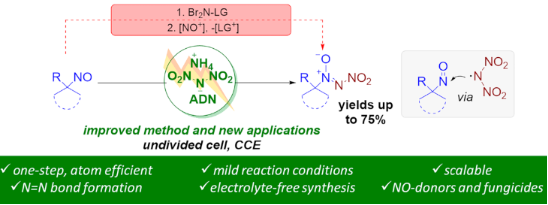
- a mixture of acetic anhydride (3.4 mL, 36.0 mmol) and 100% nitric acid (0.6 mL, 13.2 mmol) at 0 °C, and the mixture was stirred at this temperature for 30 min. Then the reaction mixture was poured into ice-water (50 mL) and extracted with CH2Cl2 (3 × 20 mL). The combined organic phase was washed
- with water (30 mL), brine (30 mL), dried over Na2SO4 and solvent removed in vacuo. Product 4f (0.71 g, 2.37 mmol, 79%) was isolated by column chromatography on silica gel (Rf = 0.55, petroleum ether/ethyl acetate, 5:1). Reaction in divided electrochemical cell (experimental details for Scheme 4
- anodic and cathodic compartments were separately evaporated under water-jet vacuum. The yield of 2a was determined according to 1H NMR spectroscopy using 1,1,2,2-tetrachloroethane as an internal standard. Reaction under constant potential electrolysis (experimental details for Scheme 4, reaction 2): In a





Total synthesis of asperdinones B, C, D, E and terezine D
Beilstein J. Org. Chem. 2025, 21, 2730–2738, doi:10.3762/bjoc.21.210
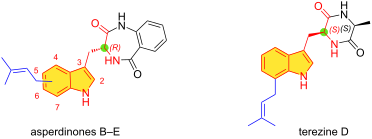
- equivalents of H2SO4 in water to obtain a mixture of six C-prenylated tryptophans from which the 7-prenyl isomer could be isolated in 4% yield after chromatography on a 10 g scale [27]. This direct prenylation method was then adapted for the synthesis of terezine D (6), which was isolated as a pale-yellow


Tandem hydrothiocyanation/cyclization of CF3-iminopropargyl alcohols with NaSCN in the presence of AcOH
Beilstein J. Org. Chem. 2025, 21, 2694–2702, doi:10.3762/bjoc.21.207
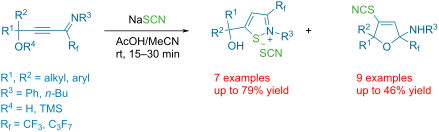
- ionic liquid- [16] or lactic acid-catalyzed [17] reactions of alkynoates, KSCN and water under ultrasound conditions as well as by the reactions of alkynoates, KSCN and water using deep eutectic solvents [18]. Reddy and co-workers [19] proposed an approach to thiocyano enones through the



Synthesis of new tetra- and pentacyclic, methylenedioxy- and ethylenedioxy-substituted derivatives of the dibenzo[c,f][1,2]thiazepine ring system
Beilstein J. Org. Chem. 2025, 21, 2645–2656, doi:10.3762/bjoc.21.205
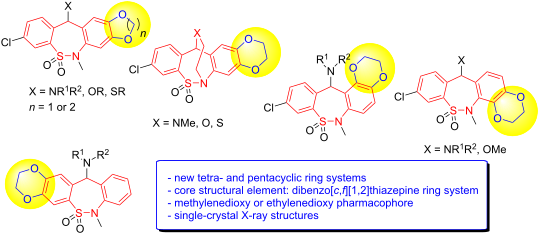
- room temperature (ca 3 h). The crystalline product separated was filtered, washed with diluted hydrochloric acid (5%, 2 × 50 mL) and water (2 × 50 mL), then air-dried to give crude 7 (17.6 g of off-white solid). The two-phase filtrate was separated, the strongly acidic aqueous phase was washed with DCM
- (15 mL) crude 19 (2.32 g, 6 mmol) was added, the solution obtained was stirred at room temperature for 40 min. It was evaporated in vacuo, the residue was dissolved in DCM (20 mL), washed with water (2 × 15 mL), dried over Na2SO4, and evaporated in vacuo. The oily residue was purified by dry-column
- ) dissolved in water (7.5 mL) was added and the solution was stirred at room temperature for 19 h. Water (15 mL) was added to the yellow solution and the ethanol was removed by evaporation in vacuo. Water (10 mL) was added and the solution was neutralized with aqueous HCl solution (0.50 mL of conc. HCl


Thiazolidinones: novel insights from microwave synthesis, computational studies, and potentially bioactive hybrids
Beilstein J. Org. Chem. 2025, 21, 2618–2636, doi:10.3762/bjoc.21.203
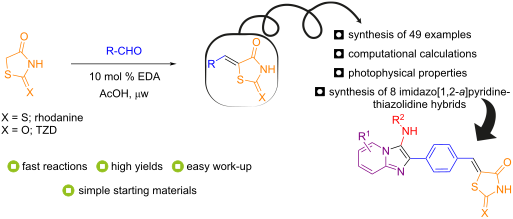
- ) [63]. Glacial acetic acid (AcOH) was initially selected as a hydrophilic (polar) protic solvent due to its high dipole moment, which makes it ideal for microwave reactions, as well as its ability to facilitate simple work-up procedures by simple addition of water [64]. Using sodium acetate (NaOAc) as
- . Additionally, some substrates proved incompatible with this reaction protocol. 2-Carboxybenzaldehyde did not result in the recovery of any solid product by simple filtration, probably due to its high solubility in water. Use of aliphatic aldehydes presented a significant challenge, as only the product 3z from
- aldehyde 1, activated by protonation of the oxygen atom through structure ii, forming the intermediate aldol iii. In the presence of EDDA, water elimination occurs in intermediate iv, yielding the Knoevenagel adducts 3 or 4. Synthesis of novel imidazo[1,2-a]pyridine–thiazolidinone hybrids To further


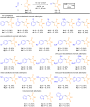


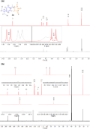


Efficient solid-phase synthesis and structural characterization of segetalins A–H, J and K
Beilstein J. Org. Chem. 2025, 21, 2612–2617, doi:10.3762/bjoc.21.202
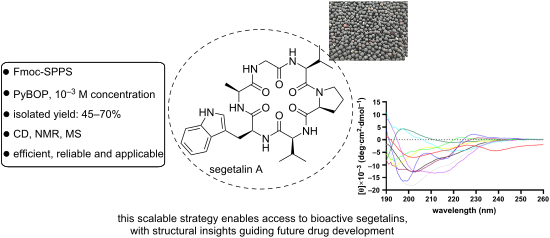
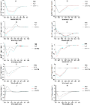
- –220 nm and a maximum below 200 nm. CD spectroscopy revealed that cyclic topology shifts characteristic peaks and stabilizes secondary structures through cooperative ring size/sequence/solvent effects [30]. TFE disrupts the hydrogen-bonding network of water, reduces solvent polarity, and enhances the


Silica gel with covalently attached bambusuril macrocycle for dicyanoaurate sorption from water
Beilstein J. Org. Chem. 2025, 21, 2604–2611, doi:10.3762/bjoc.21.201
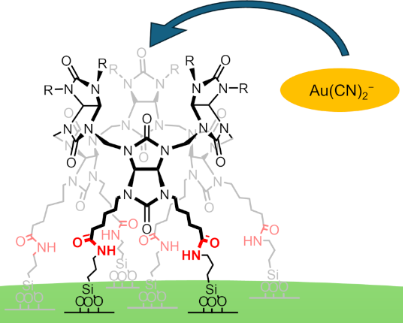
- their concentrations, particularly in water. To maintain anion levels within acceptable ranges, their removal from the environment is often necessary [1][2]. Current technologies for removing anions from aqueous solutions include chemical coprecipitation [3], ion-exchange [4], or membrane filtration [5
- example, an amphiphilic poly(methyl methacrylate)-based polymer modified with calix[4]pyrrole was found to form micelles in water that capture anions from caesium salts and can be precipitated from solution upon heating [11]. Similarly, a hydrogel composed of poly(vinyl alcohol) cross-linked by a “Texas
- -sized” molecular box has been used to extract various anions from water [12]. Another family of macrocyclic compounds suitable for anion recognition and binding are bambusurils (BUs). BUs act as very potent anion receptors in both organic solvents and water. Furthermore, their portals can be variously


Total syntheses of highly oxidative Ryania diterpenoids facilitated by innovations in synthetic strategies
Beilstein J. Org. Chem. 2025, 21, 2553–2570, doi:10.3762/bjoc.21.198
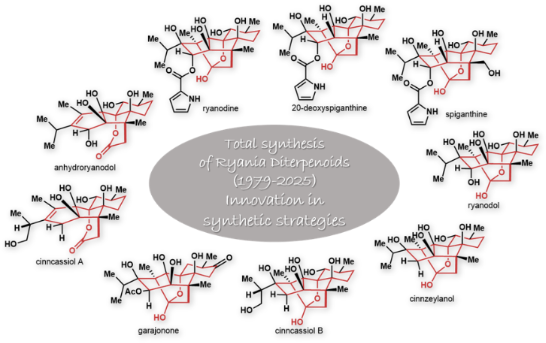
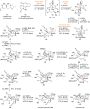
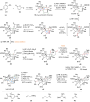
- follows: Commercially available compounds 31 and 32 were converted to the C2-symmetric 33 over 13 steps, enabling construction of the AB bicyclic skeleton in the target molecules. Compound 33 then underwent Mukaiyama hydration to adjust the C15 oxidation state, followed by water-promoted consecutive







Synthesis and characterization of a isothiouronium-calix[4]arene derivative: self-assembly and anticancer activity
Beilstein J. Org. Chem. 2025, 21, 2535–2541, doi:10.3762/bjoc.21.195
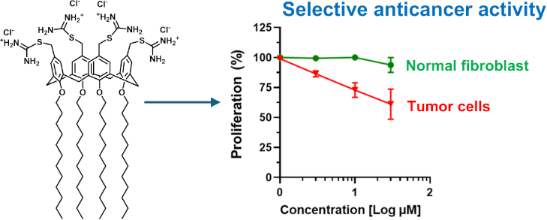
- -NH2). Size and zeta potential measurements: DLS and ELS measurements were performed on a sample of compound 3 (1 mg) dissolved in 1 mL pure water. The colloidal solution was centrifuged at 10,000 rpm for 10 min and the supernatant was collected and analyzed by a Zetasizer NanoZS90 analyzer (Malvern
- of compound 3 in DMSO-d6 (400.13 MHz, 297 K). Intensity-weighted mean hydrodynamic diameter (left), and zeta potential distribution (right) of compound 3 (1 mg/mL water), after vortex and sonication. Antiproliferative effects by compound 3 and its chemical precursor 1. A) Results on proliferative


Effect of a photoswitchable rotaxane on membrane permeabilization across lipid compositions
Beilstein J. Org. Chem. 2025, 21, 2498–2512, doi:10.3762/bjoc.21.192
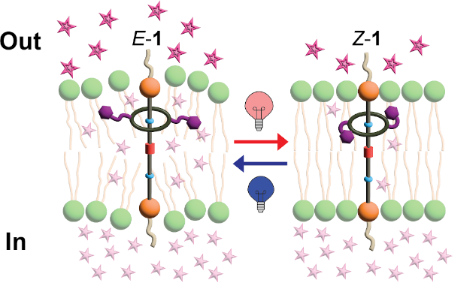
- -methyltriazolium (MTA) group. The amphiphilic spacer carries an ortho-dimethoxybenzene group on each side as stoppers to prevent the macrocycle from slipping off. These stoppers are connected to terminal polyethylene glycol (PEG) chains designed to interact with the membrane–water interface (Figure 1). Effect of
- transition to a more ordered membrane. EYPC/Chol bilayers form liquid-ordered (Lo) phases, characterized by increased thickness, rigidity, and reduced water permeability [16]. In EYPC/Chol 8:2 LUVs, rotaxane 1-E induced 29% release, more than rotaxane 1-Z, which caused only 16% release (Table 1, Figure 4a
- previous molecular dynamics simulations of rotaxane 1 in POPC bilayers, a major component of EYPC [16], showed that rotaxane 1 disrupts lipid packing and promotes water accumulation within the bilayer [15]. These effects enhance membrane permeability to hydrophilic molecules such as sulforhodamine B. The


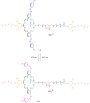
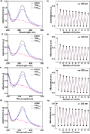


Assembly strategy for thieno[3,2-b]thiophenes via a disulfide intermediate derived from 3-nitrothiophene-2,5-dicarboxylate
Beilstein J. Org. Chem. 2025, 21, 2489–2497, doi:10.3762/bjoc.21.191
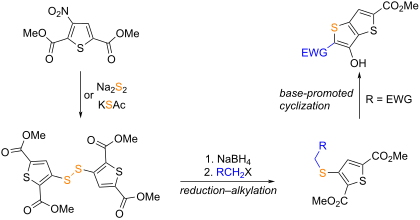
- the nucleophilic substitution of the nitro group in 2-nitrobenzonitriles using Na2S in a DMF/water medium, followed by alkylation of the resulting 2-cyanophenylthiolates and subsequent cyclization [31]. However, in our case, the reaction of ester 1 with Na2S in either acetone or a DMF/water mixture
- reactions, probably involving ester hydrolysis or alkylating agent decomposition, can be avoided by omitting the external base. In addition, Na2S2O4 was investigated as a reductant in a DMF/water 9:1 (v/v) mixture at room temperature (Table 2, entry 6). In the presence of both K2CO3 and the alkylating agent



The intramolecular stabilizing effects of O-benzoyl substituents as a driving force of the acid-promoted pyranoside-into-furanoside rearrangement
Beilstein J. Org. Chem. 2025, 21, 2456–2464, doi:10.3762/bjoc.21.187
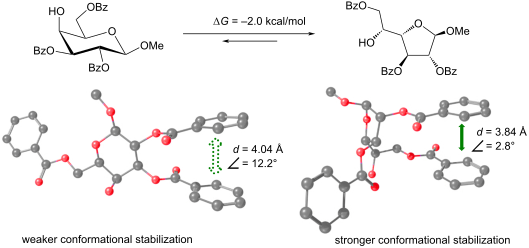
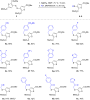
- ] and vaccines [15][16][17][18]. That is why new efficient and stereoselective methods for the synthesis of both Galf-containing mono- and oligosaccharide derivatives are highly demanded. It is a well-known fact that galactofuranose form constitutes only 5% in water solution of unprotected ᴅ-galactose