


Search results
Search for "gel" in Full Text gives 1368 result(s) in Beilstein Journal of Organic Chemistry. Showing first 200.
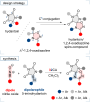
Facile synthesis of hydantoin/1,2,4-oxadiazoline spiro-compounds via 1,3-dipolar cycloaddition of nitrile oxides to 5-iminohydantoins
Beilstein J. Org. Chem. 2025, 21, 1552–1560, doi:10.3762/bjoc.21.118

- chromatography on silica gel using DCM as eluent. Design and synthetic strategies for the target hydantoin/1,2,4-oxadiazoline spiro-compounds. Atropoisomerism of ortho-substituted spiro-compounds 5b and 5d. Cytotoxicity investigation of hydantoin/1,2,4-oxadiazolines 5 (MTT test, HCT116 cell line) and selected



Ambident reactivity of enolizable 5-mercapto-1H-tetrazoles in trapping reactions with in situ-generated thiocarbonyl S-methanides derived from sterically crowded cycloaliphatic thioketones
Beilstein J. Org. Chem. 2025, 21, 1508–1519, doi:10.3762/bjoc.21.113
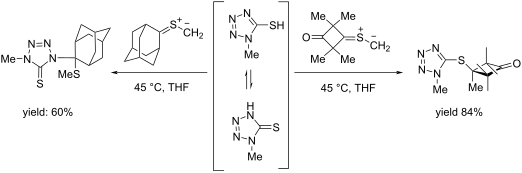
- Commercial chemicals and solvents were used as received. If not stated otherwise, products were purified by filtration through short silica gel plugs (200–400 mesh) by using freshly distilled solvents as eluents or by recrystallization. Melting points were determined in capillaries with an Aldrich Melt-Temp
- evaporated, and the residue was analyzed by 1H NMR. Depending on the composition of the crude product, this material was either separated by preparative layer chromatography on the plates coated with silica gel (CH2Cl2 as the mobile phase) (separation of 9h and 10h) or crystallized from hexane/CH2Cl2 mixture


Advances in nitrogen-containing helicenes: synthesis, chiroptical properties, and optoelectronic applications
Beilstein J. Org. Chem. 2025, 21, 1422–1453, doi:10.3762/bjoc.21.106
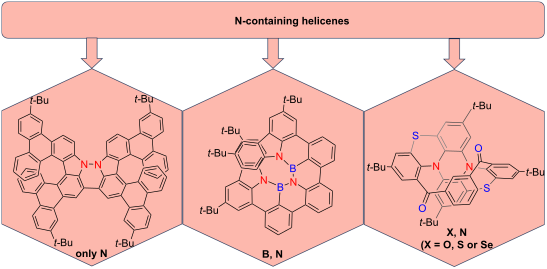
- emitters. Boron–nitrogen co-doping strategies, in particular, have facilitated the development of materials with ultra-narrowband emissions, near-unity photoluminescence quantum yields, and electroluminescence dissymmetry factors (|gEL|) exceeding 10−3. Likewise, heteroatom co-doping with oxygen, sulfur
- (FWHM = 36 nm), |glum| = 1.1 × 10⁻³, |gEL| = 1.5 × 10⁻³, and an external quantum efficiency (EQE) of 0.14 – demonstrating promise for CPL-OLED applications [22]. Wanichacheva’s team reported urazole-functionalized aza[5]helicene 10, exhibiting selective Fe(III) sensing, marked solvatochromism, and a
- foundation, the same group in 2024 developed a series of structurally refined aza[7]helicenes (compounds 12a and 12b) under modified Scholl reaction conditions [25]. These products were obtained as optically active diastereomers, which were successfully separated using silica gel chromatography. Additionally

Tautomerism and switching in 7-hydroxy-8-(azophenyl)quinoline and similar compounds
Beilstein J. Org. Chem. 2025, 21, 1404–1421, doi:10.3762/bjoc.21.105
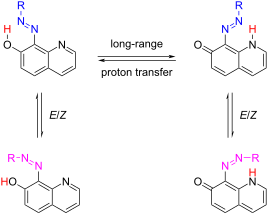
- Fluorochem and used as received. The solvents used for the experimental synthesis (HPLC grade) were purchased from Sigma-Aldrich. All other materials were commercial products of analytical grade and used as supplied. Analytical TLC (thin-layer chromatography) was performed on Merck silica gel 60 F254
- on silica gel, using dichloromethane/ethyl acetate 6:1 as eluent to obtain the pure product as bright orange solid (0.31 g, 62% yield). 1H NMR (500 MHz, CDCl3) δ 8.93 (dd, J = 1.2 Hz, 4.6 Hz, 1H), 7.95 (d, J = 8.0 Hz, 1H), 7.87 (d, J = 8.0 Hz, 2H), 7.70 (d, J = 9.5 Hz, 1H), 7.49 (t, J = 8.0 Hz, 2H
- formed, was washed with water several times and dried. The crude material was purified by column chromatography on silica gel, eluting with dichloromethane. Evaporation of the solvent afforded the pure target compound as orange solid (0.26 g, 38% yield). 1H NMR (500 MHz, DMSO-d6) δ 14.7 (br s, 1H), 8.90




Reactions of acryl thioamides with iminoiodinanes as a one-step synthesis of N-sulfonyl-2,3-dihydro-1,2-thiazoles
Beilstein J. Org. Chem. 2025, 21, 1397–1403, doi:10.3762/bjoc.21.104
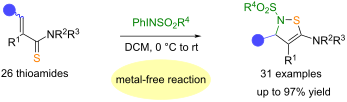
- solution was stirred for 10 min in an ice bath, then iodonium salt 2a or 2f (1.5–2.0 equiv) was added in one portion. The reaction vessel was removed from the ice bath and the reaction mass was stirred for 6–60 min, then transferred to a silica gel column and the corresponding 2-sulfonyl-2,3-dihydro-1,2
- (1.5 mL) was added dropwise. The reaction vessel was removed from the ice bath and the reaction mass was stirred for 10–30 min, then transferred to a silica gel column and the corresponding 2-sulfonyl-1,3-thiazole 3 was isolated. X-ray structure determination of 3aa. Crystal data for C21H21N3O3S2 (M


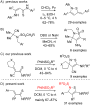

Optimized synthesis of aroyl-S,N-ketene acetals by omission of solubilizing alcohol cosolvents
Beilstein J. Org. Chem. 2025, 21, 1201–1206, doi:10.3762/bjoc.21.97
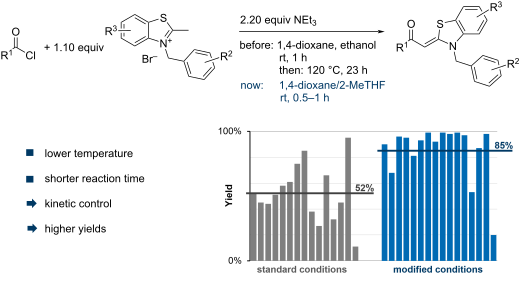
- in Table 1. The yield of compounds 1 after flash chromatography on silica gel under modified conditions (B) are significantly higher than under standard conditions (A). The results demonstrate the broad applicability of the optimized reaction conditions. Acid chlorides with electron-withdrawing (-CN
- ® and purified by flash chromatography on silica gel (n-hexane/acetone 3:1). Then, the crude product was suspended in n-hexane, the supernatant separated by filtration and the precipitate was dried under vacuum to afford aroyl-S,N-ketene acetal 1i (1.78 g, 4.93 mmol, 99%) as a yellow solid. Mp 159 °C


Synthesis of β-ketophosphonates through aerobic copper(II)-mediated phosphorylation of enol acetates
Beilstein J. Org. Chem. 2025, 21, 1192–1200, doi:10.3762/bjoc.21.96
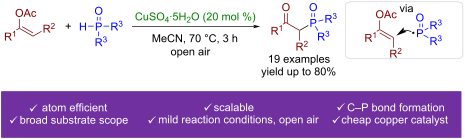
- chromatography on silica gel. Recent approaches for the synthesis of β-ketophosphonates by the oxyphosphorylation of unsaturated compounds. The scope of the discovered copper(II)-mediated phosphorylation of enol acetates. Gram-scale synthesis of 3a. Control experiments. Proposed mechanism for copper(II) mediated


Selective monoformylation of naphthalene-fused propellanes for methylene-alternating copolymers
Beilstein J. Org. Chem. 2025, 21, 1183–1191, doi:10.3762/bjoc.21.95
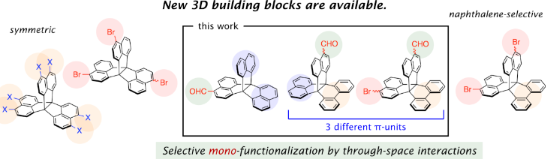
- chromatography on silica gel because of their low polarity and poor solubility in n-hexane. On the other hand, nitration of [3.3.3] gave solely the six-fold nitrated product due to low solubility of the starting material [46]. The current reaction is the first practical method for the selective
- -shifted to ca. 34 ppm in the 13C NMR spectra due to conversion into methylene groups (Figure 2b and Figures S315 and S316 in Supporting Information File 1). However, all 1H NMR signals were broad, and gel permeation chromatography (GPC) charts indicated broad patterns due to multiple products with varying


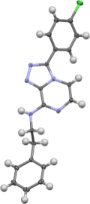
Investigations of amination reactions on an antimalarial 1,2,4-triazolo[4,3-a]pyrazine scaffold
Beilstein J. Org. Chem. 2025, 21, 1126–1134, doi:10.3762/bjoc.21.90
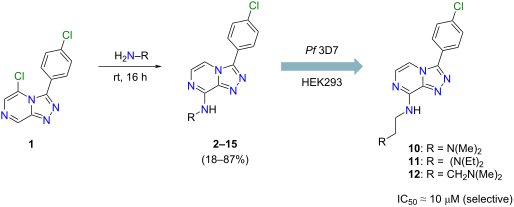
- RS UHPLC coupled to a Thermo Scientific ISQ™ EC single quadruple ESI mass spectrometer. HRESIMS data were acquired on a Bruker maXis II ETD ESI-qTOF. TLC was carried out on Merck (Kenilworth, NJ, USA) silica gel 60 F254 pre-coated aluminium plates and developed plates were visualised using UV light
- at 254 and 365 nm. Reaction mixtures were pre-adsorbed onto Merck silica gel (40–63 µm, 143 Å) and Isolute™ silica (30 × 40 mm, 10 g, 55 µm, 54 Å) SPE cartridges were used for normal-phase, small-scale separations. Alltech (Lexington, KY, USA) Davisil™ C18-bonded silica (35–70 µm, 60 Å) were used for




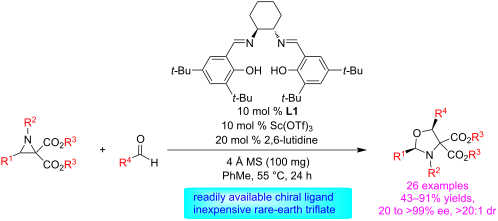
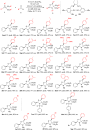
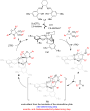
Salen–scandium(III) complex-catalyzed asymmetric (3 + 2) annulation of aziridines and aldehydes
Beilstein J. Org. Chem. 2025, 21, 1087–1094, doi:10.3762/bjoc.21.86
- was refluxed over sodium with benzophenone as an indicator and freshly distilled prior to use. Column chromatography was performed on silica gel (normal phase, 200–300 mesh) from Anhui Liangchen Silicon Material Co., Ltd. or basic aluminum oxide (pH 9–10) from Shanghai Titan Technology Co., Ltd
- . Petroleum ether (PE, 60–90 °C fraction) and ethyl acetate (EA) were used as eluent. Reactions were monitored by thin-layer chromatography (TLC) on GF254 silica gel plates (0.2 mm) from Anhui Liangchen Silicon Material Co., Ltd. The plates were visualized by UV light. 1H NMR (400 MHz) and 13C NMR (101 MHz



Synthesis of HBC fluorophores with an electrophilic handle for covalent attachment to Pepper RNA
Beilstein J. Org. Chem. 2025, 21, 727–735, doi:10.3762/bjoc.21.56
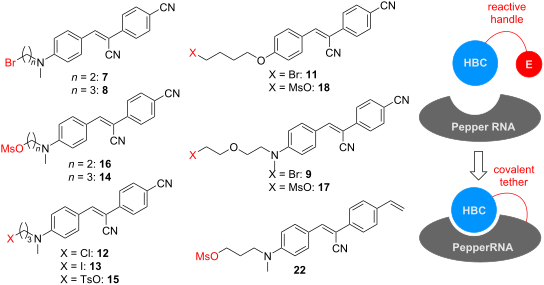
- . Chemical reagents and solvents were purchased in the highest available quality from commercial suppliers (Merck/Sigma-Aldrich, ABCR) and used without further purification. Analytical thin-layer chromatography (TLC) was performed on Macherey-Nagel Polygram® SIL G/UV254 plates. 0.2 mm silica gel 60 for
- Na2SO4 and concentrated to dryness. Finally, the crude compound was purified via silica gel chromatography using 50–70% ethyl acetate in cyclohexane as gradient. General procedure B. The product obtained in general procedure A was dissolved in ethanol mixed with 4-cyanophenylacetonitrile and 8 drops of
- obtained in general procedure B was dissolved in dichloromethane and cooled to 0 °C under argon atmosphere. Then, triphenylphosphine and carbon tetrabromide were added and stirred at room temperature for two hours. Afterwards, the entire mixture was loaded on a silica gel column and eluted with 100



Asymmetric synthesis of fluorinated derivatives of aromatic and γ-branched amino acids via a chiral Ni(II) complex
Beilstein J. Org. Chem. 2025, 21, 659–669, doi:10.3762/bjoc.21.52
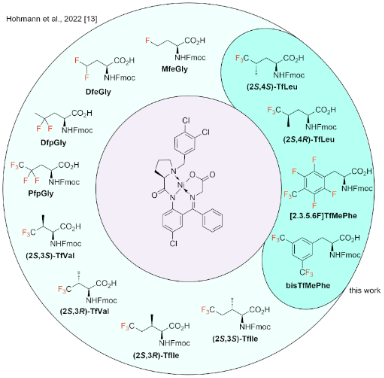
- ) was carried out on aluminum plates coated with silica gel 60 F254 (Merck, Darmstadt, Germany). The TLC plates were analyzed using UV light at 254 nm. Flash chromatography was performed on silica gel 60 M from Macherey-Nagel (grain size of 40−63 μm). The conditions are given in the form “(A/B = a:b
- , Torrance, CA, USA) was used. H2O and MeCN, both containing 0.1% (v/v) TFA, served as eluents. Fmoc-protected amino acids were detected at 220 nm. For a chiral analysis, a CHIRALPAK ZWIX(−) column ((R,R)-ACHSA immobilized on 3 μm silica gel, 250 × 4 mm, Chiral Technologies Europe, Illkirch Cedex, France


Entry to 2-aminoprolines via electrochemical decarboxylative amidation of N‑acetylamino malonic acid monoesters
Beilstein J. Org. Chem. 2025, 21, 630–638, doi:10.3762/bjoc.21.50
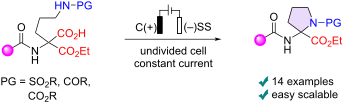
- quench of a transient N-acyliminium species was found to be a major side-reaction as evidenced by the formation of an open-chain hemiaminal 10a (the hemiaminal could not be isolated due to the instability on silica gel). Screening of other supporting electrolytes revealed that basic salts (K2CO3, Na2CO3



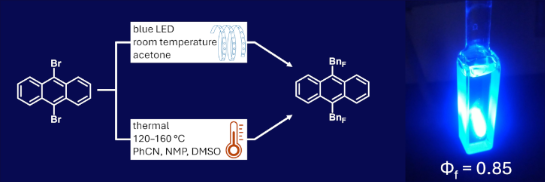
Deep-blue emitting 9,10-bis(perfluorobenzyl)anthracene
Beilstein J. Org. Chem. 2025, 21, 515–525, doi:10.3762/bjoc.21.39
- Barnstead NANOpure Ultrapure Water system, producing water with a final resistance of at least 18 MΩ); and silica gel (Sigma-Aldrich, 70–230 mesh, 60 Å). For HPLC separations: acetonitrile (Fisher Scientific ACS grade); toluene (Fisher Scientific, ACS grade); and heptane (Mallinckrodt Chemicals, ACS grade
- were extracted with Et2O and washed four to six times with doubly distilled water removing the aqueous layer each time. Anhydrous MgSO4 was added to the organic layer and passed through silica gel with DCM as the eluent. The organic layer was then concentrated to dryness. Yield (isolated): 9-H-10-BnF





Unprecedented visible light-initiated topochemical [2 + 2] cycloaddition in a functionalized bimane dye
Beilstein J. Org. Chem. 2025, 21, 500–509, doi:10.3762/bjoc.21.37
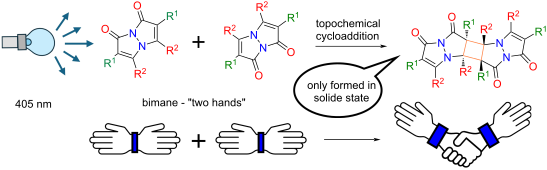
- chlorine gas, with the reaction conducted by stirring the pyrazolinone with TCICA in DCM for 18 hours. Bimanes can be purified easily using column chromatography with silica gel as the stationary phase, with the compounds Cl2B, Me2B, and Me4B only requiring neat DCM as the eluent. After chromatographic


Organocatalytic kinetic resolution of 1,5-dicarbonyl compounds through a retro-Michael reaction
Beilstein J. Org. Chem. 2025, 21, 473–482, doi:10.3762/bjoc.21.34
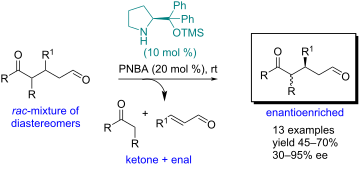
- its enantioselectivity, aliquots of the reaction mixture were taken at defined time intervals and analyzed by HPLC using a chiral column after passing them through a short silica gel pad. Some interesting conclusions can be made from the data in Table 1. Firstly, the retro-Michael reaction occurs, to
- a one dm path length, and concentration was given in grams per 100 mL. TLC analysis was performed on glass-backed plates coated with silica gel 60 and an F254 indicator and visualized by either UV irradiation or staining with phosphomolybdic acid solution. Flash chromatography uses silica gel (230
- added to a solution of enal (2.5 mmol) and 2-phenylacetophenone (3.0 mmol) in dichloromethane (20 mL), and the mixture was stirred until the reaction was completed. Then, the solvent was removed under reduced pressure, and the residue was purified by silica gel column chromatography using hexane/ethyl


Photomechanochemistry: harnessing mechanical forces to enhance photochemical reactions
Beilstein J. Org. Chem. 2025, 21, 458–472, doi:10.3762/bjoc.21.33
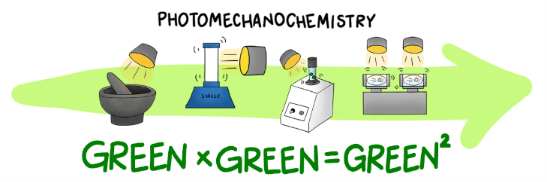
- (9.1) (Scheme 9) [75]. In this case the authors used a ball-mill reactor equipped with a blue LED, and the reaction was run in a glass vial with two transparent PMMA balls. The authors noted that fluorination of the vial and the use of silica gel to adjust texture were needed to prevent reagent
- investigated. When o-terphenyl (10.1) was milled (30 Hz, PTFE balls) and irradiated (λ = 270 nm) in the presence of silica gel (bulking agent), I2 (1 equiv) as an oxidant, and K2CO3 (1 equiv) as a base in the presence of toluene, the expected product 10.2 was obtained in 81% yield after isolation upon 181 h of




Beyond symmetric self-assembly and effective molarity: unlocking functional enzyme mimics with robust organic cages
Beilstein J. Org. Chem. 2025, 21, 421–443, doi:10.3762/bjoc.21.30
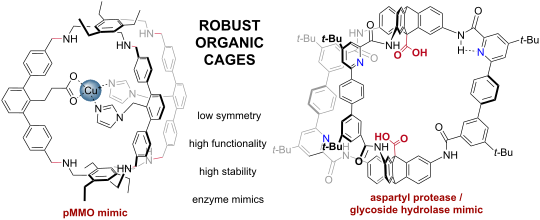
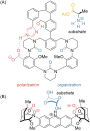
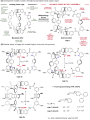
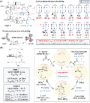
- able to adapt this chemistry to work in situ, allowing soluble metastable imine frameworks to be trapped as amides [38]. The adapted cages were soluble, and were now stable enough to be purified by gel-permeation (size-exclusion) chromatography (useful when precipitation is not possible), which is




Identification and removal of a cryptic impurity in pomalidomide-PEG based PROTAC
Beilstein J. Org. Chem. 2025, 21, 407–411, doi:10.3762/bjoc.21.28
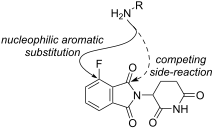
- to generate an inseparable byproduct. By contrast, the byproduct derived from Boc-protected amines has a significantly different retention time on HPLC and could be removed by regular silica gel chromatography. Because the formation of 5‒7 posts a significant purification challenge, we sought to
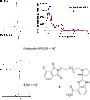
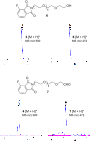
- silica gel column chromatography. The LUMO and electrostatic charges of thalidomide and its derivatives by DFT calculation at the ωB97X-D/6-311+G** level. The synthetic route for iVeliparib-AP6. The conversion of byproduct 6 to 10 to facilitate its removal. Effects of the length and functionalization of




Antibiofilm and cytotoxic metabolites from the entomopathogenic fungus Samsoniella aurantia
Beilstein J. Org. Chem. 2025, 21, 327–339, doi:10.3762/bjoc.21.23
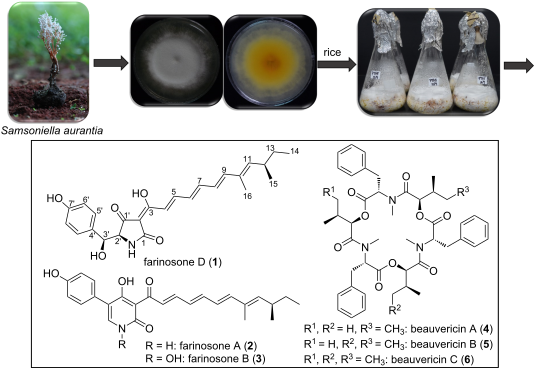
- (15 g) was analyzed by LC–MS. Thereafter, it was fractionated by vacuum liquid chromatography (VLC) using silica gel as a stationary phase. The elution procedure was performed using a chromatographic scheme of two different gradients as follows: 1) n-heptane/EtOAc (1:0, 7:3, 3:7, 0:1) followed by


Three-component reactions of conjugated dienes, CH acids and formaldehyde under diffusion mixing conditions
Beilstein J. Org. Chem. 2025, 21, 262–269, doi:10.3762/bjoc.21.18
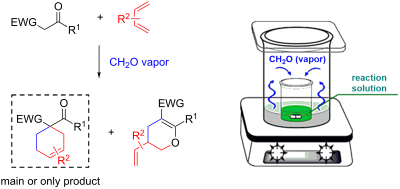
- days (TLC or NMR control). After completion of the reaction, the solvent was removed under reduced pressure, and the residue was purified by column chromatography on silica gel using chloroform as eluent. ((1S,4S)-Bicyclo[2.2.1]hept-5-ene-2,2-diyl)bis(phenylmethanone) (8) and phenyl((4aR,7aS)-2-phenyl


Effect of substitution position of aryl groups on the thermal back reactivity of aza-diarylethene photoswitches and prediction by density functional theory
Beilstein J. Org. Chem. 2025, 21, 242–252, doi:10.3762/bjoc.21.16
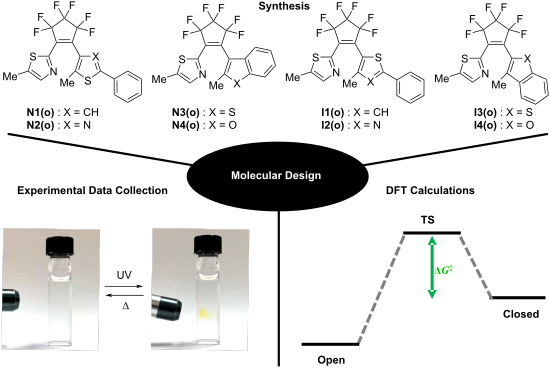
- solution, extracted with ether, washed with brine, dried over MgSO4, filtered, and concentrated in vacuo. The crude product was purified by column chromatography on silica gel using n-hexane and ethyl acetate 95:5 to give 1.4 g of I2(a) in 50% yield. 1H NMR (300 MHz, CDCl3, TMS) δ = 2.55 (d, JHF = 3.2 Hz
- brine, dried over MgSO4, filtered, and concentrated in vacuo. The crude product was purified by column chromatography on silica gel using n-hexane to give 2.8 g of I4(a) in 56% yield. 1H NMR (300 MHz, CDCl3, TMS) δ = 2.42 (s, 3H, CH3), 7.29–7.34 (m, 1H, aromatic H), 7.40–7.46 (m, 1H, aromatic H), 7.49
- reaction mixture was neutralized by HCl aqueous solution, extracted with ether, washed with brine, dried over MgSO4, filtered, and concentrated in vacuo. The crude product was purified by column chromatography on silica gel using n-hexane and ethyl acetate 8:2 and recycling HPLC using chloroform as the


Nickel-catalyzed cross-coupling of 2-fluorobenzofurans with arylboronic acids via aromatic C–F bond activation
Beilstein J. Org. Chem. 2025, 21, 146–154, doi:10.3762/bjoc.21.8
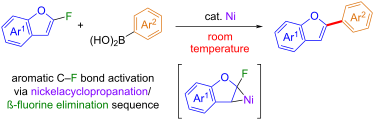
- JMS-T100GCV or a JEOL JMS-T200GC spectrometer. All the reactions were conducted under argon or nitrogen. Materials: Column chromatography was conducted on silica gel (Silica Gel 60 N, Kanto Chemical Co., Inc.). Toluene and N,N-dimethylformamide (DMF) were purified by a solvent-purification system
- . After removal of the solvent under reduced pressure, the residue was purified by silica gel column chromatography (hexane/EtOAc = 10:1) to give 3bb (76 mg, 98%) as a white solid. 1H NMR (500 MHz, CDCl3) δ 8.15 (d, J = 8.2 Hz, 1H), 7.93 (d, J = 8.2 Hz, 1H), 7.75–7.67 (m, 4H), 7.58 (ddd, J = 8.2, 6.9, 1.2



Emerging trends in the optimization of organic synthesis through high-throughput tools and machine learning
Beilstein J. Org. Chem. 2025, 21, 10–38, doi:10.3762/bjoc.21.3
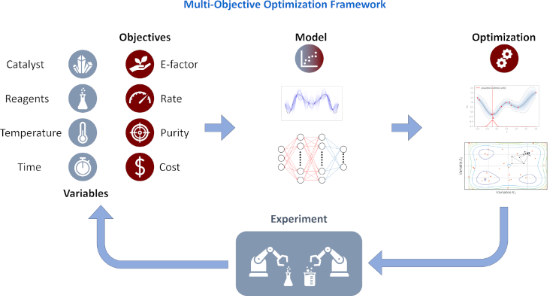
- products once experiments are performed. Despite this bottleneck, the landscape is evolving, with various practical tools emerging to streamline purification processes. From prepacked silica gel tubes to the precision semipreparative liquid chromatography and the versatile capabilities of various scavenger


Intramolecular C–H arylation of pyridine derivatives with a palladium catalyst for the synthesis of multiply fused heteroaromatic compounds
Beilstein J. Org. Chem. 2024, 20, 3256–3262, doi:10.3762/bjoc.20.269
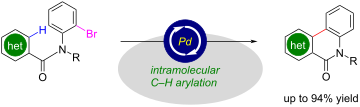
- dichloromethane (2 mL) three times. The combined organic extracts were repeatedly washed with water (20 mL) and brine (20 mL). The organic layer was dried over anhydrous sodium sulfate and concentrated under reduced pressure to give a crude material, which was purified by silica gel column chromatography (hexane





