


Search results
Search for "cancer cells" in Full Text gives 172 result(s) in Beilstein Journal of Organic Chemistry.
Cu(I)-catalyzed N,N’-diarylation of natural diamines and polyamines with aryl iodides
Beilstein J. Org. Chem. 2015, 11, 2297–2305, doi:10.3762/bjoc.11.250

- cancer cells were found to possess an excess of polyamines [2]. This fact initiated the studies of polyamines in the frames of molecular biology and biochemistry. It has been firmly established that N-derivatives are prospects for the creation of anticancer and antiviral medicaments. The majority of


Synthesis, antimicrobial and cytotoxicity evaluation of new cholesterol congeners
Beilstein J. Org. Chem. 2015, 11, 1922–1932, doi:10.3762/bjoc.11.208
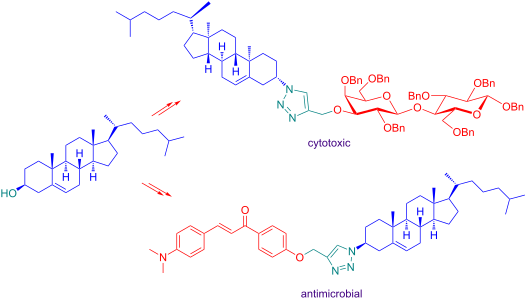
- through depletion of cholesterol from cells under cancer threat, where cancer onset requires elevated intracellular cholesterol levels to build new membranes [10]. This emerging propensity of nascent cancer cells for cholesterol uptake is an attractive target to use cholesterol as vehicle to increase the




Pyridinoacridine alkaloids of marine origin: NMR and MS spectral data, synthesis, biosynthesis and biological activity
Beilstein J. Org. Chem. 2015, 11, 1667–1699, doi:10.3762/bjoc.11.183
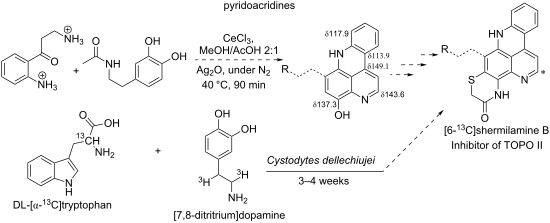
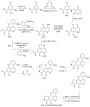
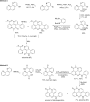
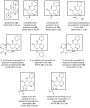
- cells, causing an extensive reduction of the MCF-7 breast cancer cells in the G2/M phase [85]. Two skeletons, including 9H-pyrido[4,3,2-mn]thiazolo[4,5-b]acridin-9-one and 8H-pyrido[4,3,2-mn]thiazolo[4,5-b]acridine (Figure 15), are found in kuanoniamine structures (60, 86–88). The first one associated
- moieties and an acridine core are two pharmacophoric motifs inhibiting the proliferation of cancer cells through intercalation into DNA [42][94][95]. Compounds with such a feature can also cleave the DNA double helix or inhibit the action of TOPO [42][94][95]. These abilities have been observed in










Dicarboxylic esters: Useful tools for the biocatalyzed synthesis of hybrid compounds and polymers
Beilstein J. Org. Chem. 2015, 11, 1583–1595, doi:10.3762/bjoc.11.174

- polymerization of tubulin in vitro. The same methodology might be applied to direct a drug by conjugation to a molecule binding to a specific receptor on cancer cells. Moreover, by using dicarboxylated linkers with a disulfide bridge, it was possible to generate dynamic libraries of dimeric hybrids based on


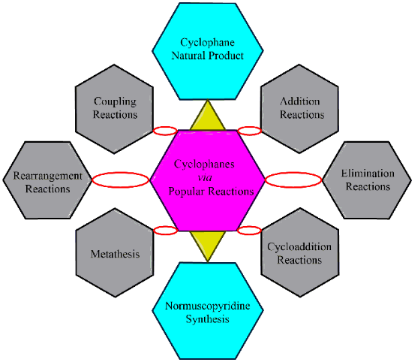
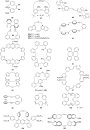
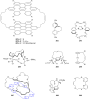
Selected synthetic strategies to cyclophanes
Beilstein J. Org. Chem. 2015, 11, 1274–1331, doi:10.3762/bjoc.11.142






Gold-catalyzed formation of pyrrolo- and indolo-oxazin-1-one derivatives: The key structure of some marine natural products
Beilstein J. Org. Chem. 2015, 11, 897–905, doi:10.3762/bjoc.11.101

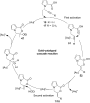
- and multidrug resistance reversal activity [12][13][14]. Lamellarins 4 with a pyrrolo-oxazinone substructure are also marine natural products and they inhibit the proliferation of cancer cells and therefore are promising candidates for anticancer drugs [15][16][17][18][19][20]. The design and


Glycodendrimers: tools to explore multivalent galectin-1 interactions
Beilstein J. Org. Chem. 2015, 11, 739–747, doi:10.3762/bjoc.11.84
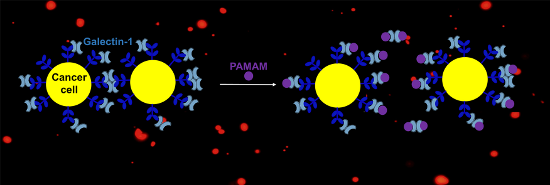
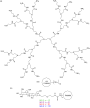
- are quite homogeneous, we used these nanoparticles in cellular aggregation assays with galectin-1 and DU145 human prostate cancer cells. The DU145 cell line was chosen because it expresses a putative galectin-1 ligand – the Thomsen Friedenreich (TF) antigen on Mucin-1 [34][35]. As shown in Figure 7
- were added to cancer cells to modulate galectin-1 mediated cellular aggregation. The glycodendrimers inhibited cellular aggregation by providing competitive binding sites for the galectin-1 and diverting the galectin-1 from its native role in cellular cross-linking, which leads to cellular aggregation
- in PBS buffer. Increasing glycodendrimer concentrations were added to a constant concentration of galectin-1 (3.7 µM) and cancer cells (≈240,000/eppendorf). Glycodendrimer concentrations were calculated to present approximately equal concentrations of lactosides residues at the same stage in the




Natural phenolic metabolites with anti-angiogenic properties – a review from the chemical point of view
Beilstein J. Org. Chem. 2015, 11, 249–264, doi:10.3762/bjoc.11.28
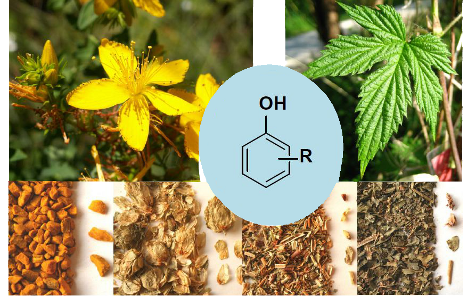
- effect subsequently induces the formation of new blood vessels that quickly connect to preexisting blood vessels, thus providing a sufficient supply of nutrients for tumor survival [5]. In addition, the new blood vessels allow the cancer cells to spread from a parent location to other areas causing
- pharmacokinetic properties as compared to resveratrol and shows antiproliferation activity in various cancer cells [46][47][48]. The further investigation of its role in angiogenesis by Dai and Zhang et al. [49] showed that DMU-212, a potential anti-angiogenic agent, inhibits VEGFR2 phosphorylation and thereby
- . For example, it can inhibit androgen receptor signaling and tumor growth in athymic nude mice [87], it can cause apoptosis and cell-cycle arrest in human prostate cancer LNCaP cells [88] and in HCT-116 human colon cancer cells, and it can induce apoptosis associated with an increased level of p53 [89


Formulation development, stability and anticancer efficacy of core-shell cyclodextrin nanocapsules for oral chemotherapy with camptothecin
Beilstein J. Org. Chem. 2015, 11, 204–212, doi:10.3762/bjoc.11.22
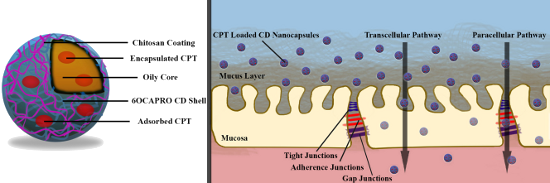
- of the therapy. Another major factor is that anticancer drugs have a wide distribution capacity in the body and owing to non-selective cytotoxicity of these drugs not only the cancer cells but also healthy cells are killed. Due to low therapeutic indices of anticancer drugs, a rapid increase and
- be safe. Figure 4 shows the viability of MCF-7 cancer cells after 72 hours of incubation with the formulations diluted with DMSO at a dilution rate of 1:16. The cytotoxic effect of both anionic and cationic nanocapsule formulations was investigated in comparison with CPT solution (CPT in DMSO) at a


Synthesis and biological evaluation of a novel MUC1 glycopeptide conjugate vaccine candidate comprising a 4’-deoxy-4’-fluoro-Thomsen–Friedenreich epitope
Beilstein J. Org. Chem. 2015, 11, 155–161, doi:10.3762/bjoc.11.15
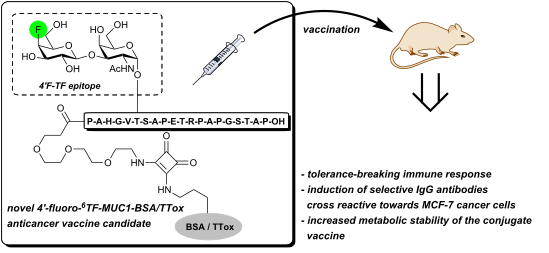
- selective IgG antibodies that are cross-reactive with native MUC1 epitopes on MCF-7 human cancer cells. Keywords: cancer immunotherapy; fluorinated carbohydrates; glycoconjugates; MUC1; TACA; Introduction Since cancer has advanced to one of the leading causes of death in economical developed countries
- antibodies elicited from this vaccine were found to cross-react with native TF epitopes of MCF-7 cancer cells. Similarly, Yang et al. found that fluorinated sTn antigen conjugates were significantly more immunogenic than their natural congeners and also elicited antibodies cross-reactive to sTn-positive LS-C
- capable of binding to the native MUC1 antigen structures present on MCF-7 human breast cancer cells. Moreover, selective deoxyfluorination at the antigenic carbohydrate determinant might be used to improve the metabolic stability of the saccharide epitope, as was showcased by the enhanced resistance of




Trogopterins A–C: Three new neolignans from feces of Trogopterus xanthipes
Beilstein J. Org. Chem. 2014, 10, 2955–2962, doi:10.3762/bjoc.10.313
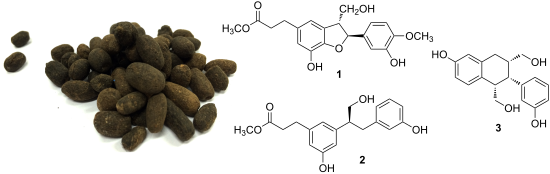
- )diphenol. The in vitro cytotoxic activities of compounds 1–4 against HL-60 (human leukemia), HeLa (human cervical carcinoma), and MCF-7 (human breast cancer) cells were evaluated using an MTT assay. As shown in Table 4, compounds 1–3 exerted moderate cytotoxic effects against HL-60 cells with IC50 values
- ', C-2', and C-6'; H-9b→C-1, C-7, C-8, C-1', C-2', and C-6'; H-2'→C-9, C-3', C-4', and C-6'; H-4'→C-2', and C-6'; H-5'→C-1' and C-3', H-6'→C-9, C-2', and C-4'; HREIMS (m/z): calcd for C15H16O3, 244.1099; found, 244.1105. Assessment of cytotoxicity Different types of cancer cells (HL-60, HeLa, and MCF-7


Binding mode and free energy prediction of fisetin/β-cyclodextrin inclusion complexes
Beilstein J. Org. Chem. 2014, 10, 2789–2799, doi:10.3762/bjoc.10.296
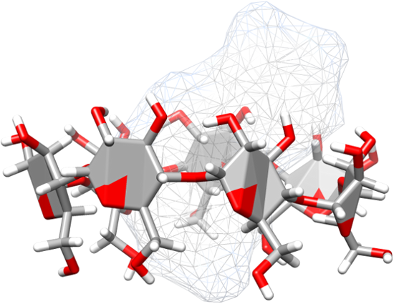
- carcinoma cells via caspase 3 cascade activation [11][12], to inhibit proliferation of human colon (HT-29) cancer cells [13], and to protect against the carcinogen benzo[a]pyrene activated lung cancer [14]. In addition, fisetin can stimulate Nrf2 and HO-1 gene expressions that are important in mechanisms of


Oxidative phenylamination of 5-substituted 1-hydroxynaphthalenes to N-phenyl-1,4-naphthoquinone monoimines by air and light “on water”
Beilstein J. Org. Chem. 2014, 10, 2448–2452, doi:10.3762/bjoc.10.255
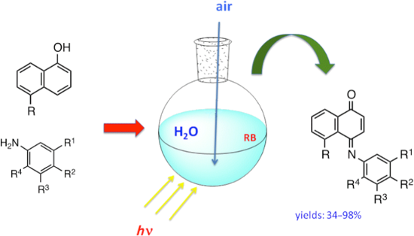
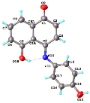
- -(4-hydroxyphenyl)amino-1,4-naphthoquinone (3), prepared by acid-induced amination of 1,4-naphthoquinone with 4-hydroxyphenylamine in ethanol, strongly inhibit the proliferation of cancer cells [11][12]. These stimulating results were obtained by using prostate (DU-145), bladder (T24) and breast (MCF
- -7) cancer cells. These results and our continuous interest in the synthesis of aminoquinones for antiproliferative evaluation [11][12][13], prompt us to explore a straightforward access to potential antiproliferative aminojuglone-analogues of compound 3. The study led us to discover a potential and




A versatile δ-aminolevulinic acid (ΑLA)-cyclodextrin bimodal conjugate-prodrug for PDT applications with the help of intracellular chemistry
Beilstein J. Org. Chem. 2014, 10, 2414–2420, doi:10.3762/bjoc.10.251
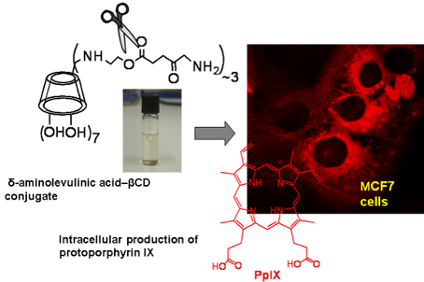
- transporting the chemotherapeutic agent tamoxifen intracellularly to engage its targets while simultaneously acting as a PS. In this sense we created a bimodal system with adequate water solubility (several μM) able to inflict significant chemo- and phototoxicity on cancer cells. One additional benefit of


Exploration of C–H and N–H-bond functionalization towards 1-(1,2-diarylindol-3-yl)tetrahydroisoquinolines
Beilstein J. Org. Chem. 2014, 10, 2186–2199, doi:10.3762/bjoc.10.226
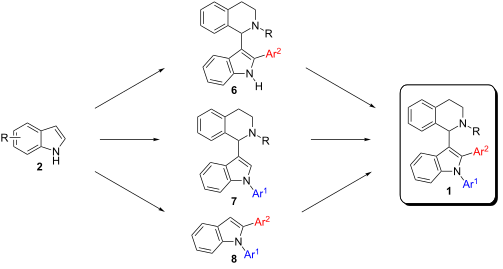
- example activity against cancer cells by inhibition of Rad51 – a protein which interacts with the tumor suppressor BRCA2 (Figure 1, 1-(indol-3-yl)dihydroisoquinoline I) [2]. Furthermore, 1-(indol-3-yl)-THIQs are also investigated as agents against neurodegenerative diseases (Figure 1, II) [3]. Moreover


Multicomponent reactions in nucleoside chemistry
Beilstein J. Org. Chem. 2014, 10, 1706–1732, doi:10.3762/bjoc.10.179
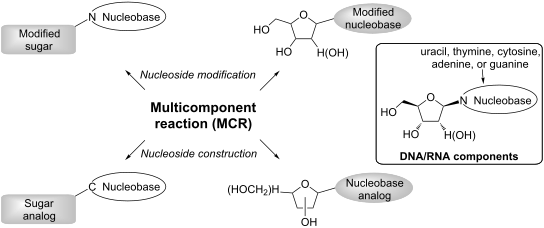
- ratios from 0.8 to 1.35. A modest stereoselectivity was observed in the case of 2-chlorobenzaldehyde with the 25a:26a ratio of 3.73. Compounds 25a and 25b, in contrast to their isomers 26, showed moderate activity against human cervical cancer cells at the concentration of 100 µM. Recently, the same


Carbohydrate PEGylation, an approach to improve pharmacological potency
Beilstein J. Org. Chem. 2014, 10, 1433–1444, doi:10.3762/bjoc.10.147
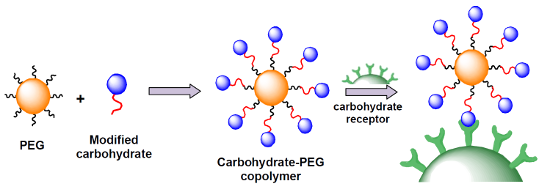
- group on the other end. After deprotection, the amine reacted with the carboxylic groups on the surface of the nanoparticles (Scheme 6) [42]. A similar approach was developed recently using poly(amidoamine) dendrimers for selective delivery of chemotherapeutic agents into hepatic cancer cells [43







Synthesis, characterization and DNA interaction studies of new triptycene derivatives
Beilstein J. Org. Chem. 2014, 10, 1290–1298, doi:10.3762/bjoc.10.130
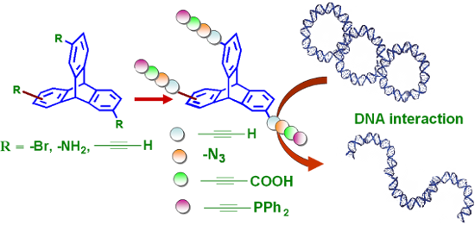
- been studied with numerous compounds with the objective to treat cancer cells [27]. However, side effects including the risk of secondary cancers have been witnessed and the current trend encourages introduction of inhibitors of enzymes whose essential substrate is DNA [28]. Recent reports have shown


Automated solid-phase peptide synthesis to obtain therapeutic peptides
Beilstein J. Org. Chem. 2014, 10, 1197–1212, doi:10.3762/bjoc.10.118
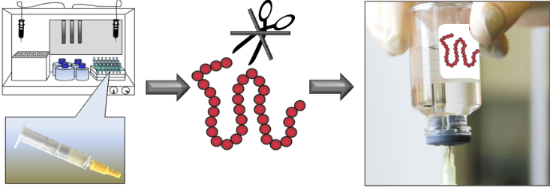
- such as cancer [133][134] and obesity [99], automated SPPS also offers a versatile repertoire. As an example, a method to produce radiolabeled Y1-receptor preferring agonists of NPY has been described, which could selectively target breast cancer cells and allowed specific tumor diagnosis. Here, the Nα


Synthesis of zearalenone-16-β,D-glucoside and zearalenone-16-sulfate: A tale of protecting resorcylic acid lactones for regiocontrolled conjugation
Beilstein J. Org. Chem. 2014, 10, 1129–1134, doi:10.3762/bjoc.10.112
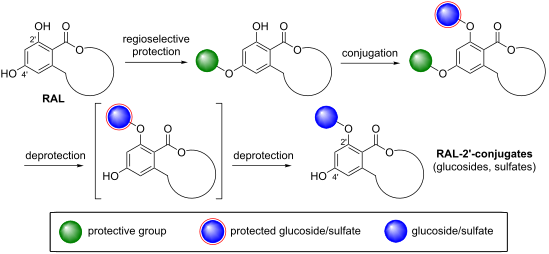
- cause problems of the reproductive tract (e.g., impaired fertility) in animals [7]. Physiological studies revealed binding of ZEN to recombinant human estrogen receptors [8] and have furthermore shown a ZEN-induced stimulation of the growth of human breast cancer cells [9]. Additionally, masked


Rapid pseudo five-component synthesis of intensively blue luminescent 2,5-di(hetero)arylfurans via a Sonogashira–Glaser cyclization sequence
Beilstein J. Org. Chem. 2014, 10, 672–679, doi:10.3762/bjoc.10.60
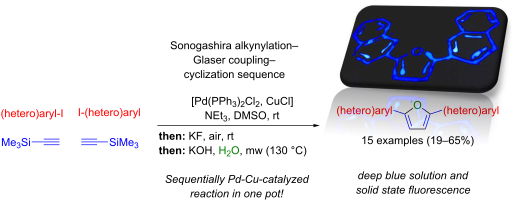
- African trypanosomiasis [18][19][20], and against human renal cancer cells [21][22][23]. Furthermore, 2,5-di(hetero)arylfurans have been reported as photonic chromophores [24]. However, the electronic and photophysical properties of 2,5-di(hetero)aryl furans have only been occasionally studied [25][26][27




Physalin H from Solanum nigrum as an Hh signaling inhibitor blocks GLI1–DNA-complex formation
Beilstein J. Org. Chem. 2014, 10, 134–140, doi:10.3762/bjoc.10.10
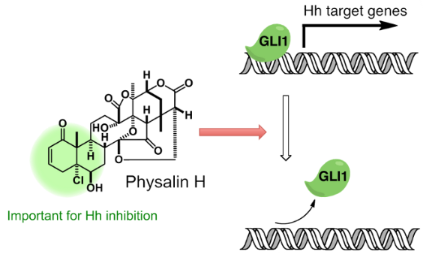
- Chemistry, University of Dhaka, Dhaka-1000, Bangladesh 10.3762/bjoc.10.10 Abstract Hedgehog (Hh) signaling plays an important role in embryonic development, cell maintenance and cell proliferation. Moreover, Hh signaling contributes to the growth of cancer cells. Physalins are highly oxidized natural
- in many cancers. In this study, we report the isolation of four physalins (1–4) along with the previously reported Hh inhibitors 5 and 6. In addition, we evaluated the Hh inhibitory activity by assessing the cytotoxicity against cancer cells and the expression of Hh-related proteins. Physalin H (1
- cytotoxicity against cancer cells, human pancreatic (PANC1) and prostate (DU145) cancer cell lines, in which Hh signaling is aberrantly activated (Table 1). Physalin H (1) (IC50, 0.70 μM) showed cytotoxicity against PANC1 (IC50, 5.7 μM) and DU145 (IC50, 6.8 μM). In addition, isophysalin B (4) and previously


Synthesis of five- and six-membered cyclic organic peroxides: Key transformations into peroxide ring-retaining products
Beilstein J. Org. Chem. 2014, 10, 34–114, doi:10.3762/bjoc.10.6
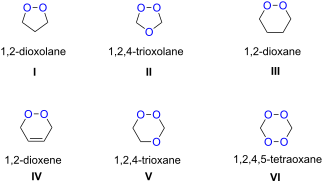
- cancer cells [10][11][12][13][14][15][73][186][187][188][189][190][191][192][193][194][195][196][197][198][199][200][201][202][203][204][205][206]. Synthetic peroxides exhibit also other activities. For example, compounds containing the 1,2,4-trioxane ring are active against Trichomonas [207], compounds
- , which were shown to be highly cytotoxic toward cancer cells and fungi. Diastereomers of plakinic acid A, 162a and 162b were synthesized starting from dioxolane ((R)-3-((2R,3E,6S,7E)-2,6-dimethyl-8-phenylocta-3,7-dienyl)-5-(2-methoxyethoxy)-3,5-dimethyl-1,2-dioxolane) (159) [260]. In the first step




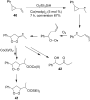


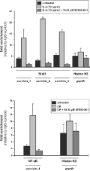
SF002-96-1, a new drimane sesquiterpene lactone from an Aspergillus species, inhibits survivin expression
Beilstein J. Org. Chem. 2013, 9, 2866–2876, doi:10.3762/bjoc.9.323
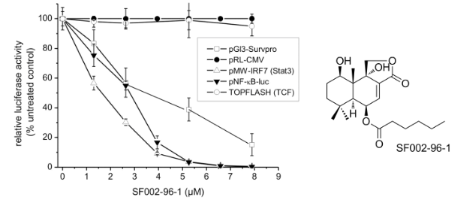
- with an IC50 value of 2.63 µM (1 µg/mL). Previous studies in colon cancer cells have shown that regulation of survivin expression is, in addition, TCF/β-catenin dependent mediated by three TCF/β-catenin consensus sequences within the survivin promoter [20]. Dysregulation of TCF/β-catenin dependent gene




Synthesis of indole-based propellane derivatives via Weiss–Cook condensation, Fischer indole cyclization, and ring-closing metathesis as key steps
Beilstein J. Org. Chem. 2013, 9, 2709–2714, doi:10.3762/bjoc.9.307
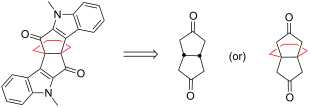
- vincristine-resistant KB cancer cells [23][24]. Minfiensine alkaloid [25][26][27][28][29][30][31] containing a novel 1,2,3,4-tetrahydrocarbazole ring skeleton shows anticancer activity [32]. König and co-workers identified some propellane derivatives as cannabinoid CB1 receptor antagonists [33], which are





