Search results
Search for "binding affinity" in Full Text gives 217 result(s) in Beilstein Journal of Organic Chemistry. Showing first 200.
The synthesis of active pharmaceutical ingredients (APIs) using continuous flow chemistry
Beilstein J. Org. Chem. 2015, 11, 1194–1219, doi:10.3762/bjoc.11.134
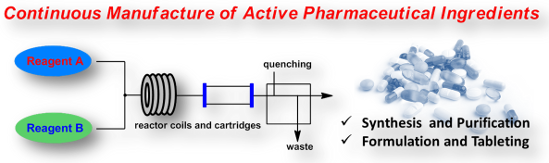
- disclosed a study detailing the flow synthesis of a library of GABAA agonists which was linked to in-line frontal affinity chromatography (FAC) in order to directly generate binding affinity data for these new entities towards human serum albumin (HSA), a highly abundant protein in human blood plasma [110
- system. After establishing the void volume of this column, two different literature known marker compounds (diclofenac sodium and isoniazid) were used in order to calibrate the system based on their retention time which could be directly correlated to the protein binding affinity. Furthermore, as the
- µL, 67.5 µM) were passed through the binding assay column allowing quick determinations of their HSA binding affinity. This proof of concept study therefore marks one of the first published reports where flow chemical synthesis is combined with direct biological evaluation of new structures thus


Azobenzene-based inhibitors of human carbonic anhydrase II
Beilstein J. Org. Chem. 2015, 11, 1129–1135, doi:10.3762/bjoc.11.127
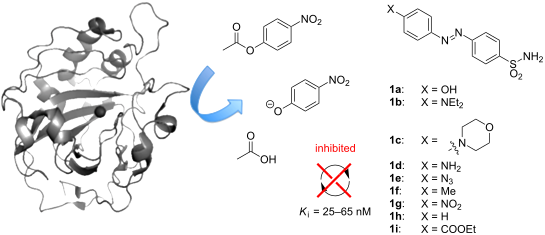
- of these findings into account, we conclude that the sulfonamide–zinc interaction dominates the binding affinity. The electronic differences of our azobenzene library is expressed by their absorption spectra (as an indicator for the electron richness of the azobenzene) or in their Hammett constants


Are D-manno-configured Amadori products ligands of the bacterial lectin FimH?
Beilstein J. Org. Chem. 2015, 11, 1096–1104, doi:10.3762/bjoc.11.123
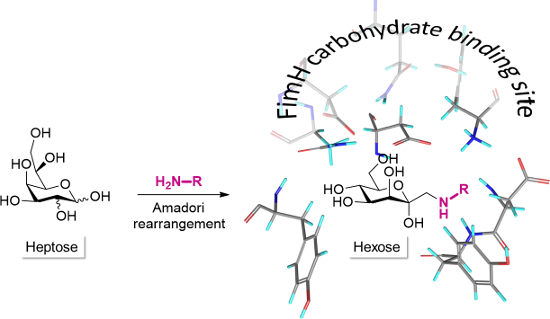
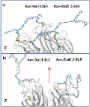
- ) scoring function and correlated with the binding affinity of the ligand for the FimH CRD. More negative scores indicate higher binding affinity than less negative values (Table 1). According to this docking procedure, Amadori products 9 and 10 have similar scores, which lie in the range of that for MeMan


Glycoluril–tetrathiafulvalene molecular clips: on the influence of electronic and spatial properties for binding neutral accepting guests
Beilstein J. Org. Chem. 2015, 11, 1023–1036, doi:10.3762/bjoc.11.115
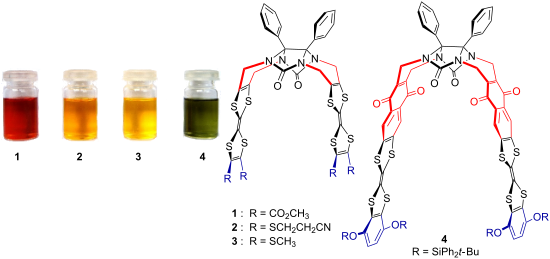
- intramolecular distance between TTF sidewalls and the strongest π-donor ability. Interaction with tetrafluoroquinodimethane (F4-TCNQ) The binding affinity of molecular clip 3 (5 × 10⁻⁴ M in CH2Cl2) was studied by a UV–visible titration with the electron acceptor F4-TCNQ (10−5 M in CH2Cl2). Addition of aliquots




Multivalency as a chemical organization and action principle
Beilstein J. Org. Chem. 2015, 11, 848–849, doi:10.3762/bjoc.11.94
- supramolecular designer systems [4][5]. The influence of spacer length and flexibility on the binding affinity of ligands [6] will be examined as well as the mechanical stability of complexes [7]. Furthermore, the Thematic Series covers the synthesis of various new glycoarchitectures for multivalent interactions

Peptide–polymer ligands for a tandem WW-domain, an adaptive multivalent protein–protein interaction: lessons on the thermodynamic fitness of flexible ligands
Beilstein J. Org. Chem. 2015, 11, 837–847, doi:10.3762/bjoc.11.93
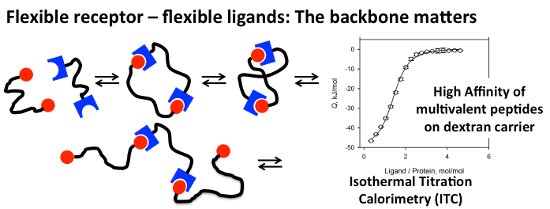
- determine the binding affinity, the enthalpic and entropic contributions to free binding energy, and the stoichiometry of binding for all peptide–polymer conjugates. Binding affinities of all multivalent ligands were in the µM range, strongly amplified compared to the monovalent ligand P1 with a KD > 1 mM
- sequences contained in numerous proteins including the core splicing protein SmB/B´and several splicing factors including splicing factor 3B4 (SF3B4) [16][17]. Recently, the enhanced binding affinity of bivalent and tetravalent peptide ligands to this protein was described suggesting that multivalent
- multivalent peptide–polymer conjugate to the tandem WW domain Binding studies with peptide–polymer conjugates were conducted employing isothermal titration calorimetry (ITC). This method enables the determination of the binding affinity of the multivalent ligands and elucidates the composition of the free


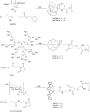


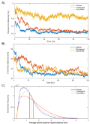

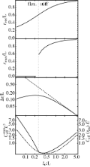
Influence of length and flexibility of spacers on the binding affinity of divalent ligands
Beilstein J. Org. Chem. 2015, 11, 804–816, doi:10.3762/bjoc.11.90
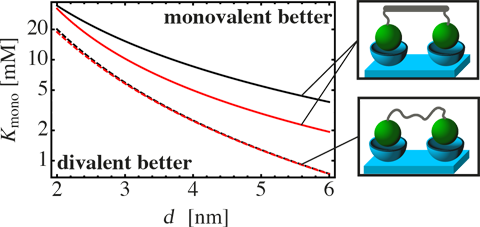
- binding affinity and derive general rules for the optimal ligand design. To this end, we first compare different polymeric models and determine the probability to simultaneously bind to two neighboring receptor binding pockets. In a second step the binding affinity of divalent ligands in terms of the IC50
- range as the size of a receptor binding pocket. Keywords: binding affinity; divalent ligand; effective concentration; multivalency; Introduction Multivalency is a common design principle in biological systems. The simultaneous binding of several, relatively weakly binding partners is a widely used
- strategy to strengthen the overall binding affinity [1][2][3]. Multivalency is believed to play an important role in evolutionary processes, since the collective interaction of several rather simple ligands makes the development of more complex binding partners with a higher binding affinity unnecessary [2



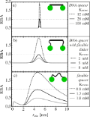

![[Graphic 33]](/bjoc/content/inline/1860-5397-11-90-i83.png?max-width=637&scale=1.18182) is shown for different ligand–spacer constructs. If the monovalent dissociatio...
is shown for different ligand–spacer constructs. If the monovalent dissociatio...
Impact of multivalent charge presentation on peptide–nanoparticle aggregation
Beilstein J. Org. Chem. 2015, 11, 792–803, doi:10.3762/bjoc.11.89
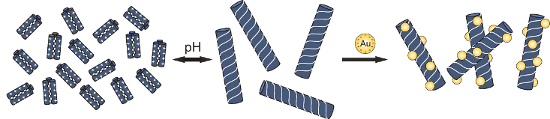
- binding constants, as, for example, R2A2 shows the highest binding affinity, produces the greatest release of energy and has the smallest binding energy. With increasing peptide length, the binding affinity decreases, as does the release of energy, which is indicated by the increase in molar binding


Orthogonal dual-modification of proteins for the engineering of multivalent protein scaffolds
Beilstein J. Org. Chem. 2015, 11, 784–791, doi:10.3762/bjoc.11.88
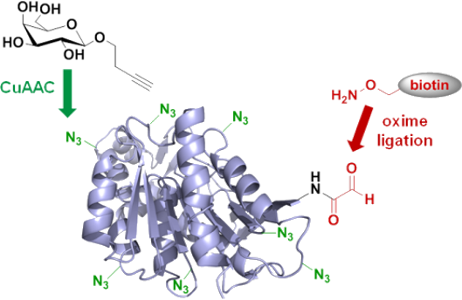
- Erythrina cristagalli lectin (ECL) to proteins Gal-1 and Gal-3 as well as Gal-0 as a negative control. The three protein samples were each immobilized on a streptavidin-coated chip. Then, ECL was passed over the chip at different concentrations to determine the relative binding affinity for the immobilized


Regulation of integrin and growth factor signaling in biomaterials for osteodifferentiation
Beilstein J. Org. Chem. 2015, 11, 773–783, doi:10.3762/bjoc.11.87
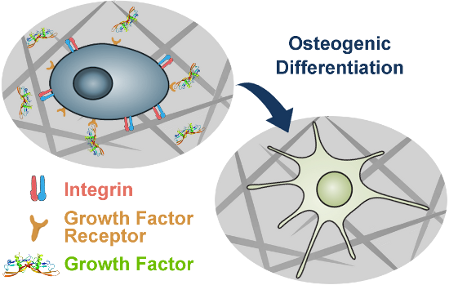
- stable gradients of growth factors to regulate their bioavailability [11]. This matrix-immobilization of the factors might result in long-term binding to cell surface receptors, since the binding affinity of ECM-factors is relatively weak compared to growth factor receptor interactions [8]. Moreover, the




Glycodendrimers: tools to explore multivalent galectin-1 interactions
Beilstein J. Org. Chem. 2015, 11, 739–747, doi:10.3762/bjoc.11.84
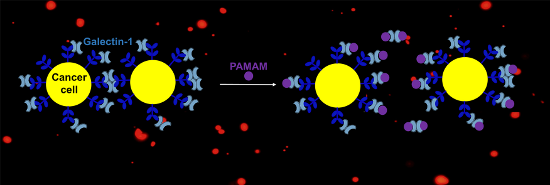
- located on apposing faces of the dimer (Figure 1). Although individual binding interactions with carbohydrates are weak [8], ligands for galectin-1 typically possess an array of carbohydrates to enhance the binding affinity [1][9][10]. Galectin-1 binding to carbohydrates cross-links adjacent




Probing multivalency in ligand–receptor-mediated adhesion of soft, biomimetic interfaces
Beilstein J. Org. Chem. 2015, 11, 720–729, doi:10.3762/bjoc.11.82
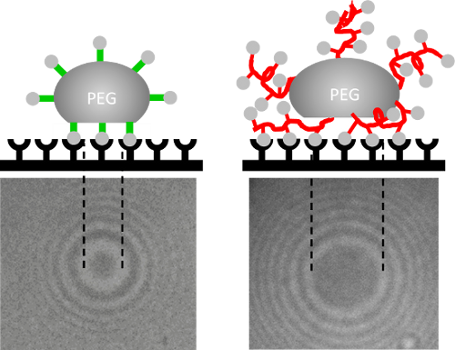
- events such as initial cell adhesion processes or pathogen invasion in host tissue. Nevertheless, ligand–receptor interactions are typically characterized by studying the binding affinity of freely dissolved ligands without surface anchorage. Typical assays in this context are “chip”-based methods like
- , steric shielding is not detected, which could explain the different outcome in terms of binding affinity per mannose unit in comparison to studies using inhibition/competition for binding affinity characterization [20][21][22]. Conclusion In this work, we successfully grafted three different carboxylic
- show that a high mannose concentration generally leads to increased adhesion energies. Although the mannose density was in principle sufficient to form multivalent binding with ConA receptors for all SCP systems, we did not observe an enhancement of binding affinity per mannose unit when increasing the


DNA display of glycoconjugates to emulate oligomeric interactions of glycans
Beilstein J. Org. Chem. 2015, 11, 707–719, doi:10.3762/bjoc.11.81
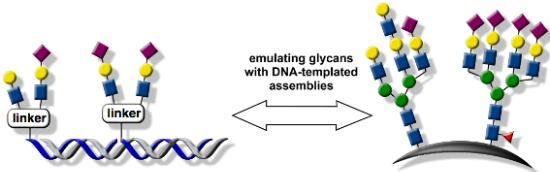
- ]. Three galactosylated DNA conjugates with different lengths were obtained and mixed with the corresponding half-slide complementary DNA to obtain supramolecular oligomers forming galactoside clusters. The different assemblies were tested for their binding affinity to the RCA120 lectin showing a
- flexibility of the linker introduced by an unpaired region. The same approach was also used to identify the optimal spatial arrangement for assemblies targeting RCA120 and L-selectin with mannose, LacNAc and sialyl Lewis X–PNA conjugates [45]. The highest binding affinity to RCA120 was obtained with a
- bivalent glycan assembly (LacNAc, presented at 140 Å distance) that was 70 times better than the monovalent assembly. Notably, the enhanced binding affinity for the divalent display is consistent with a distance of ca. 130 Å between the binding sites. It was also demonstrated that DNA-templated displays


Exploring monovalent and multivalent peptides for the inhibition of FBP21-tWW
Beilstein J. Org. Chem. 2015, 11, 701–706, doi:10.3762/bjoc.11.80
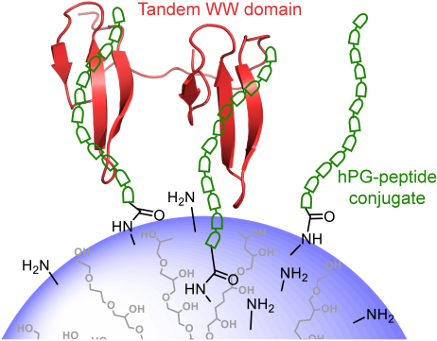
- peptide ligand for the WW domains of FBP21 and were able to enhance the binding affinity by presenting it on a multivalent dendritic polyglycerol scaffold by a factor of ten in comparison to the monovalent ligand. However, given that on an average seven peptides are presented on the nanoparticle, this
- the interaction between hPG-peptide conjugate 2 and FBP21-tWW was measured by isothermal titration calorimetry (ITC) and compared to the KD of the interaction between the monovalent peptide and FBP21-tWW to analyze if multivalent display in form of the hPG-peptide conjugate 2 increases binding
- affinity. Results and Discussion Phage display In order to determine an optimal peptide sequence for a FBP21-tWW ligand, we conducted a phage display experiment for each of the two WW domains. Phages used in these experiments carried a randomized X9-peptide fused to phage coat protein VIII [16]. Enrichment


Synthesis of tripodal catecholates and their immobilization on zinc oxide nanoparticles
Beilstein J. Org. Chem. 2015, 11, 678–686, doi:10.3762/bjoc.11.77
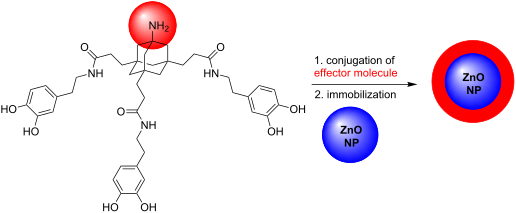
- the corresponding TGA curve in Figure 4A and EDX (Figure 4C). Sulfonates have been described as ZnO binders before [47][48]. However, the binding affinity of 3-morpholinopropanesulfonate to ZnO NPs is low and most of the ligand is eliminated by washing following the immobilization. In contrast, TGA


Synthesis and surface grafting of a β-cyclodextrin dimer facilitating cooperative inclusion of 2,6-ANS
Beilstein J. Org. Chem. 2015, 11, 514–523, doi:10.3762/bjoc.11.58
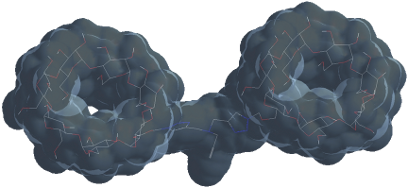
- initial reports [1][2][3][4] of the cooperative effects exerted by β-cyclodextrin (β-CD) dimers, they have been suggested for a wide range of applications, for example, for catalysis [5][6] and photochemistry [7][8], as synthetic enzymes [5] and in general to obtain improved binding affinity (as compared
- accessibility for inclusion-complex formation [13]. The research presented here aims to bring the cooperative effects of β-CD dimers to solid silicon dioxide surfaces. Modification of these surfaces allows the introduction of the extraordinary binding affinity and selectivity of CD dimers to silicon wafer
- exception: the resonance at 3.46 ppm, these hydrogen atoms do not overlap with H-3 and H-5). In order to determine the binding affinity and to confirm the 1:1 stoichiometry of the complex, fluorescence titration experiments were conducted. Figure 6 shows the fluorescence spectra of 50 µM 2,6-ANS in PBS


A comparative study of the interactions of cationic hetarenes with quadruplex-DNA forming oligonucleotide sequences of the insulin-linked polymorphic region (ILPR)
Beilstein J. Org. Chem. 2014, 10, 2963–2974, doi:10.3762/bjoc.10.314
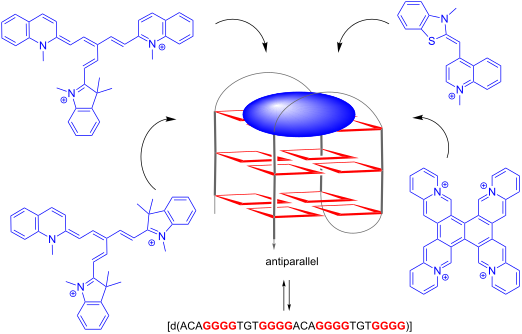
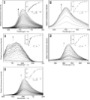
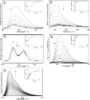
- stabilize this DNA just moderately (ΔTm = ca. 3–6 °C). Although the cyanine derivatives 1d and 1e show the highest binding affinity towards ILPR-quadruplex, these ligands induce only a moderate shift of its melting temperature (Table 2). This apparent contradiction may be the result of different buffer
- with the telomeric quadruplex 22AG (Table 2). For example, the cyanine derivative 1e shows the most significant difference between the binding affinity towards ILPR and the telomeric quadruplex (a2: Kba2 = 1.7 × 10⁷ M−1; 22AG: Kb22AG = 3.9 × 10⁵ M−1). Although thiazole orange (6) has a relatively high
- terminal π-stacking [20], which is in agreement with the observed binding stoichiometry of 1:1 (Figure 7), the different composition of the loops in ILPR-quadruplex (ACA and TGT in ILPR versus TTA in telomeric quadruplex) may affect the binding affinity of ligands towards the ILPR-DNA. On the other hand




Come-back of phenanthridine and phenanthridinium derivatives in the 21st century
Beilstein J. Org. Chem. 2014, 10, 2930–2954, doi:10.3762/bjoc.10.312

- impact on the binding affinity toward ds-DNA. The comparison of three substituents in 6-position, 4-N,N-diethylaminophenyl, phenyl (EB) and methyl, revealed that the first one exhibits the strongest DNA binding affinity and the strongest fluorescence enhancement. That was related to the twist angle in
- monomeric analogues) revealed significantly increased DNA-binding affinity and consequently enhanced telomerase and reverse transcriptase inhibition [69]. Conjugates of phenanthridine with other DNA and RNA active moieties Another common approach to increased selectivity of DNA- and RNA-targeting small
- much more dependent on the binding mode than on the substituents attached to the chromophore. However, by the rule of thumb, if phenanthridine substituents at 3,8-positions sterically allow the intercalation into ds-DNA or ds-RNA, than a binding affinity within the micromolar range could be expected


Binding mode and free energy prediction of fisetin/β-cyclodextrin inclusion complexes
Beilstein J. Org. Chem. 2014, 10, 2789–2799, doi:10.3762/bjoc.10.296
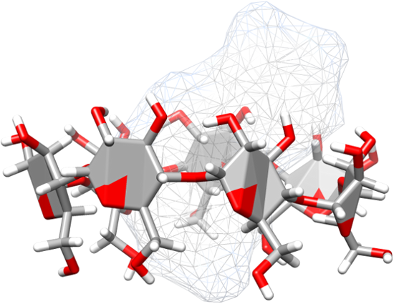
- inclusion complex. The ligand binding mode and water accessibility, host–guest interaction, and binding free energy of the inclusion complex were analyzed. The MM-PBSA/GBSA and M06-2X/6-31G(d,p)//MM-PBSA/GBSA approaches were used to predict the binding affinity of fisetin/β-CD complexes. The M06-2X/6-31G(d


Reversibly locked thionucleobase pairs in DNA to study base flipping enzymes
Beilstein J. Org. Chem. 2014, 10, 2293–2306, doi:10.3762/bjoc.10.239
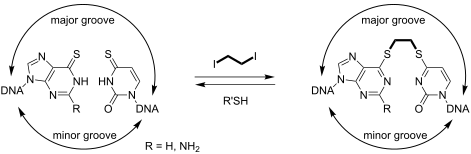
- of base flipping to the overall binding affinity of the DNA adenine-N6 MTase from Thermus aquaticus (M.TaqI) as an example. Results Selective cross-linking of thionucleobase pairs in DNA by bis-alkylation with 1,2-diiodoethane Thionucleobases are excellent soft nucleophiles, and chemoselective
- association equilibrium with the dissociation constant KD,init, followed by flipping of the target base with the equilibrium constant Kflip (Figure 6a) [55][56][69]. The binding affinity of base-flipping enzymes is often determined using DNA with the fluorescent base analog 2-aminopurine (2AP) at the target
- (Kflip) to the overall observed binding affinity cannot be extracted from these data because the non-flipped and flipped enzyme complexes A and B (Figure 6) cannot be distinguished in a single binding experiment. Therefore the overall dissociation constant is given by (see Supporting Information File 1


Molecular recognition of AT-DNA sequences by the induced CD pattern of dibenzotetraaza[14]annulene (DBTAA)–adenine derivatives
Beilstein J. Org. Chem. 2014, 10, 2175–2185, doi:10.3762/bjoc.10.225
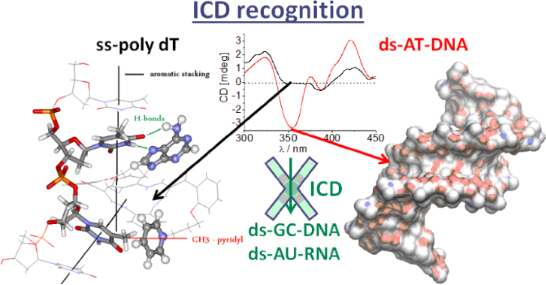
- many groove binding molecules. The inability of the entire AP series to stabilize ds-DNA/RNA (Table 1), in combination with a considerable binding affinity (Table 2) gives rise to the question of the AP series binding mode. To shed more light on the unusual binding process of the AP dyes, it was


The effect of permodified cyclodextrins encapsulation on the photophysical properties of a polyfluorene with randomly distributed electron-donor and rotaxane electron-acceptor units
Beilstein J. Org. Chem. 2014, 10, 2145–2156, doi:10.3762/bjoc.10.222
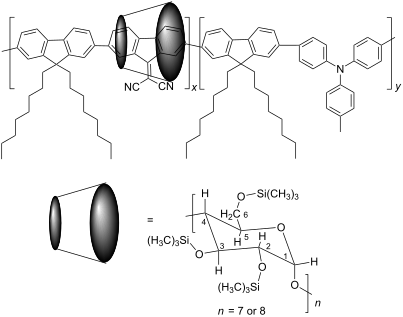
- –guest complexation stoichiometry. Thus, the Ks in CHCl3 was determined to be approximately 205 and 150 (±30) M−1, respectively (see the determined Ks of 1b in Figure 2). Concerning the binding affinity of molecule 1 to the TMS-β-CD and TMS-γ-CD cavities, it should be mentioned that the values toward


Synthesis of trifluoromethyl-substituted pyrazolo[4,3-c]pyridines – sequential versus multicomponent reaction approach
Beilstein J. Org. Chem. 2014, 10, 1759–1764, doi:10.3762/bjoc.10.183

- lipophilicity [1][2]. Moreover, incorporation of fluorine often results in an increase of the binding affinity of drug molecules to the target protein [1][2]. As a consequence, a considerable amount – approximately 20% – of all the pharmaceuticals being currently on the market contain at least one fluorine


Clicked and long spaced galactosyl- and lactosylcalix[4]arenes: new multivalent galectin-3 ligands
Beilstein J. Org. Chem. 2014, 10, 1672–1680, doi:10.3762/bjoc.10.175
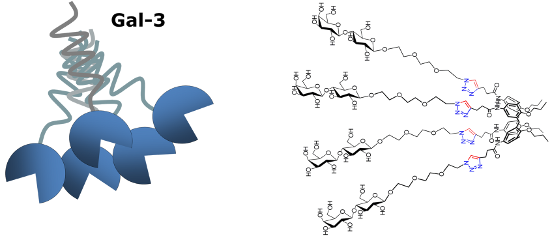
- the sensograms (Figure 3) showed a weak affinity of all calixarenes for Gal-3. However, the three synthetic molecules showed a very similar trend of Gal-3 binding affinity in three independent measurements (experiments A, B and C in Figure 4a). In particular, glycocalixarene 3 (cone structure, four


Photoswitchable precision glycooligomers and their lectin binding
Beilstein J. Org. Chem. 2014, 10, 1603–1612, doi:10.3762/bjoc.10.166
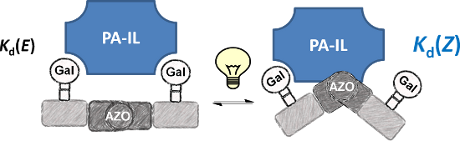
- highly interesting to also modulate the binding affinity of a single molecule through a structural change as a response to an external stimulus, for example light. In order to gain such control over the binding affinity of glycooligomers towards specific lectins, a few studies have recently been
- –receptor binding and thus the resulting binding affinity. In order to determine the binding affinity of the precision glycooligomers to PA-IL, surface plasmon resonance (SPR) experiments were performed. At first, an inhibition/competition assay was carried out. The SPR chip was modified with a β-D
- could previously also show for glycooligomers binding to Concanavalin A (Con A) lectin receptor [7][10][11]. All multivalent glycooligomers show a decrease in IC50, i.e., an increase in binding affinity in comparison to the monovalent β-methyl galactoside. Overall, IC50 values are in the µM range, with