


Search results
Search for "resistance" in Full Text gives 347 result(s) in Beilstein Journal of Organic Chemistry. Showing first 200.
Semi-synthesis and insecticidal activity of spinetoram J and its D-forosamine replacement analogues
Beilstein J. Org. Chem. 2018, 14, 2321–2330, doi:10.3762/bjoc.14.207
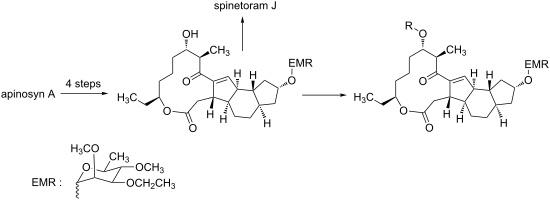
- macrolide compounds, such as modification of the macrolide and the branched chain glycosyl residue, and replacement of the sugar group, are in the limelight [16][17]. The unique macrolide structure of spinosyns and the efficient appearance of resistance in some insect pests have prompted further exploration


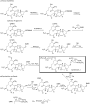


Synthesis of new tricyclic 5,6-dihydro-4H-benzo[b][1,2,4]triazolo[1,5-d][1,4]diazepine derivatives by [3+ + 2]-cycloaddition/rearrangement reactions
Beilstein J. Org. Chem. 2018, 14, 1826–1833, doi:10.3762/bjoc.14.155
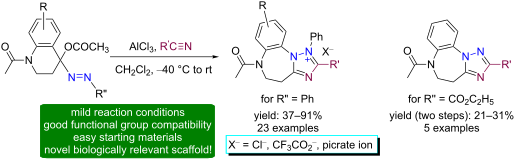
- examples of such clinically drugs having enhanced effects on the neurotransmitter γ-aminobutyric acid (GABA) at the GABAA receptor and low toxicity (Figure 1) [15]. Although 1,4-benzodiazepines are widely prescribed medicines, side effects like drowsiness, drug resistance, addiction and withdrawal




Defining the hydrophobic interactions that drive competence stimulating peptide (CSP)-ComD binding in Streptococcus pneumoniae
Beilstein J. Org. Chem. 2018, 14, 1769–1777, doi:10.3762/bjoc.14.151
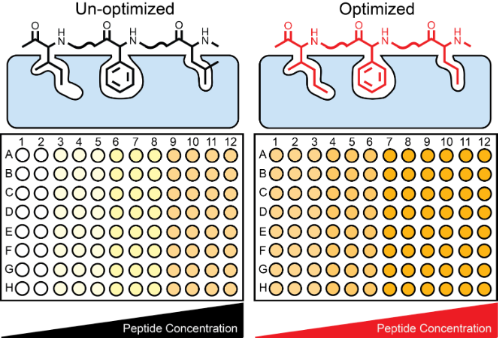
- (CSP), to acquire antibiotic resistance and establish an infection. In this work, we sought to define the binding pockets within the ComD1 receptor used for binding the hydrophobic side-chain residues in CSP1 through the introduction of highly-conservative point mutations within the peptide
- . Optimization of these binding interactions could lead to the development of highly potent CSP-based QS modulators while the inclusion of non-natural amino acids within the CSP sequence would confer resistance to protease degradation, a requirement for drug candidates. Keywords: binding surface; competence
- as the competence regulon, is centered on the competence stimulating peptide (CSP, Figure 1). S. pneumoniae utilizes the regulon to become competent and acquire antibiotic resistance from the environment, initiate its attack on the human host through virulence factor production, and protect itself


Natural and redesigned wasp venom peptides with selective antitumoral activity
Beilstein J. Org. Chem. 2018, 14, 1693–1703, doi:10.3762/bjoc.14.144
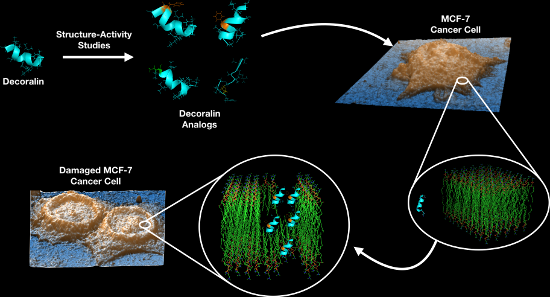
- conventional chemotherapy [11][12]. ACPs are promising anticancer compounds as they offer advantages such as higher specificity and lower incidence of acquired resistance in comparison to existing therapies [12][13][14]. ACPs derive from various sources and consequently share low homology [15][16][17][18
- -negative bacteria, fungi, and protozoa. However, both peptides presented high hemolytic activity, which limited their use as potential therapies. Torres et al. synthesized Dec-NH2 analogs with single and double substitutions, which exhibited increased resistance to degradation and lower hemolytic activity


Lanyamycin, a macrolide antibiotic from Sorangium cellulosum, strain Soce 481 (Myxobacteria)
Beilstein J. Org. Chem. 2018, 14, 1554–1562, doi:10.3762/bjoc.14.132
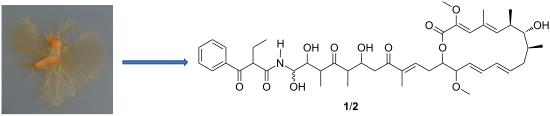
- . Additionally, the treatment and management of viral and bacterial diseases is complicated by increasing rates of multidrug resistance. Hence, the need for new chemical scaffolds urgently required to increase the chemical diversity of drugs, especially to obtain antibiotics that overcome resistance by new modes


Cobalt–metalloid alloys for electrochemical oxidation of 5-hydroxymethylfurfural as an alternative anode reaction in lieu of oxygen evolution during water splitting
Beilstein J. Org. Chem. 2018, 14, 1436–1445, doi:10.3762/bjoc.14.121
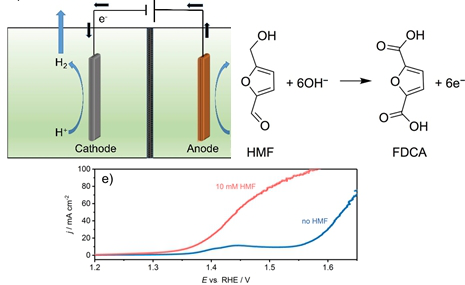
- was determined by means of a pH electrode for high alkaline solutions (Dr. Kornder Anlagen- und Messtechnik, Germany) to be 14. RDE measurements were performed at a rotation speed of 1600 rpm. In order to correct the potential for the uncompensated electrolyte resistance, electrochemical impedance
- an EIS was recorded to determine the uncompensated electrolyte resistance and the potential was corrected accordingly. The conditioning of the catalyst was performed by cyclic voltammetry with 20 cycles between 0.97 V vs RHE and 1.43 V vs RHE with a scan rate of 100 mV s−1. The LSVs were measured

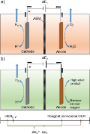


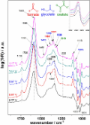
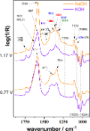
Spectroelectrochemical studies on the effect of cations in the alkaline glycerol oxidation reaction over carbon nanotube-supported Pd nanoparticles
Beilstein J. Org. Chem. 2018, 14, 1428–1435, doi:10.3762/bjoc.14.120
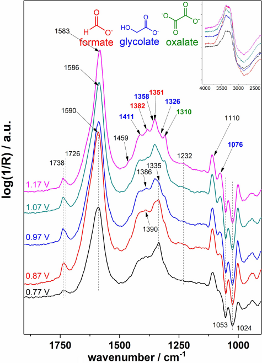
- ambient conditions. The catalyst-covered electrodes were initially conditioned in a potential range from 0.33 to 1.13 V vs RHE in Ar-saturated 1 M of alkali base + 1 M of glycerol for 10 cycles at a scan rate of 0.1 V s−1 and an electrode rotation rate of 1000 rpm. The uncompensated electrolyte resistance


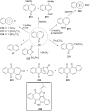
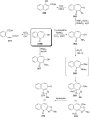
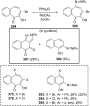
One hundred years of benzotropone chemistry
Beilstein J. Org. Chem. 2018, 14, 1120–1180, doi:10.3762/bjoc.14.98








An overview of recent advances in duplex DNA recognition by small molecules
Beilstein J. Org. Chem. 2018, 14, 1051–1086, doi:10.3762/bjoc.14.93
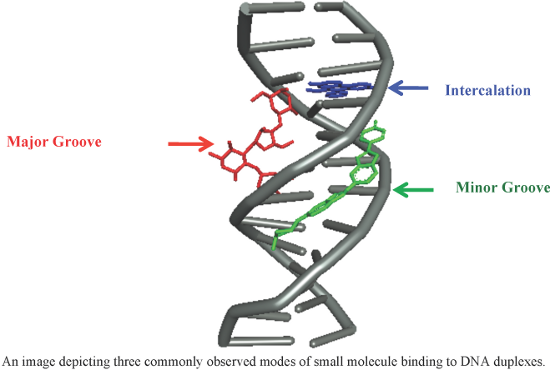
- the inverted CCAAT box (ICB) of the human multidrug resistance 1 gene (MDR1) promoter and to distinguish between different promoter ICB sites, several ICB-containing DNA hairpin polyamides were designed with different flanking base pairs. It was confirmed via thermal-denaturation studies and DNase I




On the design principles of peptide–drug conjugates for targeted drug delivery to the malignant tumor site
Beilstein J. Org. Chem. 2018, 14, 930–954, doi:10.3762/bjoc.14.80
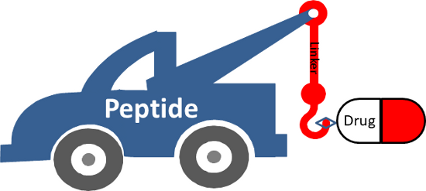
- tissues, resulting in severe effects on the patient’s health. One representative example is gemcitabine, which demonstrates higher toxicity for healthy cells, after long-term administration, with respect to cancer cells. This happens since cancer cells evolve more rapidly and develop drug resistance by
- ], while the most frequently used GnRH analog is D-Lys6-GnRH-I, which is known to bind selectively to GnRH-R. The substitution of Gly6 of the native hormone with D-Lys6 provided an analog with higher binding affinity, stabilized β-bend and resistance to proteolytic cleavage. Moreover, the side chain of
- deactivation through deamination in its inactive metabolite dFdU, the acquired multidrug resistance (MDR) and its high hydrophilicity deterring its prolonged drug release from various vehicles [88], which therefore reduces the effective concentration of gemcitabine. It enters cells through nucleoside


Volatiles from three genome sequenced fungi from the genus Aspergillus
Beilstein J. Org. Chem. 2018, 14, 900–910, doi:10.3762/bjoc.14.77
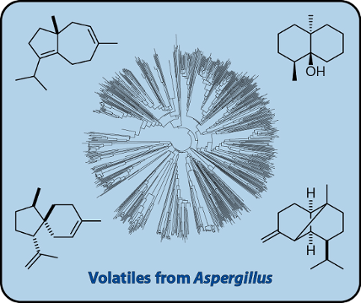
- the penny bun (Boletus edulis) [7], but can also inhibit the growth of other fungi [8] which likely contributes to the induction of systemic resistance in plants by Trichoderma [9]. Fungal volatiles can also act as self-inhibitors of fungal germination [10] or as attractants for insects involved in

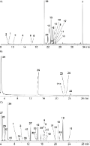

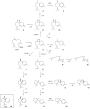


Volatiles from the xylarialean fungus Hypoxylon invadens
Beilstein J. Org. Chem. 2018, 14, 734–746, doi:10.3762/bjoc.14.62
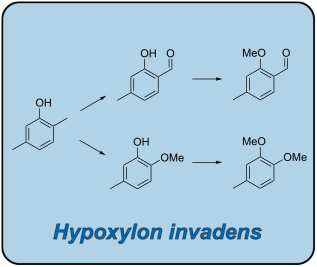
- (2), another widespread fungal volatile, a plant growth promoting effect and an induction of systemic resistance in plants against fungi was observed [5]. The significant biological effects of these and other fungal volatiles recently resulted in a considerable interest of natural product chemists


High-yielding continuous-flow synthesis of antimalarial drug hydroxychloroquine
Beilstein J. Org. Chem. 2018, 14, 583–592, doi:10.3762/bjoc.14.45
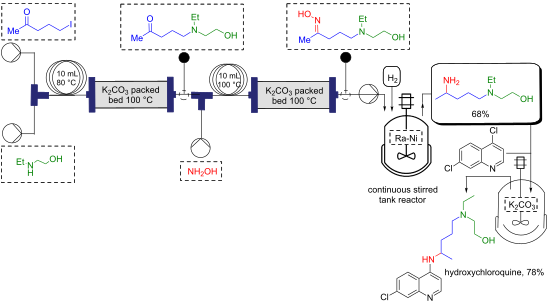
- of the malaria parasite Plasmodium falciparum. Hydroxychloroquine (1) is an antimalarial drug developed for both treatment and prevention of the disease in response to the widespread malaria resistance to chloroquine (2, Figure 1) [5][6]. Additionally, hydroxychloroquine (1, HCQ) is an effective non


Stimuli-responsive oligonucleotides in prodrug-based approaches for gene silencing
Beilstein J. Org. Chem. 2018, 14, 436–469, doi:10.3762/bjoc.14.32
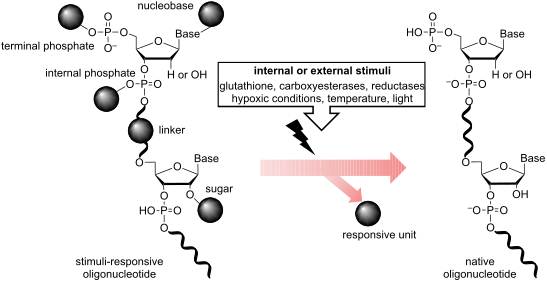
- such as gene regulation is to circumvent the poor chemical stability of nucleic acids in biological media due to their low resistance to nucleases and to overcome their low cell uptake due to their polyanionic nature. In the present review, we aimed to identify various ON prodrugs that are responsive
- the modified ONs in addition to an increase in their nuclease resistance. Thus, two Japanese groups have proposed prodrug-type phosphotriester ONs responsive to GSH (Scheme 1) [13][14]. Ono presented a preliminary study on a model of a thymidine dimer with differently substituted benzyl groups at the
- ’-F, 2’-OMe) have been proposed to increase the nuclease resistance of ONs, but most of them have decreased gene silencing potential. To overcome this drawback, novel prodrug-type RNAs containing a disulfide bridge at the 2’-position have been designed, and in 2016, Urata and our group reported on the


Recent developments in the asymmetric Reformatsky-type reaction
Beilstein J. Org. Chem. 2018, 14, 325–344, doi:10.3762/bjoc.14.21
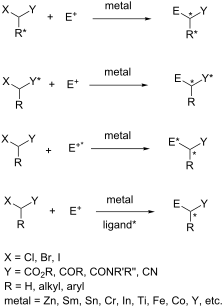
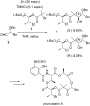
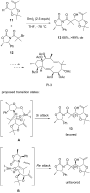
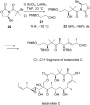
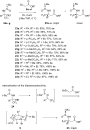
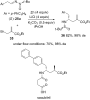
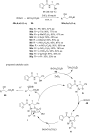
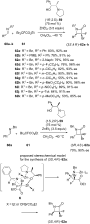
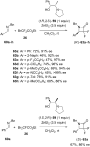
- constituted the key step of a nine-step total synthesis of the eastern fragment of jatrophane diterpene Pl-3, which is a complex natural product with high promising biological activities, such as antiproliferative activity and inhibition of the efflux-pump activity of multidrug resistance P-glycoprotein. The











Volatiles from the tropical ascomycete Daldinia clavata (Hypoxylaceae, Xylariales)
Beilstein J. Org. Chem. 2018, 14, 135–147, doi:10.3762/bjoc.14.9
- widespread fungal volatile is 6-pentyl-2H-pyran-2-one (2) that was first isolated from Trichoderma and exhibits a strong coconut aroma [5]. For fungi producing 2 a plant-growth promoting effect and an induction of systemic resistance in plants has been observed which makes these fungi interesting as








Aminosugar-based immunomodulator lipid A: synthetic approaches
Beilstein J. Org. Chem. 2018, 14, 25–53, doi:10.3762/bjoc.14.3
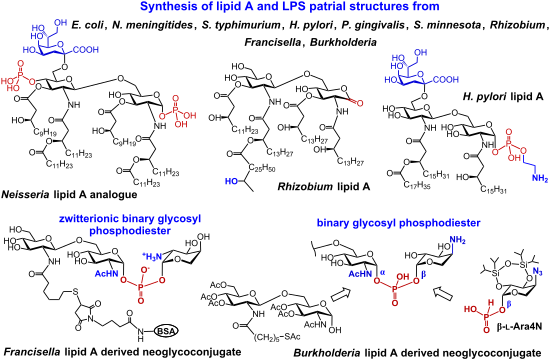
- to the phosphate groups of lipid A alters the TLR4-mediated host immunity and accounts for the modulation of the pro-inflammatory signaling. Additionally, this modification is associated with an amplified bacterial virulence since it confers resistance to the endogenous cationic antimicrobial
- ethanolamine that reduces the net negative charge and induces resistance to CAMPs (Figure 2). The unique structure of H. pylori lipid A plays a pivotal role in evading the host immune response by the bacterium [84]. Synthetically prepared structurally defined homogeneous H. pylori lipid A should help to




Position-dependent impact of hexafluoroleucine and trifluoroisoleucine on protease digestion
Beilstein J. Org. Chem. 2017, 13, 2869–2882, doi:10.3762/bjoc.13.279
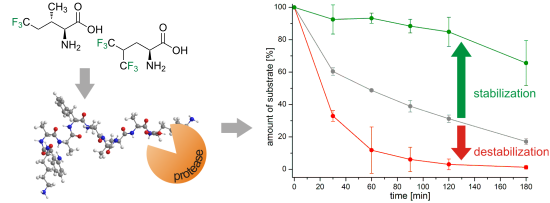
- proteolytic degradation in particular. Meng and Kumar reported that the incorporation of 5,5,5,5’,5’,5’-hexafluoroleucine (HfLeu) into the antimicrobial peptides magainin 2 amide and buforin enhanced their resistance towards proteolytic degradation by trypsin [23]. They also introduced HfLeu into the glucagon
- assay [30]. Substitution of tryptophan, tyrosine, and phenylalanine residues in a glycosylation-deficient mutant of Candida antarctica lipase B, CalB N74D, by their monofluorinated analogues, left the resistance to proteolytic degradation by proteinase K unchanged [31]. Incorporation of α-fluoroalkyl
- observed that the introduction of fluorine atoms into the Abu side chain can significantly improve or dramatically reduce resistance to hydrolysis by different enzymes and human blood plasma, depending upon the fluorine content of the side chain, the position of the substitution relative to the cleavage


Synthetic mRNA capping
Beilstein J. Org. Chem. 2017, 13, 2819–2832, doi:10.3762/bjoc.13.274
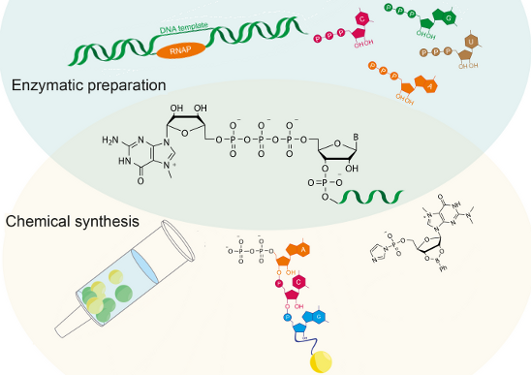
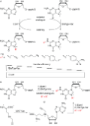
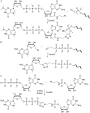
- nuclease resistance – have been developed. Furthermore, cap analogues have therapeutic potential as demonstrated by a number of cap-derived translation inhibitors [61][62][63]. Applications of novel cap analogues The search for novel – non-natural or modified – caps with improved properties has already
- translation in in vitro translation experiments. In a further step, tetraphosphates with methylene(bisphosphonate) moieties were prepared which improved binding to eIF4E and in some cases conferred enzymatic resistance against DcpS degradation [67]. N2-Triazole-containing monophosphate cap analogues were
- structure and the exact positioning of the triazole linkage, modified cap analogues varied largely with regard to their functionality in in vitro translational assays, binding affinity to eIF4E and resistance to the decapping enzyme DcpS. Best translational efficiencies similar to the standard cap were



Binding abilities of polyaminocyclodextrins: polarimetric investigations and biological assays
Beilstein J. Org. Chem. 2017, 13, 2751–2763, doi:10.3762/bjoc.13.271
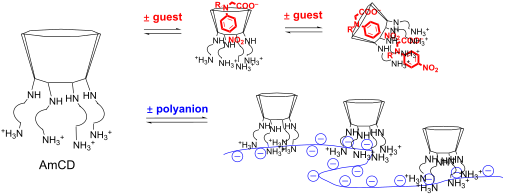
- resistance genes) and the emergence of multidrug resistant strains [59]. In addition, extracellular DNA has been shown to be important for biofilm establishment and maintenance by pathogenic bacteria, such as Pseudomonas aeruginosa and Staphylococcus aureus [60][61][62]. Some other bacteria, such as E. coli
- maintenance by pathogenic bacteria, such as P. aeruginosa and S. aureus [60][61][62]. In addition, eDNA with its negative charge can sequester cationic antibiotics contributing to antibiotic resistance; thus, removing eDNA from the biofilm matrix can weaken the biofilm and can raise its susceptibility to
- with E. coli and in vitro DNA manipulations were performed as described previously [66][67]. The pUC19 (ca. 2700 bp, conferring ampicillin resistance to E. coli) was extracted by alkaline lysis method [64]. Electrophoretic mobility shift assays (EMSA) of the pDNA were performed as described elsewhere



An efficient synthesis of 1,6-anhydro-N-acetylmuramic acid from N-acetylglucosamine
Beilstein J. Org. Chem. 2017, 13, 2631–2636, doi:10.3762/bjoc.13.261
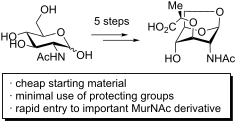
- in only five steps from the cheap starting material N-acetylglucosamine. This efficient synthesis should enable future studies into the importance of 1,6-anhydromuramic acid in bacterial cell wall recycling processes. Keywords: N-acetylmuramic acid; anhydrosugars; antibiotic resistance; bacterial
- cell wall recycling; carbohydrate synthesis; Introduction 1,6-Anhydro-N-acetylmuramic acid (AnhydroMurNAc, 1, Figure 1) and its derivatives (e.g., 2 and 3) are of great interest due to their integral role in bacterial cell wall recycling [1][2] and the induction of antibacterial resistance [3


Sulfation and amidinohydrolysis in the biosynthesis of giant linear polyenes
Beilstein J. Org. Chem. 2017, 13, 2408–2415, doi:10.3762/bjoc.13.238
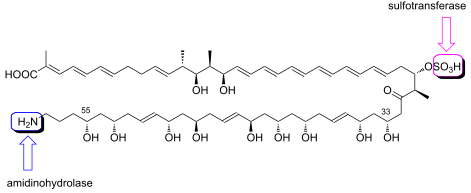
- . Sulfonation has been suggested as a novel approach to block the development of antibiotic resistance [33][34] while the discovery of the sulfated metabolite FR901379 was a critical breakthrough in the successful clinical development of micafungin to combat systemic fungal infections [12]. HPLC–UV–MS analysis


Synthesis and application of trifluoroethoxy-substituted phthalocyanines and subphthalocyanines
Beilstein J. Org. Chem. 2017, 13, 2273–2296, doi:10.3762/bjoc.13.224
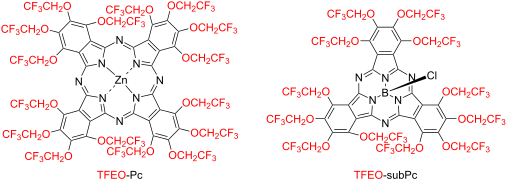
- is small [21][22]. As a result, compounds into which fluorine has been introduced may show beneficial changes in their properties. In addition, among the chemical bonds formed by carbon, fluorine bonds have the highest binding energy [23], such that fluorine-containing compounds often show resistance








Phosphonic acid: preparation and applications
Beilstein J. Org. Chem. 2017, 13, 2186–2213, doi:10.3762/bjoc.13.219
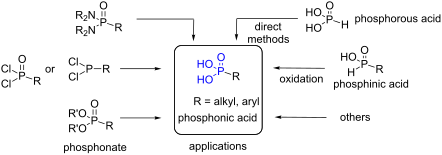
- anhydrase [37] or during the hydrolysis of amide [38]. The main difference between phosphate and phosphonic acid arises from the higher stability (resistance towards enzymatic degradation) of the P–C bond when compared to the P–O bond present in phosphate. Accordingly, phosphonic acid was used for numerous


1,3-Dibromo-5,5-dimethylhydantoin as promoter for glycosylations using thioglycosides
Beilstein J. Org. Chem. 2017, 13, 1994–1998, doi:10.3762/bjoc.13.195
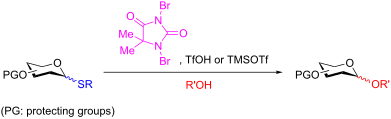
- , including dichloromethane, is sold under the trade name Brom-55 and used as swimming pool sanitizer, as industrial brominating agent for ethylene propylene diene monomer rubber to improve ozone resistance, as additive in plastics to promote photodegradation and as a fungicide to preserve fresh fruits [27





