


Search results
Search for "activation energy" in Full Text gives 125 result(s) in Beilstein Journal of Organic Chemistry.
Rongalite addition to dienones: diastereoselectivity in cyclic sulfone synthesis; stereochemical rationalization and prospects as a general conjugate nucleophile
- Melina Goga,
- Hao Zong,
- James Franco,
- Jazmine Prana,
- Rudolph Michel,
- Antonia Muro,
- Elana Rubin,
- Janet Brenya,
- Henk Eshuis and
- Magnus W. P. Bebbington
Beilstein J. Org. Chem. 2026, 22, 742–752, doi:10.3762/bjoc.22.56

- work, by which we were able to locate transition states for reactions to give trans-12a and the unobserved cis-12b (Figure 4). The activation energy difference to reach TS-12a, leading to 12a and TS-12b, leading to 12b was found to be a significant 4.7 kcal/mol in favor of TS-12a (see Supporting

Graphical Abstract

Figure 1: Rongalite as an equivalent of the unstable hyposulfite ion.

Scheme 1: Progression of Rongalite conjugate additions.

Figure 2: Sulfone diastereomers 1a and 1b.
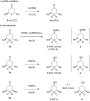
Scheme 2: Verification of relative stereochemistry by i) sulfide oxidation and ii) derivatization.

Scheme 3: Reactions of sterically hindered substrates.

Figure 3: Minimized structure of dienone 7 (calculated using the PBE0 functional [26] and the def2-SVP basis set [27]...

Figure 4: Modeling of cyclization transition states (the solvating acetic acid molecules were omitted for cla...

Figure 5: Unsuccessful substrates.

Scheme 4: Initial reactivity comparison with p-toluenesulfinate.

Scheme 5: Preparation of anticipated products in competition experiments with Rongalite and other sulfinates.

Scheme 6: Exchange experiment.

Scheme 7: Double intermolecular additions.
Synthesis of the tetracyclic skeleton of Aspidosperma alkaloids via PET-initiated cationic radical-derived interrupted [2 + 2]/retro-Mannich reaction
- Ru-Dong Liu,
- Jian-Yu Long,
- Zhi-Lin Song,
- Zhen Yang and
- Zhong-Chao Zhang
Beilstein J. Org. Chem. 2025, 21, 2470–2478, doi:10.3762/bjoc.21.189
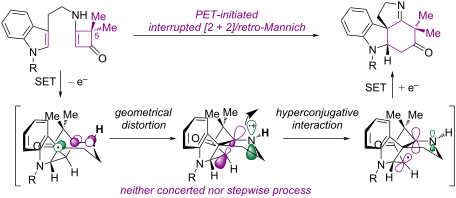
- the N atom is positioned antiperiplanar to the adjacent C19–C3 bond, an intermediate IN4 with a bicyclo[2.2.0]hexane unit was successfully located. However, the Gibbs free energy of IN4 (ΔG° = +27.4 kcal/mol) is significantly higher than the activation energy of TS2 (ΔG‡ = 22.4 kcal/mol). This energy

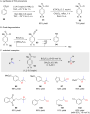
Graphical Abstract
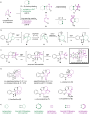
Figure 1: Synthetic plan. a) General model of cyclobutenone bond cleavage; b) our previously reported method;...

Scheme 1: Substrate scope.
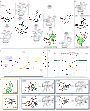
Figure 2: Computational study. a) Energy profiles from IN1 to IN3 and spin density of TS2 (isovalue = 0.004),...
C2 to C6 biobased carbonyl platforms for fine chemistry
- Jingjing Jiang,
- Muhammad Noman Haider Tariq,
- Florence Popowycz,
- Yanlong Gu and
- Yves Queneau
Beilstein J. Org. Chem. 2025, 21, 2103–2172, doi:10.3762/bjoc.21.165
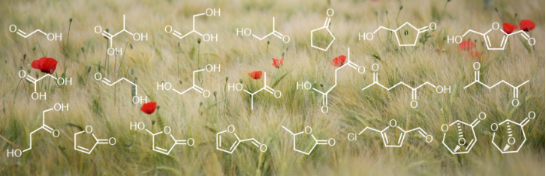
- valuable chemical used in the feed and food industry, is produced by petrochemical processes. Its synthesis from biobased lactic acid (LA) offers an access from renewable resources. However, this conversion is difficult due to the high activation energy required for the hydrogenation reaction removing the

Graphical Abstract

Figure 1: C2–C6 biobased carbonyl building blocks.

Scheme 1: Proposed (2 + 2) route to glycolaldehyde and glycolic acid from erythritol by Cu/AC catalyst (AC = ...

Scheme 2: Reductive amination of GCA.

Scheme 3: N-Formylation of secondary amines by reaction with GCA.

Scheme 4: Synthesis and conversion of hydroxy acetals to cyclic acetals.

Scheme 5: Synthesis of 3-(indol-3-yl)-2,3-dihydrofurans via three-component reaction of glycolaldehyde, indol...

Scheme 6: BiCl3-catalyzed synthesis of benzo[a]carbazoles from 2-arylindoles and α-bromoacetaldehyde ethylene...

Scheme 7: Cu/NCNSs-based conversion of glycerol to glycolic acid and other short biobased acids.

Scheme 8: E. coli-based biotransformation of C1 source molecules (CH4, CO2 and CO) towards C2 glycolic acid.

Scheme 9: N-Formylation of amines with C2 (a) or C3 (b) biomass-based feedstocks.

Scheme 10: Methods for the formation of propanoic acid (PA) from lactic acid (LA).

Scheme 11: Co-polymerization of biobased lactic acid and glycolic acid via a bicatalytic process.

Scheme 12: Oxidation of α-hydroxy acids by tetrachloroaurate(III) in acetic acid–sodium acetate buffer medium.

Figure 2: Selective catalytic pathways for the conversion of lactic acid (LA).

Scheme 13: Synthesis of 1,3-PDO via cross-aldol reaction between formaldehyde and acetaldehyde to 3-hydroxypro...

Scheme 14: Hydrothermal conversion of 1,3-dihydroxy-2-propane and 2,3-dihydroxypropanal to methylglyoxal.

Scheme 15: FLS-catalyzed formose reaction to synthesize GA and DHA.

Scheme 16: GCA and DHA oxidation products of glycerol and isomerization of GCA to DHA under flow conditions us...

Scheme 17: Acid-catalyzed reactions of DHA with alcohols.

Scheme 18: Synthesis of dihydroxyacetone phosphate from dihydroxyacetone.

Scheme 19: Bifunctional acid–base catalyst DHA conversion into lactic acid via pyruvaldehyde or fructose forma...

Scheme 20: Catalytic one-pot synthesis of GA and co-synthesis of formamides and formates from DHA.

Scheme 21: (a) Synthesis of furan derivatives and (b) synthesis of thiophene derivative by cascade [3 + 2] ann...

Scheme 22: Brønsted acidic ionic liquid catalyzed synthesis of benzo[a]carbazole from renewable acetol and 2-p...

Scheme 23: Asymmetric hydrogenation of α-hydroxy ketones to 1,2-diols.

Scheme 24: Synthesis of novel 6-(substituted benzylidene)-2-methylthiazolo [2,3-b]oxazol-5(6H)-one from 1-hydr...

Scheme 25: ʟ-Proline-catalyzed synthesis of anti-diols from hydroxyacetone and aldehydes.

Scheme 26: C–C-bond-formation reactions of a biomass-based feedstock aromatic aldehyde (C5) and hydroxyacetone...

Scheme 27: Ethanol upgrading to C4 bulk chemicals via the thiamine (VB1)-catalyzed acetoin condensation.

Scheme 28: One-pot sequential chemoenzymatic synthesis of 2-aminobutane-1,4-diol and 1,2,4-butanetriol via 1,4...

Scheme 29: Synthesis of 1,4-dihydroxybutan-2-one by microbial transformation.

Scheme 30: Conversion of polyols by [neocuproine)Pd(OAc)]2(OTf)2] to α-hydroxy ketones.

Scheme 31: Chemoselective oxidation of alcohols with chiral palladium-based catalyst 2.

Scheme 32: Electrochemical transformation of furfural to 5-hydroxy-2(5H)-furanone (HFO).

Scheme 33: Selective hydrodeoxygenation of HFO and oxidation to γ-butyrolactone (GBL).

Scheme 34: Photosensitized oxygenation of furan towards HFO via ozonide intermediates.

Scheme 35: Conversion of furfural to HFO and MAN by using mesoporous carbon nitride (SGCN) as photocatalyst.

Scheme 36: Synthesis of HFO from furan derivatives.

Scheme 37: Photooxidation of furfural to 5-hydroxy-2(5H)-furanone (HFO).

Scheme 38: Synthesis of Friedel–Crafts indole adduct from HFO.

Scheme 39: Conversion of HFO to α,γ-substituted chiral γ-lactones.

Scheme 40: Tautomeric transformation of HFO to formylacrylic acid.

Scheme 41: Hydrolysis of HFO to succinic acid in aqueous solution.

Scheme 42: Substitution and condensation reactions of 5-hydroxy-2(5H)-furanone (HFO).

Scheme 43: (a) Conversion of HFO towards valuable C4 chemicals and (b) anodic oxidation of 5-hydroxy-2(5H)-fur...

Figure 3: Conversion of HFO towards other natural and synthetic substances.

Scheme 44: Conversion of furfural to maleic anhydride (reaction a: VOx/Al2O3; reaction b: VPO).

Scheme 45: Conversion of furfural into succinic acid.

Scheme 46: Electro‑, photo‑, and biocatalysis for one-pot selective conversions of furfural into C4 chemicals.

Scheme 47: Production route of furfural from hemicellulose.

Scheme 48: Mechanism for xylose dehydration to furfural through a choline xyloside intermediate.

Scheme 49: Conversion of furfural to furfuryl alcohol and its derivatives.

Scheme 50: Conversion of furfural to furfuryl alcohol and 3-(2-furyl)acrolein.

Scheme 51: The aerobic oxidative condensation of biomass-derived furfural and linear alcohols.

Scheme 52: The single-step synthesis of 2-pentanone from furfural.

Scheme 53: Electrocatalytic coupling reaction of furfural and levulinic acid.

Scheme 54: Conversion of furfural to m-xylylenediamine.

Scheme 55: Conversion of furfural to tetrahydrofuran-derived amines.

Scheme 56: Formation of trans-4,5-diamino-cyclopent-2-enones from furfural.

Scheme 57: Production of pyrrole and proline from furfural.

Scheme 58: Synthesis of 1‑(trifluoromethyl)-8-oxabicyclo[3.2.1]oct-3-en-2-ones from furfural.

Scheme 59: Conversion of furfural to furfural-derived diacids.

Scheme 60: A telescope protocol derived from furfural and glycerol.

Scheme 61: A tandem cyclization of furfural and 5,5-dimethyl-1,3-cyclohexanedione.

Scheme 62: A Ugi four-component reaction to construct furfural-based polyamides.

Scheme 63: One-pot synthesis of γ-acyloxy-Cy7 from furfural.

Scheme 64: Dimerization–Piancatelli sequence toward humins precursors from furfural.

Scheme 65: Conversion of furfural to CPN.

Scheme 66: Synthesis of jet fuels range cycloalkanes from CPN and lignin-derived vanillin.

Scheme 67: Solar-energy-driven synthesis of high-density biofuels from CPN.

Scheme 68: Reductive amination of CPN to cyclopentylamine.

Scheme 69: Asymmetric hydrogenation of C=O bonds of exocyclic α,β-unsaturated cyclopentanones.

Scheme 70: Preparation of levulinic acid via the C5 route (route a) or C6 route (routes b1 and b2).

Scheme 71: Mechanism of the rehydration of HMF to levulinic acid and formic acid.

Scheme 72: Important levulinic acid-derived chemicals.

Scheme 73: Direct conversion of levulinic acid to pentanoic acid.

Scheme 74: Catalytic aerobic oxidation of levulinic acid to citramalic acid.

Scheme 75: Conversion of levulinic acid to 1,4-pentanediol (a) see ref. [236]; b) see ref. [237]; c) see ref. [238]; d) see r...

Scheme 76: Selective production of 2-butanol through hydrogenolysis of levulinic acid.

Scheme 77: General reaction pathways proposed for the formation of 5MPs from levulinic acid.

Scheme 78: Selective reductive amination of levulinic acid to N-substituted pyrroles.

Scheme 79: Reductive amination of levulinic acid to chiral pyrrolidinone.

Scheme 80: Reductive amination of levulinic acid to non-natural chiral γ-amino acid.

Scheme 81: Nitrogen-containing chemicals derived from levulinic acid.

Scheme 82: Preparation of GVL from levulinic acid by dehydration and hydrogenation.

Scheme 83: Ruthenium-catalyzed levulinic acid to chiral γ-valerolactone.

Scheme 84: Catalytic asymmetric hydrogenation of levulinic acid to chiral GVL.

Scheme 85: Three steps synthesis of ε-caprolactam from GVL.

Scheme 86: Multistep synthesis of nylon 6,6 from GVL.

Scheme 87: Preparation of MeGVL by α-alkylation of GVL.

Scheme 88: Ring-opening polymerization of five-membered lactones.

Scheme 89: Synthesis of GVL-based ionic liquids.

Scheme 90: Preparation of butene isomers from GVL under Lewis acid conditions.

Scheme 91: Construction of C5–C12 fuels from GVL over nano-HZSM-5 catalysts.

Scheme 92: Preparation of alkyl valerate from GVL via ring opening/reduction/esterification sequence.

Scheme 93: Construction of 4-acyloxypentanoic acids from GVL.

Scheme 94: Synthesis of 1,4-pentanediol (PDO) from GVL.

Scheme 95: Construction of novel cyclic hemiketal platforms via self-Claisen condensation of GVL.

Scheme 96: Copper-catalyzed lactamization of GVL.

Figure 4: Main scaffolds obtained from HMF.

Scheme 97: Biginelli reactions towards HMF-containing dihydropyrimidinones.

Scheme 98: Hantzsch dihydropyridine synthesis involving HMF.

Scheme 99: The Kabachnik–Fields reaction involving HMF.

Scheme 100: Construction of oxazolidinone from HMF.

Scheme 101: Construction of rhodamine-furan hybrids from HMF.

Scheme 102: A Groebke–Blackburn–Bienaymé reaction involving HMF.

Scheme 103: HMF-containing benzodiazepines by [4 + 2 + 1] cycloadditions.

Scheme 104: Synthesis of fluorinated analogues of α-aryl ketones.

Scheme 105: Synthesis of HMF derived disubstituted γ-butyrolactone.

Scheme 106: Functionalized aromatics from furfural and HMF.

Scheme 107: Diels–Alder adducts from HMF or furfural with N-methylmaleimide.

Scheme 108: Pathway of the one-pot conversion of HMF into phthalic anhydride.

Scheme 109: Photocatalyzed preparation of humins (L-H) from HMF mixed with spoiled HMF residues (LMW-H) and fur...

Scheme 110: Asymmetric dipolar cycloadditions on HMF.

Scheme 111: Dipolar cycloadditions of HMF based nitrones to 3,4- and 3,5-substituted isoxazolidines.

Scheme 112: Production of δ-lactone-fused cyclopenten-2-ones from HMF.

Scheme 113: Aza-Piancatelli access to aza-spirocycles from HMF-derived intermediates.

Scheme 114: Cross-condensation of furfural, acetone and HMF into C13, C14 and C15 products.

Scheme 115: Base-catalyzed aldol condensation/dehydration sequences from HMF.

Scheme 116: Condensation of HMF and active methylene nitrile.

Scheme 117: MBH reactions involving HMF.

Scheme 118: Synthesis of HMF-derived ionic liquids.

Scheme 119: Reductive amination/enzymatic acylation sequence towards HMF-based surfactants.

Scheme 120: The formation of 5-chloromethylfurfural (CMF).

Scheme 121: Conversion of CMF to HMF, levulinic acid, and alkyl levulinates.

Scheme 122: Conversion of CMF to CMFCC and FDCC.

Scheme 123: Conversion of CMF to BHMF.

Scheme 124: Conversion of CMF to DMF.

Scheme 125: CMF chlorine atom substitutions toward HMF ethers and esters.

Scheme 126: Introduction of carbon nucleophiles in CMF.

Scheme 127: NHC-catalyzed remote enantioselective Mannich-type reactions of CMF.

Scheme 128: Conversion of CMF to promising biomass-derived dyes.

Scheme 129: Radical transformation of CMF with styrenes.

Scheme 130: Synthesis of natural herbicide δ-aminolevulinic acid from CMF.

Scheme 131: Four step synthesis of the drug ranitidine from CMF.

Scheme 132: Pd/CO2 cooperative catalysis for the production of HHD and HXD.

Scheme 133: Different ruthenium (Ru) catalysts for the ring-opening of 5-HMF to HHD.

Scheme 134: Proposed pathways for preparing HXD from HMF.

Scheme 135: MCP formation and uses.

Scheme 136: Cu(I)-catalyzed highly selective oxidation of HHD to 2,5-dioxohexanal.

Scheme 137: Synthesis of N‑substituted 3‑hydroxypyridinium salts from 2,5-dioxohexanal.

Scheme 138: Ru catalyzed hydrogenations of HHD to 1,2,5-hexanetriol (a) see ref. [396]; b) see ref. [397]).

Scheme 139: Aviation fuel range quadricyclanes produced by HXD.

Scheme 140: Synthesis of HDGK from HXD and glycerol as a chain extender.

Scheme 141: Synthesis of serinol pyrrole from HXD and serinol.

Scheme 142: Synthesis of pyrroles from HXD and nitroarenes.

Scheme 143: Two-step production of PX from cellulose via HXD.

Scheme 144: Preparation of HCPN from HMF via hydrogenation and ring rearrangement.

Scheme 145: Suggested pathways from HMF to HCPN.

Scheme 146: α-Alkylation of HCPN with ethylene gas.

Scheme 147: Synthesis of 3-(hydroxymethyl)cyclopentylamine from HMF via reductive amination of HCPN.

Scheme 148: Production of LGO and Cyrene® from biomass.

Scheme 149: Synthesis of HBO from LGO and other applications.

Scheme 150: Construction of m-Cyrene® homopolymer.

Scheme 151: Conversion of Cyrene® to THFDM and 1,6-hexanediol.

Scheme 152: RAFT co-polymerization of LGO and butadienes.

Scheme 153: Polycondensation of HO-LGOL and diols with dimethyl adipate.

Scheme 154: Self-condensation of Cyrene® and Claisen–Schmidt reactions.

Scheme 155: Synthesis of 5-amino-2-(hydroxymethyl)tetrahydropyran from Cyrene®.
Photoswitches beyond azobenzene: a beginner’s guide
- Michela Marcon,
- Christoph Haag and
- Burkhard König
Beilstein J. Org. Chem. 2025, 21, 1808–1853, doi:10.3762/bjoc.21.143
- to a low activation energy barrier for the ground-state ring-opening [127]. Heterocycles with lower aromatic stabilisation energies are less susceptible to thermal ring-opening (Figure 21). The substituent nature of the aromatic groups was also demonstrated to influence the thermal stability

Graphical Abstract

Figure 1: Energy diagram of a two-state photoswitch. Figure 1 was redrawn from [2].

Figure 2: Example of the absorption spectra of the isomers of a photoswitch with most efficient irradiation w...

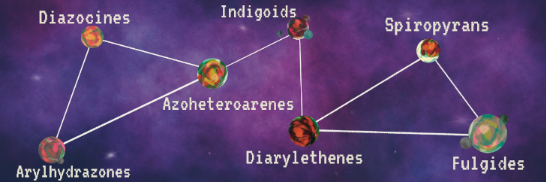
Scheme 1: Photoswitch classes described in this review.

Figure 3: Azoheteroarenes.

Scheme 2: E–Z Isomerisation (top) and mechanisms of thermal Z–E isomerisation (bottom).

Scheme 3: Rotation mechanism favoured by the electron displacement in push–pull systems. Selected examples of...

Figure 4: A) T-shaped and twisted Z-isomers determine the thermal stability and the Z–E-PSS (selected example...

Figure 5: Effect of di-ortho-substitution on thermal half-life and PSS.

Figure 6: Selected thermal lifetimes of azoindoles in different solvents and concentrations. aConcentration o...

Figure 7: Aryliminopyrazoles: N-pyrazoles (top) and N-phenyl (bottom).

Scheme 4: Synthesis of symmetrical heteroarenes through oxidation (A), reduction (B), and the Bayer–Mills rea...

Scheme 5: Synthesis of diazonium salt (A); different strategies of azo-coupling: with a nucleophilic ring (B)...

Scheme 6: Synthesis of arylazothiazoles 25 (A) and heteroaryltriazoles 28 (B).

Scheme 7: Synthesis of heteroarylimines 31a,b [36-38].

Figure 8: Push–pull non-ionic azo dye developed by Velasco and co-workers [45].

Scheme 8: Azopyridine reported by Herges and co-workers [46].

Scheme 9: Photoinduced phase transitioning azobispyrazoles [47].

Figure 9: Diazocines.

Scheme 10: Isomers, conformers and enantiomers of diazocine.

Scheme 11: Partial overlap of the ππ* band with electron-donating substituents and effect on the PSS. Scheme 11 was ada...

Figure 10: Main properties of diazocines with different bridges. aMeasured in n-hexane [56]. bMeasured in THF. cMe...

Scheme 12: Synthesis of symmetric diazocines.

Scheme 13: Synthesis of asymmetric diazocines.

Scheme 14: Synthesis of O- and S-heterodiazocines.

Scheme 15: Synthesis of N-heterodiazocines.

Scheme 16: Puromycin diazocine photoswitch [60].

Figure 11: Indigoids.

Figure 12: The main representatives of the indigoid photoswitch class.

Scheme 17: Deactivation process that prevents Z-isomerisation of indigo.

Figure 13: Stable Z-indigo derivative synthesised by Wyman and Zenhäusern [67].

Figure 14: Selected examples of indigos with aliphatic and aromatic substituents [68]. Dashed box: proposed π–π in...

Scheme 18: Resonance structures of indigo and thioindigo involving the phenyl ring.

Scheme 19: Possible deactivation mechanism for 4,4'-dihydroxythioindigo [76].

Scheme 20: Effect of different heteroaryl rings on the stability and the photophysical properties of hemiindig...

Figure 15: Thermal half-lives of red-shifted hemithioindigos in toluene [79]. aMeasured in toluene-d8.

Scheme 21: Structures of pyrrole [81] and imidazole hemithioindigo [64].

Figure 16: Examples of fully substituted double bond hemithioindigo (left), oxidised hemithioindigos (centre),...

Scheme 22: Structure of iminothioindoxyl 72 (top) and acylated phenyliminoindolinone photoswitch 73 (bottom). ...

Scheme 23: (top) Transition states of iminothioindoxyl 72. The planar transition state is associated with a lo...

Scheme 24: Baeyer–Drewsen synthesis of indigo (top) and N-functionalisation strategies (bottom).

Scheme 25: Synthesis of hemiindigo.

Scheme 26: Synthesis of hemithioindigo and iminothioindoxyl.

Scheme 27: Synthesis of double-bond-substituted hemithioindigos.

Scheme 28: Synthesis of phenyliminoindolinone.

Scheme 29: Hemithioindigo molecular motor [85].

Figure 17: Arylhydrazones.

Scheme 30: Switching of arylhydrazones. Note: The definitions of stator and rotor are arbitrary.

Scheme 31: Photo- and acidochromism of pyridine-based phenylhydrazones.

Scheme 32: A) E–Z thermal inversion of a thermally stable push–pull hydrazone [109]. B) Rotation mechanism favoured...

Scheme 33: Effect of planarisation on the half-life.

Scheme 34: The longest thermally stable hydrazone switches reported so far (left). Modulation of thermal half-...

Figure 18: Dependency of t1/2 on concentration and hypothesised aggregation-induced isomerisation.

Figure 19: Structure–property relationship of acylhydrazones.

Scheme 35: Synthesis of arylhydrazones.

Scheme 36: Synthesis of acylhydrazones.

Scheme 37: Photoswitchable fluorophore by Aprahamian et al. [115].

Scheme 38: The four-state photoswitch synthesised by the Cigáň group [116].

Figure 20: Diarylethenes.

Scheme 39: Isomerisation and oxidation pathway of E-stilbene to phenanthrene.

Scheme 40: Strategies adapted to avoid E–Z isomerisation and oxidation.
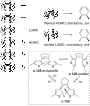
Scheme 41: Molecular orbitals and mechanism of electrocyclisation for a 6π system.

Figure 21: Aromatic stabilisation energy correlated with the thermal stability of the diarylethenes [127,129].

Figure 22: Half-lives of diarylethenes with increasing electron-withdrawing groups [128,129].

Scheme 42: Photochemical degradation pathway promoted by electron-donating groups [130].

Figure 23: The diarylethenes studied by Hanazawa et al. [134]. Increased rigidity leads to bathochromic shift.

Scheme 43: The dithienylethene synthesised by Nakatani's group [135].

Scheme 44: Synthesis of perfluoroalkylated diarylethenes.

Scheme 45: Synthesis of 139 and 142 via McMurry coupling.

Scheme 46: Synthesis of symmetrical derivatives 145 via Suzuki–Miyaura coupling.

Scheme 47: Synthesis of acyclic 148, malonic anhydride 149, and maleimide derivatives 154.

Figure 24: Gramicidin S (top left) and two of the modified diarylethene derivatives: first generation (bottom ...

Scheme 48: Pyridoxal 5'-phosphate and its reaction with an amino acid (top). The analogous dithienylethene der...

Figure 25: Fulgides.

Scheme 49: The three isomers of fulgides.

Scheme 50: Thermal and photochemical side products of unsubstituted fulgide [150].

Figure 26: Maximum absorption λc of the closed isomer compared with the nature of the aromatic ring and the su...

Scheme 51: Possible rearrangement of the excited state of 5-dimethylaminoindolylfulgide [153].

Figure 27: Quantum yields of ring closure (ΦE→C) and E–Z isomerisation (ΦE→Z) correlated with the increasing s...

Scheme 52: Active (Eα) and inactive (Eβ) conformers (left) and the bicyclic sterically blocked fulgide 169 (ri...

Scheme 53: Quantum yield of ring-opening (ΦC→E) and E–Z isomerisation (ΦE→Z) for different substitution patter...

Scheme 54: Stobbe condensation pathway for the synthesis of fulgides 179, fulgimides 181 and fulgenates 178.

Scheme 55: Alternative synthesis of fulgides through Pd-catalysed carbonylation.

Scheme 56: Optimised synthesis of fulgimides [166].

Scheme 57: Photoswitchable FRET with a fulgimide photoswitch [167].

Scheme 58: Three-state fulgimide strategy by Slanina's group.

Figure 28: Spiropyrans.

Scheme 59: Photochemical (left) and thermal (right) ring-opening mechanisms for an exemplary spiropyran with a...

Figure 29: Eight possible isomers of the open merocyanine according to the E/Z configurations of the bonds hig...

Scheme 60: pH-Controlled photoisomerisation between the closed spiropyran 191-SP and the open E-merocyanine 19...

Scheme 61: Behaviour of spiropyran in water buffer according to Andréasson and co-workers [180]. 192-SP in an aqueo...

Scheme 62: (left box) Proposed mechanism of basic hydrolysis of MC [184]. (right box) Introduction of electron-dona...

Scheme 63: Photochemical interconversion of naphthopyran 194 (top) and spirooxazine 195 (bottom) photoswitches...

Scheme 64: Synthesis of spiropyrans and spirooxazines 198 and the dicondensation by-product 199.

Scheme 65: Alternative synthesis of spiropyrans and spirooxazines with indolenylium salt 200.

Scheme 66: Synthesis of 4’-substituted spiropyrans 203 by condensation of an acylated methylene indoline 201 w...

Scheme 67: Synthesis of spironaphthopyrans 210 by acid-catalysed condensation of naphthols and diarylpropargyl...

Scheme 68: Photoswitchable surface wettability [194].

Figure 30: Some guiding principles for the choice of the most suitable photoswitch. Note that this guide is ve...
Continuous-flow-enabled intensification in nitration processes: a review of technological developments and practical applications over the past decade
- Feng Zhou,
- Chuansong Duanmu,
- Yanxing Li,
- Jin Li,
- Haiqing Xu,
- Pan Wang and
- Kai Zhu
Beilstein J. Org. Chem. 2025, 21, 1678–1699, doi:10.3762/bjoc.21.132
- equals . Next, the observed rate constant based on SM and HNO3, kobs, can be calculated from the slope. Then, the apparent activation energy Ea for the nitration between HNO3 with SM molecules and the pre-exponential factor A can be obtained according to the Arrhenius equation. For example, Zhang et al
- . Using the Arrhenius equation, the activation energy Ea for NO2+ attack on SM molecules and the pre-exponential factor A can be determined from the values of k* obtained at multiple temperatures. The researches for the mixed acid nitration in homogeneous systems usually conducted the kinetics study to

Graphical Abstract

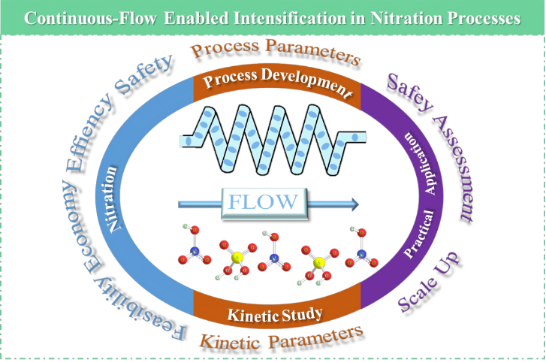
Figure 1: Three key dimensions of a complete nitration process.

Figure 2: A typical continuous-flow nitration reaction system.

Figure 3: Corrosion characteristics of common wetted materials used in continuous-flow nitration system. Note...

Figure 4: Analysis of the literature on continuous-flow nitration reaction over the past decade.

Scheme 1: Model reaction for the homogeneous nitration by nitric acid/mixed acid.

Figure 5: Safety assessment criteria for nitration reactions. Notes: apressure-independent; bno hazards arisi...
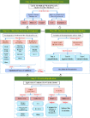
Figure 6: Guide for the investigation of continuous-flow nitration processes.
Transition-state aromaticity and its relationship with reactivity in pericyclic reactions
- Israel Fernández
Beilstein J. Org. Chem. 2025, 21, 1613–1626, doi:10.3762/bjoc.21.125
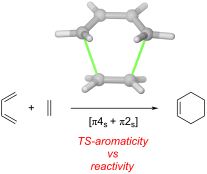
- conclusion by Evans in 1939 [18] indicating that “...the lowering of the activation energy arises from the increased mobility which the π electrons of such reactions possess in the TS.” Indeed, it was found, both experimentally and computationally, that the concerted pathway (i.e., involving an aromatic TS

Graphical Abstract

Scheme 1: (a) Diels–Alder cycloaddition reaction between butadiene and ethylene. (b) Gold(I)-catalyzed propar...

Figure 1: Transition states computed for the Diels–Alder cycloaddition reaction between isoprene and methyl a...

Figure 2: Comparative activation strain analyses (a) and energy decomposition analysis (b) of the Diels–Alder...

Figure 3: (a) Evolution of the NICS(3, +1) values along a z-axis perpendicular to the molecular plane of the ...

Figure 4: Comparative activation strain analyses (a) and energy decomposition analysis (b) of the carbonyl–en...

Figure 5: AICD (a) and EDDB (b) plots for the transition state involved in the DGRT between ethene and ethane....

Figure 6: Comparative activation strain analyses (a) and energy decomposition analysis (b) of the DGRT betwee...

Scheme 2: Representative cycloisomerization reaction of 1,3-hexadien-5-yne.

Figure 7: AICD plots of the transition states associated with the Hopf cyclization reactions involving cis-he...

Figure 8: Comparative activation strain analyses of the Hopf cyclization involving ene–ene–ynes E=CH–CH=CH–C≡...

Scheme 3: 1,3-Dipolar cycloaddition reactions between t-BuN3 and cyaphide complexes.

Figure 9: Evolution of the NICS(3, +1) values along a z-axis perpendicular to the molecular plane of the TSs ...

Figure 10: Comparative activation strain analyses (a) and energy decomposition analysis (b) of the 1,3-dipolar...
pH-Controlled isomerization kinetics of ortho-disubstituted benzamidines: E/Z isomerism and axial chirality
- Ryota Kimura,
- Satoshi Ichikawa and
- Akira Katsuyama
Beilstein J. Org. Chem. 2025, 21, 1568–1576, doi:10.3762/bjoc.21.120
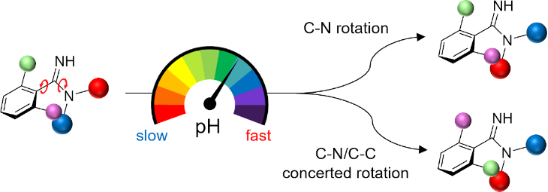
- rotational barrier as in the parent chalcogen amides, regardless of whether it is in the molecular form or protonated state, and the protonation of the nitrogen atom increases the activation energy by 33–43 kJ·mol−1. To investigate how protonation affects the double-bond nature of the amidine moiety, we
- at 313 K (1.17 and 0.95 ppm), and they gradually fused as the temperature increased. The activation energy of E/Z isomerization was calculated to be 77 kJ·mol−1 from the observed coalescence temperature (Tc = 378 K). On the other hand, the two methyl signals of amidine 1 trifluoroacetate salt were
- double-bond nature of the C–N bond in the transition state of the C–N/C–C concerted rotation was decreased due to the twisted structure, and the activation energy varies depending on whether the amidine was protonated or in its molecular form (Figure 2). To investigate the effect of protonation on the

Graphical Abstract
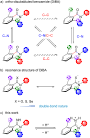
Figure 1: a) Structural features of DiBA. b) Resonance structure of the amide moiety of DiBA. c) Molecular fo...
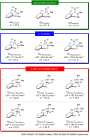
Figure 2: Rotational barriers of 2-bromo-N,N,6-trimethylbenzimidamide and its protonated form calculated by t...

Figure 3: Comparison of VT-NMR spectra of a) amidine 1 and b) its trifluoroacetate salt 1-H+ in DMSO-d6 (400 ...

Figure 4: Separation and isolation of amidine E/Z isomers by RP-HPLC. The mobile phase contained CF3CO2H to p...

Figure 5: Kinetic analysis of the isomerization of Z-2-H+ to E-2-H+ at different pH (pH 4.6, 5.5, and 6.5). I...

Figure 6: Correlation between E/Z isomerization rate constant and pH. The result indicates that C–N rotation ...

Figure 7: a) Correlation between isomerization rate constant and electronic effects of the substituents. b) P...

Figure 8: Analysis of the rate of racemization of 1 at various pH at 70 °C. Each circle shows the experimenta...
Recent advances in amidyl radical-mediated photocatalytic direct intermolecular hydrogen atom transfer
- Hao-Sen Wang,
- Lin Li,
- Xin Chen,
- Jian-Li Wu,
- Kai Sun,
- Xiao-Lan Chen,
- Ling-Bo Qu and
- Bing Yu
Beilstein J. Org. Chem. 2025, 21, 1306–1323, doi:10.3762/bjoc.21.100
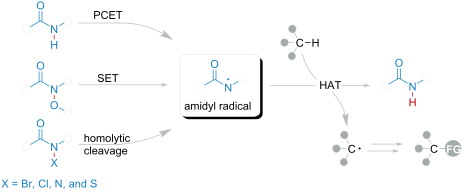
- activation energy modulation during transition state formation. Specifically, donor/acceptor electronic configurations in the substrate could either stabilize or destabilize the transient hybrid state, thereby thermodynamically governing the energy barrier for intermolecular HAT progression. When the partial

Graphical Abstract

Figure 1: (a) BDE of C–H. (b) Direct functionalization of C–H catalyzed by transition-metal. (c) Direct funct...
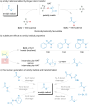
Figure 2: (a) Amidyl radical-enabled hydrogen atom transfer. (b) Substituent effects to amidyl radical proper...

Figure 3: Representative photocatalysts discussed in this review.

Scheme 1: Alkylation of C(sp3)–H catalyzed by amidyl radical under visible light.

Scheme 2: Direct heteroarylation of C(sp3)–H catalyzed by amidyl radical under visible light.

Scheme 3: Alkylation of C(sp3)–H catalyzed by amidyl radical and metal-free photocatalyst under visible light....

Scheme 4: Alkylation of C(sp3)–H, Si–H, and Ge–H catalyzed by amidyl radical under visible light.

Scheme 5: Direct heteroarylation of C(sp3)–H catalyzed by synergistic promotion of amidyl radical and photoca...

Scheme 6: Direct B–H functionalization of icosahedral carboranes catalyzed by amidyl radical under visible li...

Scheme 7: Nucleophilic amination of C(sp3)–H enabled by amidyl radical under visible light.
Scheme 8: Direct heteroarylation of C(sp3)–H and C(sp3)–H without the presence of strong bases, acids, or oxi...

Scheme 9: Xanthylation of C(sp3)–H addressed by amidyl radical under visible light.

Scheme 10: Xanthylation of C(sp3)–H in polyolefins addressed by amidyl radical under visible light.

Scheme 11: Site-selective C(sp3)–H bromination implemented by amidyl radical under visible light.

Scheme 12: Site-selective chlorination of C(sp3)–H in natural products implemented by amidyl radical under vis...

Scheme 13: Alkylation of C(sp3)–H catalyzed by amidyl radical photocatalyst under visible light.
Recent advances in oxidative radical difunctionalization of N-arylacrylamides enabled by carbon radical reagents
- Jiangfei Chen,
- Yi-Lin Qu,
- Ming Yuan,
- Xiang-Mei Wu,
- Heng-Pei Jiang,
- Ying Fu and
- Shengrong Guo
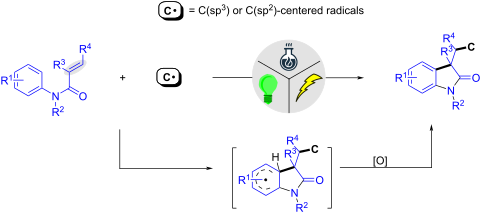
Beilstein J. Org. Chem. 2025, 21, 1207–1271, doi:10.3762/bjoc.21.98
- the synthesis of oxindoles (Scheme 43) and isoquinolinediones (Scheme 44) [26]. In this work, visible light was used to promote a single-electron-transfer (SET) process, overcoming the inherent challenges associated with activating the strong C(sp³)–Cl bond, which typically requires high activation
- energy (327 kJ/mol) and is less reactive compared to alkyl bromides or iodides. Previous methodologies predominantly relied on alkyl bromides and iodides due to their lower bond dissociation energies. By leveraging the excited-state reactivity of Pd(0) complexes under blue LED irradiation, this method

Graphical Abstract

Scheme 1: DTBP-mediated oxidative alkylarylation of activated alkenes.

Scheme 2: Iron-catalyzed oxidative 1,2-alkylarylation.

Scheme 3: Possible mechanism for the iron-catalyzed oxidative 1,2-alkylation of activated alkenes.

Scheme 4: A metal-free strategy for synthesizing 3,3-disubstituted oxindoles.

Scheme 5: Iminoxyl radical-promoted cascade oxyalkylation/alkylarylation of alkenes.

Scheme 6: Proposed mechanism for the iminoxyl radical-promoted cascade oxyalkylation/alkylarylation of alkene...

Scheme 7: Bicyclization of 1,n-enynes with alkyl nitriles.

Scheme 8: Possible reaction mechanism for the bicyclization of 1,n-enynes with alkyl nitriles.

Scheme 9: Radical cyclization of N-arylacrylamides with isocyanides.

Scheme 10: Plausible mechanism for the radical cyclization of N-arylacrylamides with isocyanides.

Scheme 11: Electrochemical dehydrogenative cyclization of 1,3-dicarbonyl compounds.

Scheme 12: Plausible mechanism for the dehydrogenative cyclization of 1,3-dicarbonyl compounds.

Scheme 13: Photocatalyzed cyclization of N-arylacrylamide and N,N-dimethylaniline.

Scheme 14: Proposed mechanism for the photocatalyzed cyclization of N-arylacrylamides and N,N-dimethylanilines....

Scheme 15: Electrochemical monofluoroalkylation cyclization of N-arylacrylamides with dimethyl 2-fluoromalonat...
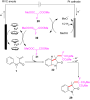
Scheme 16: Proposed mechanism for the electrochemical radical cyclization of N-arylacrylamides with dimethyl 2...

Scheme 17: Photoelectrocatalytic carbocyclization of unactivated alkenes using simple malonates.

Scheme 18: Plausible mechanism for the photoelectrocatalytic carbocyclization of unactivated alkenes with simp...

Scheme 19: Bromide-catalyzed electrochemical trifluoromethylation/cyclization of N-arylacrylamides.

Scheme 20: Proposed mechanism for the electrochemical trifluoromethylation/cyclization of N-arylacrylamides.

Scheme 21: Visible light-mediated trifluoromethylarylation of N-arylacrylamides.

Scheme 22: Plausible reaction mechanism for the visible light-mediated trifluoromethylarylation of N-arylacryl...

Scheme 23: Electrochemical difluoroethylation cyclization of N-arylacrylamides with sodium difluoroethylsulfin...

Scheme 24: Electrochemical difluoroethylation cyclization of N-methyacryloyl-N-alkylbenzamides with sodium dif...

Scheme 25: Photoredox-catalyzed radical aryldifluoromethylation of N-arylacrylamides with S-(difluoromethyl)su...

Scheme 26: Proposed mechanism for the photoredox-catalyzed radical aryldifluoromethylation of N-arylacrylamide...

Scheme 27: Visible-light-induced domino difluoroalkylation/cyclization of N-cyanamide alkenes.

Scheme 28: Proposed mechanism of photoredox-catalyzed radical domino difluoroalkylation/cyclization of N-cyana...

Scheme 29: Palladium-catalyzed oxidative difunctionalization of alkenes.

Scheme 30: Two possible mechanisms of palladium-catalyzed oxidative difunctionalization.

Scheme 31: Silver-catalyzed oxidative 1,2-alkyletherification of unactivated alkenes with α-bromoalkylcarbonyl...

Scheme 32: Photochemical radical cascade cyclization of dienes.

Scheme 33: Proposed mechanism for the photochemical radical cascade 6-endo cyclization of dienes with α-carbon...

Scheme 34: Photocatalyzed radical coupling/cyclization of N-arylacrylamides and.

Scheme 35: Photocatalyzed radical-type couplings/cyclization of N-arylacrylamides with sulfoxonium ylides.

Scheme 36: Possible mechanism of visible-light-induced radical-type couplings/cyclization of N-arylacrylamides...
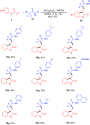
Scheme 37: Visible-light-promoted difluoroalkylated oxindoles systhesis via EDA complexes.

Scheme 38: Possible mechanism for the visible-light-promoted radical cyclization of N-arylacrylamides with bro...

Scheme 39: A dicumyl peroxide-initiated radical cascade reaction of N-arylacrylamide with DCM.

Scheme 40: Possible mechanism of radical cyclization of N-arylacrylamides with DCM.

Scheme 41: An AIBN-mediated radical cascade reaction of N-arylacrylamides with perfluoroalkyl iodides.

Scheme 42: Possible mechanism for the reaction with perfluoroalkyl iodides.

Scheme 43: Photoinduced palladium-catalyzed radical annulation of N-arylacrylamides with alkyl halides.

Scheme 44: Radical alkylation/cyclization of N-Alkyl-N-methacryloylbenzamides with alkyl halides.

Scheme 45: Possible mechanism for the alkylation/cyclization with unactivated alkyl chlorides.
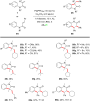
Scheme 46: Visible-light-driven palladium-catalyzed radical cascade cyclization of N-arylacrylamides with unac...

Scheme 47: NHC-catalyzed radical cascade cyclization of N-arylacrylamides with alkyl bromides.

Scheme 48: Possible mechanism of NHC-catalyzed radical cascade cyclization.

Scheme 49: Electrochemically mediated radical cyclization reaction of N-arylacrylamides with freon-type methan...

Scheme 50: Proposed mechanistic pathway of electrochemically induced radical cyclization reaction.

Scheme 51: Redox-neutral photoinduced radical cascade cylization of N-arylacrylamides with unactivated alkyl c...
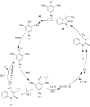
Scheme 52: Proposed mechanistic hypothesis of redox-neutral radical cascade cyclization.

Scheme 53: Thiol-mediated photochemical radical cascade cylization of N-arylacrylamides with aryl halides.

Scheme 54: Proposed possible mechanism of thiol-mediated photochemical radical cascade cyclization.

Scheme 55: Visible-light-induced radical cascade bromocyclization of N-arylacrylamides with NBS.

Scheme 56: Possible mechanism of visible-light-induced radical cascade cyclization.

Scheme 57: Decarboxylation/radical C–H functionalization by visible-light photoredox catalysis.

Scheme 58: Plausible mechanism of visible-light photoredox-catalyzed radical cascade cyclization.

Scheme 59: Visible-light-promoted tandem radical cyclization of N-arylacrylamides with N-(acyloxy)phthalimides....

Scheme 60: Plausible mechanism for the tandem radical cyclization reaction.

Scheme 61: Visible-light-induced aerobic radical cascade alkylation/cyclization of N-arylacrylamides with alde...

Scheme 62: Plausible mechanism for the aerobic radical alkylarylation of electron-deficient amides.

Scheme 63: Oxidative decarbonylative [3 + 2]/[5 + 2] annulation of N-arylacrylamide with vinyl acids.

Scheme 64: Plausible mechanism for the decarboxylative (3 + 2)/(5 + 2) annulation between N-arylacrylamides an...

Scheme 65: Rhenium-catalyzed alkylarylation of alkenes with PhI(O2CR)2.

Scheme 66: Plausible mechanism for the rhenium-catalyzed decarboxylative annulation of N-arylacrylamides with ...

Scheme 67: Visible-light-induced one-pot tandem reaction of N-arylacrylamides.

Scheme 68: Plausible mechanism for the visible-light-initiated tandem synthesis of difluoromethylated oxindole...

Scheme 69: Copper-catalyzed redox-neutral cyanoalkylarylation of activated alkenes with cyclobutanone oxime es...

Scheme 70: Plausible mechanism for the copper-catalyzed cyanoalkylarylation of activated alkenes.

Scheme 71: Photoinduced alkyl/aryl radical cascade for the synthesis of quaternary CF3-attached oxindoles.

Scheme 72: Plausible photoinduced electron-transfer (PET) mechanism.

Scheme 73: Photoinduced cerium-mediated decarboxylative alkylation cascade cyclization.

Scheme 74: Plausible reaction mechanism for the decarboxylative radical-cascade alkylation/cyclization.

Scheme 75: Metal-free oxidative tandem coupling of activated alkenes.

Scheme 76: Control experiments and possible mechanism for 1,2-carbonylarylation of alkenes with carbonyl C(sp2...

Scheme 77: Silver-catalyzed acyl-arylation of activated alkenes with α-oxocarboxylic acids.

Scheme 78: Proposed mechanism for the decarboxylative acylarylation of acrylamides.

Scheme 79: Visible-light-mediated tandem acylarylation of olefines with carboxylic acids.

Scheme 80: Proposed mechanism for the radical cascade cyclization with acyl radical via visible-light photored...

Scheme 81: Erythrosine B-catalyzed visible-light photoredox arylation-cyclization of N-arylacrylamides with ar...

Scheme 82: Electrochemical cobalt-catalyzed radical cyclization of N-arylacrylamides with arylhydrazines or po...

Scheme 83: Proposed mechanism of radical cascade cyclization via electrochemical cobalt catalysis.

Scheme 84: Copper-catalyzed oxidative tandem carbamoylation/cyclization of N-arylacrylamides with hydrazinecar...

Scheme 85: Proposed reaction mechanism for the radical cascade cyclization by copper catalysis.

Scheme 86: Visible-light-driven radical cascade cyclization reaction of N-arylacrylamides with α-keto acids.

Scheme 87: Proposed mechanism of visible-light-driven cascade cyclization reaction.

Scheme 88: Peroxide-induced radical carbonylation of N-(2-methylallyl)benzamides with methyl formate.

Scheme 89: Proposed cyclization mechanism of peroxide-induced radical carbonylation with N-(2-methylallyl)benz...

Scheme 90: Persulfate promoted carbamoylation of N-arylacrylamides and N-arylcinnamamides.

Scheme 91: Proposed mechanism for the persulfate promoted radical cascade cyclization reaction of N-arylacryla...
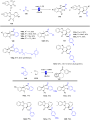
Scheme 92: Photocatalyzed carboacylation with N-arylpropiolamides/N-alkyl acrylamides.

Scheme 93: Plausible mechanism for the photoinduced carboacylation of N-arylpropiolamides/N-alkyl acrylamides.

Scheme 94: Electrochemical Fe-catalyzed radical cyclization with N-arylacrylamides.

Scheme 95: Plausible mechanism for the electrochemical Fe-catalysed radical cyclization of N-phenylacrylamide.

Scheme 96: Substrate scope of the selective functionalization of various α-ketoalkylsilyl peroxides with metha...

Scheme 97: Proposed reaction mechanism for the Fe-catalyzed reaction of alkylsilyl peroxides with methacrylami...

Scheme 98: EDA-complex mediated C(sp2)–C(sp3) cross-coupling of TTs and N-methyl-N-phenylmethacrylamides.

Scheme 99: Proposed mechanism for the synthesis of oxindoles via EDA complex.
Enhancing chemical synthesis planning: automated quantum mechanics-based regioselectivity prediction for C–H activation with directing groups
- Julius Seumer,
- Nicolai Ree and
- Jan H. Jensen
Beilstein J. Org. Chem. 2025, 21, 1171–1182, doi:10.3762/bjoc.21.94
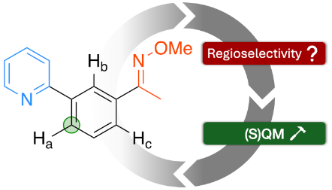
- Chen et al. [4]. We are excluding cyclization reactions for which the regioselectivity is not only determined by the activation energy to form the palladacycle intermediate but also by which site is accessible for the intramolecular cyclization. Using the previously described workflow, we were able to
- . The wrong prediction here might indicate that the BEP relationship does not hold in this case and one would need to calculate the activation energy of the actual transition states. Molecule 3 from Jiang et al. [28] is another intramolecular cyclization reaction which was not labelled as such. For such
- reactions, the regioselectivity is not only determined by the activation energy for the rate-determining step but also by the proximity of an intramolecular reaction partner, here the secondary amine. From this in-depth analysis, we conclude that our QM workflow only predicted the wrong reaction site for

Graphical Abstract

Figure 1: Overview of the predictive workflow: For the shown substrate on the left, three unique activation s...

Figure 2: Example of the output from running the SMARTS pattern approach introduced by Tomberg et al. [9] with t...

Figure 3: An example where our algorithm found a more specific SMARTS pattern match than highlighted in Tombe...

Figure 4: An example highlighting the difficulties in prioritizing the SMARTS patterns. All three patterns ma...

Figure 5: Example of a combination of C–H bond and DG that is discarded because of the angle constraint on th...

Figure 6: Example of combinations of C–H bonds and DGs that are considered identical because of symmetry of t...

Figure 7: Example of combinations of C–H bonds and DGs that are considered identical because of symmetry of t...

Figure 8: Example of combinations of C–H bonds and DGs that are considered identical because of resonance str...

Figure 9: A: Distribution of correct (green) and wrong (red) predictions for molecules with two to five poten...

Figure 10: Molecules with five potential reaction sites that are predicted wrong by the QM workflow. The exper...

Figure 11: Predictions of reaction sites within a 1 kcal·mol−1 threshold for ten molecules are marked with a b...

Figure 12: Substrate with six potential unique reaction sites for C–H functionalization. The experimentally de...
On the photoluminescence in triarylmethyl-centered mono-, di-, and multiradicals
- Daniel Straub,
- Markus Gross,
- Mona E. Arnold,
- Julia Zolg and
- Alexander J. C. Kuehne
Beilstein J. Org. Chem. 2025, 21, 964–998, doi:10.3762/bjoc.21.80
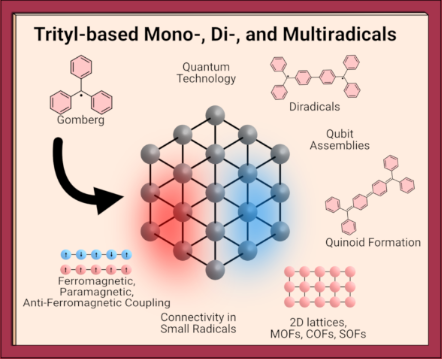

Graphical Abstract

Figure 1: a) Tris(trichlorophenyl)methyl (TTM) radical and related trityl radicals, b) HDMO, SOMO, LUMO orbit...

Figure 2: Mixed halide tri- and perhalogenated triphenylmethyl radicals: a) Molecular structures of homo- and...

Figure 3: Pyridine-functionalized triarylmethyl radicals. a) Chemical structures of X2PyBTM, Py2MTM, and Au-F2...

Figure 4: Pyridine-functionalized triarylmethyl radicals. a) Molecular structure of Mes2F2PyBTM, and b) its f...

Figure 5: Carbazole functionalized triarylmethyl radical. a) Chemical structure of Cz-BTM and b) its energy d...
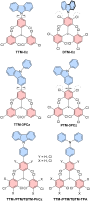
Figure 6: Donor-functionalized triphenylmethyl radicals. Molecular structures of TTM-Cz, DTM-Cz, TTM-3PCz, PT...

Figure 7: Tuning of the donor strength. Functionalization with electron-donating and electron-withdrawing gro...
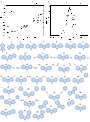
Figure 8: Tuning of the donor strength, by varying the Cz-derived donor (1–36) on a TTM radical fragment. a) ...

Figure 9: Three-state model and Marcus theory: q is the charge transfer coordinate and G the free energy. Gro...

Figure 10: Dendronized carbazole donors on TTM radicals. a) Molecular structures of G3TTM and G4TTM. b) Photol...

Figure 11: Electronic extension of the Cz donor. a) Molecular structures and optoelectronic properties of TTM-...

Figure 12: Kekulé diradicals: a) hexadeca- and perchlorinated Thiele (TTH, PTH), Chichibabin (TTM-TTM, PTM-PTM...
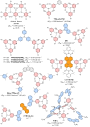
Figure 13: Non-Kekulé diradicals: perchlorinated Schlenk–Brauns radical (m-PTH), meta-coupled TTM radicals in ...

Figure 14: UV–vis absorption and photoluminescence spectra of a) TTH in solvents of different polarity, b) dir...

Figure 15: Molecular structures of m-4BTH (meta-butylated Thiele hydrocarbon), m-4TTH (meta-trichlorinated Thi...

Figure 16: a) Polystyrene-based TTM-Cz polymer. b) Molecular structure of radical particles with backbone thro...
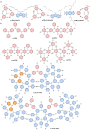
Figure 17: Molecular structures of polyradicals. a) Molecular structures of p-TBr6Cl3M-F8, p-TBr6Cl3M-acF8 and ...
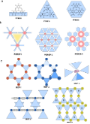
Figure 18: Structures of coordination and metal-organic frameworks. a) Carboxylic acid functionalized monomers...

Figure 19: Structures of coordination and metal-organic frameworks. a) Molecular structures of monomers TTMDI, ...

Figure 20: Molecular structures of covalent organic frameworks m-TPM-Ph-COF, m-PTM-Ph-COF, p-TPH-COF, p-PTH-COF...
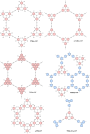
Figure 21: Molecular structures of covalent organic frameworks PTMAc-COF, oxTAMAc-COF, TOTAc-COF, PTMTAz-COF, p...
Recent advances in controllable/divergent synthesis
- Jilei Cao,
- Leiyang Bai and
- Xuefeng Jiang
Beilstein J. Org. Chem. 2025, 21, 890–914, doi:10.3762/bjoc.21.73

- while regenerating the catalytic species Int-82. Comparative kinetic analysis revealed a marked preference for alkyl iodide activation, as demonstrated by its substantially lower activation energy barrier compared to alkyl bromide analogs (path b). This energetic advantage facilitates preferential

Graphical Abstract

Scheme 1: Ligand-controlled regiodivergent C1 insertion into arynes [19].

Scheme 2: Ligand effect in homogenous gold catalysis enabling regiodivergent π-bond-activated cyclization [20].

Scheme 3: Ligand-controlled palladium(II)-catalyzed regiodivergent carbonylation of alkynes [21].
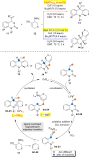
Scheme 4: Catalyst-controlled annulations of strained cyclic allenes with π-allyl palladium complexes and pro...

Scheme 5: Ring expansion of benzosilacyclobutenes with alkynes [23].

Scheme 6: Photoinduced regiodivergent and enantioselective cross-coupling [24].

Scheme 7: Catalyst-controlled regiodivergent and enantioselective formal hydroamination of N,N-disubstituted ...

Scheme 8: Catalyst-tuned regio- and enantioselective C(sp3)–C(sp3) coupling [31].

Scheme 9: Catalyst-controlled annulations of bicyclo[1.1.0]butanes with vinyl azides [32].

Scheme 10: Solvent-driven reversible macrocycle-to-macrocycle interconversion [39].

Scheme 11: Unexpected solvent-dependent reactivity of cyclic diazo imides and mechanism [40].

Scheme 12: Palladium-catalyzed annulation of prochiral N-arylphosphonamides with aromatic iodides [41].

Scheme 13: Time-dependent enantiodivergent synthesis [42].

Scheme 14: Time-controlled palladium-catalyzed divergent synthesis of silacycles via C–H activation [43].

Scheme 15: Proposed mechanism for the time-controlled palladium-catalyzed divergent synthesis of silacycles [43].

Scheme 16: Metal-free temperature-controlled regiodivergent borylative cyclizations of enynes [45].

Scheme 17: Nickel-catalyzed switchable site-selective alkene hydroalkylation by temperature regulation [46].

Scheme 18: Copper-catalyzed decarboxylative amination/hydroamination sequence [48].

Scheme 19: Proposed mechanism of copper-catalyzed decarboxylative amination/hydroamination sequence [48].

Scheme 20: Enantioselective chemodivergent three-component radical tandem reactions [49].

Scheme 21: Substrate-controlled synthesis of indoles and 3H-indoles [52].

Scheme 22: Controlled mono- and double methylene insertions into nitrogen–boron bonds [53].

Scheme 23: Copper-catalyzed substrate-controlled carbonylative synthesis of α-keto amides and amides [54].

Scheme 24: Divergent sulfur(VI) fluoride exchange linkage of sulfonimidoyl fluorides and alkynes [55].

Scheme 25: Modular and divergent syntheses of protoberberine and protonitidine alkaloids [56].
Effect of substitution position of aryl groups on the thermal back reactivity of aza-diarylethene photoswitches and prediction by density functional theory
- Misato Suganuma,
- Daichi Kitagawa,
- Shota Hamatani and
- Seiya Kobatake
Beilstein J. Org. Chem. 2025, 21, 242–252, doi:10.3762/bjoc.21.16
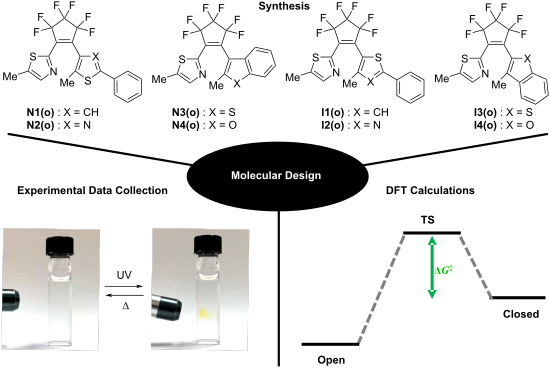
- theory in combination with the 6-31G(d) basis set well reproduces the experimental value of the activation energy for the thermal back reaction of various diarylbenzenes, resulting in the accurate prediction of the half-lifte time [58][63]. Thus, the combination of experiments and theoretical

Graphical Abstract

Scheme 1: Photochromic reaction of aza-diarylethene derivatives N1–N4 and I1–I4 investigated in this work.

Figure 1: Absorption spectral changes of (a) N3 and (b) I3 in n-hexane at 253 K for N3 and 203 K for I3: open...

Figure 2: Absorbance decay curves and first-order kinetics profiles for (a,b) N3 and (d,e) I3 in n-hexane at ...

Figure 3: Visualization of the difference between ΔG‡(calcd) and ΔG‡(exp) for N1–N4 and I1–I4 by calculation ...

Scheme 2: Synthetic route to aza-diarylethenes N4 and I1–I4.
Direct trifluoroethylation of carbonyl sulfoxonium ylides using hypervalent iodine compounds
- Radell Echemendía,
- Carlee A. Montgomery,
- Fabio Cuzzucoli,
- Antonio C. B. Burtoloso and
- Graham K. Murphy
Beilstein J. Org. Chem. 2024, 20, 3182–3190, doi:10.3762/bjoc.20.263
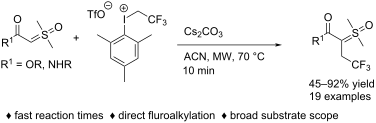
- ° and C–I bond lengths of 2.1 Å (I–CH2CF3) and 3.2 Å. Finally, a 37.8 kcal/mol activation energy between XB-2 and B for path 1 was calculated. On the other hand, path 2 had a much lower Gibbs free energy of activation of 24.3 kcal/mol, where the angle of attack from 1a to 2a’ was found at approximately
- 160° with equal C–I bond lengths of 2.5 Å in the transition state. The significantly lower activation energy allowed us to conclude that the SN2 mechanism was the more favourable pathway. Conclusion In conclusion, we have developed a direct polyfluoroalkylation reaction of sulfoxonium ylides. The

Graphical Abstract

Figure 1: Representative examples of fluorine containing, biologically active compounds.

Scheme 1: Strategies for the synthesis of α-alkyl sulfoxonium ylides.

Scheme 2: Exploring substrate scope in the direct α-fluoroalkylation of sulfoxonium ylides.

Scheme 3: Synthetic applications of fluoroalkylated sulfoxonium ylides.

Figure 2: Possible mechanisms for the reaction of 1a and 2a leading to 3a (via B), proceeding via either halo...

Figure 3: Electrostatic potential of 2a’ from 0.075 e to 0.21 e, showing two sigma holes of potentials 0.20 a...

Figure 4: The optimized reaction coordinate diagrams for the halogen bond-mediated mechanism (path 1, left) a...
Synthesis and antimycotic activity of new derivatives of imidazo[1,2-a]pyrimidines
- Dmitriy Yu. Vandyshev,
- Daria A. Mangusheva,
- Khidmet S. Shikhaliev,
- Kirill A. Scherbakov,
- Oleg N. Burov,
- Alexander D. Zagrebaev,
- Tatiana N. Khmelevskaya,
- Alexey S. Trenin and
- Fedor I. Zubkov
Beilstein J. Org. Chem. 2024, 20, 2806–2817, doi:10.3762/bjoc.20.236
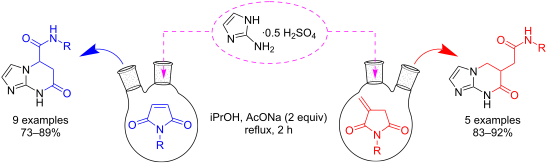
- and 7a are formed (Scheme 4). Although intermediate 7a has a lower activation energy (∆G = −0.23 kcal/mol), further recyclization processes are not possible due to the positive free energy change (∆G > 0). In this context, the formation of the final product is only possible to proceed via intermediate

Graphical Abstract

Figure 1: Some biologically active compounds and organic fluorophores containing the imidazo[1,2-a]pyrimidine...

Figure 2: Existing approaches to imidazo[1,2-a]pyrimidines.

Scheme 1: Reaction of 2-aminoimidazole (1) with N-substituted maleimides (2) and N-arylitaconimides (3).

Scheme 2: Plausible synthetic routes for the interaction of N-substituted maleimides 2 with 2-aminoimidazole (...

Scheme 3: Plausible synthetic routes for the interaction of or N-arylitaconimides 3 with 2-aminoimidazole (1)....

Figure 3: Key correlations observed in the NOESY and HMBC spectra of the products 4d and 5d.

Scheme 4: Results of MEP calculations for the reaction of N-phenylmaleimide (2a) with 2-aminoimidazole (1).

Scheme 5: Results of MEP calculations for the reaction of N-phenylithaconimide (3a) with 2-aminoimidazole (1)....

Figure 4: Structures of imidazo[1,2-a]pyrimidines selected for docking and voriconazole selected for comparis...

Figure 5: (A) Position of the (S)-isomer of compound 4e in the active site of CYP51 after molecular dockinga....
Access to optically active tetrafluoroethylenated amines based on [1,3]-proton shift reaction
- Yuta Kabumoto,
- Eiichiro Yoshimoto,
- Bing Xiaohuan,
- Masato Morita,
- Motohiro Yasui,
- Shigeyuki Yamada and
- Tsutomu Konno
Beilstein J. Org. Chem. 2024, 20, 2776–2783, doi:10.3762/bjoc.20.233
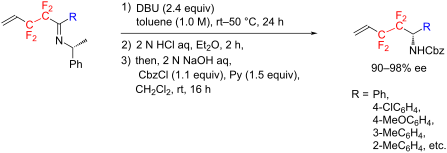
- transition state is not stabilized, leading to the increase of the activation energy of the reaction. As a result, the reaction does not proceed smoothly. The absolute configurations of product (S)-23c, (S)-23d, and (S)-23e were determined on the basis of their X-ray crystallographic analyses. The validity

Graphical Abstract
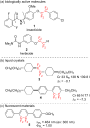
Figure 1: Various applications of tetrafluoroethylenated molecules.

Scheme 1: Precedent synthetic approaches to optically active compounds possessing a tetrafluoroethylene group...

Scheme 2: Synthetic strategy for preparing fluorine-containing amines via [1,3]-proton shift reactions.

Scheme 3: Preparation of the substrates used in this study.

Scheme 4: Derivatization of (S)-20b to (S)-23b for determining the optical purity of (S)-20b.

Scheme 5: Substrate scope for the present [1,3]-proton shift reaction. aYields are determined by 19F NMR spec...
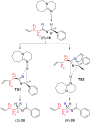
Scheme 6: Proposed reaction mechanism.
Computational design for enantioselective CO2 capture: asymmetric frustrated Lewis pairs in epoxide transformations
- Maxime Ferrer,
- Iñigo Iribarren,
- Tim Renningholtz,
- Ibon Alkorta and
- Cristina Trujillo
Beilstein J. Org. Chem. 2024, 20, 2668–2681, doi:10.3762/bjoc.20.224
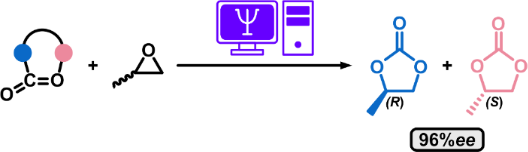
- ][27]. The previous plots are effective for metal-based catalysts and relatively simple catalytic reactions; however, they fall short when reactions involve multiple steps and independent activation barriers. In this paper, instead of focusing solely on the activation energy, the energy span of the

Graphical Abstract

Scheme 1: Reaction between propylene oxide (PO) and CO2 and the five catalyst scaffolds under study. The posi...

Figure 1: Schematic representation of an (A) 2D and a (B) 3D volcano plot. The abbreviation “cat.” stands for...

Scheme 2: Capture reactions of CO2 or an epoxide by FLP.

Figure 2: (A) Structure of PO annotated with the C–O bond distances and electron densities at the BCPs. BCPs ...

Figure 3: Symmetric FLP scaffolds considered in the first study. X denotes N or P.

Figure 4: Subset of FLP scaffolds considered in the catalyst optimisation study. Substituents and labels are ...

Figure 5: Coupling reaction between PO and CO2. Depending on the catalyst considered, the reaction follows me...

Figure 6: VOLCANO plot group 1. The free energies of pre-TS01 assembly and Min2 are considered for the correl...

Figure 7: VOLCANO plot group 2. The free energies of pre-TS01 assembly and Min2 are considered for the correl...

Scheme 3: Asymmetric catalysis studied. On the left, the catalyst proposed by Gao et al. for the asymmetric h...

Figure 8: Catalysed reaction between the (S)-enantiomer of propylene oxide and CO2 resulting in the formation...

Figure 9: Schemes of the different asymmetric reactions observed. Hydrogen capable of rotation is marked in o...
Machine learning-guided strategies for reaction conditions design and optimization
- Lung-Yi Chen and
- Yi-Pei Li
Beilstein J. Org. Chem. 2024, 20, 2476–2492, doi:10.3762/bjoc.20.212

- ]. Most of the existing methods were originally designed for predicting reaction properties (such as activation energy, reaction enthalpy, etc.) or classifying reactions, but they can be potentially adapted for reaction conditions prediction by modifying the output layer of the model. Both global reaction

Graphical Abstract

Figure 1: Schematic diagram illustrating the data mining and preprocessing steps for chemical reaction datase...

Figure 2: A comparison of three types of reaction embedding methods: (A) descriptor-based, which use predefin...

Figure 3: A schematic diagram of how ML algorithms can be combined with HTE platforms to optimize reaction co...
Homogeneous continuous flow nitration of O-methylisouronium sulfate and its optimization by kinetic modeling
- Jiapeng Guo,
- Weike Su and
- An Su
Beilstein J. Org. Chem. 2024, 20, 2408–2420, doi:10.3762/bjoc.20.205
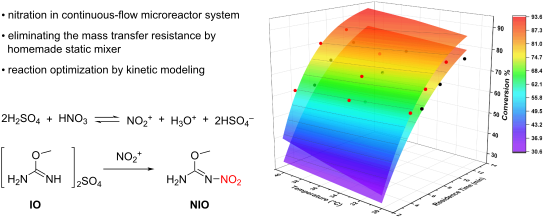
- modeling of this reaction was performed based on the theory of NO2+ attack, with the activation energy and pre-exponential factor determined. Finally, based on the response surface generated by the kinetic model, the reaction was optimized with a conversion of 87.4% under a sulfuric acid mass fraction of
- values of k0 at different temperatures, the activation energy for the electrophilic attack of NO2+ on the IO can be calculated by the Arrhenius equation: where R is the molar gas constant and T denotes the temperature in Kelvin, and Ea and A are the activation energy and pre-exponential factors for the
- temperatures on the apparent rate constants can be understood. In addition, a complete kinetic model of IO nitration based on NO2+ was developed to describe the reaction process, the activation energy of the IO nitration was calculated to be 192.57 kJ/mol. Furthermore, the accuracy of the kinetic model was

Graphical Abstract

Figure 1: The schematic diagram of the continuous flow microreactor system.

Scheme 1: Nitration of IO with mixed acid.

Figure 2: Two mixing setups: (a) a T-mixer and (b) a T-mixer combined with a homemade static mixer, and the e...

Figure 3:
Determination of the number of reaction orders. a) ln(1−xIO) versus t; b) ![[Graphic 1]](/bjoc/content/inline/1860-5397-20-205-i17.svg?max-width=637&scale=1.18182) versus t; c) ln(1−xIO) v...
versus t; c) ln(1−xIO) v...
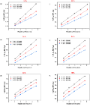
Figure 4: Determination of (M−1)cIO0k at different temperatures and H2SO4 mass fractions. (a) 88% H2SO4, (b) ...

Figure 5: Variations and fitting of as a function of a) the mass fraction of H2SO4 at 23 °C, 40 °C, and 60 °C...

Figure 6: Determination of thermodynamic parameters n and k0 and determination of the activation energy and p...

Figure 7: a) The value of apparent rate constant k at various H2SO4 mass fractions and different temperatures...
Metal-free double azide addition to strained alkynes of an octadehydrodibenzo[12]annulene derivative with electron-withdrawing substituents
- Naoki Takeda,
- Shuichi Akasaka,
- Susumu Kawauchi and
- Tsuyoshi Michinobu
Beilstein J. Org. Chem. 2024, 20, 2234–2241, doi:10.3762/bjoc.20.191
- followed a second-order reaction. Since no monoadducts were formed, the rate-determining step is the first azide addition. Based on this fact, the activation energy (Ea) of the reaction between 5 and benzyl azide in CDCl3, determined by the Arrhenius plots, was 60.9 kJ mol−1 (Figure 3). This value was

Graphical Abstract

Figure 1: Previously reported regioselective double azide addition to DBA with hexyloxy substituents and mole...

Scheme 1: Synthesis of DBA 5.
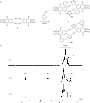
Figure 2: (a) Strain-promoted azide–alkyne cycloaddition between DBA 5 and benzyl azide and (b) 1H NMR spectr...

Figure 3: Arrhenius plots of the rate constants for the reaction between 5 and benzyl azide in CDCl3.

Figure 4: Proposed reaction mechanism for the formation of compound 6a. Free energy profiles (ΔG298 in kJ mol...

Figure 5: Absorption (blue) and fluorescence (red) spectra of 6a (2 × 10⁻⁵ M) in CH2Cl2.

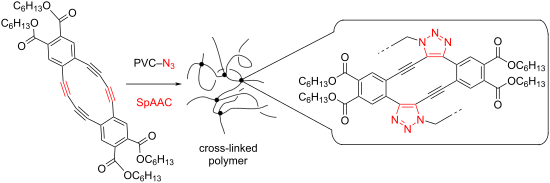
Figure 6: (a) Crosslinking reaction of PVC-N3 (x = 0.11) with compound 5. (b,c) Strain-stress curves of PVC-N3...
Electrophotochemical metal-catalyzed synthesis of alkylnitriles from simple aliphatic carboxylic acids
- Yukang Wang,
- Yan Yao and
- Niankai Fu
Beilstein J. Org. Chem. 2024, 20, 1497–1503, doi:10.3762/bjoc.20.133
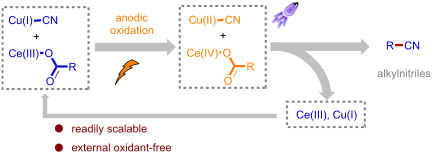
- electrophotochemical transition metal catalysis [26][27][28][29][30][31] as a unique and powerful synthetic platform for radical decarboxylative functionalization of aliphatic carboxylic acids [32][33][34][35][36][37]. In particular, the commonly required high activation energy for radical decarboxylation was provided

Graphical Abstract
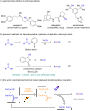
Figure 1: Decarboxylative cyanation: background and our working hypothesis.

Figure 2: Scope of electrophotochemical decarboxylative cyanation of aliphatic carboxylic acids. All yields a...
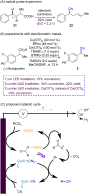
Figure 3: Mechanistic studies and proposed catalytic cycles.
Computation-guided scaffold exploration of 2E,6E-1,10-trans/cis-eunicellanes
- Zining Li,
- Sana Jindani,
- Volga Kojasoy,
- Teresa Ortega,
- Erin M. Marshall,
- Khalil A. Abboud,
- Sandra Loesgen,
- Dean J. Tantillo and
- Jeffrey D. Rudolf
Beilstein J. Org. Chem. 2024, 20, 1320–1326, doi:10.3762/bjoc.20.115

- activation energy may allow for oxy-Cope rearrangement at 28 °C. DFT calculations (in toluene) of 5-hydroxyalbireticulene for both the pseudo-axial and pseudo-equatorial conformations of the C5 hydroxy moiety suggest that there is not a significant difference in the free energy barriers for the oxy-Cope

Graphical Abstract

Figure 1: Eunicellane diterpenoids and their biosyntheses. (A) The 6/10-bicyclic hydrocarbon framework is con...

Figure 2: Protonation-mediated cyclization of trans- and cis-eunicellanes. (A) The 2E-trans- and 2E-cis-eunic...

Figure 3: Cope rearrangement in trans-eunicellanes. (A) The 2E-trans-eunicellane undergoes thermal Cope rearr...

Figure 4: Scaffold exploration of the 2E-trans-eunicellane skeleton.
Novel route to enhance the thermo-optical performance of bicyclic diene photoswitches for solar thermal batteries
- Akanksha Ashok Sangolkar,
- Rama Krishna Kadiyam and
- Ravinder Pawar
Beilstein J. Org. Chem. 2024, 20, 1053–1068, doi:10.3762/bjoc.20.93
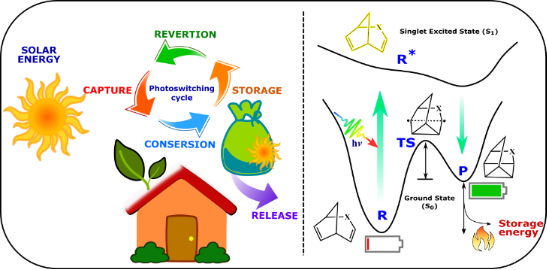
- photoswitching cycle. The activation energy required to trigger the transformation of the metastable photoisomer to the parent diene is called the thermal back isomerization barrier. The TBR barrier governs the duration of storage of harvested solar energy in the MOST devices. Photoswitching systems exhibiting a
- DFT-based PBE method is still better to predict the geometry of TS using nudged elastic band (NEB) calculations and multireference methods determines the activation energy values close to the experiments [42]. In the present investigation, the geometry of all the TS structures was obtained with the

Graphical Abstract

Figure 1: (a) Previously studied BBD-based photoswitches, (b) recently reported protocol to synthesize a BBD ...

Figure 2: Energy storage capacities and barrier for back conversion of the photoproduct to the diene in the g...

Figure 3: (a) Optimized geometry along with the important geometrical parameters of the TS obtained for the t...

Figure 4: Photophysical properties of the studied BBD photoswitches with elongated unsaturated bridges. (a) O...

Figure 5: Effect of solvation on the thermochemical properties of the studied BBD photoswitches considering t...

Figure 6: Effect of solvation on the photophysical properties of the studied BBD photoswitches. (a) Optical s...

Figure 7: The undesired degradation competing the thermal back conversion of the photoproduct. (a) The therma...

Figure 8: Relative energy profiles for the conversion of the photoproducts into the parent dienes and undesir...
Advancements in hydrochlorination of alkenes
- Daniel S. Müller
Beilstein J. Org. Chem. 2024, 20, 787–814, doi:10.3762/bjoc.20.72
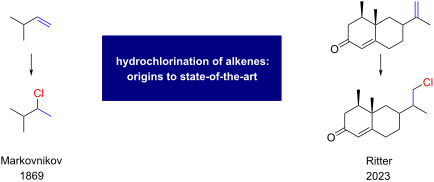
- C–H bonds into the alkene π-bond [30]. Before reviewing polar hydrochlorination reactions in detail, it is worth mentioning several statements which were made in the Sergeev review [12]: a) The activation energy for an anti-Markovnikov addition is at least by 30 kJ mol−1 higher than for normal
- concerning the polar hydrochlorinations the activation energy for an anti-Markovnikov addition is at least by 30 kJ mol−1 higher than for normal addition. Therefore, the formation of the anti-Markovnikov product via purely cationic intermediates is never observed. The only report for the formation of the

Graphical Abstract

Scheme 1: Classes of hydrochlorination reactions discussed in this review.

Figure 1: Mayr’s nucleophilicity parameters for several alkenes. References for each compound can be consulte...

Figure 2: Hydride affinities relating to the reactivity of the corresponding alkene towards hydrochlorination....

Scheme 2: Distinction of polar hydrochlorination reactions.

Scheme 3: Reactions of styrenes with HCl gas or HCl solutions.

Figure 3: Normal temperature dependence for the hydrochlorination of (Z)-but-2-ene.

Figure 4: Pentane slows down the hydrochlorination of 11.

Scheme 4: Recently reported hydrochlorinations of styrenes with HCl gas or HCl solutions.
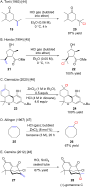
Scheme 5: Hydrochlorination reactions with di- and trisubstituted alkenes.

Scheme 6: Hydrochlorination of fatty acids with liquified HCl.

Scheme 7: Hydrochlorination with HCl/DMPU solutions.

Scheme 8: Hydrochlorination with HCl generated from EtOH and AcCl.

Scheme 9: Hydrochlorination with HCl generated from H2O and TMSCl.

Scheme 10: Regioisomeric mixtures of chlorooctanes as a result of hydride shifts.

Scheme 11: Regioisomeric mixtures of products as a result of methyl shifts.

Scheme 12: Applications of the Kropp procedure on a preparative scale.

Scheme 13: Curious example of polar anti-Markovnikov hydrochlorination.

Scheme 14: Unexpected and expected hydrochlorinations with AlCl3.
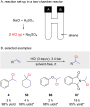
Figure 5: Ex situ-generated HCl gas and in situ application for the hydrochlorination of activated alkenes (*...
Scheme 15: HCl generated by Grob fragmentation of 92.

Scheme 16: Formation of chlorophosphonium complex 104 and the reaction thereof with H2O.

Scheme 17: Snyder’s hydrochlorination with stoichiometric amounts of complex 104 or 108.

Scheme 18: In situ generation of HCl by mixing of MsOH with CaCl2.

Scheme 19: First hydrochlorination of alkenes using hydrochloric acid.

Scheme 20: Visible-light-promoted hydrochlorination.

Scheme 21: Silica gel-promoted hydrochlorination of alkenes with hydrochloric acid.

Scheme 22: Hydrochlorination with hydrochloric acid promoted by acetic acid or iron trichloride.

Figure 6: Metal hydride hydrogen atom transfer reactions vs cationic reactions; BDE (bond-dissociation energy...

Scheme 23: Carreira’s first report on radical hydrochlorinations of alkenes.

Figure 7: Mechanism for the cobalt hydride hydrogen atom transfer reaction reported by Carreira.

Scheme 24: Radical “hydrogenation” of alkenes; competing chlorination reactions.

Scheme 25: Bogers iron-catalyzed radical hydrochlorination.

Scheme 26: Hydrochlorination instead of hydrogenation product.

Scheme 27: Optimization of the Boger protocol by researchers from Merck [88,89].

Figure 8: Proposed mechanism for anti-Markovnikov hydrochlorination by Nicewicz.

Scheme 28: anti-Markovnikov hydrochlorinations as reported by Nicewicz.

Figure 9: Mechanism for anti-Markovnikov hydrochlorination according to Ritter.

Scheme 29: anti-Markovnikov hydrochlorinations as reported by Nicewicz; rr (regioisomeric ratio) corresponds t...
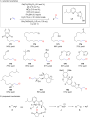
Scheme 30: anti-Markovnikov hydrochlorinations as reported by Liu.
Enhanced host–guest interaction between [10]cycloparaphenylene ([10]CPP) and [5]CPP by cationic charges
- Eiichi Kayahara,
- Yoshiyuki Mizuhata and
- Shigeru Yamago
Beilstein J. Org. Chem. 2024, 20, 436–444, doi:10.3762/bjoc.20.38
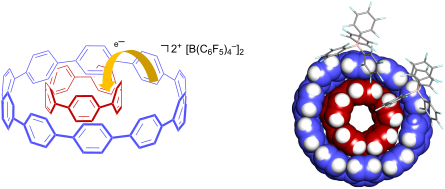
- ). The other two isomers, 2 and 3 (Figure 5b,c), with two CPPs tilted at 15.6° and 45.5°, are 2.5 and 4.2 kJ mol−1 less stable than complex 1, respectively. The stability among the isomers is low, and the activation energy for isomerization should be very low. Therefore, all isomers are expected to be

Graphical Abstract

Figure 1: Structures of a) [10]CPP⊃C60, (b) [n+5]CPP⊃[n]CPP, and (c) [10]CPP⊃[5]CPP2+ (this work).

Figure 2: 1H NMR spectra (CD2Cl2, 25 °C) of a) a mixture of [8]–[12]CPPs and [5]CPP2+[B(C6F5)4−]2 before and aft...
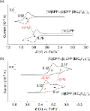
Figure 3: Cyclic voltammograms of [10]CPP⊃[5]CPP2+[B(C6F5)4−]2, [10]CPP, and [5]CPP2+[B(C6F5)4−]2 in Bu4N+ B(C...

Figure 4: UV–vis–NIR spectra of [10]CPP⊃[5]CPP2+[B(C6F5)4−]2 (black), [10]CPP (blue), and [5]CPP2+[B(C6F5)4−]2...

Figure 5: Top and side view of [10]CPP⊃[5]CPP2+ complexes a) 1, b) 2, and c) 3 obtained by DFT calculation at...
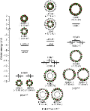
Figure 6: HOMO−1, HOMO, LUMO, and LUMO+1 orbitals of [10]CPP⊃[5]CPP2+ (1), [5]CPP2+, and [10]CPP.
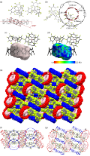
Figure 7: X-ray crystal structure of [10]CPP⊃[5]CPP2+[B(C6F5)4]2. a) Side and b) top views of ORTEP drawings....



