Search results
Search for "antibacterial" in Full Text gives 379 result(s) in Beilstein Journal of Organic Chemistry. Showing first 200.
Discovery of sugarnitriles A and B, and structural reassignment of SF-2140, from a sugarcane endophytic actinomycete Amycolatopsis sp. JS-O27
Beilstein J. Org. Chem. 2026, 22, 1114–1121, doi:10.3762/bjoc.22.90
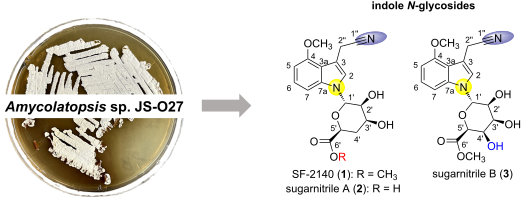
- constants and NOESY data, and comparison of their electronic circular dichroism (ECD) spectra. Compounds 1 and 3 exhibited moderate to weak antibacterial activity against Escherichia coli at 100 μg/mL. Keywords: Amycolatopsis sp.; indole N-glycosides; SF-2140; structure reassignment; sugarnitriles
- bioactivity studies indicated that SF-2140 exhibits weak antibacterial activity against Gram-positive and Gram-negative bacteria and antiviral activity [19]. Although the chemical structure of SF-2140 has been assigned through total synthesis and X-ray crystallography [19], the lack of 13C and 2D NMR data
- possess the same absolute configuration of C-1'. Thus, the absolute configurations of 3 were determined as 1'S,2'S,3'S,4'R,5'S. We next evaluated the bioactivity of compounds 1–3. In the cytotoxicity assay, the three compounds showed no cytotoxicity against HepG2 cells at 50 μM. In the antibacterial assay


Synthesis and acaricidal activity against Varroa destructor of α- and γ-costic acid dimers
Beilstein J. Org. Chem. 2026, 22, 1088–1096, doi:10.3762/bjoc.22.87
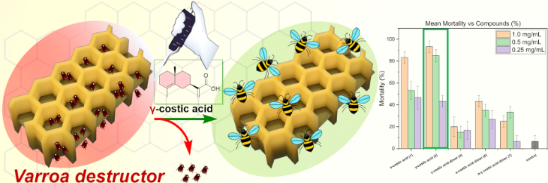
- specific activity has never been reported for γ-costic acid (3), for which only antifeedant [19] and antibacterial activities [8] have been demonstrated. Recently, some of us reported that the synthesized dimeric esters of both polygodial and ophiobolin A with ethylene glycol show enhanced anticancer


Amino acid-based surfactants: sustainable synthesis and antimicrobial mechanisms
Beilstein J. Org. Chem. 2026, 22, 1067–1085, doi:10.3762/bjoc.22.85


One-pot four-component sequential synthesis of S-alkyl dithiocarbamates using lipase as a biocatalyst
Beilstein J. Org. Chem. 2026, 22, 1048–1056, doi:10.3762/bjoc.22.83
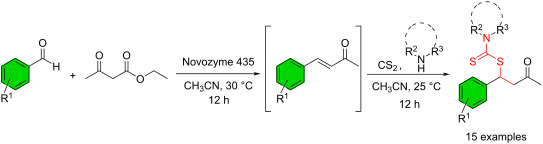
- ]. S-Alkyl dithiocarbamates demonstrate a broad spectrum of bioactivities, including potent anticancer [9], anti-Alzheimer [10][11], antibacterial [12], and antifungal [13][14] properties. In the realm of synthetic organic chemistry, these compounds serve as valuable intermediates, protecting groups


Semisynthesis, characterisation, and antibacterial evaluation of a novel lecanoric acid-derived amide library
Beilstein J. Org. Chem. 2026, 22, 1023–1032, doi:10.3762/bjoc.22.81
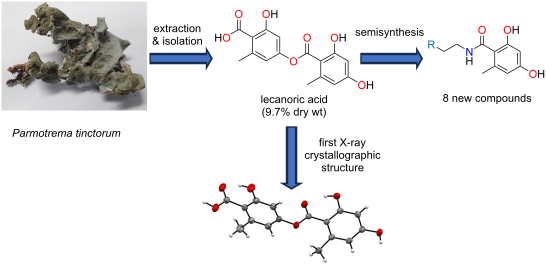
- evaluated for antibacterial activity against the human pathogen Pseudomonas aeruginosa using a biofilm inhibition assay. Of the new semisynthetics, amide analogue 12 showed the greatest planktonic cell growth inhibition (13% at 50 µM), whilst amide analogue 11 was the most active at inhibiting the formation
- characterisation of a novel biodiscovery screening library. Additionally, we report the antibacterial evaluation of the isolated natural products and semisynthetics against the Gram-negative human pathogen, Pseudomonas aeruginosa. Results and Discussion Air-dried and ground Parmotrema tinctorum specimens were
- the aromatic moiety was established through HMBC and ROESY correlations. Key COSY, HMBC, and ROESY correlations are shown below in Figure 4. Owing to the Davis group’s interest in discovering new natural products or derivatives with antibacterial properties, all compounds 1–13 were assessed via a


Unsymmetrical sulfoxides with sterically hindered catechol fragment: synthesis, structure, electrochemical properties, and antiradical activity
Beilstein J. Org. Chem. 2026, 22, 828–837, doi:10.3762/bjoc.22.65
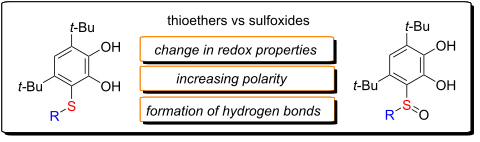
- , and antibacterial agents [6][7][8]. However, the practical utility of such type of compounds extends beyond biomedical applications. For instance, Michael addition reactions between dithiols and phenolic compounds yield cross-linked, colorless polymer films with universal adhesion and high stability


Anti-invasive and cytotoxic evaluation of a (+)-pinoresinol-based semisynthetic library against glioblastoma
Beilstein J. Org. Chem. 2026, 22, 691–704, doi:10.3762/bjoc.22.54
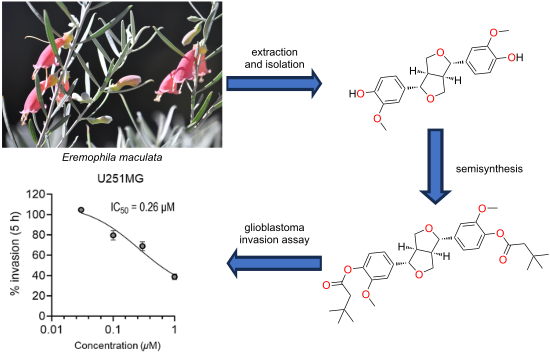
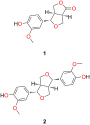
- . longifolia and E. alternifolia as traditional medicines [6][7][8]. In recent times, Eremophila plants have been shown to generate impressive chemical diversity, along with a wide range of biological activities from both extracts or isolated natural products, such as antibacterial, antimalarial, and



Regioselective approach to 5-arylsulfonylisoxazoles and their antimicrobial activity
Beilstein J. Org. Chem. 2026, 22, 592–602, doi:10.3762/bjoc.22.45
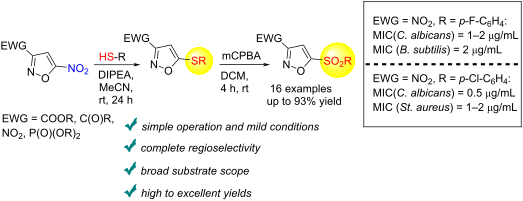
- -inflammatory, for the treatment of Alzheimer diseases, etc. [10][11][12][13][14][15][16]. Among the sulfonyl-containing heterocycles with confirmed efficacy against microorganisms (bacteria and fungi), sulfonylisoxazoles have attracted considerable attention as potential antibacterial drugs, with the isoxazole
- strategies to combat the antibiotic resistance include, in particular, the synthesis of novel antibacterial agents based on isoxazole derivatives [17]. In this regards, the development of efficient and convenient methods for the sulfonyl-containing isoxazoles synthesis has received great attention. The most
- corresponding isoxazoles 3h–p in excellent yields. Also, when 3-nitro-5-thiophenylisoxazole (2g) and methyl 5-thiophenylisoxazole carboxylate 2a reacted with 1.2 equiv mCPBA, monooxydated derivatives 4a and 4b were obtained (Scheme 4). Biology In the second part of the study the screening of antibacterial and


Melifoliox B, a novel phloroglucin derivative isolated from Melicope barbigera (Rutaceae) and synthesis of new oxidation products from melifoliones A and B
Beilstein J. Org. Chem. 2026, 22, 535–546, doi:10.3762/bjoc.22.39
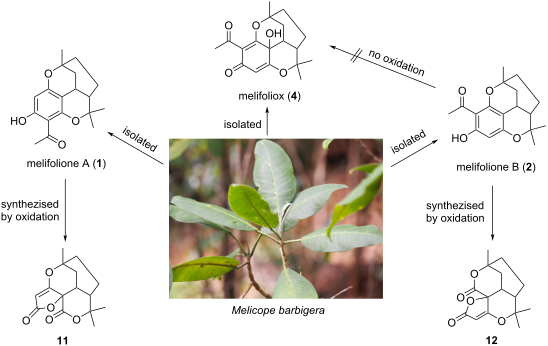
- , acetophenones and quinolone alkaloids. Moreover, several Melicope species are used in traditional and modern medicine. Some of the constituents possess antibacterial, antidiabetic, cytotoxic and antiproliferative activities in human cancer lines [1]. Five years ago, we described new acetophenones and chromenes



A mild and atom-efficient four-component cascade strategy for the construction of biologically relevant 4-hydroxyquinolin-2(1H)-one derivatives
Beilstein J. Org. Chem. 2026, 22, 244–256, doi:10.3762/bjoc.22.18
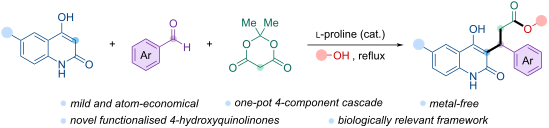
- conditions. Subsequent transformations afford isopropyl and cyclohexyl analogues via hydrolysis–esterification. A preliminary biological evaluation revealed low cytotoxicity and modest antibacterial activity against Escherichia coli ΔtolC strains. This sustainable synthetic approach constitutes the first
- direct access to scarcely explored open-chain quinolinone esters, expanding the medicinal chemistry toolbox with promising scaffolds for drug discovery. Keywords: antibacterial activity; 4-hydroxyquinolin-2(1H)-one; ʟ-proline catalysis; Meldrum’s acid; Michael addition; multicomponent reaction
- attracted considerable attention due to their broad spectrum of biological activities (Figure 1) [19][20][21][22][23][24][25][26][27][28][29]. These include potent antibacterial, antiviral, antifungal, anti-inflammatory, and neurotropic effects, making them promising scaffolds for drug development [29][30


Streptoquinolines A and B, new antibacterial meroterpenoids produced by Streptomyces sp. TMPU-A0679
Beilstein J. Org. Chem. 2026, 22, 185–191, doi:10.3762/bjoc.22.12
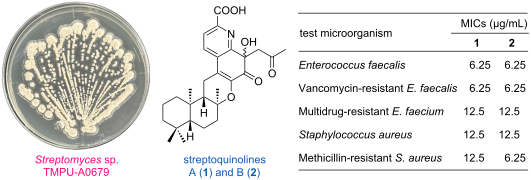
- sesquiterpene fused with a highly substituted quinoline moiety. Further structural comparisons and specific rotation data revealed that 1 and 2 were epimers at C-4'. Compounds 1 and 2 both exhibited selective antibacterial activity against Gram-positive bacteria, including VRE and methicillin-resistant
- Staphylococcus aureus, with minimum inhibitory concentrations ranging from 6.25 to 12.5 µg/mL. These results expand the structural and biological diversities of drimane–quinoline-type meroterpenoids and highlight their potential as lead compounds for the development of new antibacterial agents targeting drug
- B (2) (Figure 1). Compounds 1 and 2 possessed a unique skeleton consisting of a drimane-type sesquiterpene fused with a quinoline moiety and both exhibited potent antibacterial activity against Gram-positive bacteria. This study describes the production, isolation, structural elucidation, and


Total synthesis of natural products based on hydrogenation of aromatic rings
Beilstein J. Org. Chem. 2026, 22, 88–122, doi:10.3762/bjoc.22.4
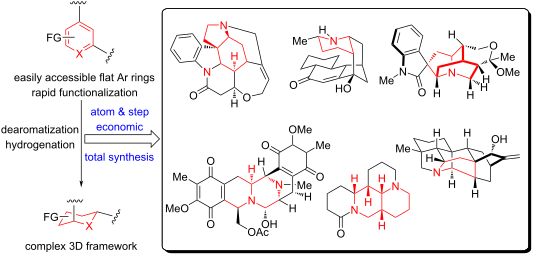
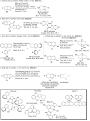
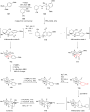
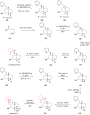
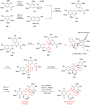
- sustained interest from synthetic chemists worldwide due to their pronounced antibacterial and anticancer properties. Since their discovery, bis-THIQ scaffolds have been constructed primarily through the Pictet–Spengler reaction, a cyclization strategy that continues to be widely employed in total synthesis


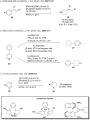
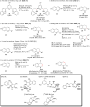
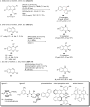
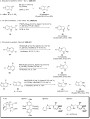








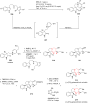

Competitive cyclization of ethyl trifluoroacetoacetate and methyl ketones with 1,3-diamino-2-propanol into hydrogenated oxazolo- and pyrimido-condensed pyridones
Beilstein J. Org. Chem. 2025, 21, 2716–2729, doi:10.3762/bjoc.21.209
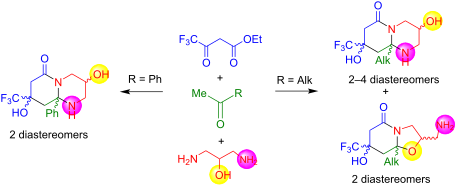
- ]. In general, the developed approach allows pyridone derivatives to be generated in various environments of condensed carbo- and heterocyclic structures. Among the synthesized pyridone derivatives we have found analgesic [20][26], antibacterial [20] and antifungal [20] agents, which show practical
- antileishmanial [47], antibacterial [48], antimalarial agents [49] as well as COX-2 [50] and FGFR [51] inhibitors found among them. Moreover, various drugs (antipsychotic risperidone [52] and pirenperone [53], antiallergic ramastine [54]) have been obtained on the basis of pyrido[1,2-a]pyrimidine; and


Thiazolidinones: novel insights from microwave synthesis, computational studies, and potentially bioactive hybrids
Beilstein J. Org. Chem. 2025, 21, 2618–2636, doi:10.3762/bjoc.21.203
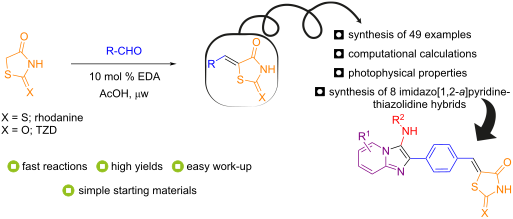
- moieties exhibit a broad spectrum of biological activities [6][7][8]. They are found in several medicinal compounds (Figure 2), including etozoline (antihypertensive), ralitoline (anticonvulsant), thiazolidomycin (antibacterial), and in the type II diabetes mellitus drugs pioglitazone, epalrestat
- , ciglitazone, and rosiglitazone [9][10]. Rhodanine (2-thioxothiazolidin-4-one) derivatives exhibit a wide range of pharmacological activities, including antiviral [11], antimalarial [12], antimicrobial [13], anti-inflammatory [14], anticancer [15], antidiabetic [16], antibacterial [17], and antifungal [18
- -stimulating phosphatase-1 (JSP-1) [26], and anthrax lethal factor protease [27]. Thiazolidine-2,4-dione (TZD) derivatives also display diverse pharmacological activities, including antibacterial [28], antifungal [29], antidiabetic [30], antitubercular [31], antiparasitic [32], anti-inflammatory [33






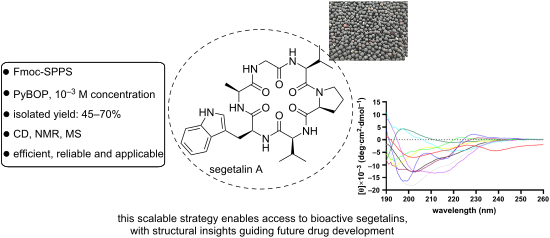
Efficient solid-phase synthesis and structural characterization of segetalins A–H, J and K
Beilstein J. Org. Chem. 2025, 21, 2612–2617, doi:10.3762/bjoc.21.202
- evaluation and structure–activity relationship studies. The systematic investigation of the their key biological activities, including estrogenic activity (assessed via breast cell proliferation assays), antitumor activity (evaluated through HeLa cell inhibition assays), and antibacterial activity (evaluated


Pentacyclic aromatic heterocycles from Pd-catalyzed annulation of 1,5-diaryl-1,2,3-triazoles
Beilstein J. Org. Chem. 2025, 21, 2524–2534, doi:10.3762/bjoc.21.194
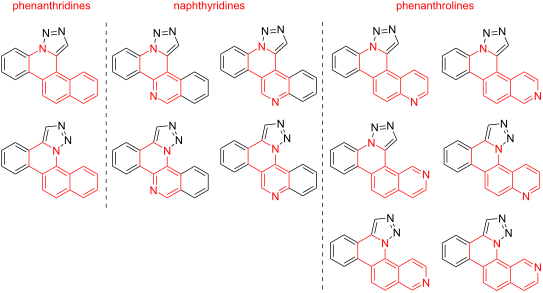
- ][21], and materials [22][23][24]. Numerous examples of 1,4-diaryl-1,2,3-triazoles with quinoline and isoquinoline subunits have been reported, including those with anticancer [25][26][27][28][29], antiviral [30][31], antibacterial [32], antifungal [33], antimalarial [34][35], antitubercular [36], and


An Fe(II)-catalyzed synthesis of spiro[indoline-3,2'-pyrrolidine] derivatives
Beilstein J. Org. Chem. 2025, 21, 2383–2388, doi:10.3762/bjoc.21.183
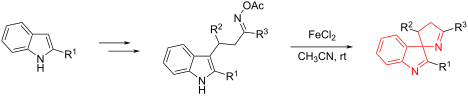
- 25922, E. coli ATCC 8739, and Klebsiella pneumoniae ATCC 700603. Notably, none of the tested compounds demonstrated significant antibacterial activity against the evaluated strains (for details, see Supporting Information File 1). Conclusion In summary, we have developed an efficient synthetic strategy




The application of desymmetric enantioselective reduction of cyclic 1,3-dicarbonyl compounds in the total synthesis of terpenoid and alkaloid natural products
Beilstein J. Org. Chem. 2025, 21, 2085–2102, doi:10.3762/bjoc.21.164
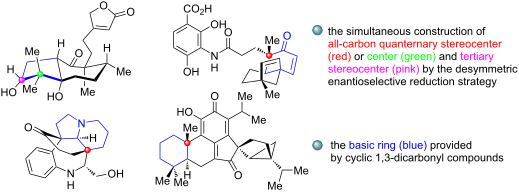
- antibacterial therapies. The intriguing structural features and potential bioactivities have stimulated tremendous synthetic efforts [77][78][79][80][81]. In 2024, the group of Lou and Xu presented a unified and efficient route for the syntheses of (−)-platensilin, (−)-platencin, and (−)-platensimycin by







Discovery of cytotoxic indolo[1,2-c]quinazoline derivatives through scaffold-based design
Beilstein J. Org. Chem. 2025, 21, 2062–2071, doi:10.3762/bjoc.21.161
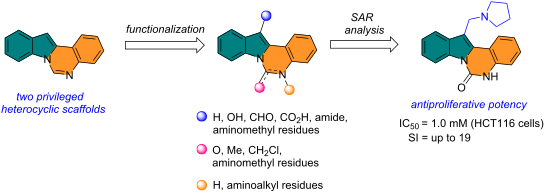
- [2,1-b]quinazoline-6,12-dione) and its derivatives are particularly noteworthy as they demonstrate multiple biological activities, including antibacterial, antitumor, antifungal, antiviral, anti-inflammatory, antileishmanial, antiplasmodial, etc. [18][19]. The structurally isomeric class – pyrimido
- activities, including antiviral, antibacterial, anti-inflammatory, antitumor, and insecticidal properties. Notably, gramine [24] and other Mannich bases [25] exhibit a broad range of bioactivity, and structurally related compounds such as sumatriptan and rizatriptan have been approved for clinical use [24


α-Ketoglutaric acid in Ugi reactions and Ugi/aza-Wittig tandem reactions
Beilstein J. Org. Chem. 2025, 21, 2021–2029, doi:10.3762/bjoc.21.157
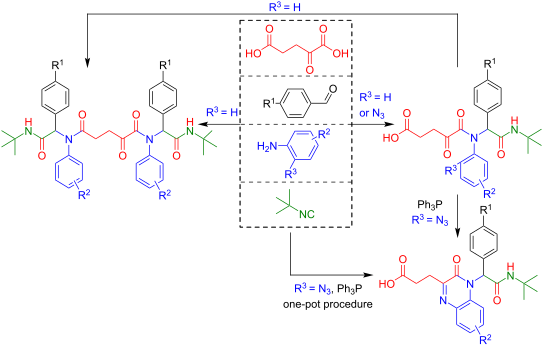
- ], antibacterial [8][14][15], and anticancer [16][17] activities. The use of the Ugi reaction followed by post-cyclization is an effective strategy that yields diverse heterocycle-containing peptidomimetics and requires a minimal number of steps [18]. For example, Mazur et al. [19] developed an efficient method
- regarded as privileged heterocyclic moieties in the development of new pharmacologically active organic compounds (Figure 1) [37]. These structures are of great interest to chemists because of their broad spectrum of potential biological effects, including anticancer [38], antibacterial [39] and anti-HIV


Fe-catalyzed efficient synthesis of 2,4- and 4-substituted quinolines via C(sp2)–C(sp2) bond scission of styrenes
Beilstein J. Org. Chem. 2025, 21, 1799–1807, doi:10.3762/bjoc.21.142
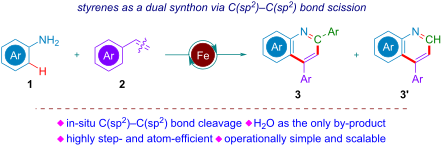
- , antibacterial, and anti-inflammatory activities [10][11][12][13]. In the field of optoelectronics, especially with 2,4-diarylquinoline derivatives, extensive studies have highlighted their applicability in organic light-emitting diode (OLED) systems as functional materials [14][15] and cutting-edge fluorescent




Research progress on calixarene/pillararene-based controlled drug release systems
Beilstein J. Org. Chem. 2025, 21, 1757–1785, doi:10.3762/bjoc.21.139
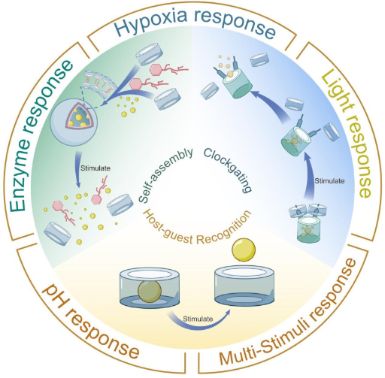
- hydrogel. Upon exposure to 365 nm UV light, Azo-SMX transitions from the trans to the cis state, prompting its release from the complex. Research on antibacterial efficacy has confirmed that the modified Azo-SMX antibiotic is effective against a range of microorganisms, including both Gram-positive and






Microwave-enhanced additive-free C–H amination of benzoxazoles catalysed by supported copper
Beilstein J. Org. Chem. 2025, 21, 1462–1476, doi:10.3762/bjoc.21.108
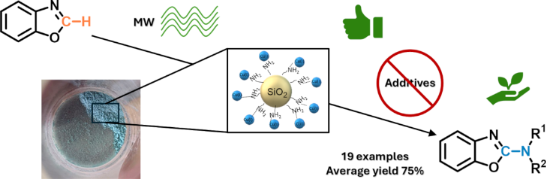
- pharmaceutical activity and their importance within the materials sciences [1][2]. 2-Aminobenzoxazoles, in particular, are important building blocks in the development of new bioactive compounds that can be useful as therapeutic agents with antibacterial [3], antiviral, antifungal [4], anticancer [5][6][7] and



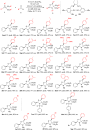
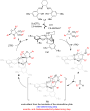
Salen–scandium(III) complex-catalyzed asymmetric (3 + 2) annulation of aziridines and aldehydes
Beilstein J. Org. Chem. 2025, 21, 1087–1094, doi:10.3762/bjoc.21.86
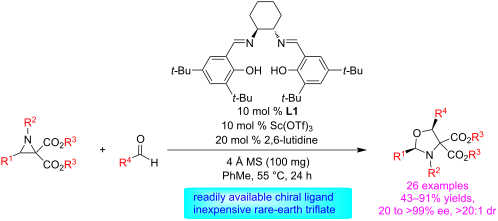
- -containing five-membered saturated heterocycles. They are not only useful building blocks for the synthesis of biologically active compounds [1], for example, side-chain precursor of paclitaxel [2], but also widely exist in some pharmaceuticals [3][4], such as antibacterial agents of Gram-positive organisms



Recent advances in synthetic approaches for bioactive cinnamic acid derivatives
Beilstein J. Org. Chem. 2025, 21, 1031–1086, doi:10.3762/bjoc.21.85
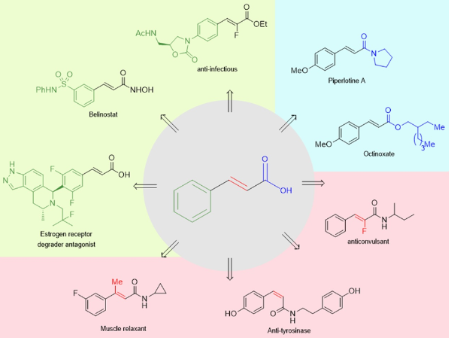
- Cinnamic acid derivatives represent a significant class of biologically active compounds exhibiting a broad spectrum of activities, such as antifungal, antidengue, antimetastatic, antimicrobial, antibacterial, and anticancer properties. Their preparation has attracted considerable attention due to their
- flavor, fragrance, and therapeutic activities (Figure 1). Several reported activities of cinnamic acid include antibacterial and antifungal properties [1][2][3][4], antidengue [5], antimetastatic [6], neuroprotective synergy and angiogenesis effects [7], antileishmaniasis [8], anticancer [9], thromboxane
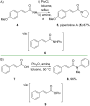
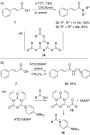
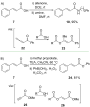
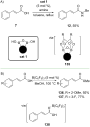
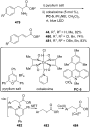
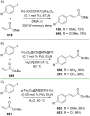
- 4 by utilizing pivaloyl chloride via the N-pivaloyl-activated amide 6 to give piperlotine A (5), the secondary metabolite of black pepper (Piper nigrum) reported to show antibacterial and bioinsecticidal activities, in good yield (Scheme 3A) [33][34]. In the akin process, Xu and co-workers (2023