


Search results
Search for "biosynthetic pathway" in Full Text gives 97 result(s) in Beilstein Journal of Organic Chemistry.
Synthesis and biological evaluation of new brassinosteroid analogs with C-22 benzoate function
Beilstein J. Org. Chem. 2026, 22, 753–762, doi:10.3762/bjoc.22.57
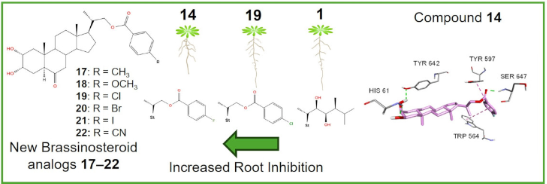
- brassinolide (1) and castasterone (2) are the most active and widely distributed [4][9][10], whereas teasterone (3) and 3-dehydroteasterone (3a), which are intermediates in the biosynthetic pathway, exhibit much lower activities [11][12][13][14] (Figure 1). It has been established that BRs are sensed by the


Ring contraction and ring expansion reactions in terpenoid biosynthesis and their application to total synthesis
Beilstein J. Org. Chem. 2026, 22, 289–343, doi:10.3762/bjoc.22.21
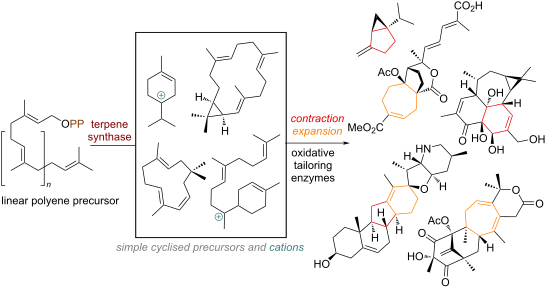
- their unique ring systems, high degree of 3-dimensionality in their structures and oxidation patterns. As obtaining a detailed understanding of a biosynthetic pathway is a dauntingly complex and very labour-intensive process, knowledge about the precise origin of most rearranged terpenoids cannot be
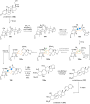
- alternative biosynthetic pathway towards tiglianes from a partly Z-configured casbene precursor 57 was proposed and is depicted in Scheme 19 [115][116]. Crucially after the formation of the 5/13/3-tricyclic system in 58 as before, an oxidation next to the cyclopropane would allow 1,2-migration of the
- ) directly. From here another oxy-cyclisation and aromatic chlorination leads to the most complex member of the indole meroterpenoids, penitrem A (46). Another example of a ring expansion reaction, in this case of the aromatic 5-membered ring of an indole, was discovered to be operational in the biosynthetic






Total synthesis of asperdinones B, C, D, E and terezine D
Beilstein J. Org. Chem. 2025, 21, 2730–2738, doi:10.3762/bjoc.21.210
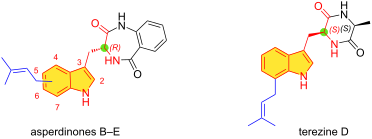
- starting chiral synthon (chiron), and to regioselectively install a prenyl group at different sites on the indole moiety (Figure 2, approach A, A–C) [23][24]. This would formally mimic the post-translational biosynthetic pathway wherein a prenyl group would be inserted at C4–C7 selectively via the prenyl


Recent advancements in the synthesis of Veratrum alkaloids
Beilstein J. Org. Chem. 2025, 21, 2657–2693, doi:10.3762/bjoc.21.206
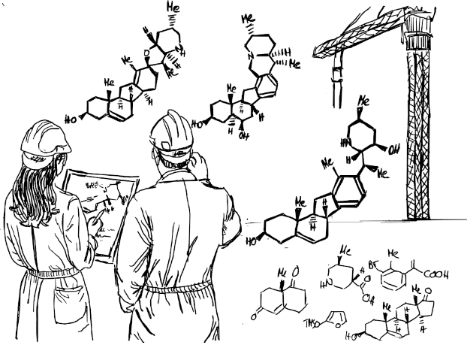
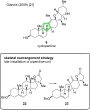
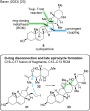
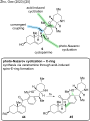
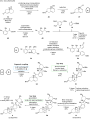
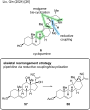
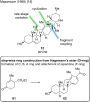
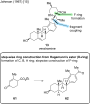
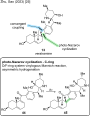
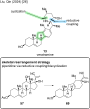
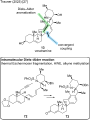
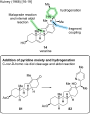
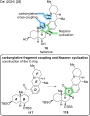
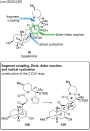
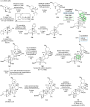
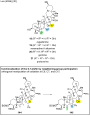
- developed to a point rendering the de novo total synthesis of cevanine-type Veratrum alkaloids feasible. In accordance with the biosynthetic pathway [47], the C-nor-D-homo skeleton of 15 was constructed using a cationic rearrangement of a steroid precursor (see Scheme 28). Hecogenin acetate (91) was first
















Recent advances in total synthesis of illisimonin A
Beilstein J. Org. Chem. 2025, 21, 2571–2583, doi:10.3762/bjoc.21.199
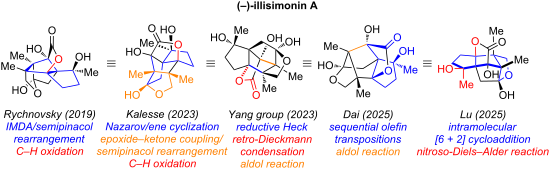
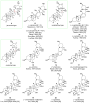
- , illisimonin A has garnered significant interest from the synthetic chemistry community. To date, five research groups have accomplished the total synthesis of illisimonin A. This review offers a comprehensive overview of its isolation, proposed biosynthetic pathway and the synthetic strategies employed in its
- total synthesis. Keywords: bioinspired synthesis; biosynthetic pathway; Illicium sesquiterpene; illisimonin A; total synthesis; Introduction The genus Illicium, the sole member of the family Illiciaceae, is a rich source of sesquiterpenoid natural products. To date, a wide variety of sesquiterpenes
- neuroprotective effects against oxygen-glucose deprivation-induced cell injury in SH-SY5Y cells, suggesting its potential as a lead compound for the treatment of neurodegenerative diseases. The possible biosynthetic pathway of illisimonin A was also proposed by Yu and co-workers, as illustrated in Scheme 1. The




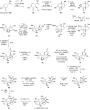


Total syntheses of highly oxidative Ryania diterpenoids facilitated by innovations in synthetic strategies
Beilstein J. Org. Chem. 2025, 21, 2553–2570, doi:10.3762/bjoc.21.198
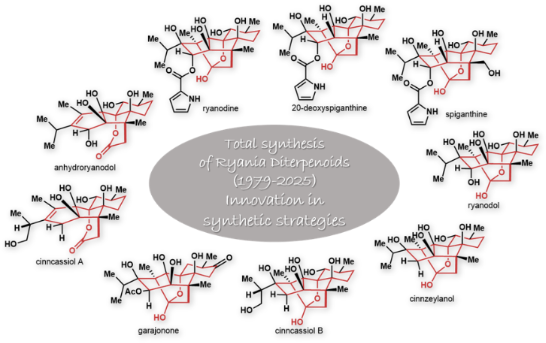
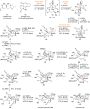
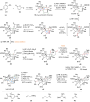
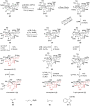
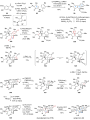
- ingenol [55]. Typically, the biosynthesis of polycyclic diterpenes occurs in two distinct phases: an initial cyclase-mediated cyclization phase to form the carbon framework, followed by an oxidase-catalyzed phase to install the requisite oxidation states. Inspired by this general biosynthetic pathway, the







Synthetic study toward vibralactone
Beilstein J. Org. Chem. 2025, 21, 2376–2382, doi:10.3762/bjoc.21.182

- co-workers investigated the biosynthetic pathway of vibralactone (6). They established that 4-hydroxybenzoate serves as the direct ring precursor of vibralactone and the β-lactone moiety was formed via vibralactone cyclase (VibC)-catalyzed cyclization [31][32][33][34]. This is a fascinating
- toward vibralactone. Impressed by the unexpected biosynthetic pathway, our synthetic strategy also aimed to construct the quaternary center in the late stage. The retrosynthetic analysis of vibralactone (6) is descripted in Scheme 2. Initially, we proposed that vibralactone could be synthesized from


Recent advances in Norrish–Yang cyclization and dicarbonyl photoredox reactions for natural product synthesis
Beilstein J. Org. Chem. 2025, 21, 2315–2333, doi:10.3762/bjoc.21.177
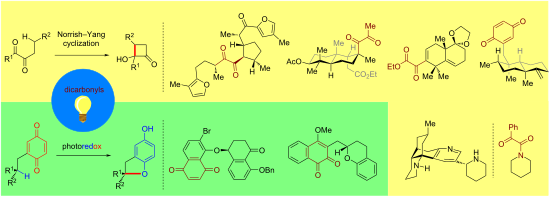
- E/I (53/57), respectively. In this work, inspired by the biosynthetic pathway of natural products, the authors employed a tandem Norrish–Yang photocyclization and α-hydroxy ketone rearrangement as the key step to construct the unique bicyclo[3.2.0]heptane skeleton of gracilisoids. This strategy




Bioinspired total syntheses of natural products: a personal adventure
Beilstein J. Org. Chem. 2025, 21, 2048–2061, doi:10.3762/bjoc.21.160
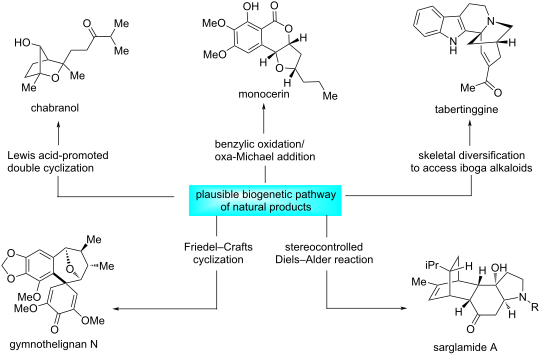
- , Guiyang 550025, P. R. China 10.3762/bjoc.21.160 Abstract Bioinspired total synthesis represents an important concept to guide the designing of powerful synthetic strategies. Our group has a long-time interest and experience in designing synthetic strategies through analyzing the biosynthetic pathway of
- the synthetic steps and gain efficiency. More significantly, since the exact biosynthetic pathway of a natural product is generally very complicated and hard to elucidate clearly, a biosynthetic pathway is basically proposed by the isolating scientist according to the structural analysis of the
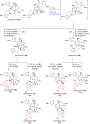
- results than nature. Jia categorized their works into three sections to showcase how they learn from nature, including 1) to mimic the key cyclization steps, 2) to mimic the revised biosynthetic pathway proposed, and 3) to mimic the skeletal diversification process. These three types of bioinspired




Heterologous biosynthesis of cotylenol and concise synthesis of fusicoccane diterpenoids
Beilstein J. Org. Chem. 2025, 21, 1489–1495, doi:10.3762/bjoc.21.111
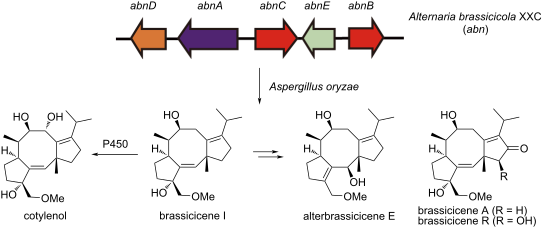
- biosynthetic pathway for brassicicenes, which share the same carbon skeleton and similar oxidation and unsaturation states as cotylenol and cotylenin A [36]. In a previous study, Oikawa and co-workers reported the identification of brassicicene BGC in Pseudocercospora fijiensis [37]. By heterologous expression
- enzymatic terpene cyclization and chemical synthesis [30][31][32][33]. Briefly, the carbon scaffolds are forged by terpene cyclases, followed by concise chemical transformations to yield the desired natural products. Here, we describe heterologous biosynthesis of cotylenol by engineering the biosynthetic
- pathway of brassicicenes in Aspergillus oryzae and harnessing the promiscuity of a cytochrome P450 from the biosynthesis of fusicoccin A (Figure 1b). A key intermediate, brassicicenes I (5), was further used to achieve the collective synthesis of alterbrassicicene E (6), brassicicenes A (7) and R (8


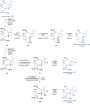
Synthesis of electrophile-tethered preQ1 analogs for covalent attachment to preQ1 RNA
Beilstein J. Org. Chem. 2025, 21, 483–489, doi:10.3762/bjoc.21.35
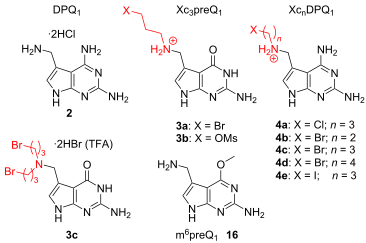
- , Scheme 1A) belong to the 7-deazapurine family, which contain a pyrrolo[2,3-d]pyrimidine core. A rich pool of natural 7-deazapurine products has been identified, often (apparently) sharing a common biosynthetic pathway. Their functions are diverse; while some have been identified as having antifungal or


Antibiofilm and cytotoxic metabolites from the entomopathogenic fungus Samsoniella aurantia
Beilstein J. Org. Chem. 2025, 21, 327–339, doi:10.3762/bjoc.21.23
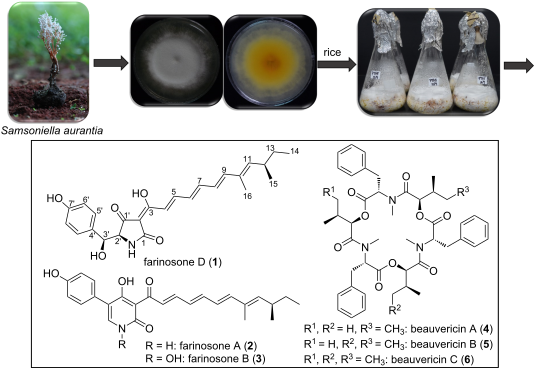
- (PKS–NRPS) [13]. Based on the structural relations between farinosones and tenellins differing only in the side chain length/the number of conjugated double bonds, farinosones were also postulated to be synthesized adopting a similar biosynthetic pathway. The biosynthesis of farinosones (Figure 4
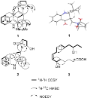
- experimental (black) and simulated Boltzmann-averaged (red: (2’S,3’S,12S)-1; green: (2’S,3’S,12R)-1) ECD spectra of compound 1. A plausible biosynthetic pathway of 1–3. Biofilm inhibition and eradication assessment via CV staining assay. A) S. aureus biofilm inhibition by farinosone D (1) and farinosone A (2


The scent gland composition of the Mangshan pit viper, Protobothrops mangshanensis
Beilstein J. Org. Chem. 2024, 20, 2644–2654, doi:10.3762/bjoc.20.222
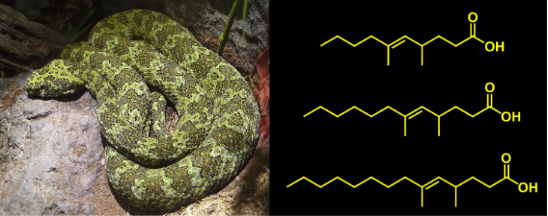
- formation requires a finely tuned biosynthetic machinery that deviates from the common fatty acid biosynthetic pathway operating, also in snakes, that we discussed earlier [8]. Fatty acids in SGS have been proposed to act as insecticides against ants or other harmful arthropods as they are thought to be


Chemo-enzymatic total synthesis: current approaches toward the integration of chemical and enzymatic transformations
Beilstein J. Org. Chem. 2024, 20, 1693–1712, doi:10.3762/bjoc.20.151
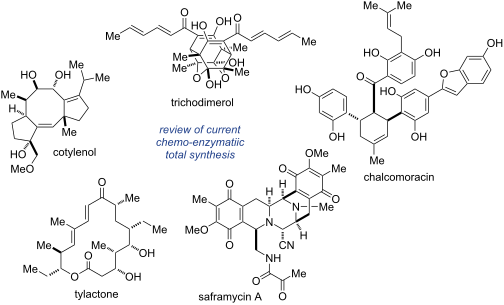
- hybrid syntheses of cotylenol (1) and brassicicenes [19]. The key oxidative allylic rearrangement was conducted enzymatically, while the skeletal rearrangement originally mediated by P450 enzymes in the biosynthetic pathway was achieved through chemical transformation. Hence, this strategy can be
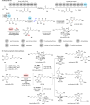
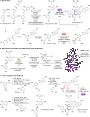
- biosynthetic pathway as proposed by Cox, based on bioinformatic analyses of polyketide synthase (PKS) modules and in vitro studies. Initially, highly reducing iterative polyketide synthase (HR-iPKS) SorbA forms the thioester 30 on its acyl carrier protein (ACP) domain from acetate and two units of malonyl-CoA
- isolated [47][49]. As shown in Scheme 5A, the proposed biosynthetic pathway of chalcomoracin (3) commence with the addition of three C2 units from the acetate pathway to 4-coumaroyl-CoA supplied from the shikimate pathway, leading to compound 42 [47]. Subsequent Claisen condensation, dehydration and




Polymer degrading marine Microbulbifer bacteria: an un(der)utilized source of chemical and biocatalytic novelty
Beilstein J. Org. Chem. 2024, 20, 1635–1651, doi:10.3762/bjoc.20.146
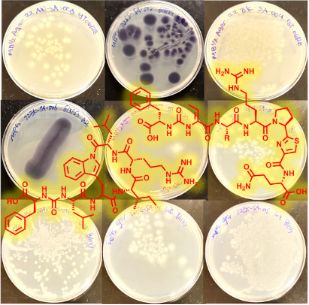
- a sponge-derived Microbulbifer strain [73]. This deep purple pigment has been isolated from several other bacterial genera [129], including but not limited to the epiphytic commensal marine bacteria of the genus Pseudoalteromonas where the biosynthetic pathway was eventually established [130][131




Cofactor-independent C–C bond cleavage reactions catalyzed by the AlpJ family of oxygenases in atypical angucycline biosynthesis
Beilstein J. Org. Chem. 2024, 20, 1198–1206, doi:10.3762/bjoc.20.102
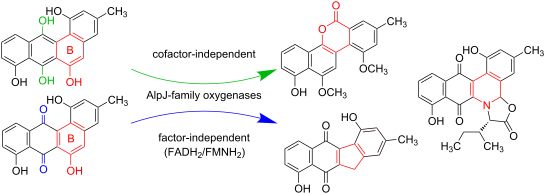
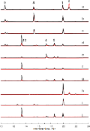
- conditions [25]. This observation not only affirmed 8 as an intermediate in jadomycin biosynthesis but also suggested a role as a more electron-rich substrate with the potential for direct activation of molecular oxygen. We first confirmed the generation of 8 in the biosynthetic pathway of kinamycin. The
- as direct substrates for AlpJ-family oxygenases. However, the dominant biosynthetic pathway in vivo remains unclear. Given that 8 has been experimentally validated as the authentic product of the JadH/AlpG-catalyzed reaction, it is recognized as a bona fide intermediate in angucycline biosynthesis




Enhancing structural diversity of terpenoids by multisubstrate terpene synthases
Beilstein J. Org. Chem. 2024, 20, 959–972, doi:10.3762/bjoc.20.86
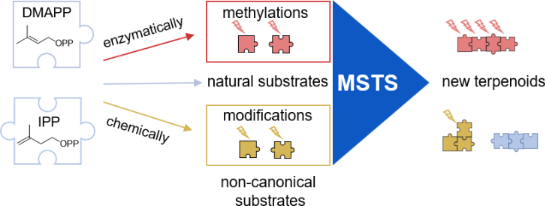
- been utilized. New building blocks with irregular carbon numbers broaden the diversity of terpenoid structures. However, more systematic studies on noncanonical terpenoids are needed to study their biological activities. Biosynthetic pathway of terpenoids. Valuable terpenoids, noncanonical C11 and C16






Discovery and biosynthesis of bacterial drimane-type sesquiterpenoids from Streptomyces clavuligerus
Beilstein J. Org. Chem. 2024, 20, 815–822, doi:10.3762/bjoc.20.73
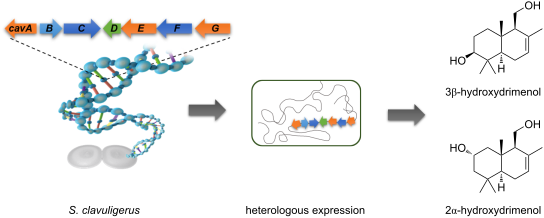
- a precursor for derivatives 2–4. The biosynthetic pathway is likely to involve enzymatic modifications at the C-2 and C-3 positions, leading to the formation of diols 2 and 3, with additional oxidation steps producing ketone 4 (Figure 3b). This supports the presence of three P450s in the cav cluster
- identified the cav BGC responsible for the production of compounds 2 and 3 and elucidated its biosynthetic pathway by heterologous expression. Specifically, our study unveils a P450, CavA, capable of oxidizing the C-2 and C-3 positions of drimenol, representing the first native P450 that activates the A-ring
- . (b) HPLC chromatograms comparing standards with metabolites extracted from S. clavuligerus cultured in YMS and XTM media. Biosynthesis of drimenol congeners. (a) The cav BGC. (b) Proposed biosynthetic pathway for drimenol congeners 2–4. (c) HPLC analysis of metabolites from genetically engineered


Research progress on the pharmacological activity, biosynthetic pathways, and biosynthesis of crocins
Beilstein J. Org. Chem. 2024, 20, 741–752, doi:10.3762/bjoc.20.68
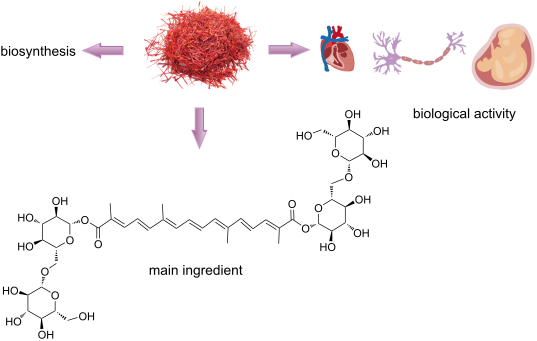
- , aiming to lay the foundation for the large-scale production of these valuable natural products by using engineered microbial cell factories. Keywords: biosynthetic pathway; crocetin; crocins; metabolic engineering; pharmacological activity; Introduction Crocins are hydrophilic apocarotenoids mainly


Chemoenzymatic synthesis of macrocyclic peptides and polyketides via thioesterase-catalyzed macrocyclization
Beilstein J. Org. Chem. 2024, 20, 721–733, doi:10.3762/bjoc.20.66
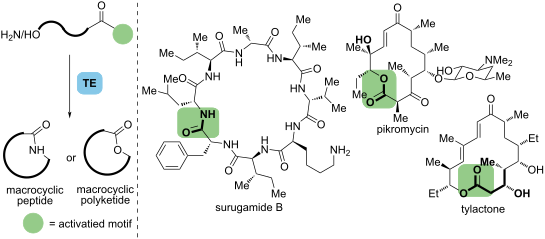
- at the biomimetic position (17a), which not only alleviated the epimerization in the macrolactamization process compared to other positions, but also enabled investigation of its biosynthetic pathway [60]. They also identified a stand-alone enzyme known as SurE, which is classified as a penicillin
- 2005, Sherman and co-workers reported a chemoenzymatic approach through the stereospecific macrocyclization based on the identification of the thioesterase domain (CrpTE) from the cryptophycin biosynthetic pathway, which demonstrated that the CrpTE has both high efficiency in generating the 16-membered


New variochelins from soil-isolated Variovorax sp. H002
Beilstein J. Org. Chem. 2024, 20, 692–700, doi:10.3762/bjoc.20.63
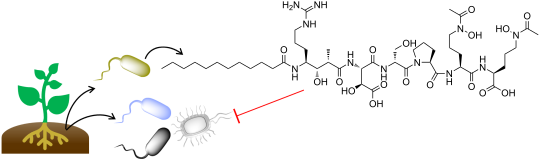
- variochelin biosynthetic gene cluster. Biosynthetic pathway of variochelins Nett et al. reported the variochelin biosynthetic gene cluster (NCBI accession number KT900023) encoded in V. boronicumulans, although it has not yet been experimentally validated. In the draft genome sequence of Variovorax sp. H002
- (Figure 3b). As a result, the varG knock-out mutant no longer produced 1–5, validating that the var biosynthetic gene cluster is indispensable for variochelin production in Variovorax sp. H002 (Figure 3b). As 1–5 share a common biosynthetic pathway, the Hya and the 4-amino-7-guanidino-3-hydroxy-2
- by diamonds. EIMS of DMOX derivatized free fatty acids derived from variochelins C–E (3–5). (a) 3, (b) 4, and (c) 5. (a) Plausible biosynthetic pathway of variochelin A–E (1–5). The circles represent domains: A: adenylation domain, C: condensation domain, PCP: peptide carrier protein, E


Production of non-natural 5-methylorsellinate-derived meroterpenoids in Aspergillus oryzae
Beilstein J. Org. Chem. 2024, 20, 638–644, doi:10.3762/bjoc.20.56
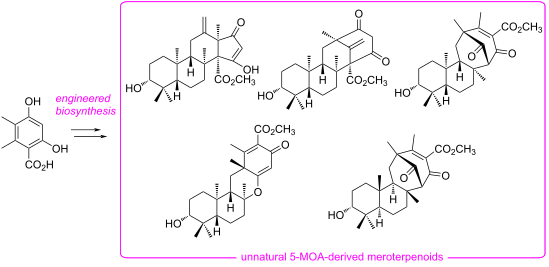
- biosynthetic pathway and those from DMOA-derived meroterpenoid pathways, successfully yielding six unnatural 5-MOA-derived meroterpenoid species. Results and Discussion To synthesize unnatural meroterpenoid molecules, we sought to generate a series of 5-MOA-derived meroterpenoids by utilizing the terpene
- the structures of 1 and 2 were deduced based on their HRMS spectra and the predicted biosynthetic pathway. Biosynthetic mechanisms of the 5-MOA-derived meroterpenoids obtained in this study. In the reaction by InsA7, the cyclization should proceed via a pre-boat-chair conformation, and the
- structures, the biosynthetic pathway, and NMR data and spectra. Acknowledgements We thank Prof. Katsuya Gomi (Tohoku University), Prof. Katsuhiko Kitamoto (University of Tokyo), and Prof. Jun-ichi Maruyama (University of Tokyo) for providing the expression vectors and fungal strain. We are grateful to Dr



Introduction of a human- and keyboard-friendly N-glycan nomenclature
Beilstein J. Org. Chem. 2024, 20, 607–620, doi:10.3762/bjoc.20.53
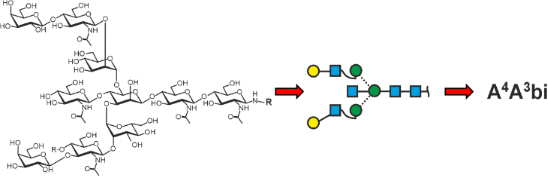
- pentasaccharide. No further definitions are required as the residues preceding the GlcNAcs are unambiguously determined by the biosynthetic pathway of N-glycans. Action of hexosaminidases would generate two isomers with just one GlcNAc and a terminal mannose residue. By defining the reading direction, we can



Chemical and biosynthetic potential of Penicillium shentong XL-F41
Beilstein J. Org. Chem. 2024, 20, 597–606, doi:10.3762/bjoc.20.52
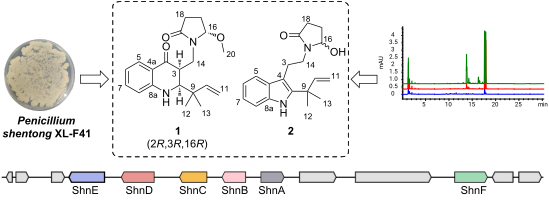
- methyltransferase near BGC 7.3, suggesting its involvement in adding a methoxy group at the C16 position of compound 1. From these key enzyme genes, we propose a hypothetical biosynthetic pathway (Figure 5). Compounds 1 and 2 are hypothesized to be synthesized from a tryptophan precursor via a shared biosynthetic
- 1 and those previously reported. This suggests that the formation of the quinoline ring in compound 1 may represent a new and unreported biosynthetic pathway. Moreover, to address the low yields that hindered the determination of absolute stereochemistry, we attempted to boost the production of
- pathway (Figure 5). Briefly, the prenyl group is attached to tryptophan through a prenylation reaction catalyzed by ShnA, followed by the decarboxylation of the carboxy group by ShnC. Subsequently, compound 2 is formed by the addition of succinimide to N15 in 1 via a reaction catalyzed by ShnB. The




A myo-inositol dehydrogenase involved in aminocyclitol biosynthesis of hygromycin A
Beilstein J. Org. Chem. 2024, 20, 589–596, doi:10.3762/bjoc.20.51
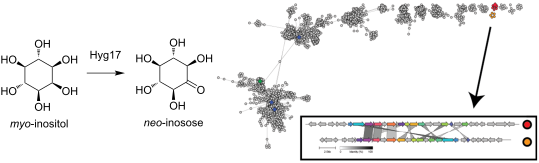
- dehydrogenase Hyg17 to form neo-inosose, followed by a transamination to neo-inosamine-2 by the aminotransferase Hyg8. The methyltransferase Hyg6 would then install a methyl group which would set up cyclization of the methylenedioxy group by Hyg7. This biosynthetic pathway has been proposed based on gene
- bodies when recombinantly produced by various E. coli expression strains. However, we were able to obtain pure soluble protein when expressing Hyg17 in a Rhodococcus expression system (Supporting Information File 1, Figure S1) [10][11]. According to the proposed hygromycin A biosynthetic pathway, Hyg17
- completed using the enzyme function initiative (EFI-GNT) web tool [31][32]. Gene clusters were compared using CAGECAT [33]. SSNs and GNNs were visualized using Cystoscape [34]. Proposed biosynthetic pathway for the aminocyclitol from hygromycin A. Hyg17 activity. Reactions with Hyg17 and (a) various





