


Search results
Search for "decarboxylative cyclization" in Full Text gives 7 result(s) in Beilstein Journal of Organic Chemistry.
C2 to C6 biobased carbonyl platforms for fine chemistry
- Jingjing Jiang,
- Muhammad Noman Haider Tariq,
- Florence Popowycz,
- Yanlong Gu and
- Yves Queneau
Beilstein J. Org. Chem. 2025, 21, 2103–2172, doi:10.3762/bjoc.21.165
- etherification and aldol reactions [197]. Cyclopentanone (CPN) Cyclopentanone (CPN) can be prepared by catalytic hydrogenation and Piancatelli rearrangement of furfural (Scheme 65). This is a biobased alternative to the fossil-based process relying on the intramolecular decarboxylative cyclization of adipic acid

Graphical Abstract

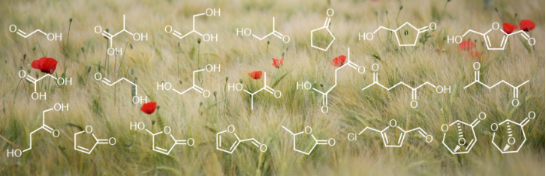
Figure 1: C2–C6 biobased carbonyl building blocks.

Scheme 1: Proposed (2 + 2) route to glycolaldehyde and glycolic acid from erythritol by Cu/AC catalyst (AC = ...

Scheme 2: Reductive amination of GCA.

Scheme 3: N-Formylation of secondary amines by reaction with GCA.

Scheme 4: Synthesis and conversion of hydroxy acetals to cyclic acetals.

Scheme 5: Synthesis of 3-(indol-3-yl)-2,3-dihydrofurans via three-component reaction of glycolaldehyde, indol...

Scheme 6: BiCl3-catalyzed synthesis of benzo[a]carbazoles from 2-arylindoles and α-bromoacetaldehyde ethylene...

Scheme 7: Cu/NCNSs-based conversion of glycerol to glycolic acid and other short biobased acids.

Scheme 8: E. coli-based biotransformation of C1 source molecules (CH4, CO2 and CO) towards C2 glycolic acid.

Scheme 9: N-Formylation of amines with C2 (a) or C3 (b) biomass-based feedstocks.

Scheme 10: Methods for the formation of propanoic acid (PA) from lactic acid (LA).

Scheme 11: Co-polymerization of biobased lactic acid and glycolic acid via a bicatalytic process.

Scheme 12: Oxidation of α-hydroxy acids by tetrachloroaurate(III) in acetic acid–sodium acetate buffer medium.

Figure 2: Selective catalytic pathways for the conversion of lactic acid (LA).

Scheme 13: Synthesis of 1,3-PDO via cross-aldol reaction between formaldehyde and acetaldehyde to 3-hydroxypro...

Scheme 14: Hydrothermal conversion of 1,3-dihydroxy-2-propane and 2,3-dihydroxypropanal to methylglyoxal.

Scheme 15: FLS-catalyzed formose reaction to synthesize GA and DHA.

Scheme 16: GCA and DHA oxidation products of glycerol and isomerization of GCA to DHA under flow conditions us...

Scheme 17: Acid-catalyzed reactions of DHA with alcohols.

Scheme 18: Synthesis of dihydroxyacetone phosphate from dihydroxyacetone.

Scheme 19: Bifunctional acid–base catalyst DHA conversion into lactic acid via pyruvaldehyde or fructose forma...

Scheme 20: Catalytic one-pot synthesis of GA and co-synthesis of formamides and formates from DHA.

Scheme 21: (a) Synthesis of furan derivatives and (b) synthesis of thiophene derivative by cascade [3 + 2] ann...

Scheme 22: Brønsted acidic ionic liquid catalyzed synthesis of benzo[a]carbazole from renewable acetol and 2-p...

Scheme 23: Asymmetric hydrogenation of α-hydroxy ketones to 1,2-diols.

Scheme 24: Synthesis of novel 6-(substituted benzylidene)-2-methylthiazolo [2,3-b]oxazol-5(6H)-one from 1-hydr...

Scheme 25: ʟ-Proline-catalyzed synthesis of anti-diols from hydroxyacetone and aldehydes.

Scheme 26: C–C-bond-formation reactions of a biomass-based feedstock aromatic aldehyde (C5) and hydroxyacetone...

Scheme 27: Ethanol upgrading to C4 bulk chemicals via the thiamine (VB1)-catalyzed acetoin condensation.

Scheme 28: One-pot sequential chemoenzymatic synthesis of 2-aminobutane-1,4-diol and 1,2,4-butanetriol via 1,4...

Scheme 29: Synthesis of 1,4-dihydroxybutan-2-one by microbial transformation.

Scheme 30: Conversion of polyols by [neocuproine)Pd(OAc)]2(OTf)2] to α-hydroxy ketones.

Scheme 31: Chemoselective oxidation of alcohols with chiral palladium-based catalyst 2.

Scheme 32: Electrochemical transformation of furfural to 5-hydroxy-2(5H)-furanone (HFO).

Scheme 33: Selective hydrodeoxygenation of HFO and oxidation to γ-butyrolactone (GBL).

Scheme 34: Photosensitized oxygenation of furan towards HFO via ozonide intermediates.

Scheme 35: Conversion of furfural to HFO and MAN by using mesoporous carbon nitride (SGCN) as photocatalyst.

Scheme 36: Synthesis of HFO from furan derivatives.

Scheme 37: Photooxidation of furfural to 5-hydroxy-2(5H)-furanone (HFO).

Scheme 38: Synthesis of Friedel–Crafts indole adduct from HFO.

Scheme 39: Conversion of HFO to α,γ-substituted chiral γ-lactones.

Scheme 40: Tautomeric transformation of HFO to formylacrylic acid.

Scheme 41: Hydrolysis of HFO to succinic acid in aqueous solution.

Scheme 42: Substitution and condensation reactions of 5-hydroxy-2(5H)-furanone (HFO).

Scheme 43: (a) Conversion of HFO towards valuable C4 chemicals and (b) anodic oxidation of 5-hydroxy-2(5H)-fur...

Figure 3: Conversion of HFO towards other natural and synthetic substances.

Scheme 44: Conversion of furfural to maleic anhydride (reaction a: VOx/Al2O3; reaction b: VPO).

Scheme 45: Conversion of furfural into succinic acid.

Scheme 46: Electro‑, photo‑, and biocatalysis for one-pot selective conversions of furfural into C4 chemicals.

Scheme 47: Production route of furfural from hemicellulose.

Scheme 48: Mechanism for xylose dehydration to furfural through a choline xyloside intermediate.

Scheme 49: Conversion of furfural to furfuryl alcohol and its derivatives.

Scheme 50: Conversion of furfural to furfuryl alcohol and 3-(2-furyl)acrolein.

Scheme 51: The aerobic oxidative condensation of biomass-derived furfural and linear alcohols.

Scheme 52: The single-step synthesis of 2-pentanone from furfural.

Scheme 53: Electrocatalytic coupling reaction of furfural and levulinic acid.

Scheme 54: Conversion of furfural to m-xylylenediamine.

Scheme 55: Conversion of furfural to tetrahydrofuran-derived amines.

Scheme 56: Formation of trans-4,5-diamino-cyclopent-2-enones from furfural.

Scheme 57: Production of pyrrole and proline from furfural.

Scheme 58: Synthesis of 1‑(trifluoromethyl)-8-oxabicyclo[3.2.1]oct-3-en-2-ones from furfural.

Scheme 59: Conversion of furfural to furfural-derived diacids.

Scheme 60: A telescope protocol derived from furfural and glycerol.

Scheme 61: A tandem cyclization of furfural and 5,5-dimethyl-1,3-cyclohexanedione.

Scheme 62: A Ugi four-component reaction to construct furfural-based polyamides.

Scheme 63: One-pot synthesis of γ-acyloxy-Cy7 from furfural.

Scheme 64: Dimerization–Piancatelli sequence toward humins precursors from furfural.

Scheme 65: Conversion of furfural to CPN.

Scheme 66: Synthesis of jet fuels range cycloalkanes from CPN and lignin-derived vanillin.

Scheme 67: Solar-energy-driven synthesis of high-density biofuels from CPN.

Scheme 68: Reductive amination of CPN to cyclopentylamine.

Scheme 69: Asymmetric hydrogenation of C=O bonds of exocyclic α,β-unsaturated cyclopentanones.

Scheme 70: Preparation of levulinic acid via the C5 route (route a) or C6 route (routes b1 and b2).

Scheme 71: Mechanism of the rehydration of HMF to levulinic acid and formic acid.

Scheme 72: Important levulinic acid-derived chemicals.

Scheme 73: Direct conversion of levulinic acid to pentanoic acid.

Scheme 74: Catalytic aerobic oxidation of levulinic acid to citramalic acid.

Scheme 75: Conversion of levulinic acid to 1,4-pentanediol (a) see ref. [236]; b) see ref. [237]; c) see ref. [238]; d) see r...

Scheme 76: Selective production of 2-butanol through hydrogenolysis of levulinic acid.

Scheme 77: General reaction pathways proposed for the formation of 5MPs from levulinic acid.

Scheme 78: Selective reductive amination of levulinic acid to N-substituted pyrroles.

Scheme 79: Reductive amination of levulinic acid to chiral pyrrolidinone.

Scheme 80: Reductive amination of levulinic acid to non-natural chiral γ-amino acid.

Scheme 81: Nitrogen-containing chemicals derived from levulinic acid.

Scheme 82: Preparation of GVL from levulinic acid by dehydration and hydrogenation.

Scheme 83: Ruthenium-catalyzed levulinic acid to chiral γ-valerolactone.

Scheme 84: Catalytic asymmetric hydrogenation of levulinic acid to chiral GVL.

Scheme 85: Three steps synthesis of ε-caprolactam from GVL.

Scheme 86: Multistep synthesis of nylon 6,6 from GVL.

Scheme 87: Preparation of MeGVL by α-alkylation of GVL.

Scheme 88: Ring-opening polymerization of five-membered lactones.

Scheme 89: Synthesis of GVL-based ionic liquids.

Scheme 90: Preparation of butene isomers from GVL under Lewis acid conditions.

Scheme 91: Construction of C5–C12 fuels from GVL over nano-HZSM-5 catalysts.

Scheme 92: Preparation of alkyl valerate from GVL via ring opening/reduction/esterification sequence.

Scheme 93: Construction of 4-acyloxypentanoic acids from GVL.

Scheme 94: Synthesis of 1,4-pentanediol (PDO) from GVL.

Scheme 95: Construction of novel cyclic hemiketal platforms via self-Claisen condensation of GVL.

Scheme 96: Copper-catalyzed lactamization of GVL.

Figure 4: Main scaffolds obtained from HMF.

Scheme 97: Biginelli reactions towards HMF-containing dihydropyrimidinones.

Scheme 98: Hantzsch dihydropyridine synthesis involving HMF.

Scheme 99: The Kabachnik–Fields reaction involving HMF.

Scheme 100: Construction of oxazolidinone from HMF.

Scheme 101: Construction of rhodamine-furan hybrids from HMF.

Scheme 102: A Groebke–Blackburn–Bienaymé reaction involving HMF.

Scheme 103: HMF-containing benzodiazepines by [4 + 2 + 1] cycloadditions.

Scheme 104: Synthesis of fluorinated analogues of α-aryl ketones.

Scheme 105: Synthesis of HMF derived disubstituted γ-butyrolactone.

Scheme 106: Functionalized aromatics from furfural and HMF.

Scheme 107: Diels–Alder adducts from HMF or furfural with N-methylmaleimide.

Scheme 108: Pathway of the one-pot conversion of HMF into phthalic anhydride.

Scheme 109: Photocatalyzed preparation of humins (L-H) from HMF mixed with spoiled HMF residues (LMW-H) and fur...

Scheme 110: Asymmetric dipolar cycloadditions on HMF.

Scheme 111: Dipolar cycloadditions of HMF based nitrones to 3,4- and 3,5-substituted isoxazolidines.

Scheme 112: Production of δ-lactone-fused cyclopenten-2-ones from HMF.

Scheme 113: Aza-Piancatelli access to aza-spirocycles from HMF-derived intermediates.

Scheme 114: Cross-condensation of furfural, acetone and HMF into C13, C14 and C15 products.

Scheme 115: Base-catalyzed aldol condensation/dehydration sequences from HMF.

Scheme 116: Condensation of HMF and active methylene nitrile.

Scheme 117: MBH reactions involving HMF.

Scheme 118: Synthesis of HMF-derived ionic liquids.

Scheme 119: Reductive amination/enzymatic acylation sequence towards HMF-based surfactants.

Scheme 120: The formation of 5-chloromethylfurfural (CMF).

Scheme 121: Conversion of CMF to HMF, levulinic acid, and alkyl levulinates.

Scheme 122: Conversion of CMF to CMFCC and FDCC.

Scheme 123: Conversion of CMF to BHMF.

Scheme 124: Conversion of CMF to DMF.

Scheme 125: CMF chlorine atom substitutions toward HMF ethers and esters.

Scheme 126: Introduction of carbon nucleophiles in CMF.

Scheme 127: NHC-catalyzed remote enantioselective Mannich-type reactions of CMF.

Scheme 128: Conversion of CMF to promising biomass-derived dyes.

Scheme 129: Radical transformation of CMF with styrenes.

Scheme 130: Synthesis of natural herbicide δ-aminolevulinic acid from CMF.

Scheme 131: Four step synthesis of the drug ranitidine from CMF.

Scheme 132: Pd/CO2 cooperative catalysis for the production of HHD and HXD.

Scheme 133: Different ruthenium (Ru) catalysts for the ring-opening of 5-HMF to HHD.

Scheme 134: Proposed pathways for preparing HXD from HMF.

Scheme 135: MCP formation and uses.

Scheme 136: Cu(I)-catalyzed highly selective oxidation of HHD to 2,5-dioxohexanal.

Scheme 137: Synthesis of N‑substituted 3‑hydroxypyridinium salts from 2,5-dioxohexanal.

Scheme 138: Ru catalyzed hydrogenations of HHD to 1,2,5-hexanetriol (a) see ref. [396]; b) see ref. [397]).

Scheme 139: Aviation fuel range quadricyclanes produced by HXD.

Scheme 140: Synthesis of HDGK from HXD and glycerol as a chain extender.

Scheme 141: Synthesis of serinol pyrrole from HXD and serinol.

Scheme 142: Synthesis of pyrroles from HXD and nitroarenes.

Scheme 143: Two-step production of PX from cellulose via HXD.

Scheme 144: Preparation of HCPN from HMF via hydrogenation and ring rearrangement.

Scheme 145: Suggested pathways from HMF to HCPN.

Scheme 146: α-Alkylation of HCPN with ethylene gas.

Scheme 147: Synthesis of 3-(hydroxymethyl)cyclopentylamine from HMF via reductive amination of HCPN.

Scheme 148: Production of LGO and Cyrene® from biomass.

Scheme 149: Synthesis of HBO from LGO and other applications.

Scheme 150: Construction of m-Cyrene® homopolymer.

Scheme 151: Conversion of Cyrene® to THFDM and 1,6-hexanediol.

Scheme 152: RAFT co-polymerization of LGO and butadienes.

Scheme 153: Polycondensation of HO-LGOL and diols with dimethyl adipate.

Scheme 154: Self-condensation of Cyrene® and Claisen–Schmidt reactions.

Scheme 155: Synthesis of 5-amino-2-(hydroxymethyl)tetrahydropyran from Cyrene®.
Recent advances in oxidative radical difunctionalization of N-arylacrylamides enabled by carbon radical reagents
- Jiangfei Chen,
- Yi-Lin Qu,
- Ming Yuan,
- Xiang-Mei Wu,
- Heng-Pei Jiang,
- Ying Fu and
- Shengrong Guo
Beilstein J. Org. Chem. 2025, 21, 1207–1271, doi:10.3762/bjoc.21.98

Graphical Abstract

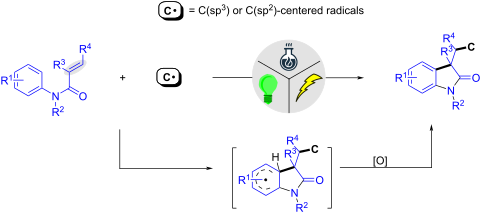
Scheme 1: DTBP-mediated oxidative alkylarylation of activated alkenes.

Scheme 2: Iron-catalyzed oxidative 1,2-alkylarylation.

Scheme 3: Possible mechanism for the iron-catalyzed oxidative 1,2-alkylation of activated alkenes.

Scheme 4: A metal-free strategy for synthesizing 3,3-disubstituted oxindoles.

Scheme 5: Iminoxyl radical-promoted cascade oxyalkylation/alkylarylation of alkenes.

Scheme 6: Proposed mechanism for the iminoxyl radical-promoted cascade oxyalkylation/alkylarylation of alkene...

Scheme 7: Bicyclization of 1,n-enynes with alkyl nitriles.

Scheme 8: Possible reaction mechanism for the bicyclization of 1,n-enynes with alkyl nitriles.

Scheme 9: Radical cyclization of N-arylacrylamides with isocyanides.

Scheme 10: Plausible mechanism for the radical cyclization of N-arylacrylamides with isocyanides.

Scheme 11: Electrochemical dehydrogenative cyclization of 1,3-dicarbonyl compounds.

Scheme 12: Plausible mechanism for the dehydrogenative cyclization of 1,3-dicarbonyl compounds.

Scheme 13: Photocatalyzed cyclization of N-arylacrylamide and N,N-dimethylaniline.

Scheme 14: Proposed mechanism for the photocatalyzed cyclization of N-arylacrylamides and N,N-dimethylanilines....

Scheme 15: Electrochemical monofluoroalkylation cyclization of N-arylacrylamides with dimethyl 2-fluoromalonat...
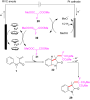
Scheme 16: Proposed mechanism for the electrochemical radical cyclization of N-arylacrylamides with dimethyl 2...

Scheme 17: Photoelectrocatalytic carbocyclization of unactivated alkenes using simple malonates.

Scheme 18: Plausible mechanism for the photoelectrocatalytic carbocyclization of unactivated alkenes with simp...

Scheme 19: Bromide-catalyzed electrochemical trifluoromethylation/cyclization of N-arylacrylamides.

Scheme 20: Proposed mechanism for the electrochemical trifluoromethylation/cyclization of N-arylacrylamides.

Scheme 21: Visible light-mediated trifluoromethylarylation of N-arylacrylamides.

Scheme 22: Plausible reaction mechanism for the visible light-mediated trifluoromethylarylation of N-arylacryl...

Scheme 23: Electrochemical difluoroethylation cyclization of N-arylacrylamides with sodium difluoroethylsulfin...

Scheme 24: Electrochemical difluoroethylation cyclization of N-methyacryloyl-N-alkylbenzamides with sodium dif...

Scheme 25: Photoredox-catalyzed radical aryldifluoromethylation of N-arylacrylamides with S-(difluoromethyl)su...

Scheme 26: Proposed mechanism for the photoredox-catalyzed radical aryldifluoromethylation of N-arylacrylamide...

Scheme 27: Visible-light-induced domino difluoroalkylation/cyclization of N-cyanamide alkenes.

Scheme 28: Proposed mechanism of photoredox-catalyzed radical domino difluoroalkylation/cyclization of N-cyana...

Scheme 29: Palladium-catalyzed oxidative difunctionalization of alkenes.

Scheme 30: Two possible mechanisms of palladium-catalyzed oxidative difunctionalization.

Scheme 31: Silver-catalyzed oxidative 1,2-alkyletherification of unactivated alkenes with α-bromoalkylcarbonyl...

Scheme 32: Photochemical radical cascade cyclization of dienes.

Scheme 33: Proposed mechanism for the photochemical radical cascade 6-endo cyclization of dienes with α-carbon...

Scheme 34: Photocatalyzed radical coupling/cyclization of N-arylacrylamides and.

Scheme 35: Photocatalyzed radical-type couplings/cyclization of N-arylacrylamides with sulfoxonium ylides.

Scheme 36: Possible mechanism of visible-light-induced radical-type couplings/cyclization of N-arylacrylamides...
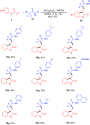
Scheme 37: Visible-light-promoted difluoroalkylated oxindoles systhesis via EDA complexes.

Scheme 38: Possible mechanism for the visible-light-promoted radical cyclization of N-arylacrylamides with bro...

Scheme 39: A dicumyl peroxide-initiated radical cascade reaction of N-arylacrylamide with DCM.

Scheme 40: Possible mechanism of radical cyclization of N-arylacrylamides with DCM.

Scheme 41: An AIBN-mediated radical cascade reaction of N-arylacrylamides with perfluoroalkyl iodides.

Scheme 42: Possible mechanism for the reaction with perfluoroalkyl iodides.

Scheme 43: Photoinduced palladium-catalyzed radical annulation of N-arylacrylamides with alkyl halides.

Scheme 44: Radical alkylation/cyclization of N-Alkyl-N-methacryloylbenzamides with alkyl halides.

Scheme 45: Possible mechanism for the alkylation/cyclization with unactivated alkyl chlorides.
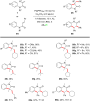
Scheme 46: Visible-light-driven palladium-catalyzed radical cascade cyclization of N-arylacrylamides with unac...

Scheme 47: NHC-catalyzed radical cascade cyclization of N-arylacrylamides with alkyl bromides.

Scheme 48: Possible mechanism of NHC-catalyzed radical cascade cyclization.

Scheme 49: Electrochemically mediated radical cyclization reaction of N-arylacrylamides with freon-type methan...

Scheme 50: Proposed mechanistic pathway of electrochemically induced radical cyclization reaction.

Scheme 51: Redox-neutral photoinduced radical cascade cylization of N-arylacrylamides with unactivated alkyl c...
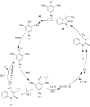
Scheme 52: Proposed mechanistic hypothesis of redox-neutral radical cascade cyclization.

Scheme 53: Thiol-mediated photochemical radical cascade cylization of N-arylacrylamides with aryl halides.

Scheme 54: Proposed possible mechanism of thiol-mediated photochemical radical cascade cyclization.

Scheme 55: Visible-light-induced radical cascade bromocyclization of N-arylacrylamides with NBS.

Scheme 56: Possible mechanism of visible-light-induced radical cascade cyclization.

Scheme 57: Decarboxylation/radical C–H functionalization by visible-light photoredox catalysis.

Scheme 58: Plausible mechanism of visible-light photoredox-catalyzed radical cascade cyclization.

Scheme 59: Visible-light-promoted tandem radical cyclization of N-arylacrylamides with N-(acyloxy)phthalimides....

Scheme 60: Plausible mechanism for the tandem radical cyclization reaction.

Scheme 61: Visible-light-induced aerobic radical cascade alkylation/cyclization of N-arylacrylamides with alde...

Scheme 62: Plausible mechanism for the aerobic radical alkylarylation of electron-deficient amides.

Scheme 63: Oxidative decarbonylative [3 + 2]/[5 + 2] annulation of N-arylacrylamide with vinyl acids.

Scheme 64: Plausible mechanism for the decarboxylative (3 + 2)/(5 + 2) annulation between N-arylacrylamides an...

Scheme 65: Rhenium-catalyzed alkylarylation of alkenes with PhI(O2CR)2.

Scheme 66: Plausible mechanism for the rhenium-catalyzed decarboxylative annulation of N-arylacrylamides with ...

Scheme 67: Visible-light-induced one-pot tandem reaction of N-arylacrylamides.

Scheme 68: Plausible mechanism for the visible-light-initiated tandem synthesis of difluoromethylated oxindole...

Scheme 69: Copper-catalyzed redox-neutral cyanoalkylarylation of activated alkenes with cyclobutanone oxime es...

Scheme 70: Plausible mechanism for the copper-catalyzed cyanoalkylarylation of activated alkenes.

Scheme 71: Photoinduced alkyl/aryl radical cascade for the synthesis of quaternary CF3-attached oxindoles.

Scheme 72: Plausible photoinduced electron-transfer (PET) mechanism.

Scheme 73: Photoinduced cerium-mediated decarboxylative alkylation cascade cyclization.

Scheme 74: Plausible reaction mechanism for the decarboxylative radical-cascade alkylation/cyclization.

Scheme 75: Metal-free oxidative tandem coupling of activated alkenes.

Scheme 76: Control experiments and possible mechanism for 1,2-carbonylarylation of alkenes with carbonyl C(sp2...

Scheme 77: Silver-catalyzed acyl-arylation of activated alkenes with α-oxocarboxylic acids.

Scheme 78: Proposed mechanism for the decarboxylative acylarylation of acrylamides.

Scheme 79: Visible-light-mediated tandem acylarylation of olefines with carboxylic acids.

Scheme 80: Proposed mechanism for the radical cascade cyclization with acyl radical via visible-light photored...

Scheme 81: Erythrosine B-catalyzed visible-light photoredox arylation-cyclization of N-arylacrylamides with ar...

Scheme 82: Electrochemical cobalt-catalyzed radical cyclization of N-arylacrylamides with arylhydrazines or po...

Scheme 83: Proposed mechanism of radical cascade cyclization via electrochemical cobalt catalysis.

Scheme 84: Copper-catalyzed oxidative tandem carbamoylation/cyclization of N-arylacrylamides with hydrazinecar...

Scheme 85: Proposed reaction mechanism for the radical cascade cyclization by copper catalysis.

Scheme 86: Visible-light-driven radical cascade cyclization reaction of N-arylacrylamides with α-keto acids.

Scheme 87: Proposed mechanism of visible-light-driven cascade cyclization reaction.

Scheme 88: Peroxide-induced radical carbonylation of N-(2-methylallyl)benzamides with methyl formate.

Scheme 89: Proposed cyclization mechanism of peroxide-induced radical carbonylation with N-(2-methylallyl)benz...

Scheme 90: Persulfate promoted carbamoylation of N-arylacrylamides and N-arylcinnamamides.

Scheme 91: Proposed mechanism for the persulfate promoted radical cascade cyclization reaction of N-arylacryla...
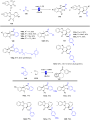
Scheme 92: Photocatalyzed carboacylation with N-arylpropiolamides/N-alkyl acrylamides.

Scheme 93: Plausible mechanism for the photoinduced carboacylation of N-arylpropiolamides/N-alkyl acrylamides.

Scheme 94: Electrochemical Fe-catalyzed radical cyclization with N-arylacrylamides.

Scheme 95: Plausible mechanism for the electrochemical Fe-catalysed radical cyclization of N-phenylacrylamide.

Scheme 96: Substrate scope of the selective functionalization of various α-ketoalkylsilyl peroxides with metha...

Scheme 97: Proposed reaction mechanism for the Fe-catalyzed reaction of alkylsilyl peroxides with methacrylami...

Scheme 98: EDA-complex mediated C(sp2)–C(sp3) cross-coupling of TTs and N-methyl-N-phenylmethacrylamides.

Scheme 99: Proposed mechanism for the synthesis of oxindoles via EDA complex.
Entry to 2-aminoprolines via electrochemical decarboxylative amidation of N‑acetylamino malonic acid monoesters
- Olesja Koleda,
- Janis Sadauskis,
- Darja Antonenko,
- Edvards Janis Treijs,
- Raivis Davis Steberis and
- Edgars Suna
Beilstein J. Org. Chem. 2025, 21, 630–638, doi:10.3762/bjoc.21.50
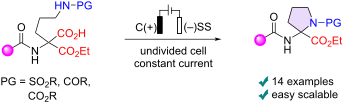
- feature at Ep = 1.78 V vs Ag/Ag+ (100 mV/s scan rate; see Figure 3A), and the electrolysis of pyrrolidine 6a under the optimized anodic decarboxylative cyclization conditions (entry 8, Table 1) afforded cyclic hemiaminal 12a (33% NMR yield), whose structure was proved by NMR experiments (Figure 3B). The
- undergo the decarboxylative cyclization, but also N-mesyl-protected monoester 9f could be converted into 2-aminoproline derivative 6f in 60% yield using a graphite cathode. However, the N-o-nosyl-protecting group is not compatible with the developed electrolysis conditions, likely because it undergoes an
- , the cyclization of the amino acid fragment-containing monoesters 9l,m afforded dipeptides 6l,m in 36% and 50% yield, respectively. Notably, the decarboxylative cyclization is compatible with the alkene moiety (product 6m). Both dipeptides 6l,m were obtained as a 67:33 mixture of diastereomers. In the

Graphical Abstract
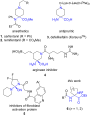
Figure 1: Selected examples of α,α-disubstituted cyclic amino acids in drug design.

Figure 2: Electrochemical decarboxylative amination reactions.

Scheme 1: Preparation of malonic acid monoester 9a.

Figure 3: A) Cyclic voltammograms of 6a and 9a at 3 mM and 6 mM concentration, respectively, in 5:1 MeCN/H2O ...

Scheme 2: Electrolysis of acid 9d in deuterated solvents.

Figure 4: Plausible mechanism for formation of pyrrolidine 6a and hemiaminal 10a.

Scheme 3: Scope of the decarboxylative amidation. aStainless-steel cathode; bgraphite cathode; cyield determi...

Scheme 4: Synthetic modifications of 2-aminoproline derivatives 6.
Recent advancements in iodide/phosphine-mediated photoredox radical reactions
- Tinglan Liu,
- Yu Zhou,
- Junhong Tang and
- Chengming Wang
Beilstein J. Org. Chem. 2023, 19, 1785–1803, doi:10.3762/bjoc.19.131
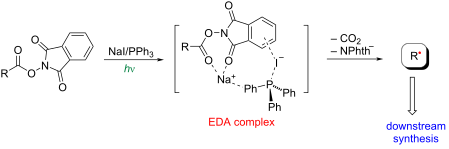
- photocatalytic decarboxylative radical cascade alkylarylation. Proposed mechanism of the NaI/PPh3-driven photocatalytic decarboxylative radical cascade cyclization. Visible-light-promoted decarboxylative cyclization of vinylcycloalkanes. NaI/PPh3-mediated photochemical reduction and amination of nitroarenes

Graphical Abstract

Scheme 1: Photocatalytic decarboxylative transformations mediated by the NaI/PPh3 catalyst system.

Scheme 2: Proposed catalytic cycle of NaI/PPh3 photoredox catalysis.

Scheme 3: Decarboxylative alkenylation of redox-active esters by NaI/PPh3 catalysis.

Scheme 4: Decarboxylative alkenylation mediated by NaI/PPh3 catalysis.

Scheme 5: NaI-mediated photoinduced α-alkenylation of Katritzky salts 7.

Scheme 6: n-Bu4NI-mediated photoinduced decarboxylative olefination.

Scheme 7: Proposed mechanism of the n-Bu4NI-mediated photoinduced decarboxylative olefination.

Scheme 8: Photodecarboxylative alkylation of redox-active esters with diazirines.

Scheme 9: Photoinduced iodine-anion-catalyzed decarboxylative/deaminative C–H alkylation of enamides.

Scheme 10: Photocatalytic C–H alkylation of coumarins mediated by NaI/PPh3 catalysis.

Scheme 11: Photoredox alkylation of aldimines by NaI/PPh3 catalysis.

Scheme 12: Photoredox C–H alkylation employing ammonium iodide.

Scheme 13: NaI/PPh3/CuBr cooperative catalysis for photocatalytic C(sp3)–O/N cross-coupling reactions.
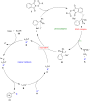
Scheme 14: Proposed mechanism of NaI/PPh3/CuBr cooperative catalysis for photocatalytic C(sp3)–O/N cross-coupl...

Scheme 15: Photocatalytic decarboxylative [3 + 2]/[4 + 2] annulation between enynals and γ,σ-unsaturated N-(ac...

Scheme 16: Proposed mechanism for the decarboxylative [3 + 2]/[4 + 2] annulation.

Scheme 17: Decarboxylative cascade annulation of alkenes/1,6-enynes with N-hydroxyphthalimide esters.

Scheme 18: Decarboxylative radical cascade cyclization of N-arylacrylamides.

Scheme 19: NaI/PPh3-driven photocatalytic decarboxylative radical cascade alkylarylation.

Scheme 20: Proposed mechanism of the NaI/PPh3-driven photocatalytic decarboxylative radical cascade cyclizatio...

Scheme 21: Visible-light-promoted decarboxylative cyclization of vinylcycloalkanes.

Scheme 22: NaI/PPh3-mediated photochemical reduction and amination of nitroarenes.

Scheme 23: PPh3-catalyzed alkylative iododecarboxylation with LiI.

Scheme 24: Visible-light-triggered iodination facilitated by N-heterocyclic carbenes.

Scheme 25: Visible-light-induced photolysis of phosphonium iodide salts for monofluoromethylation.
Photoredox catalysis enabling decarboxylative radical cyclization of γ,γ-dimethylallyltryptophan (DMAT) derivatives: formal synthesis of 6,7-secoagroclavine
- Alessio Regni,
- Francesca Bartoccini and
- Giovanni Piersanti
Beilstein J. Org. Chem. 2023, 19, 918–927, doi:10.3762/bjoc.19.70
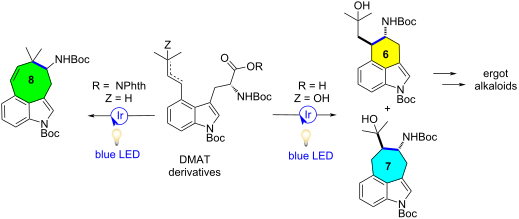
- Alessio Regni Francesca Bartoccini Giovanni Piersanti Department of Biomolecular Sciences, University of Urbino, Carlo Bo Piazza Rinascimento 6, 61029 Urbino, PU, Italy 10.3762/bjoc.19.70 Abstract An unusual photoredox-catalyzed radical decarboxylative cyclization cascade reaction of γ,γ
- photocatalyst. Keywords: decarboxylative cyclization; DMAT; ergot alkaloids; photoredox catalysis; radicals; Introduction Visible-light photoredox catalysis is rapidly changing the way organic chemists approach the design and synthesis of molecules by offering new synthetic disconnection opportunities that
- of all ergot alkaloids, specifically the decarboxylative cyclization of DMAT, is still a puzzle even though a radical mechanism has been proposed (Figure 1a) [72][73]. Results and Discussion Herein, we propose that visible light irradiation of the cationic iridium photocatalyst Ir[dF(CF3)ppy]2(dtbbpy

Graphical Abstract

Figure 1: (a) Transformations of DMAT to different classes of ergot alkaloids. (b) and (c) Strategies for the...

Scheme 1: Synthesis of compound 5.

Scheme 2: Photoredox-catalyzed radical decarboxylative cyclization of 5.

Figure 2: Proposed reaction mechanism for photoredox-catalyzed radical decarboxylative cyclization.

Scheme 3: Synthesis of tryptophan derivatives 8 and 10.

Figure 3: Proposed reaction mechanism for photoredox-catalyzed radical decarboxylative cyclization.

Scheme 4: Methylation of 11 and the formal total synthesis of (±)-6,7-secoagroclavine.
NaI/PPh3-catalyzed visible-light-mediated decarboxylative radical cascade cyclization of N-arylacrylamides for the efficient synthesis of quaternary oxindoles
- Dan Liu,
- Yue Zhao and
- Frederic W. Patureau
Beilstein J. Org. Chem. 2023, 19, 57–65, doi:10.3762/bjoc.19.5
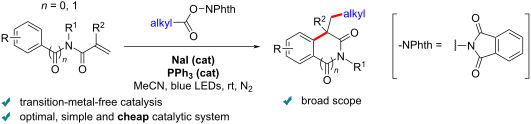
- terminal alkyne in 3an, and an alkyl chloride in 3ao proved compatible, associated with encouraging yields. In order to further demonstrate the utility of our protocol, a complex scaffold derived from lithocholic acid was tested, and was found to smoothly undergo the decarboxylative cyclization towards

Graphical Abstract

Figure 1: Representative natural products and biologically active molecules containing an oxindole moiety [7-13].
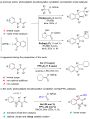
Scheme 1: Selected photocatalytic decarboxylative radical cascade reactions of N-arylamides.
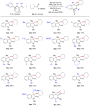
Scheme 2: Arylamide substrate scope with isolated yields of products.

Scheme 3: Alkyl radical precursor scope with isolated yields of products.

Scheme 4: Selected mechanistic experiments.
Recent advances on the transition-metal-catalyzed synthesis of imidazopyridines: an updated coverage
- Gagandeep Kour Reen,
- Ashok Kumar and
- Pratibha Sharma
Beilstein J. Org. Chem. 2019, 15, 1612–1704, doi:10.3762/bjoc.15.165
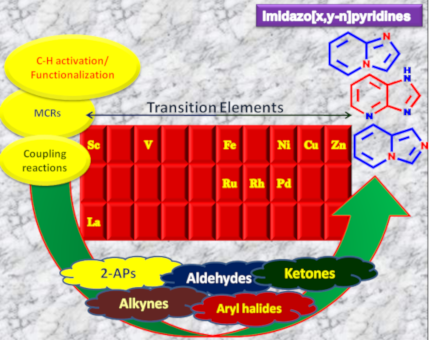

Graphical Abstract

Figure 1: Various drugs having IP nucleus.

Figure 2: Participation percentage of various TMs for the syntheses of IPs.

Scheme 1: CuI–NaHSO4·SiO2-catalyzed synthesis of imidazo[1,2-a]pyridines.

Scheme 2: Experimental examination of reaction conditions.

Scheme 3: One-pot tandem reaction for the synthesis of 2-haloimidazopyridines.

Scheme 4: Mechanistic scheme for the synthesis of 2-haloimidazopyridine.

Scheme 5: Copper-MOF-catalyzed three-component reaction (3-CR) for imidazo[1,2-a]pyridines.

Scheme 6: Mechanism for copper-MOF-driven synthesis.

Scheme 7: Heterogeneous synthesis via titania-supported CuCl2.

Scheme 8: Mechanism involving oxidative C–H functionalization.

Scheme 9: Heterogeneous synthesis of IPs.

Scheme 10: One-pot regiospecific synthesis of imidazo[1,2-a]pyridines.

Scheme 11: Vinyl azide as an unprecedented substrate for imidazo[1,2-a]pyridines.

Scheme 12: Radical pathway.

Scheme 13: Cu(I)-catalyzed transannulation approach for imidazo[1,5-a]pyridines.

Scheme 14: Plausible radical pathway for the synthesis of imidazo[1,5-a]pyridines.

Scheme 15: A solvent-free domino reaction for imidazo[1,2-a]pyridines.

Scheme 16: Cu-NPs-mediated synthesis of imidazo[1,2-a]pyridines.

Scheme 17: CuI-catalyzed synthesis of isoxazolylimidazo[1,2-a]pyridines.

Scheme 18: Functionalization of 4-bromo derivative via Sonogashira coupling reaction.

Scheme 19: A plausible reaction pathway.

Scheme 20: Cu(I)-catalyzed intramolecular oxidative C–H amidation reaction.

Scheme 21: One-pot synthetic reaction for imidazo[1,2-a]pyridine.

Scheme 22: Plausible reaction mechanism.

Scheme 23: Cu(OAc)2-promoted synthesis of imidazo[1,2-a]pyridines.

Scheme 24: Mechanism for aminomethylation/cycloisomerization of propiolates with imines.

Scheme 25: Three-component synthesis of imidazo[1,2-a]pyridines.

Figure 3: Scope of pyridin-2(1H)-ones and acetophenones.

Scheme 26: CuO NPS-promoted A3 coupling reaction.

Scheme 27: Cu(II)-catalyzed C–N bond formation reaction.

Scheme 28: Mechanism involving Chan–Lam/Ullmann coupling.

Scheme 29: Synthesis of formyl-substituted imidazo[1,2-a]pyridines.

Scheme 30: A tandem sp3 C–H amination reaction.

Scheme 31: Probable mechanistic approach.

Scheme 32: Dual catalytic system for imidazo[1,2-a]pyridines.

Scheme 33: Tentative mechanism.

Scheme 34: CuO/CuAl2O4/ᴅ-glucose-promoted 3-CCR.

Scheme 35: A tandem CuOx/OMS-2-based synthetic strategy.

Figure 4: Biomimetic catalytic oxidation in the presence of electron-transfer mediators (ETMs).

Scheme 36: Control experiment.

Scheme 37: Copper-catalyzed C(sp3)–H aminatin reaction.

Scheme 38: Reaction of secondary amines.

Scheme 39: Probable mechanistic pathway.

Scheme 40: Coupling reaction of α-azidoketones.

Scheme 41: Probable pathway.

Scheme 42: Probable mechanism with free energy calculations.

Scheme 43: MCR for cyanated IP synthesis.

Scheme 44: Substrate scope for the reaction.

Scheme 45: Reaction mechanism.

Scheme 46: Probable mechanistic pathway for Cu/ZnAl2O4-catalyzed reaction.

Scheme 47: Copper-catalyzed double oxidative C–H amination reaction.

Scheme 48: Application towards different coupling reactions.

Scheme 49: Reaction mechanism.

Scheme 50: Condensation–cyclization approach for the synthesis of 1,3-diarylated imidazo[1,5-a]pyridines.

Scheme 51: Optimized reaction conditions.

Scheme 52: One-pot 2-CR.

Scheme 53: One-pot 3-CR without the isolation of chalcone.

Scheme 54: Copper–Pybox-catalyzed cyclization reaction.

Scheme 55: Mechanistic pathway catalyzed by Cu–Pybox complex.

Scheme 56: Cu(II)-promoted C(sp3)-H amination reaction.

Scheme 57: Wider substrate applicability for the reaction.

Scheme 58: Plausible reaction mechanism.

Scheme 59: CuI assisted C–N cross-coupling reaction.

Scheme 60: Probable reaction mechanism involving sp3 C–H amination.

Scheme 61: One-pot MCR-catalyzed by CoFe2O4/CNT-Cu.

Scheme 62: Mechanistic pathway.

Scheme 63: Synthetic scheme for 3-nitroimidazo[1,2-a]pyridines.

Scheme 64: Plausible mechanism for CuBr-catalyzed reaction.

Scheme 65: Regioselective synthesis of halo-substituted imidazo[1,2-a]pyridines.

Scheme 66: Synthesis of 2-phenylimidazo[1,2-a]pyridines.

Scheme 67: Synthesis of diarylated compounds.

Scheme 68: CuBr2-mediated one-pot two-component oxidative coupling reaction.

Scheme 69: Decarboxylative cyclization route to synthesize 1,3-diarylimidazo[1,5-a]pyridines.

Scheme 70: Mechanistic pathway.

Scheme 71: C–H functionalization reaction of enamines to produce diversified heterocycles.

Scheme 72: A plausible mechanism.

Scheme 73: CuI-promoted aerobic oxidative cyclization reaction of ketoxime acetates and pyridines.

Scheme 74: CuI-catalyzed pathway for the formation of imidazo[1,2-a]pyridine.

Scheme 75: Mechanistic pathway.

Scheme 76: Mechanistic rationale for the synthesis of products.

Scheme 77: Copper-catalyzed synthesis of vinyloxy-IP.

Scheme 78: Regioselective product formation with propiolates.

Scheme 79: Proposed mechanism for vinyloxy-IP formation.

Scheme 80: Regioselective synthesis of 3-hetero-substituted imidazo[1,2-a]pyridines with different reaction su...

Scheme 81: Mechanistic pathway.

Scheme 82: CuI-mediated synthesis of 3-formylimidazo[1,2-a]pyridines.

Scheme 83: Radical pathway for 3-formylated IP synthesis.

Scheme 84: Pd-catalyzed urea-cyclization reaction for IPs.

Scheme 85: Pd-catalyzed one-pot-tandem amination and intramolecular amidation reaction.

Figure 5: Scope of aniline nucleophiles.

Scheme 86: Pd–Cu-catalyzed Sonogashira coupling reaction.

Scheme 87: One-pot amide coupling reaction for the synthesis of imidazo[4,5-b]pyridines.

Scheme 88: Urea cyclization reaction for the synthesis of two series of pyridines.

Scheme 89: Amidation reaction for the synthesis of imidazo[4,5-b]pyridines.

Figure 6: Amide scope.

Scheme 90: Pd NPs-catalyzed 3-component reaction for the synthesis of 2,3-diarylated IPs.

Scheme 91: Plausible mechanistic pathway for Pd NPs-catalyzed MCR.

Scheme 92: Synthesis of chromenoannulated imidazo[1,2-a]pyridines.

Scheme 93: Mechanism for the synthesis of chromeno-annulated IPs.

Scheme 94: Zinc oxide NRs-catalyzed synthesis of imidazo[1,2-a]azines/diazines.

Scheme 95: Zinc oxide-catalyzed isocyanide based GBB reaction.

Scheme 96: Reaction pathway for ZnO-catalyzed GBB reaction.

Scheme 97: Mechanistic pathway.

Scheme 98: ZnO NRs-catalyzed MCR for the synthesis of imidazo[1,2-a]azines.

Scheme 99: Ugi type GBB three-component reaction.

Scheme 100: Magnetic NPs-catalyzed synthesis of imidazo[1,2-a]pyridines.

Scheme 101: Regioselective synthesis of 2-alkoxyimidazo[1,2-a]pyridines catalyzed by Fe-SBA-15.

Scheme 102: Plausible mechanistic pathway for the synthesis of 2-alkoxyimidazopyridine.

Scheme 103: Iron-catalyzed synthetic approach.

Scheme 104: Iron-catalyzed aminooxygenation reaction.

Scheme 105: Mechanistic pathway.

Scheme 106: Rh(III)-catalyzed double C–H activation of 2-substituted imidazoles and alkynes.

Scheme 107: Plausible reaction mechanism.

Scheme 108: Rh(III)-catalyzed non-aromatic C(sp2)–H bond activation–functionalization for the synthesis of imid...

Scheme 109: Reactivity and selectivity of different substrates.

Scheme 110: Rh-catalyzed direct C–H alkynylation by Li et al.

Scheme 111: Suggested radical mechanism.

Scheme 112: Scandium(III)triflate-catalyzed one-pot reaction and its mechanism for the synthesis of benzimidazo...

Scheme 113: RuCl3-assisted Ugi-type Groebke–Blackburn condensation reaction.

Scheme 114: C-3 aroylation via Ru-catalyzed two-component reaction.

Scheme 115: Regioselective synthetic mechanism.

Scheme 116: La(III)-catalyzed one-pot GBB reaction.

Scheme 117: Mechanistic approach for the synthesis of imidazo[1,2-a]pyridines.

Scheme 118: Synthesis of imidazo[1,2-a]pyridine using LaMnO3 NPs under neat conditions.

Scheme 119: Mechanistic approach.

Scheme 120: One-pot 3-CR for regioselective synthesis of 2-alkoxy-3-arylimidazo[1,2-a]pyridines.

Scheme 121: Formation of two possible products under optimization of the catalysts.

Scheme 122: Mechanistic strategy for NiFe2O4-catalyzed reaction.

Scheme 123: Two-component reaction for synthesizing imidazodipyridiniums.

Scheme 124: Mechanistic scheme for the synthesis of imidazodipyridiniums.

Scheme 125: CuI-catalyzed arylation of imidazo[1,2-a]pyridines.

Scheme 126: Mechanism for arylation reaction.

Scheme 127: Cupric acetate-catalyzed double carbonylation approach.

Scheme 128: Radical mechanism for double carbonylation of IP.

Scheme 129: C–S bond formation reaction catalyzed by cupric acetate.

Scheme 130: Cupric acetate-catalyzed C-3 formylation approach.

Scheme 131: Control experiments for signifying the role of DMSO and oxygen.

Scheme 132: Mechanism pathway.

Scheme 133: Copper bromide-catalyzed CDC reaction.

Scheme 134: Extension of the substrate scope.

Scheme 135: Plausible radical pathway.

Scheme 136: Transannulation reaction for the synthesis of imidazo[1,5-a]pyridines.

Scheme 137: Plausible reaction pathway for denitrogenative transannulation.

Scheme 138: Cupric acetate-catalyzed C-3 carbonylation reaction.

Scheme 139: Plausible mechanism for regioselective C-3 carbonylation.

Scheme 140: Alkynylation reaction at C-2 of 3H-imidazo[4,5-b]pyridines.

Scheme 141: Two-way mechanism for C-2 alkynylation of 3H-imidazo[4,5-b]pyridines.

Scheme 142: Palladium-catalyzed SCCR approach.

Scheme 143: Palladium-catalyzed Suzuki coupling reaction.

Scheme 144: Reaction mechanism.

Scheme 145: A phosphine free palladium-catalyzed synthesis of C-3 arylated imidazopyridines.

Scheme 146: Palladium-mediated Buchwald–Hartwig cross-coupling reaction.

Figure 7: Structure of the ligands optimized.

Scheme 147: Palladium acetate-catalyzed direct arylation of imidazo[1,2-a]pyridines.

Scheme 148: Palladium acetate-catalyzed mechanistic pathway.

Scheme 149: Palladium acetate-catalyzed regioselective arylation reported by Liu and Zhan.

Scheme 150: Mechanism for selective C-3 arylation of IP.

Scheme 151: Pd(II)-catalyzed alkenylation reaction with styrenes.

Scheme 152: Pd(II)-catalyzed alkenylation reaction with acrylates.

Scheme 153: A two way mechanism.

Scheme 154: Double C–H activation reaction catalyzed by Pd(OAc)2.

Scheme 155: Probable mechanism.

Scheme 156: Palladium-catalyzed decarboxylative coupling.

Scheme 157: Mechanistic cycle for decarboxylative arylation reaction.

Scheme 158: Ligand-free approach for arylation of imidazo[1,2-a]pyridine-3-carboxylic acids.

Scheme 159: Mechanism for ligandless arylation reaction.

Scheme 160: NHC-Pd(II) complex assisted arylation reaction.

Scheme 161: C-3 arylation of imidazo[1,2-a]pyridines with aryl bromides catalyzed by Pd(OAc)2.

Scheme 162: Pd(II)-catalyzed C-3 arylations with aryl tosylates and mesylates.

Scheme 163: CDC reaction for the synthesis of imidazo[1,2-a]pyridines.

Scheme 164: Plausible reaction mechanism for Pd(OAc)2-catalyzed synthesis of imidazo[1,2-a]pyridines.

Scheme 165: Pd-catalyzed C–H amination reaction.

Scheme 166: Mechanism for C–H amination reaction.

Scheme 167: One-pot synthesis for 3,6-di- or 2,3,6-tri(hetero)arylimidazo[1,2-a]pyridines.

Scheme 168: C–H/C–H cross-coupling reaction of IPs and azoles catalyzed by Pd(II).

Scheme 169: Mechanistic cycle.

Scheme 170: Rh-catalyzed C–H arylation reaction.

Scheme 171: Mechanistic pathway for C–H arylation of imidazo[1,2-a]pyridine.

Scheme 172: Rh(III)-catalyzed double C–H activation of 2-phenylimidazo[1,2-a]pyridines and alkynes.

Scheme 173: Rh(III)-catalyzed mechanistic pathway.

Scheme 174: Rh(III)-mediated oxidative coupling reaction.

Scheme 175: Reactions showing functionalization of the product obtained by the group of Kotla.

Scheme 176: Mechanism for Rh(III)-catalyzed oxidative coupling reaction.

Scheme 177: Rh(III)-catalyzed C–H activation reaction.

Scheme 178: Mechanistic cycle.

Scheme 179: Annulation reactions of 2-arylimidazo[1,2-a]pyridines and alkynes.

Scheme 180: Two-way reaction mechanism for annulations reaction.

Scheme 181: [RuCl2(p-cymene)]2-catalyzed C–C bond formation reaction.

Scheme 182: Reported reaction mechanism.

Scheme 183: Fe(III) catalyzed C-3 formylation approach.

Scheme 184: SET mechanism-catalyzed by Fe(III).

Scheme 185: Ni(dpp)Cl2-catalyzed KTC coupling.

Scheme 186: Pd-catalyzed SM coupling.

Scheme 187: Vanadium-catalyzed coupling of IP and NMO.

Scheme 188: Mechanistic cycle.

Scheme 189: Selective C3/C5–H bond functionalizations by mono and bimetallic systems.

Scheme 190: rGO-Ni@Pd-catalyzed C–H bond arylation of imidazo[1,2-a]pyridine.

Scheme 191: Mechanistic pathway for heterogeneously catalyzed arylation reaction.

Scheme 192: Zinc triflate-catalyzed coupling reaction of substituted propargyl alcohols.



