


Search results
Search for "isopropyl" in Full Text gives 268 result(s) in Beilstein Journal of Organic Chemistry. Showing first 200.
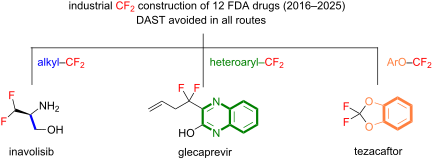
Construction of CF2 moieties in FDA-approved drugs (2016–2025): industrial routes, mechanisms, and scale-up considerations
- Wenyan Yao,
- Huanhuan Zhang,
- Xiaolong Yang and
- Feng Liu
Beilstein J. Org. Chem. 2026, 22, 1122–1150, doi:10.3762/bjoc.22.91
- production. 1.3.2 Difamilast (2021): As shown in Figure 13, the synthesis of the key intermediate of difamilast (6) mainly involves the assembly of three functional groups: the difluoromethyl group, the isopropyl ether, and the carboxylic acid group. Route a (reported in 2017) [68] uses a DMF solution of
- group to carboxylic acid 134 via the Pinnick oxidation gave a two-step yield of 86% on a 10 g scale. Route b selectively difluoromethylates the phenolic hydroxy group of 132 using a method similar to route a, achieving a yield of 54% (reported in 2017) [69], followed by isopropyl etherification to

Graphical Abstract

Figure 1: FDA-approved drugs containing CF2 groups (2016–2025). a) For tezacaftor (4), the 2018 approval year...

Figure 2: Synthesis of the alkyl–CF2 side chain in glecaprevir (1) and voxilaprevir (2).

Figure 3: Synthesis of the difluorinated intermediate 38 for ivosidenib (3).
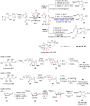
Figure 4: Synthesis of the difluorinated intermediate for cedazuridine (5).

Figure 5: Synthesis of the difluorinated intermediate for omaveloxolone (10).

Figure 6: Synthesis of the difluorinated intermediate for 1-(perfluorohexyl)octane (11).

Figure 7: Synthetic routes towards difluorinated intermediates for the synthesis of inavolisib.
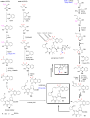
Figure 8: Synthesis of the difluorinated intermediate for glecaprevir.

Figure 9: Synthesis of the difluorinated intermediate for voxilaprevir.

Figure 10: Synthesis of the difluorinated intermediate for lenacapavir.

Figure 11: Synthesis of the difluorinated intermediate for oteseconazole.

Figure 12: Synthesis of the difluorinated intermediate for tezacaftor.

Figure 13: Synthesis of the difluorinated intermediate for difamilas (6).

Figure 14: Synthesis of the difluorinated intermediate for asciminib.

Figure 15: Mechanism of the deoxyfluorination of carbonyl groups using DAST.

Figure 16: Mechanism of the deoxyfluorination of carbonyl groups using SF4.

Figure 17: Mechanism of the fluorination of dithioketals using Olah’s reagent.

Figure 18: Mechanism of the fluorination of xanthates using AgF.

Figure 19: Mechanism of electrophilic fluorination using NFSI.

Figure 20: Mechanism of the Ni-catalyzed conversion of Ar–X to Ar–CF2H using Hu’s reagent.

Figure 21: Mechanism of the (Me3Si)3SiH-mediated intermolecular perfluoroalkylation of alkenes in water.

Figure 22: Mechanism of the formation of ArO–CF2H from ClF2COONa and ArOH.

Figure 23: Mechanism of the formation of ArO–CF2X from TMSCF2X and ArOH.
Unsymmetrical sulfoxides with sterically hindered catechol fragment: synthesis, structure, electrochemical properties, and antiradical activity
- Daria A. Burmistrova,
- Vasiliy A. Fokin,
- Oleg P. Demidov,
- Mikhail A. Kiskin,
- Maxim V. Arsenyev,
- Andrey I. Poddel’sky,
- Nadezhda T. Berberova and
- Ivan V. Smolyaninov
Beilstein J. Org. Chem. 2026, 22, 828–837, doi:10.3762/bjoc.22.65
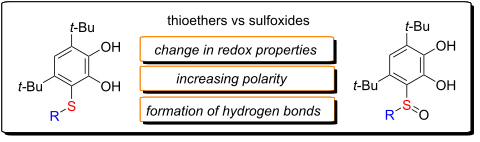
- reaction products ranges from 42 to 89%. The crystal structures of catechol sulfoxides with isopropyl, cyclopentyl, adamantyl, benzyl and 1-naphthyl moieties were established by single-crystal X-ray analysis. The possibility of forming intra- and intermolecular hydrogen bonds has been shown for these
- the reaction with the 2,2′-diphenyl-1-picrylhydrazyl radical (DPPH) and the 2,2′-azinobis(3-ethylbenzothiazoline-6-sulfonic acid) radical cation (ABTS+•). In both assays, the lowest IC50 values among the studied catechol sulfoxides were found for compounds bearing isopropyl and tert-butyl substituents
- the sulfoxides, the signals of the carbon atoms bearing the OH groups are shifted downfield and appear at δ 148.4–150.0 ppm. The sulfinyl group also influences the signals of aliphatic carbon atoms. For example, in sulfoxide 1a, the signal of the secondary carbon in the isopropyl substituent is

Graphical Abstract

Scheme 1: Synthesis of catechol-contained thioethers 1–7 and sulfoxides 1a–7a.

Figure 1: Molecular structures of 1a (a), 4a (b), 5a (c), 6a (d), 7a (e) (solvent molecules and fragment diso...

Figure 2: CV curves of 1 and 1a at the potential ranges: from −0.5 to 1.75 V for 1 (curve 1); from −0.5 to 1....

Scheme 2: Proposed mechanism of electrochemical transformations of catechol sulfoxides (path a – for 1a, 3a, ...

Figure 3: CV curve of 5a at the potential range from −0.50 to 1.40 V (curve 1); from −0.50 to 1.70 V (curve 2...

Figure 4: CV curves of electrolysis products of 7a at the potential ranges from 0.5 to −0.4 V (CH3CN, GC elec...

Scheme 3: Proposed mechanism of the reduction of electrogenerated o-benzoquinone.
Design, synthesis, and biological evaluation of FXR/ASK1 dual-target modulators
- Xi Zhang,
- Jingyan Wang,
- Ziqiang Zhao,
- Caiyi Wang,
- Zenghui Ye,
- Wei-Yuan Ma,
- Jian-Xing Xu and
- Fengzhi Zhang
Beilstein J. Org. Chem. 2026, 22, 771–781, doi:10.3762/bjoc.22.59
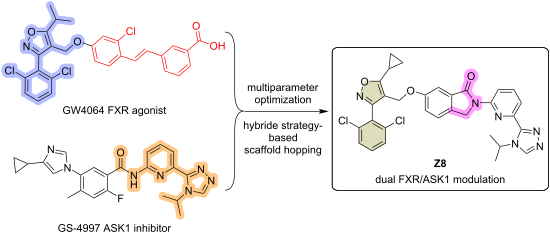
- -aliphatically substituted 4H-1,2,4-triazolopyridine biaryl scaffold of selonsertib [31][39][40], as key pharmacophores. In the co-crystal structure of hFXR-LBD with GW4064 [41], the isoxazole core coordinates the π-cation interaction between His 447 and Trp 469; the 5-isopropyl group is embedded into a

Graphical Abstract

Scheme 1: Steroidal and nonsteroidal FXR agonists.

Scheme 2: ASK1 inhibitors.

Scheme 3: Dual FXR/ASK1 modulation strategy for MASH.

Scheme 4: Synthesis of compound 2. Conditions: (a) NH2OH·HCl, NaOH, EtOH/H2O, 70 °C, 12 h; (b) NCS, DMF, 40 °...

Scheme 5: Synthesis of compounds IXa–d. Conditions: (a) N2H4·H2O, MeOH, rt, 12 h; (b) DMF–DMA, 80 °C, 12 h; (...

Scheme 6: Synthesis of compounds Z1–15. Conditions: (a) K2CO3, KI, MeCN, 50 °C, 6 h, 86–96% yield; (b) Pd2(db...

Scheme 7: Synthesis of compounds Z16–29. Conditions: (a) Pd(PPh3)4, Na2CO3, 1,4-dioxane/H2O, 80 °C, 18 h, 64–...

Scheme 8: Synthesis of compound Z30. Conditions: (a) NaH, DMF, rt, 16 h; (b) TFA, DCM, 0 °C, 3 h; (c) Pd2(dba)...

Scheme 9: Molecular docking of dual-target modulator Z8 to the ligand binding sites of FXR (PDB ID: 3DCT, htt...

Figure 1: FXR agonist activity of all compounds. Results of the dual-luciferase reporter assay in CHO cells c...

Figure 2: ASK1 inhibition of all compounds. Results of the ADP-Glo™ kinase assay after treating ASK1 kinase w...

Figure 3: Effects of Z8 and Z30 on OA-induced lipid accumulation in HepG2 cells. Cells were treated with GW40...
A mild and atom-efficient four-component cascade strategy for the construction of biologically relevant 4-hydroxyquinolin-2(1H)-one derivatives
- Dmitrii A. Grishin,
- Kseniia I. Sharkovskaia,
- Ilya G. Kolmakov,
- Daria A. Ipatova,
- Rostislav A. Petrov,
- Nikolai D. Dagaev,
- Dmitry A. Skvortsov,
- Maria G. Khrenova,
- Valeriy V. Andreychev,
- Sergei A. Evteev,
- Yan A. Ivanenkov,
- Roman L. Antipin,
- Olga А. Dontsova and
- Elena K. Beloglazkina
Beilstein J. Org. Chem. 2026, 22, 244–256, doi:10.3762/bjoc.22.18
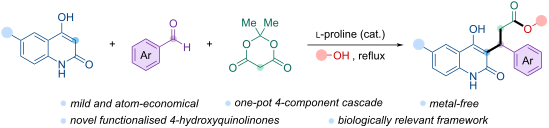
- conditions. Subsequent transformations afford isopropyl and cyclohexyl analogues via hydrolysis–esterification. A preliminary biological evaluation revealed low cytotoxicity and modest antibacterial activity against Escherichia coli ΔtolC strains. This sustainable synthetic approach constitutes the first
- ) and cyclized (lactone) forms [35]. The γ-position of the propanoic acid side chain was further modified with a 3,4-dimethoxyphenyl group, inspired by earlier reports [36]. The carboxylic acid functionality was either retained or converted into methyl, ethyl, isopropyl, or cyclohexyl esters to evaluate
- . This highlights the unique role of the alcohol component as a mild nucleophile and a compatible solvent in our protocol. To obtain the isopropyl esters of 3-(6-halogen-4-hydroxy-2-oxo-1,2-dihydroquinolin-3-yl)-3-(3,4-dimethoxyphenyl)propanoic acids, a four-component reaction was attempted using

Graphical Abstract

Figure 1: Examples of biologically active quinolin-2(1H)-ones.

Figure 2: Structures obtained via rational design aimed at enhancing antibacterial activity.

Scheme 1: Previously reported and newly developed 3-(4-hydroxy-2-oxo-1,2-dihydroquinolin-3-yl)-3-arylpropanoi...

Scheme 2: Retrosynthetic analysis: two alternative approaches to target compounds.

Scheme 3: Two-stage synthesis A) and one-stage one-pot synthesis B) of 6-halogen-4-hydroxyquinoline-2(1H)-one...

Scheme 4: Previous synthetic attempts toward the target chemotype using various approaches.

Scheme 5: Four-component synthesis of 3-(6-halo-4-hydroxy-2-oxo-1,2-dihydroquinolin-3-yl)-3-(3,4-dimethoxyphe...

Scheme 6: The proposed mechanism of the four-component reaction.
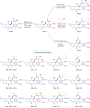
Scheme 7: Synthesis of isopropyl (12a–c) and cyclohexyl (13а–с) esters of 3-(4-hydroxy-2-oxo-1,2-dihydroquino...
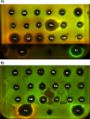
Figure 3: In vitro antibacterial activity studies. А) In vitro antibacterial activity using the E. coli ΔtolC...
Circumventing Mukaiyama oxidation: selective S–O bond formation via sulfenamide–alcohol coupling
- Guoling Huang,
- Huarui Zhu,
- Shuting Zhou,
- Wanlin Zheng,
- Fangpeng Liang,
- Zhibo Zhao,
- Yifei Chen and
- Xunbo Lu
Beilstein J. Org. Chem. 2026, 22, 158–166, doi:10.3762/bjoc.22.9
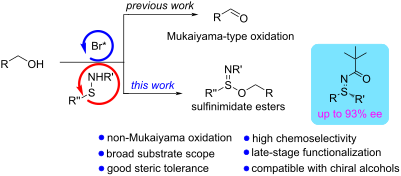
- various acylamides to further evaluate the versatility of this transformation (Scheme 3). The reaction was compatible with a wide range of acyl substituents, including methyl (3t, 91%), isopropyl (3u, 80%), cyclopropyl (3v, 81%), and cyclohexyl (3w, 86%), all of which delivered the corresponding

Graphical Abstract

Figure 1: Representative molecules containing a sulfilimine moiety.

Scheme 1: PIDA-mediated approach versus the present NBS-mediated approach to sulfinimidate esters.

Scheme 2: Substrate scope of sulfenamides derived from various thiophenols and thiols. Reaction conditions: s...

Scheme 3: Substrate scope of sulfenamides derived from various amides. Reaction conditions: sulfenamide 1 (0....

Scheme 4: Substrate scope of reactions between sulfenamides 1a and various alcohols. Reaction conditions: asu...
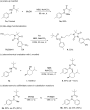
Scheme 5: Scale-up synthesis, late-stage derivatization, and substitution of diastereomeric sulfinimidate est...
Total syntheses of highly oxidative Ryania diterpenoids facilitated by innovations in synthetic strategies
- Zhi-Qi Cao,
- Jin-Bao Qiao and
- Yu-Ming Zhao
Beilstein J. Org. Chem. 2025, 21, 2553–2570, doi:10.3762/bjoc.21.198
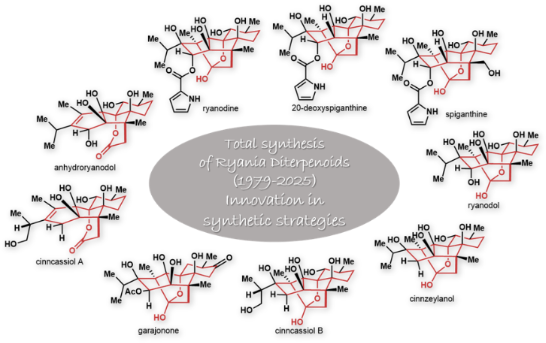
- carbonyl, a silyl transform, and oxidation of the C2 secondary hydroxy group afforded intermediate 54. This sequence successfully installed the C3 hydroxy group with the requisite stereochemistry for 3-epi-ryanodol (5). Subsequent introduction of an isopropyl group at C2 and global deprotection yielded the
- ). Furthermore, from intermediate 57, the introduction of an isopropyl group at C2 and subsequent deprotection furnished cinnzeylanol (6). Reisman’s total synthesis of (+)-ryanodine (1), (+)-20-deoxyspiganthine (2), and (+)-ryanodol (4) In 2016, the Reisman group at Caltech reported an asymmetric total synthesis
- ABCD tetracyclic core skeleton 71. Treatment of 71 with SeO2 effected a multi-site sequential oxidation, and subsequent triflation yielded triflate 73. Finally, compound 73 underwent a sequence of transformations: introduction of an isopropyl group at C2, directed reduction of the C3 carbonyl

Graphical Abstract

Scheme 1: Representative Ryania diterpenoids and their derivatives.
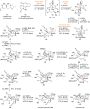
Scheme 2: Deslongchamps’s total synthesis of ryanodol (4).

Scheme 3: Deslongchamps’s total synthesis of 3-epi-ryanodol (5).
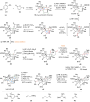
Scheme 4: Inoue’s total synthesis of ryanodol (4).

Scheme 5: Inoue’s total synthesis of ryanodine (1) from ryanodol (4).
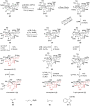
Scheme 6: Inoue’s total synthesis of cinncassiol A (9), cinncassiol B (7), cinnzeylanol (6), and 3-epi-ryanod...

Scheme 7: Reisman’s total synthesis of (+)-ryanodol (4).

Scheme 8: Reisman’s total synthesis of (+)-ryanodine (1) and (+)-20-deoxyspiganthine (2).

Scheme 9: Micalizio’s formal total synthesis of ryanodol (4).
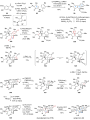
Scheme 10: Zhao’s total synthesis of garajonone (8).

Scheme 11: Zhao’s formal total synthesis of ryanodol (4) and ryanodine (1).
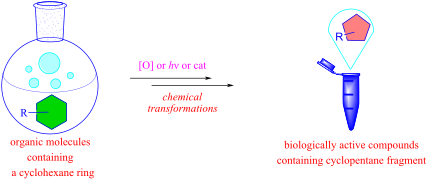
Transformation of the cyclohexane ring to the cyclopentane fragment of biologically active compounds
- Natalya Akhmetdinova,
- Ilgiz Biktagirov and
- Liliya Kh. Faizullina
Beilstein J. Org. Chem. 2025, 21, 2416–2446, doi:10.3762/bjoc.21.185
- product of cyclohexane ring opening (Scheme 26). A decrease in the methanol content of the mixture to 0.5% was accompanied by a slowdown in the process and the appearance of keto enol 149 in solution. Replacing methanol with isopropanol under these conditions resulted in the formation of isopropyl esters

Graphical Abstract

Scheme 1: Ozonolysis–cyclization sequence in the synthesis of echinopine A (3).

Scheme 2: Ozonolysis–cyclization sequence in the synthesis of taiwaniaquinoids 7–12.

Figure 1: Iridoid skeleton.

Scheme 3: Ozonolysis–cyclization sequence in the synthesis of compounds 17a,b, 18 and 19 with iridoid topolog...

Scheme 4: Oxidation–aldol condensation sequence in the synthesis of compounds 21 and 23 with iridoid topology....

Scheme 5: Oxidation–aldol condensation sequence in the synthesis of compounds 29 and 30 with iridoid topology....

Scheme 6: Method for ring contraction in the absence of a double bond in a six-membered ring of triterpenoids....

Scheme 7: Oxidation–Dieckmann cyclization sequence in the synthesis of a new nortriterpenoid 39.

Scheme 8: Oxidation–Dieckmann cyclization sequence in the synthesis of 18,19-di-nor-cholesterol (40).

Scheme 9: Oxidation–cyclization sequence in the synthesis of 3-ethyl-substituted betulinic acid derivatives 49...

Scheme 10: Benzilic acid-type rearrangement in the synthesis of 4β-acetoxyprobotryane-9β,15α-diol (52).

Scheme 11: Benzilic acid-type rearrangement in the synthesis of (−)-taiwaniaquinone H (11).

Scheme 12: Benzilic acid-type rearrangement in the synthesis of dactylicapnosines A (63) and B (64).

Scheme 13: Aza-benzilic acid-type rearrangement in the synthesis of (+)-stephadiamine (71).

Scheme 14: α-Ketol rearrangement in the synthesis of saffloneoside (73).

Scheme 15: Conversion of (−)-preaustinoid A (80) to (−)-preaustinoid B (81) via α-ketol rearrangement.

Scheme 16: α-Ketol rearrangement in the synthesis of 2,8-oxymethano-bridged diquinane 90.

Scheme 17: Oxidative ring contraction during the synthesis of (+)-cuparene (91) and (+)-tochuinylacetate (92).

Scheme 18: Semipinacol rearrangement in the synthesis of diterpenoids 97–100.

Scheme 19: Co-catalyzed homoallyl-type rearrangement in the syntheses of meroterpenes 106–109.

Scheme 20: Ring contraction reaction promoted by TTN·3H2O and HTIB in the synthesis of indanes.

Scheme 21: Rearrangement involving a hypervalent iodine compound in the synthesis of derivative 120.

Scheme 22: Wolff rearrangement in the synthesis of taiwaniaquinones A (7), F (8), taiwaniaquinols B (10), D (1...

Scheme 23: Wolff rearrangement in the synthesis of cheloviolene C (128), seconorrisolide B (129), and seconorr...

Scheme 24: Wolff rearrangement in the synthesis of (−)-pavidolide B (134).

Scheme 25: Wolff rearrangement in the synthesis of presilphiperfolan-8-ol (141).

Scheme 26: Photochemical rearrangement in the synthesis of cyclopentane derivatives 147a,b.

Scheme 27: Synthesis of cyclopentane derivatives 147a and 151.

Scheme 28: Photochemical rearrangement in the synthesis of cyclopentane derivative 153.

Scheme 29: Photochemical rearrangement in the synthesis of tricyclic ketones 155, 156.

Scheme 30: Photochemical rearrangement in the synthesis of cis/trans salts 160.

Figure 2: Scope of the photoinduced carboborative ring contraction of steroids. Reaction conditions: steroid ...

Scheme 31: Photoinduced carboborative ring contraction in the synthesis of artalbic acid (180).

Scheme 32: Synthetic versatility of the photoinduced carboborative ring contraction.

Scheme 33: Methods of disclosure of epoxide 189.

Scheme 34: Methods of disclosure of epoxide 190.

Scheme 35: Rearrangement of α,β-epoxy ketone 197.

Scheme 36: Acid-induced rearrangement in the synthesis of perhydrindane ketones 202 and 205.

Scheme 37: Rearrangement of epoxyketone 208 in the synthesis of huperzine Q (206).

Scheme 38: Rearrangement of epoxide 212 under the action of Grignard reagent.

Scheme 39: Semipinacol rearrangement of epoxide 220 in the synthesis of (−)-citrinadin A (217) and (+)-citrina...

Scheme 40: Semipinacol rearrangement of epoxide 225 in the synthesis of hamigeran G (223).

Scheme 41: Semipinacol rearrangement of epoxide 231 in the synthesis of (−)-spirochensilide A (228).

Scheme 42: Wagner–Meerwein rearrangement in the synthesis of compound 234 with iridoid topology.

Scheme 43: Wagner–Meerwein rearrangement in the synthesis of compound 238 with iridoid topology.

Scheme 44: Wagner–Meerwein rearrangement in the synthesis of compound 241 with iridoid topology.

Scheme 45: Wagner–Meerwein rearrangement in the synthesis of lupane derivatives 245, 246, 248, and 249.

Scheme 46: Wagner–Meerwein rearrangement in the synthesis of weisaconitine D (252) and cardiopetaline (255).

Scheme 47: Wagner–Meerwein rearrangement in the synthesis of cardiopetaline (255).
Pathway economy in cyclization of 1,n-enynes
- Hezhen Han,
- Wenjie Mao,
- Bin Lin,
- Maosheng Cheng,
- Lu Yang and
- Yongxiang Liu
Beilstein J. Org. Chem. 2025, 21, 2260–2282, doi:10.3762/bjoc.21.173
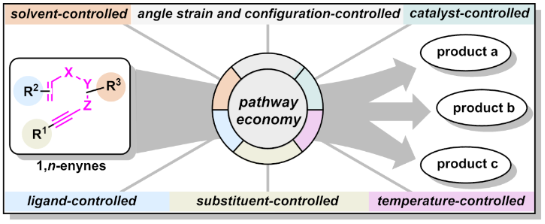
- featuring an isopropyl substituent was transformed to a carbene intermediate 121 via a gold-catalyzed 5-endo-dig cyclization. When the Ph3PAuCl/AgOTs system was used, indene derivative 122 was obtained by deprotonation (Scheme 25, path a). In contrast, 1,2-hydrogen migration was favored using the Ph3PAuCl

Graphical Abstract

Scheme 1: Economical synthesis and pathway economy.

Scheme 2: Au(I)-catalyzed cascade cyclization paths of 1,5-enynes.

Scheme 3: Au(I)-catalyzed cyclization paths of 1,7-enynes.

Scheme 4: I2/TBHP-mediated radical cycloisomerization paths of 1,n-enyne.

Scheme 5: Au(I)-catalyzed cycloisomerization paths of 3-allyloxy-1,6-diynes.

Scheme 6: Pd(II)-catalyzed cycloisomerization paths of 2-alkynylbenzoate-cyclohexadienone.

Scheme 7: Stereoselective cyclization of 1,5-enynes.

Scheme 8: Substituent-controlled cycloisomerization of propargyl vinyl ethers.

Scheme 9: Au(I)-catalyzed pathway-controlled domino cyclization of 1,2-diphenylethynes.

Scheme 10: Au(I)-catalyzed tandem cyclo-isomerization of tryptamine-N-ethynylpropiolamide.

Scheme 11: Au(I)-catalyzed tunable cyclization of 1,6-cyclohexenylalkyne.

Scheme 12: Substituent-controlled 7-exo- and 8-endo-dig-selective cyclization of 2-propargylaminobiphenyl deri...

Scheme 13: BiCl3-catalyzed cycloisomerization of tryptamine-ynamide derivatives.

Scheme 14: Au(I)-mediated substituent-controlled cycloisomerization of 1,6-enynes.

Scheme 15: Ligand-controlled regioselective cyclization of 1,6-enynes.

Scheme 16: Ligand-dependent cycloisomerization of 1,7-enyne esters.

Scheme 17: Ligand-controlled cycloisomerization of 1,5-enynes.

Scheme 18: Ligand-controlled cyclization strategy of alkynylamide tethered alkylidenecyclopropanes.

Scheme 19: Ag(I)-mediated pathway-controlled cycloisomerization of tryptamine-ynamides.

Scheme 20: Gold-catalyzed cycloisomerization of indoles with alkynes.

Scheme 21: Catalyst-dependent cycloisomerization of dienol silyl ethers.

Scheme 22: Cycloisomerization of aromatic enynes governed by catalyst.

Scheme 23: Catalyst-dependent 1,2-migration in cyclization of 1-(indol-2-yl)-3-alkyn-1-ols.

Scheme 24: Gold-catalyzed cycloisomerization of N-propargyl-N-vinyl sulfonamides.

Scheme 25: Gold(I)-mediated enantioselective cycloisomerizations of ortho-(alkynyl)styrenes.

Scheme 26: Catalyst-controlled intramolecular cyclization of 1,7-enynes.

Scheme 27: Brønsted acid-catalyzed cycloisomerizations of tryptamine ynamides.

Scheme 28: Catalyst-controlled cyclization of indolyl homopropargyl amides.

Scheme 29: Angle strain-dominated 6-endo-trig cyclization of propargyl vinyl ethers.

Scheme 30: Angle strain-controlled cycloisomerization of alkyn-tethered indoles.

Scheme 31: Geometrical isomeration-dependent cycloisomerization of 1,3-dien-5-ynes.

Scheme 32: Temperature-controlled cyclization of 1,7-enynes.

Scheme 33: Cycloisomerizations of n-(o-ethynylaryl)acrylamides through temperature modulation.

Scheme 34: Temperature-controlled boracyclization of biphenyl-embedded 1,3,5-trien-7-ynes.
Thiadiazino-indole, thiadiazino-carbazole and benzothiadiazino-carbazole dioxides: synthesis, physicochemical and early ADME characterization of representatives of new tri-, tetra- and pentacyclic ring systems and their intermediates
- Gyöngyvér Pusztai,
- László Poszávácz,
- Anna Vincze,
- András Marton,
- Ahmed Qasim Abdulhussein,
- Judit Halász,
- András Dancsó,
- Gyula Simig,
- György Tibor Balogh and
- Balázs Volk
Beilstein J. Org. Chem. 2025, 21, 2220–2233, doi:10.3762/bjoc.21.169
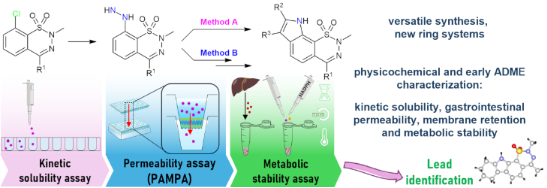
- water (5 mL) was added. The mixture was extracted with EtOAc (3 × 5 mL), washed with water (5 mL) and brine (5 mL), dried over MgSO4 and evaporated to give crude products 3 or 10, which were purified by recrystallization from isopropyl alcohol or by flash chromatography. Method B for the preparation of

Graphical Abstract

Figure 1: Phthalazinones 1, benzothiadiazine dioxides 2, and thiadiazinoindole dioxides 3.

Scheme 1: Synthesis of tri- and tetracyclic thiadiazinoindole dioxides 3.

Figure 2: 1H NMR and selective 1D NOESY (with the excitation of NH) spectra of (E)-7h.

Figure 3: 1H NMR and selective 1D NOESY (with the excitation of NH) spectra of (Z)-7h.

Scheme 2: Synthesis of pentacyclic compounds 10.

Figure 4: X-ray structures of compounds 3d (A), 7d (B), (Z)-7h (C), and (E)-9a (D).

Figure 5: The capacity factor (logk) vs calculated partition coefficients (clogP) by ACD Labs/Percepta [36]); the...
A m-quaterphenyl probe for absolute configurational assignments of primary and secondary amines
- Yuka Takeuchi,
- Mutsumi Kobayashi,
- Yuuka Gotoh,
- Mari Ikeda,
- Yoichi Habata,
- Tomohiko Shirai and
- Shunsuke Kuwahara
Beilstein J. Org. Chem. 2025, 21, 2211–2219, doi:10.3762/bjoc.21.168
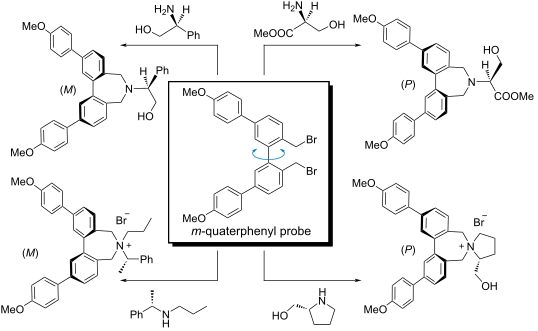
- )-2a. This inversion of Cotton effects is due to the difference in steric features between the two substituents of amines: methyl and hydroxymethyl group in (S)-2a, and isopropyl and hydroxymethyl group in (S)-2b. The CD spectra of 1–(S)-2-phenylglycinol conjugate (S)-2c showed the same sign for the

Graphical Abstract

Scheme 1: Coupling reaction of 1 and chiral primary and secondary amines. The central biphenyl moiety rotates...

Figure 1: CD and UV spectra of (a) tertiary amines (S)-2a–e and (b) quaternary ammonium salts (S)-2f,g and (R...

Figure 2: Schematic representation of the preferred conformation of (S)-2a.

Figure 3: Four major conformers of (S)-3a based on B3LYP/6-31G* level.

Figure 4: Four major conformers of (S)-3f based on B3LYP/6-31G* level.

Figure 5: The distribution of conformers of (S)-3a–h against dihedral angles ϕ (C6–C1–C1'–C6') calculated by ...

Figure 6: Crystal structure of (S)-2b. Four conformers exist in the unit cell. Hydrogen atoms are omitted for...

Figure 7: The relationship between the ACD values and excess of P conformer. Excess of P conformer (%) = ([P]...
Bioinspired total syntheses of natural products: a personal adventure
- Zhengyi Qin,
- Yuting Yang,
- Nuran Yan,
- Xinyu Liang,
- Zhiyu Zhang,
- Yaxuan Duan,
- Huilin Li and
- Xuegong She
Beilstein J. Org. Chem. 2025, 21, 2048–2061, doi:10.3762/bjoc.21.160
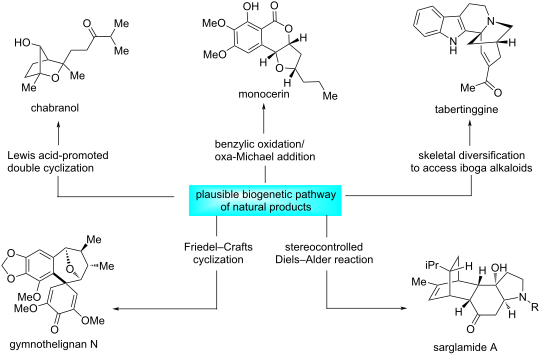
- catalytic asymmetric methods [26], we intended to probe this biomimetic oxidative cyclization transformation [27][28]. In 2013, we first used monocerin as a model target molecule to initiate our study (Scheme 3a). Starting from benzaldehyde 11 with an isopropyl group on the hydroxy group in 4-position
- unreacted, which released the secondary alcohol, followed by BCl3-promoted selective cleavage of the isopropyl and one methyl protection ultimately furnished thenatural product fusarentin 6-methyl ether. With fusarentin 6-methyl ether in hand, we explored the bioinspired oxidation/oxa-Michael addition. This
- proposal is that toussaintine C was isolated as a racemic mixture, and sarglamides A and B are derived from one enantiomer of toussaintine C while sarglamides C–E are derived from the other one. The Diels–Alder cycloadditions are basically proceeded through endo-selectivity. The isopropyl group in α

Graphical Abstract

Figure 1: Representative natural products with biomimetic total synthesis.

Scheme 1: Bioinspired total synthesis of chabranol (2010).

Scheme 2: Proposed biosynthetic pathway of monocerin-family natural products.

Scheme 3: Bioinspired total synthesis of monocerin-family molecules (2013).
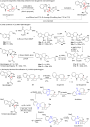
Scheme 4: Bioinspired skeletal diversification of (12-MeO-)tabertinggine (2016).

Scheme 5: Structures and our proposed biosynthetic pathway of gymnothelignans.

Scheme 6: Bioinspired total synthesis of gymnothelignans (2014–2025).
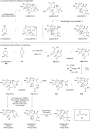
Scheme 7: Bioinspired total synthesis of sarglamides (2025).
Enantioselective desymmetrization strategy of prochiral 1,3-diols in natural product synthesis
- Lihua Wei,
- Rui Yang,
- Zhifeng Shi and
- Zhiqiang Ma
Beilstein J. Org. Chem. 2025, 21, 1932–1963, doi:10.3762/bjoc.21.151
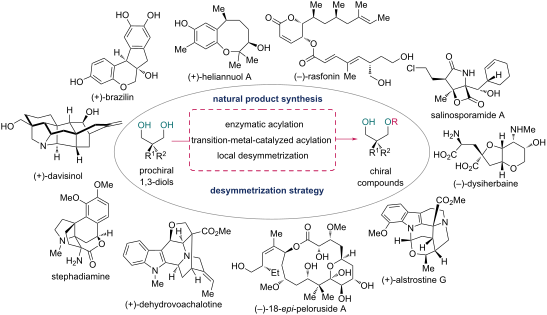
- diol 158, the ligand with only isopropyl substitution at C4 proved effective with suitable size for the substrate–catalyst coordination. A subsequent two-step sequence enabled the sythesis of olefinic carbamate 161 from benzoate 160. Treatment of 161 with Hg(CF3CO2)2 induced mercuriocyclization

Graphical Abstract

Scheme 1: General mechanism of a lipase-catalyzed esterification.

Scheme 2: Shishido’s synthesis of (−)-xanthorrhizol (4) and (+)-heliannuol D (8).

Scheme 3: Shishido’s synthesis of a) (−)-heliannuol A (15) and b) heliannuol G (20) and heliannuol H (21).

Scheme 4: Deska’s synthesis of hyperione A (30) and ent-hyperione B (31).

Scheme 5: Huang’s synthesis of (+)-brazilin (37).

Scheme 6: Shishido’s synthesis of (−)-heliannuol D (42) and (+)-heliannuol A (43).

Scheme 7: Chênevert’s synthesis of (S)-α-tocotrienol (49).

Scheme 8: Kita’s synthesis of monoester 53.

Scheme 9: Kita’s synthesis of fredericamycin A (60).

Scheme 10: Takabe’s synthesis of (E)-3,7-dimethyl-2-octene-1,8-diol (64).

Scheme 11: Takabe’s synthesis of (18S)-variabilin (70).

Scheme 12: Kawasaki’s synthesis of (S)-Rosaphen (74) and (R)-Rosaphen (75).

Scheme 13: Tokuyama’s synthesis of a) (−)-petrosin (84) and b) (+)-petrosin (86).

Scheme 14: Fukuyama’s synthesis of leustroducsin B (96).
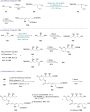
Scheme 15: Nanda’s synthesis of a) fragment 100, b) fragment 106 and c) (−)-rasfonin (109).

Scheme 16: Davies’ synthesis of (+)-pilocarpine (115) and (+)-isopilocarpine (116).

Scheme 17: Ōmura’s synthesis of salinosporamide A (125).

Scheme 18: Kang’s synthesis of ʟ-cladinose (124) and its derivative.

Scheme 19: Kang’s preparation of fragment 139.
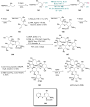
Scheme 20: Kang’s synthesis of azithromycin (149).

Scheme 21: Kang’s synthesis of (−)-dysiherbaine (156).

Scheme 22: Kang’s synthesis of (−)-kaitocephalin (166).

Scheme 23: Kang’s synthesis of laidlomycin (180).

Scheme 24: Snyder’s synthesis of arboridinine (190).
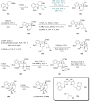
Scheme 25: Ma’s synthesis of (+)-alstrostine G (203).
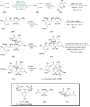
Scheme 26: Trost’s synthesis of (−)-18-epi-peloruside A (215).

Scheme 27: Lindel’s synthesis of (–)-dihydroraputindole (223).

Scheme 28: Iwata’s synthesis of a) (−)-talaromycin B (232) and b) (+)-talaromycin A (235).

Scheme 29: Cook’s synthesis of a) (−)-vincamajinine (240) and b) (−)-11-methoxy-17-epivincamajine (245).

Scheme 30: Cook’s synthesis of (+)-dehydrovoachalotine (249) and voachalotine (250).
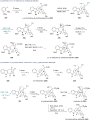
Scheme 31: Cook’s synthesis of a) (−)-12-methoxy-Nb-methylvoachalotine (257) and b) (+)-polyneuridine, macusin...

Scheme 32: Trauner’s synthesis of stephadiamine (273).

Scheme 33: Garg’s synthesis of (–)-ψ-akuammigine (285).

Scheme 34: Ding’s synthesis of (+)-18-benzoyldavisinol (293) and (+)-davisinol (294).
Systematic pore lipophilization to enhance the efficiency of an amine-based MOF catalyst in the solvent-free Knoevenagel reaction
- Pricilla Matseketsa,
- Margret Kumbirayi Ruwimbo Pagare and
- Tendai Gadzikwa
Beilstein J. Org. Chem. 2025, 21, 1854–1863, doi:10.3762/bjoc.21.144
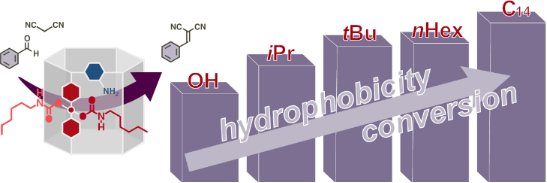
- functionalized MOFs to the Knoevenagel condensation reaction. A well-defined MOF material composed of both amine- and hydroxy-bearing linkers was reacted with a series of aliphatic isocyanates (isopropyl, tert-butyl, n-hexyl, and tetradecyl) and, incongruously, was found to preferentially react at the hydroxy
- the amine group would function as the catalytic unit for the Knoevenagel reaction, while the hydroxy group would serve as a handle through which we would tune the lipophilicity of the catalyst. Recently, we found that isopropyl isocyanate reacts preferentially at the DPG hydroxy groups of KSU-1 [46
- whose pores are uniformly decorated with different lipophilic groups (Figure 2A). Using this strategy, we quantitatively functionalized the –OH groups of KSU-1 with isopropyl and tert-butyl isocyanate. While primary isocyanates were less selective, starting to react at the amines before the hydroxy

Graphical Abstract

Figure 1: Schematic representation of the modulation of MOF pore environments. A) de novo synthesis of severa...

Figure 2: A) Schematic representation of the reaction of KSU-1 with aliphatic isocyanates and the estimated c...

Scheme 1: Probable mechanisms for the Knoevenegel condensation reaction between benzaldehyde and malononitril...

Figure 3: A) Schematic representation of the reaction between benzaldehyde and malononitrile to form benzylid...

Figure 4: Graphical representation of the Knoevenagel catalysis results. A) Comparison of the reaction in tol...

Figure 5: Left: comparison of BMN and HPMM protons in 1H NMR spectra. Note that the peaks corresponding to HP...
Photoswitches beyond azobenzene: a beginner’s guide
- Michela Marcon,
- Christoph Haag and
- Burkhard König
Beilstein J. Org. Chem. 2025, 21, 1808–1853, doi:10.3762/bjoc.21.143

Graphical Abstract

Figure 1: Energy diagram of a two-state photoswitch. Figure 1 was redrawn from [2].

Figure 2: Example of the absorption spectra of the isomers of a photoswitch with most efficient irradiation w...

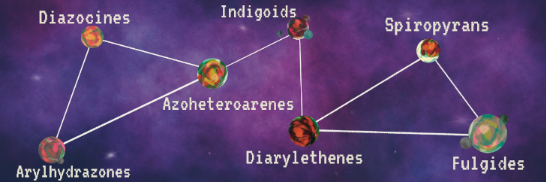
Scheme 1: Photoswitch classes described in this review.

Figure 3: Azoheteroarenes.

Scheme 2: E–Z Isomerisation (top) and mechanisms of thermal Z–E isomerisation (bottom).

Scheme 3: Rotation mechanism favoured by the electron displacement in push–pull systems. Selected examples of...

Figure 4: A) T-shaped and twisted Z-isomers determine the thermal stability and the Z–E-PSS (selected example...

Figure 5: Effect of di-ortho-substitution on thermal half-life and PSS.

Figure 6: Selected thermal lifetimes of azoindoles in different solvents and concentrations. aConcentration o...

Figure 7: Aryliminopyrazoles: N-pyrazoles (top) and N-phenyl (bottom).

Scheme 4: Synthesis of symmetrical heteroarenes through oxidation (A), reduction (B), and the Bayer–Mills rea...

Scheme 5: Synthesis of diazonium salt (A); different strategies of azo-coupling: with a nucleophilic ring (B)...

Scheme 6: Synthesis of arylazothiazoles 25 (A) and heteroaryltriazoles 28 (B).

Scheme 7: Synthesis of heteroarylimines 31a,b [36-38].

Figure 8: Push–pull non-ionic azo dye developed by Velasco and co-workers [45].

Scheme 8: Azopyridine reported by Herges and co-workers [46].

Scheme 9: Photoinduced phase transitioning azobispyrazoles [47].

Figure 9: Diazocines.

Scheme 10: Isomers, conformers and enantiomers of diazocine.

Scheme 11: Partial overlap of the ππ* band with electron-donating substituents and effect on the PSS. Scheme 11 was ada...

Figure 10: Main properties of diazocines with different bridges. aMeasured in n-hexane [56]. bMeasured in THF. cMe...

Scheme 12: Synthesis of symmetric diazocines.

Scheme 13: Synthesis of asymmetric diazocines.

Scheme 14: Synthesis of O- and S-heterodiazocines.

Scheme 15: Synthesis of N-heterodiazocines.

Scheme 16: Puromycin diazocine photoswitch [60].

Figure 11: Indigoids.

Figure 12: The main representatives of the indigoid photoswitch class.

Scheme 17: Deactivation process that prevents Z-isomerisation of indigo.

Figure 13: Stable Z-indigo derivative synthesised by Wyman and Zenhäusern [67].

Figure 14: Selected examples of indigos with aliphatic and aromatic substituents [68]. Dashed box: proposed π–π in...

Scheme 18: Resonance structures of indigo and thioindigo involving the phenyl ring.

Scheme 19: Possible deactivation mechanism for 4,4'-dihydroxythioindigo [76].

Scheme 20: Effect of different heteroaryl rings on the stability and the photophysical properties of hemiindig...

Figure 15: Thermal half-lives of red-shifted hemithioindigos in toluene [79]. aMeasured in toluene-d8.

Scheme 21: Structures of pyrrole [81] and imidazole hemithioindigo [64].

Figure 16: Examples of fully substituted double bond hemithioindigo (left), oxidised hemithioindigos (centre),...

Scheme 22: Structure of iminothioindoxyl 72 (top) and acylated phenyliminoindolinone photoswitch 73 (bottom). ...

Scheme 23: (top) Transition states of iminothioindoxyl 72. The planar transition state is associated with a lo...

Scheme 24: Baeyer–Drewsen synthesis of indigo (top) and N-functionalisation strategies (bottom).

Scheme 25: Synthesis of hemiindigo.

Scheme 26: Synthesis of hemithioindigo and iminothioindoxyl.

Scheme 27: Synthesis of double-bond-substituted hemithioindigos.

Scheme 28: Synthesis of phenyliminoindolinone.

Scheme 29: Hemithioindigo molecular motor [85].

Figure 17: Arylhydrazones.

Scheme 30: Switching of arylhydrazones. Note: The definitions of stator and rotor are arbitrary.

Scheme 31: Photo- and acidochromism of pyridine-based phenylhydrazones.

Scheme 32: A) E–Z thermal inversion of a thermally stable push–pull hydrazone [109]. B) Rotation mechanism favoured...

Scheme 33: Effect of planarisation on the half-life.

Scheme 34: The longest thermally stable hydrazone switches reported so far (left). Modulation of thermal half-...

Figure 18: Dependency of t1/2 on concentration and hypothesised aggregation-induced isomerisation.

Figure 19: Structure–property relationship of acylhydrazones.

Scheme 35: Synthesis of arylhydrazones.

Scheme 36: Synthesis of acylhydrazones.

Scheme 37: Photoswitchable fluorophore by Aprahamian et al. [115].

Scheme 38: The four-state photoswitch synthesised by the Cigáň group [116].

Figure 20: Diarylethenes.

Scheme 39: Isomerisation and oxidation pathway of E-stilbene to phenanthrene.

Scheme 40: Strategies adapted to avoid E–Z isomerisation and oxidation.
Scheme 41: Molecular orbitals and mechanism of electrocyclisation for a 6π system.

Figure 21: Aromatic stabilisation energy correlated with the thermal stability of the diarylethenes [127,129].

Figure 22: Half-lives of diarylethenes with increasing electron-withdrawing groups [128,129].

Scheme 42: Photochemical degradation pathway promoted by electron-donating groups [130].

Figure 23: The diarylethenes studied by Hanazawa et al. [134]. Increased rigidity leads to bathochromic shift.

Scheme 43: The dithienylethene synthesised by Nakatani's group [135].

Scheme 44: Synthesis of perfluoroalkylated diarylethenes.

Scheme 45: Synthesis of 139 and 142 via McMurry coupling.

Scheme 46: Synthesis of symmetrical derivatives 145 via Suzuki–Miyaura coupling.

Scheme 47: Synthesis of acyclic 148, malonic anhydride 149, and maleimide derivatives 154.

Figure 24: Gramicidin S (top left) and two of the modified diarylethene derivatives: first generation (bottom ...

Scheme 48: Pyridoxal 5'-phosphate and its reaction with an amino acid (top). The analogous dithienylethene der...

Figure 25: Fulgides.

Scheme 49: The three isomers of fulgides.

Scheme 50: Thermal and photochemical side products of unsubstituted fulgide [150].

Figure 26: Maximum absorption λc of the closed isomer compared with the nature of the aromatic ring and the su...

Scheme 51: Possible rearrangement of the excited state of 5-dimethylaminoindolylfulgide [153].

Figure 27: Quantum yields of ring closure (ΦE→C) and E–Z isomerisation (ΦE→Z) correlated with the increasing s...

Scheme 52: Active (Eα) and inactive (Eβ) conformers (left) and the bicyclic sterically blocked fulgide 169 (ri...

Scheme 53: Quantum yield of ring-opening (ΦC→E) and E–Z isomerisation (ΦE→Z) for different substitution patter...

Scheme 54: Stobbe condensation pathway for the synthesis of fulgides 179, fulgimides 181 and fulgenates 178.

Scheme 55: Alternative synthesis of fulgides through Pd-catalysed carbonylation.

Scheme 56: Optimised synthesis of fulgimides [166].

Scheme 57: Photoswitchable FRET with a fulgimide photoswitch [167].

Scheme 58: Three-state fulgimide strategy by Slanina's group.

Figure 28: Spiropyrans.

Scheme 59: Photochemical (left) and thermal (right) ring-opening mechanisms for an exemplary spiropyran with a...

Figure 29: Eight possible isomers of the open merocyanine according to the E/Z configurations of the bonds hig...

Scheme 60: pH-Controlled photoisomerisation between the closed spiropyran 191-SP and the open E-merocyanine 19...

Scheme 61: Behaviour of spiropyran in water buffer according to Andréasson and co-workers [180]. 192-SP in an aqueo...

Scheme 62: (left box) Proposed mechanism of basic hydrolysis of MC [184]. (right box) Introduction of electron-dona...

Scheme 63: Photochemical interconversion of naphthopyran 194 (top) and spirooxazine 195 (bottom) photoswitches...

Scheme 64: Synthesis of spiropyrans and spirooxazines 198 and the dicondensation by-product 199.

Scheme 65: Alternative synthesis of spiropyrans and spirooxazines with indolenylium salt 200.

Scheme 66: Synthesis of 4’-substituted spiropyrans 203 by condensation of an acylated methylene indoline 201 w...

Scheme 67: Synthesis of spironaphthopyrans 210 by acid-catalysed condensation of naphthols and diarylpropargyl...

Scheme 68: Photoswitchable surface wettability [194].

Figure 30: Some guiding principles for the choice of the most suitable photoswitch. Note that this guide is ve...
3,3'-Linked BINOL macrocycles: optimized synthesis of crown ethers featuring one or two BINOL units
- Somayyeh Kheirjou,
- Jan Riebe,
- Maike Thiele,
- Christoph Wölper and
- Jochen Niemeyer
Beilstein J. Org. Chem. 2025, 21, 1719–1729, doi:10.3762/bjoc.21.134
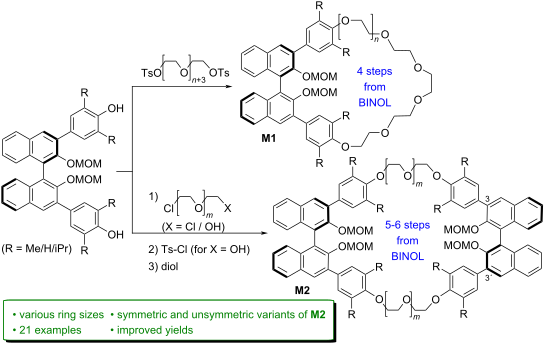
- on the macrocycle formation. In comparison to the Me-derivative Me-2, both the unsubstituted diol H-2 and the isopropyl derivative iPr-2 gave generally lower yields for the smaller macrocycles (11/30/32% for H-M15/6/7, 20/41/46% for iPr-M15/6/7), while the yields for the largest macrocycles H/iPr-M18
- units were attached to the BINOL backbone via differently substituted phenylene linkers, either featuring two methyl groups, two isopropyl groups, or no additional substituent. First, we could show that the corresponding diols Me/H/iPr-2 can be transformed into the corresponding mono-BINOL macrocycles

Graphical Abstract

Figure 1: a–d) Selected structures of previously reported BINOL-based crown ether macrocycles; e) previous sy...

Figure 2: Optimized synthetic routes towards 3,3'-substituted BINOL crown ethers (this work).

Figure 3: Synthetic routes towards macrocycles featuring one BINOL unit. a) Two-fold Suzuki coupling and b) t...

Figure 4: Molecular structure of macrocycle (R)-Me-M16 in the solid state (hydrogen atoms are omitted for cla...

Figure 5: Initially attempted route towards bis-BINOL macrocycles based on precursors Me-36 or Me-46. Conditi...

Figure 6: Synthetic route towards macrocycles featuring two BINOL units linked via hexaethylene glycol spacer...

Figure 7: Synthetic route towards macrocycles featuring two BINOL units linked via diethylene glycol spacers....

Figure 8: 1H NMR spectra of a) (S,S)-H-M22, b) (S,S)-iPr-M22, c) (S,S)-HiPr-M22, and d) (R,S)-HiPr-M22 (all: ...
Reactions of acryl thioamides with iminoiodinanes as a one-step synthesis of N-sulfonyl-2,3-dihydro-1,2-thiazoles
- Vladimir G. Ilkin,
- Pavel S. Silaichev,
- Valeriy O. Filimonov,
- Tetyana V. Beryozkina,
- Margarita D. Likhacheva,
- Pavel A. Slepukhin,
- Wim Dehaen and
- Vasiliy A. Bakulev
Beilstein J. Org. Chem. 2025, 21, 1397–1403, doi:10.3762/bjoc.21.104
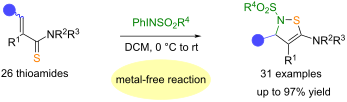
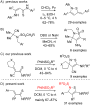
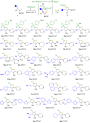
- , pyridinyl, furyl, isopropyl, and cyclohexyl substituents were introduced into position 3; cyano and various carbonyl groups were added to position 4 and cyclic amine residues were added to position 5 which increase the solubility of the synthesized compounds 3 (Scheme 2). An analysis of the yields of

Graphical Abstract

Figure 1: Representatives of biologically active 1,2-thiazoles.
Scheme 1: Synthesis of 2,5-dihydro-1,2-thiazoles.
Scheme 2: Synthesis of 2,3-dihydro-N-sulfonyl-1,2-thiazoles 3. Conditions: aMethod A: thioamide 1 (1.0 equiv)...

Figure 2: Compound 3aa in thermal ellipsoids 50% probability.
Recent advances in oxidative radical difunctionalization of N-arylacrylamides enabled by carbon radical reagents
- Jiangfei Chen,
- Yi-Lin Qu,
- Ming Yuan,
- Xiang-Mei Wu,
- Heng-Pei Jiang,
- Ying Fu and
- Shengrong Guo
Beilstein J. Org. Chem. 2025, 21, 1207–1271, doi:10.3762/bjoc.21.98
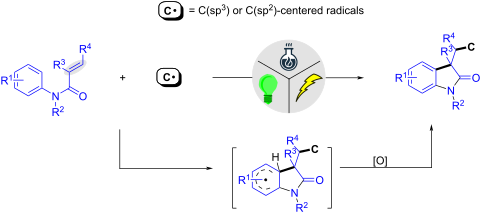
- -substituted acrylamides. Compounds such as N-methyl, N-ethyl, N-isopropyl, N-phenyl, and N-benzyl-substituted acrylamides were efficiently transformed into products 37a–e under the optimized conditions. However, substrates with strong electron-withdrawing groups, such as those bearing nitro substituents (37f
- . The results indicated that the N-protecting group had little impact on the reaction’s efficiency, and various substrates (e.g., methyl, benzyl, isopropyl) were effectively converted to their respective target products 50a–c. Moreover, benzene rings bearing different substituents, whether electron
- mild conditions, utilizing blue LED light (440–450 nm) as the light source, and achieved good yields ranging from 44% to 99%. The substrate scope was thoroughly explored, demonstrating broad compatibility with various functional groups. Both electron-donating (e.g., methyl, isopropyl, tert-butyl) (78a

Graphical Abstract

Scheme 1: DTBP-mediated oxidative alkylarylation of activated alkenes.

Scheme 2: Iron-catalyzed oxidative 1,2-alkylarylation.

Scheme 3: Possible mechanism for the iron-catalyzed oxidative 1,2-alkylation of activated alkenes.

Scheme 4: A metal-free strategy for synthesizing 3,3-disubstituted oxindoles.

Scheme 5: Iminoxyl radical-promoted cascade oxyalkylation/alkylarylation of alkenes.

Scheme 6: Proposed mechanism for the iminoxyl radical-promoted cascade oxyalkylation/alkylarylation of alkene...

Scheme 7: Bicyclization of 1,n-enynes with alkyl nitriles.

Scheme 8: Possible reaction mechanism for the bicyclization of 1,n-enynes with alkyl nitriles.

Scheme 9: Radical cyclization of N-arylacrylamides with isocyanides.

Scheme 10: Plausible mechanism for the radical cyclization of N-arylacrylamides with isocyanides.

Scheme 11: Electrochemical dehydrogenative cyclization of 1,3-dicarbonyl compounds.

Scheme 12: Plausible mechanism for the dehydrogenative cyclization of 1,3-dicarbonyl compounds.

Scheme 13: Photocatalyzed cyclization of N-arylacrylamide and N,N-dimethylaniline.

Scheme 14: Proposed mechanism for the photocatalyzed cyclization of N-arylacrylamides and N,N-dimethylanilines....

Scheme 15: Electrochemical monofluoroalkylation cyclization of N-arylacrylamides with dimethyl 2-fluoromalonat...
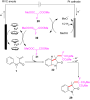
Scheme 16: Proposed mechanism for the electrochemical radical cyclization of N-arylacrylamides with dimethyl 2...

Scheme 17: Photoelectrocatalytic carbocyclization of unactivated alkenes using simple malonates.

Scheme 18: Plausible mechanism for the photoelectrocatalytic carbocyclization of unactivated alkenes with simp...

Scheme 19: Bromide-catalyzed electrochemical trifluoromethylation/cyclization of N-arylacrylamides.

Scheme 20: Proposed mechanism for the electrochemical trifluoromethylation/cyclization of N-arylacrylamides.

Scheme 21: Visible light-mediated trifluoromethylarylation of N-arylacrylamides.

Scheme 22: Plausible reaction mechanism for the visible light-mediated trifluoromethylarylation of N-arylacryl...

Scheme 23: Electrochemical difluoroethylation cyclization of N-arylacrylamides with sodium difluoroethylsulfin...

Scheme 24: Electrochemical difluoroethylation cyclization of N-methyacryloyl-N-alkylbenzamides with sodium dif...

Scheme 25: Photoredox-catalyzed radical aryldifluoromethylation of N-arylacrylamides with S-(difluoromethyl)su...

Scheme 26: Proposed mechanism for the photoredox-catalyzed radical aryldifluoromethylation of N-arylacrylamide...

Scheme 27: Visible-light-induced domino difluoroalkylation/cyclization of N-cyanamide alkenes.

Scheme 28: Proposed mechanism of photoredox-catalyzed radical domino difluoroalkylation/cyclization of N-cyana...

Scheme 29: Palladium-catalyzed oxidative difunctionalization of alkenes.

Scheme 30: Two possible mechanisms of palladium-catalyzed oxidative difunctionalization.

Scheme 31: Silver-catalyzed oxidative 1,2-alkyletherification of unactivated alkenes with α-bromoalkylcarbonyl...

Scheme 32: Photochemical radical cascade cyclization of dienes.

Scheme 33: Proposed mechanism for the photochemical radical cascade 6-endo cyclization of dienes with α-carbon...

Scheme 34: Photocatalyzed radical coupling/cyclization of N-arylacrylamides and.

Scheme 35: Photocatalyzed radical-type couplings/cyclization of N-arylacrylamides with sulfoxonium ylides.

Scheme 36: Possible mechanism of visible-light-induced radical-type couplings/cyclization of N-arylacrylamides...
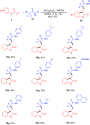
Scheme 37: Visible-light-promoted difluoroalkylated oxindoles systhesis via EDA complexes.

Scheme 38: Possible mechanism for the visible-light-promoted radical cyclization of N-arylacrylamides with bro...

Scheme 39: A dicumyl peroxide-initiated radical cascade reaction of N-arylacrylamide with DCM.

Scheme 40: Possible mechanism of radical cyclization of N-arylacrylamides with DCM.

Scheme 41: An AIBN-mediated radical cascade reaction of N-arylacrylamides with perfluoroalkyl iodides.

Scheme 42: Possible mechanism for the reaction with perfluoroalkyl iodides.

Scheme 43: Photoinduced palladium-catalyzed radical annulation of N-arylacrylamides with alkyl halides.

Scheme 44: Radical alkylation/cyclization of N-Alkyl-N-methacryloylbenzamides with alkyl halides.

Scheme 45: Possible mechanism for the alkylation/cyclization with unactivated alkyl chlorides.
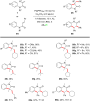
Scheme 46: Visible-light-driven palladium-catalyzed radical cascade cyclization of N-arylacrylamides with unac...

Scheme 47: NHC-catalyzed radical cascade cyclization of N-arylacrylamides with alkyl bromides.

Scheme 48: Possible mechanism of NHC-catalyzed radical cascade cyclization.

Scheme 49: Electrochemically mediated radical cyclization reaction of N-arylacrylamides with freon-type methan...

Scheme 50: Proposed mechanistic pathway of electrochemically induced radical cyclization reaction.

Scheme 51: Redox-neutral photoinduced radical cascade cylization of N-arylacrylamides with unactivated alkyl c...
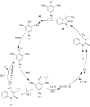
Scheme 52: Proposed mechanistic hypothesis of redox-neutral radical cascade cyclization.

Scheme 53: Thiol-mediated photochemical radical cascade cylization of N-arylacrylamides with aryl halides.

Scheme 54: Proposed possible mechanism of thiol-mediated photochemical radical cascade cyclization.

Scheme 55: Visible-light-induced radical cascade bromocyclization of N-arylacrylamides with NBS.

Scheme 56: Possible mechanism of visible-light-induced radical cascade cyclization.

Scheme 57: Decarboxylation/radical C–H functionalization by visible-light photoredox catalysis.

Scheme 58: Plausible mechanism of visible-light photoredox-catalyzed radical cascade cyclization.

Scheme 59: Visible-light-promoted tandem radical cyclization of N-arylacrylamides with N-(acyloxy)phthalimides....

Scheme 60: Plausible mechanism for the tandem radical cyclization reaction.

Scheme 61: Visible-light-induced aerobic radical cascade alkylation/cyclization of N-arylacrylamides with alde...

Scheme 62: Plausible mechanism for the aerobic radical alkylarylation of electron-deficient amides.

Scheme 63: Oxidative decarbonylative [3 + 2]/[5 + 2] annulation of N-arylacrylamide with vinyl acids.

Scheme 64: Plausible mechanism for the decarboxylative (3 + 2)/(5 + 2) annulation between N-arylacrylamides an...

Scheme 65: Rhenium-catalyzed alkylarylation of alkenes with PhI(O2CR)2.

Scheme 66: Plausible mechanism for the rhenium-catalyzed decarboxylative annulation of N-arylacrylamides with ...

Scheme 67: Visible-light-induced one-pot tandem reaction of N-arylacrylamides.

Scheme 68: Plausible mechanism for the visible-light-initiated tandem synthesis of difluoromethylated oxindole...

Scheme 69: Copper-catalyzed redox-neutral cyanoalkylarylation of activated alkenes with cyclobutanone oxime es...

Scheme 70: Plausible mechanism for the copper-catalyzed cyanoalkylarylation of activated alkenes.

Scheme 71: Photoinduced alkyl/aryl radical cascade for the synthesis of quaternary CF3-attached oxindoles.

Scheme 72: Plausible photoinduced electron-transfer (PET) mechanism.

Scheme 73: Photoinduced cerium-mediated decarboxylative alkylation cascade cyclization.

Scheme 74: Plausible reaction mechanism for the decarboxylative radical-cascade alkylation/cyclization.

Scheme 75: Metal-free oxidative tandem coupling of activated alkenes.

Scheme 76: Control experiments and possible mechanism for 1,2-carbonylarylation of alkenes with carbonyl C(sp2...

Scheme 77: Silver-catalyzed acyl-arylation of activated alkenes with α-oxocarboxylic acids.

Scheme 78: Proposed mechanism for the decarboxylative acylarylation of acrylamides.

Scheme 79: Visible-light-mediated tandem acylarylation of olefines with carboxylic acids.

Scheme 80: Proposed mechanism for the radical cascade cyclization with acyl radical via visible-light photored...

Scheme 81: Erythrosine B-catalyzed visible-light photoredox arylation-cyclization of N-arylacrylamides with ar...

Scheme 82: Electrochemical cobalt-catalyzed radical cyclization of N-arylacrylamides with arylhydrazines or po...

Scheme 83: Proposed mechanism of radical cascade cyclization via electrochemical cobalt catalysis.

Scheme 84: Copper-catalyzed oxidative tandem carbamoylation/cyclization of N-arylacrylamides with hydrazinecar...

Scheme 85: Proposed reaction mechanism for the radical cascade cyclization by copper catalysis.

Scheme 86: Visible-light-driven radical cascade cyclization reaction of N-arylacrylamides with α-keto acids.

Scheme 87: Proposed mechanism of visible-light-driven cascade cyclization reaction.

Scheme 88: Peroxide-induced radical carbonylation of N-(2-methylallyl)benzamides with methyl formate.

Scheme 89: Proposed cyclization mechanism of peroxide-induced radical carbonylation with N-(2-methylallyl)benz...

Scheme 90: Persulfate promoted carbamoylation of N-arylacrylamides and N-arylcinnamamides.

Scheme 91: Proposed mechanism for the persulfate promoted radical cascade cyclization reaction of N-arylacryla...
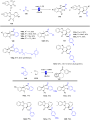
Scheme 92: Photocatalyzed carboacylation with N-arylpropiolamides/N-alkyl acrylamides.

Scheme 93: Plausible mechanism for the photoinduced carboacylation of N-arylpropiolamides/N-alkyl acrylamides.

Scheme 94: Electrochemical Fe-catalyzed radical cyclization with N-arylacrylamides.

Scheme 95: Plausible mechanism for the electrochemical Fe-catalysed radical cyclization of N-phenylacrylamide.

Scheme 96: Substrate scope of the selective functionalization of various α-ketoalkylsilyl peroxides with metha...

Scheme 97: Proposed reaction mechanism for the Fe-catalyzed reaction of alkylsilyl peroxides with methacrylami...

Scheme 98: EDA-complex mediated C(sp2)–C(sp3) cross-coupling of TTs and N-methyl-N-phenylmethacrylamides.

Scheme 99: Proposed mechanism for the synthesis of oxindoles via EDA complex.
A multicomponent reaction-initiated synthesis of imidazopyridine-fused isoquinolinones
- Ashutosh Nath,
- John Mark Awad and
- Wei Zhang
Beilstein J. Org. Chem. 2025, 21, 1161–1169, doi:10.3762/bjoc.21.92
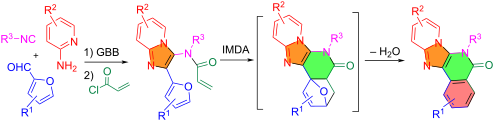
- formation of 8a,h,l,m,n and 8r (68–85%), R3 = phenyl resulted in 8b,g and 8q in 78–82% yields, R3 = isopropyl and cyclopentene gave 8c,f,p and 8d in greater than 70% yields, and R3 = 2-morpholinoethyl gave 8e,i and 8s in 60–76% yields. The energy status for the transformation of compound 6a to 8a was

Graphical Abstract

Figure 1: Bioactive compounds bearing imidazopyridine (red) and isoquinolinone-kind (blue) rings.

Scheme 1: GBB-initiated synthesis of imidazopyridine-fused isoquinolinones.

Scheme 2: GBB reaction and N-acylation for the preparation of imidazo[1,2-a]pyridines 6.
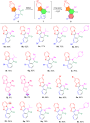
Scheme 3: Substrate scope for IMDA and dehydrative aromatization in making 8. Reaction conditions: 6 and AlCl3...
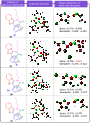
Figure 2: Transition state analysis of IMDA reactions for 6a, 6j, 6h and 6r.

Figure 3: Relative energy diagram for the synthesis of 8a from 6a.

Scheme 4: Using thiophene-2-carbaldehyde for the synthesis of 8t.

Scheme 5: Proposed mechanisms for IMDA reaction and dehydration re-aromatization.
Gold extraction at the molecular level using α- and β-cyclodextrins
- Susana Santos Braga
Beilstein J. Org. Chem. 2025, 21, 1116–1125, doi:10.3762/bjoc.21.89
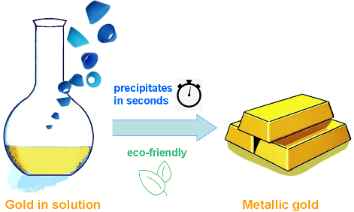
- , led to the quick formation of co-precipitates when added to aqueous solutions of β-CD and KAuBr4 (both at 5 mM): dibutyl carbitol, isopropyl ether, chloroform, dichloromethane, hexane, benzene, and toluene [51]. The most effective one was dibutyl carbitol (DBC), which caused 99.7% precipitation when

Graphical Abstract

Figure 1: Schematic depiction of the α-CD channels containing the polyionic {[K(OH2)6]+[AuBr4]−}n chain insid...

Figure 2: Complexes of α-CD with MAuBr4 salts. Left) Co-precipitation yields from aqueous solutions of α-CD (...

Figure 3: Crystal structures of the complexes of α-CD with KAuCN2 salts, with tubular representation for α-CD...

Figure 4: Solid-state structure of the complex 2β-CD·HAuBr4·DBC. (a) Capped-stick and space-filling represent...

Figure 5: Schematic depiction of the selective removal of AuCl4− and its precipitation as solid gold from e-w...
Salen–scandium(III) complex-catalyzed asymmetric (3 + 2) annulation of aziridines and aldehydes
- Linqiang Wang and
- Jiaxi Xu
Beilstein J. Org. Chem. 2025, 21, 1087–1094, doi:10.3762/bjoc.21.86
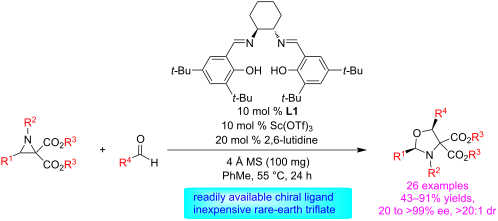
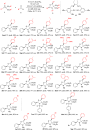
- -chlorophenyl)sulfonyl group presented low enantioselectivity. Next, aziridines 1e and 1f with methyl and isopropyl carboxylates also showed excellent enantioselectivities as the corresponding aziridine 1b with ethyl carboxylate groups. Finally, diethyl 3-(4-bromophenyl)-1-tosylaziridine-2,2-dicarboxylate (1g
- excesses were determined using chiral HPLC analysis using an Agilent 1260 LC instrument (Santa Clara, CA, USA) with Daicel Chiralcel AD-H column (Hyderabad, India) with a mixture of isopropyl alcohol and hexane as eluents. All liquid aldehydes were washed with saturated aqueous sodium bicarbonate solution

Graphical Abstract

Figure 1: Oxazolidine-containing bioactive compounds.

Scheme 1: Asymmetric catalytic synthetic methods of oxazolidine derivatives.
Scheme 2: Scope of aziridines and aldehydes.
Scheme 3: Proposed reaction mechanism.

Scheme 4: Gram-scale synthesis.
Recent advances in synthetic approaches for bioactive cinnamic acid derivatives
- Betty A. Kustiana,
- Galuh Widiyarti and
- Teni Ernawati
Beilstein J. Org. Chem. 2025, 21, 1031–1086, doi:10.3762/bjoc.21.85

Graphical Abstract

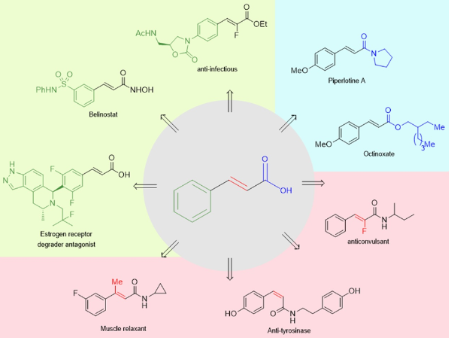
Figure 1: Biologically active cinnamic acid derivatives.

Scheme 1: General synthetic strategies for cinnamic acid derivatizations.

Scheme 2: Cinnamic acid coupling via isobutyl anhydride formation.
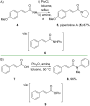
Scheme 3: Amidation reaction via O/N-pivaloyl activation.

Scheme 4: Cinnamic acid amidation using TCCA/PPh3 reagent.
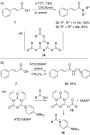
Scheme 5: Cinnamic acid amidation using triazine-based reagents.

Scheme 6: Cinnamic acid amidation using continuous flow mechanochemistry.

Scheme 7: Cinnamic acid amidation using COMU as coupling reagent.
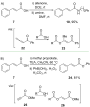
Scheme 8: Cinnamic acid amidation using allenone coupling reagent.

Scheme 9: Cinnamic acid amidation using 4-acetamidophenyl triflimide as reagent.

Scheme 10: Cinnamic acid amidation using methyltrimethoxysilane (MTM).

Scheme 11: Cinnamic acid amidation utilizing amine–borane reagent.

Scheme 12: Cinnamic acid amidation using TCCA/PPh3 reagent.

Scheme 13: Cinnamic acid amidation using PPh3/I2 reagent.

Scheme 14: Cinnamic acid amidation using PCl3 reagent.

Scheme 15: Cinnamic acid amidation utilizing pentafluoropyridine (PFP) as reagent.

Scheme 16: Cinnamic acid amidation using hypervalent iodine(III).

Scheme 17: Mechanochemical amidation using 1,1,2,2-tetrafluoroethyl-N,N-dimethylamine (TFEDMA) reagent.

Scheme 18: Methyl ester preparation using tris(2,4,6-trimethoxyphenyl)phosphine (TMPP).

Scheme 19: N-Trifluoromethyl amide preparation using isothiocyanate and AgF.

Scheme 20: POCl3-mediated amide coupling of carboxylic acid and DMF.

Scheme 21: O-Alkylation of cinnamic acid using alkylating agents.

Scheme 22: Glycoside preparation via Mitsunobu reaction.

Scheme 23: O/N-Acylation via rearrangement reactions.

Scheme 24: Amidation reactions using sulfur-based alkylating agents.

Scheme 25: Amidation reaction catalyzed by Pd0 via C–N cleavage.

Scheme 26: Amidation reaction catalyzed by CuCl/PPh3.

Scheme 27: Cu(II) triflate-catalyzed N-difluoroethylimide synthesis.

Scheme 28: Cu/Selectfluor-catalyzed transamidation reaction.

Scheme 29: CuO–CaCO3-catalyzed amidation reaction.

Scheme 30: Ni-catalyzed reductive amidation.

Scheme 31: Lewis acidic transition-metal-catalyzed O/N-acylations.

Scheme 32: Visible-light-promoted amidation of cinnamic acid.

Scheme 33: Sunlight/LED-promoted amidation of cinnamic acid.

Scheme 34: Organophotocatalyst-promoted N–O cleavage of Weinreb amides to synthesize primary amides.

Scheme 35: Cinnamamide synthesis through [Ir] photocatalyst-promoted C–N-bond cleavage of tertiary amines.

Scheme 36: Blue LED-promoted FeCl3-catalyzed reductive transamidation.

Scheme 37: FPyr/TCT-catalyzed amidation of cinnamic acid derivative 121.

Scheme 38: Cs2CO3/DMAP-mediated esterification.

Scheme 39: HBTM organocatalyzed atroposelective N-acylation.

Scheme 40: BH3-catalyzed N-acylation reactions.
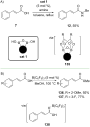
Scheme 41: Borane-catalyzed N-acylation reactions.

Scheme 42: Catalytic N-acylation reactions via H/F bonding activation.

Scheme 43: Brønsted base-catalyzed synthesis of cinnamic acid esters.

Scheme 44: DABCO/Fe3O4-catalyzed N-methyl amidation of cinnamic acid 122.

Scheme 45: Catalytic oxidation reactions of acylating agents.

Scheme 46: Preparation of cinnamamide-substituted benzocyclooctene using I(I)/I(III) catalysis.

Scheme 47: Pd-colloids-catalyzed oxidative esterification of cinnamyl alcohol.

Scheme 48: Graphene-supported Pd/Au alloy-catalyzed oxidative esterification via hemiacetal intermediate.

Scheme 49: Au-supported on A) carbon nanotubes (CNT) and B) on porous boron nitride (pBN) as catalyst for the ...

Scheme 50: Cr-based catalyzed oxidative esterification of cinnamyl alcohols with H2O2 as the oxidant.

Scheme 51: Co-based catalysts used for oxidative esterification of cinnamyl alcohol.

Scheme 52: Iron (A) and copper (B)-catalyzed oxidative esterification of cinnamaldehyde.

Scheme 53: NiHPMA-catalyzed oxidative esterification of cinnamaldehyde.

Scheme 54: Synthesis of cinammic acid esters through NHC-catalyzed oxidative esterification via intermolecular...
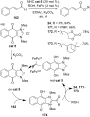
Scheme 55: Redox-active NHC-catalyzed esterification via intramolecular oxidation.

Scheme 56: Electrochemical conversion of cinnamaldehyde to methyl cinnamate.

Scheme 57: Bu4NI/TBHP-catalyzed synthesis of bisamides from cinnamalaldehyde N-tosylhydrazone.

Scheme 58: Zn/NC-950-catalyzed oxidative esterification of ketone 182.

Scheme 59: Ru-catalyzed oxidative carboxylation of terminal alkenes.

Scheme 60: Direct carboxylation of alkenes using CO2.

Scheme 61: Carboxylation of alkenylboronic acid/ester.

Scheme 62: Carboxylation of gem-difluoroalkenes with CO2.

Scheme 63: Photoredox-catalyzed carboxylation of difluoroalkenes.

Scheme 64: Ru-catalyzed carboxylation of alkenyl halide.
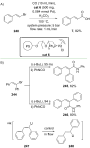
Scheme 65: Carboxylation of alkenyl halides under flow conditions.

Scheme 66: Cinnamic acid ester syntheses through carboxylation of alkenyl sulfides/sulfones.

Scheme 67: Cinnamic acid derivatives synthesis through a Ag-catalyzed decarboxylative cross-coupling proceedin...
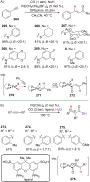
Scheme 68: Pd-catalyzed alkyne hydrocarbonylation.

Scheme 69: Fe-catalyzed alkyne hydrocarbonylation.

Scheme 70: Alkyne hydrocarboxylation using CO2.
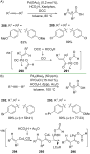
Scheme 71: Alkyne hydrocarboxylation using HCO2H as CO surrogate.

Scheme 72: Co/AlMe3-catalyzed alkyne hydrocarboxylation using DMF.

Scheme 73: Au-catalyzed oxidation of Au–allenylidenes.
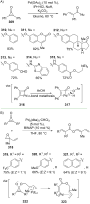
Scheme 74: Pd-catalyzed C–C-bond activation of cyclopropenones to synthesize unsaturated esters and amides.
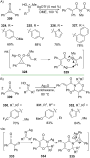
Scheme 75: Ag-catalyzed C–C-bond activation of diphenylcyclopropenone.

Scheme 76: Cu-catalyzed C–C bond activation of diphenylcyclopropenone.

Scheme 77: PPh3-catalyzed C–C-bond activation of diphenylcyclopropenone.

Scheme 78: Catalyst-free C–C-bond activation of diphenylcyclopropenone.

Scheme 79: Cu-catalyzed dioxolane cleavage.

Scheme 80: Multicomponent coupling reactions.

Scheme 81: Pd-catalyzed partial hydrogenation of electrophilic alkynes.

Scheme 82: Nickel and cobalt as earth-abundant transition metals used as catalysts for the partial hydrogenati...
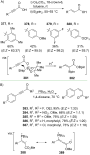
Scheme 83: Metal-free-catalyzed partial hydrogenation of conjugated alkynes.

Scheme 84: Horner–Wadsworth–Emmons reaction between triethyl 2-fluoro-2-phosphonoacetate and aldehydes with ei...

Scheme 85: Preparation of E/Z-cinnamates using thiouronium ylides.

Scheme 86: Transition-metal-catalyzed ylide reactions.

Scheme 87: Redox-driven ylide reactions.
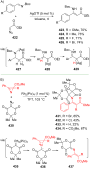
Scheme 88: Noble transition-metal-catalyzed olefination via carbenoid species.

Scheme 89: TrBF4-catalyzed olefination via carbene species.

Scheme 90: Grubbs catalyst (cat 7)/photocatalyst-mediated metathesis reactions.

Scheme 91: Elemental I2-catalyzed carbonyl-olefin metathesis.

Scheme 92: Cu-photocatalyzed E-to-Z isomerization of cinnamic acid derivatives.

Scheme 93: Ni-catalyzed E-to-Z isomerization.

Scheme 94: Dehydration of β-hydroxy esters via an E1cB mechanism to access (E)-cinnamic acid esters.

Scheme 95: Domino ring-opening reaction induced by a base.
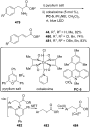
Scheme 96: Dehydroamination of α-aminoester derivatives.

Scheme 97: Accessing methyl cinnamate (44) via metal-free deamination or decarboxylation.

Scheme 98: The core–shell magnetic nanosupport-catalyzed condensation reaction.
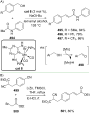
Scheme 99: Accessing cinnamic acid derivatives from acetic acid esters/amides through α-olefination.
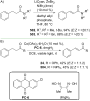
Scheme 100: Accessing cinnamic acid derivatives via acceptorless α,β-dehydrogenation.

Scheme 101: Cu-catalyzed formal [3 + 2] cycloaddition.

Scheme 102: Pd-catalyzed C–C bond formation via 1,4-Pd-shift.

Scheme 103: NHC-catalyzed Rauhut–Currier reactions.
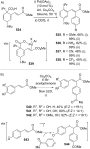
Scheme 104: Heck-type reaction for Cα arylation.

Scheme 105: Cu-catalyzed trifluoromethylation of cinnamamide.

Scheme 106: Ru-catalyzed alkenylation of arenes using directing groups.

Scheme 107: Earth-abundant transition-metal-catalyzed hydroarylation of α,β-alkynyl ester 374.

Scheme 108: Precious transition-metal-catalyzed β-arylation of cinnamic acid amide/ester.

Scheme 109: Pd-catalyzed β-amination of cinnamamide.

Scheme 110: S8-mediated β-amination of methyl cinnamate (44).

Scheme 111: Pd-catalyzed cross-coupling reaction of alkynyl esters with phenylsilanes.

Scheme 112: Pd-catalyzed β-cyanation of alkynyl amide/ester.

Scheme 113: Au-catalyzed β-amination of alkynyl ester 374.
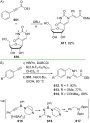
Scheme 114: Metal-free-catalyzed Cβ-functionalizations of alkynyl esters.

Scheme 115: Heck-type reactions.

Scheme 116: Mizoroki–Heck coupling reactions using unconventional functionalized arenes.
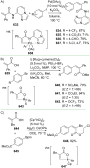
Scheme 117: Functional group-directed Mizoroki–Heck coupling reactions.
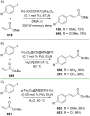
Scheme 118: Pd nanoparticles-catalyzed Mizoroki–Heck coupling reactions.

Scheme 119: Catellani-type reactions to access methyl cinnamate with multifunctionalized arene.
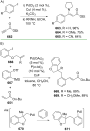
Scheme 120: Multicomponent coupling reactions.

Scheme 121: Single atom Pt-catalyzed Heck coupling reaction.

Scheme 122: Earth-abundant transition metal-catalyzed Heck coupling reactions.
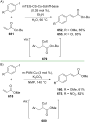
Scheme 123: Polymer-coated earth-abundant transition metals-catalyzed Heck coupling reactions.

Scheme 124: Earth-abundant transition-metal-based nanoparticles as catalysts for Heck coupling reactions.

Scheme 125: CN- and Si-based directing groups to access o-selective cinnamic acid derivatives.
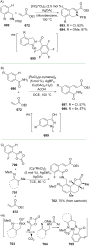
Scheme 126: Amide-based directing group to access o-selective cinnamic acid derivatives.

Scheme 127: Carbonyl-based directing group to access o-selective cinnamic acid derivatives.

Scheme 128: Stereoselective preparation of atropisomers via o-selective C(sp2)–H functionalization.

Scheme 129: meta-Selective C(sp2)–H functionalization using directing group-tethered arenes.

Scheme 130: para-Selective C(sp2)–H functionalization using directing group-tethered arenes.

Scheme 131: Non-directed C(sp2)–H functionalization via electrooxidative Fujiwara–Moritani reaction.
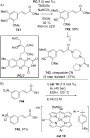
Scheme 132: Interconversion of functional groups attached to cinnamic acid.

Scheme 133: meta-Selective C(sp2)–H functionalization of cinnamate ester.

Scheme 134: C(sp2)–F arylation using Grignard reagents.

Scheme 135: Truce–Smiles rearrangement of N-aryl metacrylamides.

Scheme 136: Phosphine-catalyzed cyclization of γ-vinyl allenoate with enamino esters.
Harnessing tethered nitreniums for diastereoselective amino-sulfonoxylation of alkenes
- Shyam Sathyamoorthi,
- Appasaheb K. Nirpal,
- Dnyaneshwar A. Gorve and
- Steven P. Kelley
Beilstein J. Org. Chem. 2025, 21, 947–954, doi:10.3762/bjoc.21.78

- steric bulk of the isopropyl group unfavorably affected the reaction outcome. However, we found that when 3 was subjected to the more active combination of iodomesitylene diacetate and p-TsOH·H2O at 0 °C in CH2Cl2, the desired product 4 formed in a much-improved yield of 57%. Not all tethers were

Graphical Abstract

Scheme 1: Existing reports of intramolecular alkene functionalization reactions with nitreniums have focused ...

Figure 1: Poor performers.

Scheme 2: Putative reaction mechanism.

Scheme 3: (A) Scale-up and (B) applications.
Sequential two-step, one-pot microwave-assisted Urech synthesis of 5-monosubstituted hydantoins from L-amino acids in water
- Wei-Jin Chang,
- Sook Yee Liew,
- Thomas Kurz and
- Siow-Ping Tan
Beilstein J. Org. Chem. 2025, 21, 596–600, doi:10.3762/bjoc.21.46
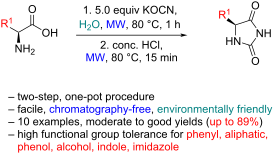
- ), isopropyl (H2h) and methyl groups (H2i) were well-tolerated in the reaction, yielding excellent and consistent conversions of the amino acids to the corresponding hydantoins (83–86%). However, the other aliphatic group – isobutyl – was poorly tolerated, giving a low yield (34%) of H2f. This could be

Graphical Abstract

Scheme 1: N-Carbamylation of ʟ-phenylaniline using KOCN in water.

Scheme 2: One-pot microwave-assisted synthesis of hydantoins from amino acids.

Figure 1: Hydantoins (H2a–j) synthesized from the one-pot procedure. The hydantoins were characterized using 1...
Synthesis and characterizations of highly luminescent 5-isopropoxybenzo[rst]pentaphene
- Islam S. Marae,
- Jingyun Tan,
- Rengo Yoshioka,
- Zakaria Ziadi,
- Eugene Khaskin,
- Serhii Vasylevskyi,
- Ryota Kabe,
- Xiushang Xu and
- Akimitsu Narita
Beilstein J. Org. Chem. 2025, 21, 270–276, doi:10.3762/bjoc.21.19
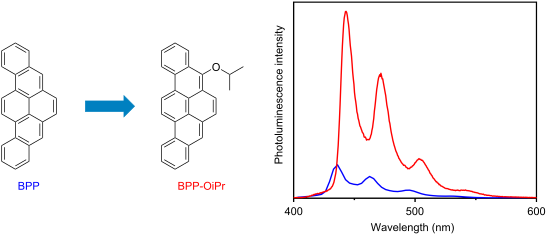
- -butyl-substituted BPP (BPP-t-Bu, PLQY: 0.47) (Figure 2b) [21][22]. Considering that two tert-butyl groups should more effectively hinder the aggregation than one isopropyl group, we tentatively attribute the enhanced PLQY of 3 to the reduced molecular symmetry, which can relax the selection rule and

Graphical Abstract

Scheme 1: Synthesis of BPP-OiPr 3 and BPP-dione 4.
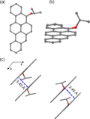
Figure 1: Single crystal structure of BPP-OiPr 3: a) top view, b) side view (thermal ellipsoids shown at 50% ...

Figure 2: a) UV–vis absorption spectra of BPP 2, BPP-OiPr 3, and BPP-dione 4 measured in toluene. Inset: magn...

Figure 3: SEM images of BPP-OiPr showing: a) the variety in crystallization, including differences in shape, ...
Recent advances in organocatalytic atroposelective reactions
- Henrich Szabados and
- Radovan Šebesta
Beilstein J. Org. Chem. 2025, 21, 55–121, doi:10.3762/bjoc.21.6
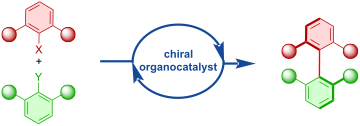
- reported. The configurational stability and rotational barrier were also investigated. The enantioselectivity gradually decreased at 70 °C for 12 h in isopropyl alcohol and the calculated value was 28.5 kcal/mol. Control experiments proved the importance of N–H bonds during the reaction and methylation of
- -arylbenzenediamines 201 and β-ketoesters. Testing many different substrates, oxocyclopentane carboxylates 202 consistently provided the highest yields and enantioselectivities. The authors observed no racemization of 203 below 90 °C in toluene, isopropyl alcohol, or DCE. Based on these results, the rotational barrier

Graphical Abstract

Scheme 1: Formation of axially chiral styrenes 3 via iminium activation.

Scheme 2: Synthesis of axially chiral 2-arylquinolines 6.

Scheme 3: Atroposelective intramolecular (4 + 2) annulation leading to aryl-substituted indolines.

Scheme 4: Atroposelective formation of biaryl via twofold aldol condensation.

Scheme 5: Strategy towards diastereodivergent formation of axially chiral oligonaphthylenes.

Scheme 6: Atroposelective formation of chiral biaryls based on a Michael/Henry domino reaction.

Scheme 7: Organocatalytic Michael/aldol cascade followed by oxidative aromatization.

Scheme 8: Atroposelective formation of C(sp2)–C(sp3) axially chiral compounds.

Scheme 9: NHC-catalyzed synthesis of axially chiral styrenes 26.

Scheme 10: NHC-catalyzed synthesis of biaxial chiral pyranones.

Scheme 11: Formation of bridged biaryls with eight-membered lactones.

Scheme 12: The NHC-catalyzed (3 + 2) annulation of urazoles 37 and ynals 36.

Scheme 13: NHC-catalyzed synthesis of axially chiral 4‑aryl α‑carbolines 41.

Scheme 14: NHC-catalyzed construction of N–N-axially chiral pyrroles and indoles.

Scheme 15: NHC-catalyzed oxidative Michael–aldol cascade.

Scheme 16: NHC-catalyzed (4 + 2) annulation for the synthesis of benzothiophene-fused biaryls.
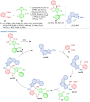
Scheme 17: NHC-catalyzed desymmetrization of N-aryl maleimides.

Scheme 18: NHC-catalyzed deracemization of biaryl hydroxy aldehydes 55a–k into axially chiral benzonitriles 56a...

Scheme 19: NHC-catalyzed desymmetrization of 2-aryloxyisophthalaldehydes.

Scheme 20: NHC-catalyzed DKR of 2-arylbenzaldehydes 62.

Scheme 21: Atroposelective biaryl amination.

Scheme 22: CPA-catalyzed atroposelective amination of 2-anilinonaphthalenes.

Scheme 23: Atroposelective DKR of naphthylindoles.

Scheme 24: CPA-catalyzed kinetic resolution of binaphthylamines.

Scheme 25: Atroposelective amination of aromatic amines with diazodicarboxylates.

Scheme 26: Atroposelective Friedländer heteroannulation.

Scheme 27: CPA-catalyzed formation of axially chiral 4-arylquinolines.

Scheme 28: CPA-catalyzed Friedländer reaction of arylketones with cyclohexanones.

Scheme 29: CPA-catalyzed atroposelective Povarov reaction.

Scheme 30: Atroposelective CPA-catalyzed Povarov reaction.

Scheme 31: Paal–Knorr formation of axially chiral N-pyrrolylindoles and N-pyrrolylpyrroles.

Scheme 32: Atroposelective Paal–Knorr reaction leading to N-pyrrolylpyrroles.

Scheme 33: Atroposelective Pictet–Spengler reaction of N-arylindoles with aldehydes.

Scheme 34: Atroposelective Pictet–Spengler reaction leading to tetrahydroisoquinolin-8-ylanilines.

Scheme 35: Atroposelective formation of arylindoles.

Scheme 36: CPA-catalyzed arylation of naphthoquinones with indolizines.

Scheme 37: Atroposelective reaction of o-naphthoquinones.

Scheme 38: CPA-catalyzed formation of axially chiral arylquinones.

Scheme 39: CPA-catalyzed axially chiral N-arylquinones.

Scheme 40: Atroposelective additions of bisindoles to isatin-based 3-indolylmethanols.

Scheme 41: CPA-catalyzed synthesis of axially chiral arylindolylindolinones.

Scheme 42: CPA-catalyzed reaction between bisindoles and ninhydrin-derived 3-indoylmethanols.

Scheme 43: Atroposelective reaction of bisindoles and isatin-derived imines.

Scheme 44: CPA-catalyzed formation of axially chiral bisindoles.

Scheme 45: Atroposelective reaction of 2-naphthols with alkynylhydroxyisoindolinones.

Scheme 46: CPA-catalyzed reaction of indolylnaphthols with propargylic alcohols.

Scheme 47: Atroposelective formation of indolylpyrroloindoles.

Scheme 48: Atroposelective reaction of indolylnaphthalenes with alkynylnaphthols.

Scheme 49: CPA-catalyzed addition of naphthols to alkynyl-2-naphthols and 2-naphthylamines.

Scheme 50: CPA-catalyzed formation of axially chiral aryl-alkene-indoles.

Scheme 51: CPA-catalyzed formation of axially chiral styrenes.

Scheme 52: Atroposelective formation of alkenylindoles.

Scheme 53: Atroposelective formation of axially chiral arylquinolines.

Scheme 54: Atroposelective (3 + 2) cycloaddition of alkynylindoles with azonaphthalenes.

Scheme 55: CPA-catalyzed formation of axially chiral 3-(1H-benzo[d]imidazol-2-yl)quinolines.

Scheme 56: Atroposelective cyclization of 3-(arylethynyl)-1H-indoles.

Scheme 57: Atroposelective three-component heteroannulation.

Scheme 58: CPA-catalyzed formation of arylbenzimidazols.

Scheme 59: CPA-catalyzed reaction of N-naphthylglycine esters with nitrosobenzenes.

Scheme 60: CPA-catalyzed formation of axially chiral N-arylbenzimidazoles.

Scheme 61: CPA-catalyzed formation of axially chiral arylbenzoindoles.

Scheme 62: CPA-catalyzed formation of pyrrolylnaphthalenes.

Scheme 63: CPA-catalyzed addition of naphthols and indoles to nitronaphthalenes.

Scheme 64: Atroposelective reaction of heterobiaryl aldehydes and aminobenzamides.

Scheme 65: Atroposelective cyclization forming N-arylquinolones.

Scheme 66: Atroposelective formation of 9H-carbazol-9-ylnaphthalenes and 1H-indol-1-ylnaphthalene.

Scheme 67: CPA-catalyzed formation of pyrazolylnaphthalenes.

Scheme 68: Atroposelective addition of diazodicarboxamides to azaborinephenols.

Scheme 69: Catalytic formation of axially chiral arylpyrroles.

Scheme 70: Atroposelective coupling of 1-azonaphthalenes with 2-naphthols.

Scheme 71: CPA-catalyzed formation of axially chiral oxindole-based styrenes.

Scheme 72: Atroposelective electrophilic bromination of aminonaphthoquinones.

Scheme 73: Atroposelective bromination of dienes.

Scheme 74: CPA-catalyzed formation of axially chiral 5-arylpyrimidines.

Scheme 75: Atroposelective hydrolysis of biaryloxazepines.

Scheme 76: Atroposelective opening of dinaphthosiloles.

Scheme 77: Atroposelective reduction of naphthylenals.

Scheme 78: Atroposelective allylic substitution with 2-naphthols.

Scheme 79: Atroposelective allylic alkylation with phosphinamides.

Scheme 80: Atroposelective allylic substitution with aminopyrroles.

Scheme 81: Atroposelective allylic substitution with aromatic sulfinamides.

Scheme 82: Atroposelective sulfonylation of naphthylynones.

Scheme 83: Squaramide-catalyzed reaction of alkynyl-2-naphthols with 5H-oxazolones.

Scheme 84: Formation of axially chiral styrenes via sulfonylative opening of cyclopropanols.

Scheme 85: Atroposelective organo-photocatalyzed sulfonylation of alkynyl-2-naphthols.

Scheme 86: Thiourea-catalyzed atroposelective cyclization of alkynylnaphthols.

Scheme 87: Squaramide-catalyzed formation of axially chiral naphthylisothiazoles.

Scheme 88: Atroposelective iodo-cyclization catalyzed by squaramide C69.

Scheme 89: Squaramide-catalyzed formation of axially chiral oligoarenes.

Scheme 90: Atroposelective ring-opening of cyclic N-sulfonylamides.

Scheme 91: Thiourea-catalyzed kinetic resolution of naphthylpyrroles.

Scheme 92: Atroposelective ring-opening of arylindole lactams.

Scheme 93: Atroposelective reaction of 1-naphthyl-2-tetralones and diarylphosphine oxides.

Scheme 94: Atroposelective reaction of iminoquinones with indoles.

Scheme 95: Kinetic resolution of binaphthylalcohols.

Scheme 96: DKR of hydroxynaphthylamides.

Scheme 97: Atroposelective N-alkylation with phase-transfer catalyst C75.

Scheme 98: Atroposelective allylic substitution via kinetic resolution of biarylsulfonamides.

Scheme 99: Atroposelective bromo-functionalization of alkynylarenes.
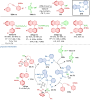
Scheme 100: Sulfenylation-induced atroposelective cyclization.

Scheme 101: Atroposelective O-sulfonylation of isochromenone-indoles.

Scheme 102: NHC-catalyzed atroposelective N-acylation of anilines.

Scheme 103: Peptide-catalyzed atroposelective ring-opening of lactones.

Scheme 104: Peptide-catalyzed coupling of 2-naphthols with quinones.

Scheme 105: Atroposelective nucleophilic aromatic substitution of fluoroarenes.



