


Search results
Search for "oxidative ring-opening" in Full Text gives 8 result(s) in Beilstein Journal of Organic Chemistry.
Preparation of 3-(alkylamino)imidazo[1,2-a]pyridine-2-carbaldehydes via Kornblum oxidation and unexpected ring-opening reactions of the corresponding alcohols under oxidative conditions
- Sandile J. Mkhize,
- Memory Zimuwandeyi,
- Manuel A. Fernandes,
- Amanda L. Rousseau and
- Moira L. Bode
Beilstein J. Org. Chem. 2026, 22, 763–770, doi:10.3762/bjoc.22.58
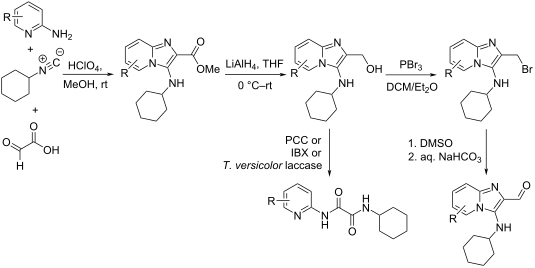
- -chloroaniline. Alternative oxidation conditions such as PCC, IBX or T. versicolor laccase applied to the alcohols led only to oxidative ring-opening to give oxalamide derivatives, with no aldehyde being isolated. Keywords: 3-aminoimidazo[1,2-a]pyridine-2-carbaldehydes; Groebke–Blackburn–Bienaymé reaction
- ; Kornblum oxidation; oxidative ring-opening; reductive amination; Introduction Imidazo[1,2-a]pyridines display a wide range of different biological activities, and this scaffold has come to be regarded as being biologically privileged [1]. Compounds containing the imidazo[1,2-a]pyridine core have been
- there was an additional proton observed in the aromatic region and one missing from the aliphatic region. Crystals were grown for the unexpected oxidation product formed from 17a and X-ray crystallography revealed that oxidative ring-opening had occurred to give product 18a (Figure 4). Carrying out

Graphical Abstract

Figure 1: Examples of biologically active imidazo[1,2-a]pyridines.

Figure 2: Compounds envisaged for synthesis.

Scheme 1: Preparation of methyl esters 13 versus unsubstituted derivatives 12 under various conditions. Metho...

Scheme 2: Ester hydrolysis and in situ decarboxylation.

Figure 3: Previously reported 3-amino-2-carboxylic acid derivatives.

Scheme 3: Ester reduction to the corresponding alcohols. Reaction yields are provided in parentheses.

Figure 4: Single crystal X-ray structure of 18a. ORTEP diagram drawn at 50% probability level.

Scheme 4: Oxidative ring-opening with loss of one carbon atom. Yields are provided in parentheses.

Scheme 5: Oxidative conditions applied to decarboxylated compound 12b.

Figure 5: Different oxidative cleavage products obtained under different conditions.

Scheme 6: Unexpected aldehyde formation from tosylation reaction.

Scheme 7: Kornblum oxidation to give imidazo[1,2-a]pyridine-2-carbaldehydes 20. Yield over two steps from the...

Scheme 8: Reductive amination reactions to give target molecules 8.
Natural resorcylic lactones derived from alternariol
- Joachim Podlech
Beilstein J. Org. Chem. 2024, 20, 2171–2207, doi:10.3762/bjoc.20.187
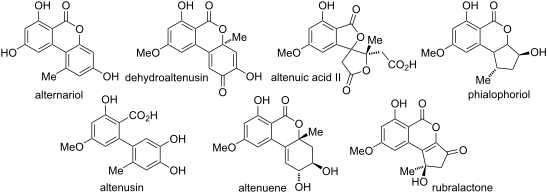

Graphical Abstract
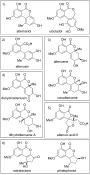
Figure 1: Examples of compounds covered in this review categorized in six sub-classes (see text).
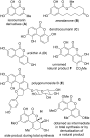
Figure 2: Examples of compounds not covered in this review.

Figure 3: Wrongly assigned and thus obsolete structures (details will be discussed in the respective chapters...

Figure 4: Alternariol with the correct IUPAC numbering and an occasionally used numbering based on the biphen...

Figure 5: Alternariol O-methyl ethers.

Figure 6: Alternariol O-glycosides.

Figure 7: Alternariol O-acetates and O-sulfates.

Figure 8: 2-Hydroxy- and 4-hydroxy-substituted alternariol and its O-methyl ethers.

Figure 9: Chloro- and amino-substituted alternariol and its O-methyl ethers.
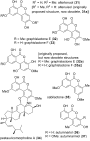
Figure 10: Presumed alternariol derivatives with non-canonical substitution pattern.

Figure 11: Alternariol derivatives with the 1-methyl group hydroxylated.
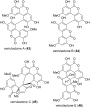
Figure 12: Verrulactones: pseudo-dimeric derivatives of altertenuol and related compounds.

Figure 13: Biaryls formed by reductive lactone opening and/or by decarboxylation.

Figure 14: Altenuene and its diastereomers.

Figure 15: 9-O-Demethylated altenuene diastereomers.

Figure 16: Acetylated and methylated altenuene diastereomers.

Figure 17: Altenuene diastereomers modified with lactic acid, pyruvic acid, or acetone.

Figure 18: Neoaltenuene and related compounds.

Figure 19: Dehydroaltenusin and its derivatives.

Scheme 1: Equilibrium of dehydroaltenusin in polar solvents [278].

Figure 20: Further quinoid derivatives.

Figure 21: Dehydroaltenuenes.

Figure 22: Complex aggregates containing dehydroaltenuene substructures and related compounds.

Figure 23: Dihydroaltenuenes.

Figure 24: Altenuic acids and related compounds.

Figure 25: Cyclopentane- and cyclopentene-fused derivatives.

Figure 26: Cyclopentenone-fused derivatives.

Figure 27: Spiro-fused derivatives and a related ring-opened derivative.

Figure 28: Lactones-fused and lactone-substituted derivatives.

Scheme 2: Biosynthesis of alternariol [324].

Scheme 3: Biosynthesis of alternariol and its immediate successors with the genes involved in the respective ...

Scheme 4: Presumed formation of altenuene and its diastereomers and of botrallin.

Scheme 5: Presumed formation of altenuic acids and related compounds.

Scheme 6: A selection of plausible biosynthetic paths to cyclopenta-fused metabolites. (No stereochemistry is...

Scheme 7: Biomimetic synthesis of alternariol (1) by Harris and Hay [66].

Scheme 8: Total synthesis of alternariol (1) by Subba Rao et al. using a Diels–Alder approach [34].

Scheme 9: Total synthesis of alternariol (1) using a Suzuki strategy by Koch and Podlech [62], improved by Kim et...

Scheme 10: Total synthesis of alternariol (1) using an intramolecular biaryl coupling by Abe et al. [63].

Scheme 11: Total synthesis of altenuene (54) and isoaltenuene (55) by Podlech et al. [249].

Scheme 12: Total synthesis of neoaltenuene (69) by Podlech et al. [35].

Scheme 13: Total synthesis of TMC-264 (79) by Tatsuta et al. [185].

Scheme 14: Total synthesis of cephalosol (99) by Koert et al. [304].
Cofactor-independent C–C bond cleavage reactions catalyzed by the AlpJ family of oxygenases in atypical angucycline biosynthesis
- Jinmin Gao,
- Liyuan Li,
- Shijie Shen,
- Guomin Ai,
- Bin Wang,
- Fang Guo,
- Tongjian Yang,
- Hui Han,
- Zhengren Xu,
- Guohui Pan and
- Keqiang Fan
Beilstein J. Org. Chem. 2024, 20, 1198–1206, doi:10.3762/bjoc.20.102
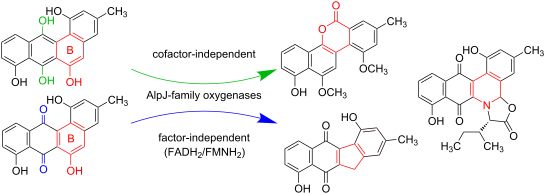
- plausible that the corresponding biosynthesis involves analogous oxidative ring opening and rearrangement steps. On the other side, in JadG-catalyzed reactions, compound 3 reacts with ʟ-isoleucine or other amino acids, leading to the formation of jadomycin A (6) or analogues, respectively [10]. In the

Graphical Abstract

Scheme 1: Ring cleavage and ring rearrangement reactions in the biosynthesis of atypical angucyclines.
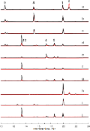
Figure 1: HPLC traces of reaction mixtures of AlpG, AlpJ, Flu17, and JadG. (a) standards of prejadomycin (9),...

Figure 2: HPLC traces of reactions of JadG, AlpJ, or Flu17 quenched by SOD. (a) 8 + JadG + ʟ-isoleucine; (b) 8...

Scheme 2: Proposed catalytic mechanism of cofactor-independent AlpJ-family oxygenases.
Photoredox catalysis harvesting multiple photon or electrochemical energies
- Mattia Lepori,
- Simon Schmid and
- Joshua P. Barham
Beilstein J. Org. Chem. 2023, 19, 1055–1145, doi:10.3762/bjoc.19.81
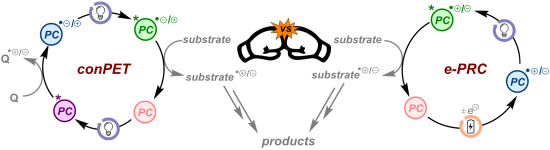

Graphical Abstract

Figure 1: Oxidative and reductive activations of organic compounds harvesting photoredox catalysis.

Figure 2: General catalytic cycles of radical ion conPET (left) and radical ion e-PRC (right).
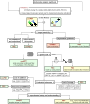
Figure 3: “Beginner’s guide”: comparison between advantages, capacities, and prospectives of conPET and PEC.
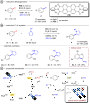
Figure 4: A) conPET reductive dehalogenation of aryl halides with PDI. B) Reductive C–H arylation with pyrrol...
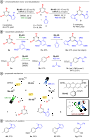
Figure 5: A) Chromoselective mono- and disubstitution or polybrominated pyrimidines with pyrroles. B) Sequent...

Figure 6: A) Synthesis of pyrrolo[1,2-a]quinolines. B) Synthesis of ullazines.

Figure 7: A) Reductive phosphorylation of aryl halides via conPET. B) Selected examples from the substrate sc...
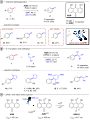
Figure 8: A) Reductive dehalogenation of aryl halides via conPET and selected examples from the substrate sco...
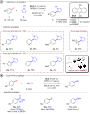
Figure 9: A) Reductive C–H arylation of aryl halides via conPET (top) and selected examples from the substrat...
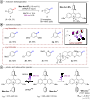
Figure 10: A) Reductive hydrodehalogenation of aryl halides with Mes-Acr-BF4. B) Selected examples from the su...
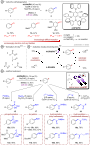
Figure 11: A) Reductive hydrodechlorination of aryl chlorides with 4-DPAIPN. B) Proposed formation of CO2•−. C...
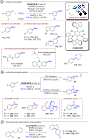
Figure 12: A) Reductive conPET borylation with 3CzEPAIPN (top) and selected examples from the substrate scope ...

Figure 13: Scale-up of conPET phosphorylation with 3CzEPAIPN.
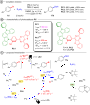
Figure 14: A) Borylation of 1d. B) Characteristics and structure of PC1 with green and red parts showing the l...
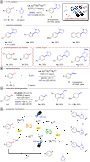
Figure 15: A) Reductive C–H arylation scope with polysulfide conPET (top) and selected examples from the subst...

Figure 16: Scale-up of A) C–H arylation and B) dehaloborylation with polysulfide photocatalysis in continuous-...

Figure 17: A) Formation of [Ir1]0 and [Ir2]0 upon PET between [Ir1]+ and Et3N. B) Mechanism of multi-photon ta...

Figure 18: A) Reductive hydrodehalogenation of aryl halides via multi-photon tandem photocatalysis. B) Selecte...

Figure 19: A) Carbonylative amidation of aryl halides in continuous flow. B) Selected examples from the substr...
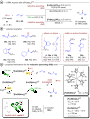
Figure 20: A) General scheme for reductive (RQ) and oxidative quenching (OQ) protocols using [FeIII(btz)3](PF6)...
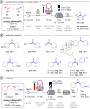
Figure 21: A) Carbonylative amidation of alkyl iodides with [IrIII(ppy)2(dtbbpy)]PF6. B) Selected examples fro...
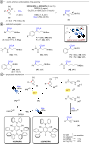
Figure 22: A) Carboxylative C–N bond cleavage in cyclic amines. B) Selected examples from the substrate scope....
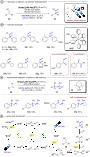
Figure 23: A) Formal reduction of alkenes to alkanes via transfer hydrogenation. B) Selected examples from the...
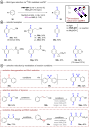
Figure 24: A) Birch-type reduction of benzenes with PMP-BPI. B) Selected examples from the substrate scope (sc...

Figure 25: Proposed mechanism of the OH− mediated conPET Birch-type reduction of benzene via generation of sol...

Figure 26: Reductive detosylation of N-tosylated amides with Mes-Acr-BF4. B) Selected examples from the substr...
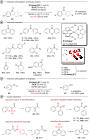
Figure 27: A) Reductive detosylation of N-tosyl amides by dual PRC. B) Selected examples from the substrate sc...

Figure 28: A) Mechanism of the dual PRC based on PET between [Cu(dap)2]+ and DCA. B) Mechanism of the dual PRC...
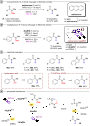
Figure 29: A) N–O bond cleavage in Weinreb amides with anthracene. B) N–O bond cleavage in Weinreb amides rely...
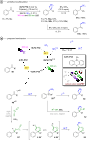
Figure 30: A) Pentafluorosulfanylation and fluoride elimination. B) Mechanism of the pentafluorosulfanylation ...
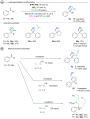
Figure 31: A) α-Alkoxypentafluorosulfanylation (top) and selected examples from the substrate scope (bottom). ...
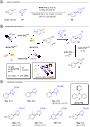
Figure 32: A) Oxidative amination of arenes with azoles catalyzed by N-Ph PTZ. B) Selected examples from the s...

Figure 33: A) C(sp3)–H bond activation by HAT via chloride oxidation by *N-Ph PTZ•+. B) Proposed mechanism for...

Figure 34: A) Recycling e-PRC C–H azolation of electron-rich arenes with pyrazoles using Mes-Acr+ as a photoca...

Figure 35: A) Radical ion e-PRC direct oxidation of unactivated arenes using TAC+ as an electro-activated phot...

Figure 36: A) Radical ion e-PRC direct oxidation of unactivated arenes using TPA as an electro-activated photo...

Figure 37: Proposed mechanism (top) and mode of preassembly (bottom).

Figure 38: A) Possible preassemblies of reactive (left) vs unreactive (right) arenes. B) Calculated spin densi...
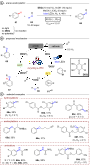
Figure 39: A) Recycling e-PRC C(sp2 )–H acetoxylation of arenes using DDQ as a photocatalyst. B) Proposed cata...

Figure 40: Gram scale hydroxylation of benzene in a recirculated flow setup.
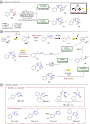
Figure 41: A) Radical ion e-PRC vicinal diamination of alkylarenes using TAC+ as an electro-activated photocat...
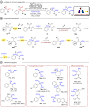
Figure 42: A) Sequential oxygenation of multiple adjacent C–H bonds under radical ion e-PRC using TAC+ as an e...

Figure 43: A) Enantioselective recycling e-PRC cyanation of benzylic C–H bonds using ADQS as photocatalyst. B)...

Figure 44: Proposed tandem mechanism by Xu and co-workers.
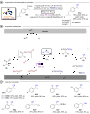
Figure 45: A) Enantioselective recycling e-PRC decarboxylative cyanation using Cu(acac)2, Ce(OTf)3 and a box l...

Figure 46: A) Enantioselective recycling e-PRC benzylic cyanation using Cu(MeCN)4BF4, box ligand and anthraqui...

Figure 47: A) Radical ion e-PRC acetoxyhydroxylation of aryl olefins using TAC+ as an electro-activated photoc...

Figure 48: Selected examples from the substrate scope.

Figure 49: Photoelectrochemical acetoxyhydroxylation in a recirculated flow setup.
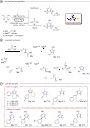
Figure 50: A) Radical ion e-PRC aminooxygenation of aryl olefins using TAC+ as an electro-activated photocatal...
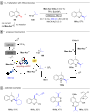
Figure 51: A) Recycling e-PRC C–H alkylation of heteroarenes with organic trifluoroborates using Mes-Acr+ as p...

Figure 52: A) Recycling e-PRC decarboxylative C–H alkylation of heteroarenes using CeCl3·7H2O as catalyst. B) ...

Figure 53: A) Recycling e-PRC decarboxylative C–H alkylation of heteroarenes using Fe(NH4)2(SO4)2·6H2O as cata...
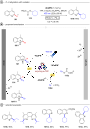
Figure 54: A) Recycling e-PRC C–H alkylation of heteroarenes with alkyl oxalates and 4CzIPN as photocatalyst. ...
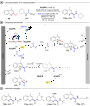
Figure 55: A) Recycling e-PRC decarboxylative C–H carbamoylation of heteroarenes using 4CzIPN as photocatalyst...
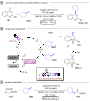
Figure 56: A) Photoelectrochemical HAT-mediated hydrocarbon activation via the chlorine radical. B) Proposed m...

Figure 57: A) Selected examples from the substrate scope. B) Gram and decagram scale semi-continuous flow PEC ...

Figure 58: A) Photoelectrochemical HAT-mediated dehydrogenative coupling of benzothiazoles with aliphatic C–H ...

Figure 59: A) Photoelectrochemical HAT activation of ethers using electro-activated TAC+ as photocatalyst. B) ...

Figure 60: Selected examples from the substrate scope.
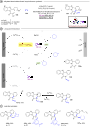
Figure 61: A) Photoelectrochemical HAT-mediated synthesis of alkylated benzimidazo-fused isoquinolinones using...

Figure 62: A) Decoupled photoelectrochemical cerium-catalyzed oxydichlorination of alkynes using CeCl3 as cata...

Figure 63: Proposed decoupled photoelectrochemical mechanism.

Figure 64: A) Decoupled photoelectrochemical ring-opening bromination of tertiary cycloalkanols using MgBr2 as...

Figure 65: A) Recycling e-PRC ring-opening functionalization of cycloalkanols using CeCl3 as catalyst. B) Prop...

Figure 66: Selected examples from the substrate scope of the PEC ring-opening functionalization.

Figure 67: A) Radical ion e-PRC reduction of chloro- and bromoarenes using DCA as catalyst and various accepto...
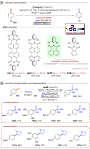
Figure 68: A) Screening of different phthalimide derivatives as catalyst for the e-PRC reduction of aryl halid...

Figure 69: Screening of different organic catalysts for the e-PRC reduction of trialkylanilium salts.

Figure 70: A) e-PRC reduction of phosphonated phenols and anilinium salts. B) Selected examples from the subst...

Figure 71: A) ConPET and e-PRC reduction of 4-bromobenzonitrile using a naphthalene diimide (NDI) precatalyst ...

Figure 72: A) Radical ion e-PRC reduction of phosphinated aliphatic alcohols with n-BuO-NpMI as catalyst. B) C...

Figure 73: Selected examples from the substrate scope.

Figure 74: A) Recycling e-PRC reductive dimerization of benzylic chlorides using a [Cu2] catalyst. B) Proposed...

Figure 75: A) Decoupled photoelectrochemical C–H alkylation of heteroarenes through deamination of Katritzky s...

Figure 76: Proposed mechanism by Chen and co-workers.
Oxidative radical ring-opening/cyclization of cyclopropane derivatives
- Yu Liu,
- Qiao-Lin Wang,
- Zan Chen,
- Cong-Shan Zhou,
- Bi-Quan Xiong,
- Pan-Liang Zhang,
- Chang-An Yang and
- Quan Zhou
Beilstein J. Org. Chem. 2019, 15, 256–278, doi:10.3762/bjoc.15.23
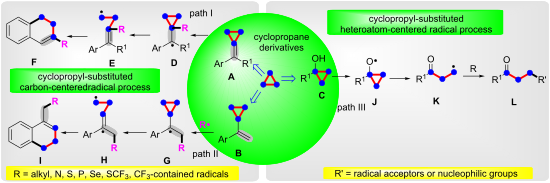
- addition of radical 44 to the C–C double bond of MCPs 1 generats a more stable benzyl radical 45. Final ring-opening, intramolecular cyclization, oxidation, and dehydrogenation finally delivers the desired product 41. Next, our group reported the first oxidative ring-opening and cyclization between MCPs 1
- functionalization reaction. However, AgNO3 was superior than FeSO4 according to the reaction yields and time. Interestingly, aromatic cyclopropanols delivered higher yields than aliphatic ones. The mechanism for the Ag(I)-catalyzed oxidative ring-opening and functionalization of cyclopropanols with quinones is
- through the addition of radical 99 to the quinones 94. Finally, the intermediate 100 occurres reoxidation with Ag(II) to provide the final product 95 along with regenerated Ag(I). In 2015, Duan et al. developed a Ag(I)-catalyzed oxidative ring-opening of cyclopropanols 91 with heteroarenes 101 or 103 for

Graphical Abstract

Scheme 1: The oxidative radical ring-opening/cyclization of cyclopropane derivatives.

Scheme 2: Mn(OAc)3-mediated oxidative radical ring-opening and cyclization of MCPs with malonates.

Scheme 3: Mn(III)-mediated oxidative radical ring-opening and cyclization of MCPs with 1,3-dicarbonyl compoun...

Scheme 4: Heat-promoted ring-opening/cyclization of MCPs with elemental chalgogens.

Scheme 5: Copper(II) acetate-mediated oxidative radical ring-opening and cyclization of MCPs with diphenyl di...

Scheme 6: AIBN-promoted oxidative radical ring-opening and cyclization of MCPs with benzenethiol.

Scheme 7: AIBN-mediated oxidative radical ring-opening and cyclization of MCPs with diethyl phosphites.

Scheme 8: Organic-selenium induced radical ring-opening and cyclization of MCPs derivatives (cyclopropylaldeh...
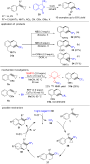
Scheme 9: Copper(I)-catalyzed oxidative radical trifluoromethylation/ring-opening/cyclization of MCPs with To...

Scheme 10: Ag(I)-mediated trifluoromethylthiolation/ring-opening/cyclization of MCPs with AgSCF3.

Scheme 11: oxidative radical ring-opening and cyclization of MCPs with α-C(sp3)-–H of ethers.

Scheme 12: Oxidative radical ring-opening and cyclization of MCPs with aldehydes.

Scheme 13: Cu(I) or Fe(II)-catalyzed oxidative radical trifluoromethylation/ring-opening/cyclization of MCPs d...

Scheme 14: Rh(II)-catalyzed oxidative radical ring-opening and cyclization of MCPs.

Scheme 15: Ag(I)-catalyzed oxidative radical amination/ring-opening/cyclization of MCPs derivatives.

Scheme 16: Heating-promoted radical ring-opening and cyclization of MCP derivatives (arylvinylidenecyclopropan...

Scheme 17: Bromine radical-mediated ring-opening of alkylidenecyclopropanes.

Scheme 18: Fluoroalkyl (Rf) radical-mediated ring-opening of MCPs.

Scheme 19: Visible-light-induced alkylation/ring-opening/cyclization of cyclopropyl olefins with bromides.

Scheme 20: Mn(III)-mediated ring-opening and [3 + 3]-annulation of cyclopropanols and vinyl azides.

Scheme 21: Ag(I)-catalyzed oxidative ring-opening of cyclopropanols with quinones.

Scheme 22: Ag(I)-catalyzed oxidative ring-opening of cyclopropanols with heteroarenes.

Scheme 23: Cu(I)-catalyzed oxidative ring-opening/trifluoromethylation of cyclopropanols.

Scheme 24: Cu(I)-catalyzed oxidative ring-opening and trifluoromethylation/trifluoromethylthiolation of cyclop...

Scheme 25: Ag(I)-mediated oxidative ring-opening/fluorination of cyclopropanols with Selectfluor.

Scheme 26: Photocatalyzed ring-opening/fluorination of cyclopropanols with Selectfluor.

Scheme 27: Na2S2O8-promoted ring-opening/alkynylation of cyclopropanols with EBX.
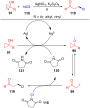
Scheme 28: Ag(I)-catalyzed ring-opening and chlorination of cyclopropanols with aldehydes.

Scheme 29: Ag(I)-catalyzed ring-opening/alkynylation of cyclopropanols with EBX.

Scheme 30: Na2S2O8-promoted ring-opening/alkylation of cyclopropanols with acrylamides.

Scheme 31: Cyclopropanol ring-opening initiated tandem cyclization with acrylamides or 2-isocyanobiphenyls.

Scheme 32: Ag(II)-mediated oxidative ring-opening/fluorination of cyclopropanols with AgF2.

Scheme 33: Cu(II)-catalyzed ring-opening/fluoromethylation of cyclopropanols with sulfinate salts.

Scheme 34: Cu(II)-catalyzed ring-opening/sulfonylation of cyclopropanols with sulfinate salts.

Scheme 35: Na2S2O8-promoted ring-opening/arylation of cyclopropanols with propiolamides.

Scheme 36: The ring-opening and [3 + 2]-annulation of cyclopropanols with α,β-unsaturated aldehydes.

Scheme 37: Cu(II)-catalyzed ring-opening/arylation of cyclopropanols with aromatic nitrogen heterocyles.

Scheme 38: Ag(I)-catalyzed ring-opening and difluoromethylthiolation of cyclopropanols with PhSO2SCF2H.

Scheme 39: Ag(I)-catalyzed ring-opening and acylation of cyclopropanols with aldehydes.

Scheme 40: Aerobic oxidation ring-opening of cyclopropanols for the synthesis of 2-oxyranyl ketones.

Scheme 41: Aerobic oxidation ring-opening of cyclopropanols for the synthesis of linear enones.

Scheme 42: Aerobic oxidation ring-opening of cyclopropanols for the synthesis of metabolite.
One hundred years of benzotropone chemistry
- Arif Dastan,
- Haydar Kilic and
- Nurullah Saracoglu
Beilstein J. Org. Chem. 2018, 14, 1120–1180, doi:10.3762/bjoc.14.98

Graphical Abstract

Scheme 1: Tropone (1), tropolone (2) and their resonance structures.

Figure 1: Natural products containing a tropone nucleus.

Figure 2: Possible isomers 11–13 of benzotropone.

Scheme 2: Synthesis of benzotropones 11 and 12.

Scheme 3: Oxidation products of benzotropylium fluoroborate (16).

Scheme 4: Oxidation of 7-bromo-5H-benzo[7]annulene (22).

Scheme 5: Synthesis of 4,5-benzotropone (11) using o-phthalaldehyde (27).

Scheme 6: Synthesis of 4,5-benzotropone (11) starting from oxobenzonorbornadiene 31.

Scheme 7: Acid-catalyzed cleavage of oxo-bridge of 34.

Scheme 8: Synthesis of 4,5-benzotropone (11) from o-xylylene dibromide (38).

Scheme 9: Synthesis of 4,5-benzotropone (11) via the carbene adduct 41.

Scheme 10: Heck coupling strategy for the synthesis of 11.

Scheme 11: Synthesis of benzofulvalenes via carbonyl group of 4,5-benzotropone (11).

Figure 3: Some cycloheptatrienylium cations.

Scheme 12: Synthesis of condensation product 63 and its subsequent oxidative cyclization products.

Figure 4: A novel series of benzo[7]annulenes prepared from 4,5-benzotropone (11).

Scheme 13: Preparation of substituted benzo[7]annulene 72 using the Mukaiyama-Michael reaction.

Figure 5: Possible benzo[7]annulenylidenes 73–75.

Scheme 14: Thermal and photochemical decomposition of 7-diazo-7H-benzo[7]annulene (76) and the trapping of int...

Scheme 15: Synthesis of benzoheptafulvalene 86.

Scheme 16: Synthesis of 7-(diphenylmethylene)-7H-benzo[7]annulene (89).

Scheme 17: Reaction of 4,5-benzotropone (11) with dimethyl diazomethane.

Scheme 18: Synthesis of dihydrobenzomethoxyazocine 103.

Scheme 19: Synthesis and reducibility of benzo-homo-2-methoxyazocines.

Scheme 20: Synthesis of 4,5-benzohomotropones 104 and 115 from 4,5-benzotropones 11 and 113.

Scheme 21: A catalytic deuterogenation of 4,5-benzotropone (11) and synthesis of 5-monosubstituted benzo[7]ann...

Scheme 22: Synthesis of methyl benzo[7]annulenes 131 and 132.

Scheme 23: Ambident reactivity of halobenzo[7]annulenylium cations 133a/b.

Scheme 24: Preparation of benzo[7]annulenylidene–iron complexes 147.

Scheme 25: Synthesis of 1-ethynylbenzotropone (150) and the etheric compound 152 from 4,5-benzotropone (11) wi...

Scheme 26: Thermal decomposition of 4,5-benzotropone (11).

Scheme 27: Reaction of 4,5-benzotropone (11) with 1,2-ethanediol and 1,2-ethanedithiol.

Scheme 28: Conversions of 1-benzosuberone (162) to 2,3-benzotropone (12).

Scheme 29: Synthesis strategies for 2,3-bezotropone (12) using 1-benzosuberones.

Scheme 30: Oxidation-based synthesis of 2,3-benzotropone (12) via 1-benzosuberone (162).

Scheme 31: Synthesis of 2,3-benzotropone (12) from α-tetralone (171) via ring-expansion.

Scheme 32: Preparation of 2,3-benzotropone (12) by using of benzotropolone 174.

Figure 6: Benzoheptafulvenes as condensation products of 2,3-benzotropone (12).

Scheme 33: Conversion of 2,3-benzotropone (12) to tosylhydrazone salt 182 and gem-dichloride 187.

Figure 7: Benzohomoazocines 191–193 and benzoazocines 194–197.

Scheme 34: From 2,3-benzotropone (12) to carbonium ions 198–201.

Scheme 35: Cycloaddition reactions of 2,3-benzotropone (12).
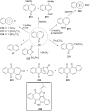
Scheme 36: Reaction of 2,3-benzotropone (12) with various reagents and compounds.

Figure 8: 3,4-Benzotropone (13) and its resonance structure.

Scheme 37: Synthesis of 6,7-benzobicyclo[3.2.0]hepta-3,6-dien-2-one (230).

Figure 9: Photolysis and thermolysis products of 230.

Figure 10: Benzotropolones and their tautomeric structures.

Scheme 38: Synthesis strategies of 4,5-benzotropolone (238).

Scheme 39: Synthesis protocol for 2-hydroxy-4,5-benzotropone (238) using oxazole-benzo[7]annulene 247.

Figure 11: Some quinoxaline and pyrazine derivatives 254–256 prepared from 4,5-benzotropolone (238).

Scheme 40: Nitration product of 4,5-benzotropolone (238) and its isomerization to 1-nitro-naphthoic acid (259)....

Scheme 41: Synthesis protocol for 6-hydroxy-2,3-benzotropone (239) from benzosuberone (162).
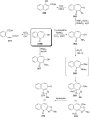
Scheme 42: Various reactions via 6-hydroxy-2,3-benzotropone (239).

Scheme 43: Photoreaction of 6-hydroxy-2,3-benzotropone (239).

Scheme 44: Synthesis of 7-hydroxy-2,3-benzotropone (241) from benzosuberone (162).

Scheme 45: Synthesis strategy for 7-hydroxy-2,3-benzotropone (241) from ketone 276.

Scheme 46: Synthesis of 7-hydroxy-2,3-benzotropone (241) from β-naphthoquinone (280).

Scheme 47: Synthesis of 7-hydroxy-2,3-benzotropone (241) from bicyclic endoperoxide 213.

Scheme 48: Synthesis of 7-hydroxy-2,3-benzotropone (241) by ring-closing metathesis.

Figure 12: Various monosubstitution products 289–291 of 7-hydroxy-2,3-benzotropone (241).

Scheme 49: Reaction of 7-hydroxy-2,3-benzotropone (241) with various reagents.

Scheme 50: Synthesis of 4-hydroxy-2,3-benzotropones 174 and 304 from diketones 300/301.

Scheme 51: Catalytic hydrogenation of diketones 300 and 174.

Scheme 52: Synthesis of halo-benzotropones from alkoxy-naphthalenes 306, 307 and 310.

Figure 13: Unexpected byproducts 313–315 during synthesis of chlorobenzotropone 309.

Figure 14: Some halobenzotropones and their cycloadducts.

Scheme 53: Multisep synthesis of 2-chlorobenzotropone 309.

Scheme 54: A multistep synthesis of 2-bromo-benzotropone 26.

Scheme 55: A multistep synthesis of bromo-2,3-benzotropones 311 and 316.

Scheme 56: Oxidation reactions of 8-bromo-5H-benzo[7]annulene (329) with some oxidants.

Scheme 57: Synthesis of 2-bromo-4,5-benzotropone (26).

Scheme 58: Synthesis of 6-chloro-2,3-benzotropone (335) using LiCl and proposed intermediate 336.

Scheme 59: Reaction of 7-bromo-2,3-benzotropone (316) with methylamine.

Scheme 60: Reactions of bromo-2,3-benzotropones 26 and 311 with dimethylamine.

Scheme 61: Reactions of bromobenzotropones 311 and 26 with NaOMe.

Scheme 62: Reactions of bromobenzotropones 26 and 312 with t-BuOK in the presence of DPIBF.

Scheme 63: Cobalt-catalyzed reductive cross-couplings of 7-bromo-2,3-benzotropone (316) with cyclic α-bromo en...

Figure 15: Cycloadduct 357 and its di-π-methane rearrangement product 358.

Scheme 64: Catalytic hydrogenation of 2-chloro-4,5-benzotropone (311).

Scheme 65: Synthesis of dibromo-benzotropones from benzotropones.

Scheme 66: Bromination/dehydrobromination of benzosuberone (162).

Scheme 67: Some transformations of isomeric dibromo-benzotropones 261A/B.

Scheme 68: Transformations of benzotropolone 239B to halobenzotropolones 369–371.

Figure 16: Bromobenzotropolones 372–376 and 290 prepared via bromination/dehydrobromination strategy.

Scheme 69: Synthesis of some halobenzotropolones 289, 377 and 378.

Figure 17: Bromo-chloro-derivatives 379–381 prepared via chlorination.

Scheme 70: Synthesis of 7-iodo-3,4-benzotropolone (382).

Scheme 71: Hydrogenation of bromobenzotropolones 369 and 370.

Scheme 72: Debromination reactions of mono- and dibromides 290 and 375.

Figure 18: Nitratation and oxidation products of some halobenzotropolenes.
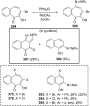
Scheme 73: Azo-coupling reactions of some halobenzotropolones 294, 375 and 378.

Figure 19: Four possible isomers of dibenzotropones 396–399.

Figure 20: Resonance structures of tribenzotropone (400).

Scheme 74: Two synthetic pathways for tribenzotropone (400).

Scheme 75: Synthesis of tribenzotropone (400) from dibenzotropone 399.

Scheme 76: Synthesis of tribenzotropone (400) from 9,10-phenanthraquinone (406).

Scheme 77: Synthesis of tribenzotropone (400) from trifluoromethyl-substituted arene 411.

Figure 21: Dibenzosuberone (414).

Figure 22: Reduction products 415 and 416 of tribenzotropone (400).

Figure 23: Structures of tribenzotropone dimethyl ketal 417 and 4-phenylfluorenone (412) and proposed intermed...

Figure 24: Structures of benzylidene- and methylene-9H-tribenzo[a,c,e][7]annulenes 419 and 420 and chiral phos...

Figure 25: Structures of tetracyclic alcohol 422, p-quinone methide 423 and cation 424.

Figure 26: Structures of host molecules 425–427.

Scheme 78: Synthesis of non-helical overcrowded derivatives syn/anti-431.

Figure 27: Hexabenzooctalene 432.

Figure 28: Structures of possible eight isomers 433–440 of naphthotropone.

Scheme 79: Synthesis of naphthotropone 437 starting from 1-phenylcycloheptene (441).

Scheme 80: Synthesis of 10-hydroxy-11H-cyclohepta[a]naphthalen-11-one (448) from diester 445.

Scheme 81: Synthesis of naphthotropone 433.

Scheme 82: Synthesis of naphthotropones 433 and 434 via cycloaddition reaction.

Scheme 83: Synthesis of naphthotropone 434 starting from 452.

Figure 29: Structures of tricarbonyl(tropone)irons 458, and possible cycloadducts 459.

Scheme 84: Synthesis of naphthotropone 436.

Scheme 85: Synthesis of precursor 465 for naphthotropone 435.

Scheme 86: Generation of naphthotropone 435 from 465.

Figure 30: Structures of tropylium cations 469 and 470.

Figure 31: Structures of tropylium ions 471+.BF4−, 472+.BF4−, and 473+.BF4−.

Scheme 87: Synthesis of tropylium ions 471+.BF4− and 479+.ClO4−.

Scheme 88: Synthesis of 1- and 2-methylanthracene (481 and 482) via carbene–carbene rearrangement.

Figure 32: Trapping products 488–490.

Scheme 89: Generation and chemistry of a naphthoannelated cycloheptatrienylidene-cycloheptatetraene intermedia...

Scheme 90: Proposed intermediates and reaction pathways for adduct 498.

Scheme 91: Exited-state intramolecular proton transfer of 505.

Figure 33: Benzoditropones 506 and 507.

Scheme 92: Synthesis of benzoditropone 506e.

Scheme 93: Synthetic approaches for dibenzotropone 507 via tropone (1).

Scheme 94: Formation mechanisms of benzoditropone 507 and 516 via 515.

Scheme 95: Synthesis of benzoditropones 525 and 526 from pyromellitic dianhydride (527).

Figure 34: Possible three benzocyclobutatropones 534–536.

Scheme 96: Synthesis of benzocyclobutatropones 534 and 539.

Scheme 97: Synthesis attempts for benzocyclobutatropone 545.

Scheme 98: Generation and trapping of symmetric benzocyclobutatropone 536.

Scheme 99: Synthesis of chloro-benzocyclobutatropone 552 and proposed mechanism of fluorenone derivatives.

Scheme 100: Synthesis of tropolone analogue 559.

Scheme 101: Synthesis of tropolones 561 and 562.

Figure 35: o/p-Tropoquinone rings (563 and 564) and benzotropoquinones (565–567).

Scheme 102: Synthesis of benzotropoquinone 566.

Scheme 103: Synthesis of benzotropoquinone 567 via a Diels–Alder reaction.

Figure 36: Products 575–577 through 1,2,3-benzotropoquinone hydrate 569.

Scheme 104: Structures 578–582 prepared from tropoquinone 567.

Figure 37: Two possible structures 583 and 584 for dibenzotropoquinone, and precursor compound 585 for 583.
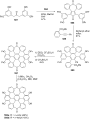
Scheme 105: Synthesis of saddle-shaped ketone 592 using dibenzotropoquinone 584.
Novel stereocontrolled syntheses of tashiromine and epitashiromine
- Loránd Kiss,
- Enikő Forró and
- Ferenc Fülöp
Beilstein J. Org. Chem. 2015, 11, 596–603, doi:10.3762/bjoc.11.66

- stereocontrolled approach has been developed for the syntheses of tashiromine and epitashiromine alkaloids from cyclooctene β-amino acids. The synthetic concept is based on the azetidinone opening of a bicyclic β-lactam, followed by oxidative ring opening through ring C–C double bond and reductive ring-closure
- dialdehyde intermediates has been efficiently applied in recent years for the synthesis of a series of valuable organic molecules [45][46][47][48][49][50][51][52]. In particular, Davies and co-workers have utilized the oxidative ring opening of cyclic vicinal diols followed by ring closure for access to
- continuation followed by oxidative ring opening of the formed β-amino esters and by reductive ring closure as key steps. Bicyclic β-lactam (±)-1 [53][54] was first transformed by azetidinone opening to the corresponding amino ester hydrochloride (±)-2 [53][54], N-protection of which with benzyl chloroformate

Graphical Abstract

Figure 1: Some indolizidine alkaloids.

Figure 2: Approaches to racemic tashiromine and epitashiromine.

Figure 3: Synthetic routes to (+)-tashiromine and (+)-epitashiromine.

Figure 4: Synthetic routes to (−)-tashiromine and (−)-epitashiromine.

Figure 5: Oxidative functionalizations of cyclic β-amino acids.

Scheme 1: Retrosynthesis of tashiromine and epitashiromine.

Scheme 2: Synthesis of (±)-tashiromine ((±)-6).

Scheme 3: Synthesis of (±)-epitashiromine ((±)-10).
Copper(II)-salt-promoted oxidative ring-opening reactions of bicyclic cyclopropanol derivatives via radical pathways
- Eietsu Hasegawa,
- Minami Tateyama,
- Ryosuke Nagumo,
- Eiji Tayama and
- Hajime Iwamoto
Beilstein J. Org. Chem. 2013, 9, 1397–1406, doi:10.3762/bjoc.9.156
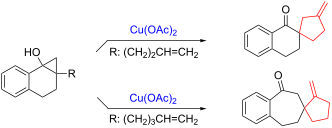
- Eietsu Hasegawa Minami Tateyama Ryosuke Nagumo Eiji Tayama Hajime Iwamoto Department of Chemistry, Faculty of Science, Niigata University, Ikarashi-2 8050, Niigata 950-2181, Japan 10.3762/bjoc.9.156 Abstract Copper(II)-salt-promoted oxidative ring-opening reactions of bicyclic cyclopropanol
- (II)-salt-promoted oxidative ring-opening reactions of selected bicyclic cyclopropanol derivatives. Results and Discussion In the initial phase of this effort, we examined the reaction of cyclopropyl silyl ether 1a (0.40 mmol) with copper(II) acetate, Cu(OAc)2 , (1.1 equiv) for 1 h at room temperature

Graphical Abstract

Scheme 1: Comparison of fragmentation reaction pathways of organic radical ions generated under the redox-rea...

Scheme 2: Using rearrangements of radicals and ions to distinguish mechanistic pathways for ET-reactions.

Figure 1: Radical anion and cation probe substances I and II, possessing 5-hexenyl structures.

Scheme 3: Reductive ET reactions of the probe I (left) and oxidative ET reactions of probe II (right).

Scheme 4: Reaction of silyl ether 1a with Cu(OAc)2 in the absence or presence of n-Bu4NF.

Scheme 5: SmI2-promoted preparation of 1 and subsequent reaction with CuX2.

Scheme 6: Reaction of cyclopropanol 1b with Cu(OAc)2.

Scheme 7: Plausible reaction pathways for the reaction of 1b with Cu(OAc)2.

Scheme 8: Reaction of cyclopropanol 1b with various copper(II) salts (CuX2).

Scheme 9: Formation of acetoamide 16 from the cation 13.

Scheme 10: Reaction of cyclopropanol 1c with various copper(II) salts (CuX2).

Scheme 11: Reaction of cyclopropanol 1d with various Cu(OAc)2.

Scheme 12: Comparison of reaction pathways of ring-expanded radical 27 and 28.



