


Search results
Search for "CVD" in Full Text gives 215 result(s) in Beilstein Journal of Nanotechnology. Showing first 200.
Sustainable fabrication of 2D-based devices through reuse of substrates with microfabricated electrodes
Beilstein J. Nanotechnol. 2026, 17, 818–827, doi:10.3762/bjnano.17.58
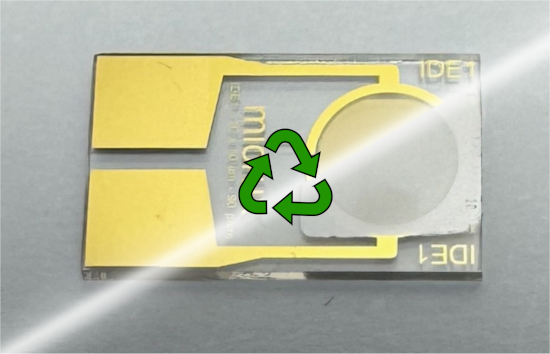
- gaps. In addition to the cleaning of films of roll-to-roll mechanically exfoliated van der Waals materials, we investigated the cleaning and reuse of substrates with chemical vapor deposition (CVD)-grown MoS2 flakes (see Supporting Information File 1, Figure S5) [35][36]. To examine the feasibility of
- that the cleaning process largely preserves the surface-potential uniformity of the electrode. Beyond the roll-to-roll deposited films of 2D materials, it is crucial to evaluate the reusability of substrates in the context of devices fabricated with single mechanically exfoliated flakes or CVD-grown
- , suggesting that the cleaning process does not introduce pronounced electrostatic inhomogeneity. In addition to MoS2-based devices, the method is also applicable to WSe2 and ITO-based platforms and can be extended to CVD-grown films and manually exfoliated monolayer flakes. Although the main manuscript adopts


Substrate-dependent pore formation in molybdenum disulfide monolayers under ion irradiation
Beilstein J. Nanotechnol. 2026, 17, 769–780, doi:10.3762/bjnano.17.54
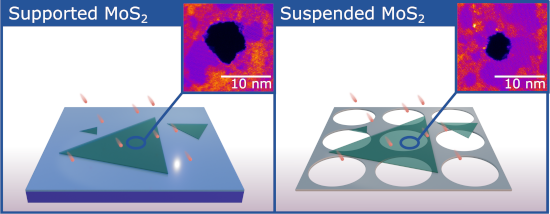
- analogue of out-of-plane dissipation into a semiconducting environment. To test the role of out-of-plane electronic energy dissipation, we exploit regions of different thickness in MoS2 grown via chemical vapor deposition (CVD) on SiO2 (Figure 2a). Compared to monolayer regions (1L), bilayer MoS2 (2L
- benchmarks for future modeling. A particularly promising next step would be a targeted description of electronic energy dissipation across the interface between the 2D material and the substrate. Experimental Sample preparation A custom chemical vapor deposition (CVD) process is used to grow monolayer MoS2
- received the same fluence. Schematic of the irradiation and subsequent STEM analysis of MoS2 on SiO2. First, CVD-grown MoS2 on SiO2/Si is irradiated with highly charged ions (a). After that, irradiated MoS2 is transferred polymer-free to a TEM grid (b). (c) Transferred flakes on the TEM grid (left) are


Impacts of annealing on structural and photophysical properties of zinc phthalocyanine adsorbed on graphene
Beilstein J. Nanotechnol. 2026, 17, 576–585, doi:10.3762/bjnano.17.39
- -tristyrylbenzene substituted by dodecyl alkoxy peripheral chains TSB35-C12 [39] (Scheme 1b) grown by drop-casting from a toluene solution either on HOPG, for STM experiments, or on a transparent monolayer chemical-vapor-deposition (CVD) graphene on glass substrates, for optical measurements. This system has been
- the dried samples both before and after annealing at 80 °C for 30 or 180 min. Optical absorption micro-spectroscopy Optical absorption was measured by transmission micro-spectroscopy for ZnPc:TSB35-C12 grown on a highly transparent CVD graphene monolayer transferred to a microscope glass cover plate
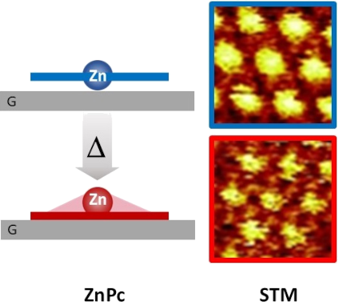
- the transferred CVD graphene [45]. We thus studied the effects of annealing on the structure of ZnPc trapped in a TSB35-C12 nanoporous matrix by STM on HOPG, as reported in Figure 3. The same behavior is expected on graphene, in line with our previously published results [40][45]. The annealing mainly


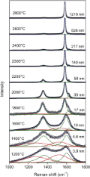
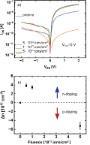
Defects and defect-mediated engineering of two-dimensional materials: challenges and open questions
Beilstein J. Nanotechnol. 2026, 17, 454–488, doi:10.3762/bjnano.17.31
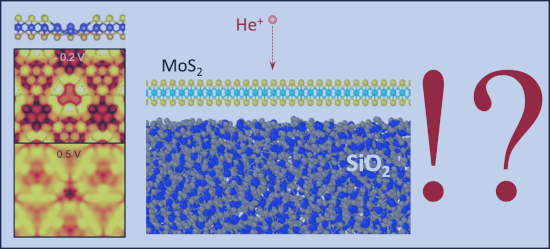
- beyond a “trial and error” approach. What are the oxidation mechanisms and kinetics of defective surfaces in 2D materials? Substitutional oxygen defects are present in 2D materials synthesized via chemical vapor deposition (CVD) [51]. This can be a result of oxide precursors, which are frequently used
- multilayer films into the bulk are poorly understood. In relatively unstable TMDs, such as MoTe2 and WTe2, an ultrathin amorphous layer of MoO3 or TeO2 is immediately formed when CVD or MBE-grown MoTe2 is exposed to ambient environments [53][68]. However, the barrier for S vacancy diffusion between TMD





Time of flight secondary ion mass spectrometry imaging of contaminant species in chemical vapour deposited graphene on copper
Beilstein J. Nanotechnol. 2026, 17, 200–213, doi:10.3762/bjnano.17.13
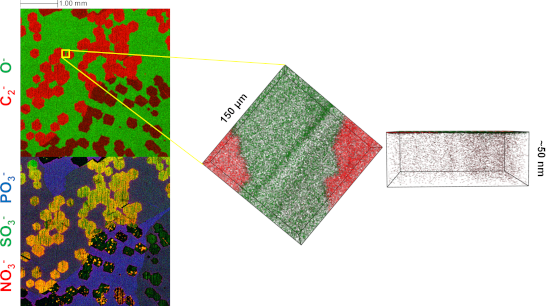
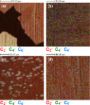
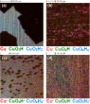
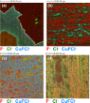
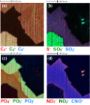
- Cambridge, Cambridge CB3 0FA, United Kingdom 10.3762/bjnano.17.13 Abstract Time of flight secondary ion mass spectrometry (ToF-SIMS) was used to probe the chemistry of graphene grown on copper foil substrates by chemical vapour deposition (CVD) under various growth conditions. The surface sensitivity, mass
- quality control method. These results highlight the significance of understanding the role of trace contaminants and elemental distributions within the catalyst in conjunction with growth parameters for optimised CVD of graphene layers. Keywords: contamination; copper; CVD; graphene; ToF-SIMS
- ; Introduction The development of high quality, high throughput, and highly consistent chemical vapour deposition (CVD) processes for the growth of graphene is one of the major milestones that need to be overcome before the potential properties of graphene can be fully realised for device purposes [1][2][3][4





Reduced graphene oxide paper electrode for lithium-ion cells – towards optimized thermal reduction
Beilstein J. Nanotechnol. 2026, 17, 24–37, doi:10.3762/bjnano.17.3
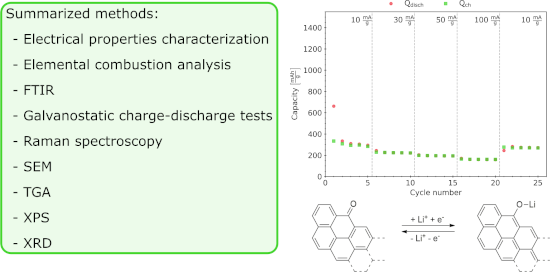
- , that is, rGO as conductive support, was presented by Thangappan et al. for nanostructured MoS2 in supercapacitor electrodes [12]. Another application of graphene materials is current collectors for both anode and cathode based on CVD-grown graphene foam, as described by Li et al., who reported lithium



Evaluating metal-organic precursors for focused ion beam-induced deposition through solid-layer decomposition analysis
Beilstein J. Nanotechnol. 2025, 16, 1942–1951, doi:10.3762/bjnano.16.135
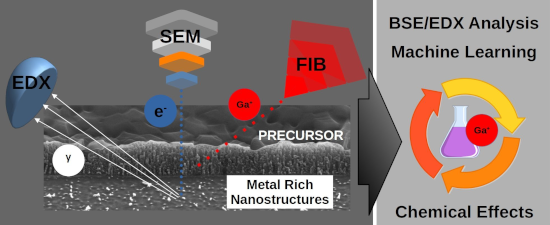
- deposition (CVD), a thermally driven process. However, these kinds of precursors were not optimized for the electron- and ion-driven FEBID and FIBID processes [4][5][14]. Important classes of FEBID-tested compounds for group-11 elements have been β-diketonates and carboxylates. These compounds were used
- previously in CVD, and β-diketonates are the most common CVD precursors, yielding films of high purity up to 99 atom % [5][15][22][23][24][25][26]. In FEBID, silver(I) carboxylates, in contrast to β-diketonates, result in high metal content in the deposits. Recent research [5] using [Ag2(μ-O2CR)2], where R


Deep-learning recognition and tracking of individual nanotubes in low-contrast microscopy videos
Beilstein J. Nanotechnol. 2025, 16, 1316–1324, doi:10.3762/bjnano.16.96
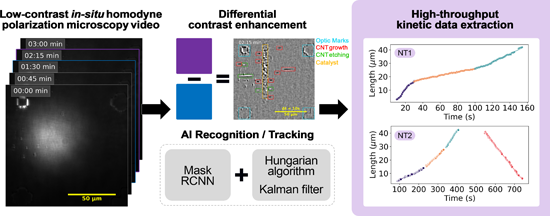
- , horizontally aligned carbon nanotubes (HA-CNTs) were synthesized inside a miniature chemical vapor deposition (CVD) cell with an optical window (Linkam TS1500). ST-cut quartz and iron nanoparticles served as substrate and catalyst, respectively. Ethanol and argon were, respectively, used as carbon precursor


Single-layer graphene oxide film grown on α-Al2O3(0001) for use as an adsorbent
Beilstein J. Nanotechnol. 2025, 16, 1082–1087, doi:10.3762/bjnano.16.79
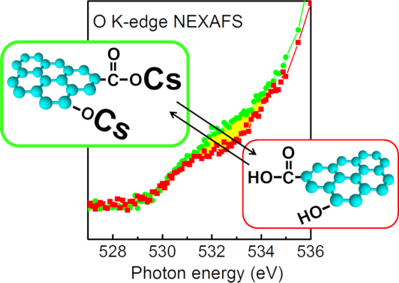
- typically been fabricated through casting small pieces of GO flakes onto a substrate. In this study, the SLGO film was synthesized by oxidizing single-layer graphene (SLG) grown by metal-free chemical vapor deposition (CVD) on a α-Al2O3(0001) substrate. The strong interface interaction between SLG and α
- capacity. Conclusion In this study, the synthesis of the large-area SLGO film was accomplished through the oxidation of CVD-grown SLG/α-Al2O3(0001). We found that the change in the electronic state from graphene to GO is attributed to oxidation. This was accompanied by the decrease of the π*(C=C) state and


Piezoelectricity of hexagonal boron nitrides improves bone tissue generation as tested on osteoblasts
Beilstein J. Nanotechnol. 2025, 16, 1068–1081, doi:10.3762/bjnano.16.78
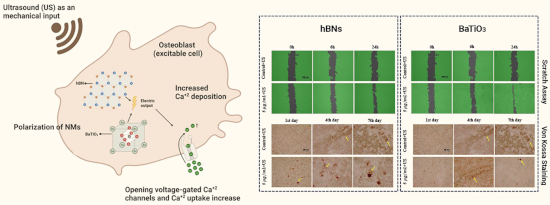
- exfoliation) and bottom-up (chemical or physical atom assembly) synthesis methods, with chemical vapor deposition (CVD) standing out as a promising approach for large-area production [38]. This study aims to investigate novel, noninvasive stimulation of osteoblasts using commercial BaTiO3 and CVD-synthesized
- –600 nm via a microplate reader (Tecan, Switzerland) to determine cell viability. Results and Discussion Characterization of hexagonal boron nitrides and BaTiO3 While hBNs were synthesized with a CVD method in house, BaTiO3 with an average size of 50 nm was purchased. Both were thoroughly characterized
- comparatively investigated the effects of commercially available BaTiO3, a well-known ferroelectric and piezoelectric material, and hBNs, successfully synthesized via the CVD method and recognized for their piezoelectric properties on osteoblast cell activity in the presence and absence of US exposure. The


Heat-induced transformation of nickel-coated polycrystalline diamond film studied in situ by XPS and NEXAFS
Beilstein J. Nanotechnol. 2025, 16, 887–898, doi:10.3762/bjnano.16.67
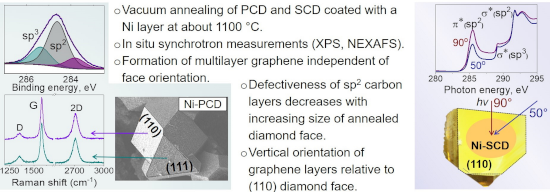
- transformation of bare and nickel-coated polycrystalline diamond films under high-vacuum annealing The PCD film was produced by plasma-enhanced chemical vapor deposition (PE CVD) using acetone (CH3)2CO, hydrogen, and air as the precursor gases for the plasma [37]. The film consists of crystallites with
- 1150 °C [27] and for the (111) face of SCD annealed at 1250 °C [15]. Conclusion Polycrystalline diamond films with mixed grain orientations were synthesized by the PE CVD method from hydrogen/acetone/air plasma and coated with a 40 nm thick nickel layer. In situ XPS and NEXAFS data revealed the
- surface. Our results can be useful for controlling the growth of graphitic coatings on dielectric diamond surfaces with a polycrystalline structure and grains of different sizes and crystallographic orientations. Experimental The growth of PCD films on silicon substrates was performed using PE CVD with a


Synchrotron X-ray photoelectron spectroscopy study of sodium adsorption on vertically arranged MoS2 layers coated with pyrolytic carbon
Beilstein J. Nanotechnol. 2025, 16, 847–859, doi:10.3762/bjnano.16.64
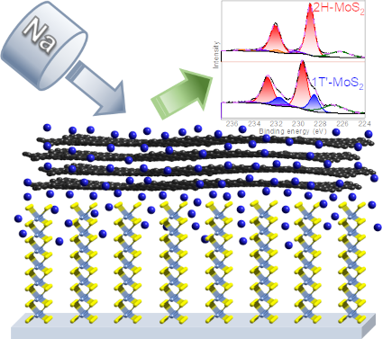
- temperature of 873 K for 30 min. Heating the raw film in a hydrogen atmosphere at 1073 K removes excess sulfur and other contaminations from the film surface. In the final step, a thin PyC film synthesized by chemical vapor deposition (CVD) technique is placed on the surface of the cleaned MoS2 film using the
- different sizes formed during CVD synthesis (Figure 1b). The thickness of the MoS2 film estimated from the cross-sectional SEM image is about 33 nm (Figure 1d). Therefore, it can be estimated that the MoS2 film obtained using a molybdenum layer sputtered for 10 s has a thickness of no more than 4 nm. The
- films were synthesized by CVD and transferred onto the surfaces of SiO2/Si and MoS2. PyC, MoS2 film, and PyC-MoS2 hybrid were used to deposit equal amounts of sodium via evaporation in UHV. Analysis of XPS data revealed a higher sodium concentration on the PyC-MoS2 surface than on the MoS2 surface since


Electron beam-based direct writing of nanostructures using a palladium β-ketoesterate complex
Beilstein J. Nanotechnol. 2025, 16, 530–539, doi:10.3762/bjnano.16.41
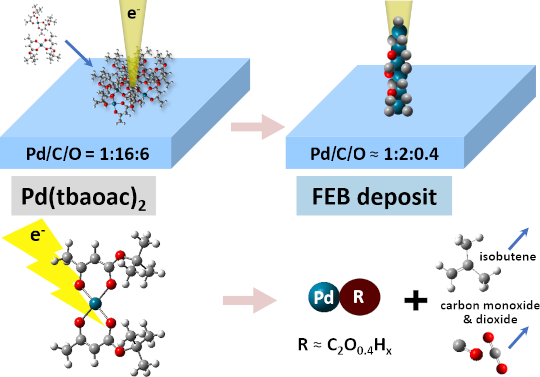
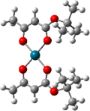
- all deposits, the GIS and substrate temperatures were set to 85 and 70 °C, respectively. At these temperatures, no thermal decomposition occurred inside the GIS, nor did condensation or CVD processes take place on the substrate, while practical growth rates of deposits were observed. The precursor


Impact of adsorbate–substrate interaction on nanostructured thin films growth during low-pressure condensation
Beilstein J. Nanotechnol. 2025, 16, 473–483, doi:10.3762/bjnano.16.36

- study of the evolution of a monoatomic layer deposited on a substrate during low-pressure condensation in the framework of a continuous dynamical model of the reaction–diffusion type. This approach allows one to model deposition techniques such as low-pressure CVD (LPCVD) at sub-atmospheric pressures


Advanced atomic force microscopy techniques V
Beilstein J. Nanotechnol. 2025, 16, 54–56, doi:10.3762/bjnano.16.6

- al. present the application of AFM-based infrared nanospectroscopy to coated polymer surfaces [11]. The authors prepare thin films of SiOx on polypropylene surfaces by plasma-enhanced chemical vapor deposition (PE-CVD), which is commonly done to improve gas barrier properties of polypropylene. They
Heterogeneous reactions in a HFCVD reactor: simulation using a 2D model
Beilstein J. Nanotechnol. 2024, 15, 1627–1638, doi:10.3762/bjnano.15.128
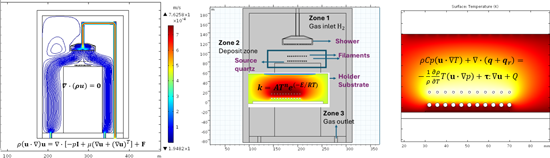
- by different CVD techniques, but also by sputtering and ion implantation, among others [4][5]. The key parameters are particular for each of these techniques. Hot filament chemical vapor deposition (HFCVD) is an excellent alternative for obtaining SRO films. It is also very versatile and economical
- [11]. The basic steps of the general CVD process are classified and described in [12]. The optimization of this technique improves the properties of the films; however, the complexity of the CVD processes makes it difficult to understand clearly the different mechanisms involved in such optimization
- ]. Also, modeling of CVD microreactors at atmospheric pressure using tetraethyl orthosilicate as a source to obtain SiO2 has been achieved through computational fluid dynamics (CFD) simulations [22]. The gas-phase and surface reactions were analyzed using direct Monte Carlo simulations of a hot wire


Ion-induced surface reactions and deposition from Pt(CO)2Cl2 and Pt(CO)2Br2
Beilstein J. Nanotechnol. 2024, 15, 1427–1439, doi:10.3762/bjnano.15.115

- techniques, they do not require the use of organic solvents present in traditional lithography. Indeed, FEBID/FIBID can be considered as alternatives to commonly used methods such as chemical vapor deposition (CVD) and atomic layer deposition (ALD), particularly for area-selective, as opposed to conformal
- techniques is that they produce deposits with relatively low metal contents as compared to CVD and ALD. Indeed, creating deposits with high metal contents is one of the biggest challenges for FIBID and FEBID, and recent advances in precursor design and fine-tuning of deposition parameters led to deposits of
- greater purity such as the FEBID fabrication of Co3Fe nanowires [15][26][27]. Similarly, the frequently studied Pt precursor MeCpPtMe3 yields a deposit with nearly 100% Pt content from CVD [28][29]. This purity is achieved by utilizing reactive carrier gases, such as H2 and O2, as co-reactants during



Various CVD-grown ZnO nanostructures for nanodevices and interdisciplinary applications
Beilstein J. Nanotechnol. 2024, 15, 1390–1399, doi:10.3762/bjnano.15.112
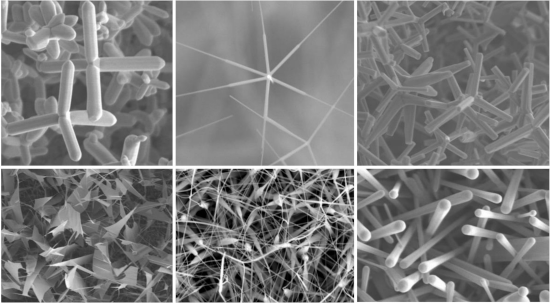
- Institute of Research and Development, Duy Tan University, Da Nang 550000, Vietnam Faculty of Environmental and Natural Sciences, Duy Tan University, Da Nang 550000, Vietnam 10.3762/bjnano.15.112 Abstract This work presents a simple chemical vapour deposition (CVD) method to grow ZnO nanostructures. By
- DMSs, these nanostructures will be beneficial to the development of new ZnO-based materials for photocatalytic [25], biomedical [26], gas sensing [27][28], and flexible electronic/optoelectronic applications [29][30]. They are usually fabricated by chemical vapour deposition (CVD) or solid-vapour phase
- thermal sublimation [18][23], thermal evaporation [21], hydrothermal method [31][32][33], and other facile chemical/physical routes [34]. The changes in fabrication and processing conditions will influence the shape and size of ZnO nanostructures. When using CVD, vapour sources can be Zn powder or a



New design of operational MEMS bridges for measurements of properties of FEBID-based nanostructures
Beilstein J. Nanotechnol. 2024, 15, 1273–1282, doi:10.3762/bjnano.15.103
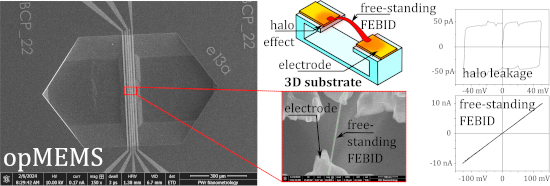
- (Si3N4) layer was deposited via CVD. The 40 nm thick platinum paths were then patterned by lift-off photolithography. The opMEMS bridge body was defined photolithographically with a feature size of 2 µm, etched by dry oxygen plasma etching (DRIE) and then released by KOH anisotropic wet silicon etching


Interface properties of nanostructured carbon-coated biological implants: an overview
Beilstein J. Nanotechnol. 2024, 15, 1041–1053, doi:10.3762/bjnano.15.85
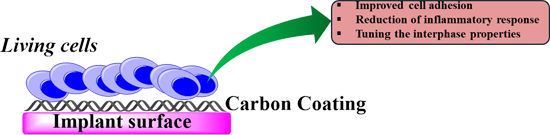
- defects, including passivation and vacancies [78]. Deposition methods for the synthesis of carbon coatings The addition of nanostructured and nanosized carbon species into materials for biological applications can be attained by several techniques such as chemical vapor deposition (CVD), physical vapor
- deposition (PVD), and in situ formation through laser treatments. CVD offers several advantageous features such as a high degree of control over the deposition process. CVD involves the deposition of a thin film of material onto a substrate through homogeneous or heterogeneous reactions [79]. Homogeneous
- . [80], the variation of few parameters (i.e., precursor flux and process temperature) can be sufficient to obtain nanographite or CNTs via CVD. Furthermore, Musso et al. [81] proved that, under appropriate conditions, CNTs and carbon microfibers can be grown from different carbon precursors (i.e



Bolometric IR photoresponse based on a 3D micro-nano integrated CNT architecture
Beilstein J. Nanotechnol. 2024, 15, 1030–1040, doi:10.3762/bjnano.15.84
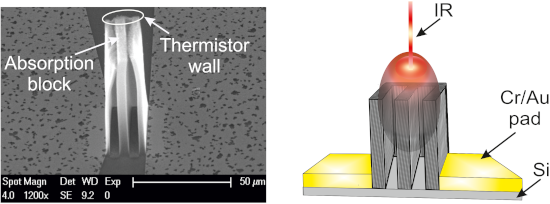
- nanoparticles at ≈750 °C. Finally, the samples were synthesized by water-assisted chemical vapor deposition (CVD) at 800 °C, similar to the CVD process presented in [13][14], to achieve a crystalline graphitic nature of the carbon nanotubes. Argon was used as the carrier gas and ethylene as the carbon source. A
- stream of water vapor acted as a catalyst activator. The height of the CNT bundles (30–60 μm) depended on the CVD growth time. CNT bundles with a height of ≈40 μm were grown in ca. 1 min as shown in Figure 2a. The resulting M-shaped VACNTs have an initial pixel dimension of 20 × 20 μm2 with a ≈1 μm thick
- VACNTs (water-assisted CVD on silicon substrates with ethylene as the carbon source) has been investigated by [3]. They showed that vertically aligned SWCNTs can absorb light almost perfectly with a reflectance of 0.01–0.02 over a very wide spectral range (0.2–200 μm). The UV-to-mid-IR absorption


Intermixing of MoS2 and WS2 photocatalysts toward methylene blue photodegradation
Beilstein J. Nanotechnol. 2024, 15, 817–829, doi:10.3762/bjnano.15.68
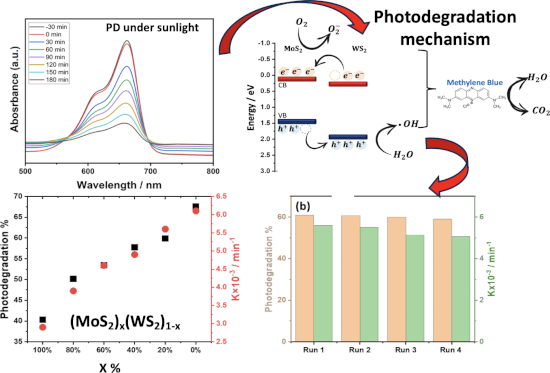
- deposition (CVD) as previously reported [32]. This means that the samples are well preserved after exfoliation through the intense sonication process. Certain flakes can be observed to have bent. The edges in some flakes can be seen to lose the smoothness, which could be a result of the harsh sonication
- orientation is indicated by the (103) direction. In the high-resolution image, some edge-related defects can also be seen which is common in CVD-grown MoS2 materials [34]. Similarly, the WS2 sample exhibits a flake shape along with a high crystalline nature of the flakes (Figure 5c, Figure 5d). Figure 5e and
- electron–hole pairs during photodegradation is facilitated by the presence of the MoS2/WS2 composite. This structure also effectively prevents the recombination of electrons and holes, ensuring an efficient photocatalytic process. In our study, we have employed the facile and cost-effective CVD processing


Classification and application of metal-based nanoantioxidants in medicine and healthcare
Beilstein J. Nanotechnol. 2024, 15, 396–415, doi:10.3762/bjnano.15.36
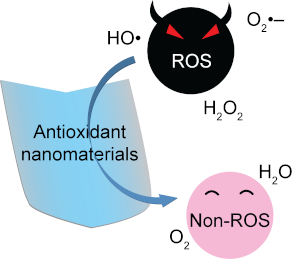
- , researchers have explored innovative approaches for the treatment of atherosclerosis, with a particular focus on the use of metal-based nanomaterials. The advancement of nanomedicines in CVD treatments will gain from the comprehensive understanding of the rate and extent of nanoparticles (NPs) inside the
- et al. demonstrated that biodegradable Mg scaffolds have shown promise in promoting vascular regeneration [188]. In brief, the use of metal-based nanomaterials in CVD treatment encompasses a range of innovative approaches from targeted drug delivery using NPs to the development of advanced metallic


On the mechanism of piezoresistance in nanocrystalline graphite
Beilstein J. Nanotechnol. 2024, 15, 376–384, doi:10.3762/bjnano.15.34
- transparent strain sensors. So far, the growth of specific grain boundaries in graphene has not been reported. Also, most research activities aim at the chemical vapor deposition (CVD) synthesis of monocrystalline graphene free of grain boundaries [10][11][12]. Methods to detect and visualize grain boundaries
- and dislocations are currently under development [13][14]. This leads to the situation that the role of grain boundaries for graphene-based sensing of strain, pressure, and motion has not been explored and remains unresolved [15][16][17][18], although in CVD graphene the domain size is typically of


Determining by Raman spectroscopy the average thickness and N-layer-specific surface coverages of MoS2 thin films with domains much smaller than the laser spot size
Beilstein J. Nanotechnol. 2024, 15, 279–296, doi:10.3762/bjnano.15.26
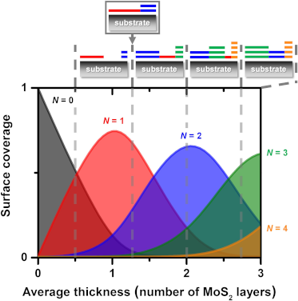
- injection pulsed-pressure chemical vapor deposition (DLI-PP-CVD). Such samples are constituted of nanoflakes (with a lateral size of typically 50 nm, i.e., well below the laser spot size), with possibly a distribution of thicknesses and twist angles between stacked layers. As an essential preliminary, we
- SiO2 on Si substrates. Then, we discuss the applicability of the same criteria for significantly different DLI-PP-CVD MoS2 samples with average thicknesses ranging from sub-monolayer up to three layers. Finally, an original procedure based on the measurement of the intensity of the layer breathing
- modes is proposed to evaluate the surface coverage for each N (i.e., the ratio between the surface covered by exactly N layers and the total surface) in DLI-PP-CVD MoS2 samples. Keywords: molybdenum disulfide; number of layers; Raman spectroscopy; thin film; transition metal dichalcogenides





