


Search results
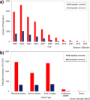
Search for "additives" in Full Text gives 175 result(s) in Beilstein Journal of Nanotechnology.
Cellulose as a photocatalyst support material: extraction, structural features, and environmental applications
Beilstein J. Nanotechnol. 2026, 17, 635–652, doi:10.3762/bjnano.17.44
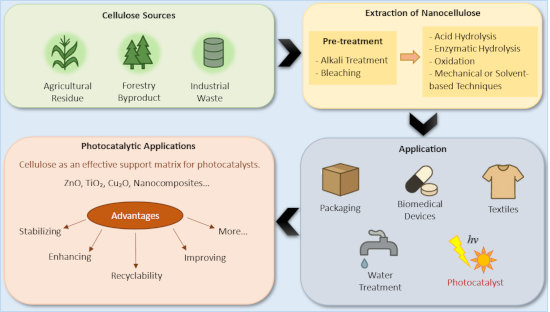
- the need for additional additives, and their high carbon content and small size make them particularly suitable for producing porous carbon-based electrodes through high-temperature pyrolysis. Beyond enhancing conductivity, the use of CNCs as template materials provides multiple advantages, since they


Laser–material interactions in liquids for the synthesis of nanomaterials: current status and perspectives
Beilstein J. Nanotechnol. 2026, 17, 571–575, doi:10.3762/bjnano.17.38

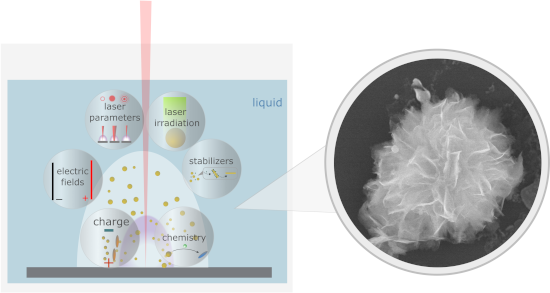
- , functional applications often require incorporation of additives for size control [44], enhanced colloidal stability [45], or specific surface functionalization [46]. For example, the use of scavengers to capture reactive species can influence nanoparticle size [47] and increase productivity [48
Functional surface engineering for cultural heritage protection: the role of superhydrophobic and superoleophobic coatings – a comprehensive review
Beilstein J. Nanotechnol. 2026, 17, 63–96, doi:10.3762/bjnano.17.6
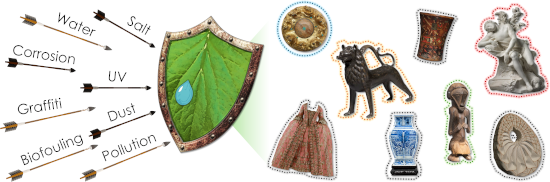
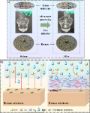
- coating degradation unless they were stabilized with additional additives. Regarding the ICOM preventive conservation criteria, some considerations need to be made for these two papers. The sol–gel fluoropolymer–silica hybrids [75] showed high transparency and stability but only partial reversibility
- safety through the replacement of hazardous BTA with less toxic inhibitors, with partial but promising reversibility. Importantly, the latter study also explicitly integrated sustainability by reducing environmental impact through nontoxic additives and light stabilizers, thus moving closer to fulfilling
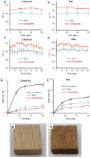
- resistance, offering promising potential for indoor preservation of heritage timber structures. Also, bio-based solutions for wood protection coatings have been considered, many of which became increasingly efficient by the inclusion of specific additives to be used for targeted threats. For example, in case




Microplastic pollution in Himalayan lakes: assessment, risks, and sustainable remediation strategies
Beilstein J. Nanotechnol. 2025, 16, 2144–2167, doi:10.3762/bjnano.16.148
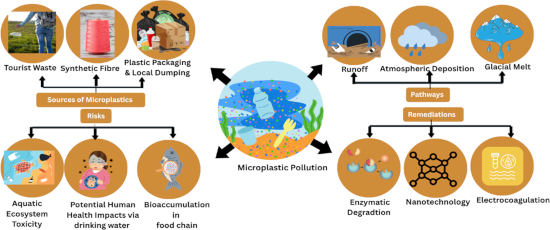
- mammals being exposed to tainted prey, which might have implications at the ecosystem level. The occurrence of MPs in freshwater fauna of the Himalayas also implies that native human populations dependent upon fish as food could be endangered by MP ingestion. 7.2 Toxicity from plastic additives and
- degradation byproducts MPs come from various sources and are responsible for environmental and human health risks. First, plastics are manufactured with chemical additives such as phthalates, bisphenol A (BPA), and brominated flame retardants, which are endocrine disruptors and carcinogens [115][116]. Second
- their physical structure, MPs are also significantly hazardous through the additives and byproducts that they release into the environment [120][121]. 7.3 Long-term implications for ecosystem and human health Long-term exposure to MPs can potentially alter fundamental ecological processes such as


Laser ablation in liquids for shape-tailored synthesis of nanomaterials: status and challenges
Beilstein J. Nanotechnol. 2025, 16, 1963–1997, doi:10.3762/bjnano.16.137
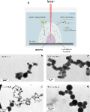
- ions (Ag+, Fe3+, Co+) and complexes (W(CO)6) [41]. These additives are known to promote growth of nonspherical shapes in colloidal chemical synthesis by preferential adsorption on specific crystalline planes. Another example of the influence of ligand concentration on nanoparticle shape is given in [42




Nanotechnology-based approaches for the removal of microplastics from wastewater: a comprehensive review
Beilstein J. Nanotechnol. 2025, 16, 1607–1632, doi:10.3762/bjnano.16.114
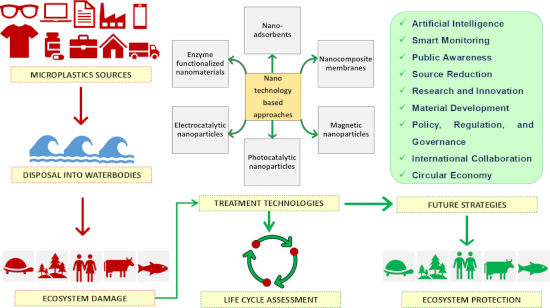
- ). The paper mills studied, manufacture a variety of paper products, including tissue paper, cardboard, and specialized items, using different raw materials and polymeric additives like polymeric fibres and coating colours. It was observed that, in paper mill waste, the polymeric additives are the
- . In aquatic environments, MPs transform due to the mixing with aggregates, biofouling, and leaching of additives. These alterations affect their buoyancy, leading to their accumulation in benthic ecosystems [24]. Impact of MPs on health and ecosystems In smaller organisms like plankton, MPs have


Photocatalytic degradation of ofloxacin in water assisted by TiO2 nanowires on carbon cloth: contributions of H2O2 addition and substrate absorbability
Beilstein J. Nanotechnol. 2025, 16, 1567–1579, doi:10.3762/bjnano.16.111
- additives, and veterinary drugs [1][2]. Ofloxacin (OFL) is a broad-spectrum fluoroquinolone antibiotic widely used in clinical treatments for various bacterial infections [3]. After administration, OFL is not fully metabolized and is primarily excreted through urine, leading to its presence in wastewater
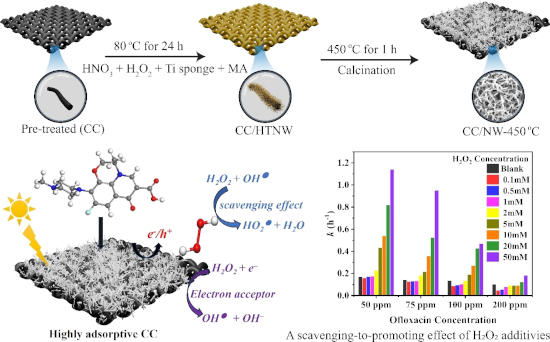
- constants are summarized in Figure 7a. The reaction rate constants for OFL in water with initial concentrations of 50 and 75 ppm increased gradually with increasing H2O2 additives. After 6 h, the removal is approximately 85% and 76% for 50 and 75 ppm OFL, respectively, in the presence of 10 mM H2O2. More
- holes were the primary factor in the photocatalytic mechanism, while the cooperative effects of hydroxyl radicals facilitated the process. A scavenging-to-promoting transition was thus noted concerning the effects of the H2O2 additives. The TiO2 nanowire arrays on carbon cloth exhibited an improved


Functional bio-packaging enhanced with nanocellulose from rice straw and cinnamon essential oil Pickering emulsion for fruit preservation
Beilstein J. Nanotechnol. 2025, 16, 1234–1245, doi:10.3762/bjnano.16.91
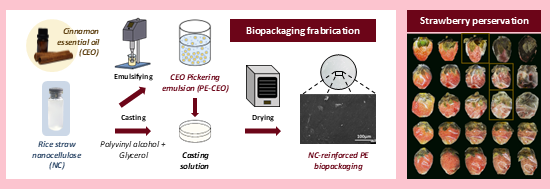
- cosmetic industries. The current major gaps in research regarding these biopackaging materials are their low mechanical strength and the introduction of functional additives to enhance their range of applications. In this paper, a biopackaging material is formulated using polyvinyl alcohol with glycerol as
- life of strawberries to 21 days, compared to 11 days for unwrapped samples, therefore highlighting the potential of combining renewable materials and natural functional additives to create scalable, eco-friendly packaging solutions. Experimental Materials Rice straw used for NC synthesis was provided



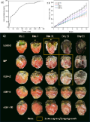
Crystalline and amorphous structure selectivity of ignoble high-entropy alloy nanoparticles during laser ablation in organic liquids is set by pulse duration
Beilstein J. Nanotechnol. 2025, 16, 1141–1159, doi:10.3762/bjnano.16.84
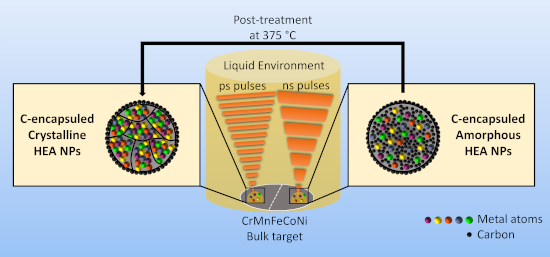
- colloids (LSPC) [41][42][43][44] provides nanoparticles dispersed in liquids without the addition of common additives (e.g., citrate [45], tensides [46], polymers [47]) or support material to stabilize the particles with high variability on the used solvent, yielding colloidal nanoparticles with


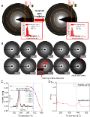


Fabrication of metal complex phthalocyanine and porphyrin nanoparticle aqueous colloids by pulsed laser fragmentation in liquid and their potential application to a photosensitizer for photodynamic therapy
Beilstein J. Nanotechnol. 2025, 16, 1088–1096, doi:10.3762/bjnano.16.80
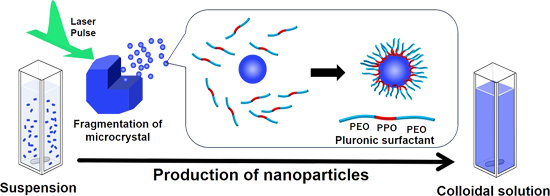
- suspended in a poor solvent is fragmented into nanoparticles by intense pulsed laser irradiation, and the sample suspension is directly converted in to a colloidal dispersion without any chemical additives in one step. It has been demonstrated that several hydrophobic dyes such as metal complex Pcs (MPcs


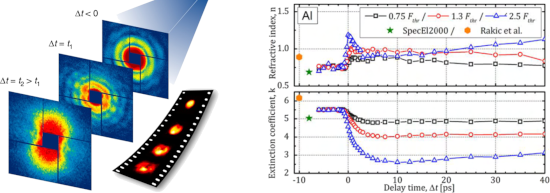
Time-resolved probing of laser-induced nanostructuring processes in liquids
Beilstein J. Nanotechnol. 2025, 16, 968–1002, doi:10.3762/bjnano.16.74


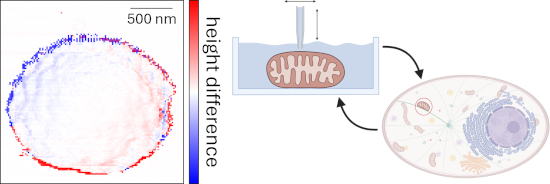
Shape, membrane morphology, and morphodynamic response of metabolically active human mitochondria revealed by scanning ion conductance microscopy
Beilstein J. Nanotechnol. 2025, 16, 951–967, doi:10.3762/bjnano.16.73
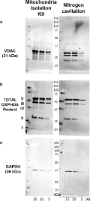
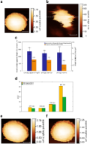
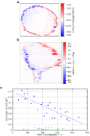
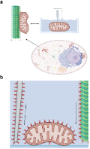
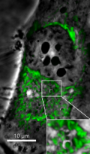
- ), regardless of the isolation method. After storing the mitochondrial fractions at −80 °C for four days to three months, oxygen consumption was only slightly reduced to 182.8 ± 16.88 μmol·L−1 per 10 min. Thus, freezing and thawing have little effect on mitochondrial performance. Because the additives are not



Synchrotron X-ray photoelectron spectroscopy study of sodium adsorption on vertically arranged MoS2 layers coated with pyrolytic carbon
Beilstein J. Nanotechnol. 2025, 16, 847–859, doi:10.3762/bjnano.16.64
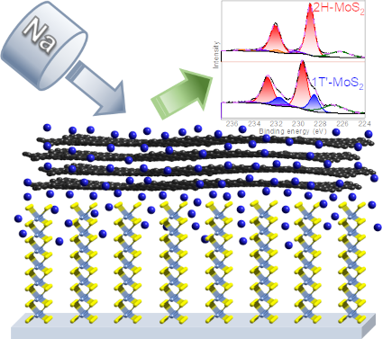
- additives have been proposed as an effective way to solve the problem of electrical conductivity and stability of MoS2 anodes [6]. To date, several hybrid MoS2–carbon anode materials have been developed, which have demonstrated excellent cycling stability and rate performance in SIBs, as well as high


Changes of structural, magnetic and spectroscopic properties of microencapsulated iron sucrose nanoparticles in saline
Beilstein J. Nanotechnol. 2025, 16, 762–784, doi:10.3762/bjnano.16.59
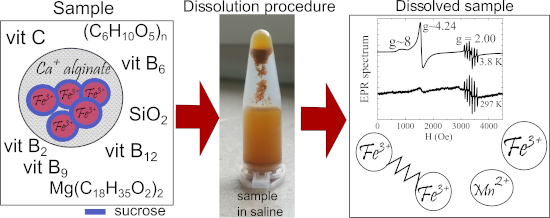
- iron contains nonmagnetic pharmaceutical additives, it can be expected that the contribution from these additional substances will be significant in all obtained results. As discussed later in the text, this issue complicates the analysis of the obtained results; however, it does not constitute an
- coupling between Fe ions, (iii) the analysis of interactions between the magnetic core and the sucrose shell and their impact on core surface magnetic moments, (iv) the impact of the core surface and nonmagnetic additives on the saturation magnetization of the investigated compound [19], and (v) the
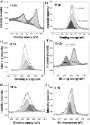
- 3d confirms the presence, in addition to iron, of elements from additives and organic compounds, such as Si from SiO2, Ca from calcium alginate, and Co most likely from cobalamin. The Na and Cl peaks relating to salt (NaCl), and peaks of P, S, Ni, and Zn (trace levels), were classified as





Efficiency of single-pulse laser fragmentation of organic nutraceutical dispersions in a circular jet flow-through reactor
Beilstein J. Nanotechnol. 2025, 16, 711–727, doi:10.3762/bjnano.16.55
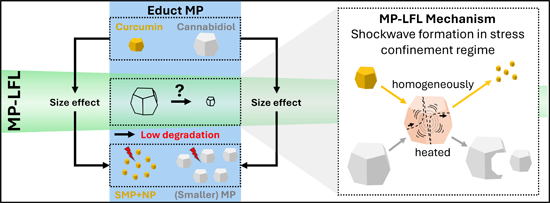
- required, especially when processing sensitive nutraceuticals intended for the use as food additives or medical applications. This is complemented by evaluations of the biocompatibility and antioxidant features (i.e., suppression of reactive oxygen species (ROS)) of laser-processed curcumin. Results and
- effects when laser-fragmented curcumin particles are exposed to cancer cell lines, which is well in line with other curcumin formulations but highlights that LFL is a promising comminution strategy to generate bioactive curcumin in the absence of additional stabilizing ligands and additives. Experimental


The impact of tris(pentafluorophenyl)borane hole transport layer doping on interfacial charge extraction and recombination
Beilstein J. Nanotechnol. 2025, 16, 678–689, doi:10.3762/bjnano.16.52
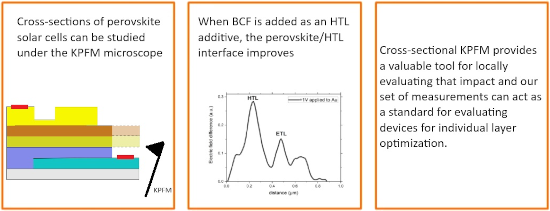
- , which implies dissimilarities in the underlying doping mechanisms (See Supporting Information File 1, Section 3). Nevertheless, we decided that for our BCF batches the best approach was to dope both spiro-OMeTAD and PTAA solely with BCF and forgoing using further additives LiTFSI and tBP. This was in


Polyurethane/silk fibroin-based electrospun membranes for wound healing and skin substitute applications
Beilstein J. Nanotechnol. 2025, 16, 591–612, doi:10.3762/bjnano.16.46
- biodegradable [124]. Degradation is limited in crystalline regions, while amorphous regions get degraded easily within PU. The molecular structure and composition of the polymer, its molecular weight, crystallinity, and the presence of cross-links and additives are a few elements that impact polymer degradation



Effect of additives on the synthesis efficiency of nanoparticles by laser-induced reduction
Beilstein J. Nanotechnol. 2025, 16, 464–472, doi:10.3762/bjnano.16.35
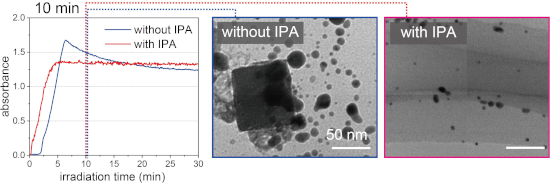
- by laser irradiation is low. We also investigated the effect of other additives other than IPA as radical scavengers. Figure 4 shows the change in absorbance at a wavelength of 520 nm in UV–vis absorption spectra of an Au solution with IPA, ethanol, and glycerin during laser irradiation. In all cases
- , the reaction finishing time was shorter than that of the solution without additives. When ethanol was used, the reaction finishing time was almost the same in the case of IPA, but when glycerin was used, the nanoparticle synthesis efficiency was improved by 1.6 times. Therefore, compared to the case
- without additives, the efficiency of nanoparticle synthesis increased by a factor of about 9 (Au nanoparticle synthesis efficiency in the current system: 160 mg/h) when glycerin was added. We think that the radicals produced by reacting with hydroxyl radicals are stabilized by hyperconjugation with the


Synthetic-polymer-assisted antisense oligonucleotide delivery: targeted approaches for precision disease treatment
Beilstein J. Nanotechnol. 2025, 16, 435–463, doi:10.3762/bjnano.16.34


Enhancing mechanical properties of chitosan/PVA electrospun nanofibers: a comprehensive review
Beilstein J. Nanotechnol. 2025, 16, 286–307, doi:10.3762/bjnano.16.22

- modifications and structural modifications. Material modifications include mixing with other polymers, plasticizers, and additives [155], as well as surface modification [156] and post-treatment processes such as cross-linking and heat treatment [157]. Structural modifications encompass fiber alignment


A review of metal-organic frameworks and polymers in mixed matrix membranes for CO2 capture
Beilstein J. Nanotechnol. 2025, 16, 155–186, doi:10.3762/bjnano.16.14
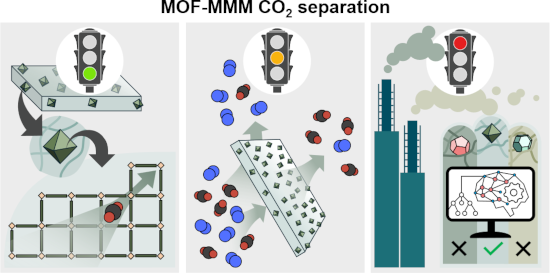
- balance both membrane permeability and selectivity while achieving better overall stability. This is achieved through the addition of inorganic fillers into organic membrane matrices leading to MMM systems. Nevertheless, incorporating inorganic additives into organic polymer membranes is complex
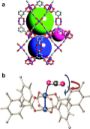
- additives that enhance the adhesion between MOFs and the polymer matrix can be used to improve the MOF–polymer interface. For example, Lin et al. [132] utilized [Emim][Tf2N], an ionic liquid (IL), as an interfacial binder between micrometer-sized HKUST-1 and 6FDA-Durene polymer, see Figure 8e. The




Theoretical study of the electronic and optical properties of a composite formed by the zeolite NaA and a magnetite cluster
Beilstein J. Nanotechnol. 2025, 16, 44–53, doi:10.3762/bjnano.16.5
- fewer studies on the cytotoxicity of nanoparticles on zeolite carriers than other mesoporous matrices, most articles report low cytotoxicity of zeolites. Zeolites are classified as “Safe Substances for Food and Feed Additives” by the European Food Safety Authorities [49] and are “Generally Recognized as




Natural nanofibers embedded in the seed mucilage envelope: composite hydrogels with specific adhesive and frictional properties
Beilstein J. Nanotechnol. 2024, 15, 1603–1618, doi:10.3762/bjnano.15.126
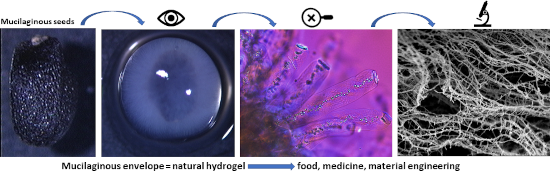
- branches because of their natural origin and biodegradability. They are used, for example, for paper production, as food additives, in biofilms, and in the production of packing materials and aerogels [15][18][20][21][22]. However, little is known about the structural properties of CNFs, and they require


Electrospun nanofibers: building blocks for the repair of bone tissue
Beilstein J. Nanotechnol. 2024, 15, 941–953, doi:10.3762/bjnano.15.77
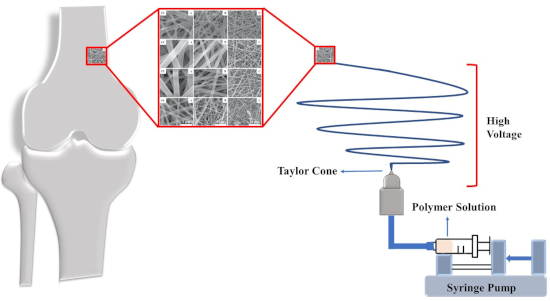
- polymer and drug, (iii) hydrophilicity/hydrophobicity of polymer and drug, (iv) properties of additives, (v) morphology of the system (e.g., porosity), and (vi) drug loading [4]. The aim of nanofiber production may be to provide the release of active material with zeroth-order kinetics after the burst
- additives in the nanofiber matrix cause an increase in the release of active material through the water-filled pores in the system [4][94][95]. Pores are created in the eroded polymeric structure and accelerate the release rates [32]. Formulation components of polymeric nanofibers The basic components of


A review on the structural characterization of nanomaterials for nano-QSAR models
Beilstein J. Nanotechnol. 2024, 15, 854–866, doi:10.3762/bjnano.15.71
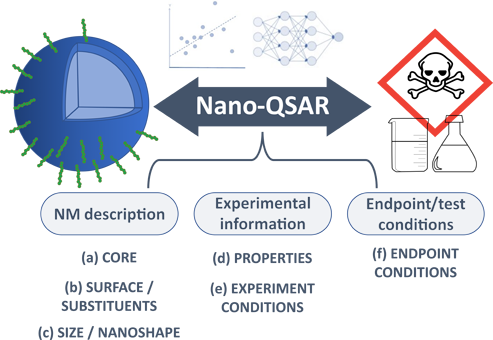
- indicate the absence or presence of a certain condition such as centrifugation, stirring, sonication, dispersion, or presence of additives [17][39][65][87]. Numerical descriptors used to encode the test environments include the ionic strength [17], the amount of organic matter [17], and the pH value. More





