


Search results
Search for "quantification" in Full Text gives 262 result(s) in Beilstein Journal of Nanotechnology. Showing first 200.
Restorative potential of laser-synthesized silver nanoparticles with Salvia officinalis for periodontal disease treatment: an in vitro study
Beilstein J. Nanotechnol. 2026, 17, 781–795, doi:10.3762/bjnano.17.55
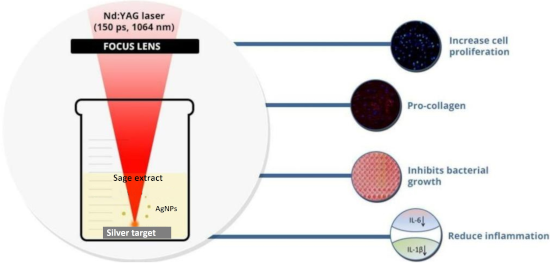
- total phenolics (162.00 ± 3.51 mg GAE·g−1 DE) and flavonoids (39.47 ± 4.31 mg QE·g−1 DE), confirming that it can be suitable for green nanoparticle synthesis [13]. The HPLC quantification of selected phenolic acids identified high concentrations of rosmarinic and caffeic acids, while vanillic and
- interactions with proteins and ions, which makes direct quantification of free Ag+ ions challenging [47]. Interestingly, SageAgNPs6mJ demonstrated toxicity toward bacterial cells without decreasing the viability of GFCs at the same concentration, thus achieving antimicrobial efficacy without cellular damage


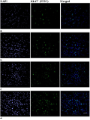
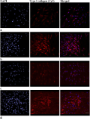

Interface-engineered Caco-2 cell culture on a collagen-coated liquid–liquid interface in a microfluidic device
Beilstein J. Nanotechnol. 2026, 17, 760–768, doi:10.3762/bjnano.17.53
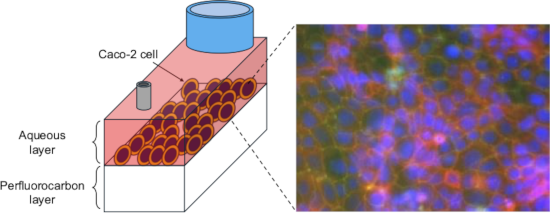
- acquisition and quantification The appearance of the aqueous layer was captured using a smartphone (Google Pixel 9a, Google LLC, CA, USA). Bright-field images of the cells were acquired using an inverted microscope (Leica DMil, Leica Microsystems, Wetzlar, Germany) equipped with a FLEXACAM camera


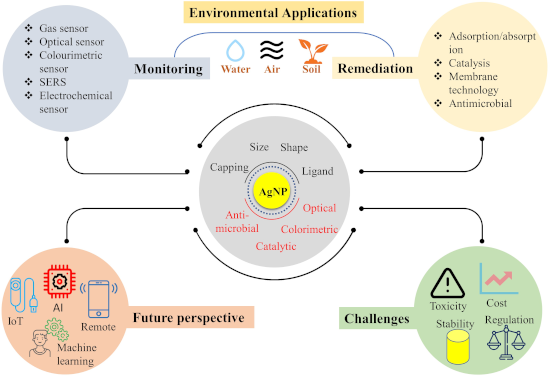
Environmental applications of silver nanoparticles: state-of-the-art review and emerging trends
Beilstein J. Nanotechnol. 2026, 17, 697–736, doi:10.3762/bjnano.17.49


Probing tribological evolution in atomically thin MoS2 at different scales
Beilstein J. Nanotechnol. 2026, 17, 586–597, doi:10.3762/bjnano.17.40
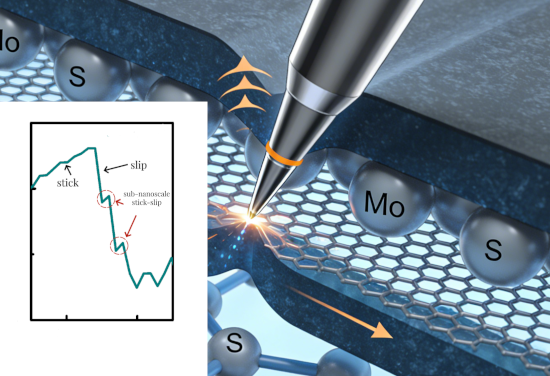
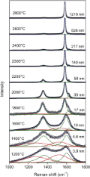
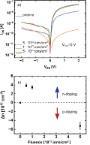
- –slip events driven by in-plane tip apex motion and modulated by contact geometry via molecular dynamics (MD) simulations and frictional force microscopy (FFM) [11][12]. Despite these theoretical and simulation insights, experimental observation and quantification of sub-nanoscale stick–slip motion in
- -based quantification method is tailored to the unique characteristics of atomically thin MoS2, unlike rigid materials (e.g., NaCl(001)) where discrete lateral force jumps enable force drop-derived slip distance calculation [21]. A force drop-based approach would introduce non-negligible errors due to
- reveal the core mechanism of load and layer thickness modulation on sub-nanoscale stick–slip motion, which is the key scientific focus of this work. Conclusion This work reports the experimental quantification of sub-nanoscale stick–slip motion in atomically thin MoS2 and establishes its load- and layer


Electrochemical determination of ciprofloxacin using a MIL-101/reduced graphene oxide-modified electrode
Beilstein J. Nanotechnol. 2026, 17, 541–554, doi:10.3762/bjnano.17.35
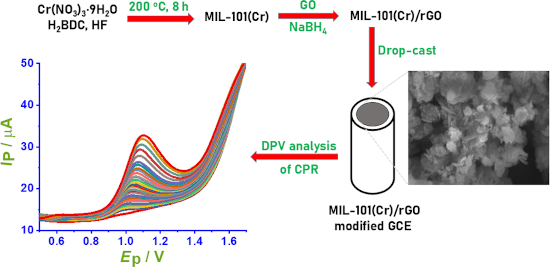
- quantification (LOQCPR) were 0.11 and 0.36 µM, respectively. Table 2 shows the LOD and linear range of the proposed DPV and compares them with published reports. The LOD of the proposed sensor was comparable to previous sensors. The advantage of using the MIL-101(Cr)/rGO composite comes from the synergistic


Defects and defect-mediated engineering of two-dimensional materials: challenges and open questions
Beilstein J. Nanotechnol. 2026, 17, 454–488, doi:10.3762/bjnano.17.31
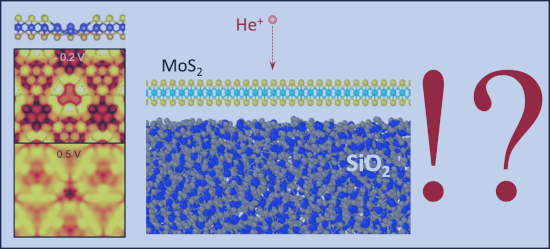
- /quantification using STM/STS? STS and orbital imaging provides unique fingerprints of point defects in TMDs including common impurities found in synthetically grown TMDs, such as oxygen substitutions (OX) [51][120] and carbon–hydrogen complexes () [121][122] at chalcogen sites, molybednum (MoM) [120], chromium





Nanocarrier-integrated multilayer films produced by 3D printing for improved skin adhesion and curcumin photostability
Beilstein J. Nanotechnol. 2026, 17, 440–453, doi:10.3762/bjnano.17.30
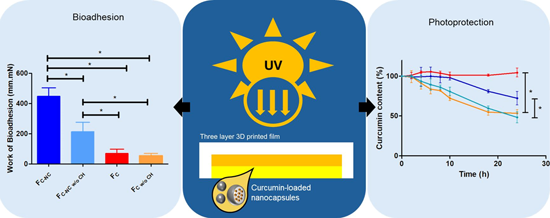
- = 0.9994), with intra-day variability lower than 2% and limits of detection and quantification of 0.2 and 0.7 µg/mL, respectively. Method specificity was confirmed by comparing chromatograms of the samples with those obtained from the placebo formulation. The curcumin content was determined after


Beam shaping techniques for pulsed laser ablation in liquids: Unlocking tunable control of nanoparticle synthesis in liquids
Beilstein J. Nanotechnol. 2026, 17, 309–342, doi:10.3762/bjnano.17.22
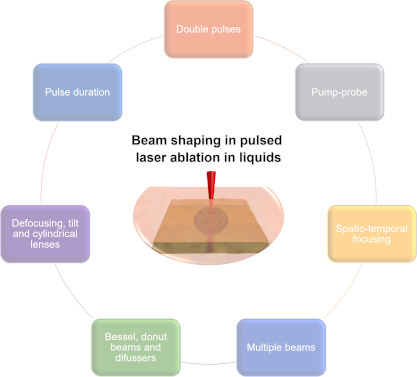
- (milligram per joule). The ablation rate corresponds to the total mass removed from the target per unit of time or per pulse (milligram per hour, milligram per pulse), while the collection efficiency denotes the fraction of this ablated mass ultimately recovered as colloidal NPs. Quantification can be
- provides accessible but sometimes overestimated values, whereas ICP-based approaches offer more accurate and reproducible quantification, facilitating reliable comparison of different PLAL conditions. From a spatial perspective, the beam profile can be modified from the standard Gaussian profile into top







Time of flight secondary ion mass spectrometry imaging of contaminant species in chemical vapour deposited graphene on copper
Beilstein J. Nanotechnol. 2026, 17, 200–213, doi:10.3762/bjnano.17.13
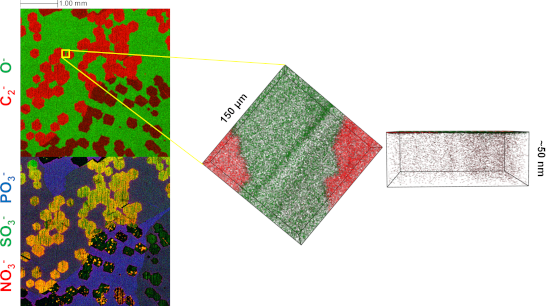
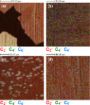
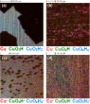
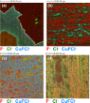
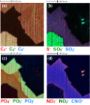
- this species detected from the domain in the upper right of the image. While ToF-SIMS is very sensitive to trace amounts of material, actual quantification of the amount present is difficult without having reliable reference materials, with minimal topography and consistent crystal or grain orientation





Influence of surface characteristics on the in vitro stability and cell uptake of nanoliposomes for brain delivery
Beilstein J. Nanotechnol. 2026, 17, 139–158, doi:10.3762/bjnano.17.9
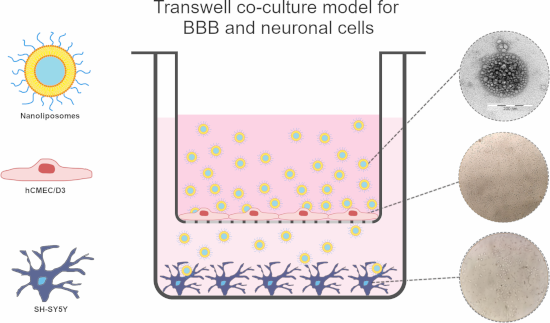
- treated with NLs) were used as blanks. Regarding uptake quantification, the % of uptake was determined fluorometrically, based on the fluorescence intensity of internalized, Nile-red-labeled NLs normalized to the total amount applied to the culture. Additionally, prior to all cell uptake experiments, a




Development and in vitro evaluation of liposomes and immunoliposomes containing 5-fluorouracil and R-phycoerythrin as a potential phototheranostic system for colorectal cancer
Beilstein J. Nanotechnol. 2026, 17, 97–121, doi:10.3762/bjnano.17.7
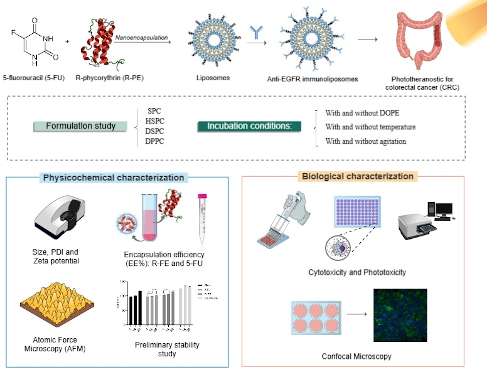
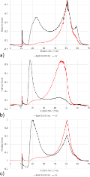
- = 3) were expressed as mean ± standard deviation [20]. 2.3.2 Encapsulation efficiency To determine the encapsulation efficiency (EE%) of 5-FU, an indirect method was employed using ultrafiltration technique and quantification by spectrophotometry. To quantify the free/purified drug, a 1000 μL aliquot
- (LD), and limit of quantification (LQ) based on ICH Q2(R2) on validation of analytical procedures [22]. For R-PE, an indirect method was used to determine the free/purified fraction. To quantify free/purified drug, a 1000 μL aliquot was removed from the sample and eluted on a CL-4B molecular exclusion
- gel column. As the sample was eluting, a 1 mL aliquot was collected, and 1 mL of PBS pH 7.4 buffer eluent was added. Finally, a total of twenty fractions were obtained. With the free/purified fraction (eluted fractions), quantification was done by fluorescence (excitation at 495 nm, emission range



Quantitative estimation of nanoparticle/substrate adhesion by atomic force microscopy
Beilstein J. Nanotechnol. 2026, 17, 1–14, doi:10.3762/bjnano.17.1

- individual NPs and the supporting substrate. Applying controlled forces to manipulate NPs enables precise quantification of adhesion forces [14]. Significant progress in AFM manipulating nanometer-scale objects has been achieved, particularly in the last two decades, enhancing its capabilities and accuracy
- without detailing lateral forces involved in the experiments [15][21][22]. Rough estimations of the lateral forces were suggested to be two thirds of the applied normal force [23]. In order to assess adhesion properties, there are only a few studies providing quantification attempts of the lateral forces



Optical bio/chemical sensors for vitamin B12 analysis in food and pharmaceuticals: state of the art, challenges, and future outlooks
Beilstein J. Nanotechnol. 2025, 16, 2207–2244, doi:10.3762/bjnano.16.153
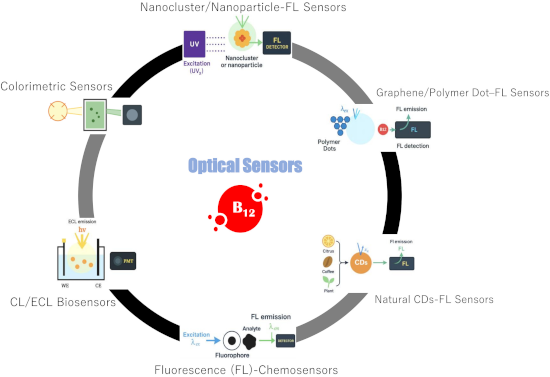
- 10.3762/bjnano.16.153 Abstract Vitamin B12 (VB12) is an essential Co2+-containing nutrient for neurological function, DNA synthesis, and red blood cell formation. Accurate and efficient VB12 quantification in food and pharmaceutical products is crucial due to its animal-derived dietary sources and the
- output, utilizing the optical properties of the signal such as fluorescence, absorbance, refractive index, and Raman scattering for quantification and evaluation. The most prevalent types of optical sensing include colorimetric, plasmonic, fluorescence, and spectrophotometric methods due to their ease of
- platform, VB12 served as the recognition analyte, luminol acted as the indicator, and the detected CL emission represented the signal. This system was applied to measure VB12 in injection ampoules, achieving detection and quantification limits of 0.11 and 0.36 μg/L, respectively. The RR, RSD, and sample


Ultrathin water layers on mannosylated gold nanoparticles
Beilstein J. Nanotechnol. 2025, 16, 2183–2198, doi:10.3762/bjnano.16.151
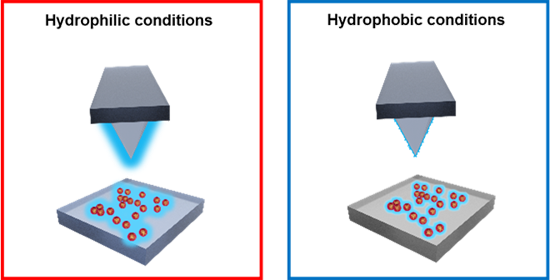
- adsorbed on the PEG AuNPs. A quantification is not possible; however, there cannot be more than a few monolayers, otherwise the band would completely dominate the spectrum. This is also in agreement with the absence of the band in the FTIR spectra. Hence, the hydrophilic PEG chain binds water, but can



Microplastic pollution in Himalayan lakes: assessment, risks, and sustainable remediation strategies
Beilstein J. Nanotechnol. 2025, 16, 2144–2167, doi:10.3762/bjnano.16.148
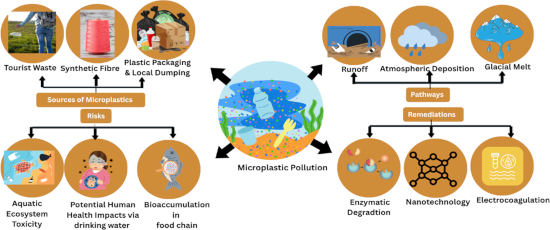
- in the ecologically sensitive Himalayan lakes, posing a threat to biodiversity, water quality, and human habitation. These high-altitude freshwater ecosystems are being increasingly polluted through human use, tourism, glacier melt, and atmospheric deposition. Microplastic quantification in such
- ]. The combined analytical flow and instrumentation for MP characterization, such as digestion, preparation, and analytical processes like microscopy, spectroscopy, and thermal analysis, is presented in Figure 4. 4.3 Challenges in quantification and identification under alpine conditions MPs assessment


Quality by design optimization of microemulsions for topical delivery of Passiflora setacea seed oil
Beilstein J. Nanotechnol. 2025, 16, 2116–2131, doi:10.3762/bjnano.16.146
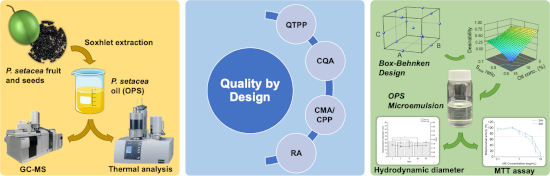
- , the organic (n-hexane) layer was collected and washed three times with saturated NaCl solution to remove residual reagents. A 200 µL aliquot of the organic phase was then dried at room temperature in pre-weighted vials. FAME quantification was performed using a gas chromatograph (GC Agilent 8860


Rapid synthesis of highly monodisperse AgSbS2 nanocrystals: unveiling multifaceted activities in cancer therapy, antibacterial strategies, and antioxidant defense
Beilstein J. Nanotechnol. 2025, 16, 2105–2115, doi:10.3762/bjnano.16.145
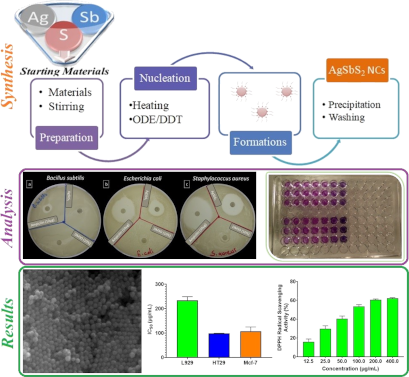
- avenue for the development of targeted cancer therapies by leveraging this inherent selectivity. Although direct mechanistic assays such as ROS quantification or apoptosis marker analysis were not performed in this study, previous research on silver-based nanomaterials offers valuable insights into


Toward clinical translation of carbon nanomaterials in anticancer drug delivery: the need for standardisation
Beilstein J. Nanotechnol. 2025, 16, 2092–2104, doi:10.3762/bjnano.16.144

- requires systematic assessment, quantification, and reporting of CNM properties, including size, shape, stability, surface charge and functionalisation, as well as payload density and distribution. Once production and characterisation procedures are standardised, the preclinical evaluation of carbon-based




Multifrequency AFM integrating PeakForce tapping and higher eigenmodes for heterogeneous surface characterization
Beilstein J. Nanotechnol. 2025, 16, 2077–2085, doi:10.3762/bjnano.16.142
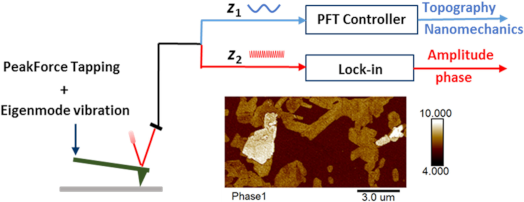
- stiffness, insufficient sample deformation led to significant variability in modulus measurements (Figure 3b), indicating the ScanAsyst-Air probe was unsuitable for reliable Young’s modulus quantification. Comparative analysis revealed a high degree of similarity in the topography, modulus, and adhesion
- potential sample damage, we re-imaged the scan areas after the multifrequency measurements. No discernible sample damage or topographic alterations were observed within the specific regions of interest (ROIs) used for contrast quantification after multifrequency testing (see Supporting Information File 1
- that, while soft probes exhibit modulus quantification variability due to limited contact deformation (Figure 3b), their superimposed higher-order eigenmode signals provide complementary contrast, enabling reliable differentiation of thinner/thicker nanosheet regions. Conversely, stiff probes provide


Evaluating metal-organic precursors for focused ion beam-induced deposition through solid-layer decomposition analysis
Beilstein J. Nanotechnol. 2025, 16, 1942–1951, doi:10.3762/bjnano.16.135
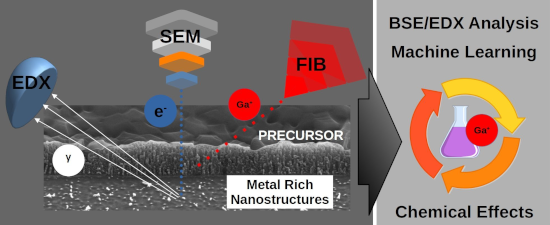
- technique, which is a high-resolution analytical method that can provide elemental information at the nanoscale. This step ensures precise identification and quantification of all elements present in the grown structures. (7) The final step involves examining the chemical composition of the resulted
- microscope is equipped with a gallium FIB and an EDAX Ametek SDD EDX detector setup. FIB/SEM Irradiation Experiments and EDX Chemical Composition Quantification In these experiments, a 30 keV energy beam was employed for raster scanning over a 50 µm × 50 µm square area with a dwell time of 200 ns. Ion beam
- together with NMF factors corresponding to the decomposed EDX signal d). It is seen that the EDX silicon substrate signal is succesfully separated from the signal of the metal-rich structures (Si K peak). This allows for the chemical composition quantification via EDX ZAF method. Investigation of chemical


Multifunctional anionic nanoemulsion with linseed oil and lecithin: a preliminary approach for dry eye disease
Beilstein J. Nanotechnol. 2025, 16, 1711–1733, doi:10.3762/bjnano.16.120
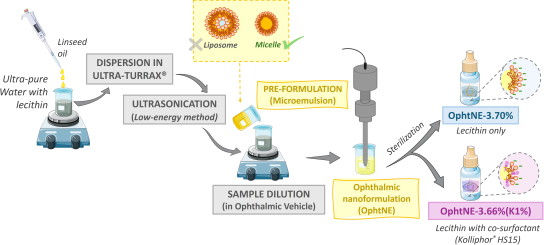
- deviation. Acid value for linseed oil The acid value (AV) of LO was determined following the American Oil Chemists Society (AOCS) Cd 3d-63 method. For quantification, 5 g of LO was dissolved in 50 mL of a petroleum ether and ethanol mixture (1:1 v/v ratio) at 25 °C under magnetic stirring. The sample was
- quantification of fatty acids (FAs) in linseed oil (LO) are presented in Table 1. Linolenic acid is the most abundant, constituting 46.7%, followed by oleic acid (17.7%), linoleic acid (14.5%), behenic acid (7.4%), erucic acid (5.6%), palmitic acid (5.0%), and stearic acid (3.3%). Heating LO to 75 °C did not



Venom-loaded cationic-functionalized poly(lactic acid) nanoparticles for serum production against Tityus serrulatus scorpion
Beilstein J. Nanotechnol. 2025, 16, 1633–1643, doi:10.3762/bjnano.16.115
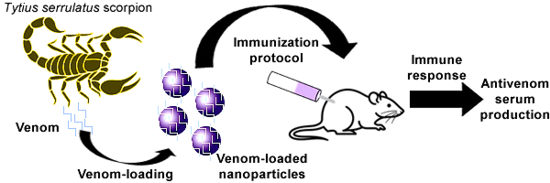
- (*p < 0.05), without significantly altering the zeta potential (Table 1). A polydispersity index (PDI) smaller than 0.3 was required for all the analyses. The quantification of proteins by the bicinchoninic acid (BCA) assay showed an encapsulation efficiency (EE) of 100% for all samples containing T


Bioinspired polypropylene-based functionally graded materials and metamaterials modeling the mistletoe–host interface
Beilstein J. Nanotechnol. 2025, 16, 1592–1606, doi:10.3762/bjnano.16.113
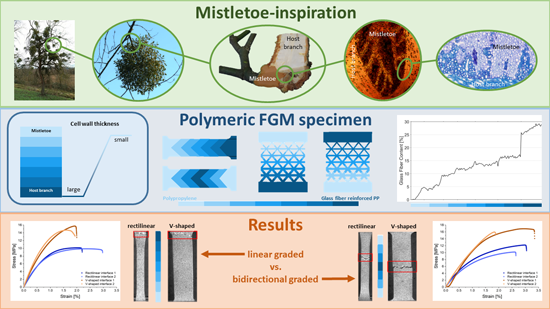
- interfaces. Local strain patterns were determined for all material groups by DIC, a technique that has demonstrated its applicability for strain quantification at functional interfaces [29][36][37][38][53][54], predetermined failure sites [55], and for the comparison between biological and bioinspired
- , from which the respective tensile specimens are cut. The red (dotted) lines indicate the approximate interfaces between adjacent polymer blends. Analysis and quantification of fiber content and orientation using μCT images. (A) Representative cross sections of the scanned segments with different PP


Laser processing in liquids: insights into nanocolloid generation and thin film integration for energy, photonic, and sensing applications
Beilstein J. Nanotechnol. 2025, 16, 1428–1498, doi:10.3762/bjnano.16.104






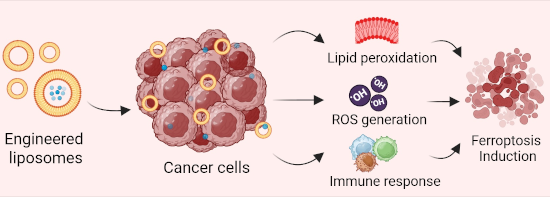
Ferroptosis induction by engineered liposomes for enhanced tumor therapy
Beilstein J. Nanotechnol. 2025, 16, 1325–1349, doi:10.3762/bjnano.16.97
- plays a crucial role in determining their stability and interactions with biological systems. EE can be determined by separating the liposomes from the non-encapsulated drug using techniques such as size exclusion chromatography or centrifugation, followed by quantification of the encapsulated drug





