Search results
Search for "spatial distribution" in Full Text gives 123 result(s) in Beilstein Journal of Nanotechnology.
Nanoglasses: a trail towards uncharted regions of vitreous materials and their properties?
Beilstein J. Nanotechnol. 2026, 17, 1047–1062, doi:10.3762/bjnano.17.72

- changes in the amount and/or spatial distribution of excess volume and to the presence of more or less “unfavourable” motifs. With the advent of nanoglasses, a new spatial scale of structural heterogeneity was introduced, which is defined by the diameter of the “glass grains” and typically amounts to few


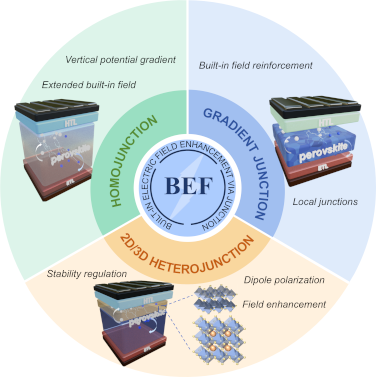
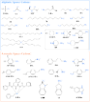
Recent progress in enhancing built-in electric fields of perovskite solar cells via junction engineering
Beilstein J. Nanotechnol. 2026, 17, 602–621, doi:10.3762/bjnano.17.42



Upcycling agroindustrial waste into graphene oxide supports for gold nanoparticles: toward sustainable nanomaterials
Beilstein J. Nanotechnol. 2026, 17, 489–504, doi:10.3762/bjnano.17.32
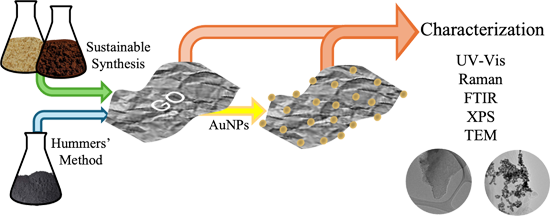
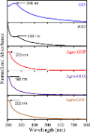
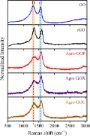
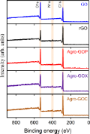
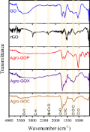
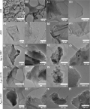
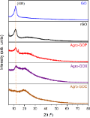
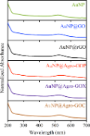
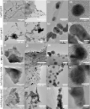
- photochemical growth of AuNPs. This approach takes advantage of the strong affinity between gold precursors and oxygen-containing functional groups on the GO surface, which act as nucleation and anchoring sites for AuNPs, thereby modulating their size, spatial distribution, and interaction with the carbon



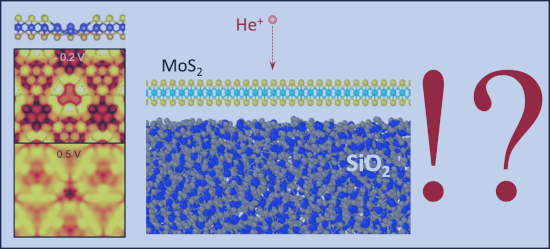
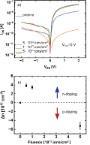
Defects and defect-mediated engineering of two-dimensional materials: challenges and open questions
Beilstein J. Nanotechnol. 2026, 17, 454–488, doi:10.3762/bjnano.17.31





Nanocarrier-integrated multilayer films produced by 3D printing for improved skin adhesion and curcumin photostability
Beilstein J. Nanotechnol. 2026, 17, 440–453, doi:10.3762/bjnano.17.30
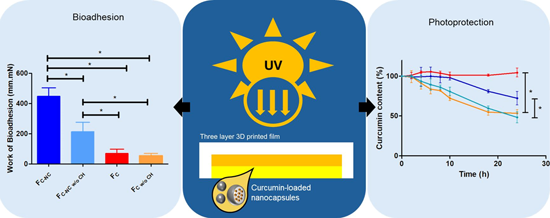
- alginate–cellulose nanofibre patches exhibiting adequate disintegration and in vitro release properties for the local administration of curcumin [23]. Although curcumin-loaded chitosan or alginate films have been previously reported, no studies have explored the deliberate spatial distribution of


Beam shaping techniques for pulsed laser ablation in liquids: Unlocking tunable control of nanoparticle synthesis in liquids
Beilstein J. Nanotechnol. 2026, 17, 309–342, doi:10.3762/bjnano.17.22
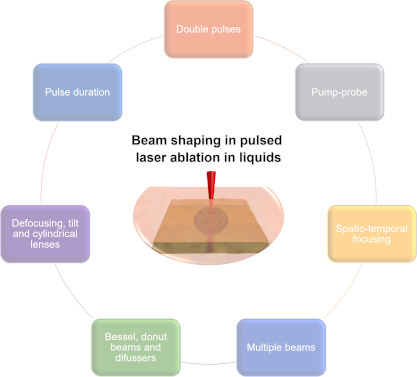
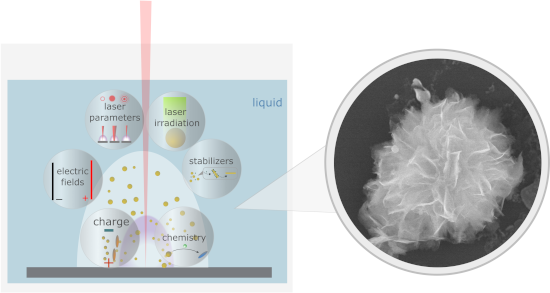
- illustrated in Figure 10c. The spatial distribution of the laser fluence Φ(r) of a DS beam along the radial coordinate r is well described by the following equation [147][153][154]: where E0 is the pulse energy, and w0 is the waist of the corresponding Gaussian beam hosting the doughnut. According to Equation







Multilayered hyperbolic Au/TiO2 nanostructures for enhancing the nonlinear response around the epsilon-near-zero point
Beilstein J. Nanotechnol. 2026, 17, 251–261, doi:10.3762/bjnano.17.17
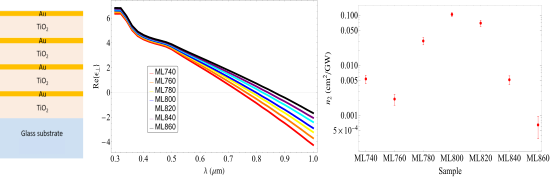
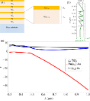
- . The metal and dielectric layers are characterized, respectively, by their permittivity εm and εd and their widths dm and dd. (b) Spatial distribution of the electric field inside the multilayer. (c) Permittivity of gold and titanium dioxide reported in literature [26][27]. (a) Simulated real part of


Comparative study on 3D morphologies of delignified, single tracheids and fibers of five wood species
Beilstein J. Nanotechnol. 2026, 17, 239–250, doi:10.3762/bjnano.17.16
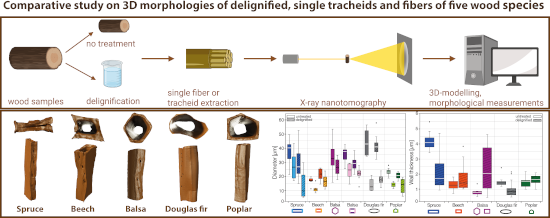
- arrangements of single fibers and tracheids with unprecedented 3D details in spatial distribution compared to traditional methods such as SEM, which, however, show more details of the pit structures [40][41][42]. Unlike those conventional imaging methods, nano-CT 3D models provide a comprehensive view of pit


Geometry-controlled engineering of the low-temperature proximity effect in normal metal–superconductor junctions
Beilstein J. Nanotechnol. 2025, 16, 2265–2273, doi:10.3762/bjnano.16.155
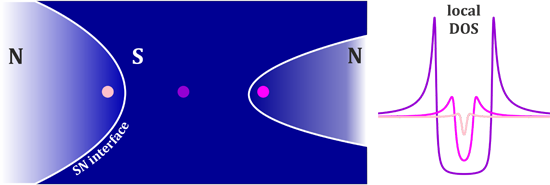
- the set η ∈ {0, ±0.05, ±0.1, ±0.25, ±0.5, 1, 2, 4}. Figure 1 illustrates the spatial distribution of the superconducting pair amplitude across the NS interface for several selected interface geometries with both negative and positive values of η. Consistent with previous studies [33], the spatial
- = 64. Local density of states normalized to the value of Δbulk along the symmetry axis. (a) η = −0.5; (b) η = −0.1; (c) η = 0; (d) η = 0.1; (e) η = 0.5. The black arrows show the location of the S–N interface on the z-axis. Spatial distribution of the superconducting pair amplitude across the NS


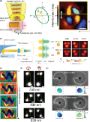
Chiral plasmonic nanostructures fabricated with circularly polarized light
Beilstein J. Nanotechnol. 2025, 16, 2245–2264, doi:10.3762/bjnano.16.154
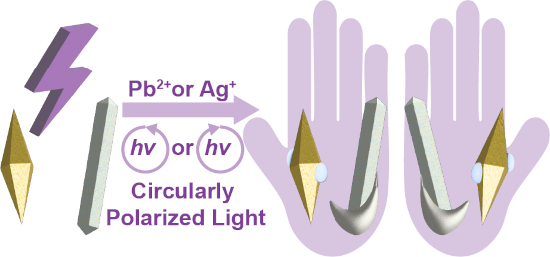
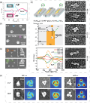
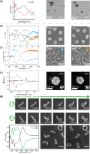
- be concentrated into regions as small as a few nanometers [69][70][71], enabling a significant enhancement of the electromagnetic (EM) near field. The regions of strong EM fields are termed optical hot spots of PNSs. Under CPL illumination, the spatial distribution of hot spots adopts a chiral
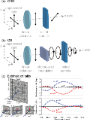
- illumination. Figure 8b shows an example of the circular polarization-resolved CL map on achiral Al V-shaped nanoantennas. Guided by the reciprocity theorem, the chiral CL spatial distribution can also be explained by the interference of plasmon modes. NSOM and CL collect photons in the near field of PNSs
- , whereas EELS and PEEM collect electrons. EELS also provides insight into the energy-dependent LDOS [131]. The energy-filtered EELS probability map of an Au nanohelix is shown in Figure 8c [132]. PEEM analyzes the spatial distribution of electrons ejected by samples under light excitation [133]. Under CPL





Hartree–Fock interaction in superconducting condensate fractals
Beilstein J. Nanotechnol. 2025, 16, 2177–2182, doi:10.3762/bjnano.16.150
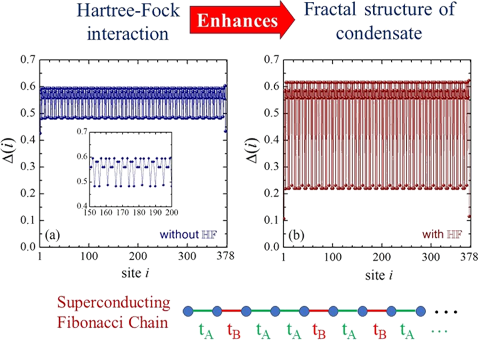
- demonstrate that this scenario changes fundamentally in quasicrystalline systems, where the intrinsic lack of translational symmetry leads to a fractal spatial distribution of the superconducting condensate and electron density. By investigating a Fibonacci chain as a prototype quasicrystal, we numerically
- spatial distribution of the superconducting condensate in quasiperiodic chains exhibits a distinct fractal character, with significant oscillations of the order parameter along the system. A similar fractal inhomogeneous distribution of the pair condensate has been calculated for Penrose and Ammann
- nearly 100%. Furthermore, including the HF interaction qualitatively alters the spatial distribution of the condensate near the chain edges. Specifically, the enhancement of the order parameter near the left end, which is clearly present without the HF potential, is suppressed when the HF interaction is


Stereodiscrimination of guests in chiral organosilica aerogels studied by ESR spectroscopy
Beilstein J. Nanotechnol. 2025, 16, 2034–2054, doi:10.3762/bjnano.16.140
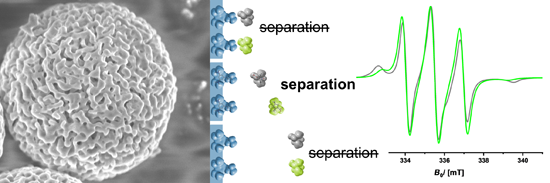
- from cw-ESR, and special spin-echo measurements are necessary, as we reported in [46]. However, the polarity of the environment of a nitroxide spin probe such as 3CP influences the spatial distribution of the electron in the N–O bond and, therefore, the hyperfine coupling with the 15N nucleus [68][69




Laser ablation in liquids for shape-tailored synthesis of nanomaterials: status and challenges
Beilstein J. Nanotechnol. 2025, 16, 1963–1997, doi:10.3762/bjnano.16.137




Evaluating metal-organic precursors for focused ion beam-induced deposition through solid-layer decomposition analysis
Beilstein J. Nanotechnol. 2025, 16, 1942–1951, doi:10.3762/bjnano.16.135
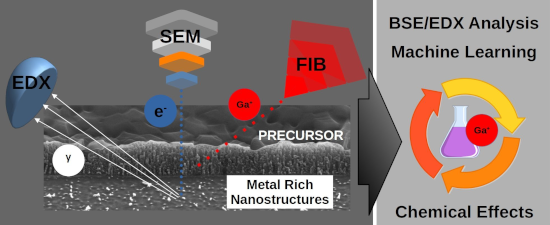
- colleagues [33]. In Figure 3b,c, the spatial distribution of the individual elements derived from NMF is depicted in the form of loading plots for the substrate and the structures. These plots are shown in color to visually distinguish between the different elements. The substrate layer is shown in blue
- : BSE image and corresponding elemental net count maps of C K, O K, F K, Si K, and Ag L lines. Results of machine learning NMF decomposition of the collected SEM EDX hyperspectral data b)–d). NMF loadings showing spatial distribution of the NMF decomposition components b) substrate, c) structures


Nanotechnology-based approaches for the removal of microplastics from wastewater: a comprehensive review
Beilstein J. Nanotechnol. 2025, 16, 1607–1632, doi:10.3762/bjnano.16.114
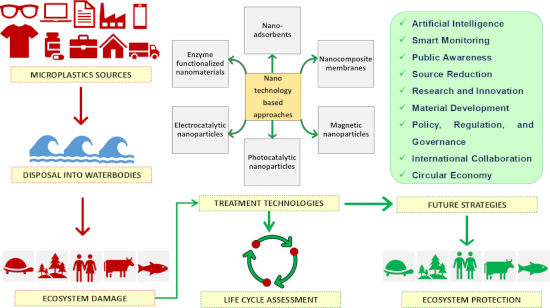
- . Nanoparticles, owing to their high surface-to-volume ratio, demonstrate superior catalytic performance compared to bulk materials. Furthermore, the particle size of semiconductors influences their bandgap energy and crystalline structure, which in turn affects their redox potential and the spatial distribution


Laser processing in liquids: insights into nanocolloid generation and thin film integration for energy, photonic, and sensing applications
Beilstein J. Nanotechnol. 2025, 16, 1428–1498, doi:10.3762/bjnano.16.104
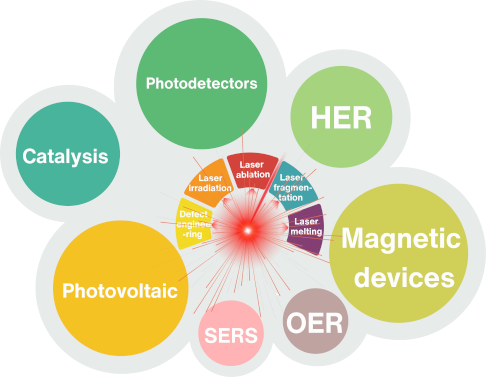
- ]. Unlike methods that focus on bulk transformations, this technique enables the targeted introduction and fine-tuning of specific defects, unlocking unprecedented opportunities for advanced material design and performance optimization [86]. By carefully adjusting the laser parameters, the spatial
- distribution, and concentration, characteristics of defects can be tailored with unparalleled precision [95][97][98]. The strategic placement and tuning of defects within these materials can significantly enhance their electrochemical performance, improving charge transport kinetics, increasing active surface






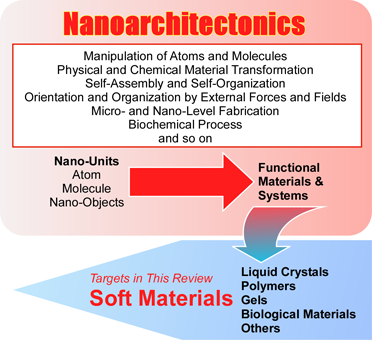
Soft materials nanoarchitectonics: liquid crystals, polymers, gels, biomaterials, and others
Beilstein J. Nanotechnol. 2025, 16, 1025–1067, doi:10.3762/bjnano.16.77
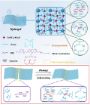
- composition of living cells and organisms includes a multitude of biomolecules, which can be regulated in terms of both concentration and spatial distribution. This enables the exertion of complex biological functions. Synthetic multinetwork hydrogels can be considered analogous to extracellular matrices, and






Impact of adsorbate–substrate interaction on nanostructured thin films growth during low-pressure condensation
Beilstein J. Nanotechnol. 2025, 16, 473–483, doi:10.3762/bjnano.16.36

- ordering processes on the surface start after t = tc, when the order parameter η starts to grow. At late stages, η attains the stationary value ηst, indicating the formation of a stable spatial distribution of adsorbate on the substrate. In Figure 4c, we show the evolution of the mean radius of adsorbate


Size control of nanoparticles synthesized by pulsed laser ablation in liquids using donut-shaped beams
Beilstein J. Nanotechnol. 2025, 16, 407–417, doi:10.3762/bjnano.16.31
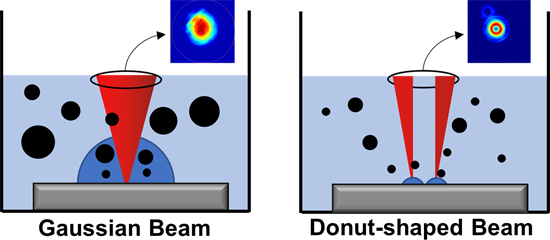
- the spatial distribution of the laser intensity and, thus, the radiation absorption by the target, influencing plasma plume and cavitation bubble formation, evolution, cooling, and the temperature and pressure conditions that determine nanoparticle formation. In the case of a donut-shaped beam, the


Orientation-dependent photonic bandgaps in gold-dust weevil scales and their titania bioreplicates
Beilstein J. Nanotechnol. 2025, 16, 1–10, doi:10.3762/bjnano.16.1
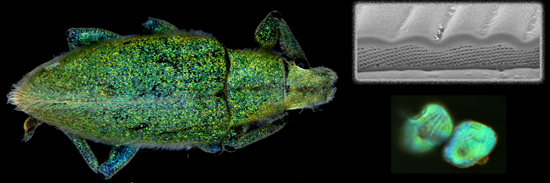
- single-diamond unit cell size of 427 ± 4 nm (Supporting Information File 1, Figure S3). The transition between differently oriented domains is continuous (Supporting Information File 1, Figure S5). Spatial distribution of reflectance Previous work on single diamond network photonic crystals has shown


Mechanistic insights into endosomal escape by sodium oleate-modified liposomes
Beilstein J. Nanotechnol. 2024, 15, 1667–1685, doi:10.3762/bjnano.15.131
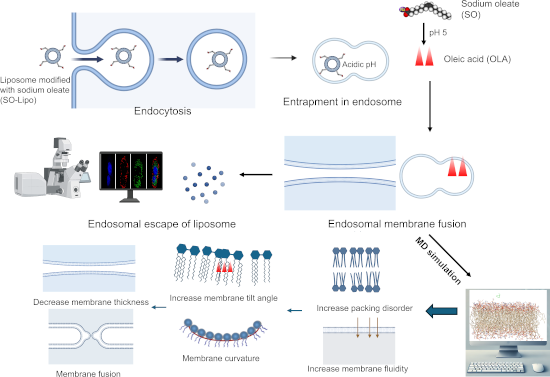
- . The density profiles provide valuable insights into the spatial distribution and depth of insertion for both OLA and AUR within the lipid bilayer. In the case of OLA, the density profile (Figure 6a) reveals a pronounced peak near the bilayer center, suggesting deep integration into the hydrophobic
- integrity without inducing substantial changes in lipid orientation. The RDF data (Figure 8c) provides critical insights into the spatial distribution of OLA and AUR relative to the lipid components. OLA demonstrates a higher RDF peak, indicating a more structured and deeper association with the lipid




A low-kiloelectronvolt focused ion beam strategy for processing low-thermal-conductance materials with nanoampere currents
Beilstein J. Nanotechnol. 2024, 15, 1197–1207, doi:10.3762/bjnano.15.97

- was chosen since no significant heat dissipation from the surface is expected into the vacuum. Ion impacts are generated in equal time intervals as specified by the average time between two ion impacts and are randomly placed with a uniform spatial distribution on a circular beam profile (specified as

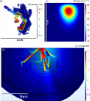


Sidewall angle tuning in focused electron beam-induced processing
Beilstein J. Nanotechnol. 2024, 15, 447–456, doi:10.3762/bjnano.15.40
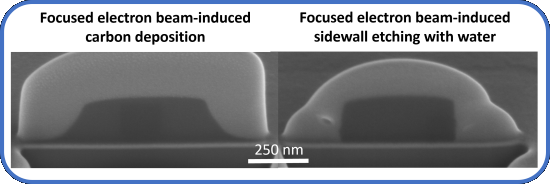
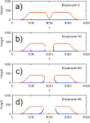
- typically has a Gaussian shape with long tails. This is caused by a combination of the Gaussian current distribution in the primary electron (PE) beam and the spatial distribution of scattered electrons, consisting of backscattered electrons (BSE) and secondary electrons originating from the PE beam (SE1
- . The SE1 are distributed close to the primary beam, while the low-density SE2 are spread out over a much larger area. For simplicity, the spatial distribution of low-energy electrons around the point of impact of the primary beam with the substrate is assumed to be of a Gaussian shape. Depending on the




Investigating ripple pattern formation and damage profiles in Si and Ge induced by 100 keV Ar+ ion beam: a comparative study
Beilstein J. Nanotechnol. 2024, 15, 367–375, doi:10.3762/bjnano.15.33
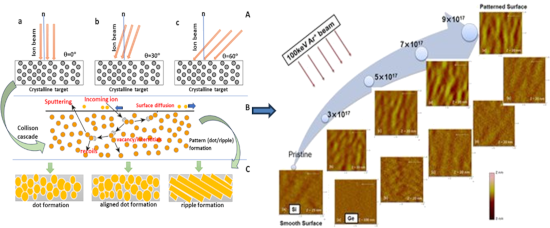
- and energy of the incoming ion and on the mass of the target atom. It may be expressed as the spatial distribution of the energy transferred/deposited within the target [27][28]. Sometimes the energy distribution on the target atoms at the surface may be sufficient to overcome binding energies so as


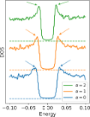
Exploring disorder correlations in superconducting systems: spectroscopic insights and matrix element effects
Beilstein J. Nanotechnol. 2024, 15, 199–206, doi:10.3762/bjnano.15.19
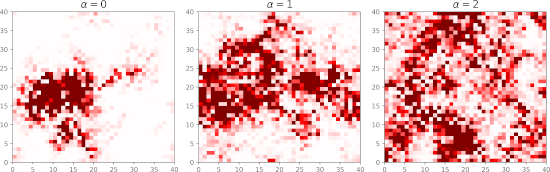
- demonstrated that power-law correlations alter both the spatial distribution and the absolute value of the superconducting order parameter. Notably, an increase in the degree of correlation within the disorder potential is shown to augment superconductivity, aligning closely with experimental findings
- the dependence of the average value of local pairing Δ, which depends only slightly on the correlations of disorder. Lowest excitation state |u(ri)|2 + |v(ri)|2 for different correlation strengths α and V = 2. The spatial distribution map shows delocalization of the quasiparticle state with increasing