Search results
Search for "transport" in Full Text gives 833 result(s) in Beilstein Journal of Nanotechnology. Showing first 200.
Development of Protium heptaphyllum essential oil-loaded nanocapsules: experimental design and biological activity
Beilstein J. Nanotechnol. 2026, 17, 974–990, doi:10.3762/bjnano.17.67
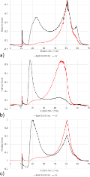
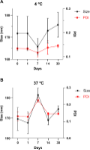
- , potentially favoring droplet growth and particle enlargement. Analysis of the response surface plots (Figure 1) further suggests that the combined increase in PCL and EO may reduce the efficiency of mass transport during nanoprecipitation, consistent with diffusion-controlled mechanisms described by the




Materials challenges in solid-state sensors for continuous monitoring of ions in water
Beilstein J. Nanotechnol. 2026, 17, 935–973, doi:10.3762/bjnano.17.66
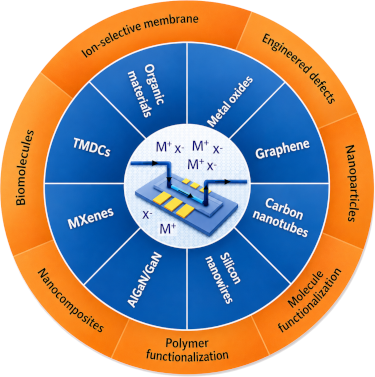
- + redox couple provides a stable and reproducible interfacial potential. (3) Mixed ionic–electronic conduction occurs in materials such as PEDOT:PSS, which supports simultaneous ion and electron transport and transduces potential changes via modulation of the polymer oxidation state. Together, these
- . In the case of chemiresistors, the channel should also offer a large accessible surface area to maximize adsorption-induced conductance change. In addition, it should be engineered to operate near the percolation threshold, where charge transport is dominated by a small number of critical junctions
- , thereby enabling high transduction gain from small adsorption events [106]. The active layer of an electrochemical electrode should provide high electrochemical activity with efficient ion and electron transport, ensuring fast charge/discharge kinetics. It must also maintain chemical stability and


Nanocarrier strategies to overcome P-glycoprotein-mediated drug resistance in cancer therapy
Beilstein J. Nanotechnol. 2026, 17, 882–921, doi:10.3762/bjnano.17.64
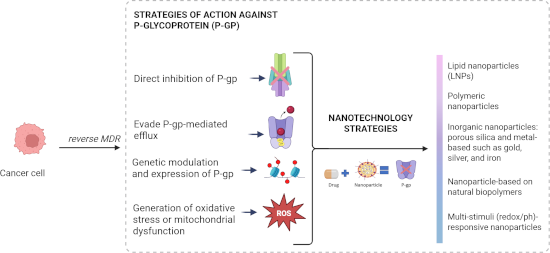
- interact with substrate-binding regions of P-gp or interfere with ATPase-driven transport activity to block drug efflux, increasing intracellular concentration and drug efficacy. Negi et al. developed liposomes coated with hyaluronic acid and containing imatinib mesylate, a substrate of the P-gp and BCRP
- increasing the concentration of cytotoxic drugs in resistant tumor cells. 3.1.2 Strategies to evade P-gp-mediated efflux. Advanced nanoparticle drug delivery systems exploit alternative cellular entry pathways, such as vesicular transport, organelle targeting, or specific features of the tumor
- . Lipid nanoparticles (LNPs) are nanoscale drug delivery systems composed of lipids that enable the encapsulation and transport of active substances such as drugs, nucleic acids, proteins, and other therapeutic compounds [43]. These structures reduce systemic toxicity and improve therapeutic efficacy and


Supramolecular one-dimensional conducting nanofibers from a C3-symmetric tetrathiafulvalene derivative
Beilstein J. Nanotechnol. 2026, 17, 872–881, doi:10.3762/bjnano.17.63
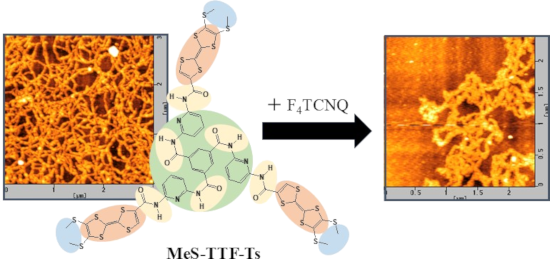
- considerable attention in the fields of materials science and nanotechnology because of their diverse functionalities, including luminescence, sensing, charge transport, and drug delivery [3][4][5][6]. Supramolecular gels are formed through bottom-up self-assembly driven by weak intermolecular interactions
- interactions with iodine or strong electron acceptors, thereby generating TTF radical cation species that serve as charge transport pathways. As a result, their electrical properties can be tuned from semiconducting to metallic behavior, depending on the doping level [21][22][23][24]. The realization of
- that one-dimensional structures formed through self-assembly can directly function as charge transport pathways [29][30]. C3-symmetric discotic molecules, which possess a rigid central core and three-directional interaction sites, are well known as molecular platforms that readily form highly ordered


Light-driven ammonia electrooxidation via carbon nitride–ruthenium molecular interfaces
Beilstein J. Nanotechnol. 2026, 17, 854–862, doi:10.3762/bjnano.17.61
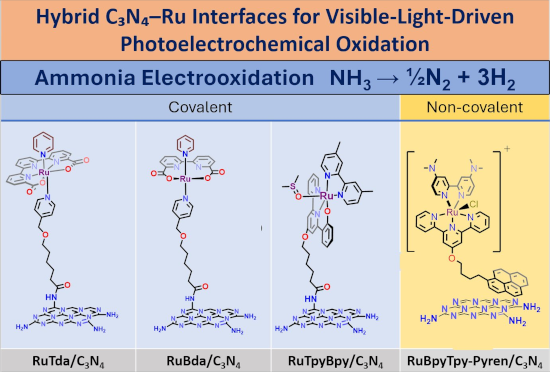
- absorbed excitation drives the oxidation of water (a thermodynamically demanding four-electron, four-proton process) at an inorganic cluster containing four manganese ions and one calcium ion (Mn4CaO5). The electrons extracted from water are passed along the electron transport chain to Photosystem I, where
- photoelectrocatalytic performance [19]. Amorphous sulfur-doped C3N4 (S-C3N4, Table 1), prepared from sulfur-containing precursors such as purpald, achieves a narrower bandgap of 1.8–2.0 eV and a higher surface area, accessing a larger fraction of the solar spectrum at the cost of somewhat reduced charge transport
- density, liquid ammonia stores 1.9 times more energy per liter than liquid hydrogen, making it an attractive medium for carbon-free energy storage and transport [35]. G) The case for photoelectrocatalysis: combining light and bias Photocatalysis and electrocatalysis each address part of the energy


Nanoparticle delivery systems for HIV pre-exposure prophylaxis (PrEP): advances and challenges
Beilstein J. Nanotechnol. 2026, 17, 839–853, doi:10.3762/bjnano.17.60
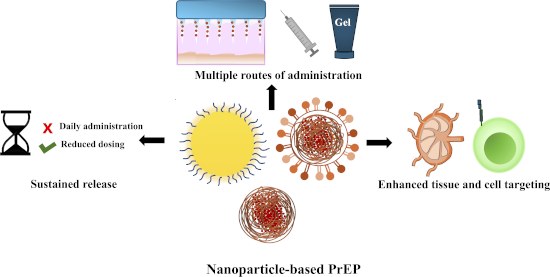
- surface-conjugated with a peptide with affinity for CD4 receptors [58]. The clinical use of DRV has been limited by its low bioavailability largely due to its lipophilic nature. First pass metabolism and efflux transport further reduce bioavailability [59]. To address these limitations, DRV-loaded SLNs
- were designed to improve delivery to HIV reservoirs [58]. In permeability studies, the nanoparticles showed a fourfold increase in transport across a Caco-2 cell membrane compared to plain drug solution. Furthermore, the peptide-grafted SLNs achieved enhanced cellular uptake in a CD4+ T cell model


Sustainable fabrication of 2D-based devices through reuse of substrates with microfabricated electrodes
Beilstein J. Nanotechnol. 2026, 17, 818–827, doi:10.3762/bjnano.17.58
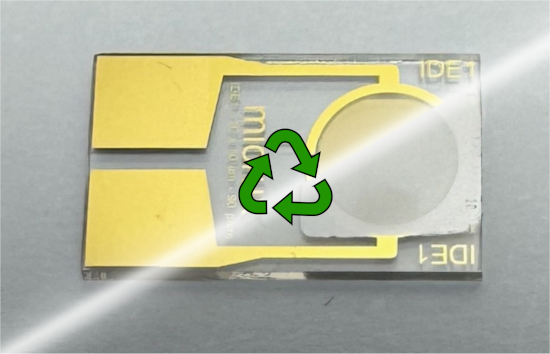
- preparation The MoS2-based samples were prepared using natural bulk molybdenite mineral (Molly Hill Mine, Quebec, Canada). WSe2 crystals were prepared by CVT method from tungsten and selenium using bromine as a transport agent. High-throughput mechanical exfoliation of large-scale MoS2 and WSe2 was carried


Tuning the electronic properties of defect-rich MoS2
Beilstein J. Nanotechnol. 2026, 17, 796–805, doi:10.3762/bjnano.17.56
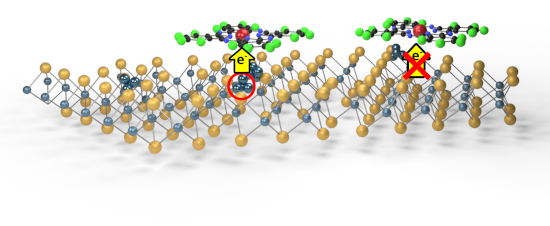
- they represent, for example, traps for charge carrier transport [17]. However, it is challenging to produce nearly defect-free TMDC monolayers or multilayers. In particular, natural, exfoliated MoS2 crystals exhibit a variety of intrinsic defects [18]. Moreover, p- and n-type defects can be formed


Substrate-dependent pore formation in molybdenum disulfide monolayers under ion irradiation
Beilstein J. Nanotechnol. 2026, 17, 769–780, doi:10.3762/bjnano.17.54
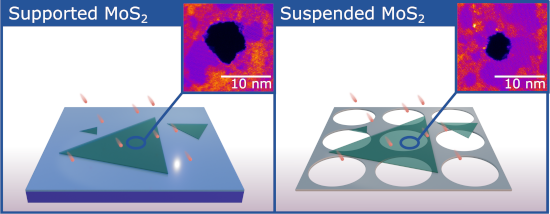
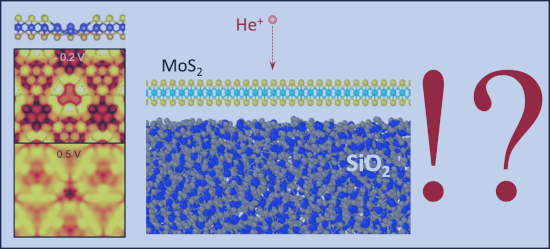
- -induced disorder and charge trapping are expected to increase carrier scattering, thereby limiting lateral spreading of the non-equilibrium electronic excitation. This is known from several studies [48][49] on charge transport in MoS2 that report higher carrier mobility in suspended monolayers than in
- . In the first zone ≈60 mg of sulfur is placed. An argon flow of 500 sccm is used to purge the quartz tube containing the reagents and as a means to transport the precursors. During the 30 min process, the first zone reaches 150 °C, while the second zone reaches 750 °C. After the process has finished


Interface-engineered Caco-2 cell culture on a collagen-coated liquid–liquid interface in a microfluidic device
Beilstein J. Nanotechnol. 2026, 17, 760–768, doi:10.3762/bjnano.17.53
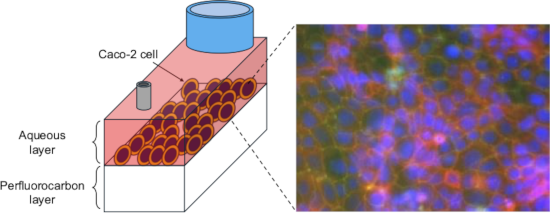
- Epithelial tissues form selective barriers that regulate the transport of molecules, ions, and gases; they play an important role in physiological homeostasis [1]. In vitro models of epithelial barriers, particularly culturing Caco-2 cells, have been widely used to study the function of the epithelial
- investigation of epithelial barrier formation, transport functions, and mechanobiological responses that are otherwise difficult to isolate in conventional solid-supported systems. Moreover, when functionalized with extracellular matrix proteins, such interfaces can support uniform epithelial maturation and
- , offering a novel platform with potential for advanced drug transport studies and co-culture experiments with other cell types. This approach is expected to open new avenues for functional assays, such as transepithelial electrical resistance or drug permeability studies and co-culture experiments with


Environmental applications of silver nanoparticles: state-of-the-art review and emerging trends
Beilstein J. Nanotechnol. 2026, 17, 697–736, doi:10.3762/bjnano.17.49
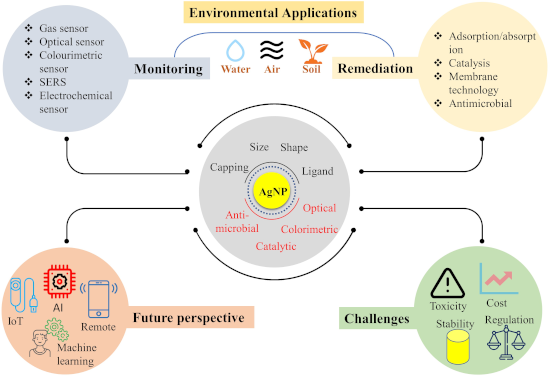
- exhibit toxicity towards aquatic organisms, including bacteria, algae, invertebrates, and fish, with reported adverse effects such as growth inhibition, reproductive impairment, and mortality [32][33]. Moreover, various factors influence the fate and transport of AgNPs in environmental samples, including


Recent progress in enhancing built-in electric fields of perovskite solar cells via junction engineering
Beilstein J. Nanotechnol. 2026, 17, 602–621, doi:10.3762/bjnano.17.42
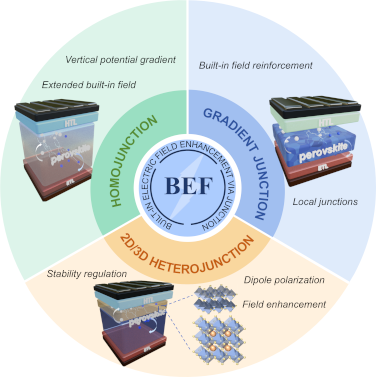
- -diffusion transport, and extraction pathways, thereby shaping critical device parameters such as open-circuit voltage and fill factor. This review highlights recent progress in junction engineering strategies for BEF enhancement. Homojunctions extend interfacial potential fields into the bulk through
- transport. By contrast, 2D/3D heterojunctions exploit interfacial dipole formation, intrinsic polarization, and phase-penetration effects to amplify and homogenize the BEF, while simultaneously improving energy-level alignment and defect passivation. We systematically compare these strategies within a
- fields. These effects facilitate directional transport and prolong carrier lifetimes. Therefore, the rational construction and optimization of generalized junctions to enhance the built-in electric field have become a key research direction for improving the efficiency and stability of PSCs, laying the



Towards targeted drugs and next generation of nanomedicines
Beilstein J. Nanotechnol. 2026, 17, 598–601, doi:10.3762/bjnano.17.41

- size in a "big" human. At the same time, recent findings suggested that nanoparticles may be able to reach tumor tissue also via active mechanisms of uptake and transport across tumor endothelial cells, potentially opening up new ways to reach tumors with drugs [20][21][22]. Next to passive targeting
Advances in nanotechnology applied to natural products
Beilstein J. Nanotechnol. 2026, 17, 555–558, doi:10.3762/bjnano.17.36
- nanofibers, have been proposed for the simultaneous transport of hydrophilic and lipophilic bioactives, leveraging compartmentalization to combine material advantages and enable multifunctional controlled-release strategies [25]. Beyond organic nanocarriers, research has increasingly extended to inorganic
Fractional shot noise of an SU(N) Kondo system
Beilstein J. Nanotechnol. 2026, 17, 515–540, doi:10.3762/bjnano.17.34
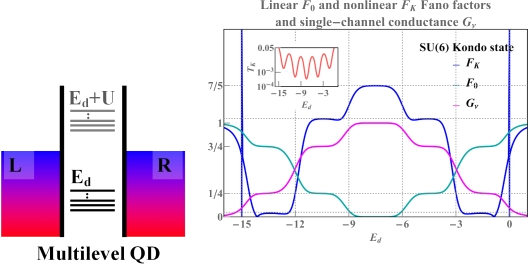
- Damian Krychowski Stanislaw Lipinski Department of Theory of Nanostructures and Quantum Materials, Institute of Molecular Physics, Polish Academy of Sciences, M. Smoluchowskiego 17, 60-179 Poznań, Poland 10.3762/bjnano.17.34 Abstract We consider transport through a multilevel interacting quantum
- of a single excess charge on the dot increases. Strong dynamic correlations start to play a dominant role when Coulomb interaction exceeds electron kinetic energy. For dots weakly coupled to the leads, many-body resonances build up at low temperatures, opening new paths for coherent transport. Due to
- the generation of spin-polarized currents [19][20][21][22][23]. A continuing present goal is to test fundamental correlations between different degrees of freedom and to examine their role in quantum transport. The principal aim is to understand how dot or multidot structures with internal spin


![[Graphic 127]](/bjnano/content/inline/2190-4286-17-34-i187.svg?max-width=637&scale=1.18182)

Defects and defect-mediated engineering of two-dimensional materials: challenges and open questions
Beilstein J. Nanotechnol. 2026, 17, 454–488, doi:10.3762/bjnano.17.31
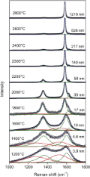
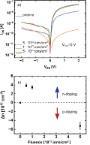
- between different growth methods, for example, chemical vapor transport vs molecular beam epitaxy in terms of pressures and growth temperatures. Generally, the thermodynamic conditions are ill-defined during growth, especially the chemical potentials of the material constituents are not well known, making





Biomimetic nanoparticles in cancer photodynamic therapy: a review of targeted delivery systems and therapeutic outcomes
Beilstein J. Nanotechnol. 2026, 17, 396–422, doi:10.3762/bjnano.17.27
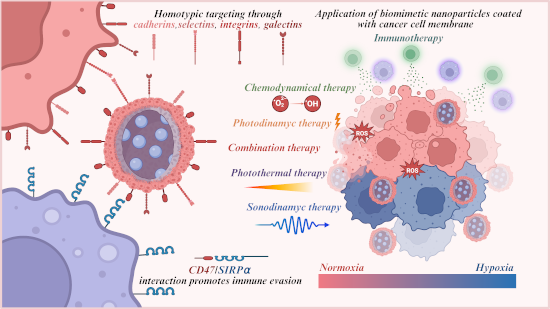
- . Beyond delivery, BNPs address hypoxia [5], a critical barrier to PDT efficacy, through oxygen-carrying systems like hemoglobin-based nanostructures, which retain the oxygen-binding capacity of hemoglobin and can effectively transport and release oxygen within the hypoxic tumor microenvironment (TME
- cell membranes, such as immune evasion, prolonged circulation, and specific targeting, BNPs can be further enhanced through surface modifications to improve their therapeutic performance. These modifications enable BNPs to address complex challenges in drug delivery, including targeted transport


Fast vortex dynamics and relaxation times in NbRe-based heterostructures
Beilstein J. Nanotechnol. 2026, 17, 292–302, doi:10.3762/bjnano.17.20
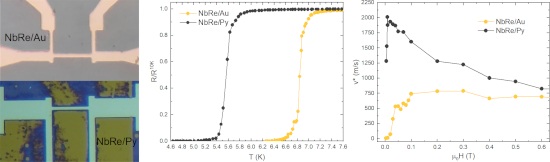
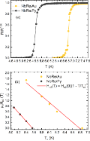
- , were characterized through electrical transport measurements. The I–V characteristics show that, in the NbRe/Py bilayer, vortices reach higher critical velocities than those observed in the NbRe/Au structure. The analysis of the flux-flow instability within the Larkin–Ovchinnikov framework allows one
- ; superconductivity; vortex dynamics; Introduction Vortex dynamics plays a central role in the electrical transport under magnetic fields in type-II superconductors and is an essential subject of research in superconductivity [1]. In inhomogeneous type-II superconductors, structural defects create pinning centers
- that NbRe thin films are polycrystalline with oriented grains of nanometric size, of the order of a few nanometers [20][21]. Furthermore, earlier investigations have demonstrated that the superconducting and transport properties of NbRe are robust against moderate thickness variations [19]. These


Advancing nanolithography: a comprehensive review of materials for local anodic oxidation with AFM
Beilstein J. Nanotechnol. 2026, 17, 275–291, doi:10.3762/bjnano.17.19
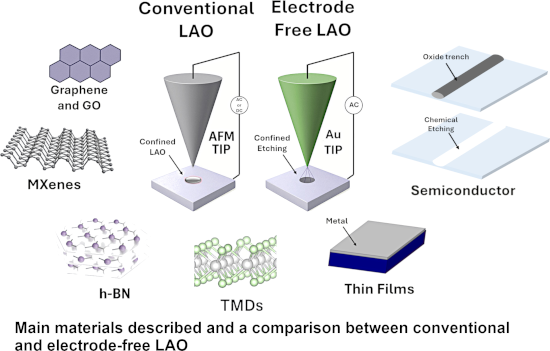
- authors agree with an oxidation kinetic consistent with the Cabrera–Mott model [44][45]. As an electrochemical process, LAO is inherently current-dependent. Early studies showed that oxide growth evolves from an initial electronic tunneling regime to ionic transport as the film develops [46]. Dagata and
- stress and trapped charges hinder further ion transport. Together, these effects progressively slow oxidation and ultimately halt growth [48]. This explains why local oxidation experiments on Si report maximum features below 10 nm, while oxide features grown on SiC (with different stoichiometry and
- features. Different materials exhibit varying oxidation kinetics, conductivity, and susceptibility to environmental conditions. For example, TMDs such as MoS2 and WSe2 are especially sensitive to phonon scattering, which significantly influences their thermal conductivity, electrical transport properties


Comparative study on 3D morphologies of delignified, single tracheids and fibers of five wood species
Beilstein J. Nanotechnol. 2026, 17, 239–250, doi:10.3762/bjnano.17.16
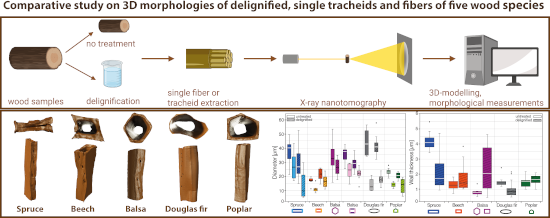
- ]. They are especially important in gymnosperms, where they serve as primary conduits for water transport, whereas in angiosperms, they function alongside vessel elements, contributing to both axial and lateral water movement by providing strength of the tissue [3][4]. Tracheids are specialized cells that
- are elongated, hollow, and tapered at both ends, forming an interconnected system that facilitates the transport of water and nutrients from the roots to the aerial parts of the plant [3]. Depending on the species and function, conifer tracheids are generally narrow, with varying diameters (8–80 µm
- enhance water transport efficiency during growth seasons, enabling the trees to support rapid growth. Conversely, narrower lumina in latewood provide superior mechanical support during periods of reduced growth, ensuring structural stability. However, across the five species studied here, the hardwood


Gold nanoparticle-decorated reduced graphene oxide as a highly effective catalyst for the selective α,β-dehydrogenation of N-alkyl-4-piperidones
Beilstein J. Nanotechnol. 2026, 17, 218–238, doi:10.3762/bjnano.17.15
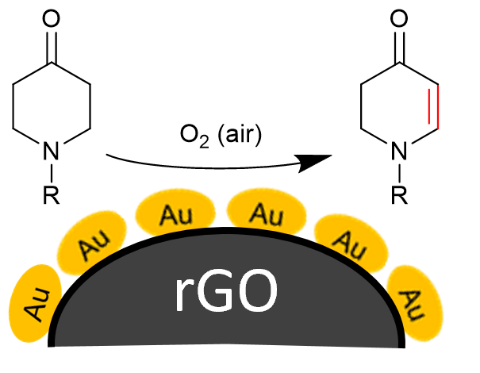
- largely below 2 nm and indicate a predominantly microporous structure (Figure S1a, Supporting Information File 1), which may limit mass transport and hinder catalytic performance in reactions requiring easy access to active sites. Reduced graphene oxide has a moderate BET surface area (231 m2·g−1), but
- the highest total pore volume (2.03 cm3·g−1). The pore diameters extend into the mesoporous region (2–50 nm) for a large fraction of the pores (Figure S1b, Supporting Information File 1). This combination suggests a more open and accessible porous network, facilitating better mass transport and
- volume. These features provide a more favorable environment for mass transport, reactant diffusion, and nanoparticle dispersion, making rGO a more effective catalyst support, so we expect a better catalytic activity with rGO. In addition to the morphological and textural properties of carbon supports


Micro- and nanoscale effects in biological and bioinspired materials and surfaces
Beilstein J. Nanotechnol. 2026, 17, 214–217, doi:10.3762/bjnano.17.14
- biological surface features to improve transport and effects of drugs, biological systems can be suitable templates for recognition of biomolecules. The review by Gharibzahedi and Altintas [27] provides a timely and comprehensive overview of recent advances in optical biosensing technologies for the
Safe and sustainable by design with ML/AI: A transformative approach to advancing nanotechnology
Beilstein J. Nanotechnol. 2026, 17, 176–185, doi:10.3762/bjnano.17.11
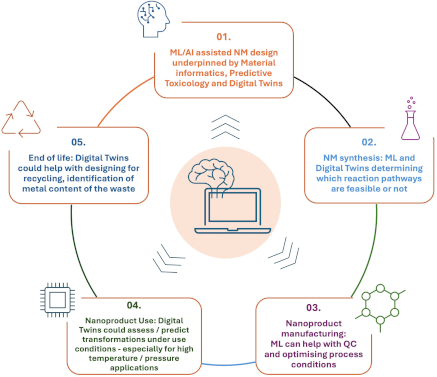
- transport of ENMs, as well as potential occupational and consumer exposures across production, use, and disposal stages [42][43][44]. Predictive toxicology Predictive toxicology is pivotal to SSbD strategies because it enables early-stage assessments of potential nanomaterial hazards, thereby minimizing
- most critical. By integrating real-time data on ENM fate and transport, these models provide the flexibility to adapt to new evidence or change regulatory thresholds. Taken together, LCA methodologies – particularly those enhanced by Bayesian and dynamic modelling – support a preventative, SSbD mindset


From shield to spear: Charge-reversible nanocarriers in overcoming cancer therapy barriers
Beilstein J. Nanotechnol. 2026, 17, 159–175, doi:10.3762/bjnano.17.10
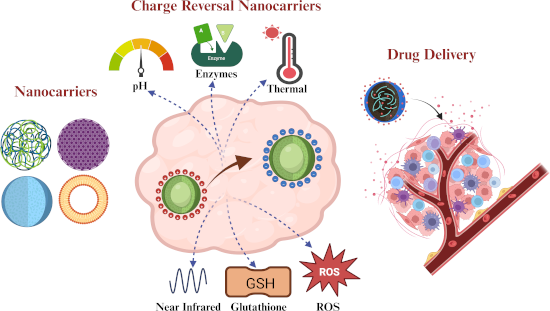
- the crucial role of surface charge in cellular uptake and intracellular transport, highlighting recent advances that demonstrate improved targeting, reduced systemic toxicity, enhanced cellular internalisation, and the potential for integrated approaches, including combination therapies and
- transport of CRISPR components [92]. Ben-Akiva et al. engineered biodegradable, lipophilic polymer-based nanocarriers capable of systemically delivering mRNA along with TLR agonists to dendritic cells in the spleen, leading to strong activation of CD8+ T cells and effective tumour suppression in mouse


Influence of surface characteristics on the in vitro stability and cell uptake of nanoliposomes for brain delivery
Beilstein J. Nanotechnol. 2026, 17, 139–158, doi:10.3762/bjnano.17.9
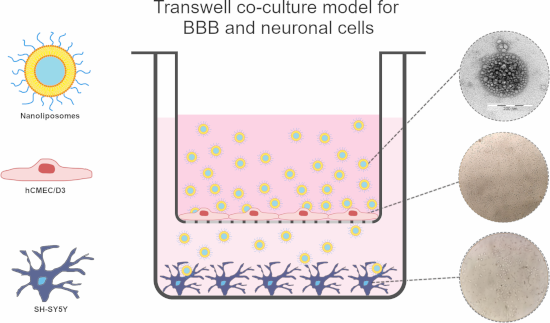
- showed a time- and concentration-dependent internalization pattern, with high impact of the surface characteristics of the different formulations. In addition, transport studies on hCMEC/D3/SH-SY5Y co-cultures confirmed the successful transport of NLs across the BBB cells and their subsequent uptake by
- may stem from the incomplete understanding of factors affecting the NLs optimal delivery to the central nervous system (CNS). Therefore, understanding the mechanisms of NLs transport across the BBB and the impact of NLs properties as well as the disease pathophysiology is crucial for improving
- interactions in complex organs like the brain, in vitro cell culture models, such as hCMEC/D3 and SH-SY5Y, are often used [9]. Therefore, the hCMEC/D3 model is useful for examining nanosystems, drug uptake, and transport across the BBB, with advantages like easy growth and mimicking basic BBB properties