Search results
Search for "pollutant" in Full Text gives 86 result(s) in Beilstein Journal of Nanotechnology.
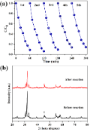
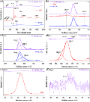
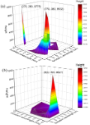
Rapid fabrication of MgO@g-C3N4 heterojunctions for photocatalytic nitric oxide removal
Beilstein J. Nanotechnol. 2022, 13, 1141–1154, doi:10.3762/bjnano.13.96
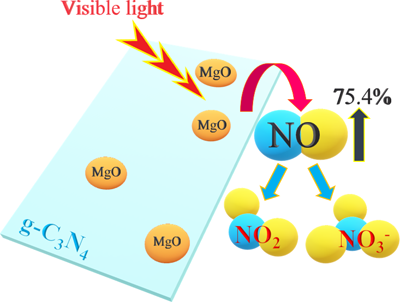
- Christian University, Taoyuan 32023, Taiwan Faculty of Environment and Natural Resources, Ho Chi Minh City University of Technology (HCMUT), VNU-HCM, 268 Ly Thuong Kiet Street, District 10, Ho Chi Minh City 700000, Viet Nam 10.3762/bjnano.13.96 Abstract Nitric oxide (NO) is an air pollutant impacting the
- has been continuously increasing the combustion of fossil fuels, which leads to a large extent of nitrogen oxide emissions. This particular type of air pollutant leads to environmental damage (e.g., smog and acid) and health problems (e.g., COPD and cardiovascular diseases) [1][2][3]. Presently, there





Spindle-like MIL101(Fe) decorated with Bi2O3 nanoparticles for enhanced degradation of chlortetracycline under visible-light irradiation
Beilstein J. Nanotechnol. 2022, 13, 1038–1050, doi:10.3762/bjnano.13.91
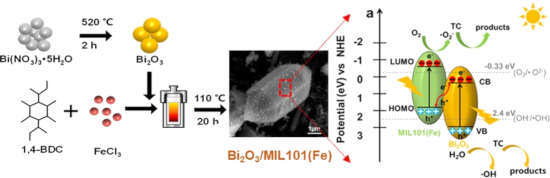
- photocatalyst under UV light irradiation [30]. So far, a large number of MOFs have been shown to exhibit photocatalytic activity in H2 production, organic pollutant degradation, and Cr(VI) and CO2 reduction [26][27][31][32][33]. Among MOF catalysts, MIL101(Fe) is a cage-like structure formed by self-assembly of


Solar-light-driven LaFexNi1−xO3 perovskite oxides for photocatalytic Fenton-like reaction to degrade organic pollutants
Beilstein J. Nanotechnol. 2022, 13, 882–895, doi:10.3762/bjnano.13.79
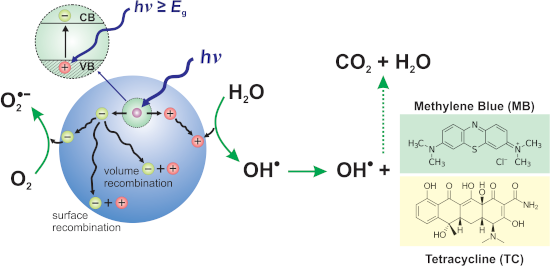
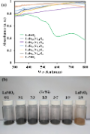
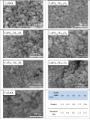
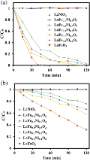
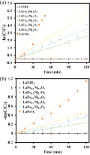
- degrade dye pollutants in water. Therefore, in this study, various contents of Ni-doped LaFeO3 were examined to remove organic pollutants under simulated solar light irradiation. Methylene blue is the representative compound of thiazine dyes and tetracycline is the indicator pollutant to represent the



Recent advances in nanoarchitectures of monocrystalline coordination polymers through confined assembly
Beilstein J. Nanotechnol. 2022, 13, 763–777, doi:10.3762/bjnano.13.67

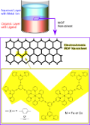
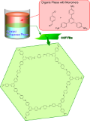
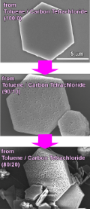
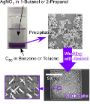
- steric effects. Confined environments offer geometrical confinement and local flow with shear forces, which were particularly effective for generating laminar stacking structures. The packed coordination polymers showed unique mechanical properties and performed excellent in batteries and pollutant






Hierarchical Bi2WO6/TiO2-nanotube composites derived from natural cellulose for visible-light photocatalytic treatment of pollutants
Beilstein J. Nanotechnol. 2022, 13, 745–762, doi:10.3762/bjnano.13.66
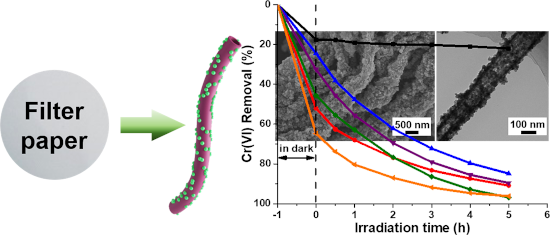
- 5.0 cm from the quartz tube reactor. The photocatalyst (10.0 mg) was dispersed in the pollutant solution (20.0 mL, 10.0 mg·L−1) and stirred in the dark for 1 h to guarantee the adsorption−desorption equilibrium. Then, the visible light was switched on, and the suspension containing photocatalyst and
- pollutant solution was taken out at set intervals to determine the concentration variation of the pollutant solution. Cr(VI) and RhB were chosen as pollutant representatives, and the concentration of the RhB aqueous solution was measured by the absorbance at λ = 553 nm, analyzed through a Shimadzu UV-2450
- water (40.0 mL) to form solution B. The Cr(VI) pollutant solution (1.0 mL), solution A (40.0 μL), and solution B (20.0 μL) were uniformly blended for 6 min, and the absorbance at λ = 540 nm of the mixed solution was recorded by a Shimadzu UV-2450 spectrophotometer to give the concentration of the


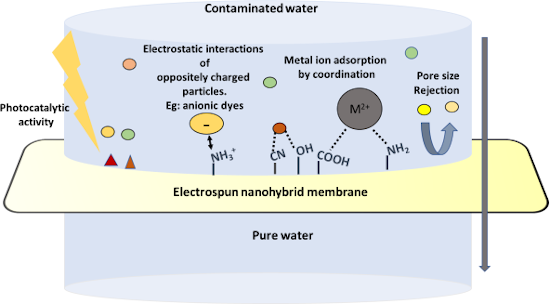
A comprehensive review on electrospun nanohybrid membranes for wastewater treatment
Beilstein J. Nanotechnol. 2022, 13, 137–159, doi:10.3762/bjnano.13.10





Nanocasting synthesis of BiFeO3 nanoparticles with enhanced visible-light photocatalytic activity
Beilstein J. Nanotechnol. 2020, 11, 1822–1833, doi:10.3762/bjnano.11.164
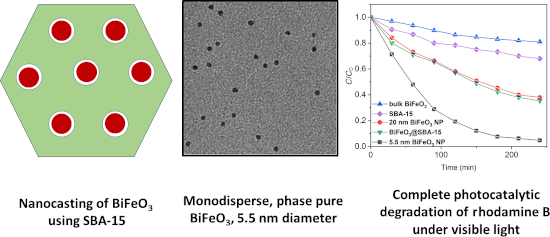
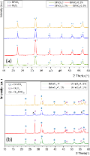
- pollutant under various conditions. Experimental Synthesis of BiFeO3 nanoparticles To successfully synthesize pure-phase BiFeO3 nanoparticles inside the pores of SBA-15, we first studied the influence of different organic acids, solvents, bismuth content, and calcination procedures on the synthesis of
- samples was evaluated using RhB as a model organic pollutant that is extremely stable under visible-light irradiation in the absence of a photocatalyst [28][51]. The photodegradation experiments clearly show that RhB has been degraded by the BiFeO3-0 5.5 nm catalyst as the intensity of the maximum




Highly sensitive detection of estradiol by a SERS sensor based on TiO2 covered with gold nanoparticles
Beilstein J. Nanotechnol. 2020, 11, 1026–1035, doi:10.3762/bjnano.11.87
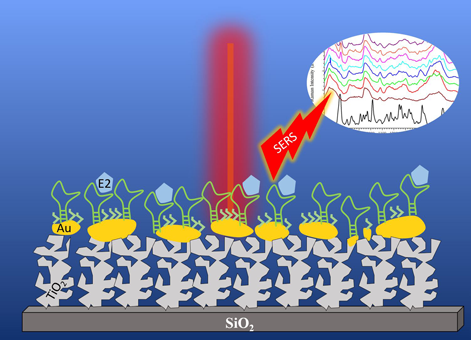
- should also be easy to fabricate at reduced cost. In addition, the surface functionalization needs to guarantee the selection, detection and quantification of a target molecule, e.g., a biomarker [1][2][3] or a pollutant [4][5] dissolved in complex media such as blood, plasma, urine, or river and sea


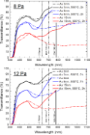
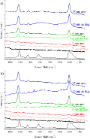

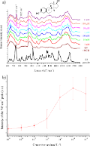
Effect of Ag loading position on the photocatalytic performance of TiO2 nanocolumn arrays
Beilstein J. Nanotechnol. 2020, 11, 717–728, doi:10.3762/bjnano.11.59
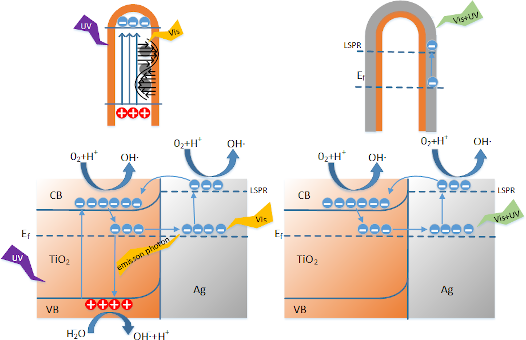
- structure is not affected by the Ag deposition thickness and can always be maintained at a high level. In summary, the Ag-filled TiO2 structure has more relaxed preparation parameters and stable catalytic efficiency than its Ag-coated counterpart, which renders it more applicable as a pollutant treatment


Nanoarchitectonics: bottom-up creation of functional materials and systems
Beilstein J. Nanotechnol. 2020, 11, 450–452, doi:10.3762/bjnano.11.36

- ], environmental remediation with sensitive pollutant detection [3][4], and biological and biomedical applications [5][6] is a crucial matter. In addition to the intrinsic functionality of bulk materials, control of their internal structure on the nanometer-scale is realized to be increasingly important to obtain

Improved adsorption and degradation performance by S-doping of (001)-TiO2
Beilstein J. Nanotechnol. 2019, 10, 2116–2127, doi:10.3762/bjnano.10.206
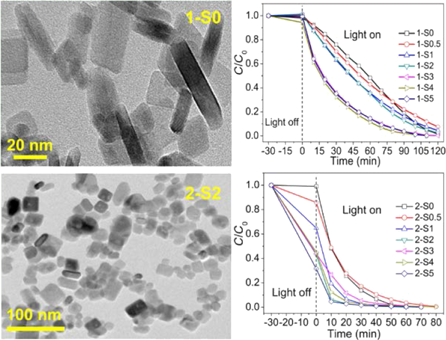
- the differently exposed crystal faces have different atomic and electronic structures and surface energy. This results in differences in the adsorption capacity regarding pollutant molecules and in the electron transfer properties of TiO2 [8][9]. It is widely believed that the exposed (001) face has a
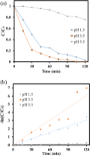
- photocatalytic degradation performance of all samples was tested with MB as the target pollutant. Figure 7 representatively shows the temporal evolution of the UV–vis spectra during the photodegradation of aqueous MB over the 2-S2 sample (a) and the variation of the MB concentration C/C0 with time in the
- of TiO2 to water or organic pollutant molecules is determined by the amount of and the space between oxygen vacancies (or Ti3+) on the surface of the TiO2 particles [50]. The adsorption coefficient (Ae) and the ratio of oxygen vacancies almost uniformly change with RS/Ti. This indicates that the




Review of advanced sensor devices employing nanoarchitectonics concepts
Beilstein J. Nanotechnol. 2019, 10, 2014–2030, doi:10.3762/bjnano.10.198

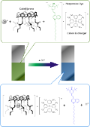
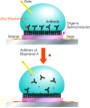
- . This sensitivity is sufficient for the detection and monitoring of this persistent pollutant in drinking water. As mentioned previously, the discrimination of chiral substances is a rather tough goal in sensor design. However, the detection of chiral amino acids is an unavoidable matter in technologies





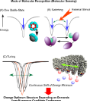
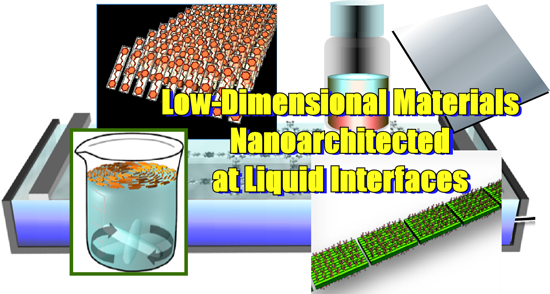
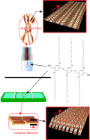
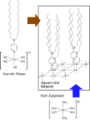
Materials nanoarchitectonics at two-dimensional liquid interfaces
Beilstein J. Nanotechnol. 2019, 10, 1559–1587, doi:10.3762/bjnano.10.153
- rejections of water pollutant surrogates from water [229][230][231]. Considering the high tuning capability of pore-size and functional groups decorating the inner pores of COFs, the separation membranes made out of COFs are promising for water purification technologies including desalination [232













BiOCl/TiO2/diatomite composites with enhanced visible-light photocatalytic activity for the degradation of rhodamine B
Beilstein J. Nanotechnol. 2019, 10, 1412–1422, doi:10.3762/bjnano.10.139
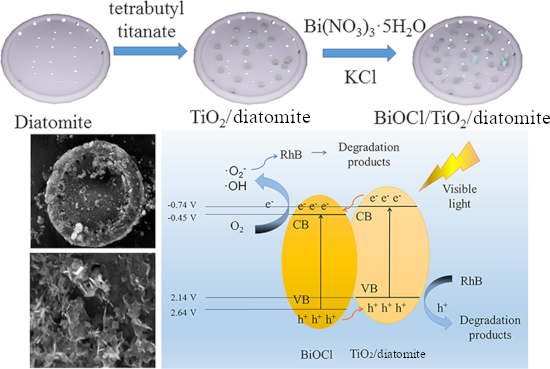
- organic pollutant degradation [15]. However, according to previous studies, one limitation to its photocatalytic activity is that the photocatalytic process mainly occurs on the surface of the photocatalyst, which is a problem because the TiO2 nanoparticles readily agglomerate [10]. According to the
- industries is considered as an key organic pollutant due to its chemical stability, non-biodegradability, high light resistance and oxidation degradation, which may cause long-term damage to ecosystems. Therefore, the photocatalytic activity of the photocatalyst was studied under visible light with RhB as


Janus-micromotor-based on–off luminescence sensor for active TNT detection
Beilstein J. Nanotechnol. 2019, 10, 1324–1331, doi:10.3762/bjnano.10.131
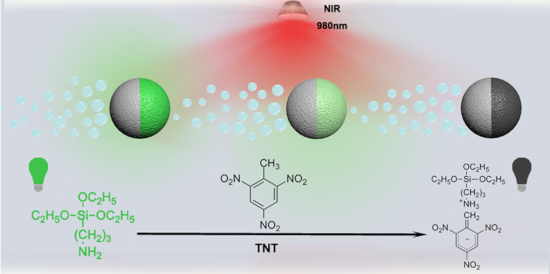
- catalytic Janus micromotors demonstrates the potential for water pollutant analysis. Results and Discussion The Janus UCNP-functionalized hollow polyelectrolyte capsule micromotors were prepared via a template-assisted method as schematically shown in Figure 1a. Briefly, eight bilayers of poly(allylamine


A highly efficient porous rod-like Ce-doped ZnO photocatalyst for the degradation of dye contaminants in water
Beilstein J. Nanotechnol. 2019, 10, 1157–1165, doi:10.3762/bjnano.10.115
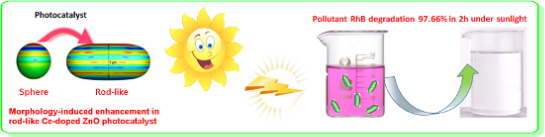
- rods and optimal synthesis conditions were determined by testing samples with different Ce/ZnO molar ratios calcined at 500 °C for 3 hours via a one-step pyrolysis method. The photocatalytic activity was assessed by the degradation of a common dye pollutant found in wastewater, rhodamine B (RhB), using
- to improve its photocatalytic activity by modifying its surface morphology [10][11]. Wang et al. [12] prepared Ce-doped ZnO with different doping levels by using a one-step solution method, using methylene blue as the target pollutant for photodegradation. After exposure to light for 200 minutes, the
- aqueous solutions of ZnO and CZO-4 (8 ppm) were used to measure the specific chemical compositions. Conclusion In this study, we synthesized spherical ZnO and a series of rod-like Ce/ZnO catalysts via high temperature pyrolysis to investigate their photocatalytic performance using RhB as a model pollutant


Synthesis of novel C-doped g-C3N4 nanosheets coupled with CdIn2S4 for enhanced photocatalytic hydrogen evolution
Beilstein J. Nanotechnol. 2019, 10, 912–921, doi:10.3762/bjnano.10.92
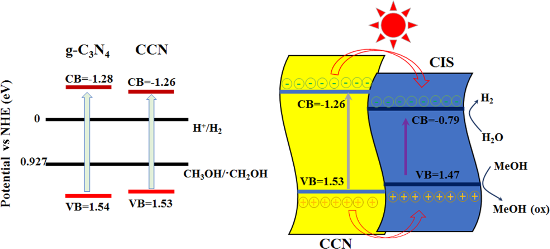
- metal-free organic catalysts with visible-light response, has been extensively used in pollutant elimination, hydrogen production and photoreduction of CO2 because of its facile fabrication, superior physicochemical stability, appropriate energy band structure, and low cost [7][8][9]. Nevertheless, the


Development of an anti-pollution coating process technology for the application of an on-site PV module
Beilstein J. Nanotechnol. 2019, 10, 332–336, doi:10.3762/bjnano.10.32
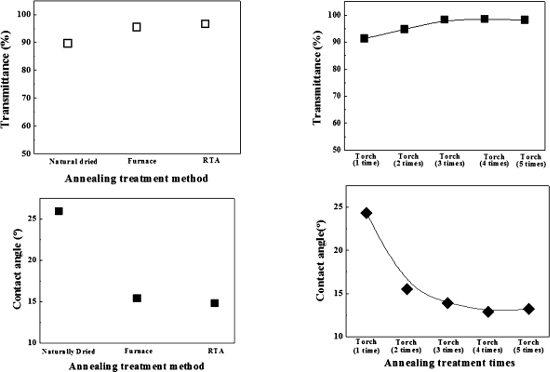
- angles of the fabricated functional coating films were measured using a contact angle analyzer (Phoenix 300 Touch, S.E.O. Co., South Korea). The anti-pollution characteristics were measured using permanent markers instead of actual pollutants. This method is useful for checking the level of pollutant


New micro/mesoporous nanocomposite material from low-cost sources for the efficient removal of aromatic and pathogenic pollutants from water
Beilstein J. Nanotechnol. 2019, 10, 119–131, doi:10.3762/bjnano.10.11
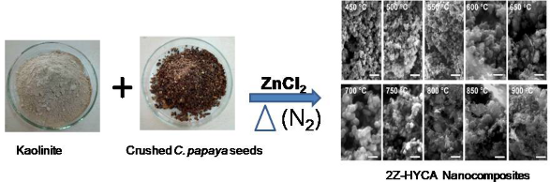
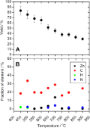
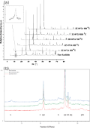
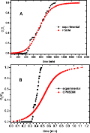
- minimizing the sum of squared differences between the experimental and predicted values of the dependent variable using the quasi-Newton least squares algorithm. Pathogenic pollutant removal To evaluate the efficiency of 2Z-HYCA for pathogen removal from water in a real application, commercial Eva® drinking
- interesting both from stability and surface area aspects. Pollutant removal from aqueous solutions Removal of 4-nitrophenol We have previously reported that a first-generation HYCA material prepared via a low-temperature calcination process in air very efficiently adsorbs cationic pollutants such as Pb2+, Cd2
- of the highly negatively charged original HYCA material [1] and provides sites for the adsorption of anionic pollutants, such as 4-nitrophenol.While used as a model compound here, 4-nitrophenol is an organic anionic pollutant of high interest because acute exposure to 4-nitrophenol causes blood




Impact of the anodization time on the photocatalytic activity of TiO2 nanotubes
Beilstein J. Nanotechnol. 2018, 9, 2628–2643, doi:10.3762/bjnano.9.244
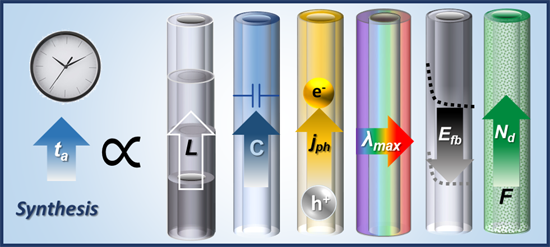
- a different approach, Marien et al. observed a relation between the morphological features of TNTs and a higher yield in the degradation of Paraquat [27]. They proposed that the PCA of nanotubes is compromised by the length of these structures due to the diffusivity of the pollutant into the inner
- along the [004] direction [44], accompanied by a higher photocatalytic performance in the degradation of an organic pollutant [45]. Lee et al. also reported an enhanced photoelectrochemical behavior in photovoltaic devices ascribed to the preferred crystalline orientation due to faster electron


Nanocellulose: Recent advances and its prospects in environmental remediation
Beilstein J. Nanotechnol. 2018, 9, 2479–2498, doi:10.3762/bjnano.9.232
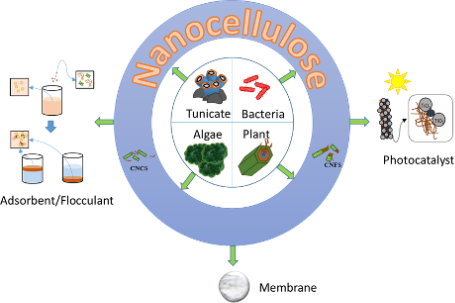
- sulphate groups. Alternatively, amine modification aids the chelating action on the desired pollutant anions, thereby enhancing the adsorption capacity of the nanocellulose adsorbent materials. Metal ions can adsorb onto the adsorbent via electrostatic interaction and ion exchange since amino groups are


Hierarchical heterostructures of Bi2MoO6 microflowers decorated with Ag2CO3 nanoparticles for efficient visible-light-driven photocatalytic removal of toxic pollutants
Beilstein J. Nanotechnol. 2018, 9, 2297–2305, doi:10.3762/bjnano.9.214
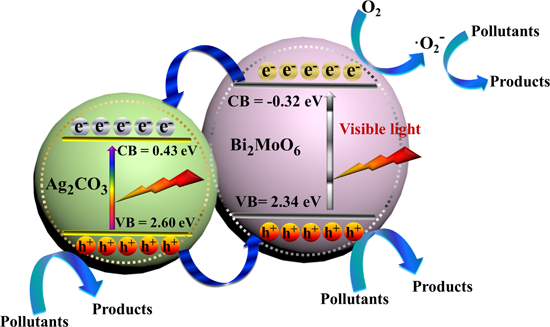
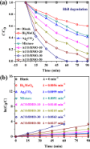
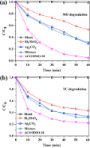
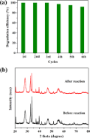
- attributed to the high charge-separation capacity, which results from the matched band alignment of the two components. The cycling experiments showed a good durability of Ag2CO3/Bi2MoO6. Holes were found to be the dominant active species accounting for the pollutant degradation. This compound is a promising
- candidate for wastewater treatment. Keywords: antibiotic removal; Bi2MoO6; heterojunction; silver carbonate (Ag2CO3); Introduction Industrial pollutants, such as industrial dyes and antibiotics, in wastewaters pose a huge threat to the environment [1][2]. Thus, many methods for pollutant removal have been
- Bi2MoO6, which originates from the increased charge separation at the interface [22][23][24][25][26][27][28][29][30]. Recently, Ag-based compounds (e.g., Ag3PO4, Ag3VO4, Ag2CrO4, and Ag2CO3) [34][35][36] have emerged as good VLD photocatalysts for pollutant removal. Ag2CO3 exhibits a high visible-light




Synthesis of a MnO2/Fe3O4/diatomite nanocomposite as an efficient heterogeneous Fenton-like catalyst for methylene blue degradation
Beilstein J. Nanotechnol. 2018, 9, 1940–1950, doi:10.3762/bjnano.9.185
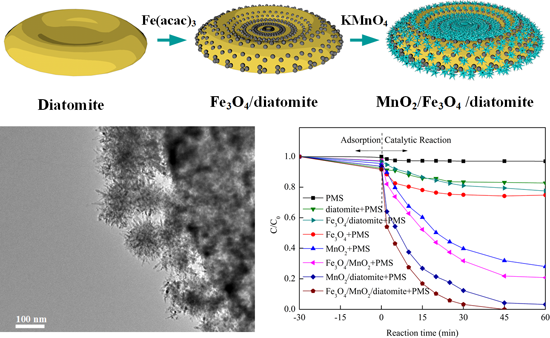
- nanocomposite is synthesized and then used as heterogeneous Fenton-like catalyst to degrade the organic pollutant methylene blue (MB) with the activation of PMS. The characterization results show that the Fe3O4 nanoparticles and nanoflower-like MnO2 are evenly distributed layer-by-layer on the surface of
- can not be degraded spontaneously, thus various methods focusing on the removal of organic pollutant, including adsorption, photocatalysis and advanced oxidation processes, have been extensively studied over the past decades [2][4][5]. Among these methods, advanced oxidation processes (AOP) are
- methylene blue (MB) as the target pollutant, because MB is a typical organic dye with well-known toxicity and a threat to water environments [19]. The structural characterization and recyclability of the nanocomposite are also investigated. To the best of our knowledge, there are no reports about the


Cr(VI) remediation from aqueous environment through modified-TiO2-mediated photocatalytic reduction
Beilstein J. Nanotechnol. 2018, 9, 1448–1470, doi:10.3762/bjnano.9.137
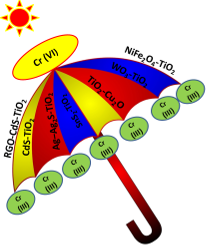
- considerable attention. The applications of photocatalysis, such as water splitting, CO2 reduction, pollutant degradation, organic transformation reactions, N2 fixation, etc., towards solving the energy crisis and environmental issues are briefly discussed in the Introduction of this review. The advantages of


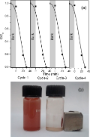

Ag2WO4 nanorods decorated with AgI nanoparticles: Novel and efficient visible-light-driven photocatalysts for the degradation of water pollutants
Beilstein J. Nanotechnol. 2018, 9, 1308–1316, doi:10.3762/bjnano.9.123
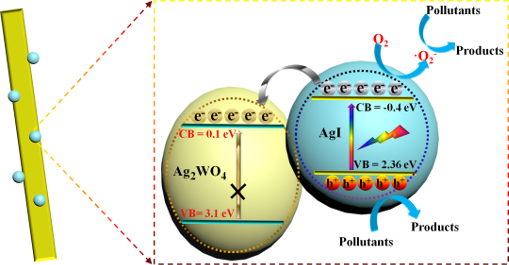
- Abstract To develop efficient and stable visible-light-driven (VLD) photocatalysts for pollutant degradation, we synthesized novel heterojunction photocatalysts comprised of AgI nanoparticle-decorated Ag2WO4 nanorods via a facile method. Various characterization techniques, including XRD, SEM, TEM, EDX
- still achieves the highest apparent rate constant (0.0292 min−1 for MO degradation and 0.0129 min−1 for 4-CP degradation) among all these samples. The mineralization of organic pollutants is crucial for pollutant treatment [46]. Thus, the total organic carbon (TOC) removal efficiency of RhB over 0.3AgI
- the CB of AgI (and more holes left behind in the valence band (VB)) could readily attack the pollutant molecules, resulting in the remarkable photocatalytic performance of AgI/Ag2WO4. Conclusion In summary, a novel heterojunction photocatalyst comprised of AgI nanoparticle-decorated Ag2WO4 nanorods