Search results
Search for "viruses" in Full Text gives 85 result(s) in Beilstein Journal of Nanotechnology.
Overview of mechanism and consequences of endothelial leakiness caused by metal and polymeric nanoparticles
Beilstein J. Nanotechnol. 2023, 14, 329–338, doi:10.3762/bjnano.14.28
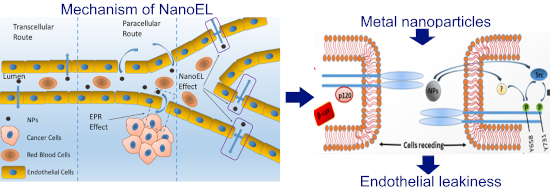
- effective therapeutic strategies in various pathological states of the body [35]. However, the leakiness of vessels, up to tens of micrometers wide, also creates an opening for proteins, bacteria, viruses, or the cells themselves. The bidirectional increased permeability of the endothelial layer in the case


Cyclodextrins as eminent constituents in nanoarchitectonics for drug delivery systems
Beilstein J. Nanotechnol. 2023, 14, 218–232, doi:10.3762/bjnano.14.21
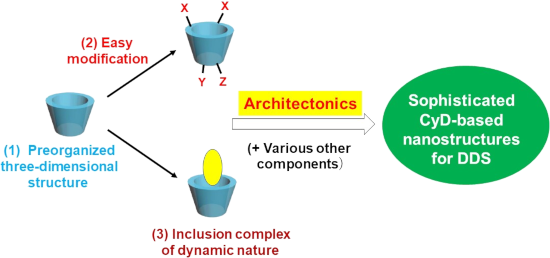
- also to increase the solubility of the protein through the binding to bulky and apolar side chains. The antiviral activity of modified CyDs towards various viruses has been previously reported as well [108]. 6.2 Molecular imprinting on CyD to bind large drugs It often happens that one CyD molecule is




Antimicrobial and mechanical properties of functionalized textile by nanoarchitectured photoinduced Ag@polymer coating
Beilstein J. Nanotechnol. 2023, 14, 95–109, doi:10.3762/bjnano.14.11
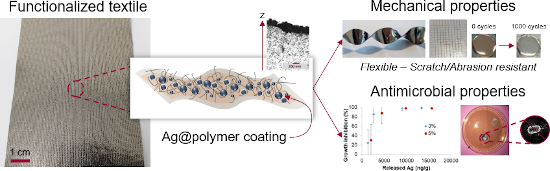
- , whether it be medically speaking, in agriculture or simply in built environments. Improving the indoor air quality, while limiting the spread of bacteria, fungi, or viruses on various surfaces has become the focus of many research teams today, especially in the wake of the on-going COVID19 pandemic [1][2



Supramolecular assembly of pentamidine and polymeric cyclodextrin bimetallic core–shell nanoarchitectures
Beilstein J. Nanotechnol. 2022, 13, 1361–1369, doi:10.3762/bjnano.13.112
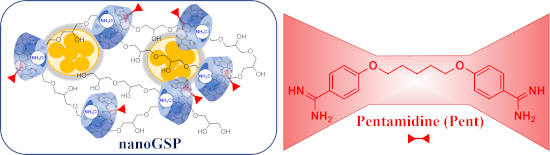
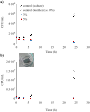
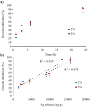
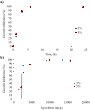
- against bacteria, protozoa, and viruses [7][8][9][10]. They have been proposed to complement traditional antimicrobials, either to increase their potency or broaden their activity spectrum. Furthermore, their combination with classical antibiotics is considered a promising strategy to combat the ongoing


Recent trends in Bi-based nanomaterials: challenges, fabrication, enhancement techniques, and environmental applications
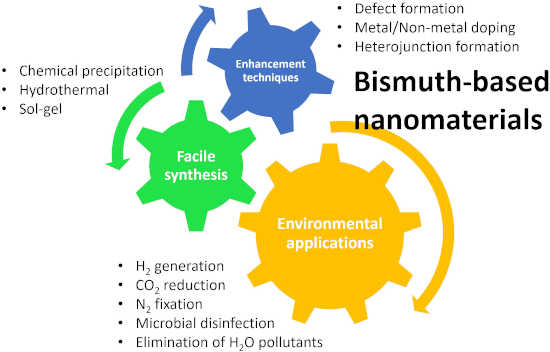
Beilstein J. Nanotechnol. 2022, 13, 1316–1336, doi:10.3762/bjnano.13.109




Recent advances in green carbon dots (2015–2022): synthesis, metal ion sensing, and biological applications
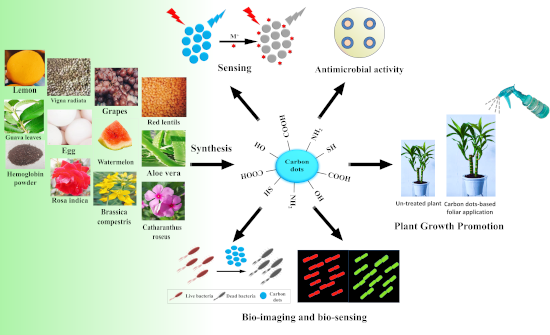
Beilstein J. Nanotechnol. 2022, 13, 1068–1107, doi:10.3762/bjnano.13.93




Bioselectivity of silk protein-based materials and their bio-inspired applications
Beilstein J. Nanotechnol. 2022, 13, 902–921, doi:10.3762/bjnano.13.81
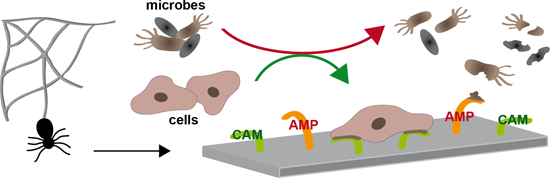
- biggest threats to human health worldwide is the rapid emergence of multidrug-resistant pathogens, due to the overuse of broad-spectrum antibiotics [100]. The rising rates of antimicrobial and antiviral resistance of infectious bacteria, viruses, and fungi and their related diseases impact all aspects of


Solar-light-driven LaFexNi1−xO3 perovskite oxides for photocatalytic Fenton-like reaction to degrade organic pollutants
Beilstein J. Nanotechnol. 2022, 13, 882–895, doi:10.3762/bjnano.13.79
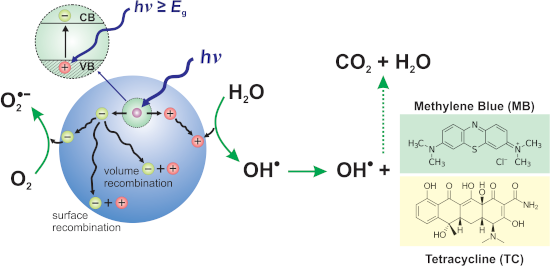
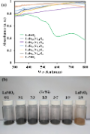
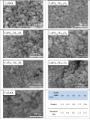
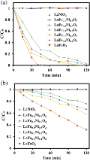
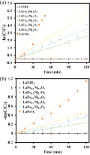
- industry often contains biological drugs, such as antibiotics and pesticides. These drug residues in various industries would enter the drinking water source. It threatens human health and makes bacteria and viruses resistant to drugs, significantly impacting the environment [5]. Notably, wastewater



DNA aptamer selection and construction of an aptasensor based on graphene FETs for Zika virus NS1 protein detection
Beilstein J. Nanotechnol. 2022, 13, 873–881, doi:10.3762/bjnano.13.78
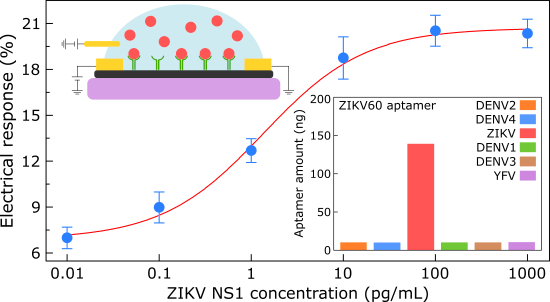
- other medically important flaviviruses with high global public health significance, such as dengue (DENV) and yellow fever (YFV) viruses. Correct diagnosis of a flavivirus infection can be challenging, particularly in world regions where more than one flavivirus co-circulates and YFV vaccination is
- diagnosis of the Zika virus. Keywords: aptamer; biosensor; graphene; NS1 protein; Zika virus; Introduction The genus Flavivirus comprises 53 virus species that are transmitted by mosquitoes, and the majority of these have the potential to infect humans. Mosquito-transmitted viruses are a significant
- public health problem in many tropical and sub-tropical countries. Viruses medically important in the genus Flavivirus include Zika virus (ZIKV), dengue virus (DENV), and yellow fever virus (YFV), mainly transmitted to humans by Aedesaegypti mosquitoes [1][2]. In 1947, ZIKV was first discovered in Uganda



Design and selection of peptides to block the SARS-CoV-2 receptor binding domain by molecular docking
Beilstein J. Nanotechnol. 2022, 13, 699–711, doi:10.3762/bjnano.13.62
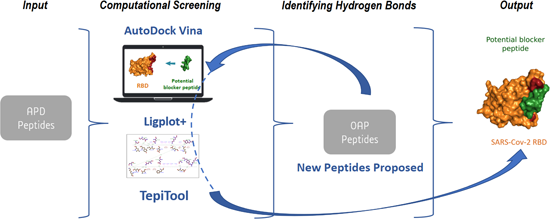
- currently one of the most contagious viruses in existence and the cause of the worst pandemic in this century, COVID-19. SARS-CoV-2 infection begins with the recognition of the cellular receptor angiotensin converting enzyme-2 by its spike glycoprotein receptor-binding domain (RBD). Thus, the use of small
- viruses. Keywords: angiotensin converting enzyme-2 (ACE2); antiviral peptides; hydrogen bonds; molecular docking; SARS-CoV-2 RBD; Introduction The current pandemic due to coronavirus disease-19 (COVID-19), caused by the novel virus SARS-CoV-2, has over 533 million of confirmed cases and over 6.3 million
- , indolicidin, and dermaseptin peptides have been used to neutralize viruses such as human immunodeficiency virus, cytomegalovirus, herpes simplex virus, and hepatitis B virus [9][10][11]. In order to find an effective peptide, it is important to reduce secondary effects by avoiding the binding with the major



Antibacterial activity of a berberine nanoformulation
Beilstein J. Nanotechnol. 2022, 13, 641–652, doi:10.3762/bjnano.13.56
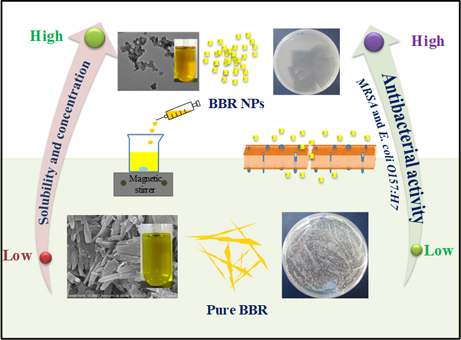
- activity against different viruses, including human cytomegalovirus [17], enterovirus 71 [18], H1N1 influenza virus [19], and human immunodeficiency virus (HIV) [6]. BBR has been shown to inhibit viral replication by specific targets and increase the host immune response for viral clearance [20]. Recent


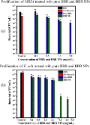
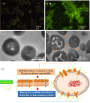

Fabrication and testing of polymer microneedles for transdermal drug delivery
Beilstein J. Nanotechnol. 2022, 13, 629–640, doi:10.3762/bjnano.13.55
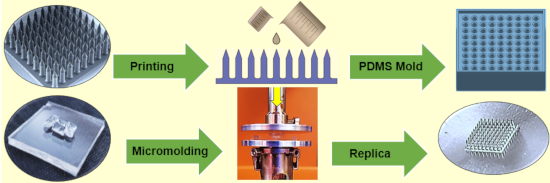
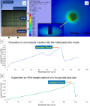
- painless and non-invasive method of drug delivery or sampling which can bypass the skin’s outermost layer, the stratum corneum (SC), without stimulating nerves, causing irritation, or initiating infections [2][3]. These miniature devices enable disease diagnosis and control testing beyond viruses to



Alcohol-perturbed self-assembly of the tobacco mosaic virus coat protein
Beilstein J. Nanotechnol. 2022, 13, 355–362, doi:10.3762/bjnano.13.30
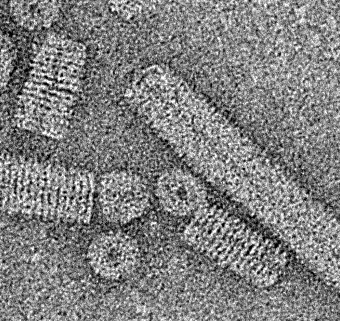
- ]. Biological scaffolds can be programmed through predictable chemical interactions, such as DNA base pairing, disulfide bond formation, and metal coordination, to form complex, well-defined nanostructures [5][6]. Viruses and virus-like particles (VLPs) possess many advantageous properties for biotemplating
- applications [7][8]. Many viruses and VLPs form monodisperse particles due to the natural capsid protein symmetry and inter-subunit interactions, as well as interactions with encapsidated genetic material [9][10]. Viruses can be obtained in high yields by propagation in host organisms, and viral capsid


Coordination-assembled myricetin nanoarchitectonics for sustainably scavenging free radicals
Beilstein J. Nanotechnol. 2022, 13, 284–291, doi:10.3762/bjnano.13.23
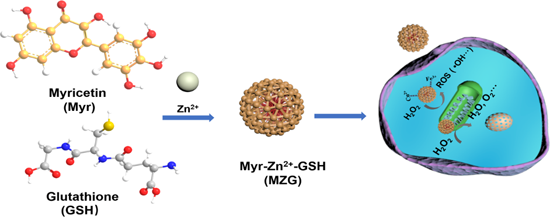
- not only chelating intracellular transition metal ions for removing reactive oxygen species (ROS) [20], but also of activating antioxidant enzymes and the AMPK/NRF2 signal pathway [21], yielding sustainable scavenging of radicals. Myr can inherently increase body resistance to carcinogens, viruses


Piezoelectric nanogenerator for bio-mechanical strain measurement
Beilstein J. Nanotechnol. 2022, 13, 192–200, doi:10.3762/bjnano.13.14
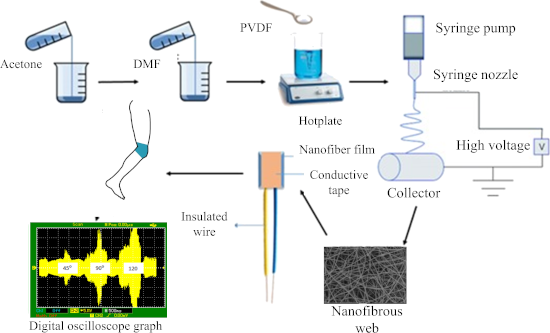
- [28], wound dressings [29], sound adsorption [30], cosmetics [31], and sensor devices [32][33][34]. In filtration processes, electrospun nanofibers can be employed for removing volatile organic compounds (VOCs) from the atmosphere. To protect people from bacteria, viruses, smog, and dust, nanofibers


A comprehensive review on electrospun nanohybrid membranes for wastewater treatment
Beilstein J. Nanotechnol. 2022, 13, 137–159, doi:10.3762/bjnano.13.10
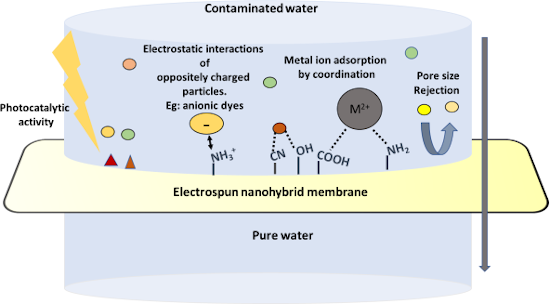
- from aqueous media [98]. UF membranes have pore diameters of 0.01–0.1 μm and a pressure of 1–10 bar is applied for the filtration. UF membranes are reported to have a high removal rate of turbidity, organic matters, parasites, and viruses as well [99]. NF membranes lie in the lower range of




Sputtering onto liquids: a critical review
Beilstein J. Nanotechnol. 2022, 13, 10–53, doi:10.3762/bjnano.13.2
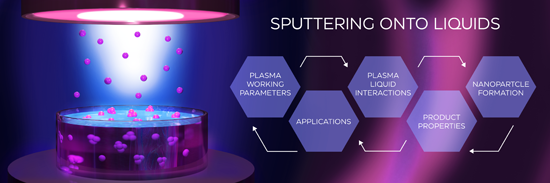
- synthesis also attract the attention of many researchers due to the “environmentally friendly” nature of these processes, promoted by involving biological systems or by being related directly to biological systems [20][23]. These methods use, among others, bacteria, fungi, viruses, yeasts, and plant






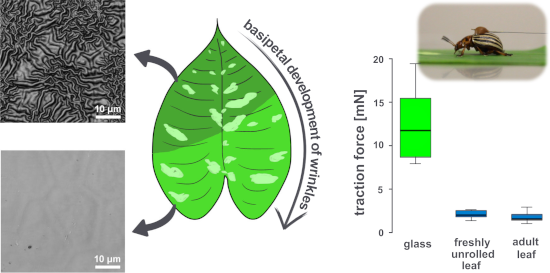
Polarity in cuticular ridge development and insect attachment on leaf surfaces of Schismatoglottis calyptrata (Araceae)
Beilstein J. Nanotechnol. 2021, 12, 1326–1338, doi:10.3762/bjnano.12.98
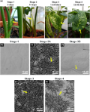
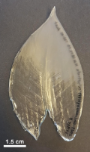
- stress, temperature, and excess radiation and/or might represent a defense mechanism against, for example, insects or viruses [33][34][35]. When the leaves are rolled, the intensity of light reaching each underlying layer of the rolled-up leaf and the transpiration properties within each layer will be




The role of convolutional neural networks in scanning probe microscopy: a review
Beilstein J. Nanotechnol. 2021, 12, 878–901, doi:10.3762/bjnano.12.66
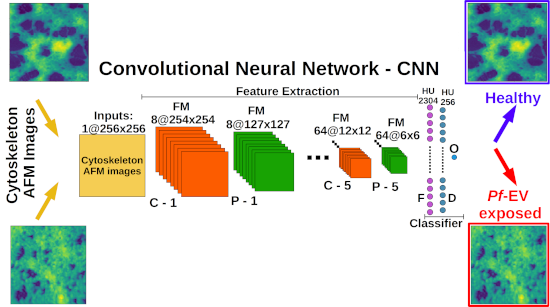
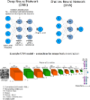
- learning and linear programming (an optimization method) for tracking single cells in live-cell imaging of both fluorescent and bright-field images of the cell cytoplasm [112]. Newby et al. developed a CNN for fully automated submicrometer-scale localization of particles such as viruses, proteins, and drug







Recent progress in actuation technologies of micro/nanorobots
Beilstein J. Nanotechnol. 2021, 12, 756–765, doi:10.3762/bjnano.12.59
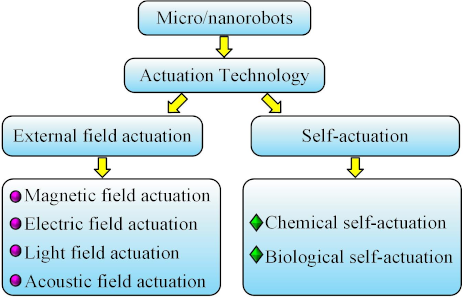
- proposed the idea of using microrobots in medical treatment. It has been envisioned that nanorobots could be implanted into human bodies to self-replicate and kill various viruses. Scientists have been more and more enthusiastic about the research on micro/nanorobots. The combination of micro/nanorobots


A review on nanostructured silver as a basic ingredient in medicine: physicochemical parameters and characterization
Beilstein J. Nanotechnol. 2021, 12, 440–461, doi:10.3762/bjnano.12.36
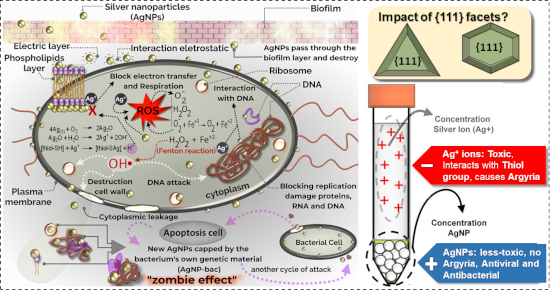
- virucidal agent, places silver as one of the future biocidal candidates in the field of nanomedicine to eliminate bacteria and viruses, especially multidrug resistant ones. In this review, we have described the various morphologies of AgNPs and correlated the enhanced bactericidal activity with their
- various bacteria and viruses including the SARS-CoV-2 was analyzed in order to understand its effectiveness as an antimicrobial agent with therapeutic efficacy and low toxicity. Further, there is the need to characterize AgNPs and quantify the content of free Ag+ for the implementation of new systematic
- antibiotics is dramatically increasing and the World Health Organization (WHO) has marked this concern as one of the greatest threats to health [18]. It is known that viruses are a major cause of illness and death in the world. However, even after much effort, vaccines could not be developed against some


Imaging of SARS-CoV-2 infected Vero E6 cells by helium ion microscopy
Beilstein J. Nanotechnol. 2021, 12, 172–179, doi:10.3762/bjnano.12.13
- bioimaging, especially for the imaging of interactions between viruses and their host organisms. Keywords: bioimaging; cell membrane; charge compensation; helium ion microscopy; SARS-CoV-2; Vero E6 cells; Introduction The last decade of helium ion microscopy (HIM) was characterized by a rapid exploration
- field of cell biology for imaging various human and animal cells. These include cartilage [2], cancer [3], liver [4], kidney [5] and stem cells [6], as well as fibrin fibers [7]. To visualize viruses and their host organisms, HIM has so far been applied to image T4 phage-infected E. coli bacteria [8
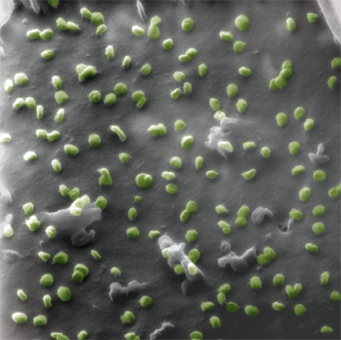
- mammalian cells and indicate lipid nanodomains or caveolea [6]. Figure 1c shows an evaluation of the virus particle size in five arbitrarily chosen regions on the MOI 1 sample resulting in an average diameter of the virus particles of 75 ± 13 nm, noting that this value has been obtained from viruses after


A review on the green and sustainable synthesis of silver nanoparticles and one-dimensional silver nanostructures
Beilstein J. Nanotechnol. 2021, 12, 102–136, doi:10.3762/bjnano.12.9
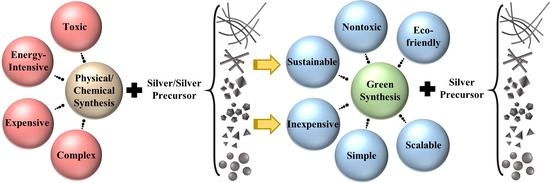
- compounds. The term used for addressing these methods is also referred to as “biological” synthesis. Previous studies have used bacteria [167][168][169][170], fungi [171][172][173][174], viruses [175][176], yeasts [177][178][179], plants [180][181][182][183] and plant extracts [166][184][185][186][187][188
- desired type of plant or organism [252], which is also called biological synthesis. Bio-based reducing agents include microorganisms or biologically produced material. Microorganisms consisting of viruses, microalgae, fungi, yeast, and bacteria were previously used to synthesize AgNPs. Unlike physical
- promising approach towards the production of AgNPs; however, the pathogenic behavior of the fungi and long synthesis periods compared to other green methods makes it inferior among green synthesis processes. 3.3 Plant virus template-mediated synthesis Plant-based viruses as biotemplates have been rarely


Bio-imaging with the helium-ion microscope: A review
Beilstein J. Nanotechnol. 2021, 12, 1–23, doi:10.3762/bjnano.12.1
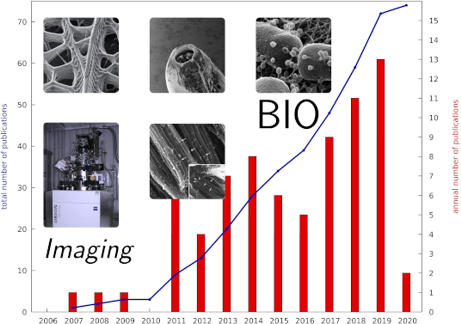
- , HIM is not just an imaging technique. The ability to use the instrument for milling biological objects as small as viruses offers unique opportunities which are not possible with more conventional focused ion beams, such as gallium. Several pioneering technical developments, such as methods to couple
- the tiniest creatures that were obtained in these studies are discussed in the following. Virus particles/bacteriophages Bacteriophages are viruses that use bacteria as hosts, often causing lysis of the bacterial cell at the stage where new virus particles are released from the cell. For this reason
- systems. One more recent example was in a study by Sharma et al. [18] in which environmental sediment samples were imaged using HIM with findings of viruses attached to bacteria. For bacteriophage imaging, the strength of HIM lies not just in the resolution, which is higher than that of SEM, but in the


Electrokinetic characterization of synthetic protein nanoparticles
Beilstein J. Nanotechnol. 2020, 11, 1556–1567, doi:10.3762/bjnano.11.138
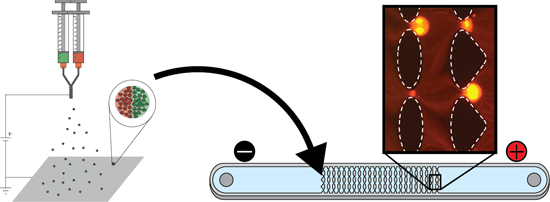
- posts, as proposed by Coll De Peña et al. [25]. EK microscale techniques can be used to manipulate particles across several sizes [27], ranging from proteins [28][29][30], to viruses [31], cells [32][33], and parasites [34]. Traditionally, these type of studies at the microscale were labeled as DEP