


Search results
Search for "Fe2O3" in Full Text gives 115 result(s) in Beilstein Journal of Nanotechnology.
Cytotoxicity of doxorubicin-conjugated poly[N-(2-hydroxypropyl)methacrylamide]-modified γ-Fe2O3 nanoparticles towards human tumor cells
Beilstein J. Nanotechnol. 2018, 9, 2533–2545, doi:10.3762/bjnano.9.236
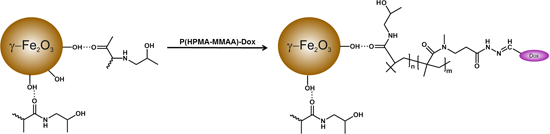
- of its actions. Novel approaches are therefore being developed to enhance the anticancer activity of Dox and decrease its side effects. Polymer-coated γ-Fe2O3 nanoparticles conjugate to Dox seem to be the most promising candidate for the role of such agents to achieve a high specificity and low side
- activity of Dox-conjugated poly[N-(2-hydroxypropyl)methacrylamide-co-2-(N-methylmethacrylamido)acetate] [P(HPMA-MMAA)]-coated magnetic γ-Fe2O3 particles [γ-Fe2O3@P(HPMA-MMAA)-Dox] as a prospective vehicle for the transport of anticancer drug into cells. To the best of our knowledge, polymers based on
- undifferentiated cells, mesenchymal stem cells were utilized. Cellular uptake of agents was studied by fluorescence microscopy and induction of cell death was visualized by live/dead assay. Dox-conjugated γ-Fe2O3@P(HPMA-MMAA) particles showed enhanced cytotoxicity in drug-sensitive and drug-resistant tumor cells


Nanocellulose: Recent advances and its prospects in environmental remediation
Beilstein J. Nanotechnol. 2018, 9, 2479–2498, doi:10.3762/bjnano.9.232
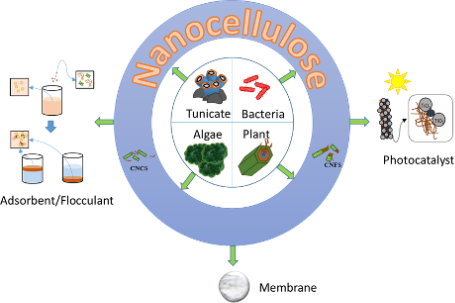
- nanostructures in the form of thin film, membrane, fibre and hybrid materials under UV and visible light irradiation. Nanocellulose–metal oxide (TiO2, ZnO, graphene oxide, and Fe2O3) composites have been used as photocatalysts to improve the degradation rate of organic pollutants as compared to individual


Thickness-dependent photoelectrochemical properties of a semitransparent Co3O4 photocathode
Beilstein J. Nanotechnol. 2018, 9, 2432–2442, doi:10.3762/bjnano.9.228
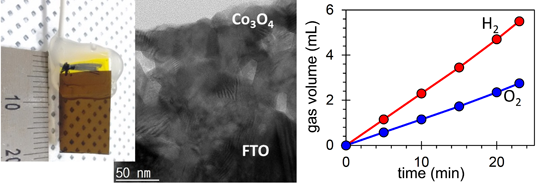
- in such applications include CuxO [19][29], CdS [30], TiO2 [31], Fe2O3 [32], and BiVO4 [33][34]. To absorb light with Co3O4, an adequately thick film is required. However, the low mobility of photogenerated charge carriers in Co3O4 can result in a low carrier lifetime, which is detrimental for



Electrospun one-dimensional nanostructures: a new horizon for gas sensing materials
Beilstein J. Nanotechnol. 2018, 9, 2128–2170, doi:10.3762/bjnano.9.202
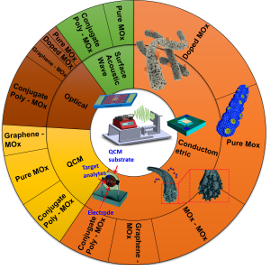
- ], Co3O4 [113][114], iron oxide (Fe2O3) [115][116], tin dioxide (SnO2) [76][117][118][119][120][121][122][123], zinc oxide (ZnO) [124][125][126][127][128][129][130], and indium oxide (In2O3) [78][80][131][132][133][134][135][136][137][138]. Table S2 in Supporting Information File 1 summarizes the sensing
- -Fe2O3 nanostructured NFs/NTs have been functionalized by Ca [205], La [206], Pd [207], Sm [208], Al2O3 [209] and Ce [10] and applied to sensing of ethanol, acetone and formaldehyde. The sensing performance of α-Fe2O3 is improved by increased doping with Ca. Mismatch between the radii of Ca2+and Fe3
- + ions is apparently responsible for grain refinement. For example, the grain size of α-Fe2O3 decreases from 28 to 7 nm with increase of Ca content in the range of 1–15 mol % compared with that of pure α-Fe2O3 (31 nm). Sensors with 7 mol % Ca doping show the highest response to ethanol (26.8/100 ppm) and






Synthesis of a MnO2/Fe3O4/diatomite nanocomposite as an efficient heterogeneous Fenton-like catalyst for methylene blue degradation
Beilstein J. Nanotechnol. 2018, 9, 1940–1950, doi:10.3762/bjnano.9.185
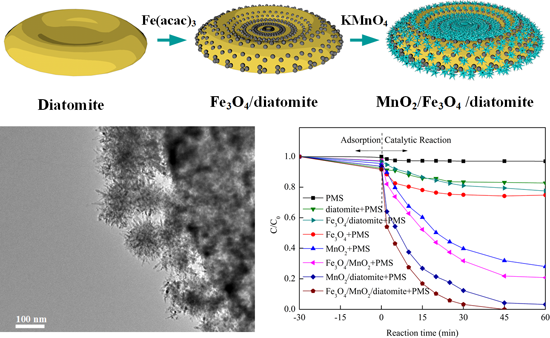
- 6b–d. In Figure 6b, two peaks with binding energies of 710.8 and 724.1 eV are assigned to Fe 2p3/2 and Fe 2p1/2 peaks, which are mainly due to the FeO and Fe2O3; moreover, satellite peaks at 719.32 eV and 732.8 eV can be observed. These are the typical characteristics of the Fe3O4 structure [32]. The


Cryochemical synthesis of ultrasmall, highly crystalline, nanostructured metal oxides and salts
Beilstein J. Nanotechnol. 2018, 9, 1755–1763, doi:10.3762/bjnano.9.166
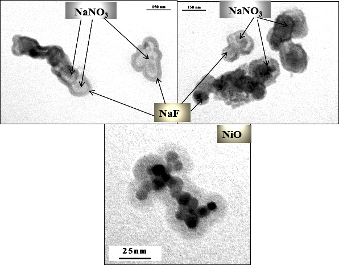
- /bjnano.9.166 Abstract In the present investigation, the cryochemical approach was used for the improved synthesis of nanocrystalline metal oxides (e.g., NiO, Fe2O3, CeO2) and NaNO3 salt. It was shown that the solutions and sols can be treated with a liquid nitrogen stream (−196 °C) to increase the powder
- dispersity by 3–18 times and to increase their specific surface area by an order of magnitude. The proposed approach also reduces the agglomeration of the nanoparticles, and at the same time, results in NiO, Fe2O3 and CeO2 crystallite sizes of less than 10 nm (quantum dot size regime). The diameter of NaNO3
- , aqueous solutions of Al- and Fe-sulfates were used to obtain highly dispersed Al2O3 and Fe2O3 crystallites by a freeze-drying technique. The formation and growth of chain-like aggregates of crystallites was shown as a process followed the surface diffusion mechanism. It was observed that the orientation


Magnetic properties of Fe3O4 antidot arrays synthesized by AFIR: atomic layer deposition, focused ion beam and thermal reduction
Beilstein J. Nanotechnol. 2018, 9, 1728–1734, doi:10.3762/bjnano.9.164
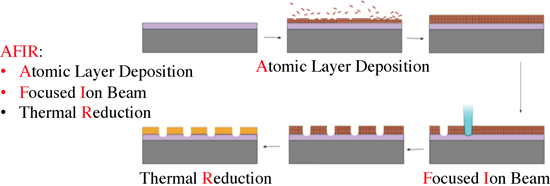
- material, such new Fe3O4 antidot arrays are of interest for the future development of nano-scale biosensors. Experimental Figure 1 shows the outline of the AFIR process. Si(100) wafers with a native layer of SiO2 were coated with hematite (Fe2O3) in a Savannah S100 ALD reactor from Ultratech operated at
- , respectively. As one of the reactants is ozone with a volume concentration of about 10%, we have used an OzoneLab generator Ol80W/FM100V. During the process, a flow of 20 sccm of nitrogen has been maintained. As a proof of concept we have deposited 2250 ALD cycles to obtain a Fe2O3 film of 27 nm thickness. We
- dose of 30 mC/cm2. The dwell time was chosen to be sure that the ion beam completely perforated the Fe2O3 film and that the hole diameter was quite homogeneous, so at least 20 nm of the substrate were also etched. These antidot arrays are then placed into a furnace GSL-1100X from MTI Corporation, which




Review on nanoparticles and nanostructured materials: history, sources, toxicity and regulations
Beilstein J. Nanotechnol. 2018, 9, 1050–1074, doi:10.3762/bjnano.9.98

- ]. Generally, biocompatible magnetite (Fe3O4), iron oxide, iron sulfides and maghemite (Fe2O3) are synthesized using magnetotactic bacteria [156][157] that helps in targeted cancer treatment via magnetic hyperthermia, magnetic resonance imaging (MRI), DNA analysis and gene therapy [158]. Moreover, surface


A review of carbon-based and non-carbon-based catalyst supports for the selective catalytic reduction of nitric oxide
Beilstein J. Nanotechnol. 2018, 9, 740–761, doi:10.3762/bjnano.9.68
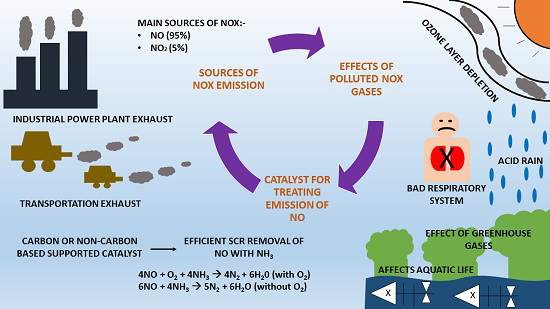
- mechanism suggests that only one molecule will adsorb on the catalyst surface and the second molecule will react with it directly from the gas phase (van der Waals force) to form a new product. Liu et al. [22] found that the Fe2O3 catalyst forms amide species (NH2−) in the presence of NH3 on the Lewis acid
- easier reduction activity. Other reports by Chen et al. [87][88] reveal that the reduction of Fe2O3 nanoparticles, which are located inside the cavity, occur at 600 °C while the reduction of the outer surface of the MWCNTs occur at 800 °C. Therefore, the difference in reduction activity may be associated
Mechanistic insights into plasmonic photocatalysts in utilizing visible light
Beilstein J. Nanotechnol. 2018, 9, 628–648, doi:10.3762/bjnano.9.59
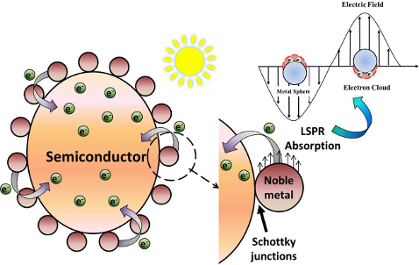
- form, etc. Although many semiconductor metal oxides such as N-doped TiO2 [88], Fe2O3 [89], CdS [90] and Bi2O3 [91][92] have been reported, this section will mainly focus on TiO2, which is the most widely studied. Au or Ag nanoparticles can be employed to produce an outstanding plasmonic effect in the





Anchoring Fe3O4 nanoparticles in a reduced graphene oxide aerogel matrix via polydopamine coating
Beilstein J. Nanotechnol. 2018, 9, 591–601, doi:10.3762/bjnano.9.55
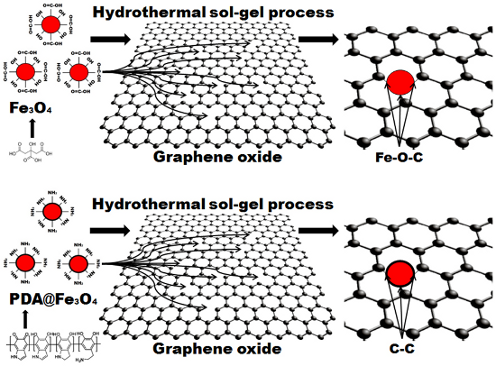
- (Fe3O4) or maghemite (γ-Fe2O3), are common functional additives widely applied in many different branches of science [35][36]. This is mainly thanks to their low price, simplicity of production, biocompatibility and environmental friendliness. There are two commonly used methods of iron oxide MNPs


Atomic layer deposition and properties of ZrO2/Fe2O3 thin films
Beilstein J. Nanotechnol. 2018, 9, 119–128, doi:10.3762/bjnano.9.14
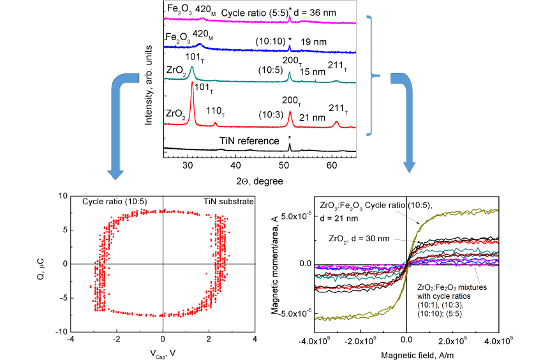
- 55, FI-00014 Helsinki, Finland National Institute of Chemical Physics and Biophysics, Akadeemia tee 23, 12618 Tallinn, Estonia Department of Electronics, University of Valladolid, Paseo Belén 15, 47011 Valladolid, Spain 10.3762/bjnano.9.14 Abstract Thin solid films consisting of ZrO2 and Fe2O3 were
- grown by atomic layer deposition (ALD) at 400 °C. Metastable phases of ZrO2 were stabilized by Fe2O3 doping. The number of alternating ZrO2 and Fe2O3 deposition cycles were varied in order to achieve films with different cation ratios. The influence of annealing on the composition and structure of the
- results in a significantly higher saturation magnetization than doping ZrO2 with the other transition metals studied. Fe–ZrO2 nanocomposite thin films have been synthesized using a solid state reaction between the Zr and Fe2O3 layers, and their composition, structure, chemical stability and magnetic


Localized growth of carbon nanotubes via lithographic fabrication of metallic deposits
Beilstein J. Nanotechnol. 2017, 8, 2592–2605, doi:10.3762/bjnano.8.260
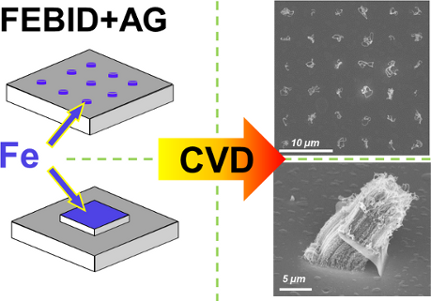
- Fe samples were transferred under ambient conditions to the CVD apparatus at the University of Szeged, Hungary. Therefore, oxidation of the Fe deposits, forming Fe2O3 and Fe3O4, is anticipated as discussed previously [32]. However, exposure to H2 for ten minutes before the CVD and simultaneous dosage




Fabrication of CeO2–MOx (M = Cu, Co, Ni) composite yolk–shell nanospheres with enhanced catalytic properties for CO oxidation
Beilstein J. Nanotechnol. 2017, 8, 2425–2437, doi:10.3762/bjnano.8.241
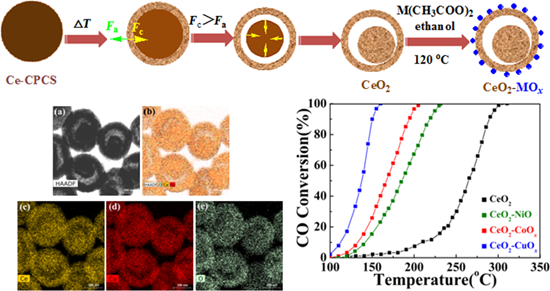
- noble metal-based catalysts in some catalytic reactions [11][12]. So far, a remarkable process has been developed for the synthesis of CeO2-based composite oxides, including CeO2–CuOx [13], CeO2–ZnCo2O4 [14], CeO2–CoOx [15], CeO2–MnOx [16], CeO2–ZnO [17], CeO2–Fe2O3 [18], and CeO2–ZrO2 systems [19





Involvement of two uptake mechanisms of gold and iron oxide nanoparticles in a co-exposure scenario using mouse macrophages
Beilstein J. Nanotechnol. 2017, 8, 2396–2409, doi:10.3762/bjnano.8.239
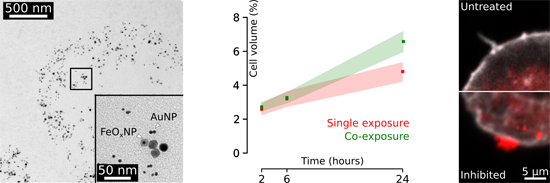
- ][45], and characterisation are provided in Supporting Information File 1 (Figures S1–S13). Please note that the synthesis protocol employed for the iron oxide NPs has been reported to yield maghemite (γ-Fe2O3), but as no experimental verification was applied to exclude formation of magnetite (Fe3O4



Systematic control of α-Fe2O3 crystal growth direction for improved electrochemical performance of lithium-ion battery anodes
Beilstein J. Nanotechnol. 2017, 8, 2032–2044, doi:10.3762/bjnano.8.204
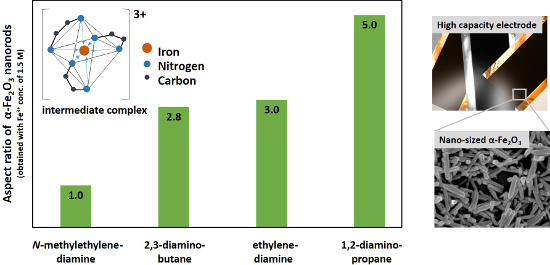
- Nanyang Drive, Singapore 637553, Singapore, BMW Group, Petuelring 130, 80788 Munich, Germany 10.3762/bjnano.8.204 Abstract α-Fe2O3 nanomaterials with an elongated nanorod morphology exhibiting superior electrochemical performance were obtained through hydrothermal synthesis assisted by diamine
- derivatives as shape-controlling agents (SCAs) for application as anodes in lithium-ion batteries (LIBs). The physicochemical characteristics were investigated via XRD and FESEM, revealing well-crystallized α-Fe2O3 with adjustable nanorod lengths between 240 and 400 nm and aspect ratios in the range from 2.6
- discussed. Intermediate-sized α-Fe2O3 nanorods with length/aspect ratios of ≈240 nm/≈2.6 and ≈280 nm/≈3.0 were found to have excellent electrochemical characteristics with reversible discharge capacities of 1086 and 1072 mAh g−1 at 0.1 C after 50 cycles. Keywords: 2,3-diaminobutane; 1,2-diaminopropane


Fabrication of carbon nanospheres by the pyrolysis of polyacrylonitrile–poly(methyl methacrylate) core–shell composite nanoparticles
Beilstein J. Nanotechnol. 2017, 8, 1897–1908, doi:10.3762/bjnano.8.190

- nanomaterials, such as rattle-type magnetic carbon nanospheres (45.15 mg/g) [49], magnetic oxidized multiwalled carbon nanotube- κ-carrageenan-Fe3O4 nanocomposites (46.36 mg/g) [51], graphene (185.00 mg/g) [52], γ-Fe2O3 nanocrystal-anchored macro/mesoporous graphene (216.3 mg/g) [53], Fe3O4-graphene@mesoporous
- SiO2 (178.49 mg/g) [54], manganese-impregnated zinc sulphide nanoparticles deposited on activated carbon (191.57 mg/g) [55] and γ-Fe2O3 loaded active carbon (195.55 mg/g) [56]. We believe the efficient removal of MB is mainly attributed to the small pore size and the high specific surface area of CP6



Methionine-mediated synthesis of magnetic nanoparticles and functionalization with gold quantum dots for theranostic applications
Beilstein J. Nanotechnol. 2017, 8, 1734–1741, doi:10.3762/bjnano.8.174
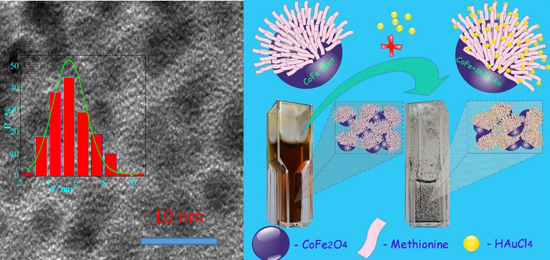
- [11][12][13][14]. However, the direct-deposition protocols are mainly suitable for covering γ-Fe2O3 NPs. The formation of a gold shell on magnetite (Fe3O4) or ferrite surfaces through reduction of chloroauric acid by citrates or borohydride is usually problematic due to the formation of pure gold


Two-dimensional carbon-based nanocomposites for photocatalytic energy generation and environmental remediation applications
Beilstein J. Nanotechnol. 2017, 8, 1571–1600, doi:10.3762/bjnano.8.159
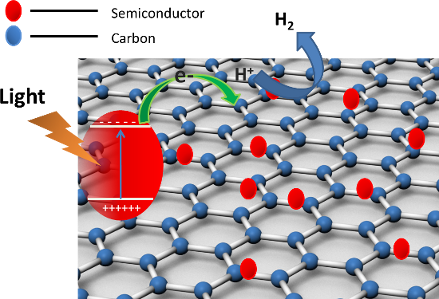
- ]. Hence, in the recent decade, heterogeneous photocatalysis has been widely explored for the conversion of solar energy into chemical energy and for pollutant removal from water [11][12]. Up to now, various interesting semiconductors such as TiO2, ZnO, WO3, CdS, Bi2O3, Fe2O3, SnO2, BiVO4, etc. have been
- coupling with semiconductor materials such as TiO2 [73], ZnO [74], CdS [75], SnO2 [76], CeO2 [77], WO3 [78], Fe2O3 [79], Ag3PO4 [80], Ag3VO4 [81], ZnWO4 [82], SrTiO3 [83], BiVO4 [84], Bi2WO6 [85], BiOX [86][87], etc. These heterojunction formations have proved to be an effective method to improve the


Low-temperature CO oxidation over Cu/Pt co-doped ZrO2 nanoparticles synthesized by solution combustion
Beilstein J. Nanotechnol. 2017, 8, 1546–1552, doi:10.3762/bjnano.8.156

- , different types of catalysts including monometallic (e.g., Pt, Pd, Rh, Au, Ni, Co and Sn), bimetallic (e.g., Pd–Au, Pd–Rh, Pt–Co, Cu–Rh, Au–Cu and Au–Ag) along with various types of supports (e.g., CeO2, SiO2, Al2O3, Co3O4, Fe2O3, activated carbon (AC), carbon nanotubes (CNTs) and ZrO2) have been reported




Treatment of fly ash from power plants using thermal plasma
Beilstein J. Nanotechnol. 2017, 8, 1043–1048, doi:10.3762/bjnano.8.105
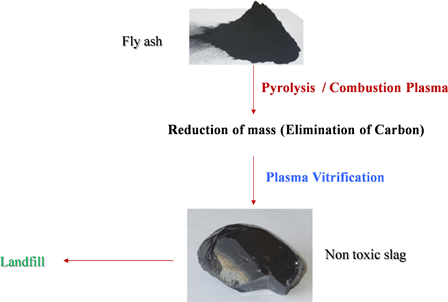
- solid phase. Finally, the obtained liquid was analyzed by using inductively coupled plasma mass spectroscopy (ICP-MS). Results and Discussion Characterization of fly ash The chemical composition of the feed determined with XRF is presented in Figure 3. The major constituents of the feed are NiO, Fe2O3



High photocatalytic activity of Fe2O3/TiO2 nanocomposites prepared by photodeposition for degradation of 2,4-dichlorophenoxyacetic acid
Beilstein J. Nanotechnol. 2017, 8, 915–926, doi:10.3762/bjnano.8.93
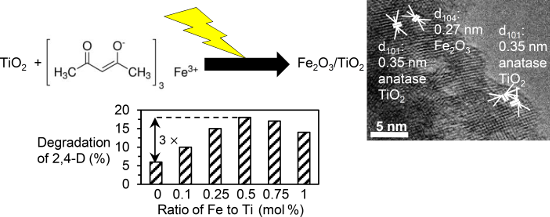
- Puncak Tidar N-01, Malang 65151, East Java, Indonesia 10.3762/bjnano.8.93 Abstract Two series of Fe2O3/TiO2 samples were prepared via impregnation and photodeposition methods. The effect of preparation method on the properties and performance of Fe2O3/TiO2 for photocatalytic degradation of 2,4
- -dichlorophenoxyacetic acid (2,4-D) under UV light irradiation was examined. The Fe2O3/TiO2 nanocomposites prepared by impregnation showed lower activity than the unmodified TiO2, mainly due to lower specific surface area caused by heat treatment. On the other hand, the Fe2O3/TiO2 nanocomposites prepared by
- photodeposition showed higher photocatalytic activity than the unmodified TiO2. Three times higher photocatalytic activity was obtained on the best photocatalyst, Fe2O3(0.5)/TiO2. The improved activity of TiO2 after photodeposition of Fe2O3 was contributed to the formation of a heterojunction between the Fe2O3


Synthesis of graphene–transition metal oxide hybrid nanoparticles and their application in various fields
Beilstein J. Nanotechnol. 2017, 8, 688–714, doi:10.3762/bjnano.8.74
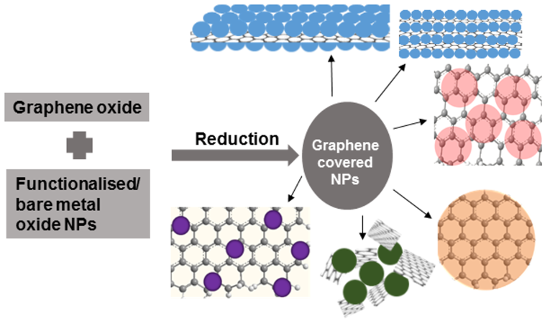
- the conducting network [121]. Iron oxide (Fe2O3)–graphene hybrids Fe2O3 has the advantages that it can be produced in high abundance, with low cost, and the nontoxicity of Fe results in a reduced environmental concern. Therefore, it is expected to meet the requirements of future energy storage systems
- . It is an attractive anode material for LIBs as it has a high theoretical capacity (1007 mAh·g−1) [143] which is three times larger than that of graphite. During the cycling process, in the host matrix of Fe2O3 electrode pulverisation and rapid capacity decay happens due to the large specific volume
- change and particle aggregation. These obstacles can be removed by creating hybrids of Fe2O3 and graphene which have superior performance regarding flexibility and electrical conductivity [144]. Most of the Fe2O3–graphene hybrids are prepared by hydrothermal methods without any reducing agent. Tian et al






Carbon nanotube-wrapped Fe2O3 anode with improved performance for lithium-ion batteries
Beilstein J. Nanotechnol. 2017, 8, 649–656, doi:10.3762/bjnano.8.69
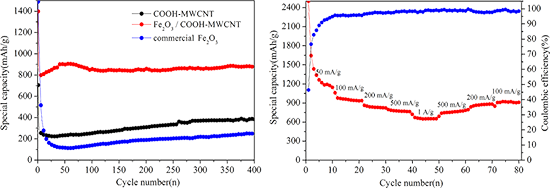
- precursor to prepare Fe2O3/COOH-MWCNT composites through a simple hydrothermal synthesis. When these composites were used as electrode material in lithium-ion batteries, a reversible capacity of 711.2 mAh·g−1 at a current density of 500 mA·g−1 after 400 cycles was obtained. The result indicated that Fe2O3
- production cost, high energy density, high safety standards and good performance is of great interest. Fe2O3 is one of the most promising materials for the use as anode materials in LIBs, because it offers a high theoretical capacity (1005 mAh·g−1) [10], is widely available inexpensive and environmental
- friendly, and exhibits an excellent redox activity [11][12][13][14][15][16][17][18]. The redox reaction of Fe2O3 with lithium is as follows: Various methods have been reported for the synthesis of Fe2O3. Cho et al. [19] reported the synthesis of α-Fe2O3 materials by a simple high-temperature processing


Photocatalysis applications of some hybrid polymeric composites incorporating TiO2 nanoparticles and their combinations with SiO2/Fe2O3
Beilstein J. Nanotechnol. 2017, 8, 272–286, doi:10.3762/bjnano.8.30
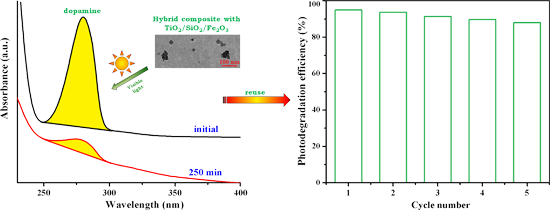
- inorganic components (Si–O–Si or/and γ-Fe2O3) were prepared by the dispersion of premade NPs (nanocrystalline TiO2, TiO2/SiO2, TiO2/Fe2O3, TiO2/SiO2/Fe2O3) within a photopolymerizable urethane dimethacrylate (polytetrahydrofuran-urethane dimethacrylate, PTHF-UDMA). The physicochemical characterization of
- phenol, hydroquinone and dopamine in aqueous solution under UV or visible-light irradiation. The best results were obtained for the films with TiO2/Fe2O3 or TiO2/SiO2/Fe2O3 NPs. The degradation of the mentioned model pollutants varied between 71% and 100% (after 250 min of irradiation) depending on the
- , namely: nanocrystalline TiO2, TiO2 with Si–O–Si sequences (TiO2/SiO2), TiO2 with maghemite nanoparticles (TiO2/Fe2O3), and TiO2 with Si–O–Si and maghemite (TiO2/SiO2/Fe2O3). For the preparation of these composites premade nanoparticles were dispersed into urethane dimethacrylate followed by





