Search results
Search for "catalysts" in Full Text gives 315 result(s) in Beilstein Journal of Nanotechnology. Showing first 200.
Properties of tin oxide films grown by atomic layer deposition from tin tetraiodide and ozone
Beilstein J. Nanotechnol. 2023, 14, 1085–1092, doi:10.3762/bjnano.14.89
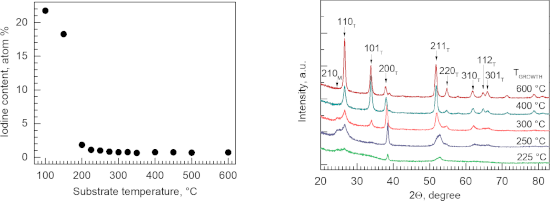
- nanocomposite layer. ZrO2–SnO2 stacked layers have been shown to perform as mechanically elastic and magnetizable films [6]. SnO2-coated carbon nanotubes have been studied as catalysts [7] and ZnO–SnO2 as functional composite in Li-ion batteries [8]. A recent review article from 2022 lists 27 different


Ni, Co, Zn, and Cu metal-organic framework-based nanomaterials for electrochemical reduction of CO2: A review
Beilstein J. Nanotechnol. 2023, 14, 904–911, doi:10.3762/bjnano.14.74
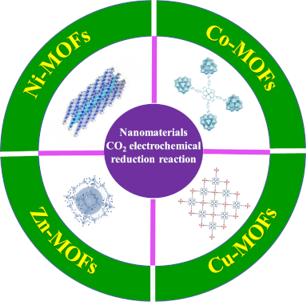
- . Subsequently, multiple electron transfers occur, leading to the generation of diverse products such as ethanol, methanol, and methane [5][6][7]. Therefore, to reduce the activation energy and to improve selectivity, the meticulous consideration of catalysts becomes imperative [8][9][10][11][12][13][14][15][16
- exhibited considerable variation depending on the elemental composition of pure metal catalysts [19]. Notably, Au, Ag, and Zn catalysts exhibit preferential CO generation, while Sn, In, and Pb catalysts prove effective in producing formate ions (HCOO−) [20]. Metal-organic frameworks (MOFs) are established
- presented. Finally, we present the potential pathways and current problems in progressing MOF-based nanomaterials for CO2 conversion. Review Mechanism of CO2RR The process of CO2 reduction consists of three steps. First, the CO2 molecules are adsorbed on the active sites of catalysts. Second, charge


Silver nanoparticles loaded on lactose/alginate: in situ synthesis, catalytic degradation, and pH-dependent antibacterial activity
Beilstein J. Nanotechnol. 2023, 14, 781–792, doi:10.3762/bjnano.14.64
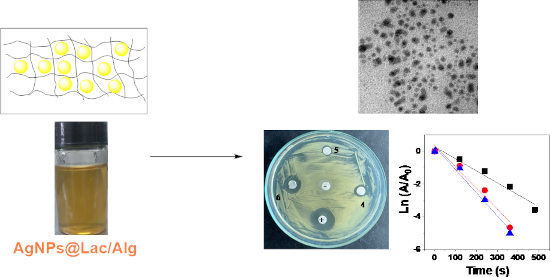
- also valuable catalysts for the removal of environmental contaminants in aqueous solutions. The high surface-to-volume ratio of AgNPs provides many active sites, thereby, enhancing their catalytic activity [32]. The catalytic activity of AgNPs is also influenced by the morphology and the use of capping


Carboxylic acids and light interact to affect nanoceria stability and dissolution in acidic aqueous environments
Beilstein J. Nanotechnol. 2023, 14, 762–780, doi:10.3762/bjnano.14.63
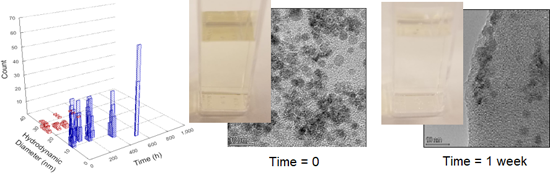
- ; environmentally mediated dissolution; nanoceria; Introduction Background Ceria nanomaterials have many applications, including acting as redox catalysts/metal supports [1], sunscreens [2], heat-resistant coatings [3], and much more [4]. Biomedical applications of ceria-based compounds as therapeutics have the
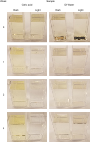
Titania nanoparticles for photocatalytic degradation of ethanol under simulated solar light
Beilstein J. Nanotechnol. 2023, 14, 616–630, doi:10.3762/bjnano.14.51
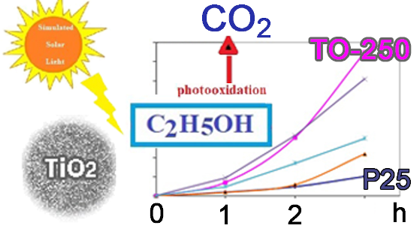
- ) formation are the following: or Figure 8 shows a significant ability of TO-250-a, TO-450-a, TO-650-a, TO-850-a, and P 25 catalysts to generate •OH, indicating a presumable activity for CO2 generation. In contrast, the samples of series “b” are almost inactive. Only TO-450-b can produce hydroxyl radicals
- performance of the tested titania nanoparticles greatly differs. The TO-850-b sample exhibits the highest activity for H2 photogeneration, reaching 5 µmol H2 after 3 h of reaction. The entire sequence of TO-250-b, TO-450-b, and TO-650-b catalysts proves to have a higher activity for H2 generation than TO-250
- -a, TO-450-a, and TO-650-a, which are quite close to P 25 in terms of an almost insignificant H2 production. This clear difference between the two catalysts series can be related to structural characteristics providing different densities of photogenerated charges (electrons) to react with protons




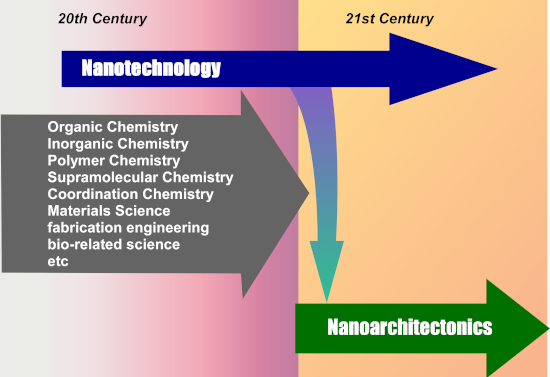
Molecular nanoarchitectonics: unification of nanotechnology and molecular/materials science
Beilstein J. Nanotechnol. 2023, 14, 434–453, doi:10.3762/bjnano.14.35
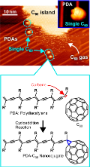
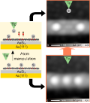
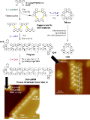
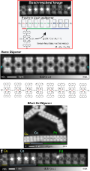
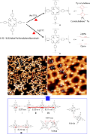
- conventional analytical methods. It is also possible to reveal how functional sites such as catalysts are incorporated into the immobilization process. For example, an atomistic understanding of the structure of heterogeneous catalysts consisting of MoO2 complexes on carbon nanohorns has been reported [43







Evaluation of electrosynthesized reduced graphene oxide–Ni/Fe/Co-based (oxy)hydroxide catalysts towards the oxygen evolution reaction
Beilstein J. Nanotechnol. 2023, 14, 420–433, doi:10.3762/bjnano.14.34
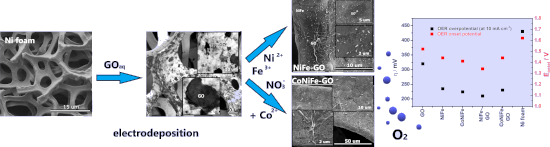
- catalytic activity of the catalysts with and without GO were studied. The catalysts were fabricated via a two-step electrodeposition. The first step included the deposition of GO flakes, which, in the second step, were reduced during the simultaneous deposition of NiFe or CoNiFe. As a result, NiFe-GO and
- observed for CoNiFe-GO. Here, the overall catalytic activity (η: 230 mV) increased compared to GO alone. However, it was reduced in comparison to CoNiFe (η: 224 mV). The latter was associated with the change in the morphology and structure of the catalysts. Further OER studies showed that each of the
- catalysts specifically influenced the process. The improvement in the OER by NiFe-GO results mainly from the structure of NiFe and the electroactive surface area of GO. Keywords: electrocatalysts; electrodeposition; energy; hydrogen; oxygen evolution reaction; Introduction Nowadays, the industrial





Bismuth-based nanostructured photocatalysts for the remediation of antibiotics and organic dyes
Beilstein J. Nanotechnol. 2023, 14, 291–321, doi:10.3762/bjnano.14.26
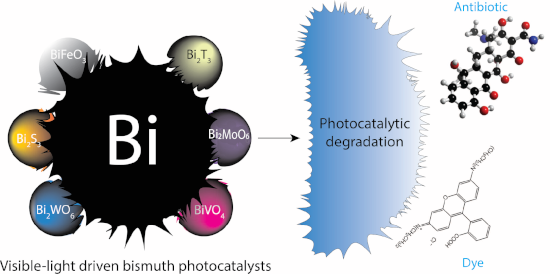
- nanocomposite by extending the lifetime of the photogenerated carriers. It makes the catalysts recoverable by using external magnets and extends the range of absorption to the visible region for photocatalysis. According to [177][178][179][180], a junction between carbon-based and semiconductor materials can


Recent progress in cancer cell membrane-based nanoparticles for biomedical applications
Beilstein J. Nanotechnol. 2023, 14, 262–279, doi:10.3762/bjnano.14.24
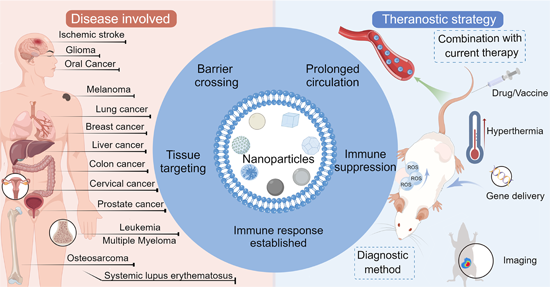
- species (ROS) have attracted widespread attention. Activation of the agent in vivo triggers the production of ROS from intracellular oxygen, which can induce an antitumor response. Due to the engineerable nature of nanotechnology, combining NPs with catalysts and drugs can promote ROS production and


A novel approach to pulsed laser deposition of platinum catalyst on carbon particles for use in polymer electrolyte membrane fuel cells
Beilstein J. Nanotechnol. 2023, 14, 190–204, doi:10.3762/bjnano.14.19
- powerful strategy for materials creation by nanoarchitectonics [10]. Nanoarchitectonics can be used to design and fabricate innovative catalysts by tailoring their molecular composition, surface atomic arrangement, and microstructures [11]. However, it requires harmonizing various techniques and phenomena
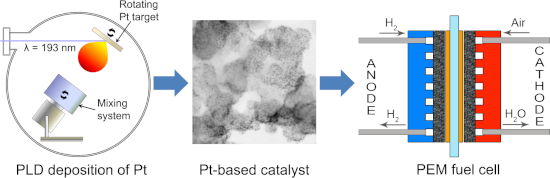
- supports in the form of nano- and microparticles. Herein, we report on the deposition of platinum on carbon particles using PLD to fabricate cost-efficient catalysts for PEMFCs with good performance. The research aimed to develop an effective physical method of PtNP deposition on carbon supports directly
- system for carbon support mixing during PLD deposition. The highly graphitized carbon particles used as support were synthesized using metallothermic reduction. We additionally investigated the influence of deposition process parameters on the morphology of the fabricated Pt/C catalysts. Structure
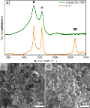

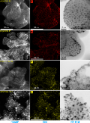
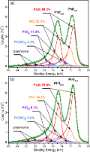


Photoelectrochemical water oxidation over TiO2 nanotubes modified with MoS2 and g-C3N4
Beilstein J. Nanotechnol. 2022, 13, 1541–1550, doi:10.3762/bjnano.13.127
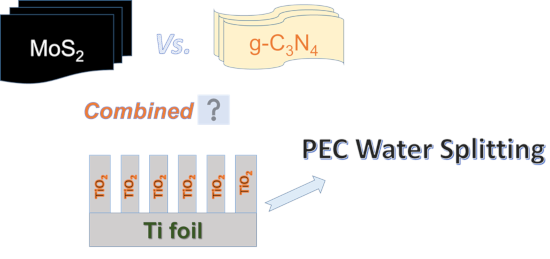
- for 1 h and let it dry completely before the next test. We can conclude that the stability of the MoS2/TNAs heterojunction is higher than that of the g-C3N4/TNAs heterojunction. The decrease in catalytic activity of the PEC electrodes is explained by the leaching of the catalysts MoS2 and g-C3N4 after


Non-stoichiometric magnetite as catalyst for the photocatalytic degradation of phenol and 2,6-dibromo-4-methylphenol – a new approach in water treatment
Beilstein J. Nanotechnol. 2022, 13, 1531–1540, doi:10.3762/bjnano.13.126
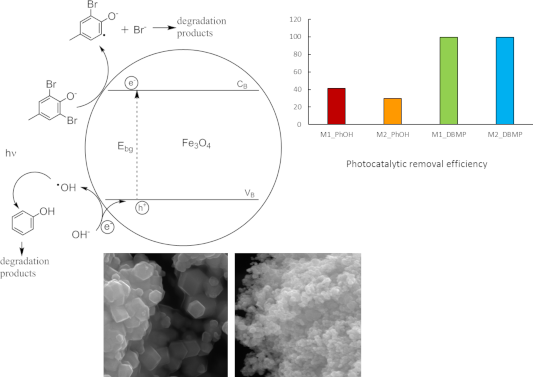
- , Poland Institute of Physics, University of Rzeszow, 1 Pigonia Street, PL-35-310, Rzeszów, Poland 10.3762/bjnano.13.126 Abstract Phenol and 2,6-dibromo-4-methylphenol (DBMP) were removed from aqueous solutions by ozonolysis and photocatalysis. The properties and structural features of the catalysts and
- ) reduction [18]. The study investigated the degradation of aqueous solutions of phenol (PhOH) and 2,6-dibromo-4-methylphenol (DBMP) via two processes, namely photocatalysis and ozonolysis. Two types of magnetite (M1 and M2) were used as catalysts in the photocatalysis process. The same type of magnetite
- catalysts has been investigated by us in our previous article [17] as photocatalysts for the degradation of 4,4′-isopropylidenebis(2,6-dibromophenol) in comparison with ozonolysis. Magnetite was chosen as a photocatalyst because of its low cost, interesting electron properties, and indisputably low


A TiO2@MWCNTs nanocomposite photoanode for solar-driven water splitting
Beilstein J. Nanotechnol. 2022, 13, 1520–1530, doi:10.3762/bjnano.13.125
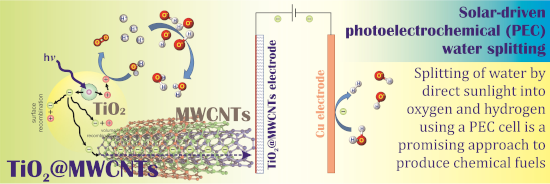
- the photocatalytic performance [4][5]. Because TiO2 only exhibits photochemical activity under UV excitation, which accounts for a small fraction (ca. 4%) of the solar energy, numerous modification methods such as doping with nonmetals, coupling with other catalysts, and attaching to supports have
- nanocomposite characterizations The surface morphology of MWCNTs and the TiO2@MWCNTs nanocomposite is characterized by using field-emission scanning electron microscopy (FE-SEM, S4800) and transmission electron microscopy (TEM, JEOL-1400). The crystallization behavior of the catalysts is analyzed by X-ray
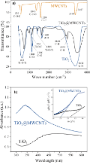
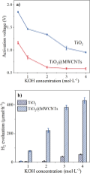
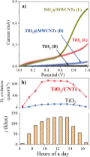
- spectra of the prepared catalysts are shown in Figure 6b. The optical absorption of TiO2 is in the UV region, while the light absorption edge of TiO2@MWCNTs redshifts to the visible-light region. As seen from the Tauc plots (inset of Figure 6b), the optical band gap of TiO2 and TiO2@MWCNTs catalysts are



Recent trends in Bi-based nanomaterials: challenges, fabrication, enhancement techniques, and environmental applications
Beilstein J. Nanotechnol. 2022, 13, 1316–1336, doi:10.3762/bjnano.13.109




Rapid fabrication of MgO@g-C3N4 heterojunctions for photocatalytic nitric oxide removal
Beilstein J. Nanotechnol. 2022, 13, 1141–1154, doi:10.3762/bjnano.13.96
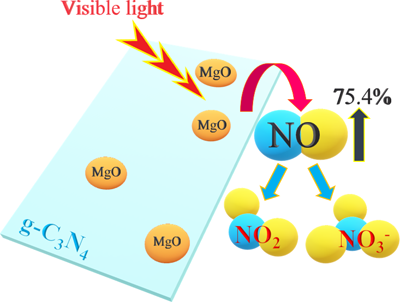
- the dosage of catalysts was 0.2 g for all experiments. Before each catalytic experiment, 0.2 g of the sample was dispersed in 10 mL of DI water, evaporated at 80 °C, and placed in the dark to achieve adsorption–desorption equilibrium. Finally, the sample was illuminated by a Xenon lamp (300 W) for 30








Green synthesis of zinc oxide nanoparticles toward highly efficient photocatalysis and antibacterial application
Beilstein J. Nanotechnol. 2022, 13, 1108–1119, doi:10.3762/bjnano.13.94
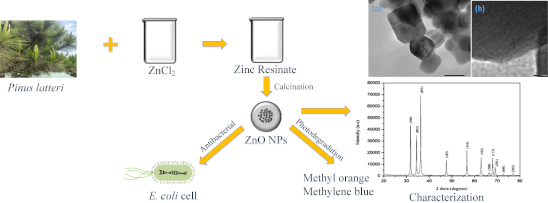
- electron microscopy, and high-resolution transmission electron microscopy. The fabricated ZnO NP samples are crystalline with a grain size of 30–100 nm. The ZnO NPs were used as catalysts for the photodegradation of methylene blue (MB) and methyl orange (MO) under visible and UV light. The results indicate
- approach for the complete removal of organic pollutants due to their advantages. Semiconductors can act as catalysts for the complete degradation of organic substances when excited by light with an energy value higher than their bandgap. Among many semiconductors, TiO2 and ZnO are widely used as
- the use of ZnO catalysts occurs when ZnO is illuminated by light. When excited by light with an energy greater than the bandgap of ZnO, electrons from the valence band (VB) are excited to the conduction band (CB) to form photogenerated electrons in the CB and photogenerated holes in the VB [11][12





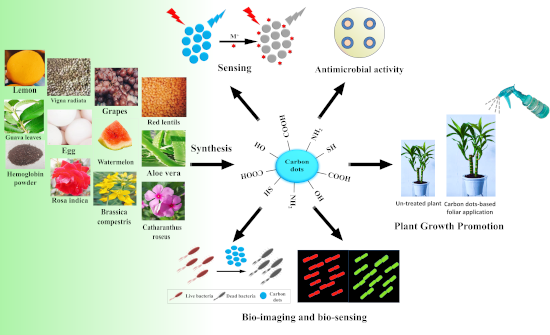
Recent advances in green carbon dots (2015–2022): synthesis, metal ion sensing, and biological applications
Beilstein J. Nanotechnol. 2022, 13, 1068–1107, doi:10.3762/bjnano.13.93




Spindle-like MIL101(Fe) decorated with Bi2O3 nanoparticles for enhanced degradation of chlortetracycline under visible-light irradiation
Beilstein J. Nanotechnol. 2022, 13, 1038–1050, doi:10.3762/bjnano.13.91
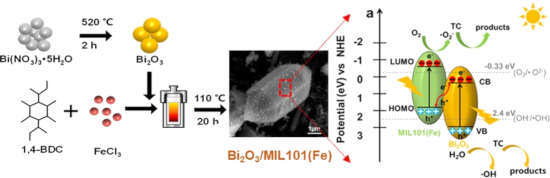
- photocatalyst under UV light irradiation [30]. So far, a large number of MOFs have been shown to exhibit photocatalytic activity in H2 production, organic pollutant degradation, and Cr(VI) and CO2 reduction [26][27][31][32][33]. Among MOF catalysts, MIL101(Fe) is a cage-like structure formed by self-assembly of
- , respectively [41]. In recent years, artificial Z-scheme heterojunction catalysts have generated extensive interest since its special electronic structure not only promotes separation of electron–hole pairs but also remains with high redox capacity [42]. Therefore, the photocatalytic activity of MIL101(Fe) can
- -prepared catalysts. The k value of BOM-20 (0.01348 min−1) is the largest, which is 5.9 and 4.3 times higher than that of Bi2O3 (0.00226 min−1) and MIL101(Fe) (0.00309 min−1), respectively. The enhanced photocatalytic activity is attributed to the effective separation and migration of the photoinduced


Electrocatalytic oxygen reduction activity of AgCoCu oxides on reduced graphene oxide in alkaline media
Beilstein J. Nanotechnol. 2022, 13, 1020–1029, doi:10.3762/bjnano.13.89
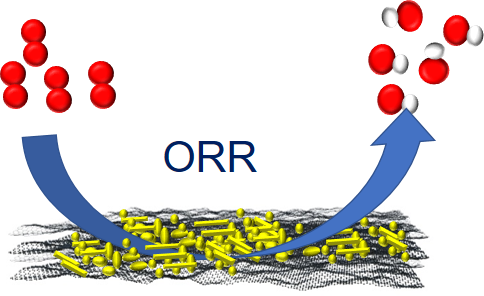
- the overall performance of the reaction [3][4]. There is an increasing use of platinum catalysts with diverse morphologies and the combination with noble and non-noble metal-based alloy/multimetallic nanoparticles (NPs) as potential electrocatalysts under extreme pH values [5][6][7][8][9][10][11][12
- ][13][14]. In particular, the ORR in alkaline environments with faster kinetics and lower over potential requires stable transition metal-derived electrocatalysts [15]. The major hurdles for Pt-based ORR electrode catalysts in alkaline media include high cost, low operational stability, fuel crossover
- slight changes of the peak positions by varying the silver fraction in the trimetallic catalysts (Figure S2a,b, Supporting Information File 1). The surface morphology of rGO-supported bimetallic (Ag-CuO and Ag-Co3O4) and trimetallic (ACC-1, ACC-2 and ACC-3) NPs, as well as the supportless ACC-2*, were


Effects of focused electron beam irradiation parameters on direct nanostructure formation on Ag surfaces
Beilstein J. Nanotechnol. 2022, 13, 1004–1010, doi:10.3762/bjnano.13.87
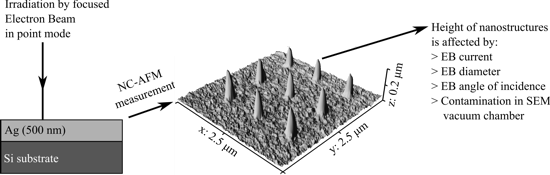
- nanophotonics [3]. They can also serve as catalysts for controlled chemical vapour deposition [4]. While gold is the most widely used material for fabrication of plasmonic nanostructures, silver can offer a less expensive alternative [5][6][7]. Electron beam (EB) lithography is a popular method for the





Solar-light-driven LaFexNi1−xO3 perovskite oxides for photocatalytic Fenton-like reaction to degrade organic pollutants
Beilstein J. Nanotechnol. 2022, 13, 882–895, doi:10.3762/bjnano.13.79
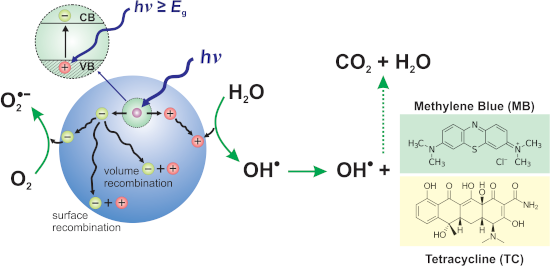
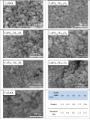
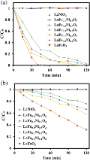
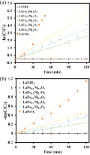
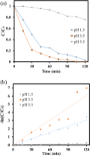
- catalysts would inhibit light penetration and decrease light availability. Accordingly, the catalyst dosage was set at 50 mg. On the other hand, H2O2 could enhance the generation of the hydroxyl radicals in the aqueous solution. Unfortunately, when excess H2O2 produced too many hydroxyl radicals, the
- (≥98.0%, TC, C22H24N2O8), were provided from Sigma-Aldrich. Commercial tungsten oxide (99.8%, WO3) was bought from Alfa Aesar. Synthesis of LaFexNi1−xO3 The LaFexNi1−xO3 catalysts were synthesized via the sol–gel method with citric acid crosslinking reaction, followed by self-propagating high-temperature



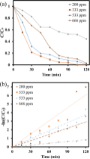
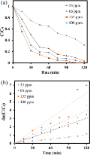
Nanoarchitectonics of the cathode to improve the reversibility of Li–O2 batteries
Beilstein J. Nanotechnol. 2022, 13, 689–698, doi:10.3762/bjnano.13.61
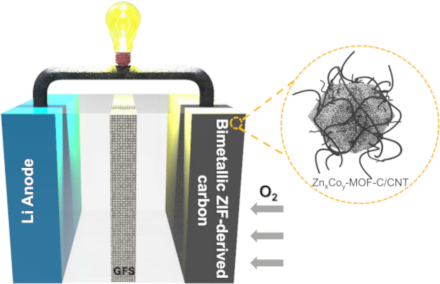
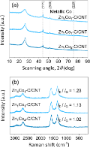
- metallic catalysts can also be obtained by adjusting metal ions for outstanding electrochemical reactions. In this study, various bimetallic zeolitic imidazolate framework (ZIF)-derived carbons were designed by varying the ratio of Zn to Co ions. Moreover, carbon nanotubes (CNTs) are added to improve the



Surfactant-free syntheses and pair distribution function analysis of osmium nanoparticles
Beilstein J. Nanotechnol. 2022, 13, 230–235, doi:10.3762/bjnano.13.17
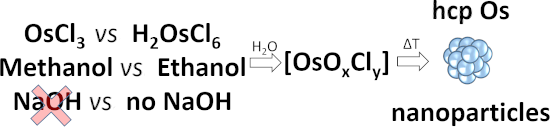
- [22]. It only requires a monoalcohol as solvent and reducing agent [25], a base, and a metal precursor to obtain size-controlled NPs [26][27]. This approach leads to catalysts that are more active than those prepared, for example, in polyols [28][29]. Here we investigate whether this simple synthetic


Tin dioxide nanomaterial-based photocatalysts for nitrogen oxide oxidation: a review
Beilstein J. Nanotechnol. 2022, 13, 96–113, doi:10.3762/bjnano.13.7
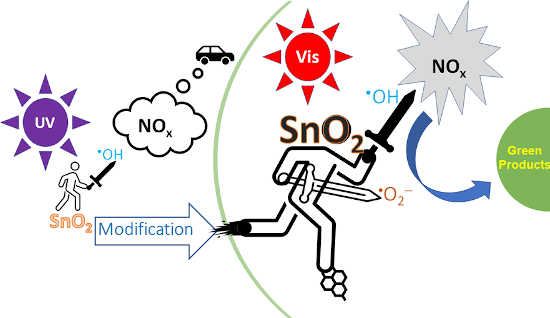
- morphology. Recent studies have been focused on the modification of properties of SnO2 to increase the photocatalytic efficiency of SnO2, including bandgap engineering, defect regulation, surface engineering, heterojunction construction, and using co-catalysts, which will be thoroughly highlighted in this


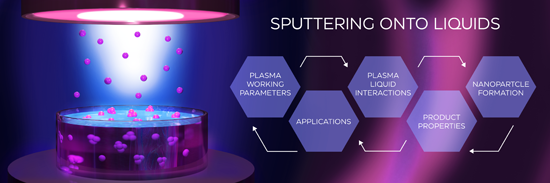
Sputtering onto liquids: a critical review
Beilstein J. Nanotechnol. 2022, 13, 10–53, doi:10.3762/bjnano.13.2