


Search results
Search for "optics" in Full Text gives 283 result(s) in Beilstein Journal of Nanotechnology. Showing first 200.
Concentration-dependent photothermal conversion efficiency of gold nanoparticles under near-infrared laser and broadband irradiation
Beilstein J. Nanotechnol. 2023, 14, 205–217, doi:10.3762/bjnano.14.20
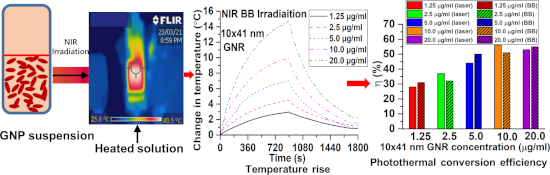
- Vikas Raj Kumar Sanjeev Soni Academy of Scientific and Innovative Research (AcSIR), Ghaziabad-201002, India Biomedical Applications Group, CSIR Central Scientific Instruments Organisation, Sector-30C, Chandigarh-160030, India Micro and Nano Optics Centre, CSIR Central Scientific Instruments




Characterisation of a micrometer-scale active plasmonic element by means of complementary computational and experimental methods
Beilstein J. Nanotechnol. 2023, 14, 110–122, doi:10.3762/bjnano.14.12
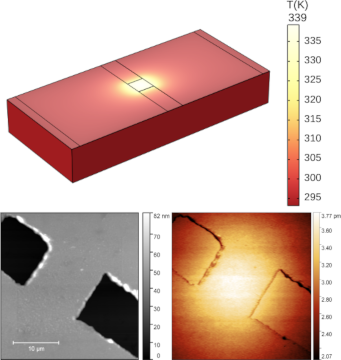
- detection methods [19][20], as their formation is highly dependent on refractive index changes, and sub-wavelength optics [21]. Our active plasmonic element also provides the potential for an even more sensitive technique. Active plasmonics has further advantages due to the tunable nature of the physics




Double-layer symmetric gratings with bound states in the continuum for dual-band high-Q optical sensing
Beilstein J. Nanotechnol. 2022, 13, 1408–1417, doi:10.3762/bjnano.13.116
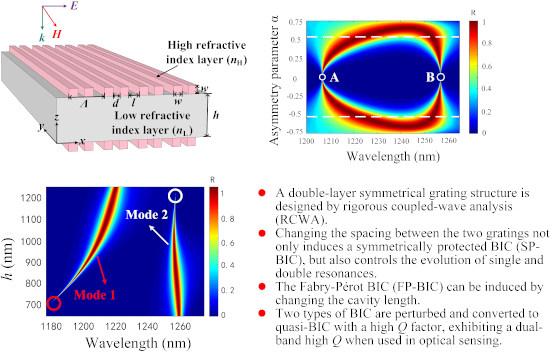
- achieved with the highest sensitivity of 453 nm/RIU and a maximum figure of merit (FOM) of 9808. Such dual-band high-Q resonator is expected to have promising applications in multi-wavelength sensing and nonlinear optics. Keywords: bound states in the continuum; dual band; high quality factor; localized
- optical field; nonlinear optics; optical sensing; Introduction High quality (Q) factor resonance in nanophotonics has attracted considerable attention in the past decades due to its wide applications in narrow-band filters [1], nonlinear optics [2], optical sensors [3] and lasers [4]. To date, most
- grating (HCG) structures in periodic subwavelengths [9][10]. Among them, HCG structures built on silicon-on-insulator (SOI) substrates establish a new platform for integrated optics as well as optical sensing [11][12] owing to its high reflectivity in bandwidth (>99%) and compatibility with the


Laser-processed antiadhesive bionic combs for handling nanofibers inspired by nanostructures on the legs of cribellate spiders
Beilstein J. Nanotechnol. 2022, 13, 1268–1283, doi:10.3762/bjnano.13.105
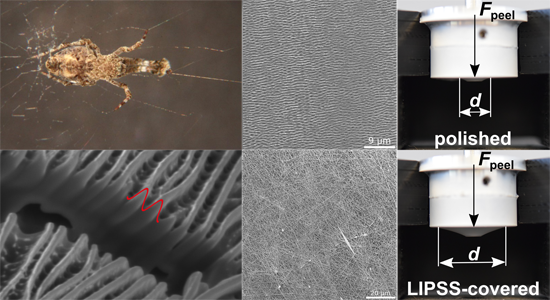
- sample surface. The angle of incidence of the laser beam onto the sample surface was approx. 0°. The relative position of the sample to the scanner optics was adjusted to place the sample surface in the focal plane of the f-theta lens. At the sample surface, the focal diameter (1/e2) of the Gaussian






A super-oscillatory step-zoom metalens for visible light
Beilstein J. Nanotechnol. 2022, 13, 1220–1227, doi:10.3762/bjnano.13.101
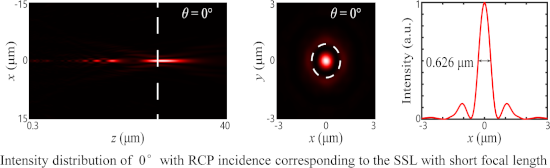
- , China Sichuan Jiuzhou Electric Group Co., Ltd, Mianyang 621000, China School of Mechanical Engineering, Sichuan University, Chengdu, Sichuan, 610065, China State Key Laboratory of Optical Technologies for Micro-fabrication, Institute of Optics and Electronics, Chinese Academy of Sciences, Chengdu
- -high-density data storage. Thus, overcoming the barrier of diffraction limit and achieve super-resolution optical imaging has become a hot topic in the research field of optics. In recent years, a variety of super-resolution optical microscopy techniques have been developed. For instance, stimulated
- unchanged. With the geometric optics theory [27], one can get where and are the focal lengths of front and rear metasurfaces, d and n are the thickness and refractive index of the glass substrate, and M is the zoom ratio. Here, we choose fused silica glass (the refractive index is about 1.457 at a


Ideal Kerker scattering by homogeneous spheres: the role of gain or loss
Beilstein J. Nanotechnol. 2022, 13, 828–835, doi:10.3762/bjnano.13.73
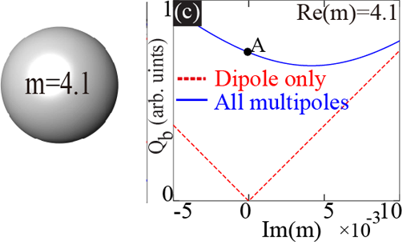
- boundary between exactly zero and approximately zero, which highly depends on the resolutions of different equipments. Moreover, when the scattering intensity gets smaller and smaller, the optical regime we study will shift from wave optics to quantum optics, where the quantum fluctuations would play a non
- -negligible role [39]. Then wave optics and, thus, Equation 4 itself breaks down and it becomes meaningless to discuss its exact solution. Conclusion We have proved that perfectly matching electric and magnetic multipoles of a specific order do not necessarily produce ideal Kerker scattering of exact zero


Tunable high-quality-factor absorption in a graphene monolayer based on quasi-bound states in the continuum
Beilstein J. Nanotechnol. 2022, 13, 675–681, doi:10.3762/bjnano.13.59
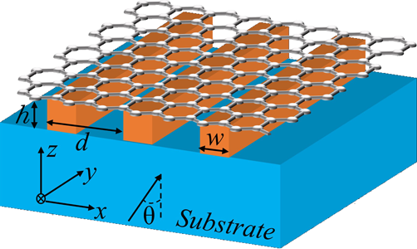
- change the structural parameters and the other is to add tunable materials, such as phase change materials, graphene, or liquid crystals. Among them, graphene has attracted much attention in optics and optoelectronics [30][31][32][33][34]. As a single layer of carbon atoms arranged in a honeycomb


Revealing local structural properties of an atomically thin MoSe2 surface using optical microscopy
Beilstein J. Nanotechnol. 2022, 13, 572–581, doi:10.3762/bjnano.13.49
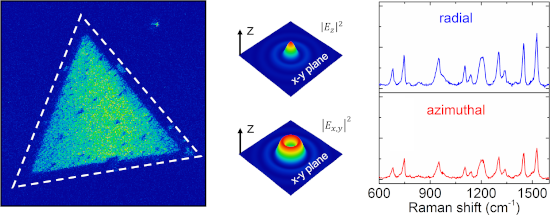
- , valleytronics, and nonlinear optics [2][3][4][5][6][7][8]. Many interesting phenomena can be observed, mainly due to the presence of structural irregularities such as point defects, edges, boundaries, and the formation of contaminants in the process of 2D-TMDC growth [9][10][11][12][13]. These structural


Selected properties of AlxZnyO thin films prepared by reactive pulsed magnetron sputtering using a two-element Zn/Al target
Beilstein J. Nanotechnol. 2022, 13, 344–354, doi:10.3762/bjnano.13.29
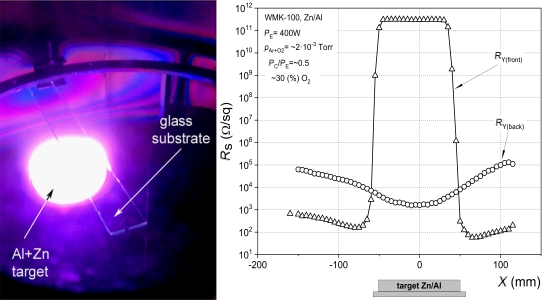
- Ocean Optics spectrophotometer (QE65000 type) and a coupled halogen–deuterium lamp in the wavelength range of 300 to 1000 nm. Transmitted light was collected using an integrating sphere with a perpendicular incidence of the light beam on the sample for nonpolarized light. Analysis of optical properties


Investigation of a memory effect in a Au/(Ti–Cu)Ox-gradient thin film/TiAlV structure
Beilstein J. Nanotechnol. 2022, 13, 265–273, doi:10.3762/bjnano.13.21
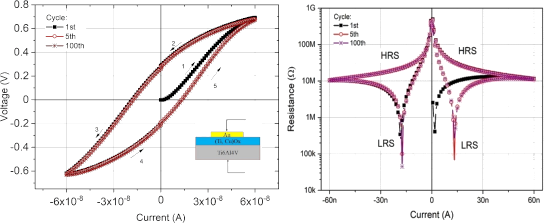
- transmission coefficient in the visible part of the optical spectrum was measured using a scientific grade CCD QE65000 spectrophotometer (Ocean Optics). For DC current-to-voltage electrical measurements, a Keithley SCS4200 semiconductor characterization system and a M100 Cascade Microtech probe station were



Low-energy electron interaction and focused electron beam-induced deposition of molybdenum hexacarbonyl (Mo(CO)6)
Beilstein J. Nanotechnol. 2022, 13, 182–191, doi:10.3762/bjnano.13.13
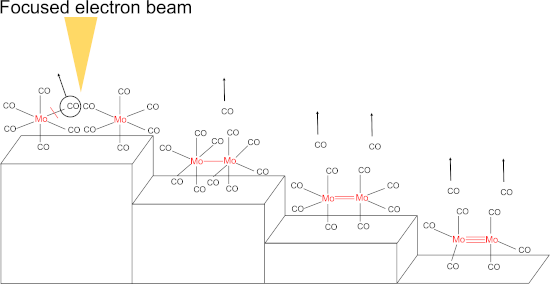
- electron monochromator (TEM), an effusive gas inlet system and a quadrupole mass spectrometer (Hiden EPIC1000). A quasi mono-energetic electron beam generated by the TEM, crosses an effusive beam of the target molecules in a collision region confined by the extraction optics of the quadrupole mass


Sputtering onto liquids: a critical review
Beilstein J. Nanotechnol. 2022, 13, 10–53, doi:10.3762/bjnano.13.2
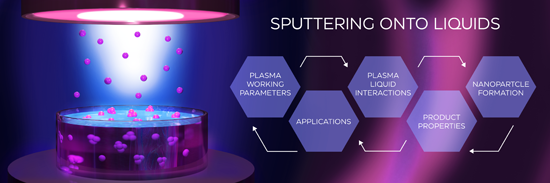
- . Because of the size effects, NPs have unique properties that allow them to be used as components of advanced materials for a wide range of applications such as optics, catalysis, or biomedicine [1][2][3]. Since the properties of NPs strongly depend on their size, size distribution, shape, composition, and
- properties to fit the targeted application in fields such as mechanics, optics, electronics, and biomaterials. Various types of coatings can be produced, from pure metals to metal oxides, nitrides, carbides, oxynitrides to metal alloys, or chemically more complex combinations such as high-entropy alloys [24






Enhancement of the piezoelectric coefficient in PVDF-TrFe/CoFe2O4 nanocomposites through DC magnetic poling
Beilstein J. Nanotechnol. 2021, 12, 1262–1270, doi:10.3762/bjnano.12.93
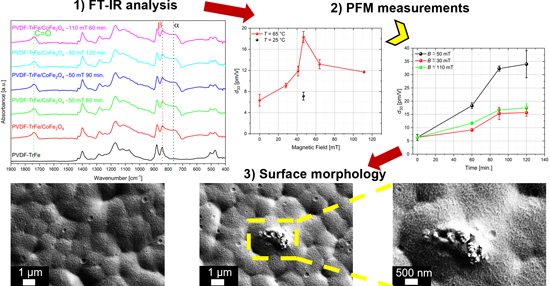
- were recorded at RT using a FTIR spectrometer (Vertex 70 by Bruker Optics GmbH) equipped with a single reflection diamond ATR cell. The analyses were performed in the typical mid-IR spectral range (4000–400 cm−1) at a resolution of 2 cm−1 and with 256 scans. The piezoelectric coefficients were measured


First-principles study of the structural, optoelectronic and thermophysical properties of the π-SnSe for thermoelectric applications
Beilstein J. Nanotechnol. 2021, 12, 1101–1114, doi:10.3762/bjnano.12.82
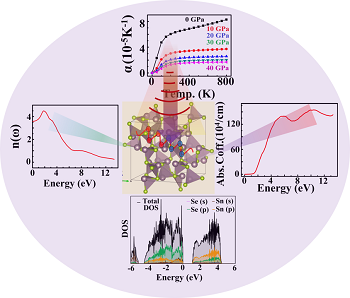
- used the independent particle approximation (IPA) implemented by the optics module of WIEN2k, which computes the direct transitions through Kohn and Sham (KS) [70] eigenvalues between occupied and unoccupied states [71]. For the first step, a complex dielectric function ε(ω), which depends on the


The role of convolutional neural networks in scanning probe microscopy: a review
Beilstein J. Nanotechnol. 2021, 12, 878–901, doi:10.3762/bjnano.12.66
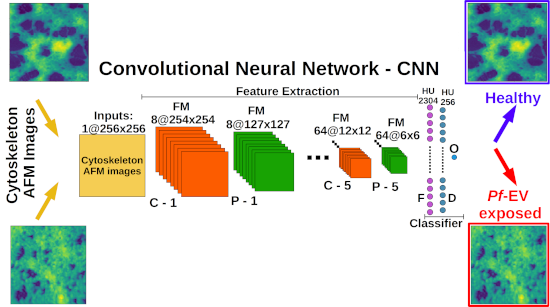
- labels in transmitted-light images of unlabeled biological samples. ISL can predict labels for nuclei, cell type, and cell state [116]. Image restoration and de-noising: In fluorescence microscopy, imaging speed, spatial resolution, light exposure, and imaging depth are all limited by the optics of the








A review of defect engineering, ion implantation, and nanofabrication using the helium ion microscope
Beilstein J. Nanotechnol. 2021, 12, 633–664, doi:10.3762/bjnano.12.52
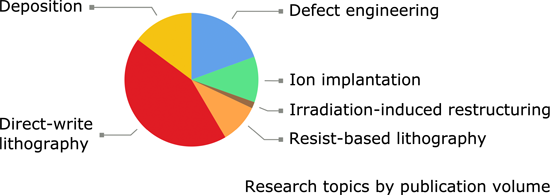
- discussions of the unique source characteristics of the HIM and its beam optics the reader is referred to [5][14]. In addition to the small probe size, the interaction volume of the helium ions (beam energy of typically 10–30 keV) is also characteristically narrow, especially over the first 100 nm or so in


Nanoporous and nonporous conjugated donor–acceptor polymer semiconductors for photocatalytic hydrogen production
Beilstein J. Nanotechnol. 2021, 12, 607–623, doi:10.3762/bjnano.12.50
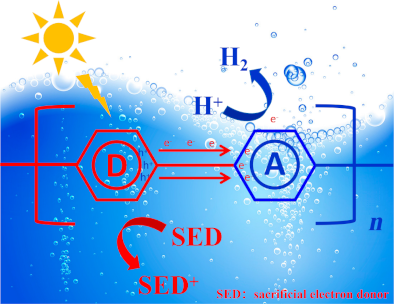
- (Figure 1) by selectively tuning the donor and acceptor parts within the conjugated backbones [39][40]. The D–A architecture has been widely employed in high-performance organic optoelectronic devices, such as organic photovoltaics, organic field-effect transistors, nonlinear optics, and organic light




Interface interaction of transition metal phthalocyanines with strontium titanate (100)
Beilstein J. Nanotechnol. 2021, 12, 485–496, doi:10.3762/bjnano.12.39
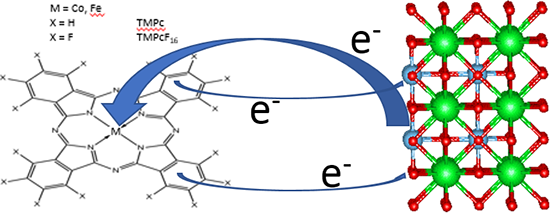
- 100 (X-ray photoelectron diffraction) or 150 (monochromatized X-ray photoelectron spectroscopy) hemispherical analyzers (SPECS), and a four-grid LEED optics (SpectaLEED, Omicron, Germany). The PES binding energy scale is calibrated to reproduce the binding energies of Cu 2p3/2 (932.6 eV), Ag 3d5/2


Structural and optical characteristics determined by the sputtering deposition conditions of oxide thin films
Beilstein J. Nanotechnol. 2021, 12, 354–365, doi:10.3762/bjnano.12.29
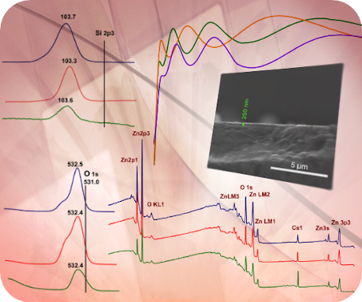
- properties. Transparent oxides are an attractive class of plasmonic materials which are under intense study for their integration into low-loss metamaterial structures and a series of applications in transformation optics, sensors, and imaging. Here we used oxide thin films and studied their optical


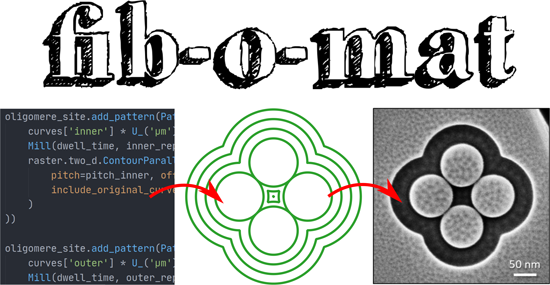
The patterning toolbox FIB-o-mat: Exploiting the full potential of focused helium ions for nanofabrication
Beilstein J. Nanotechnol. 2021, 12, 304–318, doi:10.3762/bjnano.12.25
- Höchstfrequenztechnik, Gustav-Kirchhoff-Str. 4, 12489 Berlin, Germany Corelab Correlative Microscopy and Spectroscopy, Helmholtz-Zentrum Berlin für Materialien und Energie, Hahn-Meitner-Platz 1, 14109 Berlin, Germany Max Born Institute for Nonlinear Optics and Short Pulse Spectroscopy, Max-Born-Straße 2A, 12489 Berlin


Mapping the local dielectric constant of a biological nanostructured system
Beilstein J. Nanotechnol. 2021, 12, 139–150, doi:10.3762/bjnano.12.11
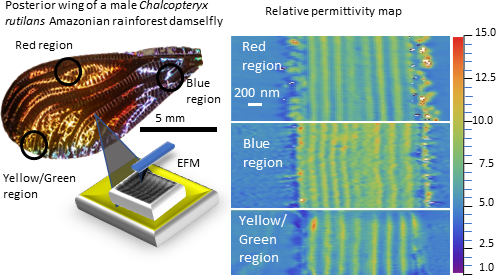
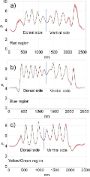
- numerical aperture. The light was delivered through this optical fiber to the spectrometer (USB4000, Ocean Optics). Spectral data were acquired with the Spectra Suite software (Ocean Optics). Spectral measurements were made in three different color regions of male damselfly hind wings, namely yellow/green




A review on the green and sustainable synthesis of silver nanoparticles and one-dimensional silver nanostructures
Beilstein J. Nanotechnol. 2021, 12, 102–136, doi:10.3762/bjnano.12.9
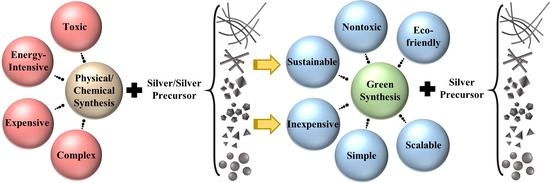
- delivery [1][2][3][4][5][6], nanomedicine [7][8][9][10], food packaging [11][12][13], aseptic procedures [14][15][16], correlative microscopy [17], imaging [18][19][20][21][22], optics [23][24], microelectronics [25][26][27], three dimensional (3D) printing [27][28][29][30][31], renewable energy [32][33
- be seen in the development of antimicrobial agents, biosensors, optics, solar energy, and drug delivery [267][268][269]. 3.2 Fungi-mediated synthesis Fungal species have demonstrated significant potential for the synthesis of AgNPs. Their high binding and bioaccumulation capacity, intracellular


The role of gold atom concentration in the formation of Cu–Au nanoparticles from the gas phase
Beilstein J. Nanotechnol. 2021, 12, 72–81, doi:10.3762/bjnano.12.6
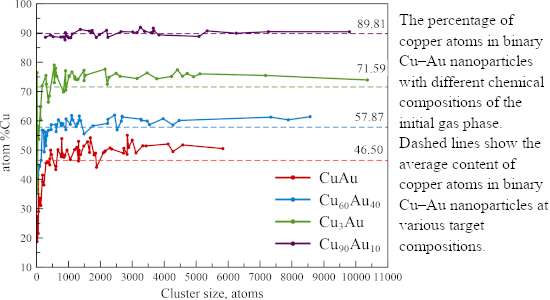
- application in the field of catalysis and optics. Thus, it has been shown that, in heterogeneous catalysis, Cu–Au nanoalloys usually exhibit a synergistic effect in oxidative reactions and the preferential oxidation of carbon monoxide (CO) to carbon dioxide at ambient temperature as well as in the selective
- is an increase in the catalytic activity when compared to the monometallic Au or Cu nanoparticles [3]. In addition to catalysis, Cu–Au nanoalloys are also of great interest in optics, in which the doping of copper into gold nanoparticles causes the appearance of strong surface plasmon resonances. In
- catalysis of industrial reactions, optics, optoelectronics, and medical applications. We also noted that predicting the structure of nanoparticles consisting of different chemical elements is not a trivial task because of its dependence on both the size and the complex energy landscape. To achieve


Bio-imaging with the helium-ion microscope: A review
Beilstein J. Nanotechnol. 2021, 12, 1–23, doi:10.3762/bjnano.12.1
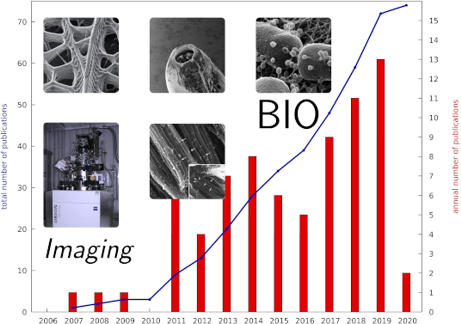
- HIM this is realised by the atomic level (or gas field) ion source, which, in essence, is a single tungsten atom at which the gas atoms are ionised [1][39]. The column optics projects an image of that atom onto the sample, which commonly is referred to as “beam spot”. The achievable lateral resolution
- . The ionised fraction of this material can be extracted by electrostatic extractor optics and passed through a mass spectrometer in order to obtain chemical and isotopic information about the sample. At present, there are two different types of HIM-SIMS available. On the one hand, there is a sector


Absorption and photoconductivity spectra of amorphous multilayer structures
Beilstein J. Nanotechnol. 2020, 11, 1757–1763, doi:10.3762/bjnano.11.158
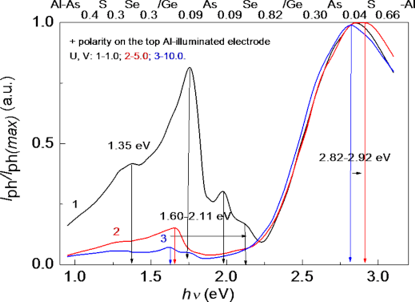
- ; photocurrent; transmission spectra; Introduction The As–S–Se, Ge–As–Se, and Ge–As–S ternary glass systems currently attract a lot of attention because of their wide application in IR optics, non-linear optics, photonics, optoelectronics, and as recording media for holography and e-beam lithography [1][2][3





