


Search results
Search for "surface properties" in Full Text gives 226 result(s) in Beilstein Journal of Nanotechnology. Showing first 200.
Recent updates in applications of nanomedicine for the treatment of hepatic fibrosis
Beilstein J. Nanotechnol. 2024, 15, 1105–1116, doi:10.3762/bjnano.15.89
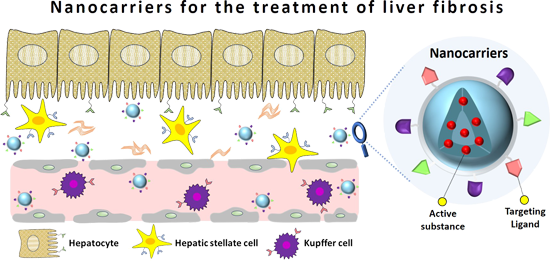
- dynamic endothelial fenestrations to reach HSCs in the perisinusoidal space or even hepatocytes [24][29]. Smaller nanocarriers (10–20 nm) can be taken up rapidly by hepatocytes [32]. Besides the size of the administered nanocarriers, surface properties also play an important role in dictating


Unveiling the potential of alginate-based nanomaterials in sensing technology and smart delivery applications
Beilstein J. Nanotechnol. 2024, 15, 1077–1104, doi:10.3762/bjnano.15.88
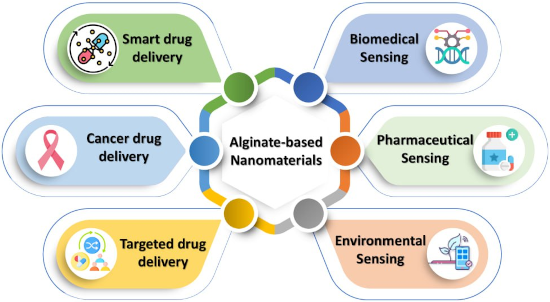
- biopolymeric nanoparticles, providing valuable information about their physical and chemical properties. These techniques allow researchers to understand the structure, stability, surface properties, and drug release behavior of biopolymeric nanoparticles, enabling them to optimize drug delivery strategies and


Entry of nanoparticles into cells and tissues: status and challenges
Beilstein J. Nanotechnol. 2024, 15, 1017–1029, doi:10.3762/bjnano.15.83
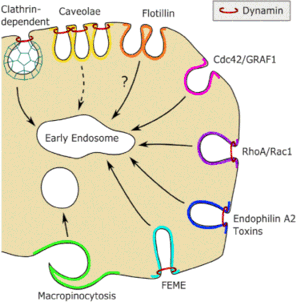
- imaging. It is often useful to apply a combination of different imaging modalities when performing ADME studies of NPs. It is important to be aware that most methods used to label NPs or EVs with a fluorescence molecule or a radioactive isotope will change their surface properties, and this should be


Classification and application of metal-based nanoantioxidants in medicine and healthcare
Beilstein J. Nanotechnol. 2024, 15, 396–415, doi:10.3762/bjnano.15.36
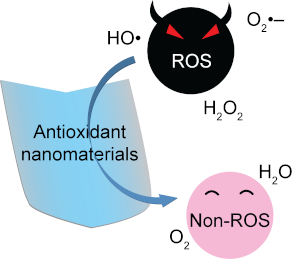
- natural and synthetic nanocarriers. Because of the advantages of synthetic nanocarriers regarding easier customization of size, surface properties, charge, and morphology, we will focus on synthetic nanocarriers. Various types of synthetic nanocarriers have been developed to deliver natural antioxidants
- radicals, preventing oxidative stress and cellular damage thanks to their diverse size and surface properties. Administering platinum NPs to transient middle cerebral artery occlusion (tMCAO) mice significantly decreased the infarct volume, matrix metalloproteinase-9 (MMP-9) activation, and the generation


Multiscale modelling of biomolecular corona formation on metallic surfaces
Beilstein J. Nanotechnol. 2024, 15, 215–229, doi:10.3762/bjnano.15.21
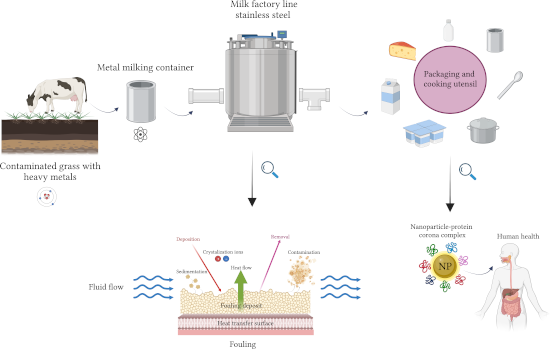
- surfaces and nanoparticles after packaging. The figure was created with BioRender.com, https://biorender.com/. This content is not subject to CC BY 4.0. A chart of the main factors determining the structure of the bionano interface. The quantitative model comprises three essential aspects, that is, surface
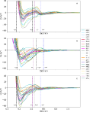
- properties of the nanomaterial, the characteristics of the surrounding medium, and the biological factors at play. A dataflow scheme of the multiscale modelling approach implemented in this study, including an all-atom model of surface and AAs, a CG UnitedAtom model for the entire protein-surface interaction





Fluorescent bioinspired albumin/polydopamine nanoparticles and their interactions with Escherichia coli cells
Beilstein J. Nanotechnol. 2023, 14, 1208–1224, doi:10.3762/bjnano.14.100
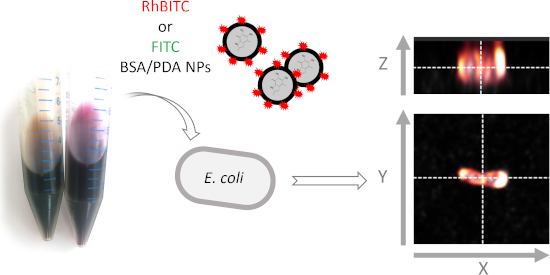
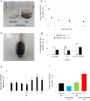
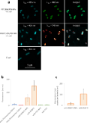
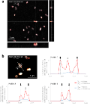
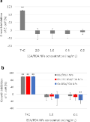
- of a E. coli population (Figure 6a). This was maintained regardless of the surface properties of the NPs since pristine, Ox-, and RhBITC-BSA/PDA NPs all failed to inhibit E. coli growth (Figure 7b). It can be noted that the population growth was even slightly but significantly favored in the presence



Curcumin-loaded albumin submicron particles with potential as a cancer therapy: an in vitro study
Beilstein J. Nanotechnol. 2023, 14, 1127–1140, doi:10.3762/bjnano.14.93
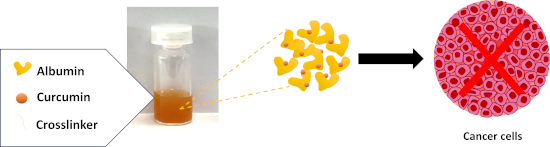
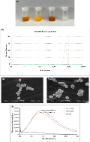
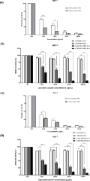
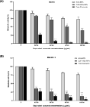
- cancer cells, likely attributed to particle uptake through endocytosis pathways, including phagocytosis and macropinocytosis [51]. The uptake process depends on cell membrane and particle properties, including size, shape, composition, and surface properties. These factors play a crucial role in particle




Recognition mechanisms of hemoglobin particles by monocytes – CD163 may just be one
Beilstein J. Nanotechnol. 2023, 14, 1028–1040, doi:10.3762/bjnano.14.85
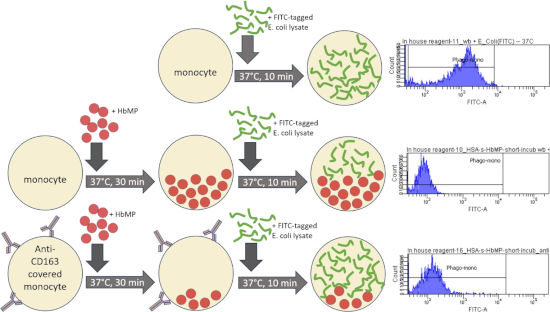
- occur in the liver [24][25][26]. The question of the mechanisms by which HBOCs are sequestered remains partly unclear though. Possible degradation pathways include haptoglobin (Hp), which, depending on the size and surface properties of HBOCs, could bind its physiological target protein hemoglobin [16




Nanoarchitectonics of photothermal materials to enhance the sensitivity of lateral flow assays
Beilstein J. Nanotechnol. 2023, 14, 988–1003, doi:10.3762/bjnano.14.82
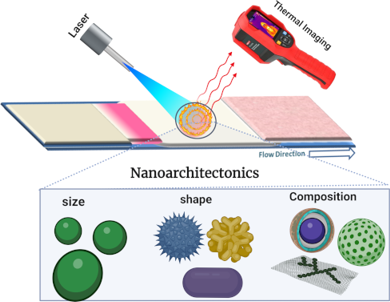
- sensitivity is an important research area. The nanoscale architecture, including shape, size, composition, and surface properties, is expected to play a major role in the photothermal properties of nanomaterials [26]. The nanoscale architecture is not only responsible for the optical characteristics of the


Antibody-conjugated nanoparticles for target-specific drug delivery of chemotherapeutics
Beilstein J. Nanotechnol. 2023, 14, 912–926, doi:10.3762/bjnano.14.75
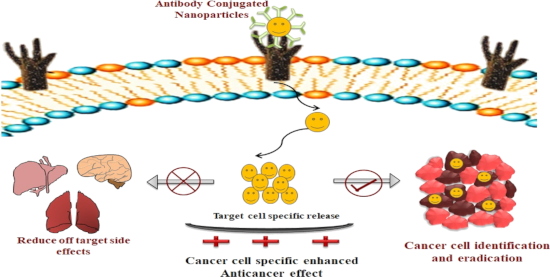
- increased the binding affinity of the NPs to bind to the Zika virus NS1 [84]. In contrast, Dai et al. examined the effect of protein corona formation on the targeting ability of silica-poly(methacrylic acid)-PEG-AntiHER2 NPs. They demonstrated that a protein corona from human serum affects the NPs surface
- properties by reducing surface charge and availability of conjugated molecules on the NPs, which results in a reduction of targeting capacity from 70% to 7%. However, HAS-incubated NPs exhibited increased interaction between targeting molecule and ligand, boosting the targeting capacity of Afb-conjugated NPs

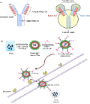


Biomimetics on the micro- and nanoscale – The 25th anniversary of the lotus effect
Beilstein J. Nanotechnol. 2023, 14, 850–856, doi:10.3762/bjnano.14.69

- processes by the authors. They looked to a seemingly unrelated archetype, the xylem system of trees, which uses pits instead of extrusions to create its surface properties. This led the team to a new approach and eventually to a successful product. The authors present the case study as a reminder that the
- along its body. The authors built on this inspiration to develop carbon nanotube cones which similarly separate the regions. Their model predicts the specific geometry and surface properties that will be required to create a low-pressure system for harvesting water vapour. Rebora et al. [19], in the


Silver nanoparticles loaded on lactose/alginate: in situ synthesis, catalytic degradation, and pH-dependent antibacterial activity
Beilstein J. Nanotechnol. 2023, 14, 781–792, doi:10.3762/bjnano.14.64
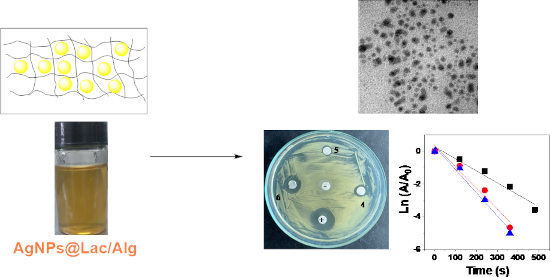
- catalytic performance in degrading the pollutants methyl orange and rhodamine B. The antibacterial activity of the nanocomposite is pH-dependent, related to the alterations in surface properties of the nanocomposite at different pH values. At pH 6, the nanocomposite demonstrated the highest antibacterial
- surface properties of silver nanoparticles. The highest bioactivity was observed at pH 6. These findings suggest that the nanocomposite may be customized for specific applications in environmental and medicinal treatments, making it a promising material. Experimental Materials The following chemicals and


Cross-sectional Kelvin probe force microscopy on III–V epitaxial multilayer stacks: challenges and perspectives
Beilstein J. Nanotechnol. 2023, 14, 725–737, doi:10.3762/bjnano.14.59
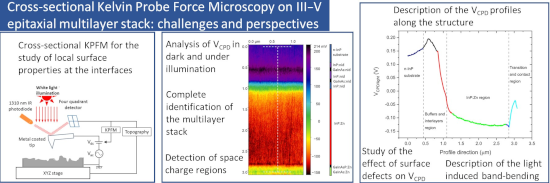
- enhancing device efficiency [10][11]. Consequently, the experimental demonstration of the sensitivity of KPFM to the narrower layers can be crucial for the investigation and comprehension of local surface properties and charge transport mechanisms at interfaces [12]. Within this context, this work presents


Metal-organic framework-based nanomaterials as opto-electrochemical sensors for the detection of antibiotics and hormones: A review
Beilstein J. Nanotechnol. 2023, 14, 631–673, doi:10.3762/bjnano.14.52
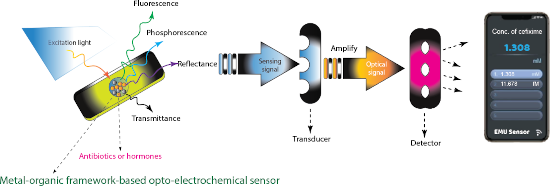
- extremely low densities (0.1–1 g·cm−3), the highest specific surface areas (165–7800 m2·g−1) currently known, tunable surface properties, good mechanical and thermal stability, intriguing and controllable morphologies, and uniform yet tunable pores that are created by the self-assembly of metal ions or


Nanoarchitectonics to entrap living cells in silica-based systems: encapsulations with yolk–shell and sepiolite nanomaterials
Beilstein J. Nanotechnol. 2023, 14, 522–534, doi:10.3762/bjnano.14.43
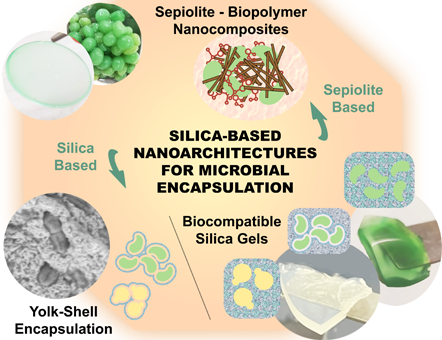
- for cancer treatment [31]. Results and Discussion Sepiolite–biopolymer microalgal biohybrids Sepiolite, a microfibrous hydrated magnesium silicate with the formula Si12O30Mg8(OH,F)4(H2O)4·8H2O [32][33][34], shows interesting surface properties and high viscosity [27][33][34][35]. These properties make


Biocatalytic synthesis and ordered self-assembly of silica nanoparticles via a silica-binding peptide
Beilstein J. Nanotechnol. 2023, 14, 280–290, doi:10.3762/bjnano.14.25
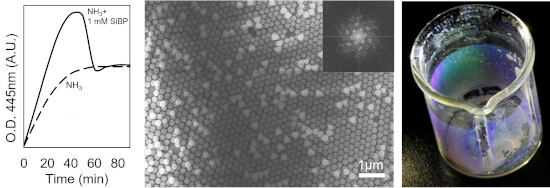
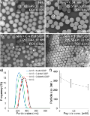
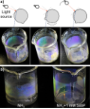
- monodisperse nanoparticles and to modify the surface properties to fully exploit the advantages offered by self-assembly. Biomolecules, such as peptides and proteins, have been demonstrated to be useful in the synthesis and self-assembly of inorganic nanostructures [15][16]. Herein, we have investigated the




High–low Kelvin probe force spectroscopy for measuring the interface state density
Beilstein J. Nanotechnol. 2023, 14, 175–189, doi:10.3762/bjnano.14.18
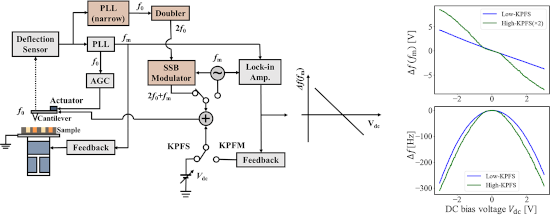
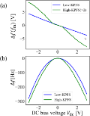
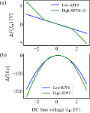
- that of the intrinsic semiconductor [19]. Thus, since the CPD is strongly affected by the surface properties, accurate evaluation of the surface state and bulk impurity concentration requires a method that extracts only the surface potential effect due to interface states. Recently, we proposed high



Non-stoichiometric magnetite as catalyst for the photocatalytic degradation of phenol and 2,6-dibromo-4-methylphenol – a new approach in water treatment
Beilstein J. Nanotechnol. 2022, 13, 1531–1540, doi:10.3762/bjnano.13.126
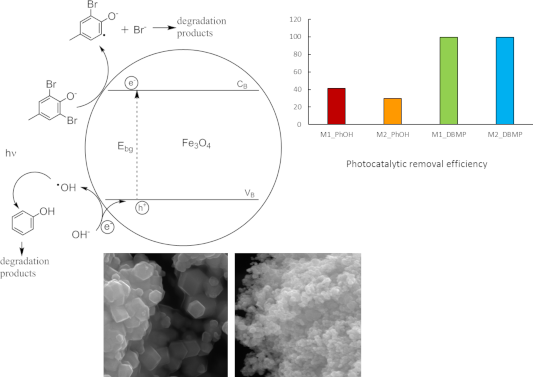
- as possible photocatalysts. The morphology, optical properties, and structural properties of the M1 and M2 samples were investigated. The stoichiometry of magnetite noticeably impacted the optical and surface properties. Direct photolysis indicated that the bromine substituent facilitated the


Orally administered docetaxel-loaded chitosan-decorated cationic PLGA nanoparticles for intestinal tumors: formulation, comprehensive in vitro characterization, and release kinetics
Beilstein J. Nanotechnol. 2022, 13, 1393–1407, doi:10.3762/bjnano.13.115
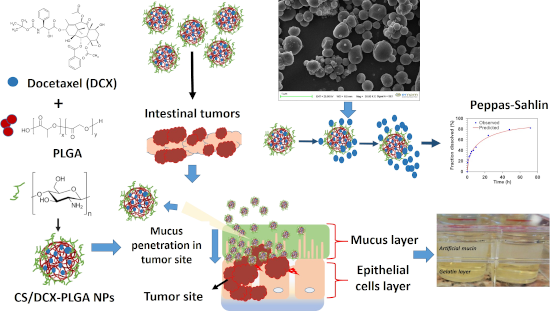
- literature, there are various studies showing consistency with our results. Varan et al. reported that cationic nanoparticles have a higher tendency to interact with the negatively charged cell membrane [67]. Accordingly, Verma et al. stated that the surface properties and charges of nanoparticles play an


Design of a biomimetic, small-scale artificial leaf surface for the study of environmental interactions
Beilstein J. Nanotechnol. 2022, 13, 944–957, doi:10.3762/bjnano.13.83
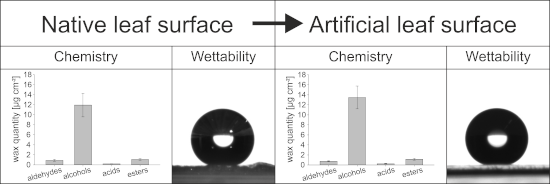
- wetting properties of a natural leaf surface. Keywords: recrystallization; surface properties; wax composition; wetting; wheat; Introduction Cuticle One of the largest interfaces on earth is formed by thin layers that are a few nanometers to micrometers thin, namely the wax layers of the plant cuticle
- physicochemical properties due to the cuticle and, in particular, due to the epicuticular waxes deposited on it. In previous studies, bio-inspired technical surfaces were often used with surface properties only partially corresponding to those of the natural surfaces. In the present work, an artificial leaf
- surface was developed that corresponded to the plant leaf surface in its chemical properties and its wettability. Wax morphology Natural surface First, the surface properties of the natural wheat leaf were characterized. For wheat leaves, platelets as well as tubules have been previously described as wax
Comparing the performance of single and multifrequency Kelvin probe force microscopy techniques in air and water
Beilstein J. Nanotechnol. 2022, 13, 922–943, doi:10.3762/bjnano.13.82
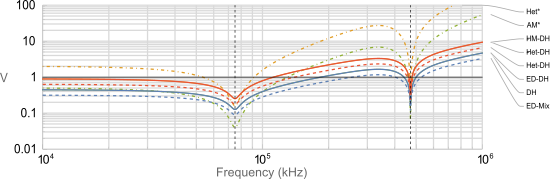
- of topography and surface properties of interfaces in a wide range of environments [1]. Kelvin probe force microscopy (KPFM) utilizes the application of a bias and a conductive probe to map the local electrical properties of an interface at the nanoscale [2], allowing for the determination of the
Bioselectivity of silk protein-based materials and their bio-inspired applications
Beilstein J. Nanotechnol. 2022, 13, 902–921, doi:10.3762/bjnano.13.81
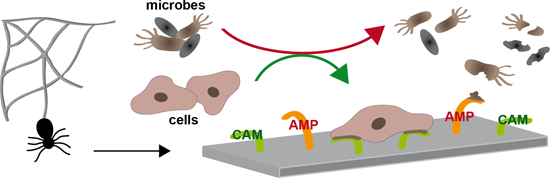
- of proteins, microbes, and cells should be guided by material-related surface properties to create bioinert, bioactive, or biomimetic biomaterials. 1.3 Antiadhesive and anti-fouling protein surfaces Nature has evolved a diverse portfolio of anti-adhesive, antimicrobial and antifouling methods


Antibacterial activity of a berberine nanoformulation
Beilstein J. Nanotechnol. 2022, 13, 641–652, doi:10.3762/bjnano.13.56
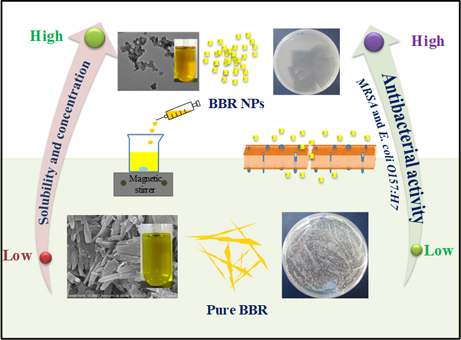
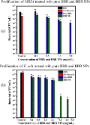
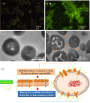
- BBR NPs. The mean size of the particles measured by DLS was 156 nm for BBR NPs at a concentration of 2.0 mg/mL. The particle size measured by DLS was larger than the size obtained from TEM analysis because this dynamic measurement is affected by the concentration of the solution, surface properties of



Stimuli-responsive polypeptide nanogels for trypsin inhibition
Beilstein J. Nanotechnol. 2022, 13, 538–548, doi:10.3762/bjnano.13.45
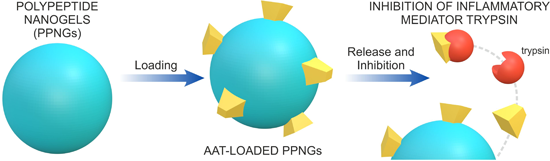
- indicates that PHEG-Tyr nanogel is more solubilized at 25 °C than at 37 °C when the polymer–polymer interactions prevail [28]. The zeta potential of PHEG-Tyr nanogel was measured to determine the surface properties at different pH values and temperatures. Figure 2b shows that the zeta potential of PHEG-Tyr


Ciprofloxacin-loaded dissolving polymeric microneedles as a potential therapeutic for the treatment of S. aureus skin infections
Beilstein J. Nanotechnol. 2022, 13, 517–527, doi:10.3762/bjnano.13.43
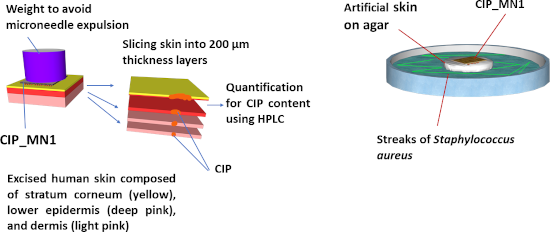
- ]. Gelatinous substances can interact with water, which allows one to control various physical, mechanical, and chemical properties of the artificial skin, such as hardness, and surface properties [24]. Therefore, agarose gel was utilized as artificial skin and was subsequently treated with inoculum of





