Search results
Search for "thin film" in Full Text gives 521 result(s) in Beilstein Journal of Nanotechnology. Showing first 200.
Exfoliation of titanium nitride using a non-thermal plasma process
Beilstein J. Nanotechnol. 2024, 15, 631–637, doi:10.3762/bjnano.15.53
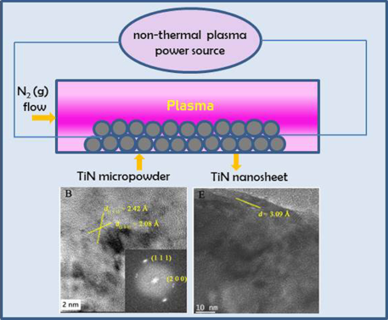
- -thermal plasma exfoliation process starting from micrometer-sized TiN powder. The resulting product exhibited a plate-like thin film morphology with an enlarged d-spacing of the (200) crystallographic planes and a relaxation of the Raman vibrational modes. While the cubic structure and chemical



AFM-IR investigation of thin PECVD SiOx films on a polypropylene substrate in the surface-sensitive mode
Beilstein J. Nanotechnol. 2024, 15, 603–611, doi:10.3762/bjnano.15.51
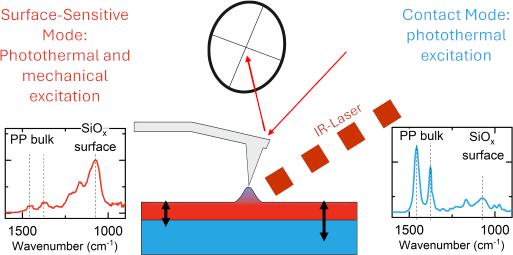
- crystal microbalance (QCM) during deposition. Samples were prepared with a SiOx thickness of 5 nm and 50 nm. The PECVD process is described elsewhere [16]. Surface and thin film analysis The infrared spectroscopic studies were performed using an Anasys NanoIR 3s system from Bruker Nano GmbH, Germany
- exemplify the enormous improvements in thin film sensitivity that can be achieved by this mode in comparison to the established contact mode measurements. While the measurements in contact mode were dominated by the signal of the polypropylene substrate, we were able to record clear and well-defined signals
- of the SiOx thin films in surface-sensitive mode. This way, we were able to record AFM-IR spectra of a 5 nm thin PECVD SiOx layer grown on the polypropylene substrate. AFM-IR enabled for the first time the analysis of PECVD SiOx thin film inhomogeneities during the initial layer growth. Overall, this


Potential of a deep eutectic solvent in silver nanoparticle fabrication for antibiotic residue detection
Beilstein J. Nanotechnol. 2024, 15, 426–434, doi:10.3762/bjnano.15.38
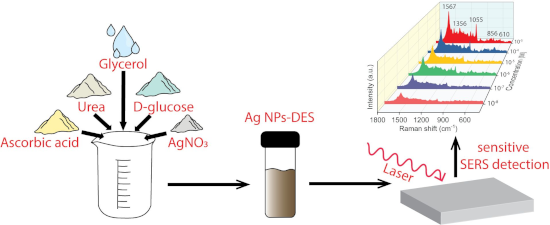
- located at 390 nm, which is suitable for SERS applications with 532 nm laser excitation. Besides, the shape of the UV–vis spectrum is in accordance with Mie scattering theory calculations, as reported in [39], proving the existence of Ag NPs in the solution. Moreover, the XRD pattern of the thin film
- thin film (Figure 3B). The uniform distribution of silver shows the uniformity of Ag NPs-DES thin film on the glass substrate, which is crucial for the applicability of this material. NFT detection The most fundamental component of a SERS-based biosensor is its SERS substrate. It directly affects the
- SERS performance of the biosensor [6]. Herein, the Ag NPs-DES thin film with the superiorly uniform Ag NPs-DES coating can be used as a SERS substrate for the analysis of antibiotics. First, residue tracing of nitrofurantoin (NFT) has been conducted in the range from 10−3 M down to 10−8 M (Figure 4A


Determining by Raman spectroscopy the average thickness and N-layer-specific surface coverages of MoS2 thin films with domains much smaller than the laser spot size
Beilstein J. Nanotechnol. 2024, 15, 279–296, doi:10.3762/bjnano.15.26
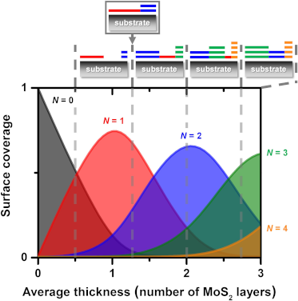
- modes is proposed to evaluate the surface coverage for each N (i.e., the ratio between the surface covered by exactly N layers and the total surface) in DLI-PP-CVD MoS2 samples. Keywords: molybdenum disulfide; number of layers; Raman spectroscopy; thin film; transition metal dichalcogenides
- . However, atomic force microscopy revealed that they are constituted of nanoflakes (with a lateral size of typically 50 nm) with possibly a distribution of thicknesses. Furthermore, depending on the synthesis conditions, the MoS2 surface coverage can be incomplete, and the thin film average thickness can
- contaminations or deposition of others species would have a different impact on the Raman intensity coming from MoS2 in the film and on the one coming from the Si substrate underneath the deposited thin film. It is, thus, expected that the measurements on contaminated or highly defective MoS2 thin films will


Ultrasensitive and ultrastretchable metal crack strain sensor based on helical polydimethylsiloxane
Beilstein J. Nanotechnol. 2024, 15, 270–278, doi:10.3762/bjnano.15.25
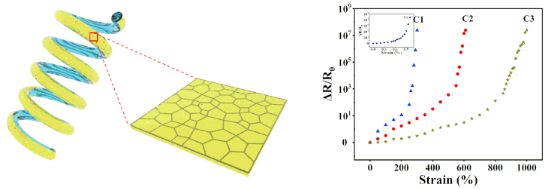
- metal crack sensors that exhibit exceptional performance in terms of ultrahigh sensitivity and ultrahigh stretchability. This is achieved by incorporating a helical structure into the substrate through a modeling process and, subsequently, depositing a thin film of gold onto the polydimethylsiloxane
- substrate via sputter deposition. The metal thin film is then pre-stretched to generate microcracks. The sensor demonstrates a remarkable stretchability of 300%, an exceptional sensitivity with a maximum gauge factor reaching 107, a rapid response time of 158 ms, minimal hysteresis, and outstanding
- sensor that exhibits both high sensitivity and a wide range of strain through the combined integration of a cracked thin metal and a 3D helical substrate. The fabrication process involves depositing a Au thin film onto a PDMS substrate with helical structure, followed by pre-stretching to induce


Design, fabrication, and characterization of kinetic-inductive force sensors for scanning probe applications
Beilstein J. Nanotechnol. 2024, 15, 242–255, doi:10.3762/bjnano.15.23
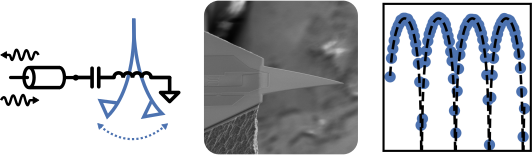
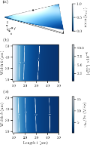
- large enough to realize the desired kinetic inductance. To understand this constraint, we turn to electromagnetic simulations. Electromagnetic simulations In this work, we explore thin-film nanowires of width w = 75, 100, and 200 nm, which we can fabricate with a high degree of uniformity using electron
- with 600 nm low-stress (<100 MPa) Si-N films. The sensor chips are 1.6 mm by 3.4 mm, about the size of a standard AFM cantilever chip. The steps are as follows: (a) Superconducting film. We first deposit a 15 nm thick thin film of superconducting Nb60Ti40N by reactive co-sputtering from separate
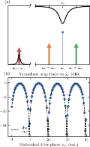
- direction. (a) Scanning electron microscope (SEM) image of a fabricated sensor seen from an angled topside view. The cantilever is formed from a Si-N plate protruding from and supported by a Si substrate. A thin film of Nb-Ti-N is deposited on top of the Si-N and patterned to form the microwave resonator. A



Quantitative wear evaluation of tips based on sharp structures
Beilstein J. Nanotechnol. 2024, 15, 230–241, doi:10.3762/bjnano.15.22
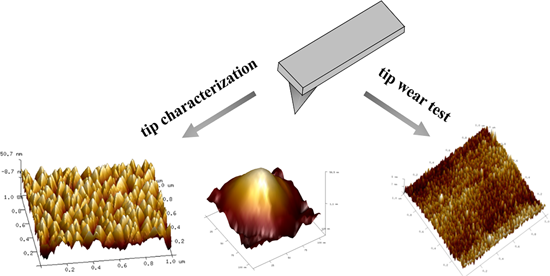
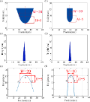
- analyze the shape of the tip, we use a probe to scan a TipCheck calibration sample and characterize its morphology. The TipCheck sample, provided by BudgetSensors, consists of a silicon chip sample with a wear-resistant thin film coating. The thin film coating exhibits granular and sharp nanostructures




CdSe/ZnS quantum dots as a booster in the active layer of distributed ternary organic photovoltaics
Beilstein J. Nanotechnol. 2024, 15, 144–156, doi:10.3762/bjnano.15.14
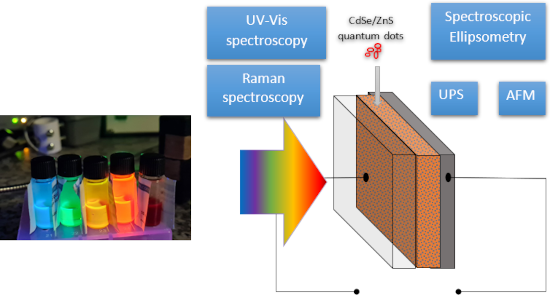
- spectra of a solid were studied as a thin film deposited on quartz, and measurements in solution were obtained in chloroform. The wavelength ranged from 250 to 1000 nm. A Woolam M-2000 ellipsometer was used for spectroscopic ellipsometry analysis. The measurement range was 350–1650 nm. The measurement was
- (point by point). The layer under consideration was first pure quantum dots and then a ternary system with PC71BM and P3HT. The refractive index (n) of the quantum dots thin film and the extinction coefficient (k) were estimated using the Lorentz model modified by Tauc. The complex dielectric function is
- observed, thus approaching the maximum of the sunlight spectrum (approximately 550 nm). The refractive index of the thin film for the ternary mixture enriched by QD480 increases slightly compared to the base mixture P3HT+PC71BM. For the other mixtures, there is a decrease in the magnitude of the maximum




Curcumin-loaded nanostructured systems for treatment of leishmaniasis: a review
Beilstein J. Nanotechnol. 2024, 15, 37–50, doi:10.3762/bjnano.15.4

- nanoliposomes promoting increased antiparasitic activity. Recently, Bafghi and collaborators produced nanoliposomes for curc delivery as a new alternative for leishmaniasis treatment [89]. Briefly, the nanoliposomes were prepared by thin-film hydration, resulting in spherical vesicles with 176.5 nm of diameter


TEM sample preparation of lithographically patterned permalloy nanostructures on silicon nitride membranes
Beilstein J. Nanotechnol. 2024, 15, 1–12, doi:10.3762/bjnano.15.1
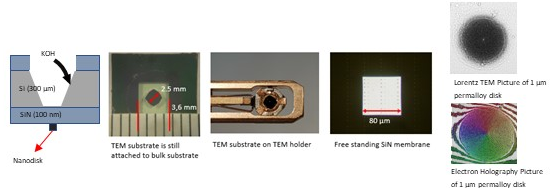
- implemented back in 1978 to fabricate thin-film Josephson devices [29]. The principle behind stencil lithography is to deposit materials onto the substrate through the aperture of a hard mask. Rather than placing the mask directly on the substrate and then removing it, as in traditional resist-based


Fluorescent bioinspired albumin/polydopamine nanoparticles and their interactions with Escherichia coli cells
Beilstein J. Nanotechnol. 2023, 14, 1208–1224, doi:10.3762/bjnano.14.100
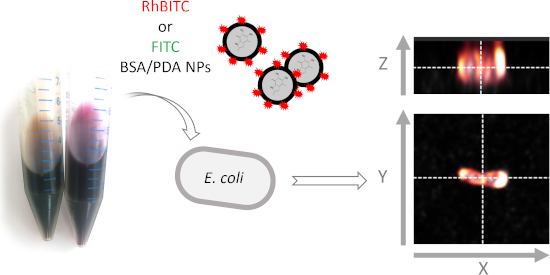
- progressive inhibition of the deposition of a PDA film on the wall of the reaction beaker, which was mentioned above and observed above a certain amount of BSA (Figure 3a). This allowed us to assume that BSA molecules below a critical amount cannot surround all DA molecules (some DA molecules thus form a thin
- film of PDA on the beaker’s wall), whereas they stabilize PDA NPs above this amount. The suspension stability was maintained when BSA/PDA NPs were in suspension in H2O or 150 mM NaCl solution. However, the mean hydrodynamic diameter varied with the solvent, with an increase by up to 50% for a BSA/DA



Dual-heterodyne Kelvin probe force microscopy
Beilstein J. Nanotechnol. 2023, 14, 1068–1084, doi:10.3762/bjnano.14.88
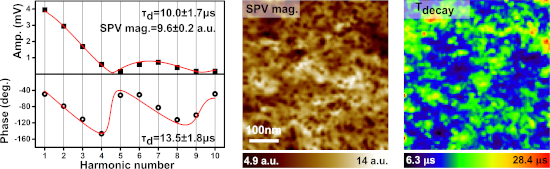
- reference substrate, a bulk organic photovoltaic heterojunction thin film, and an optoelectronic interface obtained by depositing caesium lead bromide perovskite nanosheets on a graphite surface. The conclusion provides perspectives for future improvements and applications. Keywords: heterodyne
- characterize the surface photovoltage dynamics are acquired on a photovoltaic organic bulk-heterojunction (BHJ) thin film. The time-constant values are shown to be fully consistent with the results of pump-probe KPFM. Last, the ability of DHe-KPFM to detect weak SPV signals is illustrated by investigating
- images (Figure 3a, and numeric zoom in Supporting Information File 1, Figure S6) indicate that the thin-film processing was performed as expected. They display a uniform contrast at the hundred-nanometre scale, indicating that a fine intermixing of donor and acceptor species has been obtained. On a




Fragmentation of metal(II) bis(acetylacetonate) complexes induced by slow electrons
Beilstein J. Nanotechnol. 2023, 14, 980–987, doi:10.3762/bjnano.14.81
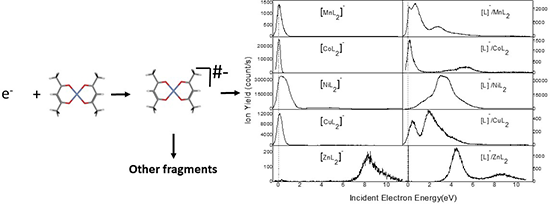
- . Metal bis(acetylacetonate) complexes are of interest for many thin film fabrication techniques (e.g., chemical vapor deposition [9], atomic layer epitaxy [10], or atomic layer etching [11]) and as precursors for carbon materials, such as carbon nanotubes and carbon onion particles [12], or metal oxide


N-Heterocyclic carbene-based gold etchants
Beilstein J. Nanotechnol. 2023, 14, 865–871, doi:10.3762/bjnano.14.71
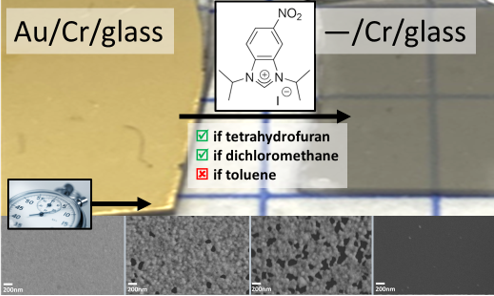
- ) iodide, and 1,3-diisopropyl-5-nitrobenzimidazole-2-ylidene. Contrary to expectation, solutions containing the first two species in tetrahydrofuran and dichloromethane caused visible loss of gold from thin-film-coated glass slides. The use of toluene solutions of all species resulted in no apparent



A wearable nanoscale heart sound sensor based on P(VDF-TrFE)/ZnO/GR and its application in cardiac disease detection
Beilstein J. Nanotechnol. 2023, 14, 819–833, doi:10.3762/bjnano.14.67
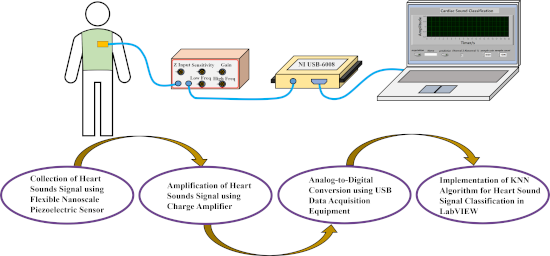
- flexible piezoelectric thin film heart sound sensor was developed, and a heart sound detection and classification system was built based on this sensor. Zinc oxide (ZnO) and graphene (GR) fillers were added to the P(VDF-TrFE) matrix, and P(VDF-TrFE)/ZnO/GR composite piezoelectric nanofilms were prepared
- of heart sound stethoscope. Results and Discussion Characterization of thin film samples In the study by Luo et al. [19], an investigation was carried out to explore the electrospinning of piezoelectric films using different composition ratios of P(VDF-TrFE), ZnO, and GR. The resulting films
- utilized to analyze the composition and β-phase content of the composite piezoelectric nanofilms, while scanning electron microscopy (SEM) was employed to observe the morphology of the thin film filaments. Figure 6 displays the XRD patterns of the three composite piezoelectric nanofilms. In the P(VDF-TrFE


Nanoarchitectonics to entrap living cells in silica-based systems: encapsulations with yolk–shell and sepiolite nanomaterials
Beilstein J. Nanotechnol. 2023, 14, 522–534, doi:10.3762/bjnano.14.43
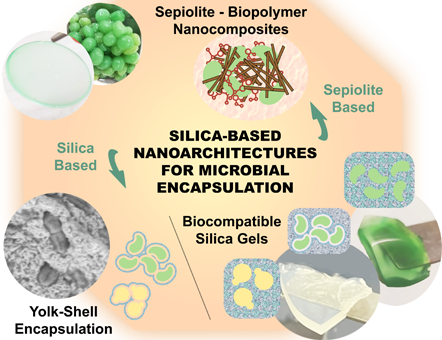
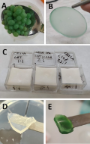
- conformations. (A) Sepiolite–alginate beads, (B) sepiolite–chitosan thin film, and (C) sepiolite–chitosan foams without cells. (D, E) Silica-based nanocomposites. (D) G57-4-type silica gel without cells and (E) the same type of silica gel with entrapped cyanobacteria cells. FE-SEM images of silica gel


The origin of black and white coloration of the Asian tiger mosquito Aedes albopictus (Diptera: Culicidae)
Beilstein J. Nanotechnol. 2023, 14, 496–508, doi:10.3762/bjnano.14.41
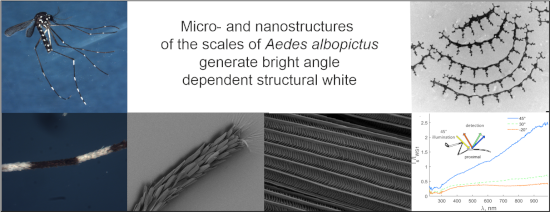
- illumination/observation configuration; (2) light scattering, which might be subdivided in (a) Rayleigh scattering on nanostructures, (b) scattering on partially regular micro- and nanostructures, and (c) thin film interference scales; (3) selective absorption by various molecules present in the cuticle; and
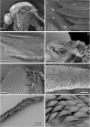
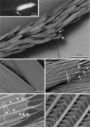
- (and also the black) appearance and demonstrates the importance of multiple reflections for the appearance of the white scales (Figure 6c). Thin film interference In the microscopic areas on the scales with relatively constant cuticle thickness, the effect of interference in thin films can be observed



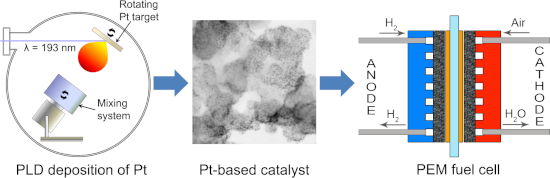
A novel approach to pulsed laser deposition of platinum catalyst on carbon particles for use in polymer electrolyte membrane fuel cells
Beilstein J. Nanotechnol. 2023, 14, 190–204, doi:10.3762/bjnano.14.19
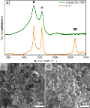
- ) number of electrons per O2 molecule formed during the ORR, (d) %H2O2 formed during the ORR. Curves (c) and (d) were calculated from the data in panels (a) and (b) using Equations 1 and 2, respectively, with η = 0.152 for 900 rpm. The thin film RRDE experiments were done in a four-electrode arrangement in

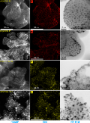
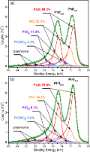


Structural, optical, and bioimaging characterization of carbon quantum dots solvothermally synthesized from o-phenylenediamine
Beilstein J. Nanotechnol. 2023, 14, 165–174, doi:10.3762/bjnano.14.17
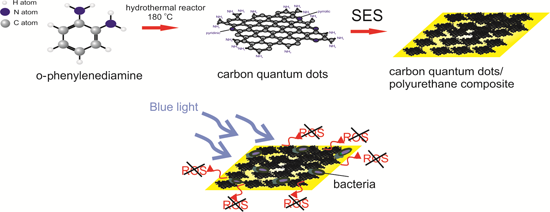
- 2.2 mg/mL. These specimens were designated as CQDs/PU. For bioimaging studies, toluene was evaporated, and a thin film of CQDs was redissolved in water and filtered. The prepared QCD samples were characterized by transmission electron microscopy (TEM), atomic force microscopy (AFM), Fourier


Formation of nanoflowers: Au and Ni silicide cores surrounded by SiOx branches
Beilstein J. Nanotechnol. 2023, 14, 133–140, doi:10.3762/bjnano.14.14
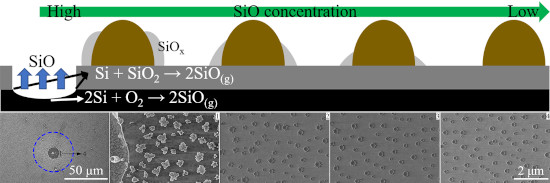
- substrate at higher temperatures in oxygen-deficient environment [3][4]. Another cost-effective nanofabrication method, thin film dewetting, driven by the reduction of the surface energy and the interface energy has also been profusely studied because it provides a straightforward and fast way to produce
- nanoparticles [5][6][7]. The research of thin film dewetting has been extended to bilayers and multilayers for the synthesis of multicomponent nanoparticles [8][9][10][11][12][13][14][15][16], like alloyed AuNi and AuAg nanoparticles produced by the solid-state dewetting of bilayers [17][18][19][20][21][22][23
- small pieces were ready for thin film deposition. Metallic bilayers of Au and Ni of three different thickness ratios and a total thickness of 20 nm were deposited onto the SiO2/Si substrate by electron beam evaporation (CS400ES, VON ARDENNE) at a working pressure of 1 × 10⁻⁶ mbar. The Au layer was


Combining physical vapor deposition structuration with dealloying for the creation of a highly efficient SERS platform
Beilstein J. Nanotechnol. 2023, 14, 83–94, doi:10.3762/bjnano.14.10
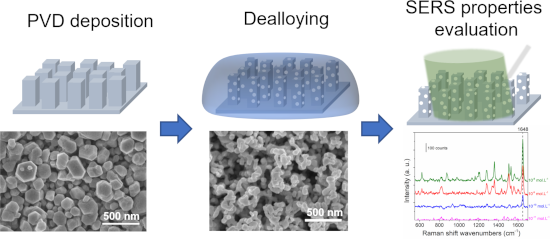
- complexity and the high cost of gold restrict its use in devices. Here, we report on a novel two-step approach that combines the deposition of a silver–aluminum thin film with dealloying to design and fabricate efficient SERS platforms. The magnetron sputtering technique was used for the deposition of the
- alloy thin film to be dealloyed. After dealloying, the resulting silver nanoporous structures revealed two degrees of porosity: macroporosity, associated to the initial alloy morphology, and nanoporosity, related to the dealloying step. The resulting nanoporous columnar structure was finely optimized by
- rhodamine B. Keywords: dealloying; magnetron sputtering; nanoporous thin film; nanostructuring; SERS; Introduction Pollutant residues are strictly regulated in most countries to ensure water and food safety. In this context, there is an increasing demand for pollutant analysis tools with practical and




Upper critical magnetic field in NbRe and NbReN micrometric strips
Beilstein J. Nanotechnol. 2023, 14, 45–51, doi:10.3762/bjnano.14.5

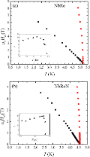
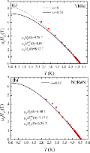
- the electrical resistivity [6]. This feature is related to the polycrystalline or amorphous nature of these materials when deposited in a thin-film form [4][7][8]. In addition to the applicative interest, the study of these materials is relevant from a fundamental point of view. NbxRe1−x (NbRe) for

Electrical and optical enhancement of ITO/Mo bilayer thin films via laser annealing
Beilstein J. Nanotechnol. 2022, 13, 1589–1595, doi:10.3762/bjnano.13.133
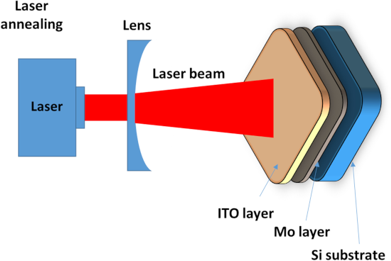
- annealing, a laser beam irradiates the surface layer of the thin film without causing damage. The temperature increases quickly during the process within a short period [24][27]. The laser beam must have a uniform intensity with asymmetrical distribution to obtain surfaces of good morphology with low
- plasma cleaner. In the IM structure, the thickness of ITO was 125 nm while the thickness of Mo was 10 nm. The thickness was controlled by two quartz crystal balances integrated within the chamber. After deposition, the bilayer thin film was treated using a Nd:YAG pulsed laser with a wavelength of 1064 nm
- were determined using a four-point probe system. Results and Discussion The crystalline structure of the ITO/Mo bilayer thin film after laser annealing was investigated using XRD. Figure 1 shows the structural evolution for the as-deposited and the samples annealed with different laser energies. Most


Single-step extraction of small-diameter single-walled carbon nanotubes in the presence of riboflavin
Beilstein J. Nanotechnol. 2022, 13, 1564–1571, doi:10.3762/bjnano.13.130
- properties [3][4][5]. Moreover, as-synthesized SWCNTs typically possess a wide range of diameters and chiralities, leading to an inhomogeneous distribution of optical and electronic properties [5]. Nevertheless, most SWCNT applications, including thin-film electronics, require individual constituent parts


Induced electric conductivity in organic polymers
Beilstein J. Nanotechnol. 2022, 13, 1551–1557, doi:10.3762/bjnano.13.128
- mechanical stress is applied. In this work, the transport properties of thin-film layered lead–PDP–lead structures were experimentally studied in a wide temperature range. At sufficiently high temperatures, the current voltage characteristics are satisfactorily described in terms of the injection model of
- currents limited by the space charge. At temperatures below ≈8 K, a number of samples exhibit features that can be explained by the effect of induced superconductivity in a thin film of conducting polymer enclosed between two massive superconductors (lead). Keywords: conducting polymer; superconductivity
- of thin-film lead electrodes with thicknesses from 50 nm to 200 nm was carried out by thermal evaporation in vacuum. The critical temperature of bulk lead is Тс(Pb3D) = 7.2 K. However, in the form of a thin film, the critical temperature of a superconductor can differ significantly from the tabulated