Search results
Search for "hydrogen peroxide" in Full Text gives 120 result(s) in Beilstein Journal of Nanotechnology.
Strategy to discover full-length amyloid-beta peptide ligands using high-efficiency microarray technology
Beilstein J. Nanotechnol. 2017, 8, 2446–2453, doi:10.3762/bjnano.8.243
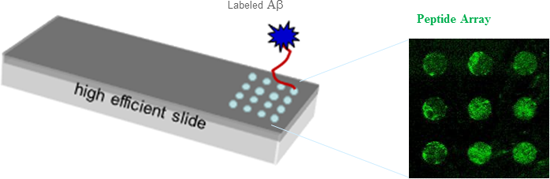
- our laboratory. Experimental Chemicals Phosphate-buffered saline, hydrogen peroxide (29%), ammonium hydroxide (25%), hydrochloric acid (37%), methanol, dimethyl sulfoxide (DMSO), anhydrous toluene and 3-glycidyloxypropyltrimethoxysilane (GOPs) were acquired from Sigma-Aldrich. Bovine serum albumin


Increasing the stability of DNA nanostructure templates by atomic layer deposition of Al2O3 and its application in imprinting lithography
Beilstein J. Nanotechnol. 2017, 8, 2363–2375, doi:10.3762/bjnano.8.236
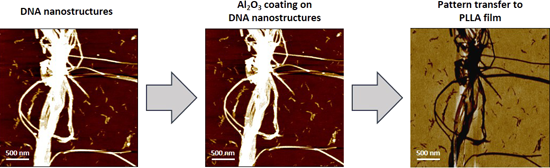
- , USA). 2-Amino-2-(hydroxymethyl)-1,3-propanediol (Tris), ethylenediaminetetraacetic acid (EDTA), magnesium acetate tetrahydrate, sulfuric acid, hydrogen peroxide solution (30% H2O2), and poly(L-lactide) were purchased from Sigma-Aldrich (St. Louis, MO, USA). Acetic acid (glacial), dichloromethane, and




Photobleaching of YOYO-1 in super-resolution single DNA fluorescence imaging
Beilstein J. Nanotechnol. 2017, 8, 2296–2306, doi:10.3762/bjnano.8.229
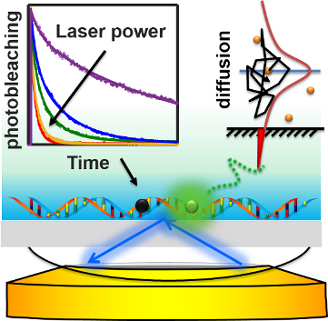
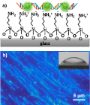
- resistivity of 18 MΩ cm−1. Glass coverslips were first cleaned by sonication in 1% detergent (Liquinox) followed by rinsing with 18 MΩ water. Then the coverslips were immersed in 1:1:5 (v/v/v) of ammonium hydroxide/hydrogen peroxide/water for 15 min at 60 °C. Afterwards they were rinsed with water and dried




Enhanced catalytic activity without the use of an external light source using microwave-synthesized CuO nanopetals
Beilstein J. Nanotechnol. 2017, 8, 1167–1173, doi:10.3762/bjnano.8.118
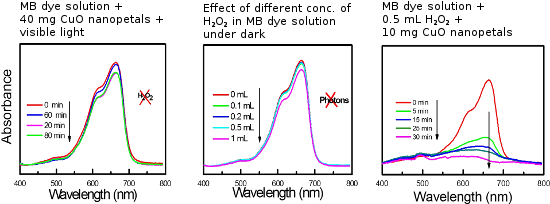
- found to be less effective as compared to other metal oxides [8][9][10][11][12]. Thus, in order to enhance its photocatalytic activity, CuO can be used with hydrogen peroxide (H2O2) [12][13][14][15][16][17][18][19][20][21]. However, the degradation time of dyes is an important problem when using CuO as
- /visible). A corresponding mechanism for the fast degradation observes was also proposed. Experimental Materials and instrumentation Commercial, high-grade copper sulphate (CuSO4·5H2O, 99.95%), sodium hydroxide (NaOH), ethanol (C2H5OH), acetone (C3H6O), methylene blue (MB), hydrogen peroxide (H2O2, 30


ZnO nanoparticles sensitized by CuInZnxS2+x quantum dots as highly efficient solar light driven photocatalysts
Beilstein J. Nanotechnol. 2017, 8, 1080–1093, doi:10.3762/bjnano.8.110
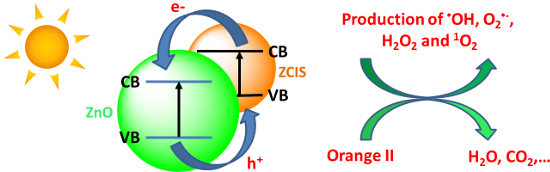
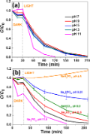
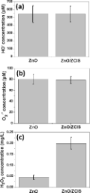
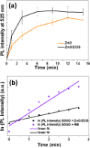
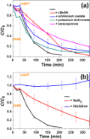
- solution. A mechanism for the degradation pathways mediated by the ZnO/ZCIS catalyst is proposed. Interestingly, hydrogen peroxide, H2O2, and singlet molecular oxygen, 1O2, were found to play a key role in the oxidation of Orange II. Experimental Materials Indium acetate (In(OAc)3, 99.99%, Sigma), zinc
- singlet oxygen and hydrogen peroxide play a key role in the degradation of the dye. The improved solar light photocatalytic activity of the ZnO/ZCIS composite is achieved by the increased lifetime of charge carrier transfer and by the increased light absorption in the visible region due to the
- of the ZnO/ZCIS photocatalyst. Concentration of (a) hydroxyl and (b) superoxide radicals and (c) hydrogen peroxide produced by ZnO and ZnO/ZCIS particles under irradiation using a Hg–Xe lamp. Concentrations of hydroxyl and superoxide radicals and hydrogen peroxide were determined after 30 min, 1 h




Nanostructured carbon materials decorated with organophosphorus moieties: synthesis and application
Beilstein J. Nanotechnol. 2017, 8, 485–493, doi:10.3762/bjnano.8.52
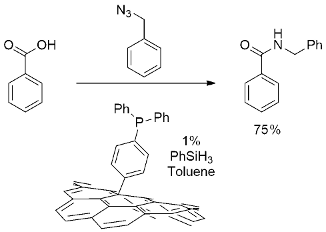
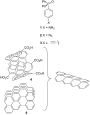
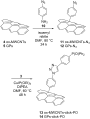
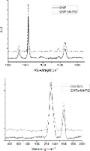
- 12 was confirmed by the signal at 2118 cm−1 in the FTIR spectra (see Supporting Information File 1, Figures S9 and S10). The ICP-AES was used to determine the amount of phosphorus in the complex matrix. The samples were previously mineralized by treatment with nitric acid and a hydrogen peroxide



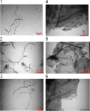


Optical and photocatalytic properties of TiO2 nanoplumes
Beilstein J. Nanotechnol. 2017, 8, 190–195, doi:10.3762/bjnano.8.20
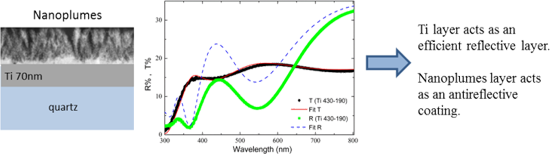
- ). Unfortunately, the synthesis of this remarkable material requires high pressures of H2 (up to 20 bar) and long annealing treatments (up to 5 days). Our group investigated the possibility to synthesize black TiO2 by an easier method [20]. In 2016 we employed, for the first time [21], hydrogen peroxide etching of


Streptavidin-coated gold nanoparticles: critical role of oligonucleotides on stability and fractal aggregation
Beilstein J. Nanotechnol. 2017, 8, 1–11, doi:10.3762/bjnano.8.1
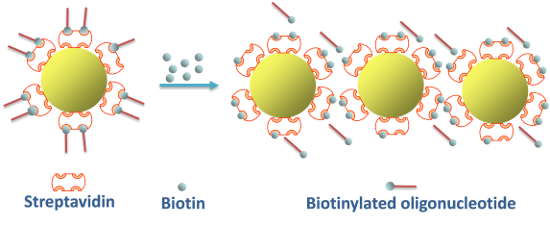
- hydrogen peroxide (30%) and concentrated sulfuric acid (98%). Caution: piranha solution reacts violently with most organic materials and should be handled with extreme care. AuNPs were synthesized by citrate reduction of HAuCl4·3H2O [65]. The trisodium citrate concentration has been shown to be crucial for


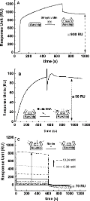


Facile fabrication of luminescent organic dots by thermolysis of citric acid in urea melt, and their use for cell staining and polyelectrolyte microcapsule labelling
Beilstein J. Nanotechnol. 2016, 7, 1905–1917, doi:10.3762/bjnano.7.182
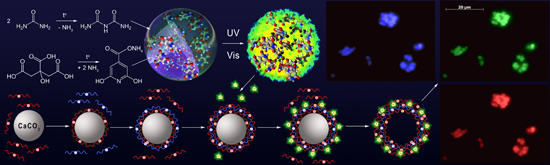
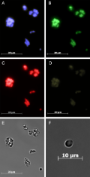
- , and cellular luminescence was weak (Figure 5, top). Treatment with hydrogen peroxide (8 μg/mL, 15 min) initiated activation of oxidative stress in the cells; upon such treatment, the cells were stained more intensely (Figure 5, bottom). The use of O-dots allowed a clear visualization of the oxidative
- with hydrogen peroxide, whose activation includes protein synthesis and ribosome formation. It should be noted that cells at the stage of division, or recently divided cells, absorb O-dots more actively, which may be due to the higher intensity of metabolic processes, and, as a consequence, they have a
- greater sensitivity to oxidative stress. For comparison, a similar staining manipulation was carried out for the same ST cells treated with hydrogen peroxide, but without subsequent fixation (Supporting Information File 1, Figure S20). The micrographs obtained demonstrate that only some of the cells were




Role of RGO support and irradiation source on the photocatalytic activity of CdS–ZnO semiconductor nanostructures
Beilstein J. Nanotechnol. 2016, 7, 1684–1697, doi:10.3762/bjnano.7.161
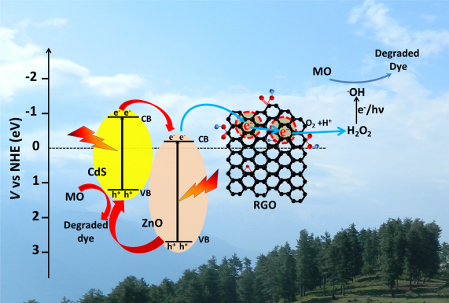
- permanganate (KMnO4) and hydrogen peroxide (H2O2) were purchased from Merck. Zinc chloride (ZnCl2), sodium hydroxide (NaOH), cadmium acetate dihydrate (Cd(OOCCH3)2·2H2O), sodium sulfide (Na2S), ammonia solution and methyl orange were also supplied by Merck. Polyvinyl pyrrolidone (PVP) used in synthesis was




Graphene-enhanced plasmonic nanohole arrays for environmental sensing in aqueous samples
Beilstein J. Nanotechnol. 2016, 7, 1564–1573, doi:10.3762/bjnano.7.150
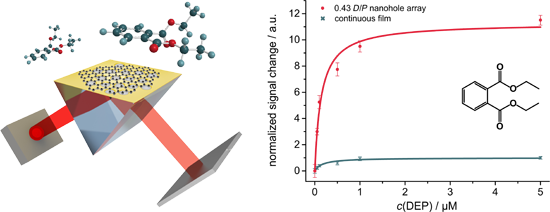
- . Experimental Nanohole array fabrication All substrates are based on glass slides (20 × 20 mm2) of F1-Type with a refractive index of 1.61 (Mivitec GmbH, Sinzing, Germany). All glass slides were cleaned in piranha solution for 90 min and in a mixture of water, ammonia and hydrogen peroxide at a 5:1:1 (v/v/v




Development of highly faceted reduced graphene oxide-coated copper oxide and copper nanoparticles on a copper foil surface
Beilstein J. Nanotechnol. 2016, 7, 1010–1017, doi:10.3762/bjnano.7.93
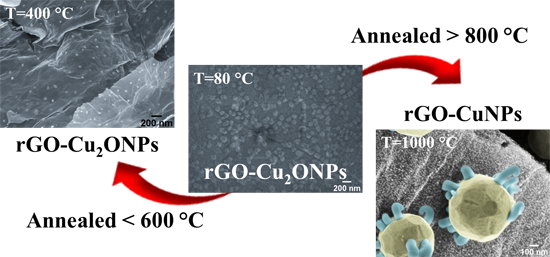
- Reproquifin. Hydrogen peroxide (30%), acetone (99.77%) and copper foil (99.99%) were obtained from J.T. Baker. Ethanol (99.5%) was purchased from Reasol. All reagents were used as received without further purification. Preparation of the rGO sheets and copper-based nanoparticles composite As described in our


Dielectrophoresis of gold nanoparticles conjugated to DNA origami structures
Beilstein J. Nanotechnol. 2016, 7, 948–956, doi:10.3762/bjnano.7.87
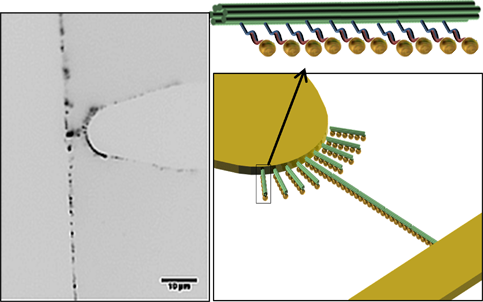
- evaporated and finally the photoresist was removed with the remover solution AR 300-72 (Allresist) by sonication. Dielectrophoretic manipulation of the 6HBs The gold pads were cleaned by immersing them stepwise for 20 s into 100% fuming nitric acid (Merck) and 1 min into a neutralization solution [hydrogen
- peroxide (30 wt % in water; Merck), ammonia solution (25 wt % in water; Merck) and ddH2O in the ratio 1:1:5] and rinsed with ddH2O. Then, such a glass slide was placed in an inverted optical microscope (Axiovert 200M, Carl Zeiss MicroImaging) equipped with a 100×/1.45 numerical aperture oil immersion


Unraveling the neurotoxicity of titanium dioxide nanoparticles: focusing on molecular mechanisms
Beilstein J. Nanotechnol. 2016, 7, 645–654, doi:10.3762/bjnano.7.57
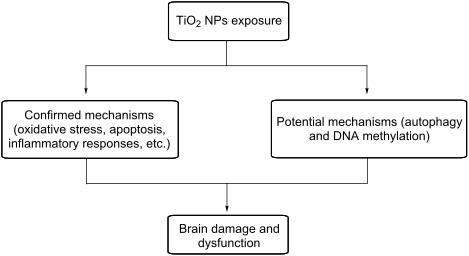
- injure tissues and organs, and is often associated with diseases and aging. Meanwhile, oxidative stress, caused by NPs, is the most important and widely accepted mechanism of nano-neurotoxicity. ROS, such as superoxide, hydrogen peroxide, and hydroxyl radicals, are natural products of the regular oxygen
Novel roles for well-known players: from tobacco mosaic virus pests to enzymatically active assemblies
Beilstein J. Nanotechnol. 2016, 7, 613–629, doi:10.3762/bjnano.7.54
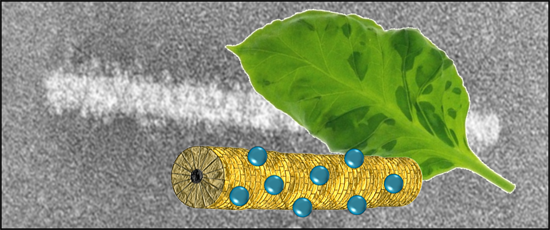
- enabled a colorimetric detection of catalytic activity and the quantification of glucose [152][166][167]. Specifically, GOx catalyzes glucose oxidation to D-glucono-1,5-lactone, thereby producing hydrogen peroxide [168]. This is a substrate for HRP, which reduces it to water, and, as a side reaction, can


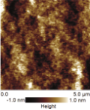
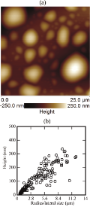
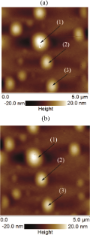
Characterization of spherical domains at the polystyrene thin film–water interface
Beilstein J. Nanotechnol. 2016, 7, 581–590, doi:10.3762/bjnano.7.51
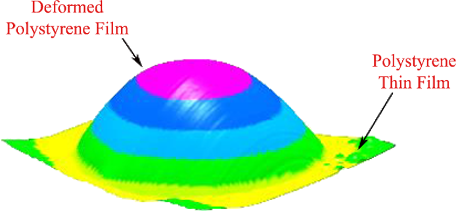
- preparation Polystyrene thin films were spin-coated onto silicon dioxide wafers. Prior to spin coated, the silicon dioxide wafers were cleaned using piranha solution of 3:1 (v/v) sulfuric acid/hydrogen peroxide for 30 min [8]. The wafers were further cleaned with acetone, ethanol and DI water in an ultrasonic




Surface coating affects behavior of metallic nanoparticles in a biological environment
Beilstein J. Nanotechnol. 2016, 7, 246–262, doi:10.3762/bjnano.7.23
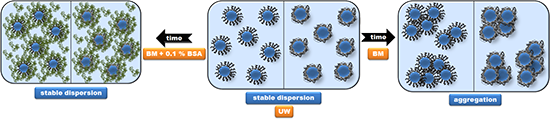
- ), Brij 35 (5 mL, 0.45 mM) and hydrogen peroxide (0.105 mL, 30 wt %) with 44.5 mL ultrapure water. The mixture was vigorously stirred at room temperature in the presence of air. The final volume was kept at 50 mL. To this mixture, NaBH4 (0.4 mL, 200 mM) was rapidly injected, generating a colloid that was

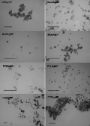
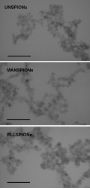


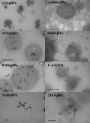

Temperature-dependent breakdown of hydrogen peroxide-treated ZnO and TiO2 nanoparticle agglomerates
Beilstein J. Nanotechnol. 2015, 6, 1897–1903, doi:10.3762/bjnano.6.193
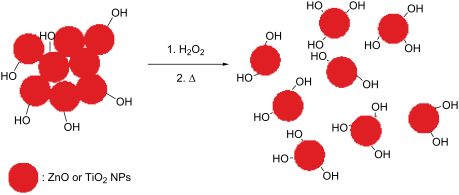
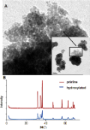
- , the influence of hydrogen peroxide (H2O2) treatment on the dispersion of ZnO and TiO2 nanoparticle (NP) agglomerates as a function of temperature is studied. The H2O2 treatment of the MONPs increases the density of hydroxyl (–OH) groups on the NP surface, as verified with FTIR spectroscopy. The
- individual nanoparticles. It was shown that the combined effect of hydroxylation and heating enhances the dispersion of ZnO and TiO2 NPs in water. Keywords: agglomeration; hydrogen peroxide; metal oxide nanoparticles; TiO2; ZnO; Introduction Dispersion of metal oxide nanoparticles (MONPs) in aqueous media
- demonstrated that the treatment of ZnO NPs with hydrogen peroxide (H2O2) affected the surface properties and as a result the cytotoxicity of the ZnO NPs was found to decrease [20]. H2O2 is a powerful oxidizer and it is therefore routinely used in many cleaners and bleaches. Living systems can produce hydrogen




Optimized design of a nanostructured SPCE-based multipurpose biosensing platform formed by ferrocene-tethered electrochemically-deposited cauliflower-shaped gold nanoparticles
Beilstein J. Nanotechnol. 2015, 6, 1840–1852, doi:10.3762/bjnano.6.187
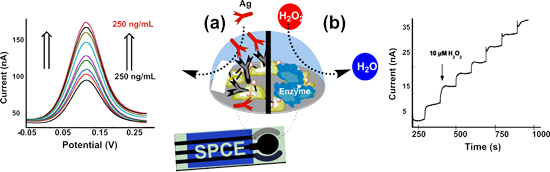
- biosensor (Figure 6a and Figure 6b). Selective detection of H2O2 The simplicity of design and the ease of layer-by-layer modification make this surface an excellent electrochemical sensing platform for hydrogen peroxide detection. Figure 6c shows typical chronoamperometric responses of the ferrocene moiety
- sought to be detected in picogramm (ng/mL) levels and hydrogen peroxide in micromolar levels. From the table, we can see that the developed biosensors are more sensitive than most of those recently published in literature using ferrocene or quinone as electron mediators or immunosensing event transducers
- peroxide reduction. Real sample analysis The two devices have been successfully applied to the detection of hIgG and hydrogen peroxide in human blood serum and local honey [52] chosen as real complex samples, respectively. Before the analysis, the two samples of honey and serum were diluted to 10× and to


Scalable, high performance, enzymatic cathodes based on nanoimprint lithography
Beilstein J. Nanotechnol. 2015, 6, 1377–1384, doi:10.3762/bjnano.6.142
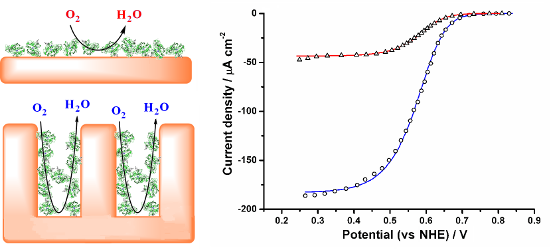
- concomitant reduction of O2 directly to H2O in a trinuclear Cu cluster (T2/T3 Cu cluster) positioned 12–13 Å away [5][6][7], without releasing reactive O2 species, such as hydrogen peroxide or superoxide radicals [8][9]. Three-dimensional electrodes for enzyme-based cathodes are usually used to design high


Formation of substrate-based gold nanocage chains through dealloying with nitric acid
Beilstein J. Nanotechnol. 2015, 6, 1362–1368, doi:10.3762/bjnano.6.140
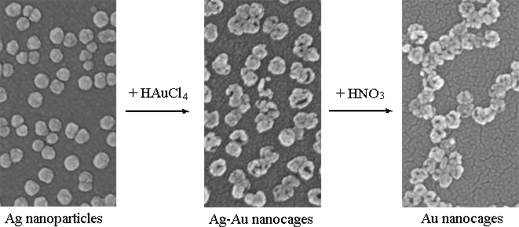
- Suzhou NSG Electronics Co. Ltd. (Suzhou, China). Prior to use, it was divided into the strips (50 × 6 mm). All chemicals were of analytical grade and used as received without any further purification. Silver nitrate (AgNO3), hydrogen tetrachloroaurate (HAuCl4), nitric acid (HNO3), hydrogen peroxide (H2O2

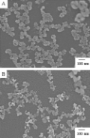
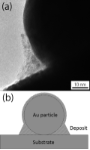
Patterning technique for gold nanoparticles on substrates using a focused electron beam
Beilstein J. Nanotechnol. 2015, 6, 1010–1015, doi:10.3762/bjnano.6.104
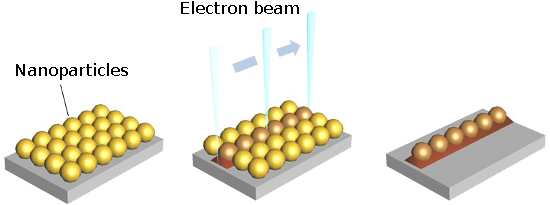
- contribute to the fabrication of nanodevices such as plasmonic waveguides. Experimental Step (i): amino-epoxy method A polished Si wafer, with dimensions of about 3 × 1 mm, was used as the substrate. The substrate was immersed in a mixture (1:3 by volume) of hydrogen peroxide (30%) and concentrated sulfuric




Formation of stable Si–O–C submonolayers on hydrogen-terminated silicon(111) under low-temperature conditions
Beilstein J. Nanotechnol. 2015, 6, 19–26, doi:10.3762/bjnano.6.3
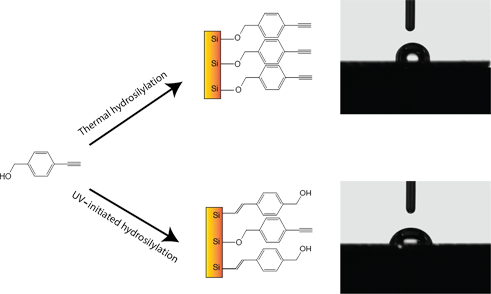
- . Experimental Materials Silicon wafers (111), were boron-doped (resistivity of 0.01–0.018 Ω·cm) and were used in this experiment. Sulfuric acid (Aldrich) and hydrogen peroxide (BDH Prolabo) were of semiconductor grade. 4-ethynylbenzyl alcohol and 4-ethynyl-α,α,α-trifluorotoluene were purchased from Sigma
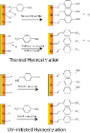
- -Aldrich. All other chemicals, unless stated otherwise were used as received without further purification. Thermal reaction protocol Similar to the methodology as described by Ciampi et al [15], silicon wafers approximately 20 × 20 mm2 were cleaned for 30 min in hot Piranha solution (95 °C, hydrogen
- peroxide (33%)/conc. sulfuric acid, 1:3 (v/v)). The samples were then submerged in a solution of 2.5% hydrofluoric acid for 1.5 min. Subsequently, the samples were placed to a degassed (through a minimum of 20 freeze-pump-thaw cycles) solution of 4-ethynyl-α,α,α-trifluorotoluene (0.3 M in mesitylene). The


High-frequency multimodal atomic force microscopy
Beilstein J. Nanotechnol. 2014, 5, 2459–2467, doi:10.3762/bjnano.5.255
- per degree of screw rotation along the cantilever length and width, respectively. Actin filament preparation A 12 mm diameter glass coverslip (Novoglas Labortechnik) was cleaned with piranha solution (1:3 ratio of hydrogen peroxide to sulphuric acid), rinsed with distilled water and dried by a


Properties of plasmonic arrays produced by pulsed-laser nanostructuring of thin Au films
Beilstein J. Nanotechnol. 2014, 5, 2102–2112, doi:10.3762/bjnano.5.219
- is widely used and investigated because of its stable physical and electrochemical properties and finds application in optoelectronic and photovoltaic devices, as well as in the sensitive detection of species such as glucose, hydrogen peroxide and DNA fragments [56][57]. Samples of the Au–ITO